How Do I Choose the Right Tote Bag? Match Load & Lifestyle
This post contains affiliate links. As an Amazon Associate, we earn from qualifying purchases.
To choose the right tote bag, match three things to your daily load: the internal width (at least 15 inches for a 13-inch laptop), the handle drop (over 24 inches for shoulder carry over a coat), and the presence of a gusset (a 4-inch depth for boxy items). Ignore labeled sizes. Your laptop, your bulkiest item, and your shoulder decide.
The numbers in that answer aren’t suggestions. They are guardrails. A bag that misses them by an inch will fail in a specific, predictable way, your laptop screen hinges get stressed, the bag slips off your winter coat, or the seams blow out after a dozen grocery runs. The rest of this guide translates those guardrails into a five-minute inspection you can do before you buy anything.
What follows: the four measurements that make labeled sizes meaningless, the two material choices that determine a five-year lifespan, and the single construction detail that separates a daily workhorse from a closet ornament.
Key Takeaways
- Your laptop dictates the minimum bag width. A 13-inch screen needs a 15-inch internal width; a 15-inch screen needs 17 inches. Forcing it in diagonally warps the bag and stresses the screen hinges.
- Add 2 inches to the handle drop if you plan to carry the tote over a jacket or thick sweater. A 22-inch drop works over a t-shirt but requires 24 inches over a coat.
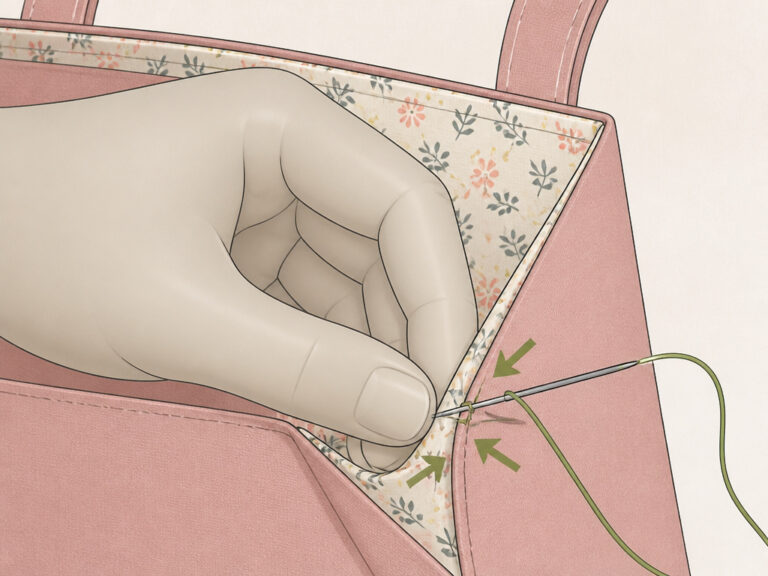
- Glued handles fail within one year under daily load. Look for handles stitched through a reinforced leather patch or bar-tacked directly into multiple layers of fabric.
- A flat tote distorts and stresses its seams when carrying boxy items like water bottles or lunch boxes. You need a gusset of at least 4 inches for that load, or the bag becomes unusable within a dozen trips.
- The best all-around fabric for a daily tote is 10-ounce cotton canvas. It balances durability, structure, and printability. For pure water resistance and shape retention, a 600D polyester canvas wins.
The 4 Numbers That Matter More Than ‘Small’ or ‘Large’
Forget the words on the tag. “Medium” is a marketing term, not a measurement. Every functional tote bag decision starts with four numbers printed on the spec sheet: Width, Height, Gusset Depth, and Handle Drop. If a product page doesn’t list all four, close the tab. You are guessing.
Width x Height x Depth x Drop. These are the only numbers that matter. A 15″ W x 16″ H x 4″ D tote with a 24″ handle drop is a medium workhorse. A 14″ W x 18″ H x 1″ D tote with a 10″ drop is a tall, flat sack for papers only. The labels could both say “medium.”
Width is your primary constraint. It controls what you can lay flat against the back panel of the bag. This is non-negotiable for laptops, tablets, and folders.
Height determines vertical space. A standard reusable water bottle stands about 9 inches tall. If your tote is only 8 inches high, that bottle will tip over constantly, throwing the bag’s balance off every time you move.
Gusset Depth is the difference between a sack and a box. This third dimension, often the last number in a “15x16x4” listing, adds volume and lets the bag stand upright. A flat tote might have a 1-inch gusset. A grocery hauler needs 5 to 6 inches to hold cans without them rolling.
Handle Drop is the distance from the top of the handle loop down to the bag’s top edge. This number decides carry style. Under 23 inches is for hand or forearm carry. Over 24 inches is the minimum for comfortable shoulder carry.
| Your Primary Item | Minimum Bag Width | Minimum Gusset Depth | Handle Drop for Shoulder Carry |
|---|---|---|---|
| 13-inch Laptop | 15 inches | 4 inches | 24 inches (add 2″ for a coat) |
| 15-inch Laptop | 17 inches | 4 inches | 24 inches (add 2″ for a coat) |
| Standard Notebook/Folder | 12 inches | 1 inch | 22 inches |
| Grocery Haul (6 cans) | 15 inches | 5-6 inches | 24+ inches |
Match your largest item to the width, then add gusset depth for protection. A laptop needs that 4-inch buffer so your keys or lunch don’t press directly against the screen. Getting this wrong has a physical consequence: the bag’s front panel pushes inward, transferring pressure to the laptop’s lid. Do that fifty times and you’re looking at a wobbly hinge or a cracked corner.
Laptop First, Everything Else Second
If a laptop is part of your daily carry, it vetoes every other choice. The bag must fit the laptop correctly, not the other way around. The common mistake is buying a tote where the laptop fits diagonally. That forces the screen to sit at an angle, stressing the hinges every time you set the bag down. It also stretches the fabric over the sharp corner.
The rule is simple: your laptop’s stated screen size needs an internal bag width 2 inches larger. A 13-inch laptop needs a 15-inch wide tote. A 15-inch laptop needs 17 inches. This allows the laptop to sit flush against the back panel with a protective buffer in front.
Where this goes sideways: Using a flat tote for a laptop. A flat tote offers zero protection from items in the main compartment. A proper laptop sleeve should also suspend the device slightly above the bag’s bottom for shock absorption, it’s a cradle, not just a fabric divider.
For a dedicated laptop tote bag, look for a padded compartment that meets this width rule and has a false bottom. Brands like Bellroy (Tokyo Tote) and Tumi build this in. For a more versatile tote bag for laptop and other gear, a gusseted canvas tote with a separate neoprene sleeve works better. The sleeve does the protecting; the bag does the carrying.
Flat vs. Gusseted: The Structure That Decides Everything
This is the single biggest functional divider in tote design. Your load type picks the winner.
A flat tote has little to no side or bottom expansion. It’s a single layer of fabric. It’s lightweight, packable, and gives you the full panel width for prints or designs. It is correct for one job: carrying flat, flexible items. Think a folder, a light sweater, a paperback book.
A gusseted tote has extra fabric sewn into the sides and/or bottom, creating a three-dimensional box shape. It stands upright when empty or full. It holds bulky, boxy, or multiple items without distortion.
Choose flat when: You need a bag for a conference swag, a library run, or as a spare packable layer in your suitcase. Most simple tote bag uses start here.
Choose gusseted when: Your load includes anything that can roll, tip, or needs to be separated. This covers common tote bag uses like commuting, shopping, or short trips. The research is blunt: flat totes are “unsuitable for boxy loads.” They “distort and stress the seams, often within a dozen uses.”
The sweet spot for a mixed daily carry is a 4-inch gusset. It adds enough structure to protect a laptop and organize a lunch box without turning the bag into a bulky cube. For pure grocery hauling, step up to 5 or 6 inches.
Material Lifespan: Canvas vs. Leather vs. The Rest

Material determines how long the bag lasts, how it handles weather, and how much weight it carries before the handles rip off. There are three serious contenders.
10-ounce Cotton Canvas is the default for a reason. It’s durable, biodegradable, develops character with stains and wear, and holds structure well. A canvas tote from Filson or L.L.Bean looks better after five years of use. It’s the best fabric for tote bags where you want a soft feel, vivid printing, and machine washability. The 10-ounce weight is key, lighter canvas flops; heavier feels like tarp.
600D Polyester Canvas is the upgrade for function. It has inherent water resistance, holds a rigid structure without sagging, and stands up to daily outdoor use. It’s the better tote bag material if you commute in the rain or need the bag to always look crisp. The trade-off is a stiffer hand feel and less eco-friendly perception.
Full-Grain Leather is the lifetime investment. It’s the most durable best material and develops a rich patina. It’s also heavy, expensive, and requires care. A leather tote is a specific choice for a professional look that ages with you. Avoid corrected grain or bonded leather, they crack and peel.
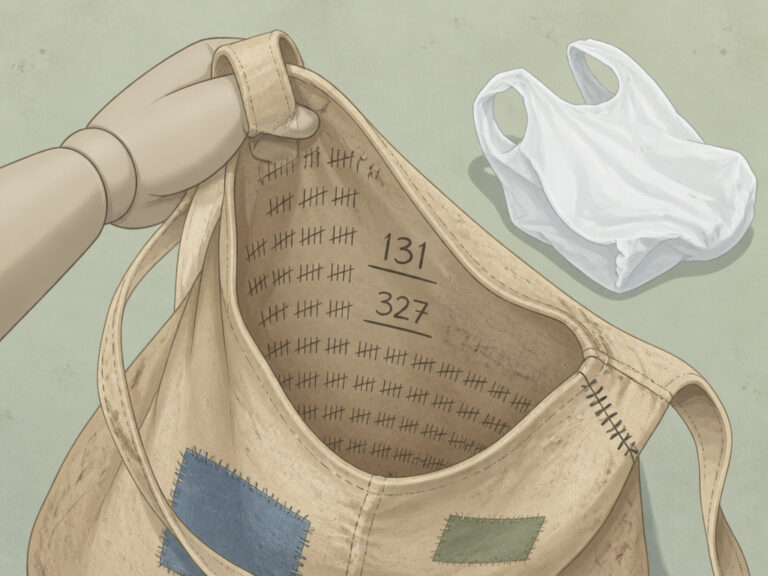
Common mistake: Prioritizing looks over stitch quality. Flip the bag inside out. Handles should be attached with tight, even stitches through a reinforced patch (leather or extra fabric). Glued handles or single-stitch seams fail at the stress points. Glued handles separate within a year under a real load.
Handle Drop and Carry: The Winter Coat Test

A comfortable carry is what makes a tote a daily driver instead of a closet dweller. The handle drop measurement is useless unless you test it against your actual wardrobe.
The published handle drop is measured from the top of the handle to the bag’s top edge. For shoulder carry, that loop needs to clear your shoulder and whatever you’re wearing.
The rule from the research is non-negotiable: for shoulder carry over a winter coat or thick sweater, you need a handle drop of 24 inches or more. A 22-inch drop might work over a t-shirt but will constantly slip off a puffy jacket. When estimating, add 2 inches to the drop you think you need if you live somewhere with a real winter.
The part nobody mentions: Short handles force a hand or forearm carry, which strains your wrist and elbow with any real weight. If you’re carrying more than a few pounds, a shoulder carry is mandatory for comfort. Test this before you buy. Crumple a jacket over your shoulder and imagine the bag hanging there.
How you carry a tote bag also changes its wear pattern. Hand-carry concentrates stress on the handle attachments. Shoulder carry distributes weight but can rub and wear the fabric at the top corners. A longer drop allows for a more secure cross-body carry, which is the most comfortable for heavy loads.
The Daily Driver vs. The Specialist
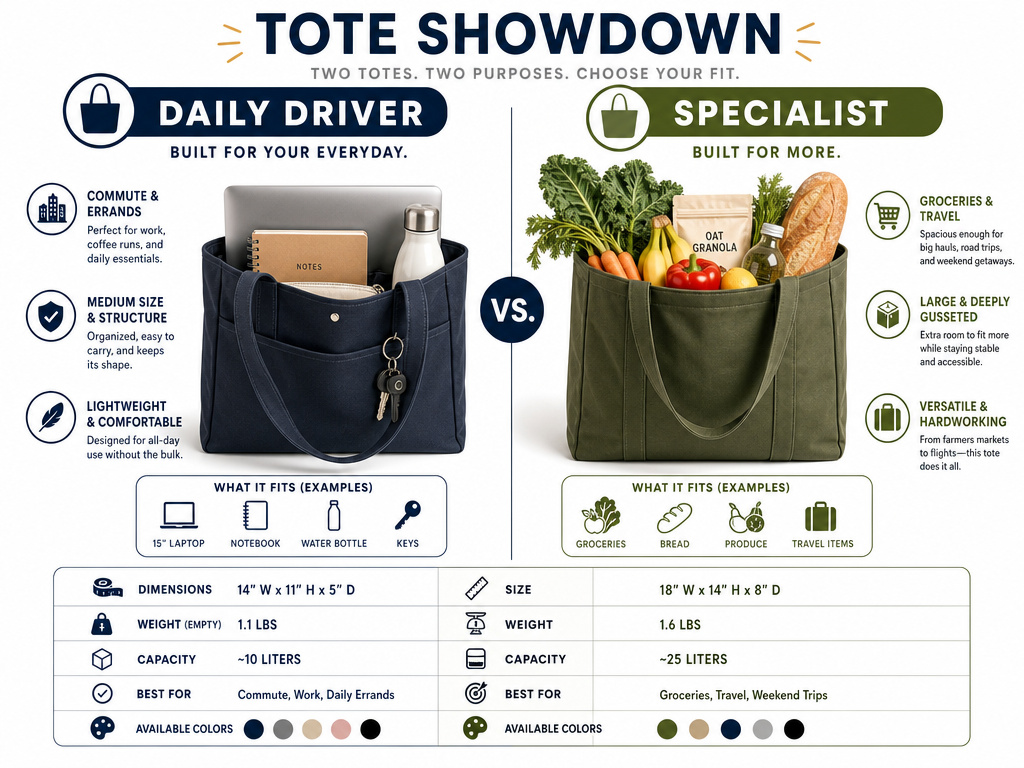
You don’t need one perfect bag. You need the right bag for the job you do most often, and maybe a second for a different scenario.
The Daily Driver (Commute + Errands)
- Size: True medium (15″W x 16″H x 4″D).
- Structure: Gusseted.
- Material: 10-oz Cotton Canvas or 600D Polyester.
- Features: Padded laptop sleeve, one zippered internal pocket, sturdy double-stitched handles with a 24″+ drop.
- Examples: Bellroy Tokyo Tote (for organization), L.L.Bean Boat & Tote Medium (for durability), Lands’ End Canvas Tote (for value).
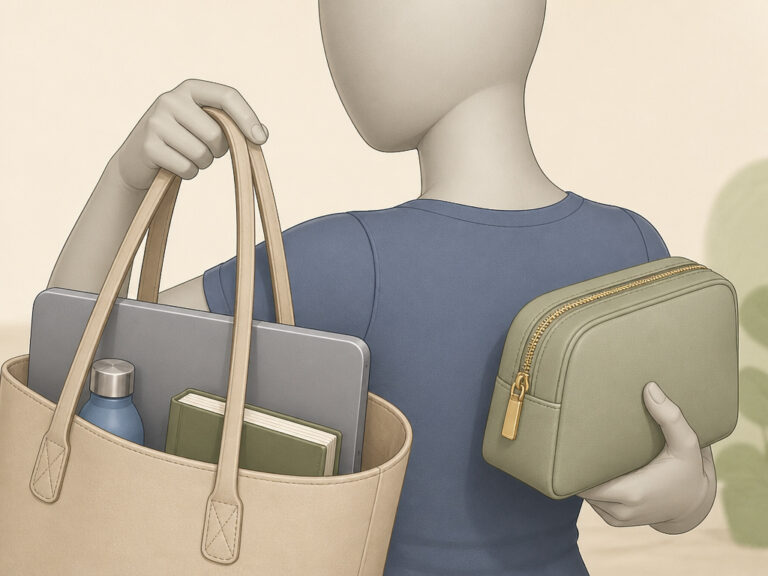
This bag handles 90% of your days. It fits a laptop, a lunch, a water bottle, and a light layer. It stands under your desk. It goes to the grocery store on the way home.
The Specialist (Groceries, Travel, Beach)
- Size: Large or Extra-Large (17″W+ x 18″H+ x 5-6″D).
- Structure: Deeply gusseted, sometimes with a boxed bottom.
- Material: Heavy canvas or packable nylon.
- Features: Extra-long handles, maybe even backpack straps. Might have a zip top for travel.
- Examples: Baggu Duck Bag XL, L.L.Bean Boat & Tote Large, a packable Wanderweight tote.
This bag comes out for a specific task. It holds a week’s groceries, a weekend’s worth of clothes, or beach towels and sunscreen. It’s not for every day, but it’s essential when you need it.
The mistake is using the specialist for daily carry. It’s too big, too bulky, and encourages you to overfill it. Your shoulder will notice by lunchtime.
How to Organize the Black Hole
A tote’s open design is a blessing for access and a curse for organization. Without a system, it becomes a pit where keys, pens, and chargers vanish. You don’t need a bag with seventeen pockets. You need a method.
Start with a tote bag organizer insert. This is a removable fabric cube with compartments that sits inside your bag. It turns any tote into a structured carry-all. Look for one with a central laptop sleeve, a few zip pockets, and open sections for a water bottle and notebook.
For a lighter approach, use a few dedicated pouches. A small zip pouch for cables and batteries. A flat case for pens and business cards. A reusable bag for your lunch. This modular system lets you organize a tote bag based on the day’s needs, you just grab the pouches you need and drop them in.
Easy to miss: The bottom of the bag. Always keep the heaviest, flattest item (your laptop, a hardcover book) vertically against the back panel. Layer lighter, softer items in front. This keeps the bag balanced and prevents items from crushing each other. Never just throw everything in and hope.
Frequently Asked Questions
What is the most common tote bag size?
The most common useful size is 15 inches wide by 16 inches tall with a 4-inch gusset. This “true medium” fits a 13-inch laptop, a notebook, a lunch, and a water bottle. It’s the spec of the L.L.Bean Boat & Tote Medium and most reusable grocery totes. Smaller sizes are often too tight for daily use; larger sizes become bulky.
Can a tote bag be a personal item on a flight?
Yes, if it fits under the seat in front of you. A medium, structured tote is perfect for this. Ensure it has a secure zip-top closure if you’re storing it sideways in an overhead bin, an open-top tote can spill its contents. A gusseted tote around 15x16x4 inches will comply with most airline under-seat dimensions.
How do I stop my tote bag from sagging at the bottom?
Use a bag with a structured, gusseted bottom (at least 4 inches deep). For a bag that already sags, insert a rigid base shaper. You can buy a plastic or felt sheet cut to size, or use a sturdy folder or thin hardcover book at the bottom of the bag. This creates a flat platform that distributes weight and prevents the fabric from stretching.
Are leather tote bags worth the investment?
Only if you value patina and a lifetime lifespan. A full-grain leather tote from a quality brand will last decades and look better with age. For pure daily utility and weight, a heavy canvas tote (like a Filson or Duluth Pack) is more practical, durable, and often less expensive. Leather requires conditioning; canvas just needs a wash.
What’s the difference between a tote bag and a shoulder bag?
The terms overlap, but a tote is defined by its parallel, often twin handles and open-top design for easy access. A shoulder bag typically has a single, longer strap and a more structured, enclosed body. Totes are for volume and grab-and-go use; shoulder bags are for organization and security. Many bags, like the Alemi Zurich, can be carried both ways.
The Bottom Line
Choose the bag that fits your largest item flat. Give it a gusset if you carry anything with corners. Make sure the handles clear your winter coat. That’s it.
The right tote isn’t about style first. It’s about a 15-inch width for your laptop, a 24-inch drop for your shoulder, and stitches that won’t quit after a year of groceries. Look for a Bellroy Tokyo Tote for smart compartments, a L.L.Bean Boat & Tote for brute-force durability, or a Lands’ End canvas option for no-nonsense value.
Then stop looking. A bag that solves your actual carry problem will disappear into your routine. You’ll stop thinking about it. That’s how you know you chose right.