How Much Is a Tote Bag? The Real Price Breakdown ()
This post contains affiliate links. As an Amazon Associate, we earn from qualifying purchases.
A tote bag costs between $1 and $4,000+, driven by five factors: material, construction, branding, order quantity, and the retail markup. A basic non-woven promo bag runs $1-$3, a custom canvas tote is $6-$15, a premium leather bag starts at $20, and designer pieces from Coach or Louis Vuitton range from $200 to over $2,500.
Most people look at two similar-looking canvas totes and assume the cheaper one is a better deal. They ignore the fabric weight stamped inside the seam. The cheaper bag uses 8-ounce canvas. The other uses 12-ounce. That 50% heavier fabric doesn’t just feel sturdier, it lasts three times as long under the same load. You’re not paying for the same bag. You’re paying for the hidden engineering.
This guide strips the marketing off the price tag. We’ll break down what you’re actually buying at each price point, expose the hidden fees that blow up custom orders, and show you how to match a bag’s cost to its real job.
Key Takeaways
- Material weight (GSM/oz) is the single biggest predictor of price and lifespan. A 10-ounce canvas tote outlasts an 8-ounce version by years, not months.
- Order quantity slashes unit cost. Buying 500 bags can cost $8 each; buying 5,000 can drop that to $3.50. Setup fees for branding get spread thin.
- Branding adds $0.30 to $3+ per bag. Screen printing is cheap for bulk, heat transfer offers color flexibility, and embroidery is premium but expensive.
- Retail prices are 2x to 4x the factory cost. A $20 store-bought tote likely cost $5-$8 to manufacture and ship.
- “Hidden costs” sink budgets: Always get a quote that includes setup fees, artwork prep, shipping, and import duties.
The 5 Biggest Cost Drivers (Explained)
Forget brand names for a minute. The price of any tote bag is a math problem with five variables. Change one, and the total shifts.
Material isn’t just “cotton.” It’s the fabric’s grams per square meter (GSM) or weight in ounces. Non-woven polypropylene, the stuff of cheap conference swag, clocks in around 80 GSM. It tears if you look at it sideways. A decent cotton canvas starts at 270 GSM (8 oz). A bag built for heavy books or groceries needs 340 GSM (12 oz) or higher. That extra thread density costs more per yard and requires heavier-duty sewing machines to stitch. Each step up the GSM ladder adds 15-25% to the base material cost.
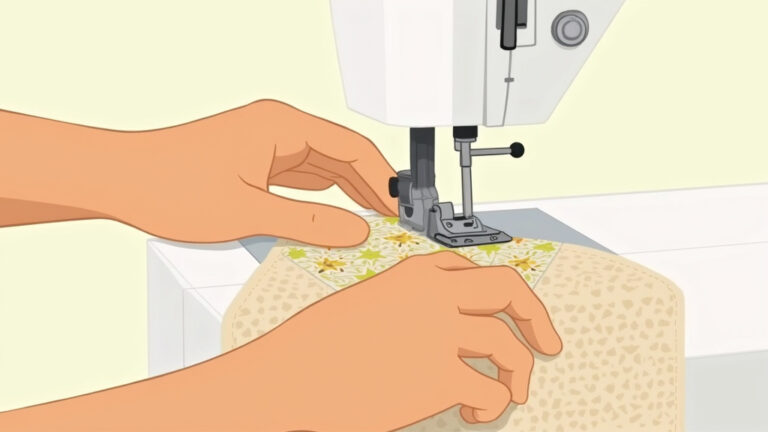
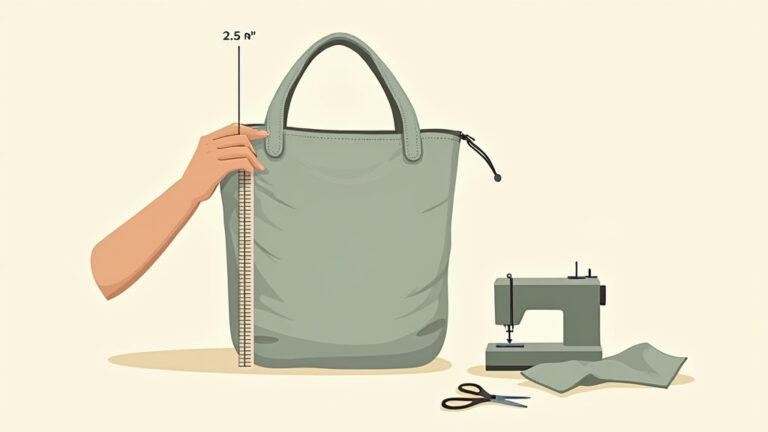
Construction is where the bag earns its keep. A simple sack is cheap to sew. Add a gusset, the folded side panels that create depth, and you need more fabric and more precise sewing. Add a zippered top, internal pockets, or padded laptop sleeves, and you’re adding not just materials but labor time. Reinforced handle attachments are non-negotiable for heavy loads. A handle sewn with a single row of stitches will pull free after a few months of heavy use. A bar-tacked handle, with a dense, box-shaped stitch pattern at the stress points, adds pennies to the cost but years to the bag’s life.
The cost difference between an 8-ounce and a 12-ounce canvas tote isn’t just about thickness. The heavier fabric requires stronger thread, heavier-duty sewing machine needles, and slower stitching speeds to prevent breakage. This increases labor time by 10-15 percent, which factory quotes bake directly into the per-unit price.
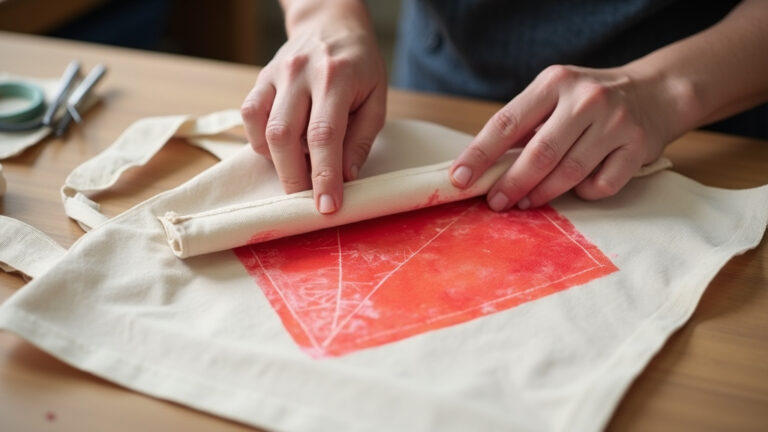
Branding method is a triad of cost, volume, and look. Screen printing is the go-to for large orders (1,000+). It has high setup costs for each color layer, but the per-print cost is tiny. For smaller runs, heat transfer (also called sublimation) is more flexible but costs more per bag. Embroidery is the premium choice. It conveys quality but it’s slow. Each stitch is a needle punch. A complex logo can take minutes and cost $2-$3 extra. It also adds weight.
Order quantity (MOQ) is the business lever. Factories buy materials by the truckload and set up printing presses for a full day’s run. If you only want 100 bags, you’re paying them to stop a big machine for your small job. The setup fee gets divided by 100, making each bag expensive. Order 5,000 bags, and that same fee gets divided by 5,000. The material price also drops through bulk discounts. The per-unit cost can fall by 60% or more between a 300-piece and a 3,000-piece order.
Retail markup is the final multiplier. That $15 bag in a boutique didn’t cost the store $15. It cost them $5-$7. The difference pays for the store’s rent, staff, marketing, and profit. For designer brands, the markup also pays for advertising campaigns, flagship stores, and the perceived value of the label itself.
Tote Bag Price Ranges: From Promo Swag to Luxury
Prices cluster into tiers based on what the bag is built to do. Use this table to anchor your expectations.
| Tote Type & Use Case | Price Range (Retail) | Key Materials & Specs | Realistic Lifespan |
|---|---|---|---|
| Basic Promo/Giveaway | $1 – $5 | Non-woven polypropylene (80-100 GSM) | Single-use or a few months |
| Custom Branded (Bulk Order) | $6 – $15 | Cotton canvas (8-10 oz / 270-340 GSM), screen print | 1–3 years with regular use |
| Premium Retail/Functional | $20 – $100 | Heavy canvas (12+ oz), PU leather, zippers, pockets | 3–7 years |
| Designer/Luxury | $200 – $4,000+ | Full-grain leather, signature prints, metal hardware | Decades with proper care |
The basic promo bag is a disposable item. You see them at fairs and conferences. The material is non-woven polypropylene, a fused plastic sheet. It has almost no tensile strength. The handles are often heat-sealed on, not stitched. They’re priced for volume, a company might pay $1.50 each for 5,000 bags with a simple logo. They serve a purpose, but don’t expect it to carry a laptop and a water bottle every day for a year. It will fail.
Custom branded totes are the workhorses for businesses, events, and retailers. This is where you get a usable bag with your logo. The standard is an 8-10 ounce cotton canvas. It’s soft, washable, and strong enough for everyday shopping. The price you see ($6-$15) is usually the retail price. The business buying 500 of them wholesale might pay $4-$8 per unit, depending on branding. This tier is where most of the customization happens, color, size, handle type, print placement.
Common mistake: Choosing a cheap, single-ply webbing for handles on a bag meant for heavy loads, the handles will stretch and deform within a month, making the bag uncomfortable to carry even if the seams hold.
Premium retail totes start at around $20 and top out near $100. Here, materials and features get an upgrade. You’ll find thicker 12-ounce or waxed canvas, water-resistant linings, genuine or high-quality PU leather trim, and functional additions like key clips and padded sleeves. Construction is better: heavier thread, tighter stitches, reinforced stress points. These bags are built for daily abuse, commuting, farmers markets, as a diaper bag. You’re paying for durability and thoughtful design, not just a label.
Designer and luxury totes operate in a different realm. Price is driven by brand prestige, material rarity (e.g., exotic leathers), and intricate craftsmanship. A Coach City Tote uses their signature coated canvas and leather, with prices from $200 to $600. A Louis Vuitton Neverfull in canvas starts around $1,600; in leather, it soars past $4,000. At this level, you are buying an accessory with a perceived resale value and a decades-long lifespan. The cost covers the brand’s heritage, marketing, and retail experience as much as the physical object.
TL;DR: Match the price tier to the job. A $3 bag is for light, temporary use. A $15 canvas tote is for daily errands. Invest $50+ for a bag that must last years under heavy load.
Custom Tote Bags: Navigating Quotes & Hidden Fees
Ordering custom totes is the fastest way to get exactly what you need. It’s also the fastest way to blow a budget if you don’t speak the language.
The first quote you get is rarely the final price. Setup fees are the most common surprise. For screen printing, there’s a charge to create the screen for each color in your logo, anywhere from $30 to $80 per color. If your logo has three colors, that’s a $150 setup fee added to the total cost. For embroidery, there’s a digitizing fee ($30-$75) to turn your logo into a stitch file the machine can read.
Artwork charges come next. If you send a low-resolution JPEG and the supplier’s graphic designer has to redraw it as a vector file for print, that’s an hour of labor, often billed at $50-$100. Always send print-ready artwork (AI, EPS, or high-res PDF).
Then comes shipping. Tote bags are bulky but not heavy. Shipping 500 bags can cost hundreds of dollars, especially if it’s an international order requiring sea freight. This cost is almost never in the initial per-unit quote. You must ask: “Is this FOB (Free On Board) at your factory, or does it include shipping to my door?” Finally, don’t forget import duties and taxes, which vary by country and material.
To avoid sticker shock, use this script when talking to suppliers: “I need a final, all-inclusive quote for [quantity] bags. Please include the cost per unit, all setup fees (printing/embroidery/digitizing), any artwork preparation charges, estimated shipping to [your city/country], and any applicable taxes or duties you foresee.”
I learned this the hard way ordering 300 branded totes for a local event. The per-bag quote was a clean $7.50. I approved it. The final invoice had a $90 screen setup fee, a $60 artwork charge, and $280 for shipping. The real cost per bag was over $9.50. The event budget was tight, and that extra $600 hurt. Now I ask for the “landed cost” before I ever say yes.
How Order Quantity (MOQ) Drives Price Down
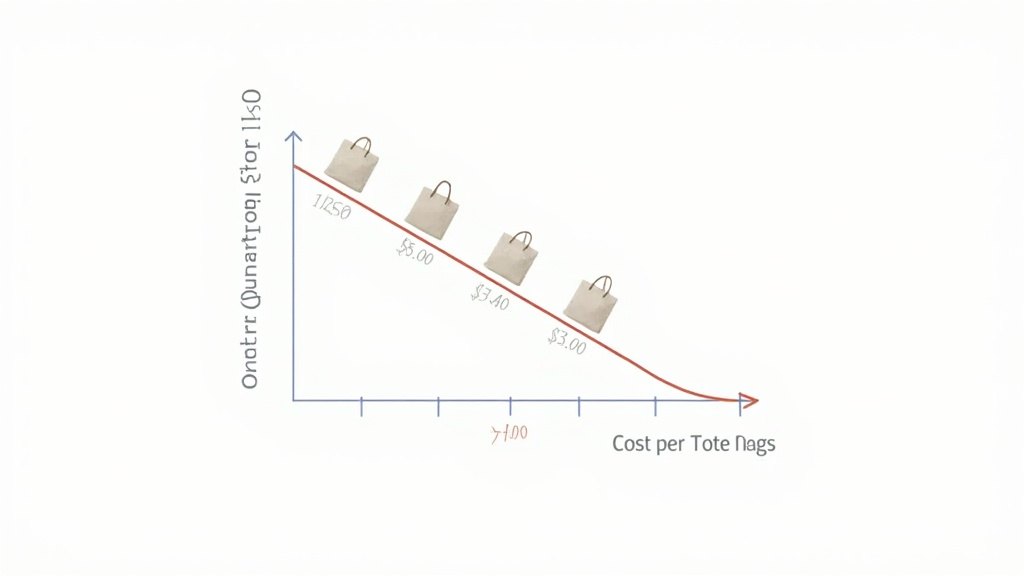
This is the most powerful tool for businesses and large groups. The price curve isn’t linear; it’s a steep cliff that plateaus.
For a typical 10-ounce canvas tote with a single-color print, the pricing might look like this:
* 100 pieces: $12.50 per bag
* 500 pieces: $8.00 per bag
* 1,000 pieces: $5.75 per bag
* 5,000 pieces: $3.90 per bag
The drop from 100 to 500 pieces is massive because you’re absorbing the fixed setup costs. The drop from 1,000 to 5,000 is smaller in percentage terms, but the absolute savings are huge. This is why large retailers can sell a decent canvas tote for $12.99, they bought 10,000 at a time for under $4 each.
I prefer working with manufacturers who have a 500-piece MOQ over those with a 100-piece minimum. Not because I always need 500, but because their pricing structure is built for efficiency. The per-bag cost at 500 pieces is often 30% lower, and the quality control is more consistent on a mid-sized run.
Seasonal pricing is a minor but real factor. If you’re ordering cotton canvas bags, the price of raw cotton fluctuates. Factories may offer slight discounts during their slow seasons (often late summer or right after the Chinese New Year period) to keep production lines running. It’s not a guarantee, but it’s worth asking about lead times and if ordering in a specific month affects the quote.
Retail vs. Factory Direct: Where Does the Money Go?
Understanding the markup is key to knowing if you’re getting a fair deal. Let’s follow a single tote bag from a sewing machine to a store shelf.
A factory produces a well-made 10-ounce canvas tote with a gusset and reinforced handles. Their cost to make it (materials, labor, overhead) is $3. They sell it in bulk to an importer or wholesaler for $4.50. That importer then sells it to a retail store for $7.50. The store prices it at $19.99.
The store’s markup (often called keystone) covers rent, utilities, sales staff, losses from theft or damage, and profit. For online retailers, the markup covers warehousing, pick-and-pack labor, website maintenance, and digital advertising. This 2x to 4x multiplier is standard across retail. That’s why a Delta Air Lines backpack rules compliant bag sold at the airport kiosk costs $40, while a similar one from a factory catalog costs $15.
Common mistake: Comparing a retail tote’s price directly to a factory quote and crying foul. The retail price includes the entire ecosystem that got the bag in front of you. The factory quote is for a box of bags delivered to a loading dock.
For the end consumer, buying “factory direct” usually isn’t an option unless you want 500 identical bags. But for a small business, buying wholesale (often at a 50% discount off retail) or going straight to a manufacturer for a custom run is how you control cost and quality. The trade-off is minimum order quantities and handling logistics yourself.
Choosing the Right Tote for Your Budget & Needs
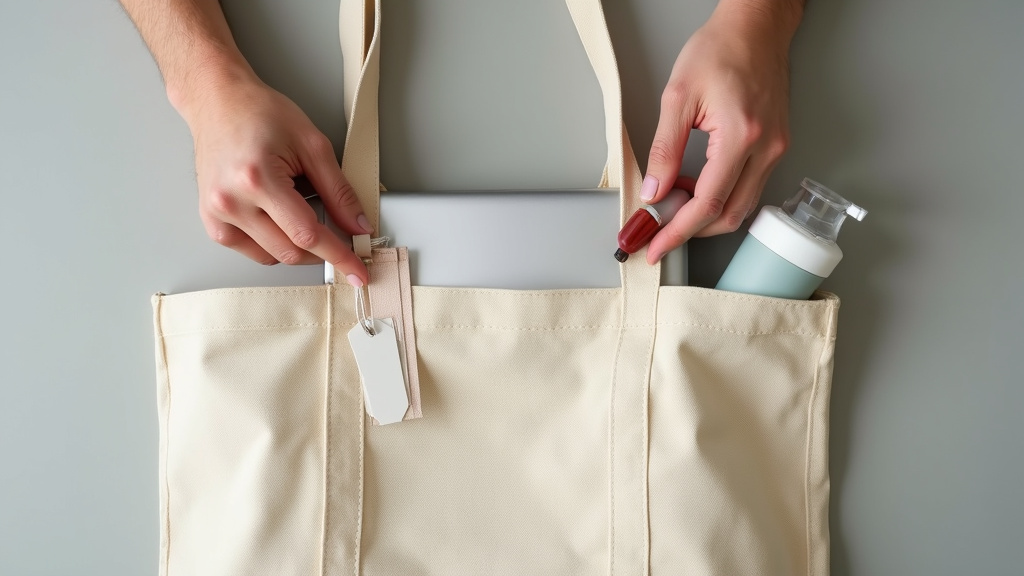
This isn’t about finding the cheapest bag. It’s about spending the right amount for the job. Ask these three questions before you look at a single price tag.
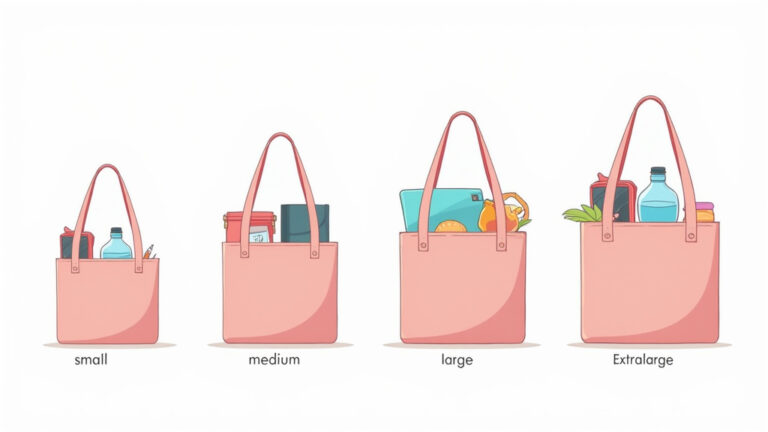
What are you carrying, and how often? A bag for light library books twice a month is different from a bag for a 15-inch laptop, lunch, gym shoes, and a water bottle every weekday. The daily driver needs heavier fabric (12 oz+), bar-tacked handles, and maybe a padded base. That adds $10-$15 to the cost but prevents a blowout in six months.
Is it for branding or personal use? If you need 50 bags for a company picnic, a simple non-woven bag with a print might be perfect. If you’re a boutique selling a tote as a product, the bag itself is the brand. You need better materials and construction, the bag must delight the customer every time they use it. That justifies the higher cost of heavy canvas or leather details.
What’s your realistic quantity? Be honest. If you only need 50 bags, your price per unit will be high. In that case, consider buying blank, high-quality stock totes from a wholesaler and having them locally printed or embroidered. You’ll pay more per unit than a 1,000-piece factory order, but your total cash outlay is lower and you avoid huge minimums.
Your choice also interacts with common travel rules. A tote is a popular personal item. If you plan to use it as such, ensure its dimensions fit under the seat. Knowing standard airplane backpack rules for personal items can guide your size selection. A bag that’s too deep might be forced into the overhead bin, defeating the purpose.
Frequently Asked Questions
Why are some canvas totes $10 and others $50?
The difference is in the unseen specs. The $10 bag likely uses 8-ounce canvas with a simple stitch and thin webbing handles. The $50 bag uses 12-ounce or waxed canvas, double-stitched seams with heavier thread, reinforced handle attachments, and possibly a water-resistant lining. You’re paying for durability engineering.
How much does branding add to the cost?
It depends on the method and quantity. For 1,000+ bags, screen printing adds $0.30-$1.00. Heat transfer for smaller runs adds $1.50-$3.00. Embroidery adds $2.00-$4.00 or more for complex logos. Setup fees are extra and hurt most on small orders.
Is a leather tote worth the high price?
full-grain leather tote from a quality brand can last 20+ years with care, developing a unique patina. It’s a buy-it-for-life item. A cheap “genuine leather” tote (often a lower-grade split leather with a coating) might only last a few years before cracking. Know the leather grade before you equate leather with longevity.
Can I make money selling custom tote bags?
Yes, but you must master cost control. Your selling price must cover: wholesale bag cost + branding cost + packaging + shipping to you + your time + platform fees (like Etsy or Shopify) + marketing + profit. A common mistake is pricing at (bag cost + branding) x 2. That leaves no room for the other expenses. Use a detailed pricing model.
How do I find a reliable manufacturer?
Start on platforms like Alibaba or Maker’s Row, but vet thoroughly. Request physical samples before placing a large order, pay for them. Ask for references from past clients in your country. Confirm their quality control process: how do they check for stitching defects, print alignment, and handle strength? A good factory will have clear answers.
The Bottom Line
Tote bag pricing isn’t a mystery. It’s a direct reflection of materials, labor, and logistics. A $3 bag is built like a $3 bag. A $30 bag is built to carry the weight of your daily life for years.
The smart move is to ignore the sticker price alone. Look for the fabric weight (GSM or ounces). Check the stitching, is it straight and dense? Pull on the handle attachments. That five-second inspection tells you more than a marketing paragraph ever will. Whether you’re buying one for yourself or a thousand for your business, buy the bag that’s built for the job, not just the price that fits the budget. The right bag, at the right price, pays for itself by not needing a replacement.