How Big Is a Tote Bag? Standard Sizes & Capacity Explained
This post contains affiliate links. As an Amazon Associate, we earn from qualifying purchases.
A tote bag’s size is defined by three key dimensions: width, height, and depth (or gusset). There is no single “standard” size, but a versatile, medium tote typically measures about 15-16 inches wide, 13-16 inches high, with a 2-4 inch gusset. The right size for you depends entirely on the largest flat item you need to carry.
Most people grab a tote that looks about right and hope for the best. They end up with a bag that bulges awkwardly, doesn’t fit over their shoulder with a jacket on, or leaves their laptop teetering on the edge. The problem isn’t the bag. It’s picking a size based on a guess instead of a measurement.
This guide breaks down tote bag dimensions the way a workshop manual specs out a tool. We’ll cover how to measure any tote, decode the common size categories, and show you exactly what fits inside each one. You’ll learn why that side panel matters more than you think and how to match a bag to your actual load, not a marketing photo.
Key Takeaways
- Measure a tote by its width, height, and gusset depth while it’s lying flat; the handle drop determines carrying comfort.
- A true medium tote bag (15″ W x 15″ H x 4″ D) is the workhorse size, fitting a 13″ laptop, a notebook, and a lunch box without strain.
- Always choose a tote based on the largest flat item it must hold; a gusset is essential for bulky items like water bottles or books.
- For shoulder carry, especially over a coat, a handle drop of 24 inches or more is non-negotiable.
- Avoid flat totes for boxy loads—they will distort and stress the seams, often within a dozen uses.
What Are the Standard Tote Bag Sizes?
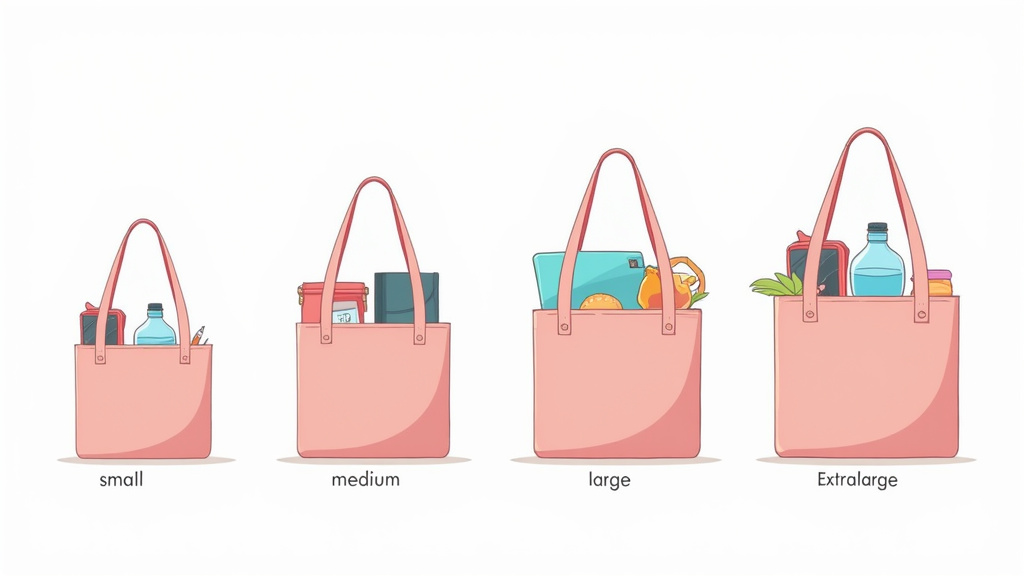
Forget the idea of one universal size. Tote bag dimensions cluster into groups—small, medium, large, extra-large—based on common use cases. A small tote bag runs 8 to 12 inches wide. It’s for quick errands: a wallet, phone, keys, and a slim paperback. Think of it as a reusable grocery sack with handles.
The medium tote bag is the default. This is the size you picture. It spans 14 to 18 inches in width and 12 to 16 inches in height. It’s the Goldilocks zone for daily use because it fits a standard laptop, a few files, and a water bottle without becoming a bottomless pit. Most common tote bag features like interior pockets are designed around this scale.
Large totes start at 18 inches wide and go up to 20 inches or more. These are for carryall duties: gym clothes, a light jacket, a tablet, and your lunch. The extra-large tote bag (20-23 inches wide) blurs into overnight bag territory. It can hold a pair of shoes, a toiletry kit, and multiple changes of clothes.
Common mistake: Ordering an extra-large tote “just to be safe” — an underfilled giant bag crumples in on itself, looks sloppy, and the contents rattle around damaging the interior lining within a month of daily use.
The table below shows where these sizes land and their best jobs.
| Size Category | Typical Width (W) | Typical Height (H) | Best For | Capacity Vibe |
|---|---|---|---|---|
| Small | 8″ – 12″ | 7″ – 10″ | Quick errands, a single library book, as a lunch sack. | Fits in one hand. |
| Medium | 14″ – 18″ | 12″ – 16″ | Daily work commute, laptop carry, farmers market trip. | Full but not heavy. |
| Large | 18″ – 20″ | 16″ – 18″ | Gym bag, diaper bag, weekend market haul. | Requires two hands to lift. |
| Extra-Large | 20″ – 23″+ | 18″ – 20″+ | Overnight travel, beach day, trade show swag. | Feels like a soft suitcase. |
TL;DR: Match the size category to your load’s volume. Medium for daily drivers, large for packed days, small for minimal carry.
How Do You Measure a Tote Bag Accurately?
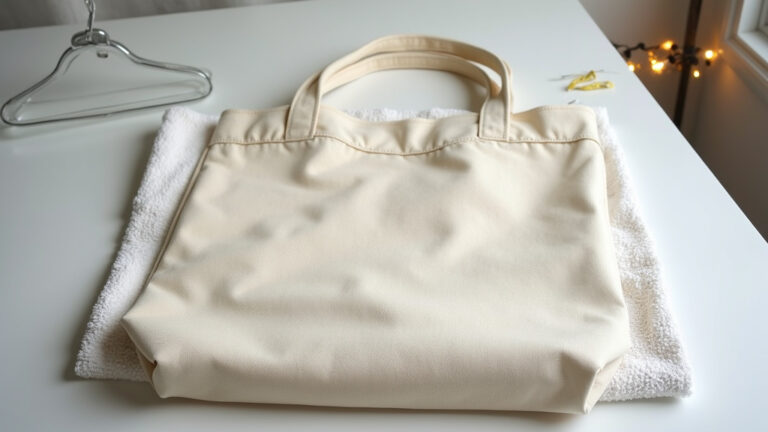
You need a soft measuring tape and a flat surface. Empty the bag completely. Lay it flat, smoothing the fabric so there are no folds or lumps. This is the only way to get consistent numbers.
First, measure the width. This is the distance from the left side seam to the right side seam. Second, measure the height. Run the tape from the bottom seam straight up to the top edge of the bag. Do not include the handles in this measurement.
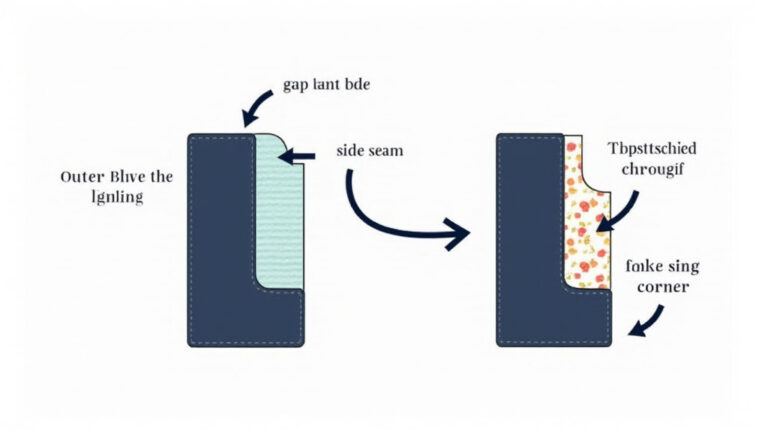
Now, find the depth or gusset. Pinch the front and back panels together at the bottom. The distance between them is the depth. On a bag with a structured side panel (a gusset), this is the width of that panel itself. A flat tote has a depth near zero. A gusseted tote bag might have a depth of 3 to 7 inches.
Finally, measure the handle drop. This is critical for comfort. Hook the tape at the very top of the handle loop and measure straight down to the top edge of the bag. A drop under 23 inches is for hand or forearm carry. Over 24 inches, and you can get it on your shoulder.
Width is measured side-to-side. Height is bottom-to-top. Depth is front-to-back. Handle drop is from the top of the handle to the bag’s top edge. This four-number set is the tote’s spec sheet.
I learned this the hard way ordering promotional tote bags for a local event. The sample was perfect. The production run felt smaller. Turns out, the sample was laid flat for measuring, but the production bags were measured loosely while stuffed with paper. The width was off by a full inch. We had to eat the cost.
TL;DR: Lay it flat. Measure Width x Height x Depth. Then measure handle drop. Those four numbers tell you everything.
Why the Gusset Depth Changes Everything
The gusset is the side or bottom panel that gives a tote its box-like shape. It’s the difference between a bag that swallows a stack of hardcovers and one that turns them into a bulging, unstable mess. A flat tote is essentially a two-dimensional carrier. It’s fine for folders, a yoga mat, or a piece of flat artwork.
Add a gusset, and you add usable volume in the third dimension. This is where tote bag functionality for real life happens. A 4-inch gusset lets you stand a water bottle upright. It allows you to pack a lunch container next to your laptop without one crushing the other.
The gusset also protects any printing or logos. On a flat tote packed with bulky items, the fabric stretches and distorts around the objects. A logo printed near the side seam gets warped and cracked. A gusset absorbs that bulge, keeping the main print panel flat and readable. For durable tote bag construction, the gusset is a stress-reliever, taking strain off the side seams.
| Gusset Depth | Bag Profile | Ideal Contents | Risk If Too Shallow |
|---|---|---|---|
| 0″ – 1″ (Flat) | Slim, flexible | Files, magazines, a scarf, a single layer of groceries. | Bulky items strain side seams; bag won’t stand up. |
| 2″ – 4″ (Standard) | Structured, versatile | Laptop, 1-2 books, lunch box, small camera kit. | Multiple thick items will still cause some bulge. |
| 5″ – 7″ (Deep) | Boxy, high-capacity | Gym shoes, 2-3 textbooks, multiple water bottles, a small grocery haul. | Can become too heavy for comfortable shoulder carry. |
TL;DR: Need to carry anything with thickness? You need a gusset. It adds capacity, structure, and protects the bag’s shape and print.
What Fits Inside Different Tote Bag Sizes?
Let’s move past dimensions and talk about real stuff. This is where you match the bag to your actual life.
A small tote bag (10″ W x 8″ H) fits a standard paperback, a small wallet, sunglasses, and your phone. It’s a purse alternative. A medium tote bag (16″ W x 14″ H x 4″ D) is the workhorse. It will cleanly fit a 13-inch laptop in a sleeve, a standard composition notebook, a packed lunch container, and a 32oz water bottle with room to spare. This is the classic everyday tote bag carry.
A large tote bag (19″ W x 17″ H x 6″ D) moves into hauling territory. Think: a pair of size 10 sneakers, a full change of clothes, a toiletries bag, and a tablet. It’s a weekend gym or pool bag. The extra-large tote (22″ W x 20″ H x 7″ D) can function as a soft-sided overnight bag. You can get a pair of jeans, two t-shirts, a dopp kit, and lightweight shoes inside.
Common mistake: Forcing a 15-inch laptop into a 14-inch wide tote — the corners will press perpetually against the seams, wearing through the lining in under six months and risking damage to the laptop’s corners.
When considering tote bag uses, also think about weight distribution. A fully loaded large tote can weigh 15 pounds or more. Those skinny fabric handles will cut into your shoulder. For heavy loads, a backpack is a better tool for the job. A tote’s strength is access and casual carry, not ergonomic weight-bearing.
TL;DR: Small for essentials, medium for work gear, large for gym kit, extra-large for overnight. Match the bag to the bulk of your biggest item.
How to Choose the Right Tote Bag Size For Your Needs
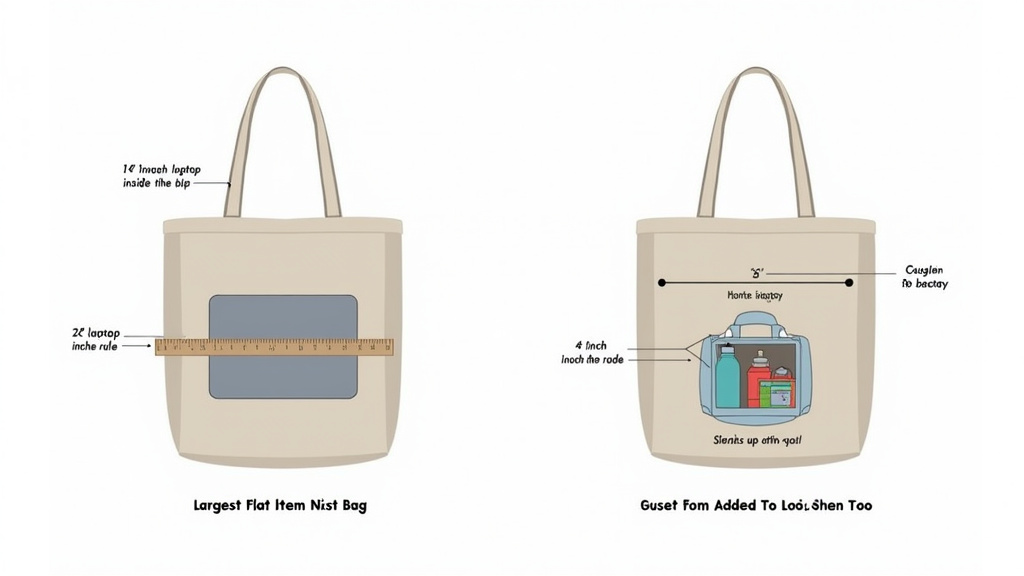
Stop looking at the bag. Start looking at your load. The single best rule is this: choose a tote based on the largest flat item it must carry. If your daily driver is a 14-inch laptop, you need a tote whose interior width is at least 14.5 inches. Everything else fits around it.
Next, consider bulk. If your load includes a water bottle, a lunch box, or hardcover books, you must add a gusset. Refer to the gusset table. A 4-inch depth is the sweet spot for mixed daily carry. This is a core part of choosing a tote bag wisely.
Now, think about your body and how you’ll carry it. Are you wearing a jacket or thick sweater? Add at least 2 inches to your needed handle drop. A 22-inch drop might work in a t-shirt, but with a winter coat, you need 24 inches minimum for it to sit comfortably on your shoulder. This is a common oversight in airline personal item rules where you’re maneuvering in a crowded cabin.
I used a beautiful flat leather tote as my work bag for years. It held my 13″ MacBook Air perfectly. Then I started carrying a stainless steel water bottle. The bottle forced the bag to bulge, which constantly rubbed the laptop against the unlined interior. After a year, the laptop’s aluminum casing had two permanent polished scratches. The bag won. I lost.
Finally, consider material as part of tote bag selection factors. A floppy cotton canvas tote will seem larger than a structured nylon one with the same dimensions because it stretches. A canvas tote bag will conform to your load but offer less protection. A structured bag with a stiff bottom panel holds its shape and protects contents better.
TL;DR: Size it to your biggest flat item. Add a gusset for bulk. Add handle length for coats. Let the material inform structure versus flexibility.
Tote Bags vs. Other Carryalls (When a Tote Isn’t Best)

A tote is a fantastic tool, but it’s not the only tool. For some jobs, another bag is simply more fit-for-purpose. Understanding this saves you from choosing the wrong versatile tote bag applications.
For heavy, dense loads (textbooks, tools, camera gear), a backpack distributes weight across both shoulders and is hands-free. A tote carried on one shoulder creates asymmetrical strain. For true hands-free carry of light items, a crossbody messenger bag or sling is more secure and stable than a tote swinging from your shoulder.
For travel, especially as a tote bag as carry-on, its open top is a security risk in crowded terminals. A duffel with a zippered closure or a travel backpack is safer. For organized carry, a tote’s cavernous interior often loses small items. A briefcase or dedicated laptop bag with built-in organizers is superior for tech and documents.
Even the classic canvas tote has limits. It’s not waterproof. For a beach day or in the rain, a synthetic waterproof duffel bag is a better choice. For carrying hot food or cold drinks, an insulated lunch bag prevents condensation and odors that can ruin fabric.
The tote’s kingdom is casual, medium-load, quick-access carry. It excels at the farmers market, the library, the daily commute with a light laptop, and as a supplemental bag. When your needs shift toward weight, security, organization, or specialty protection, look to a more specialized bag.
TL;DR: Use a tote for light-to-medium, casual carry. Switch to a backpack for weight, a messenger for security, or a duffel for travel and weather.
Frequently Asked Questions
What is the most common tote bag size?
The most common and versatile size is a medium tote, averaging 15 inches wide, 15 inches high, and 4 inches deep. This size accommodates a standard laptop, a notebook, and daily essentials without being overly bulky.
How do I know if a tote bag will fit my laptop?
Check the bag’s interior width measurement. Your laptop’s diagonal screen size (e.g., 13 inches) is not its width. A 13-inch laptop is typically about 11.5-12 inches wide. Ensure the tote’s interior width exceeds your laptop’s width by at least half an inch for easy insertion and removal.
Can a tote bag be a personal item on a flight?
Yes, a tote bag as personal item is widely accepted if it fits under the seat in front of you. Most airlines require personal items to be around 18 x 14 x 8 inches. A medium tote often fits these dimensions, but always check your specific airline’s personal item size limits before you fly.
What’s the difference between a tote bag and a shopper bag?
The terms are often used interchangeably. Generally, a “shopper” implies a slightly larger, often less structured bag designed for retail purchases. A “tote” is a broader category that can include more structured, feature-rich designs for everyday use. Both share the basic open-top, two-handle design.
Are all tote bags machine washable?
No. Tote bag materials dictate care. Cotton canvas totes can usually be machine-washed cold. Bags with leather handles, structured interfacing, or special coatings might be spot-clean only. Always check the manufacturer’s label. Washing a non-washable bag can shrink it, distort its shape, or ruin any waterproofing.
How much should I expect to pay for a good tote bag?
Tote bag pricing has a huge range. Simple promotional cotton totes can cost a few dollars. A well-made, branded canvas tote from a retailer might be $20-$50. Designer or high-end leather totes run into the hundreds. For a durable daily driver made of cotton canvas or heavy nylon with reinforced stitching, expect to invest $30-$80.
The Bottom Line
A tote bag’s usefulness lives and dies by its dimensions. Width, height, and gusset depth aren’t just numbers—they’re a blueprint for what the bag can actually do. Ignore them, and you’ll own a bag that’s perpetually almost right. Use them, and you’ll choose a tool that fits your life.
Remember the rule: size it to your largest flat item. Add gusset depth for bulk. Never underestimate the handle drop. And know when to reach for a backpack or duffel instead. Whether you’re picking one for daily errands, work, or travel, measuring first saves frustration later. Choose with intention, and your tote will work for you, not against you.