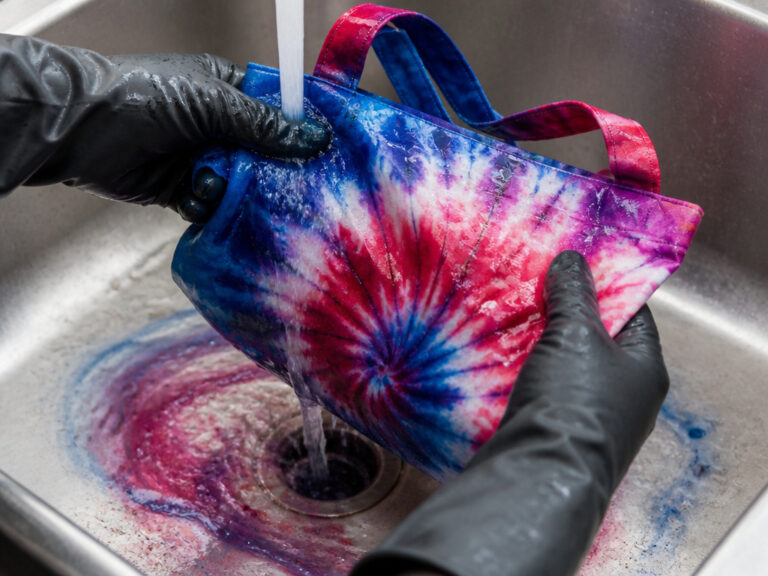
What Is a Canvas Tote Bag? Weight Specs & Durability Guide
This post contains affiliate links. As an Amazon Associate, we earn from qualifying purchases.
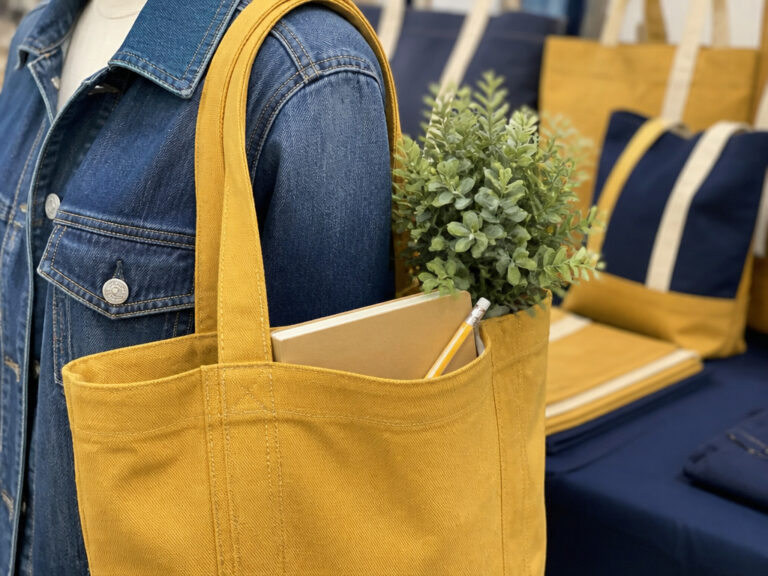
A canvas tote bag is a reusable bag made from a heavy, plain-woven fabric, typically cotton or a cotton-polyester blend, in the shape of a large, open-top carrier with two parallel handles. Its durability is defined by fabric weight, measured in ounces per square yard (oz/yd²) or grams per square meter (GSM), with 10 oz (340 GSM) and above providing the structure and strength for daily use.
The number on the spec sheet, 8 oz, 10 oz, 14 oz, is the direct predictor of whether the bag holds its shape under a load of groceries or collapses into a floppy sack after three uses. That weight determines everything from how it feels in your hand to how many years it lasts.
What follows: a breakdown of the material science behind canvas weight, the clear line between “canvas” and “tote,” and how to read a supplier’s spec sheet to avoid the bags that quietly make your brand look cheap.
Key Takeaways
- “Canvas” refers to the fabric; “tote” refers to the open-top, two-handle design. A canvas tote bag combines both.
- Fabric weight in ounces (oz/yd²) or GSM is the single most important spec for durability. Bags under 8 oz are for giveaways; bags 10 oz and above are for daily use.
- A 10 oz+ canvas tote can comfortably carry 10–15 kg (22–33 lbs), while a light 5 oz bag should be kept under 3–5 kg.
- Using bags below 8 oz for brand promotions can erode brand perception, as users see them as disposable.
- Machine washing is risky, cold water and air drying are mandatory to prevent shrinkage and thread damage.
Canvas vs. Tote: Untangling the Terminology
Walk into any store and you’ll hear the terms used interchangeably. For sourcing or buying, that’s a mistake that leads to the wrong product. A canvas bag is defined by its material: a heavy, plain-woven fabric. A tote bag is defined by its shape: a large, open-top bag with two parallel handles.
The confusion costs real money. A business might order “canvas bags” expecting structured retail carriers and receive soft grocery sacks instead. Or they might source “tote bags” and be surprised by polyester instead of cotton. Getting the language right is the first step to getting the bag you need.
A canvas bag refers specifically to the fabric material, while a tote bag refers to the design or shape. A tote can be made from many fabrics, and a canvas bag can come in many shapes.
This distinction matters because it frames every other decision. When you know you want a canvas tote bag, you’re locking in two variables: the rugged material and the practical, carry-all shape. The next variable is how rugged that material actually is.
The One Spec That Actually Matters: Fabric Weight
Forget color or handle style at the start. The number that separates a bag that lasts a season from one that lasts a decade is its fabric weight, measured in ounces per square yard (oz/yd²) or grams per square meter (GSM). This isn’t about how heavy the bag feels empty; it’s about the density and thickness of the woven fabric itself.
Heavier weight means a tighter weave, more material per square inch, and inherently greater resistance to tearing, abrasion, and sagging. The difference between a 5 oz bag and a 14 oz bag is the difference between a disposable promotional item and a piece of gear.
| Fabric Weight (oz/yd²) | Approximate GSM | Character & Best Use | Realistic Load Capacity |
|---|---|---|---|
| 5 oz | ~170 GSM | Light, soft, no body. Disposable promos, trade show giveaways. | 3–5 kg (6–11 lbs) |
| 8 oz | ~270 GSM | Slight stiffness, still soft. Everyday shopping, casual retail bags. | 5–7 kg (11–15 lbs) |
| 10 oz | ~340 GSM | Crisp, structured, mainstream choice. Branded retail, supermarket, daily commute. | 10–15 kg (22–33 lbs) |
| 12 oz | ~410 GSM | Thick, crisp, strong. Reusable shopping, book bags, light tool bags. | 10–15 kg (22–33 lbs) |
| 14-16 oz | ~470-540 GSM | Very thick, holds shape rigidly. Premium brand bags, outdoor gear, portfolios. | 15+ kg (33+ lbs) |
These numbers come directly from manufacturer specifications for quoting and production. A 10 oz canvas tote is the reliable workhorse. It’s the weight where the bag develops real structure, stands up on its own, and can handle a full load of groceries or a stack of books without the handles straining.
Where this goes sideways: Choosing a bag below 8 oz for a branded item meant to be kept. Users perceive sub-8 oz bags as “low-end disposable giveaways,” which can quietly erode brand perception. For a lasting brand asset, 10 oz or above is the baseline.
The load capacity figures are conservative estimates. A well-constructed 12 oz bag with reinforced stitching can handle more, but the weight rating tells you the fabric’s inherent strength. This is why understanding tote bag material properties is non-negotiable.
How Canvas Tote Bags Are Made (And What to Look For)
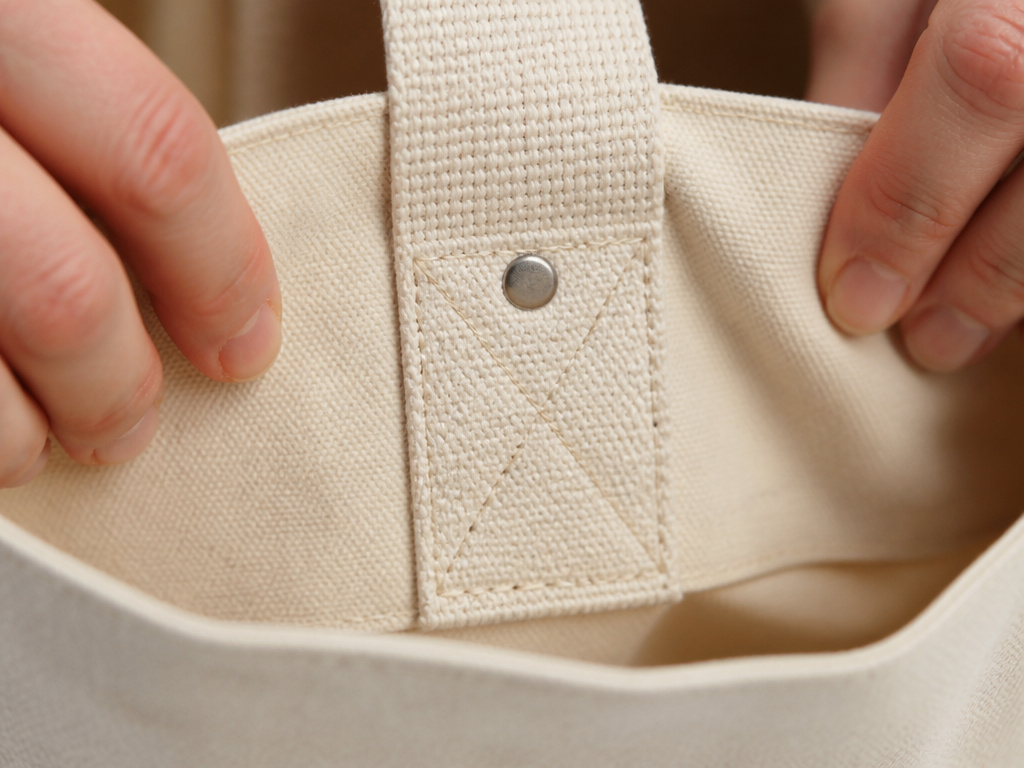
Construction turns fabric into a tool. A high weight rating can be undone by weak seams, skimpy handles, or poor reinforcement. When you evaluate a bag, either off the shelf or from a supplier’s sample, inspect these points like you would the build quality of a power tool.
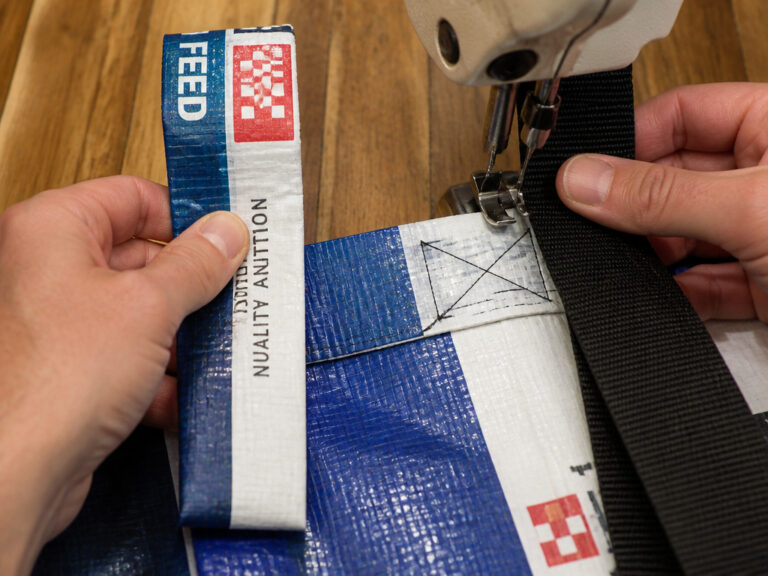
The Handles: This is the number one failure point. Handles should be made from a folded and sewn tube of the same canvas fabric (self-fabric) or a heavy woven webbing. They should be attached with a box-stitch or cross-stitch, a dense pattern of stitches forming a square or “X” over the attachment point, not a single row of stitching. Rivets at the stress points are a sign of heavy-duty intent.
The Seams: Look for double-stitched or lock-stitched seams, especially along the sides and bottom. The stitches per inch (SPI) should be high; loose, wide stitching will unravel under load. For tote bag capacity to be real, the seams must be as strong as the fabric.
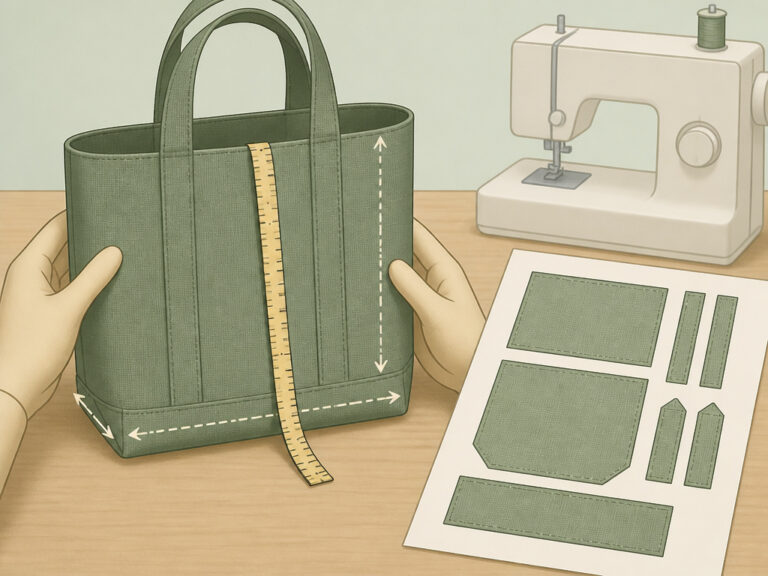
Reinforcements: A good bag reinforces stress areas. This includes corner patches at the bottom, bar-tacks (a dense cluster of zigzag stitches) at the top of the handles, and a patched or double-layer base. A gusset (a folded panel on the sides) adds volume and also spreads stress.
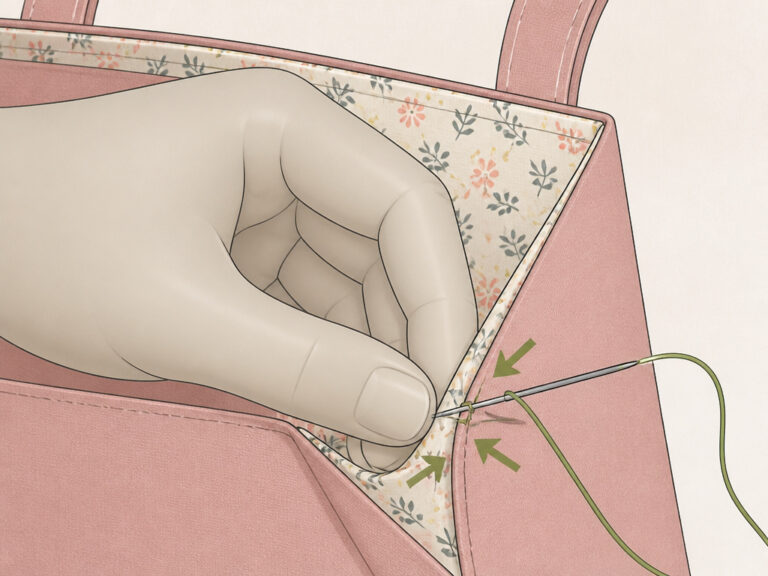
The Details: Metal eyelets for a drawstring, quality zippers, interior pockets sewn with clean finishes, these signal attention to detail that correlates with overall durability. If you’re planning to make a canvas tote, these construction elements are the difference between a prototype and a professional product.
The Real-World Uses: From Groceries to Brand Assets
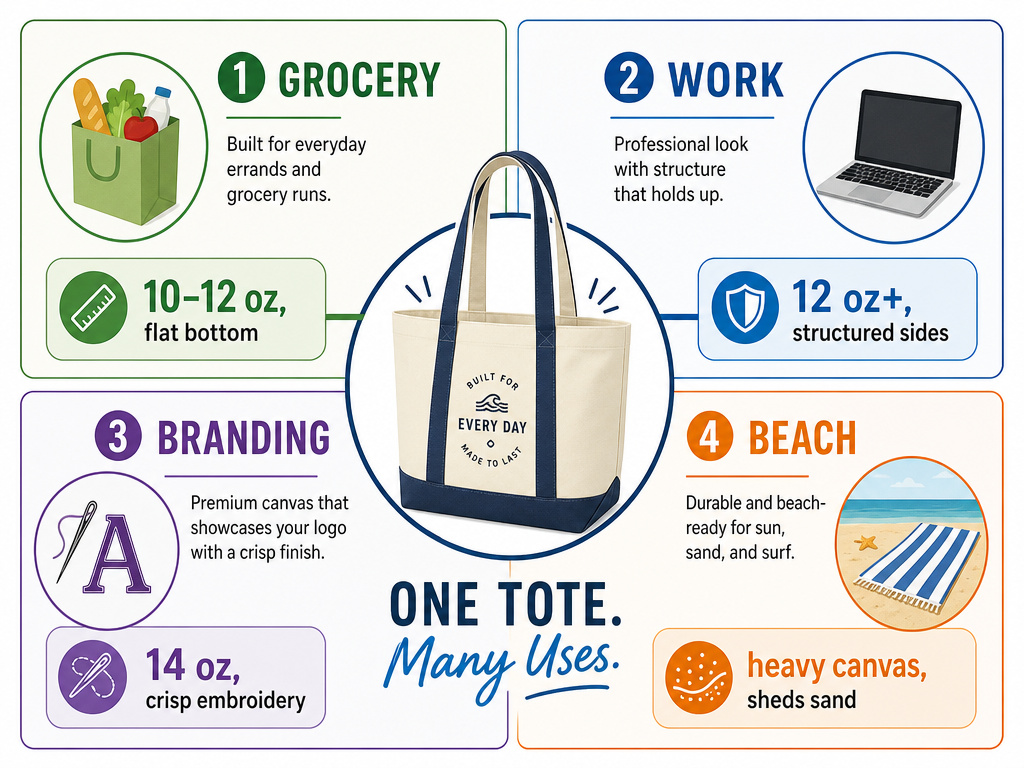
A canvas tote bag’s job seems simple: carry stuff. But the specific stuff, and the context, dictates the required specs. Using the wrong bag for the job leads to immediate failure or a slow loss of trust.
- Grocery & Farmers Market: You need a 10 oz or 12 oz bag with a reinforced, flat bottom. The flat base prevents bottles from tipping and distributes the weight of produce. A lighter bag will sag uncomfortably and risk blowing out at the seams.
- Work & Commute: For a laptop, notebooks, and a lunch bag, look for 12 oz+ with structured sides. Many commuter totes add a padded internal sleeve for the laptop and a zippered pocket for keys. This is where organizing a tote with intentional pockets pays off daily.
- Retail & Branding: This is where weight directly influences perception. A flimsy 5 oz bag with your logo says “throw me away.” A crisp, structured 14 oz bag with clean embroidery says “keep me, use me.” Your bag is a mobile billboard; its quality reflects on your brand.
- Beach & Pool: While canvas isn’t inherently waterproof, a heavy canvas tote sheds sand and stands up to damp towels better than flimsy alternatives. For true wet use, a polyester or nylon tote is a better match, which is a key difference in tote bag fabric choices.
The bag’s use also dictates its care. Which leads to the one maintenance rule that prevents most premature failures.
Never block a wool-acrylic blend above 60°C. By 70°C the acrylic deforms permanently and the garment will not recover its shape, even after re-blocking.
How to Care for a Canvas Tote (The One Rule)
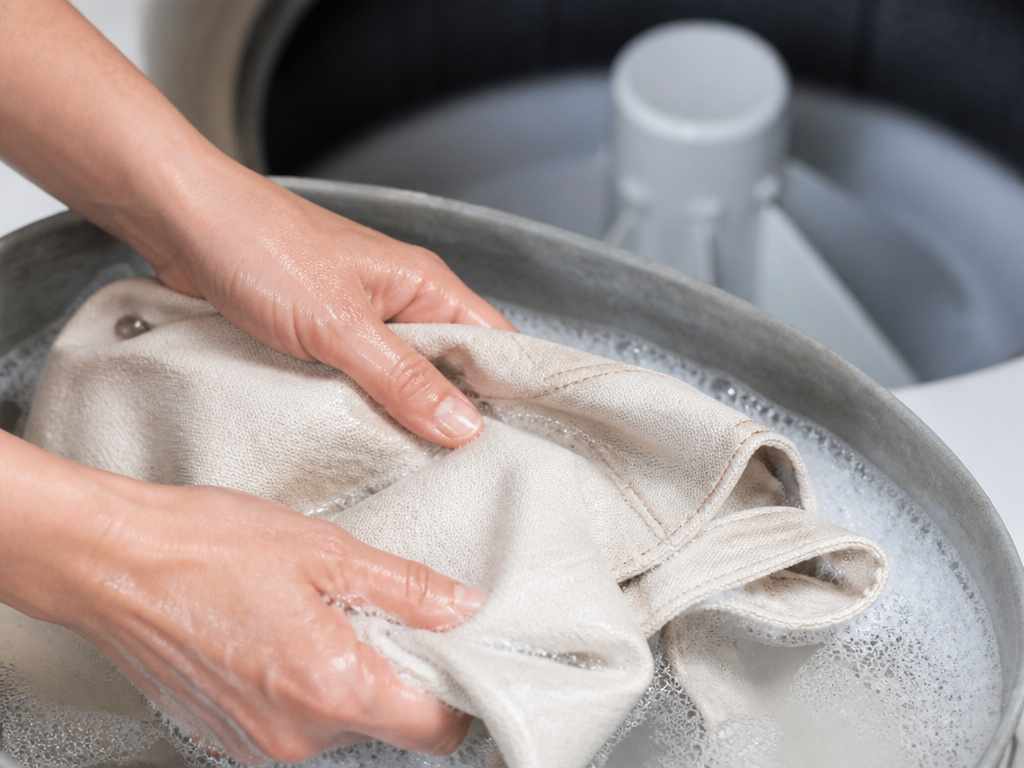
You can machine wash a canvas tote bag. But you probably shouldn’t. The risk is structural.
The agitator in a washing machine puts tremendous twisting stress on seams. The heat from a dryer will shrink natural cotton fibers and weaken the thread. What you get back is a smaller, misshapen bag with stressed seams that will fail sooner.
The safe method is hand-washing in cold water with a mild detergent. Spot clean most stains. Always, always air dry. If you must machine wash, use a cold, gentle cycle and remove the bag immediately to air dry flat. This canvas tote care routine extends a bag’s life from a handful of washes to dozens.
This is especially critical for bags with printed or embroidered logos. Heat and friction will crack screen prints and fray embroidery threads. Proper care keeps the branding intact, which is the whole point of a custom canvas tote bag.
Canvas vs. Other Common Tote Materials
Canvas is the default for a reason, but it’s not the only player. Knowing the alternatives helps you decide when canvas is the right answer and when another best fabric for tote bag scenarios might win.
| Material | Key Features | Best For | Durability vs. Canvas |
|---|---|---|---|
| Canvas (Cotton) | Structured, breathable, printable, biodegradable. | Daily carry, retail branding, groceries. | Reference point. High durability, improves with age. |
| Polyester (e.g., 600D) | Water-resistant, lightweight, vivid print colors, quick-drying. | Beach bags, sports gear, trade shows. | Similar or higher abrasion resistance, but less structural “body.” |
| rPET (Recycled PET) | Sustainable, semi-structured, good print surface. | Eco-conscious branding, promotional giveaways. | Good durability, but often lighter weight than heavy canvas. |
| Jute / Burlap | Textured, biodegradable, rustic aesthetic. | Farmers markets, organic brands, rustic events. | Low durability. Fibers break down with friction and moisture. |
| Non-Woven Polypropylene | Extremely cheap, very lightweight, often fused not woven. | One-time event giveaways, mass distribution. | Very low durability. Not reusable. |
Canvas wins on a combination of structure, natural feel, and customize a tote potential. Polyester wins when water resistance is a priority. The choice isn’t about good or bad, but about matching the material’s inherent properties to the job.
Frequently Asked Questions
What’s the difference between a canvas bag and a tote bag?
Canvas bag is defined by its material, a heavy woven fabric. A tote bag is defined by its shape, a large, open-top bag with two handles. A “canvas tote bag” is the specific intersection of both: that shape made from that fabric.
How long does a canvas tote bag last?
Well-made canvas tote bag from 10 oz fabric with reinforced stitching can last for years of daily use. Cheap promotional totes (5-8 oz) might last a single season. The lifespan is a direct function of fabric weight and construction quality.
Can you wash a canvas tote bag?
Yes, but carefully. Hand wash in cold water is best. If machine washing, use a cold, gentle cycle and always air dry. Heat from a dryer will shrink the fabric and weaken the threads, dramatically shortening the bag’s life.
What is the best weight for a canvas tote bag?
For a general-purpose, durable bag, 10 oz to 12 oz (340-410 GSM) is the sweet spot. It provides good structure and load capacity without excessive weight. For heavy-duty use or premium branding, go to 14 oz or higher.
Are canvas tote bags eco-friendly?
They are reusable and biodegradable if made from natural cotton, which reduces single-use plastic waste. However, cotton production has a high water footprint. For a lower-impact option, look for bags made from recycled materials like rPET or certified organic cotton.
What are common tote bag uses?
They are used for grocery shopping, as a work or commute bag, for library books, as a beach bag, for farmers market trips, and as a reusable retail shopping bag. Their versatility is their main appeal.
The Bottom Line
A canvas tote bag is more than a simple sack. It’s a product defined by a measurable spec, fabric weight, that dictates its entire personality and lifespan. Choose an 8 oz bag for light, casual use. Choose a 10 oz or 12 oz bag as your daily workhorse. Choose 14 oz and above when you need a bag to be a brand asset or to carry real weight.
The right bag feels solid in your hand, stands up on its own, and has handles sewn on with more than hope. It’s the difference between something you use once and something you reach for every day. Look for the ounces on the spec sheet first. Everything else follows from that number.