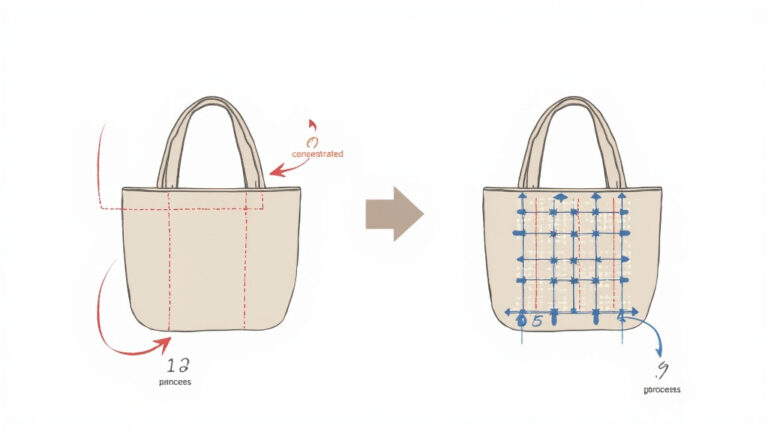
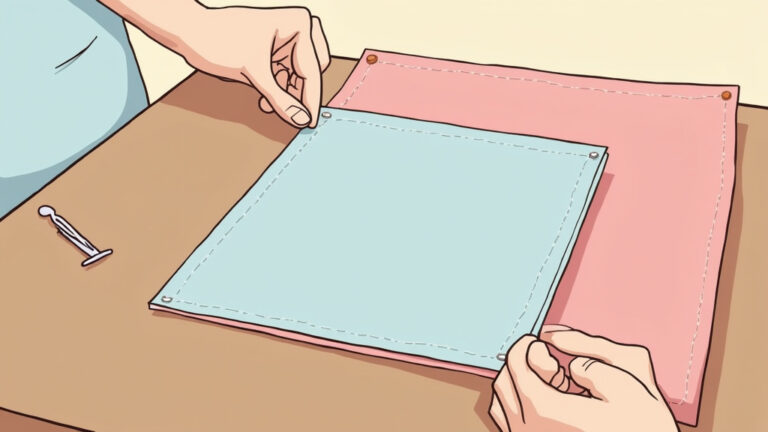
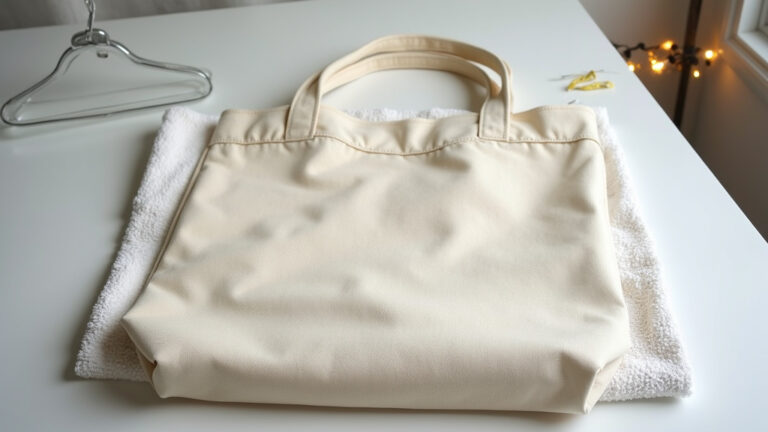
How to Clean a Lands’ End Canvas Tote: Step-by-Step Guide
This post contains affiliate links. As an Amazon Associate, we earn from qualifying purchases.
To clean a Lands’ End canvas tote, check its care label first. Use a mild detergent solution for spot cleaning or a cold, gentle machine cycle for a full wash. Always air dry the tote flat to prevent irreversible shrinkage, as the 100% cotton canvas will tighten permanently with heat.
Most people wreck these bags by treating them like a sweatshirt. They toss them in a hot wash, then into the dryer. The bag comes out half its original size, the stiff structure is gone, and the fabric feels like a worn-out dish towel. It’s a total loss. The fix isn’t complicated, but it requires respecting the material.
This guide walks through the exact methods, from a five-minute spot clean to a full restoration wash. It covers the water-resistant base, patchwork, and how to get the stiffness back if a previous wash made it limp.
Key Takeaways
- Heat is the enemy. Hot water and machine dryers cause permanent, irreversible shrinkage in 100% cotton canvas. Use cold water and always air dry.
- Spot cleaning first. For most dirt and stains, a targeted clean with mild detergent preserves the bag’s original stiff hand and shape better than a full submersion.
- Turn it inside out. If you must machine wash, turn the bag inside out first. This protects any exterior logos, patches, or finishes from abrasion.
- Restore stiffness with starch. If the bag goes limp after washing, a light spray of fabric starch or a diluted white vinegar rinse can help restore some body.
- Skip the bleach. Harsh chemicals, including chlorine bleach, will degrade the cotton fibers and can cause yellowing or discoloration over time.
What Your Lands’ End Tote is Made Of (And Why It Matters)
The classic Lands’ End tote is 100% cotton canvas. It’s a tight, plain weave that starts stiff and breaks in over time. That initial rigidity is from the fabric’s sizing — a starch-like treatment applied during manufacturing. Hot water dissolves sizing. That’s why a hot wash leaves the bag floppy.
Many models, like the Long Handle Zip Top, have a polyurethane-coated base. This gives water resistance and those anti-mould, antimicrobial properties Lands’ End mentions. Harsh scrubbing or strong solvents can degrade this coating. You clean it gently.
Common mistake: Assuming all canvas is the same — a bag with a coated base or leather trim needs a different approach than plain cotton. Using an all-over harsh cleaner strips the coating and leaves the base vulnerable to stains.
The straps are reinforced, often with a double layer of canvas or a bar-tack stitch. Yanking on a wet, heavy bag can stress these stitches. You support the bag’s weight from the bottom when moving it while wet. That detail is missing from every generic guide.
TL;DR: Your tote is sized cotton canvas, often with a coated base. Heat melts the sizing, harsh chemicals hurt the coating, and wet canvas is heavy.
The 3-Step Spot Cleaning Method (For 90% of Jobs)
For dirt, food splatters, or general grime, spot cleaning is the first and best line of defense. It keeps the rest of the bag dry and preserves the fabric’s finish.
Before you start: Work in a well-lit area. Have two clean white cloths (old t-shirts work) and a bowl of cool water ready. Colorful cloths can bleed dye onto wet canvas.
Step 1: Dry Brush. Take a soft-bristled brush (a clean toothbrush is perfect) and brush the entire surface to loosen dry dirt and debris. Do this over a trash can. Skipping this grinds particles into the fabric during the next step.
Step 2: Mix Your Solution. In a small bowl, mix a teaspoon of mild liquid detergent (think Woolite or a baby shampoo) with a cup of cool water. Swirl until sudsy. Never use a soap with built-in bleach or brighteners.
Step 3: Dab, Don’t Scrub. Dampen one cloth in the solution, wring it out well, and dab at the stain. Work from the outside of the stain toward the center. Rinse your cloth in clean water frequently. Once the stain is lifted, use the second cloth dampened with plain cool water to rinse the area by dabbing. Let it air dry completely before using the bag.
Dirt and most food stains are water-soluble. The surfactant in detergent breaks the bond between the stain and the cotton fiber, allowing it to be lifted away with moisture. Scrubbing pushes the stain deeper into the weave.
Machine Washing: The Cold-Water, Gentle-Cycle Protocol
Check the care label. If it says “Machine Washable,” you can proceed. If the label is missing or says “Spot Clean Only,” do not machine wash. The risk of shrinkage and damage is too high.
Turn the bag inside out. This is non-negotiable. It protects the exterior surface, any printed logos, and the water-resistant coating on the base from direct abrasion against the washer drum.
Use the gentlest cycle your machine has (often called “Delicates” or “Hand Wash”) with cold water only. Add a small amount of mild detergent. Do not over-suds. For an extra dirty bag, you can add a half-cup of white vinegar to the rinse cycle as a natural fabric softener and odor neutralizer. It won’t harm the canvas.
Wash the tote alone or with a few other lightweight, colorfast items like towels. Do not wash it with jeans, items with zippers, or anything that could snag or abrade the fabric. After the cycle ends, remove the bag immediately. Do not let it sit wet in the machine.
TL;DR: Inside out, cold water, gentle cycle, mild detergent. Remove immediately after.
Hand Washing: The Controlled Alternative
If you’re hesitant about the machine or your bag has patches or embellishments, hand washing gives you full control.
Fill a clean sink or basin with cool water and a small amount of mild detergent. Submerge the bag and gently agitate it with your hands. Let it soak for 15-30 minutes for ground-in dirt. Drain the soapy water, refill the basin with cool clean water, and agitate again to rinse. Repeat this rinse until the water runs completely clear. Any soap residue left in the canvas will attract more dirt later.
The Absolute Rule on Drying Your Canvas Tote
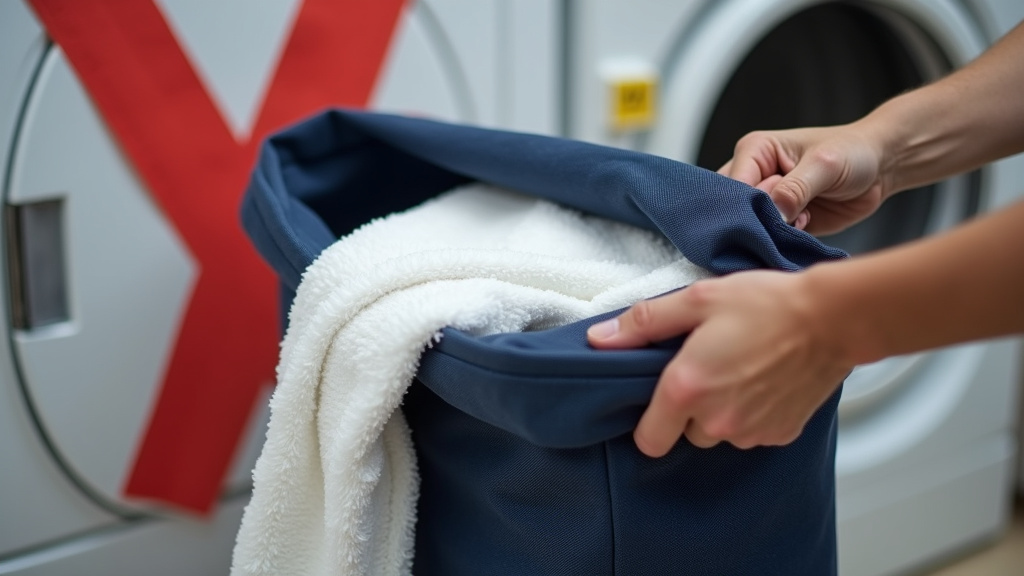
The dryer is forbidden. Even a low-heat tumble dry will shrink cotton canvas. The result is a stiff, misshapen, smaller bag. It cannot be stretched back.
After washing, press the bag between your hands to remove excess water. Do not wring or twist it, as this can distort the shape. Then, lay the bag flat on a clean, dry bath towel. Roll the towel up with the bag inside, pressing firmly to absorb more moisture. Reshape the bag with your hands, paying attention to the corners and the base.
Lay it flat on a drying rack or another dry towel, out of direct sunlight. Direct sun can fade colors over time. Flip it once halfway through drying. Expect it to take 24-48 hours to dry completely.
| Drying Method | Result | Timeline |
|---|---|---|
| Machine Dryer (any heat) | Guaranteed shrinkage, possible misshaping | 30-60 minutes |
| Air Dry Flat (recommended) | Preserves size and shape | 24-48 hours |
| Hang Dry by Straps | Can stretch or distort wet straps | 12-24 hours |
Advanced Stain Removal for Canvas
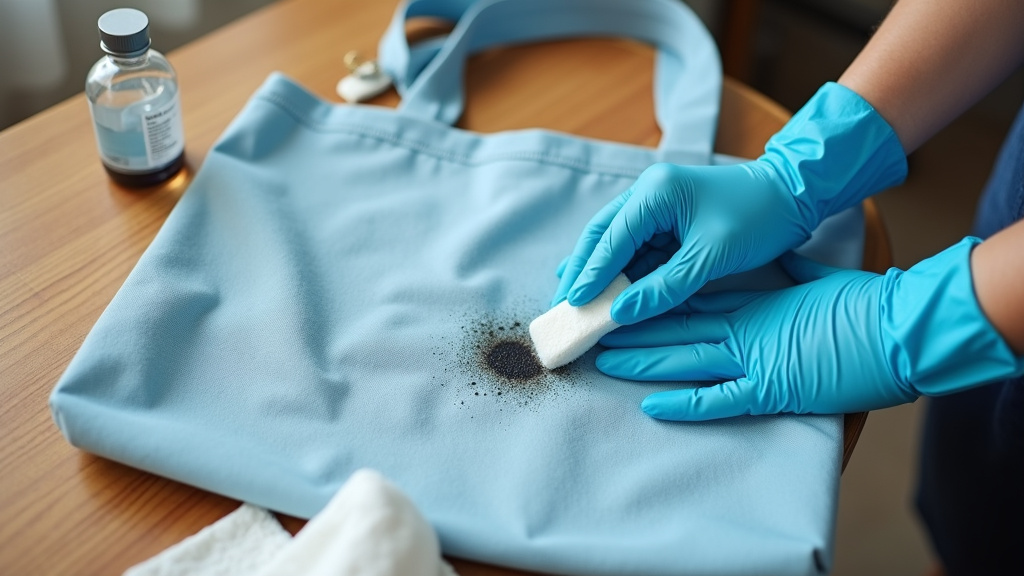
For stains that survive the basic spot clean, you need targeted treatment. Always test any solution on an inconspicuous area first, like the inside of a side seam.
Ink: Blot fresh ink with a clean cloth to absorb excess. Then, dab the stain with a cotton ball soaked in rubbing alcohol (isopropyl alcohol). The alcohol dissolves the ink’s dye without dissolving the cotton fiber. Blot with a clean, water-dampened cloth afterward to rinse.
Grease or Oil: Blot up any excess. Cover the stain with a thick layer of cornstarch or talcum powder. Let it sit for an hour; the powder will absorb the oil. Brush it away. For residue, apply a drop of clear Dawn dish soap directly to the stain, gently work it in, then rinse with a damp cloth. Dawn’s surfactants are designed to cut through grease.
Red Wine or Berry Juice: These are tannin stains. While the stain is fresh, pour a little club soda on it and blot. The carbonation can help lift the stain. For a set-in stain, make a paste of baking soda and water, apply it, let it dry completely, then brush it off.
Common mistake: Using hydrogen peroxide or bleach on an organic stain like wine — it can set the stain by breaking down the plant pigments into smaller, harder-to-remove compounds.
Restoring and Protecting Your Tote Post-Clean
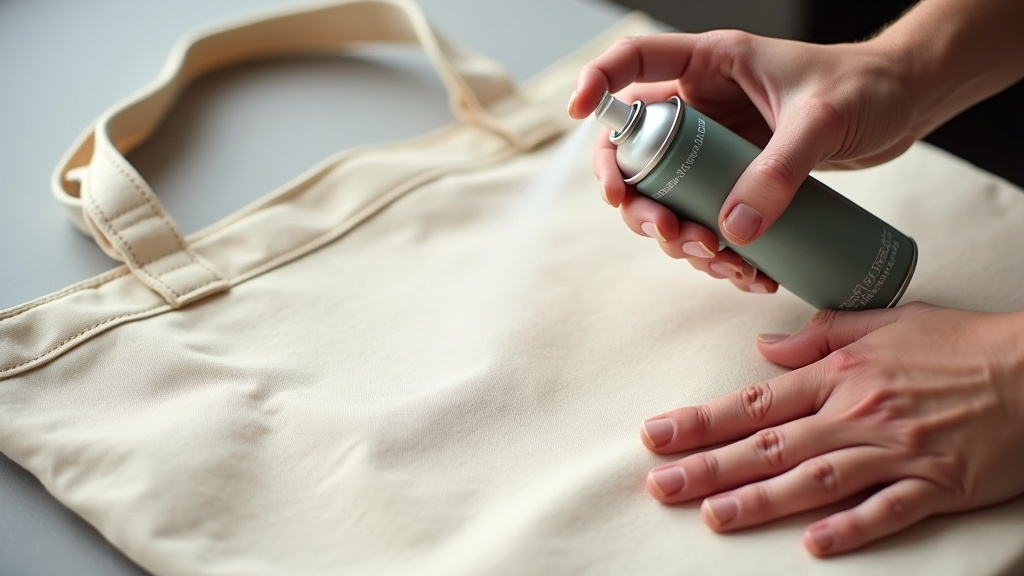
A washed canvas tote often loses its crispness. To restore some body, you have two options. For a light stiffening, use a fabric starch spray. Spray a light, even mist over the exterior while the bag is slightly damp, then let it dry flat. For a more natural approach, do a final rinse with a solution of one part white vinegar to four parts water. The vinegar helps remove any residual detergent that can make fabric limp.
For long-term protection, consider a fabric protector spray like Scotchgard. Apply it to a completely clean, dry bag in a well-ventilated area. It creates an invisible barrier that causes liquids to bead up, making future spot cleaning easier. Reapply every six months with heavy use.
Finally, proper storage is part of cleaning. Before you store tote bags long-term, ensure they are bone dry to prevent mildew. Learning how to fold tote bags neatly prevents deep creases.
TL;DR: Use starch spray for stiffness, fabric protector for future stains, and always store completely dry.
Frequently Asked Questions
Can I put my Lands’ End canvas tote in the dryer?
No. Never. The 100% cotton canvas will shrink irreversibly. The heat also damages any internal sizing or finishes. Always air dry flat.
How do I clean the water-resistant base on my tote?
Use the same mild detergent and cool water method. Dab, don’t scrub, to avoid wearing down the polyurethane coating. Harsh chemicals or abrasive cleaners will degrade the coating, making the base less water-resistant.
My bag has patches sewn on. How do I wash it?
Turn it inside out to protect the patches. Use a cold, gentle cycle or hand wash. To prevent dye bleed from the canvas onto lighter patches, toss in a color catcher sheet. Most polyester embroidery thread is colorfast, but the surrounding canvas might not be.
The bag smells musty. How do I remove odors?
After washing, rinse with a solution of one cup white vinegar in a basin of cool water. For persistent smells, sprinkle baking soda inside the dry bag, let it sit overnight, then vacuum it out. For a deeper clean, a pre-wash soak with an oxygen-based cleaner like OxiClean can be effective.
Is it okay to use bleach?
Do not use chlorine bleach. It weakens cotton fibers, leading to premature wear and tear, and can cause yellowing. If you need to disinfect or address mildew, use an oxygen-based bleach (color-safe bleach) according to package directions, and always do a spot test first.
The Bottom Line
Cleaning a Lands’ End canvas tote is about restraint. Cold water, mild soap, and air drying are the holy trinity. Heat and harsh chemicals are what destroy these workhorse bags. Start with a spot clean—it’s often all you need. For a full wash, turn the bag inside out and use the gentlest cycle you have. If the bag goes soft, a light starch spray brings back the crisp feel. These bags are built for years of hard use, but their care is simple. Treat the canvas gently, and it will keep carrying everything you own.