The Right Way to Clean an LL Bean Tote | Washing Methods
This post contains affiliate links. As an Amazon Associate, we earn from qualifying purchases.
Clean an LL Bean tote by spot treating stains with a mild detergent and a light-colored cloth, working with the canvas grain. For a full, deep clean, a careful hand wash in cool water is the practical owner’s method, but it technically voids the product guarantee. Machine washing is a last resort that shrinks the bag and changes its stiff texture permanently.
That warranty clause isn’t a suggestion. L.L.Bean’s official “spot clean only” directive exists because the bag’s legendary durability is tied to keeping its 24-ounce cotton canvas dry and its double-stitched nylon seams intact. Every method beyond spot cleaning trades a degree of that structural integrity for cleanliness.
What follows: the exact spot-clean technique, a detailed hand-wash walkthrough that minimizes risk, and the strict conditions under which a machine wash might be your only option. We’ll also cover the one LL Bean tote you can toss in the washer without a second thought, and what to do if your bag is the waxed canvas version.
Key Takeaways
- The only method that preserves your LL Bean tote’s lifetime guarantee is spot cleaning. Any form of immersion, including hand washing, technically voids the warranty.
- Hand washing in cool water with a mild detergent like Dr. Bronner’s is the most effective deep-clean method for most owners, but you must avoid wringing the bag and reshape it meticulously while damp.
- Machine washing will shrink the canvas and transform the bag’s signature stiff texture into a soft, broken-in feel within one cycle.
- The Leather-Handle Essential Tote Bag is the exception, it’s designed to be 100% machine washable. The standard Boat and Tote is not.
- For waxed canvas totes, only spot cleaning is safe. Soaking or washing strips the wax coating, destroying its water resistance.
The Sanctioned Way: Spot Cleaning
This is the only method printed on the tag and endorsed by L.L.Bean. It’s also the only way to keep the product’s legendary lifetime guarantee fully intact. The goal is localized stain removal without saturating the heavyweight canvas.
The official care instruction for the Boat and Tote is “spot clean only.” This isn’t a lack of detail; it’s a boundary. Immersing the 24-ounce cotton canvas risks compromising the double-stitched seams that give the bag its 500-pound load rating.
You need a mild detergent, cool water, a small bowl, and a light-colored sponge or rag. The color of your tool matters. Using a dark-colored sponge can transfer dye onto your light-colored tote, creating a new stain you then have to treat.
Mix a teaspoon of detergent into a cup of cool water. Dip your light-colored cloth into the solution, wring it out so it’s damp and sudsy, and gently scrub the soiled area. Always work with the grain of the canvas, scrubbing against it can fray the fibers. For ground-in dirt or mystery interior spots, let the suds sit on the stain for a minute before wiping. Rinse the area with a cloth dampened with clean water and let it air dry completely.
Where this goes sideways: Using a colored cleaning tool. Dye transfer happens instantly and is often permanent. If your only sponge is dark blue, use a clean white sock or an old t-shirt instead.
The Practical Deep Clean: Hand Washing
Most owners reach this point when spot cleaning isn’t enough, maybe after a beach trip filled with sand and sunscreen, or when inheriting a decades-old bag with a history you’d rather not think about. Hand washing is a controlled immersion that cleans thoroughly while minimizing the risks of machine agitation.
Before you start: This method voids the product guarantee. You are assuming all risk for potential shrinkage or seam damage. It is, however, the best way to deep clean without a machine’s violent action.
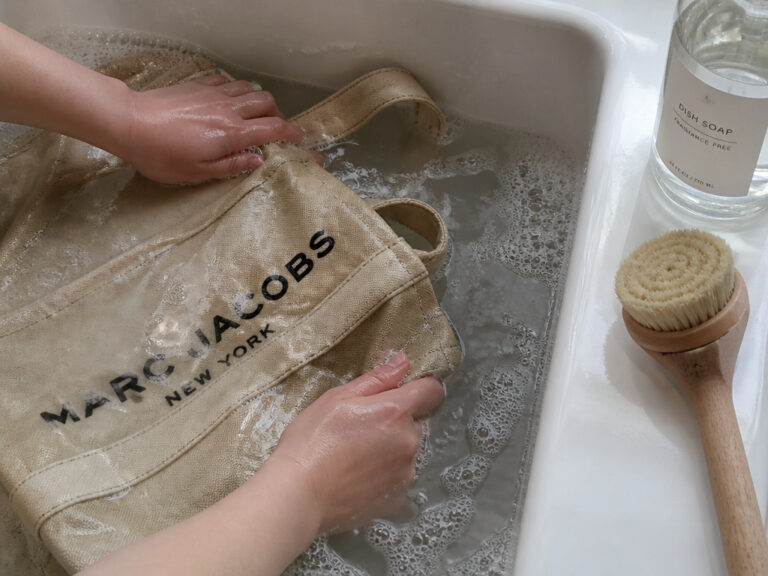
Fill a bathtub or large basin with cool water. Add a small amount of mild liquid detergent, Dr. Bronner’s Pure-Castile Soap is ideal because it rinses completely without residue. Submerge the tote and gently agitate it with your hands for a few minutes. Let it soak for 10-15 minutes to loosen grime.
Drain the soapy water and refill the tub with clean, cool water. Swish the bag around to rinse, repeating until the water runs clear. This is the critical step.
Do not wring the bag. Wringing twists the seams and the reinforced base, which can permanently distort the bag’s rectangular shape. Instead, press the bag against the side of the tub to squeeze out water. For a large, heavy tote, lay it flat on a thick, clean towel, roll the towel up around it, and press firmly to absorb moisture.
| Step | Action | Risk If Skipped |
|---|---|---|
| 1. Fill & Soak | Cool water, mild soap, 15-minute soak. | Detergent residue stays in fibers, attracting more dirt. |
| 2. Rinse | Multiple cool-water rinses until clear. | Soap left in canvas stiffens the fabric as it dries. |
| 3. Extract Water | Press against tub or roll in a towel. | Wringing distorts seams and shape permanently. |
| 4. Dry & Shape | Lay flat, reshape, air dry in shade. | Bag dries in a slumped, misshapen form. |
After extracting water, lay the tote flat on a dry towel or a mesh drying rack. Reshape it meticulously, smooth the base flat and square up the corners. If the sides curl inward, place a light weight like a clean book inside to hold the shape. Air dry away from direct sunlight, which can fade colors like red or navy.
The Rogue Method: Machine Washing
This is the last resort. It’s for the bag that’s been through the garden, the barn, or the trunk of a car for one season too many. Machine washing delivers a definitive clean but exacts a permanent cost.
The trade-offs are non-negotiable. First, it voids the warranty completely. Second, it changes the canvas texture. The bag’s signature stiff, structured feel will be replaced by a soft, broken-in drape after one cycle. Some people prefer this. Third, shrinkage is a real possibility, especially if any heat is involved.
If you accept those terms, follow these rules exactly: * Use cold water only. * Select a regular or heavy-duty cycle. * Wash the tote alone or with other heavy canvas items. Its weight and hardware can damage delicate clothing. * Use a mild detergent. * Reshape the bag immediately upon removing it from the washer. * Air dry only, no dryer.
The bag will emerge looking bedraggled and shapeless. This is normal. Wrestle it back into its proper rectangular form, smoothing the base and sides. As it air-dries in a shaded spot, it will regain a familiar, albeit softer, appearance.
Which LL Bean Tote Do You Actually Have?
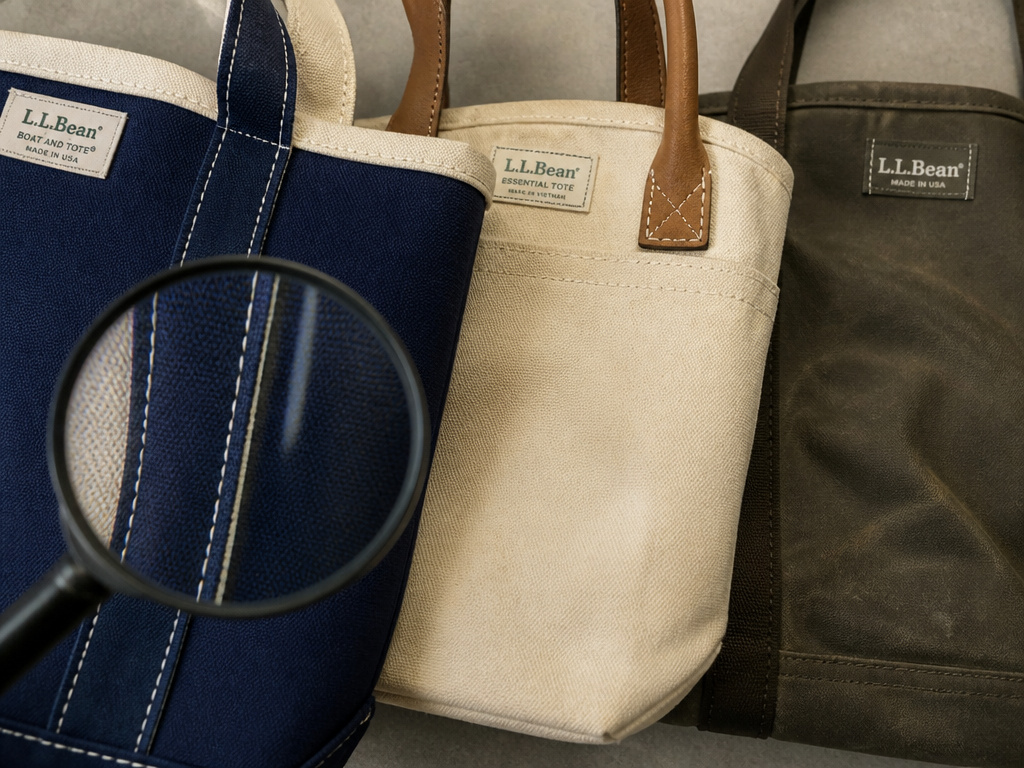
Not all LL Bean totes are created equal, and using the wrong cleaning method can ruin a special material. You must identify your bag before you start.
The Classic Boat and Tote (Open-Top or Zip-Top)
This is the iconic, Maine-made workhorse. Its specs dictate the rules above: 24-ounce cotton canvas, double-stitched nylon seams, handles rated for 500 pounds. It is not machine washable per its care tag. This is the bag 95% of this guide is written for.
The Leather-Handle Essential Tote Bag
This is the exception. L.L.Bean specifically designed this model with innovative leather handles so it’s 100% machine washable. Its care instructions are “Machine wash cold separately, no agitator, line dry.” The fabric is a lighter, washed canvas blend. If you have this bag, you can follow standard machine washing guidelines without the same fear of ruining it.
Waxed Canvas Boat and Totes
These have a wax coating applied to the cotton canvas for water resistance. Never soak or wash a waxed canvas tote. Immersion strips the wax, leaving a blotchy, non-water-resistant finish. Only spot clean with a damp cloth and a tiny amount of detergent. If the entire exterior needs refreshing, you must re-wax the bag after cleaning using a product like Fjällräven Greenland Wax, a specialized process.
| Tote Type | Key Material | Safe Cleaning Method | Absolute Ban |
|---|---|---|---|
| Classic Boat and Tote | 24 oz. Cotton canvas | Spot clean (official), careful hand wash (practical) | Machine washing (voids warranty, changes texture) |
| Leather-Handle Essential | Washed canvas blend | Machine wash cold, line dry | Hot water, dryer, agitator washing |
| Waxed Canvas Version | Wax-coated canvas | Spot clean only with damp cloth | Any immersion, soaking, machine washing |
Pro Tips for Stains, Smells, and Storage
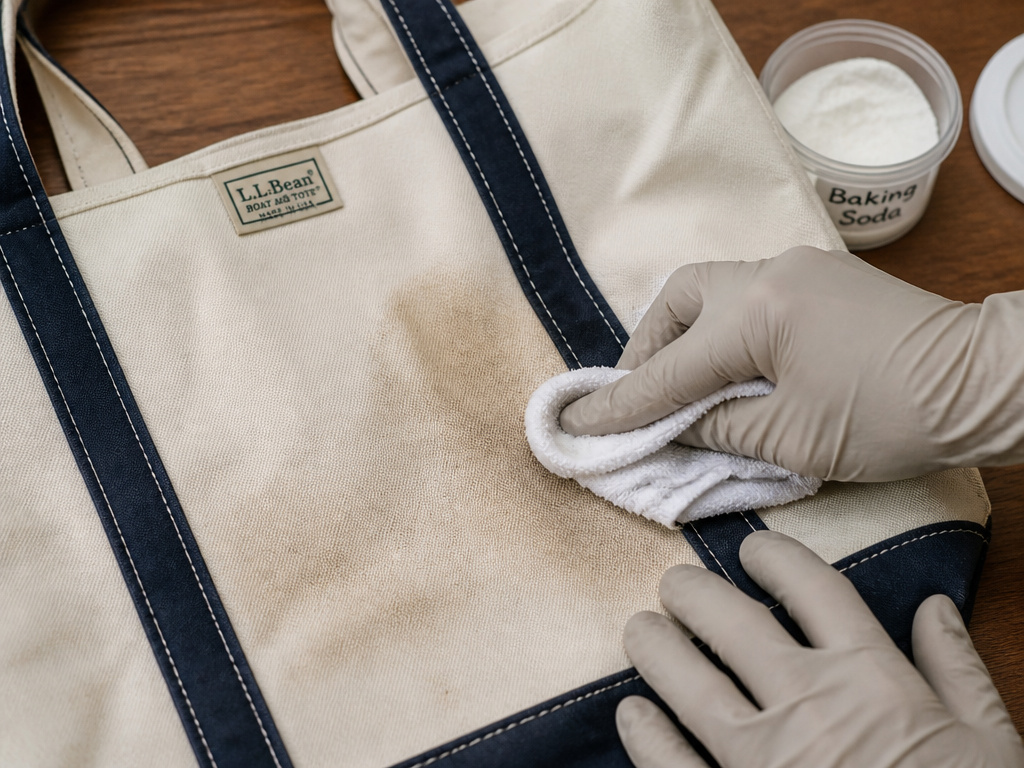
Daily maintenance and targeted treatments can extend the time between deep cleans and keep your bag fresh.
For greasy stains on the canvas, a dab of saddle soap on a damp cloth can work wonders without harsh scrubbing. For mold or mildew, a solution of equal parts white vinegar and water applied during spot cleaning can help kill spores, but the bag must dry completely afterward. To eliminate odors, sprinkle baking soda inside the bag, let it sit overnight, and vacuum it out thoroughly the next day.
Before you store your tote for the season, ensure it is bone dry. Any lingering moisture leads to mildew. Store it lying flat or neatly folded in a cool, dry place. Avoid cramming it into a tight shelf for months, as this can set deep, permanent creases in the stiff canvas. For long-term storage, the principles in our guide on how to store tote bags will keep it in perfect shape.
The right cleaning method for your LL Bean tote depends entirely on which model you own and how much risk you’re willing to accept. The official answer is clear, but the practical reality for a canvas tote that’s seen real life is often more nuanced.
Frequently Asked Questions
Can I put my LL Bean tote in the dryer?
Never. The high heat will shrink the canvas dramatically and can damage the nylon stitching. Always air dry your tote flat in a shaded, well-ventilated area. Direct sunlight can also fade the colors over time.
Will machine washing my Boat and Tote ruin it?
It won’t destroy it, but it will change it permanently. The bag will lose its stiff structure and become soft. It may also shrink slightly. Most importantly, machine washing voids the product’s lifetime guarantee, so any future manufacturing defects won’t be covered.
How do I clean the leather handles on my tote?
For classic Boat and Totes, clean leather handles separately after washing the canvas body. Use a damp cloth with a tiny bit of saddle soap, then condition them with a leather conditioner to prevent drying and cracking. The Leather-Handle Essential Tote is designed to withstand machine washing, so its handles require no special treatment.
What’s the best soap for cleaning a canvas tote?
Mild, liquid detergent that rinses clean is best. Dr. Bronner’s Pure-Castile Soap is a top choice because it’s biodegradable, gentle, and leaves no residue. Avoid heavy detergents with dyes, fragrances, or fabric softeners, as they can build up in the canvas.
How do I get sand out of my LL Bean tote?
Turn the bag inside out and shake it vigorously over a trash can or outdoors. For stubborn sand, use a handheld vacuum or your home vacuum’s upholstery attachment. A crevice tool is perfect for getting into the seams and corners of the bag’s interior.
Can I wash my LL Bean tote with other bags?
Yes, but only with other heavy-duty items like canvas totes or jeans. Washing it with delicate clothing can cause the tote’s hardware to snag and damage other items. It’s always safest to wash it alone.
The Bottom Line
Stick with spot cleaning to keep your guarantee. Use a careful hand wash when a deep clean is unavoidable. Only run the classic Boat and Tote through a machine if you’re ready to accept a softer, broken-in bag and the loss of its warranty. For everything else, waxed canvas, leather handles, stubborn sand, target the specific problem with the right tool. A tote bag this durable deserves a cleaning method that matches its build.