What Are Tote Bags Made Of | Material Guide & Comparison
This post contains affiliate links. As an Amazon Associate, we earn from qualifying purchases.
Tote bags are made from woven fabrics like cotton canvas and nylon, or non-woven sheets like polypropylene. The choice hinges on durability, print quality, and intended use: cotton canvas for long-term reuse and branding, nylon for water resistance and strength, and non-woven polypropylene for low-cost, high-volume giveaways.
That simple answer hides a dozen manufacturing decisions. A bag labeled “canvas” could be a 5-ounce promotional flimsy or a 16-ounce beast built for grocery hauls. The difference involves the entire journey from fiber selection to the final stitch on the handle, which is where most bags fail within the first few months of real use.
What follows is a breakdown of the four most common tote bag materials, the printing methods that work on each, and the construction details that separate a bag you’ll use for years from one that rips on the third trip to the farmers’ market.
Key Takeaways
- Canvas weight in ounces per square yard (oz/yd²) is the single best predictor of durability. A 10-12 oz canvas works for daily use; under 8 oz is for light, short-term promotions.
- Screen printing is the default for cotton canvas, but it requires a tight, smooth weave. Heat transfer or sublimation is needed for full-color designs on polyester or nylon.
- Handle attachment is the first point of failure. Look for box-stitch or cross-stitch reinforcement, not a single line of stitching.
- “Eco-friendly” materials like recycled PET (plastic bottles) have trade-offs. They are durable and washable but are not biodegradable and come from chemical, not mechanical, recycling.
- Non-woven polypropylene (NWPP) is not a fabric. It’s a fused sheet, making it cheap and water-resistant but prone to tearing at the seams and unsuitable for washing.
The Core Materials Breakdown
Forget marketing categories. The real choice comes down to the physical properties of four base materials: cotton canvas, recycled PET canvas, nylon, and non-woven polypropylene. Each has a specific job.
Cotton Canvas: The Default for a Reason
Cotton canvas is a plain-woven fabric where threads interlace at right angles. Its performance is defined by weight, measured in ounces per square yard (oz/yd²) or grams per square meter (GSM). This number is the spec sheet.
A lightweight 5-7 oz/yd² canvas is soft and drapey, perfect for folded event giveaways but too weak for a laptop. The sweet spot for a reusable daily bag is 10-12 oz/yd². It has enough body to stand up, resist tearing, and support a screen-printed logo without cracking. Premium or heavy-duty bags, like those meant for groceries or books, use 14-16 oz/yd² canvas. The fabric feels substantial and holds its shape under load.
Common mistake: Choosing canvas by feel alone. A bag can feel stiff because of a chemical finish, not fabric weight. Always ask for the oz/yd² or GSM spec from the manufacturer.
Cotton’s natural fibers breathe and have a textured surface that holds ink well. However, pure cotton has two quirks. It shrinks about 2-3% on the first wash unless pre-washed by the manufacturer. It also has zero water resistance, a spilled coffee soaks right through. For a balanced, everyday canvas tote bag that prints cleanly and lasts, 10-12 oz cotton canvas is the default pick.
Recycled PET & Nylon: The Synthetic Workhorses
When you need water resistance, higher tensile strength, or a specific eco-story, synthetic fabrics enter the picture.
Recycled PET is polyester made from post-consumer plastic bottles. The bottles are chemically broken down into pellets, re-spun into yarn, and woven into a canvas-like fabric. Brands like Enviro-Tote’s “Bottle Bag” material tout this story. The result is a soft, durable fabric that is machine-wash friendly and colorfast. The trade-off is environmental: the process is chemical recycling, not mechanical, and the end product, while recycled, is not biodegradable.
Nylon (often labeled as 600D or 1000D polyester in tote bags) is a different beast. It’s woven from continuous filaments, creating a smoother, denser surface than cotton. This smoothness makes it excellent for detailed, full-color prints via heat transfer or sublimation. It’s inherently water-resistant, strong, and abrasion-resistant. The downside is a slick, less “natural” hand feel and a higher cost. Nylon is the choice for nylon tote bags meant for travel, wet environments, or carrying heavy, abrasive items.
| Material | Best For | Key Limitation | Wash Care |
|---|---|---|---|
| Cotton Canvas (10-12 oz) | Daily use, branding, screen printing | Shrinks if not pre-washed, absorbs water | Machine wash cold, line dry |
| Recycled PET Canvas | Eco-story, durability, colorfast prints | Not biodegradable, chemical recycling | Machine wash friendly |
| Nylon / Polyester | Travel, wet conditions, detailed graphics | Higher cost, less natural feel | Spot clean or gentle machine wash |
| Non-Woven Polypropylene | Low-cost promotions, single-use events | Tears easily, not washable, poor print detail | Wipe clean only |
Non-Woven Polypropylene: The Disposable Contender
Non-woven polypropylene (NWPP) is a sheet of polypropylene fibers bonded together by heat, pressure, or chemicals. It feels like a stiff, papery felt.Its advantage is extreme cost-effectiveness at high volumes, making it the standard for cheap conference swag or supermarket reusable bags.
Its disadvantages are structural. NWPP has poor tear strength, especially at the seams. It cannot be washed, water warps and weakens it. Its dimpled texture makes fine detail printing impossible; logos come out blotchy. Choose NWPP only when you need thousands of units for a short-term, low-load purpose. For any [reusable tote bag](https://luggageinspector.A bag meant for more than a few trips is a false economy.
How Tote Bags Are Actually Constructed
The fabric is just the starting point. Construction, the cutting, sewing, and reinforcing, is where a bag’s lifespan is determined. A great fabric with poor sewing becomes a disappointing bag.
Handle Construction: Where Cheap Bags Fail
The handles carry the entire load. Their attachment point is the single most common failure site. On a cheap bag, handles are often attached with a single line of stitching over a minimal fabric fold. This concentrates stress on a few thread points, which fray and snap.
A well-made bag uses reinforcement. The handle webbing (often 1-inch wide spun polyester or cotton) is folded and stitched into a box-stitch or cross-stitch pattern where it meets the bag body. This distributes the pulling force across a much larger area of fabric and thread. Some manufacturers add a fabric patch or “handle stay” inside the bag for extra support.
Where this goes sideways: A single-stitch handle attachment on a bag loaded with a few heavy books. The threads shear within a month, leaving you holding a handle while your groceries spill.
Handle length matters too. Short handles (14-18 inch drop) are for hand or elbow carry. Standard shoulder carry requires a 20-22 inch drop. For a large tote bag meant for groceries or the beach, a 24-26 inch drop allows comfortable cross-body carrying.
Seams, Stitching, and Structure
After handles, inspect the seams. Side and bottom seams should be double-stitched or finished with a French seam for durability. The bottom corner is a high-stress area; gussets (extra triangular panels) add capacity but introduce more seams that must be strong.
Stitch density is measured in stitches per inch (SPI). For canvas, 7-9 SPI is standard. Fewer stitches make a weaker seam; more can perforate and weaken the fabric itself. The thread should be a heavy-duty polyester, which is stronger and more rot-resistant than cotton thread.
The bag’s shape is created in the cutting room. Panels must be cut on the same grain (direction of the weave) to prevent twisting. A lined bag, common in everyday tote bags meant for nicer occasions, adds complexity, cost, and a finished interior but also weight.
How Printing Works on Different Fabrics
Your logo or design must survive the life of the bag. The printing method is dictated by the fabric type, not your artistic preference.
Screen Printing: The Canvas Champion
Screen printing pushes ink through a fine mesh screen onto the fabric. It’s ideal for cotton canvas because the ink sits on and slightly into the textured surface. For best results, the canvas needs a tight weave. On loose-weave or fuzzy fabric, ink can bleed, causing fuzzy edges.
Screen printing is cost-effective for runs of 100+ units. It excels at bold, solid colors but struggles with photorealistic gradients. Each color requires a separate screen and pass, so complex designs get expensive fast. A well-cured screen print on cotton can survive 50+ washes.
Heat Transfer & Sublimation: For Synthetics and Full Color
For full-color designs, photographs, or printing on synthetic fabrics like nylon or polyester, screen printing won’t work. Here, heat transfer (for any fabric) or sublimation (for polyester-based fabrics) is used.
Heat transfer uses a printed vinyl or polymer carrier sheet. Under heat and pressure, the design adheres to the fabric surface. Sublimation turns solid dye into a gas that bonds with polyester fibers, making the print part of the fabric itself. Both methods allow for unlimited colors and fine detail. The trade-off is that the print can feel like a plastic layer on top (heat transfer) or can crack if folded repeatedly.
The part nobody mentions: A dark-colored cotton bag needs a white underbase layer printed first for any colored logo to appear vibrant. This adds cost and makes the print area slightly stiffer.
Digital printing is an option for very small runs or ultra-complex art on cotton, but its wash durability is generally lower than screen printing.
Choosing the Right Tote Bag for Your Need
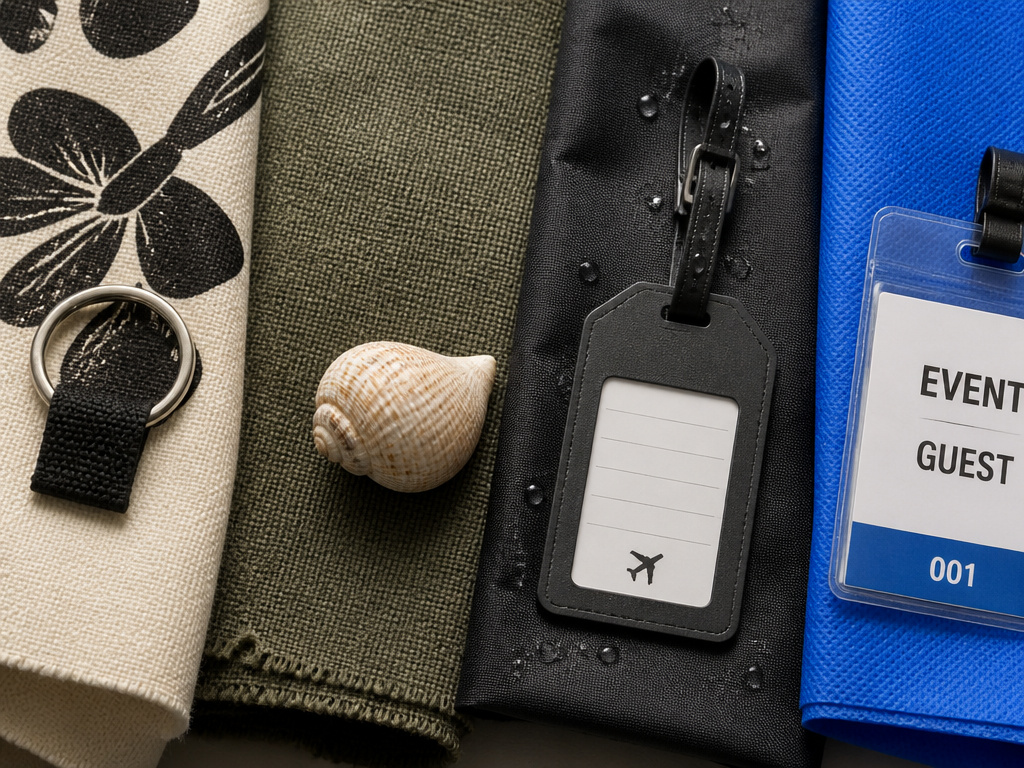 The “best” material doesn’t exist in a vacuum. It’s the one that matches the bag’s intended job, budget, and lifespan.
For a branded reusable bag you want people to use for years: A 10-12 oz cotton canvas tote, screen-printed, with box-stitched handles. It’s the benchmark for a reason. Look for a supplier like Enviro-Tote that specializes in this category.
For a grocery hauler or beach bag: Durability and washability are key. A recycled PET canvas or a heavy-duty 15+ oz cotton canvas works. Ensure handles are extra-long and reinforced.
For a travel or wet-weather bag: Nylon or 600D polyester is the answer. Its water resistance and strength justify the higher cost. Pair it with a heat-transfer print for a sleek look.
For a low-cost, high-volume event giveaway: Accept the limitations and choose non-woven polypropylene. Manage expectations, it’s a walking billboard, not a long-term utility item.
The final step is prototyping. Any reputable manufacturer for custom tote bags will produce a sample. Test it. Load it with what you intend to carry. Tug the handles. Wash it if needed. The sample reveals what specs alone cannot: how the bag actually behaves.
Frequently Asked Questions
Are cotton tote bags actually eco-friendly?
It’s complicated. A cotton bag must be reused 50 to 150 times to offset the higher environmental impact of its production compared to a single plastic bag. The eco-friendliness hinges on actual reuse. A durable canvas bag used weekly for groceries for years is a good choice. A cheap cotton bag discarded after one event is not.
What does “oz” or “GSM” mean for canvas?
It’s the fabric weight. Ounces per square yard (oz/yd²) or Grams per Square Meter (GSM) measures how much a square yard or meter of the fabric weighs. A higher number means a thicker, denser, and generally more durable fabric. 10 oz/yd² is roughly 340 GSM.
Can you wash a canvas tote bag?
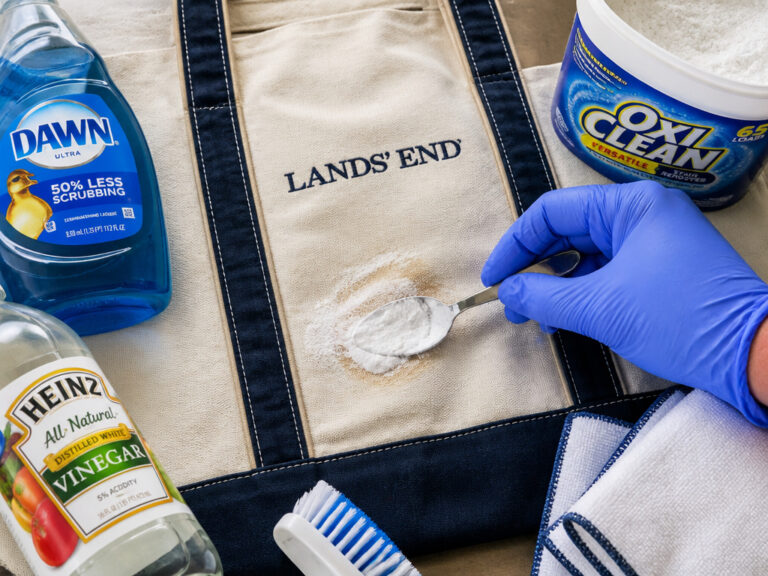
Yes, but with care. Turn it inside out. Wash in cold water on a gentle cycle with mild detergent. Line dry, never put a canvas tote in the dryer. The heat will shrink the fabric and can melt or crack any printed design. Some colored canvases may not be colorfast.
What’s the difference between recycled cotton and recycled PET?
Recycled cotton is usually made from post-industrial textile scraps that are shredded and re-spun. It saves water and waste but produces a shorter, weaker fiber. Recycled PET comes from plastic bottles chemically broken down and re-polymerized. It creates a strong, new synthetic fiber but is energy-intensive and not biodegradable.
Why did the handles rip off my tote bag?
Almost certainly due to poor reinforcement. The handles were likely attached with a single row of stitches, concentrating stress. Next time, look for a small square or “X” of stitches (a box-stitch or cross-stitch) where the handle meets the bag. This distributes the load.
Before You Go
The question “what are tote bags made of” starts with fabric but ends with construction. The weight of the canvas, the stitching on the handles, and the compatibility of the print method matter more than the generic material name. For a bag that lasts, prioritize specs over marketing: 10+ oz cotton, box-stitched handles, and double-stitched seams. For a bag that performs in the rain, look to nylon. And if you just need a walking billboard for a weekend, non-woven polypropylene does the job. The right choice is about the right material for the job you need the bag to do, week after week.