What to Put in a Tote Bag Gift: Ideas & Durable Size Specs
This post contains affiliate links. As an Amazon Associate, we earn from qualifying purchases.
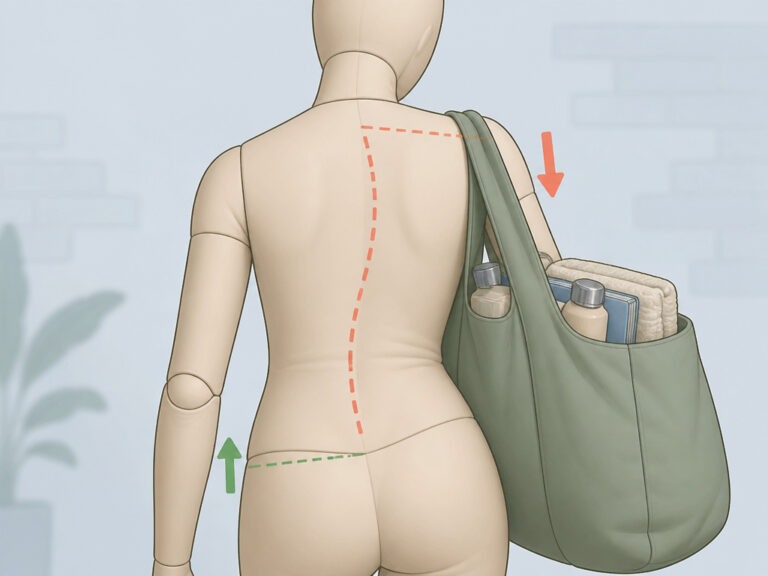
Fill a tote bag gift with items that match its physical capacity and the recipient’s real use case. The contents must weigh less than the bag’s weakest point, usually the strap attachment, and should be organized with heavy, flat items at the bottom, grouped accessories in pouches, and frequently needed items on top. Skip perishables, overly personal items, and anything sharp enough to snag the lining.
The bag itself is the first gift. Its dimensions and construction dictate what you can safely put inside it. A bag listed as 15 inches wide can’t hold a 16-inch laptop. A handle with a 6-inch drop forces a hand carry, making it a poor choice for a commuter.
What follows is the technical breakdown most gift guides skip: how to read a tote’s spec sheet, match filler items to its real volume, and avoid the two most common mistakes that turn a thoughtful present into a broken bag within a week.
Key Takeaways
- Match weight to the strap. The strap seam is the failure point. Test it by loading the bag with your planned items and lifting it one-handed. If the seam puckers, remove weight.
- Gussets are non-negotiable for bulky items. A flat tote bag bulges under pressure, distorting any printed logo and straining the side seams. A 3-inch gusset adds the necessary volume without the bulge.
- Handle drop matters more than handle length. A 24-inch total handle loop might only have an 11-inch drop, which is too short for comfortable shoulder carry. Check the drop measurement.
- Group small items. Loose pens, chargers, and snacks get lost and damage other contents. Use a separate zippered pouch or organizer insert.
- Skip custom prints for unknown recipients. A boldly branded tote is a promotional tool, not a universal gift. When in doubt, choose a neutral, high-quality canvas.
The 4 Measurements That Decide If Your Gift Succeeds
You need four numbers: width, height, depth (gusset), and handle drop. Manufacturers quote these in the W × H × D format. Misreading one ruins the gift.
Width is the left-to-right measure of the front panel when the bag is laid flat. Height is top-to-bottom. Depth (or gusset) is the side panel that gives the bag volume. Handle drop is the distance from the top edge of the bag to the lowest point of the handle arc, this determines how it’s carried.
A bag listed as 15″ W × 16″ H × 0″ D is a flat tote. It holds files, a thin sweater, maybe a tablet. The same bag with a 5″ D is a grocery tote. It holds a weekend’s produce, a pair of shoes, or a hardcover book. The depth number is the difference between a usable gift and a decorative one.
Handle length and handle drop are not the same. A handle can measure 24 inches in total loop length but only provide a 10-inch drop. That 10-inch drop is what fits over a shoulder. A drop under 9 inches is a hand-carry or elbow-crook bag. For a gift intended for daily use, like a commuter or gym bag, insist on a drop of at least 10 inches.
The Standard Size Tiers (And What Actually Fits)
Use this table to translate generic size labels into real-world capacity. These ranges are drawn from manufacturer spec sheets.
| Size Label | Width × Height × Depth (inches) | What It Holds | Common Gift Pitfall |
|---|---|---|---|
| Small / Gift | 10–13″ × 9–12″ × 0–3″ | Cosmetics, paperback, scarf, small journal. | Overloading with a heavy hardcover book or large water bottle. |
| Medium (Default) | 14–16″ × 14–16″ × 3–5″ | 13″ laptop, 1–2 days of clothes, standard grocery run. | Assuming it fits a 15″ laptop (needs 16″+ width). |
| Large | 17–19″ × 14–16″ × 5–7″ | 15″ laptop, gym shoes + gear, 2–3 hardcover books. | Forgetting the gusset, leading to a strained, bulging shape. |
| Extra-Large | 20–24″ × 15–18″ × 6–8″ | Beach towel, weekend travel, bulk grocery, multiple textbooks. | The weight capacity is the limit, not the volume. Straps tear first. |
The medium tier is the default for a reason. It fits an ergonomic sweet spot for the broadest number of uses. When you choose a tote bag as a gift, starting in the medium range avoids the most sizing errors.
Matching the Bag to the Job (And the Contents to the Bag)
A tote is a tool. Gift it with a job in mind. The recipient’s daily pattern dictates the bag’s required specs, and those specs filter your filler items.
For the Commuter: The bag must fit a laptop. Measure the device diagonally and add at least one inch to the bag’s width spec. A 15-inch laptop needs a tote at least 16 inches wide. A gusset of 4 inches or more keeps the computer from pressing against the front panel. Handle drop should be 10–11 inches for shoulder carry. Filler items: a slim notebook, a travel mug, a portable battery, a compact umbrella. Avoid loose pens; use a leather pen sleeve.
For the Gym-Goer: This bag needs a generous gusset, 6 to 7 inches, to accommodate sneakers and a water bottle. Look for a lining material that wipes clean, like polyester. Filler items: a microfiber towel, grip socks, resistance bands, a shaker bottle. Never include leakable liquids without a separate, sealed pouch.
For the Shopper or Gardener: Durability beats style. A reinforced bottom panel is critical. Cotton canvas or heavy-duty non-woven polypropylene works. Filler items: reusable produce bags, a compact trowel, gardening gloves, a market fold-up basket. Skip anything with sharp edges that could puncture the bag’s interior.
For the Traveler: This is about smart organize a tote bag systems. The bag should double as a personal item. The universal under-seat size is 18″ × 14″ × 8″. Filler items: a passport wallet, compression packing cubes, a TSA-compliant liquids bag, a neck pillow. A tote with a zipper closure is non-negotiable here.
Common mistake: Choosing a bag for its aesthetic first. A beautiful linen tote is a terrible gift for someone who needs to carry a laptop and a water bottle daily. The fabric will stain, the lack of structure will sag, and the thin straps will cut into their shoulder.
The Layer-by-Layer Packing Method That Presents Perfectly
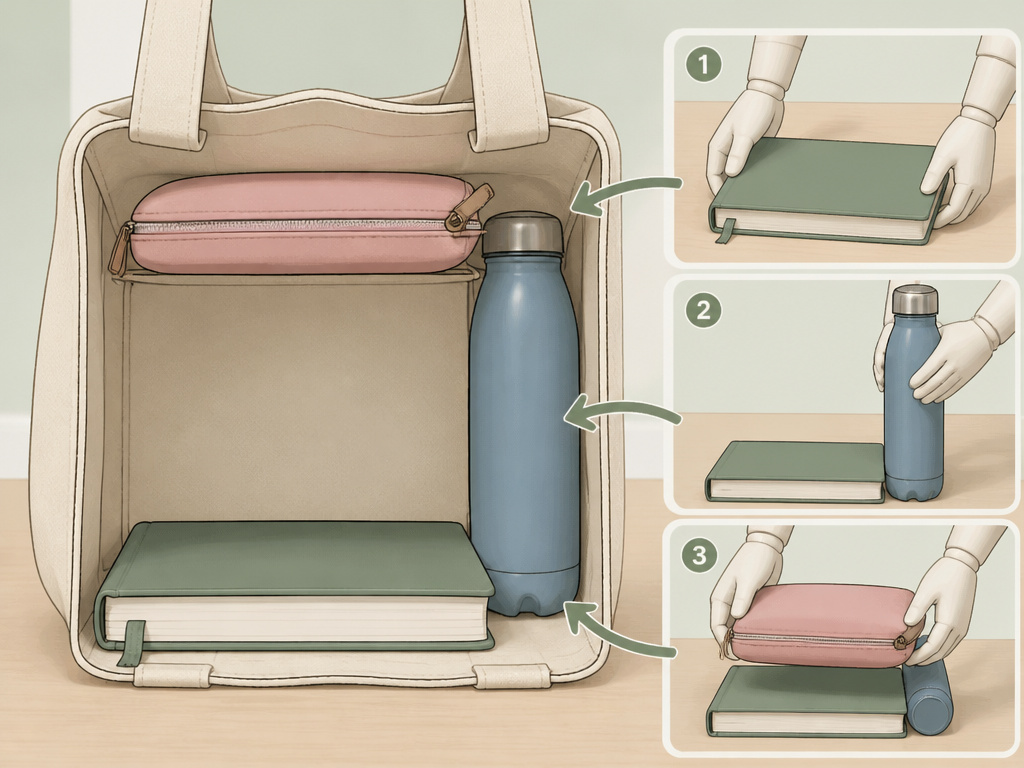
Packing is not dumping. It’s a sequence that balances weight, protects contents, and makes the reveal feel intentional. This method comes from B2B promotional packing guides, where first impressions are everything.
Layer 1: The Foundation. Place the heaviest, flattest item at the very bottom. This is usually a book, a hardcover notebook, or a tablet. It creates a stable base and prevents the bag from tipping over. For a gift, this could be a nice journal or a coffee table book.
Layer 2: The Structure. Add medium-weight items that can stand vertically along the sides. A standard-sized water bottle or a rolled sweater works. This forms the bag’s walls and creates pockets for smaller items.
Layer 3: Grouped Accessories. Nothing loose. Place all small items, lip balm, hand sanitizer, pens, charging cables, into a dedicated zippered pouch. For a gift, the pouch itself can be a filler item. This prevents digging and protects other contents from scratches or leaks.
Layer 4: The Top Layer & Accessibility. Position the most frequently needed or most visually appealing item here. This could be a cozy scarf, a nice pair of headphones, or a snack. If the bag has an external pocket, put a gift card or a transit pass in it.
The goal is a bag that feels solid when lifted from the handles, not sloshy or lopsided. This method also makes it simple for the recipient to organize your tote for long-term use.
What to Put In: Curated Lists by Recipient Vibe

These are specific, shelf-stable items that align with common lifestyles. Each list assumes a medium, gusseted tote as the vessel.
The Homebody / Comfort Seeker:
- A weighted blanket (for a large tote) or a luxurious fleece throw (for medium).
- A pair of thick, non-slip socks.
- A ceramic mug and a bag of specialty coffee or tea.
- A hardcover book from a favorite genre.
- A scented candle in a durable tin.
The Always-On-The-Go Professional:
- A sleek, lightweight laptop sleeve (ensure it fits the tote’s interior).
- A leather-bound notebook and a quality pen.
- A compact Bluetooth tracker for keys.
- A portable power bank with built-in cables.
- Single-serving packets of liquid hydration multiplier.
The Wellness Enthusiast:
- A high-quality resistance loop band set.
- A BPA-free water bottle.
- A natural deodorant and a bar of sulfate-free soap.
- A set of linen napkins or reusable produce bags.
- A small journal for gratitude or intention setting.
The Creative:
- A set of artist-grade graphite pencils or a travel watercolor set.
- A sketchbook with thick, textured paper.
- A curated playlist code (QR sticker) or a vintage vinyl record if the tote is large enough.
- A unique, tactile object for inspiration, like a smooth stone or a piece of driftwood.
What to Leave Out: The Shortlist of Gift-Killers

Some items seem like a good idea but guarantee the bag will be retired, re-gifted, or worse, thrown away.
- Perishable Food: Unless you are delivering the gift immediately. Chocolate melts. Fruit spoils. It’s a mess.
- Heavy, Small Objects: A single, dense item like a large paperweight concentrates all weight on one spot in the bag’s bottom, stressing the seams.
- Items with Sharp Edges or Points: Unboxed scissors, crafting tools, or metal hardware can snag and tear the lining. Always sheath them.
- Overly Personal Care Items: Perfume, deodorant, or intimate apparel are high-risk unless you know the recipient’s exact preferences.
- Leaky Liquids: Any liquid, even sealed, is a threat. If you include a beverage, place it in a separate, leak-proof silicone bag within the tote.
Where this goes sideways: Filling a bag with popcorn and gourmet candy. The combined weight and bulk, plus the oil from popcorn, can overstress a standard seam. One recipient reported a strap tearing halfway through the first carry home.
The Custom Tote Dilemma: When Branding Helps and When It Hurts
A custom-printed tote can be a fantastic gift for a team, wedding party, or close group. For a general gift, it’s often a liability.
The Good: For a known group with a shared interest, a book club, a sports team, a family reunion, a custom print creates a keepsake. The key is a high-quality print method. For cotton canvas, screen printing is durable. For a polished look on polyester, embroidery signals quality. Always request a physical sample to check color and feel.
The Bad: A giant company logo or a vague inspirational quote rarely lands as a personal gift. It feels like promotional swag, which 57% of recipients will discard if the logo is too prominent or poorly placed, according to industry recall studies.
The Logo Sizing Rule: Your artwork must scale to the bag’s panel. On a standard 15″ × 16″ cotton tote, a logo should be 10–12 inches wide. On a gusseted bag, the usable print width shrinks by 1–2 inches because of the side folds. A logo placed too low will disappear into the fold when the bag is carried.
If you go custom, the bag’s tote bag material is your first decision. Heavyweight cotton canvas (10 oz or more) or 600D polyester canvas accept prints best and feel substantial.
The One-Gift Solution: A Premium Tote + One Signature Item
You do not need to fill every cubic inch. The most appreciated gift is often a truly excellent bag paired with one considered, high-use item.
The bag becomes the hero. Choose a Patagonia Black Hole Tote or a Baggu Duck Bag for their proven durability and clean aesthetics. These are tools people already use until they wear out.
Then add one item: * For the bag: a Baggalini Inside-Out Organizer insert. This instantly solves internal chaos. * For the recipient: a S’well Stainless Steel Water Bottle or a Moleskine Classic Notebook.
This approach respects the recipient’s autonomy. They get a fantastic bag they’ll use for years and a quality item they might not buy for themselves. The rest of the space is for their own life to fill.
Frequently Asked Questions
Can a tote bag be a personal item on a flight?
Yes, if it fits under the seat. The strictest major airline dimension for a personal item is 18″ × 14″ × 8″. A tote packed within those limits qualifies. Use packing cubes to control bulge, which is what gate agents measure.
How do I choose between cotton, canvas, and non-woven tote bags?
Cotton and canvas are the same material at different weights. Choose heavyweight cotton canvas (10 oz+) for a durable, gift-worthy bag. 600D polyester canvas is water-resistant and good for gym or travel. Non-woven polypropylene is a budget, often promotional option, it’s less durable and not meant for long-term heavy use.
What is the best way to clean a tote bag gift?
It depends on the tote bag fabric. Most cotton canvas totes are machine washable on cold; air dry to prevent shrinkage. For polyester, spot clean with a damp cloth. For a canvas tote bag, check the care label, but hand washing in mild soap is usually safest.
Are tote bags good for carrying laptops?
Only if specifically designed for it. A laptop tote needs a padded sleeve, a width exceeding the laptop’s diagonal size, and a structured bottom (gusset) to keep the computer from bending. Don’t assume any medium tote is a laptop bag.
How can I make a tote bag more organized?
Use organizer inserts. These are removable dividers with pockets that drop into the bag. They transform a cavernous tote into a system for tech, toiletries, and notebooks, making the bag’s versatile tote bag uses much more practical.
The Bottom Line
A tote bag gift fails when the giver ignores the specs. The right bag for a commuter isn’t the right bag for a gardener. The filler items must respect weight limits and organization.
Start with the four measurements. Match the bag to a real job. Pack it with intention, using the layer method. When in doubt, gift a premium, neutral bag and one excellent accessory. That combo beats a stuffed, mismatched gift every time.
The goal is a bag that gets used, not stored. That happens when the gift respects both the object’s limits and the person’s life.