Defining Canvas Tote Bags: Materials & Construction Guide
This post contains affiliate links. As an Amazon Associate, we earn from qualifying purchases.
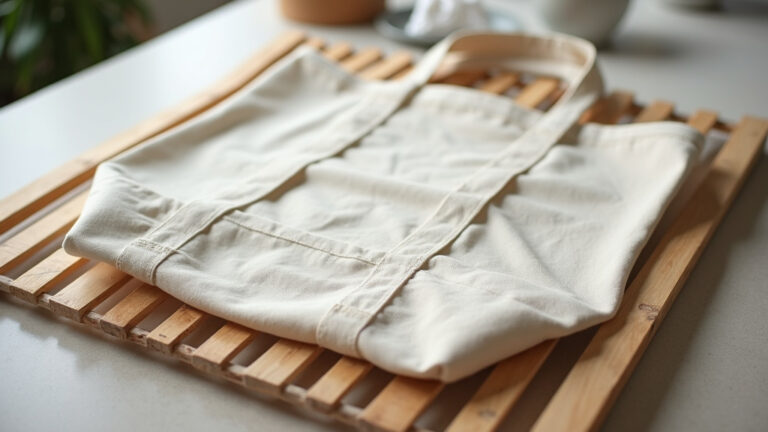
A canvas tote bag is a large, open-top carryall made from a heavy woven fabric, most commonly cotton canvas. Its defining traits are an unstructured shape, two parallel handles, and a capacity built for hauling everyday items like groceries, books, or beach gear. The fabric’s weight, measured in ounces per square yard, dictates its strength and longevity.
Most people think any canvas bag is the same. They grab the first one they see and wonder why the handles rip off after a month of carrying a laptop and a water bottle. The difference between a bag that lasts a season and one that lasts a decade isn’t the brand name printed on it. It’s in the threads, the stitches, and the number on a tag nobody reads.
This guide breaks down the material, construction, and real-world performance of canvas totes. You’ll learn how to spot a quality bag by its seams, why fabric weight is the single most important spec, and how to care for one so it actually gets better with age.
Key Takeaways
- Canvas weight, measured in ounces per square yard (oz/sq yd), is the primary indicator of durability. An 8oz bag is for light promotional use; a 12-14oz bag handles daily groceries; a 16oz+ bag is for tools or heavy books.
- The most common failure point is the handle attachment. Look for bar-tacking, a dense box of stitches, where the strap meets the bag. A single row of stitching will pull out under a 15-pound load.
- Canvas is a weave, not a material. The most common fiber is cotton, but you can also find canvas made from linen, hemp, or synthetic blends, each with different feels and environmental profiles.
- The environmental benefit of a canvas tote only materializes after hundreds of uses compared to single-use plastic. Buying one and leaving it in the closet does more harm than good.
- Machine washing is possible but risky. Cold water, gentle cycle, and air drying are mandatory. Heat from a dryer will shrink the fabric and weaken the threads.
The 3 Things That Define a Canvas Tote Bag
Forget the prints and the colors for a second. Strip a canvas tote down to its bones, and you have three non-negotiable elements: the fabric, the form, and the fasteners. Get these right, and the bag works. Get them wrong, and it’s scrap in six months.
First, the fabric. Canvas refers to a tight, plain or twill weave, not the fiber itself. Cotton is the standard, prized for its balance of strength, breathability, and ability to break in softly. You might also encounter linen canvas (stiffer, more textured) or hemp canvas (exceptionally strong but often rougher). The weave density matters more than the fiber origin for basic durability. A loose weave, even in heavy cotton, will snag and fray.
Canvas fabric gains its strength from the tight interlacing of warp and weft threads in a plain or twill weave. This structure distributes load stress across multiple threads simultaneously, preventing a single point of failure under weight. The standard measurement for durability is fabric weight, expressed in ounces per square yard (oz/sq yd).
Second, the form is deliberately simple. It’s a large, open-top sack with two handles. This simplicity is its greatest strength and weakness. There’s no structure to fail, no zippers to break. But it also means everything inside jostles together, and there’s no security from the elements or pickpockets. Some designs add a gusset, a fabric panel sewn into the sides, to create a three-dimensional box shape. This isn’t just for looks. A gusset adds significant volume and prevents the side seams from bearing all the stress when the bag is full.
Third, the fasteners mean the handles and how they’re attached. Wide, flat straps distribute weight across your shoulder. Round rope handles cut in. The attachment is everything. If you see a single row of stitching holding the strap to the bag body, walk away. That seam will blow out the first time you overload it. You want to see bar-tacking: a small, dense rectangle of stitches that locks the handle in place. That reinforcement is the difference between a bag that survives a year of groceries and one that doesn’t.
TL;DR: A canvas tote is defined by its heavy woven fabric (usually cotton), its simple open-top form, and its wide, reinforced handles. The handle attachment method is the most critical construction detail.
The 3 Canvas Weight Tiers That Matter
You’ll see numbers like 10oz, 14oz, or 18oz on product tags or descriptions. That’s the fabric weight in ounces per square yard. This number isn’t marketing. It’s a direct proxy for thickness, durability, and intended use. Ignoring it is how you end up with a bag that sags like a wet sock under a gallon of milk.
| Weight (oz/sq yd) | Best For | Feels Like | Risk If You Go Lighter |
|---|---|---|---|
| 8–10 oz (Light) | Promotional giveaways, light beach days, carrying a towel and sunscreen. | A stiff, crisp dress shirt. | The bag bottom will stretch and deform under 5-10 lbs of weight, and the handles may tear at the seams. |
| 12–14 oz (Medium) | Daily reusable grocery shopping, carrying books, general everyday use. | A heavy-duty pair of denim jeans. | For daily grocery hauling, a 10oz bag will develop holes at the stress points within a season. |
| 15–18 oz (Heavy) | Carrying tools, heavy textbooks, camping gear, or as a long-lasting “forever” bag. | A stiff work apron or a lightweight tarpaulin. | The bag is overbuilt for light use, remains stiff for years, and is less comfortable broken-in. |
The jump from 10oz to 12oz is not a 20% increase in strength. It’s closer to a 50% increase in lifespan because the thicker threads and tighter weave resist abrasion and puncture. I used a 12oz canvas tote for my shop runs for two years, carrying plumbing fittings, small tools, and cans of finish. The bottom developed a patina of grease and dust, but the seams held. I tried the same with a promotional 8oz bag once. A corner tore on a box edge within three months.
Common mistake: Choosing a bag based on print or color alone, without checking the fabric weight, you get a bag that fails under its intended load, often at the most inconvenient time.
The heaviest canvas, 18oz and above, is almost rigid. It’s what you find on premium tote bag definition bags meant for rugged use. It won’t soften much, but it also won’t stretch or lose its shape. This tier is for people who want a bag that looks the same in a decade.
Plain Weave vs. Twill Weave: The Feel Under Your Fingertips
Not all weaves are created equal. Most canvas totes use a plain weave, where each weft thread passes over and under each warp thread in a simple over-under pattern. It’s strong, economical, and has a uniform, grid-like texture. Twill weave, like in denim, has a diagonal rib pattern because the weft passes over two or more warp threads before going under one. This creates a thicker, more pliable fabric that drapes better.
Plain weave is standard. It’s what you’re holding 90% of the time. Twill is less common in basic totes but appears in higher-end bags or those made from duck canvas, a specific type of tight, plain-weave canvas originally used for sails. Twill feels softer from the start and breaks in more gracefully. Plain weave starts stiffer but can achieve a similar softness after months of use. For a daily driver, you won’t notice a major performance difference. For a bag you want to feel broken-in and soft quickly, seek out twill.
How Canvas Gets Better With Age
This is the magic trick. Unlike nylon or polyester that fray and fade, good cotton canvas breaks in. The stiff, almost cardboard-like feel of a new 14oz bag relaxes. The fibers soften and conform. Friction from use raises a slight nap, giving the fabric a brushed, almost suede-like hand over time. A well-loved canvas tote doesn’t look worn out. It looks proven.
The process isn’t gentle. It requires use. Loading it up, carrying it, tossing it in the trunk, brushing against things. The bag develops creases, stains, and a personality. That coffee ring on the bottom? It’s a memory. The faded print from the sun? That’s a history. This patina is a feature, not a bug. It’s why people get attached to these bags in a way they never do with a plastic sack.
Cleaning is part of the aging process, but it must be done right. Harsh detergents and hot water strip the natural oils from the cotton and accelerate fading. That’s why a dedicated guide for washing canvas totes is essential. The goal is to remove dirt without resetting the break-in clock. Spot cleaning with a mild soap and a soft brush preserves the character. A full machine wash on cold with a gentle detergent is the nuclear option, it works, but it will tighten the weave and stiffen the fabric slightly until it’s worn in again.
Why the Stitch Pattern Outlasts the Fabric
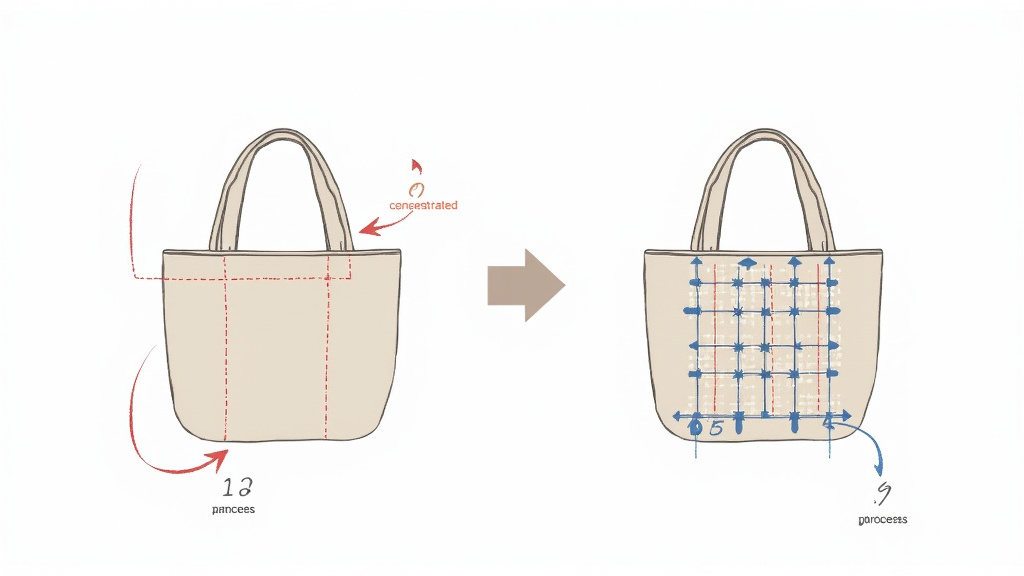
You can have the best 18oz duck canvas in the world, and it’ll still fail if the stitching is wrong. Thread type matters, polyester or nylon thread is stronger and more rot-resistant than cotton thread. But the stitch pattern is what transfers load from the handle to the bag body.
A single line of straight stitching is the weakest link. The tension is concentrated on a handful of thread passes. When you swing a loaded bag onto your shoulder, that sudden force can pop stitches one by one. Bar-tacking is the fix. It’s a small, dense rectangle of stitches, often done with a specialized machine, that distributes that force across dozens of thread passes in multiple directions. It’s the difference between hanging a picture on a single nail and using a wall anchor.
Look at the handle attachments. No bar-tacks? Be skeptical. Also, check the side seams. A flat-felled seam, where the raw edges are tucked inside and stitched down twice, is far stronger and more durable than a simple overlock stitch. It’s the difference between a shirt seam and a jeans seam. Most quality bags use flat-felled seams on the sides and bottom. Promotional totes skip it to save cost.
The Real Math on Canvas vs. Plastic
The environmental pitch for canvas is simple: reuse it instead of throwing away plastic. The reality is more complicated. Producing a cotton canvas tote has a significantly higher initial environmental cost than producing a single plastic grocery bag. It requires water, land, fertilizers, and manufacturing energy.
The break-even point, where the canvas bag’s total environmental impact per use drops below that of a plastic bag, is measured in the hundreds of uses. One often-cited study, detailed in the Wikipedia entry on the tote bag, suggests a cotton tote needs to be reused 131 times to match the global warming potential of a single-use plastic bag, and potentially over 7,000 times to break even on all environmental indicators like water use. That means using the same bag every day for over three years just to match the climate impact, and for decades to offset its full footprint.
The lesson isn’t to avoid canvas. It’s to commit. Buy one good bag. Use it until the handles wear through. Repair it. Then use it some more. The greenest bag is the one already in your closet. Buying a new canvas tote every season because you forgot the last one defeats the purpose entirely.
Customizing Your Canvas: Print, Paint, or Stitch
The blank, neutral surface of a canvas tote is a canvas in the artistic sense. This is where personality comes in. The most common method is screen printing, where ink is pushed through a mesh stencil. It’s durable, cost-effective for batches, and works on all fabric weights. For a single bag or a highly detailed design, direct-to-garment (DTG) printing is like using a giant fabric inkjet printer. It’s brilliant for photorealistic images but can feel slightly stiff on the fabric.
If you’re artistically inclined, painting canvas totes with acrylic fabric paints is a direct route to a one-of-a-kind piece. The key is in the prep and finish. The fabric must be clean and taut. Use a textile medium mixed with the paint to keep it flexible. And you must heat-set the design with an iron or dryer, followed by a protective spray sealant to prevent cracking. For a more tactile, premium feel, embroidery adds texture and incredible durability. It works best on heavier 12oz+ canvas, where the fabric can support the dense stitching without puckering.
No matter the method, protecting your work is crucial. A painted design needs a fabric sealant. A good guide on sealing painted totes will walk you through the options, from spray-on acrylic sealers to iron-on heat-setting. Without this step, the first rainstorm or machine wash will turn your art into a blur.
The 4-Step Inspection Before You Buy
Don’t just grab a bag off the shelf. Turn it inside out and look for these four things.
- Find the weight. Check the tag or product description for the oz/sq yd number. No listing? Assume it’s a light 8-10oz promotional grade. Match this number to your intended use from the table earlier.
- Pinch the handles. Are they wide and flat? Do they feel substantial, or like folded-over fabric? Wider than 1.5 inches is comfortable for heavy loads. Narrower than that, and they’ll cut into your shoulder.
- Inspect the stress points. Look where the handles attach to the bag. Do you see a small, dense box of stitches (bar-tacking)? Good. Do you see just one or two rows of straight stitching? Walk away. Check the bottom corners too, these should be reinforced with extra stitching or a patch.
- Check the seams. Run your finger along the inside seams. Are they finished neatly, with the raw edges hidden (flat-felled)? Or are they rough and serged with overlock stitching? A finished seam lasts longer and resists fraying.
This two-minute inspection saves you from a bag that self-destructs. I learned this after buying a cheap bag for hauling firewood. The handles detached from the body on the third trip, scattering logs across my driveway. The seam was a single line of thread, already frayed from the inside.
How to Care for a Canvas Tote (So It Lasts)
Canvas is tough, but it’s not invincible. Proper care is about preventing the two big killers: mildew and physical stress.
For general canvas tote cleaning, spot cleaning is king. Use a soft brush, mild soap (like Castile soap), and cold water on stains. Scrub gently, rinse thoroughly, and air dry completely, never in direct sunlight, which can accelerate fading. For a full wash, turn the bag inside out, use a gentle cycle with cold water, and skip the dryer. Hang it to dry. The heat from a dryer is the fastest way to shrink the fabric and weaken the threads.
Never store a canvas tote damp or dirty. Mold spores land on the organic cotton fibers, and within 48 hours in a warm closet, you’ll see the black speckles. The bag is salvageable with a bleach solution, but the stain often remains.
For specific brands like the iconic LL Bean Boat and Tote, following the maker’s guidance is best. Their LL Bean tote care instructions typically recommend similar cold-water washing but may warn against certain cleaners that could affect their signature finishes. The same goes for other quality brands; their websites usually have a care section.
When not in use, proper tote bag storage means a clean, dry, cool place. Don’t cram it into a tight space where sharp creases can become permanent. Fold it loosely or hang it. This preserves the shape and prevents musty smells.
When a Canvas Tote Isn’t the Right Tool
For all their virtues, canvas totes have clear limits. They are not waterproof. A sudden downpour will soak through in minutes, ruining books or electronics. They have no structure. Your laptop bounces against your lunch unless you use a sleeve. They offer zero security. An open top is an invitation in a crowded place.
For organized travel or work, a bag with compartments, a zippered closure, and some padding is a better choice. Canvas excels at raw, adaptable carrying capacity. It fails at organization and protection. Knowing when to use a different bag is as important as knowing how to pick a good canvas one.
Frequently Asked Questions
Are all canvas tote bags made from cotton?
No. While cotton is the most common and popular fiber due to its softness and durability, canvas is a weave, not a material. You can find canvas made from linen (more textured, stiffer), hemp (very strong, eco-friendly but often rougher), and synthetic blends like polyester-cotton (more water-resistant, less biodegradable). Always check the fabric content label.
How much weight can a canvas tote bag hold?
It depends entirely on the fabric weight and construction. A well-made 14oz canvas tote with bar-tacked handles and reinforced seams can regularly carry 30-40 pounds (13-18 kg) of groceries. A flimsy 8oz promotional tote might fail at 10 pounds (4.5 kg). The weak point is almost always the stitching, not the fabric.
Can you machine wash a canvas tote bag?
Yes, but with caveats. Always use cold water on a gentle cycle with a mild detergent. Turn the bag inside out to protect any prints. Absolutely air dry, do not put it in the dryer. The heat can shrink the fabric dramatically and weaken the threads. For painted or specially finished bags, spot cleaning is safer.
Why are some canvas tote bags so stiff?
Heavier canvas (15oz and above) is inherently stiff because of the thick, tightly woven threads. This stiffness is a sign of durability, not poor quality. It will soften with use. Some bags also have a water-repellent coating or wax finish (like waxed canvas) that adds rigidity. This, too, will relax and develop a patina over time.
The Bottom Line
A canvas tote bag is more than a reusable grocery sack. It’s a simple tool defined by the quality of its fabric and construction. The number on the tag, the ounces per square yard, tells you what it’s built for. The stitches at the handle attachments tell you how long it will last.
Choose the weight for your job. Inspect the seams. Commit to using it hundreds of times to make its environmental math work. And then use the hell out of it. A good canvas tote doesn’t stay pristine. It gets stained, soft, and shaped by what you carry. That’s the point. The best one is the one already in your hand, broken in and ready for another load.