What is a Tote Bag Used For | The Real Load Limits & Uses
This post contains affiliate links. As an Amazon Associate, we earn from qualifying purchases.
A tote bag is used for carrying everyday items in a large, open-top bag with two parallel handles. Its core uses are shopping, commuting, the gym, the beach, diaper carrying, light travel, and promotional giveaways. The specific use dictates the needed material, size, and construction, a bag for 20 pounds of gardening supplies is a different beast than one for a laptop and notebook.
That open-top design is the whole point. It’s why you can drop in a last-minute purchase while holding your keys. It’s also why a tote fails when you ask it to do a job it wasn’t built for, like carrying a single heavy toolbox. The load concentrates on one handle seam, and the stitching gives way within a month.
What follows breaks down the seven real uses, the material and size that work for each, and the documented limits where a tote bag stops being helpful and starts breaking. We’ll also look at the legal definition that settled a tariff dispute and the environmental math that tells you how many times you actually need to reuse one.
Key Takeaways
- The classic tote bag is legally classified as a “travel, sports and similar bag,” not a handbag, per a 1992 U.S. Customs ruling that settled a tariff dispute.
- Match the material to the job: cotton canvas for general hauling, nylon for the gym, leather for professional carry, and avoid long-term hanging for heavy loads to prevent strap deformation.
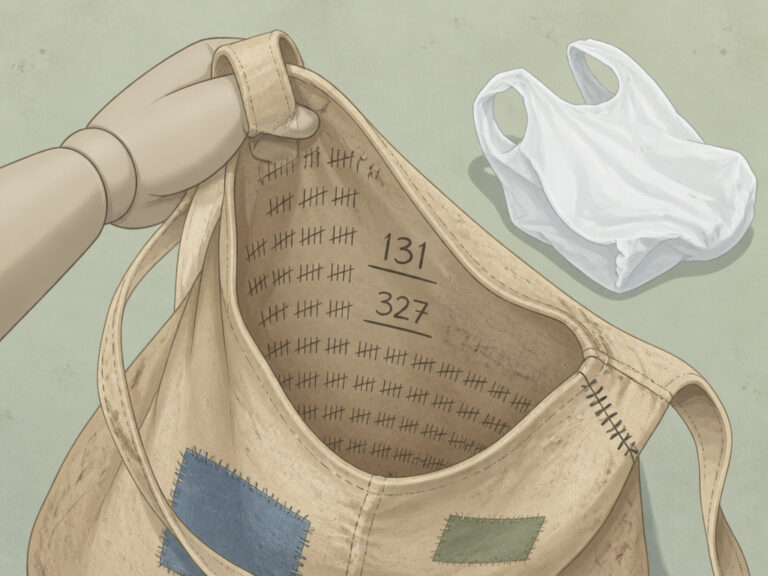
- A UK Environment Agency study found a conventional cotton tote must be reused 131 to 327 times to break even with the carbon footprint of a single plastic bag, depending on how the plastic bag is reused.
- The most common point of failure is the handle attachment seam, especially when carrying a single, point-heavy item; this can tear the bag within weeks of regular use.
- For airline travel, a tote bag typically qualifies as a personal item, but its dimensions must fit under the seat; always check the specific carrier’s size policy before you pack.
The Anatomy of a Real Tote (It’s Not Just Any Bag)
Forget the vague term “carryall.” A tote bag has a specific construction defined by three features. Get these wrong, and you’re looking at a different category of bag.
Parallel handles mounted on opposite sides of the bag’s mouth create a balanced carry point. This is the signature. You can carry it by hand or sling it over your shoulder. The open top means no zippers, flaps, or clasps blocking access. It’s the reason the bag exists, quick in, quick out. Finally, it’s typically one large compartment. Some modern versions add a magnetic snap or a short zipper, but the spirit remains an open, accessible pouch.
The U.S. Customs and Border Protection ruling 951113 from May 1992 classifies tote bags under tariff code 4202.92.1500 as “travel, sports and similar bags,” specifically including shopping bags. The ruling notes the bags are of “relatively coarse construction” and provide “little protection for the items they may contain,” distinguishing them from handbags.
The history is pure utility. L.L. Bean introduced the “Boat and Tote” in 1944 as an ice carrier. It was sturdy, water-resistant canvas. Homemakers immediately adopted it for groceries. The fashion shift came in the 1950s with designer Bonnie Cashin, who introduced leather, structure, and hardware, transforming the workhorse into a high-end accessory. Today’s tote bag lives in both worlds.
The 7 Core Uses for a Tote Bag (And the Limits of Each)
Your daily load decides everything. Picking the right tote bag size and tote bag material isn’t about style first, it’s about physics. Here’s where a tote works, where it’s average, and where it will fail you.
| Primary Use | Ideal Material & Size | Real Load Limit & Failure Point |
|---|---|---|
| Grocery & Shopping | Medium to large cotton canvas or recycled polypropylene (14″x14″ to 18″x15″). | 15-20 lbs max. A 10oz canvas tote split at the bottom seam after carrying ~20 lbs of gardening supplies twice weekly. |
| Work & Commuting | Structured leather or heavy canvas with a reinforced bottom (fits a 13-15″ laptop). | Limit is structure, not weight. An unstructured bag lets a laptop corner punch through the lining within months. |
| Gym & Sports | Nylon or polyester with a ventilated panel or separate wet pocket. | Soaked clothes left inside will mildew the lining; the bag survives but smells permanently. |
| Beach & Pool | Lightweight, quick-dry synthetic (polyester) or inexpensive canvas you don’t mind getting sandy. | Sand grit in the weave accelerates fabric wear; rinse it out after each use or the bag degrades in one season. |
| Diaper Bag | Washable canvas or nylon with multiple interior pockets (not just one big cavity). | Without internal organization, you’re digging for wipes while everything spills; the bag becomes a frustrating black hole. |
| Light Travel (Personal Item) | Flexible nylon or soft leather that can compress under an airline seat. | Hard-sided or overstuffed totes often exceed under-seat dimensions; you’ll be forced to gate-check it. |
| Promotional Giveaway | Low-cost non-woven polypropylene or lightweight cotton. | These are not built for heavy, repeated use; the handles tear off after a few heavy grocery trips. |
Where this goes sideways: Using a tote for a single, point-heavy item like a toolbox. The weight concentrates on one handle attachment, straining a single seam. The bag can tear at that point within a month of regular use.
The canvas tote bag is the default for a reason. Its tight, heavyweight cotton weave handles textbooks and groceries. But it’s not water-resistant, a spilled drink soaks right through. Leather is a lifetime investment but a poor choice for the beach or gym. Nylon is easy-care and often water-resistant, perfect for active uses but can look too technical for an office.
How to Choose the Right Tote Bag for Your Actual Life
You don’t need a review list. You need a decision filter. Start with the heaviest item you’ll carry regularly. Is it a laptop? A gallon of milk? A pair of shoes? That item sets the minimum structural requirement.
Next, consider the environment. A bag for a sandy beach needs different fabric for a tote than one for a downtown office. Synthetics dry fast and shed sand. Leather stains and water-spots. Finally, think about access. If you’re constantly digging for a phone or keys, you need internal organization, either built-in pockets or a separate organize a tote bag system like a removable pouch.
Here’s the step-by-step filter for how to choose a tote bag: 1. Identify the Primary Load. Be specific. “Stuff” isn’t a load. “A 15-inch laptop, a notebook, a lunch container, and a coffee thermos” is a load. This dictates the necessary size and whether you need a rigid bottom. 2. Audit the Daily Environment. Will it sit on a damp gym floor? Hang on a subway strap? Get shoved under an airplane seat? This points you to the material: nylon for wet, leather for dry, canvas for general. 3. Test the Carry. If you can, simulate the carry with a similar weighted item. Do the handles cut into your shoulder? Does the bag swing wildly when you walk? This tells you if you need wider straps or a different carry a tote bag technique. 4. Check the Critical Seams. Look at where the handles attach to the body. Is it a single row of stitching, or is there a reinforced leather patch or bar tack? This is the number one point of failure. 5. Ignore the “Extra Features” Until the Core Passes. A USB charging port is useless if the bag can’t comfortably hold your laptop. A waterproof lining means nothing if the zipper isn’t sealed.
The L.L. Bean Boat and Tote, the large size is 18″ x 15″ x 6″, remains a benchmark for a reason. It’s a single piece of canvas with rope handles, and it handled the same load for three years before showing wear at the handle attachments. That’s the longevity standard.
The Environmental Math: How Many Times Must You Reuse It?
 The “reusable” label isn’t a free pass. The carbon footprint of producing a cotton tote is significant. The numbers are not guesses; they’re from lifecycle studies.
A landmark UK Environment Agency study provides the hard figures. A conventional cotton tote bag must be reused 131 times to break even with the carbon footprint of a single disposable plastic bag used once. If that plastic bag is first reused as a bin liner, the cotton tote needs 327 reuses to match its impact. A 2018 Danish Environmental Protection Agency study placed the number even higher, up to 7,100 reuses when considering all environmental indicators like water use and toxicity.
A 2014 study of U.S. Consumers found that the 28% of respondents who owned reusable bags forgot them on about 40% of their grocery trips. They used the bags only around 15 times each before discarding them.
The implication is brutal. If you buy a cute cotton tote, use it fifteen times, and lose it, you’ve created a worse environmental outcome than if you’d used fifteen plastic bags. The best fabric from a pure carbon standpoint is often recycled polypropylene, which requires far fewer reuses to break even. The real green choice isn’t buying a tote, it’s using the one you already have, hundreds of times.
Tote Bag vs. Other Bags: When to Use Something Else
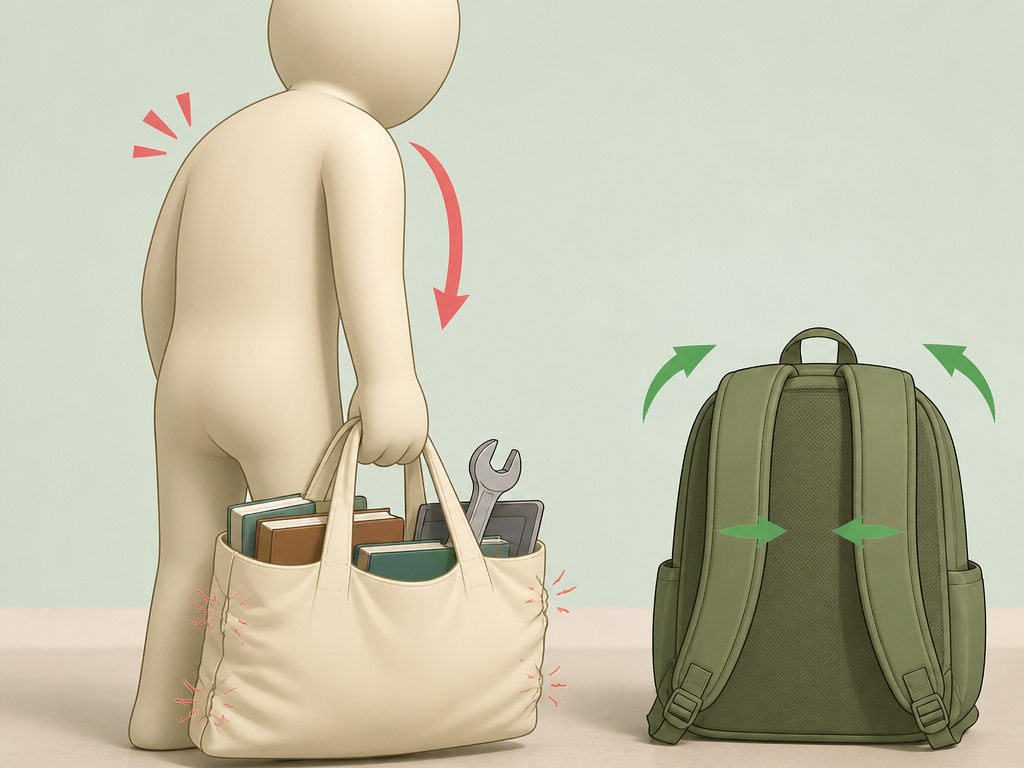 A tote is a specific tool. It loses to other bags on specific tasks. Knowing when to switch is what keeps your gear, and your back, intact.
For heavy, point-loaded carries (like tools or a dense stack of books), a backpack wins. It distributes weight evenly across both shoulders and has a structured suspension system. A tote will strain one side of your body. For secure, organized travel with valuable items, a crossbody bag or a zippered shoulder bag wins. The tote bag definition and history emphasizes its open, accessible nature, which is the opposite of security. For hiking or any activity requiring hands-free stability, a tote is frankly dangerous. It swings, throws off your balance, and can’t be secured.
The legal definition from U.S. Customs hinges on this “similar to” test. The ruling argued that because tote bags are of “relatively coarse construction” and often carry advertising, they are not used in a manner “similar to a women’s handbag.” That’s the functional divide. A handbag is for personal effects with an emphasis on security and style. A tote is for hauling bulk items with an emphasis on capacity and access.
Care, Storage, and Making a Tote Last
 A tote bag isn’t disposable, but treating it like one is how it ends up in a landfill after two seasons. The rules are simple, physical, and non-negotiable.
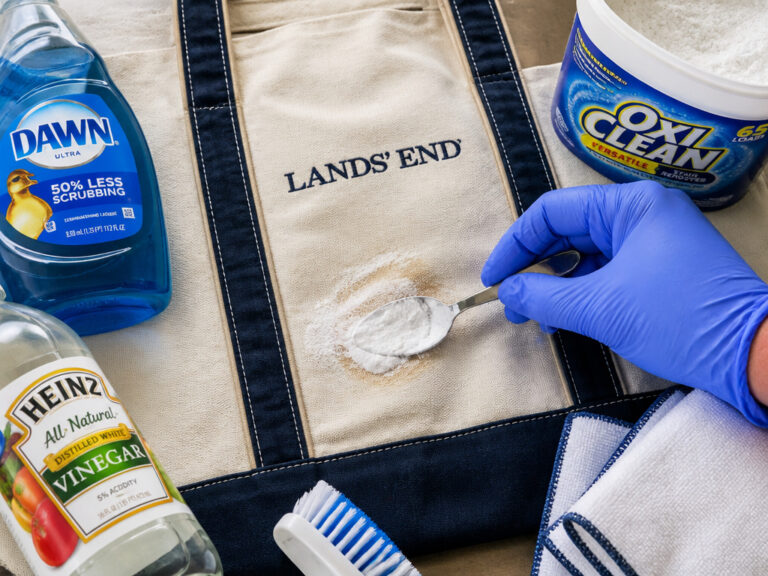
Cleaning: For canvas or nylon, machine wash cold and air dry. Do not use heat, it degrades fabric coatings and can shrink natural fibers. For leather, wipe with a damp cloth and condition every 6 to 12 months with a product made for that type of leather. Never get leather soaked.
Storage: This is where most damage happens. – Fabric totes (canvas, nylon): Fold them. Lay the bag flat, smooth it out, fold the sides in, then fold it in half or thirds. Store in a breathable cotton pillowcase, not an airtight plastic bin. – Structured totes (leather, stiff canvas): Stuff them. Use acid-free tissue paper or a clean pillowcase to fill the interior and help it hold its shape. Never hang a heavy, structured tote long-term, the straps will stretch and deform. – Universal rule: Store in a cool, dry place away from direct sunlight. Sunlight fades colors and weakens fibers over time. Before storing any bag, make sure it is completely clean and dry. Dirt and moisture lead to stains and mold.
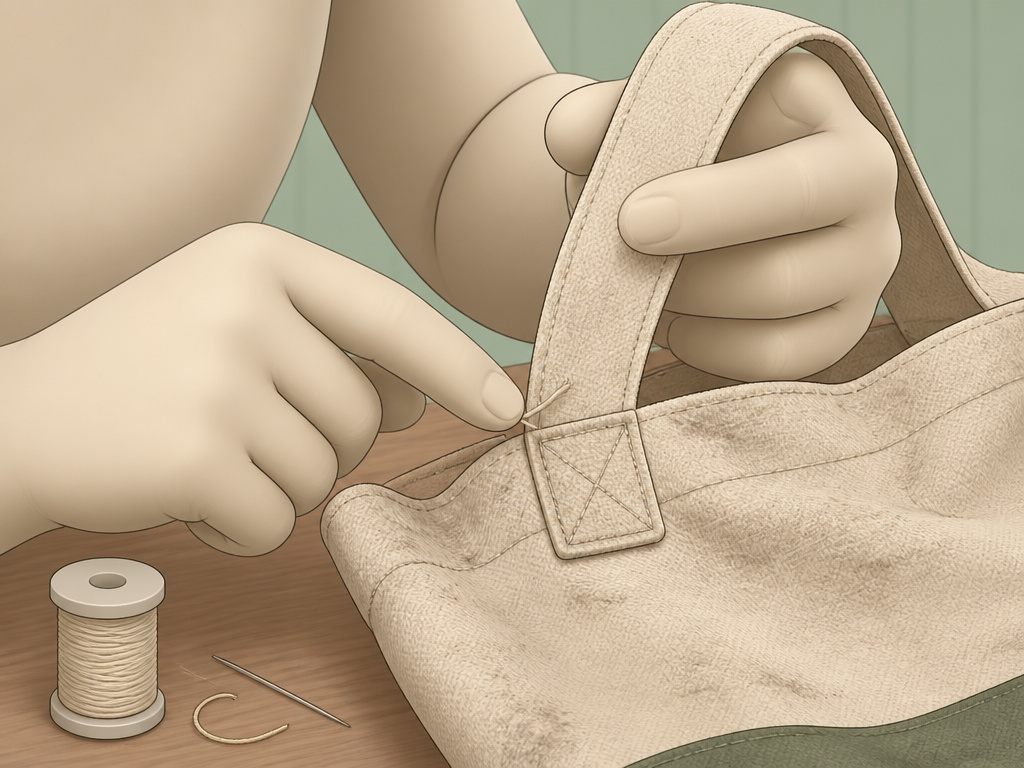
The One Maintenance Check: Every few months, inspect the handle attachments. Look for fraying thread, pulled stitches, or stretching fabric. This is the failure point. Catching a loose thread early lets you reinforce it with a few stitches by hand, potentially adding years to the bag’s life.
Frequently Asked Questions
Can a tote bag be a personal item on a plane?
Yes, a tote bag typically qualifies as a personal item. Its flexible, soft-sided nature usually lets it squeeze under the seat in front of you. However, each airline has specific size dimensions for under-seat storage. A tote stuffed to the brim might not fit. Always check your carrier’s policy on their website before you assume your tote as personal item will pass.
What’s the difference between a tote bag and a shoulder bag?
The difference is in the straps and the structure. A tote has two parallel, shorter handles designed for hand-carry or a brief shoulder perch. It is usually boxier and more open. A shoulder bag has a single, longer strap designed to be worn across the body or on one shoulder, and it almost always has a top closure like a zipper or flap. The shoulder bag is for security during movement; the tote is for easy access during short carries.
Are tote bags actually good for the environment?
Only if you use them enough. As the lifecycle studies show, a cotton tote must be reused 131 to 327 times just to break even with a single plastic bag’s carbon footprint. If you buy a new tote every season and use it a few dozen times, you’re creating more waste, not less. The most eco-friendly tote is the one you already own, used until it wears out.
What is the most durable tote bag material?
For pure durability under heavy, varied loads, a heavyweight cotton canvas (like 10oz or higher) is the benchmark. It’s abrasion-resistant, machine-washable, and gets stronger when wet (up to a point). For water resistance and easy cleaning, a coated nylon or polyester is more durable in wet conditions. Full-grain leather is extremely durable but requires care and is heavy.
Can I use a tote bag as a carry-on?
It depends on the airline’s specific carry-on bag size rules. Many totes, especially larger ones like the L.L. Bean Boat and Tote, can fit in the overhead bin. However, because they are soft-sided, they can be overstuffed and exceed size limits. A tote is generally better suited as a personal item, paired with a smaller, structured roller bag or backpack as your main carry-on.
The Bottom Line
A tote bag is a tool for carrying. Its value is directly tied to how well you match its simple construction, parallel handles, open top, single compartment, to a specific, everyday task. The wrong match leads to a torn seam or a frustrating dig for your keys. The right match means a bag that lasts for years and hundreds of trips.
Remember the 20-pound limit for canvas, the 131-use threshold for the environment, and the handle attachment as the weak point. Choose based on your heaviest regular item, not the prettiest pattern. For most people, that means a medium-sized, heavyweight canvas tote. It won’t do everything, but it will do the one thing you need it for, every day, without complaint.