Are CPAP Machines Allowed in Carry-On Bags? Flight Rules
This post contains affiliate links. As an Amazon Associate, we earn from qualifying purchases.
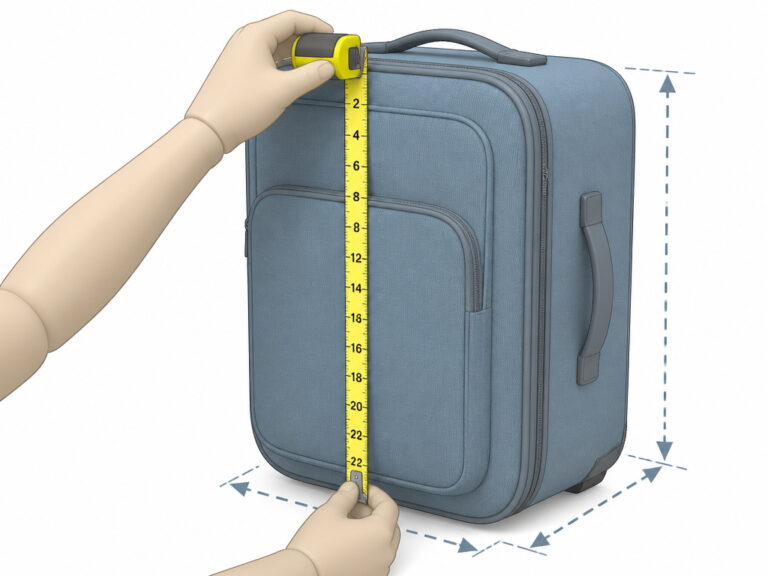
Yes, CPAP machines are allowed in carry-on luggage. Under TSA and FAA rules, they are considered medical devices and do not count toward your carry-on bag limit. You must remove the machine from its case for X-ray screening. Devices with lithium batteries must stay in your carry-on, and liquids for nebulizers are exempt from the 3-1-1 rule.
That answer covers the legal baseline. The practical reality is where most travelers get tripped up — not by the rule, but by how three different agencies (TSA, FAA, and your specific airline) apply it at the checkpoint and at 30,000 feet.
What follows: the exact screening steps, the FAA compliance standard printed on your machine, the battery watt-hour ceiling that varies by airline, and the one mistake that turns a routine security check into a 20-minute delay.
Key Takeaways
- CPAP machines are medical devices, not regular luggage. They fly free as an extra carry-on item on U.S. Domestic flights.
- Standard TSA screening requires you to remove the machine from its case. TSA PreCheck lets you leave it packed.
- Never check your CPAP unless you have absolutely no choice. The baggage system breaks delicate turbines and screens.
- Lithium batteries must be in your carry-on. Qantas and other airlines forbid batteries over 160 watt-hours (Wh) entirely.
- In-flight use is not automatic. You need an FAA-compliant device, airline approval, and your own power source for most flights.
The Short Answer: TSA Rules for CPAP Carry-On
The Transportation Security Administration (TSA) publishes clear, verbatim rules for respiratory devices. Your CPAP, BiPAP, or APAP machine falls under their “Nebulizers, CPAPs, BiPAPs, and APAPs” policy.
For standard screening, the machine may be required to be removed from its carrying case for X-ray. Masks and tubing can stay in the case. A TSA officer can provide a clear plastic bag for the device if you don’t have one.
For PreCheck screening, nebulizers, CPAPs, BiPAPs and APAPs as well as facemasks and tubing may remain in their carrying case, and in the carry-on, for X-ray screening.
That’s the official line. In practice, PreCheck is the smoother path. Without it, assume you’ll be unpacking the machine. Have it accessible at the top of your bag.
Where this goes sideways: Assuming “medical device” means no inspection. The final decision always rests with the TSA officer at the checkpoint. If your machine is buried under three layers of clothes and cables, you’re holding up the line.
The Medical Exemption You Actually Get
CPAPs get two specific breaks on allowed items lists.
First, liquids associated with nebulizers are exempt from the 3-1-1 liquids rule in reasonable quantities. This is crucial if you use a separate nebulizer, but it doesn’t automatically grant a pass for a gallon of distilled water for your CPAP humidifier.
Second, devices containing lithium metal or lithium ion batteries should be carried in carry-on baggage. This isn’t a suggestion — it’s a safety mandate. A CPAP with a built-in or external battery is not a prohibited item, but its power source changes how you pack.
What “FAA Compliant” Actually Means (It’s a Sticker)
You’ll see the term “FAA compliant” on manufacturer websites and travel tip sheets. This isn’t marketing fluff. It refers to a specific aviation safety standard: RTCA/DO-160, Section 21, Category M.
This standard tests a device’s electromagnetic compatibility (EMC). It ensures your CPAP won’t interfere with aircraft navigation and communication systems. ResMed, for example, states its devices comply with RTCA/DO-160G, Section 21, Category M.
| Compliance Mark | What It Is | Why It Matters |
|---|---|---|
| RTCA/DO-160, Sec. 21, Cat. M | The technical standard for EMC testing of respiratory devices on aircraft. | Proof the device is safe to use onboard. |
| FAA Compliant Label/Engraving | A physical sticker or engraving on the device casing or power supply. | The visual cue airline staff look for if you plan to use it in-flight. |
| ResMed Travel Compliance Letter | A downloadable PDF from ResMed listing compliant model numbers. | Backup documentation if the label is missing or questioned. |
You don’t need to show this letter at security for carry-on. You need it if you want to plug the machine into your seat’s power outlet during the flight. Most airlines require advance notice and proof of compliance.
Common mistake: Thinking FAA compliance is only for in-flight use. It’s also the standard that underpins the DOT rule requiring airlines to accept the device as carry-on in the first place.
Packing Your CPAP: What to Do Before the Airport
Packing is where you prevent problems. Follow this sequence the night before your flight.
- Drain the humidifier tank completely. Any residual water will leak in the cabin’s pressure changes. Pack it dry.
- Disconnect all tubing and masks. Store them in a separate compartment or bag within your CPAP case. This keeps the machine itself clean for inspection.
- Gather your power cords and accessories. This includes any DC converters or international plug adapters. Missing a power cord at your destination defeats the purpose.
- Place the machine in a clear, sealable plastic bag. A one-gallon freezer bag is perfect. It keeps the device sanitary in the security bin and satisfies the TSA’s optional “clear bag” suggestion.
- Stow the packed CPAP case in your carry-on backpack or use it as your personal item. Never bury it in checked luggage.
Skip this if: You’re using a dedicated travel CPAP like the ResMed AirMini. These often have their own compact, TSA-friendly cases. The principle is the same — easy access is key.
Batteries: The One Rule That Grounds Your Trip

This is the most hazardous part. Battery rules are strict and non-negotiable.
The TSA mandates that devices with lithium batteries must be in your carry-on. The FAA and IATA (International Air Transport Association) set the capacity limits that airlines enforce.
| Battery Capacity | TSA (Carry-On) | Qantas Example | Typical CPAP Battery |
|---|---|---|---|
| Up to 100 Wh | Permitted | Permitted | ResMed AirMini Battery (70 Wh) |
| 100–160 Wh | Permitted with airline approval | Permitted with airline approval | Larger travel batteries |
| Over 160 Wh | Forbidden on passenger aircraft | Forbidden on any Qantas aircraft | Not typical for CPAPs |
Qantas explicitly forbids lithium batteries exceeding 160Wh on any Qantas aircraft.
Your battery’s watt-hour (Wh) rating is printed on its label. If it’s not, you can calculate it: Voltage (V) x Amp-hours (Ah) = Watt-hours (Wh). Know this number before you call the airline.
The timeline consequence: A battery over 160Wh discovered at the gate is left behind. No debate. You board without it.
Spare Battery Rules
Spare batteries get extra scrutiny. Each one must be protected from short circuits. The best method is to keep them in their original retail packaging. If that’s gone, tape over the metal terminals with electrical tape.
All spare batteries must be in your carry-on baggage. This is a universal security restriction.
Checking Your CPAP: The Risk Nobody Should Take

You can check your CPAP. You absolutely should not.
The baggage handling system is a cascade of drops, crushes, and extreme temperatures. The delicate turbine motor inside your CPAP is not built for that. A cracked water tank or damaged flow sensor is a common outcome.
I’ve seen machines come off the luggage carousel with cracked housings. The owner didn’t know until that night’s therapy was impossible. The repair cost exceeded the price of a dedicated travel unit.
Airlines’ liability for lost or damaged checked luggage is limited. Their liability for a lost medical device is a gray, stressful area. The simple fix is to never let the machine out of your sight.
If you have no choice — say, a last-minute gate-check situation where overhead bins are full — take two steps. First, remove the lithium battery if it’s removable and bring it with you. Second, use the machine’s original rigid carry case, not a soft bag.
Airline Policies: U.S. Vs. International Carriers
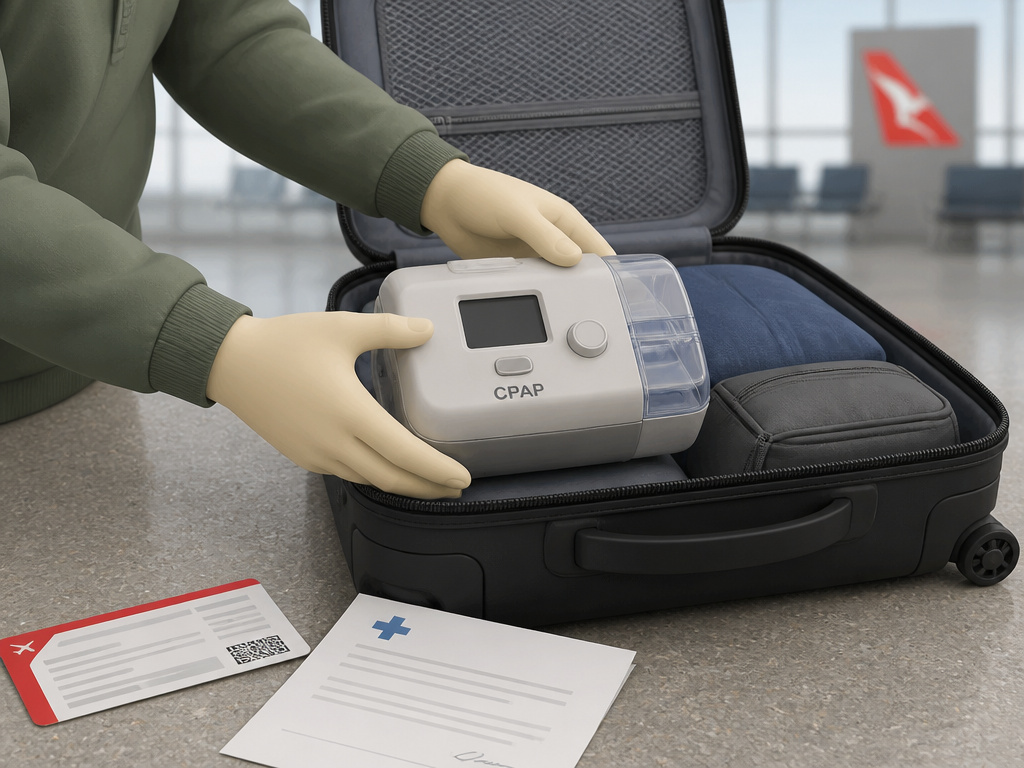
U.S. Department of Transportation (DOT) rules protect your right to bring a CPAP onboard domestic flights without it counting as a carry-on. International airlines follow IATA guidelines, but their interpretation varies.
Qantas, for example, allows CPAP/PAP devices as an extra standard piece of carry-on without charge. They don’t require pre-approval to bring it onboard, but they strongly recommend a doctor’s letter. For in-flight use, the rules tighten.
Aircraft medical power must be requested at least 5 days from departure and is not available in all cabins or on all aircraft.
European and Middle Eastern carriers like Swiss or flynas often require medical forms for carriage, especially if the device is bulky. The Reddit thread on Swiss Airlines shows the confusion: agents sometimes mistakenly count the CPAP against baggage allowances.
The fix: Always contact the airline’s special assistance desk at least 48 hours before an international flight. Don’t rely on general customer service. Have your device model and battery Wh rating ready.
Using Your CPAP During a Flight
Planning to sleep on a red-eye? You can’t just plug in.
- Your device must be FAA compliant. Check for the label.
- You need your own power source. Most aircraft seat power outlets are not rated for medical devices, and airlines won’t guarantee them. You need a compliant battery with enough capacity for the flight duration plus a buffer.
- You must notify the airline in advance. This is often a mandatory 48-hour notice window.
- You must stow the device for taxi, takeoff, and landing.
Airlines like Southwest explicitly state they do not have outlets for commercial product use, which includes CPAPs. Your battery is your only option.
Travel CPAPs like the ResMed AirMini AutoSet are designed for this. They’re compact, often battery-powered, and clearly labeled as FAA compliant. They’re the default choice for frequent flyers who need in-flight therapy.
Frequently Asked Questions
Does a CPAP count as a carry-on bag?
No. In the U.S., CPAP machines are considered assistive medical devices under DOT rules. They are an additional item you can bring on board without it counting against your standard carry-on items allowance. Most international airlines follow similar IATA guidelines, but always verify with your specific carrier.
Can TSA make me turn on my CPAP machine?
It’s highly unlikely. TSA officers are trained to recognize these devices. They may swab the exterior for explosive residue as part of a routine screening, but they will not ask you to start it up. Having it easily accessible and in a clear bag minimizes interaction.
How much distilled water can I bring for my CPAP humidifier?
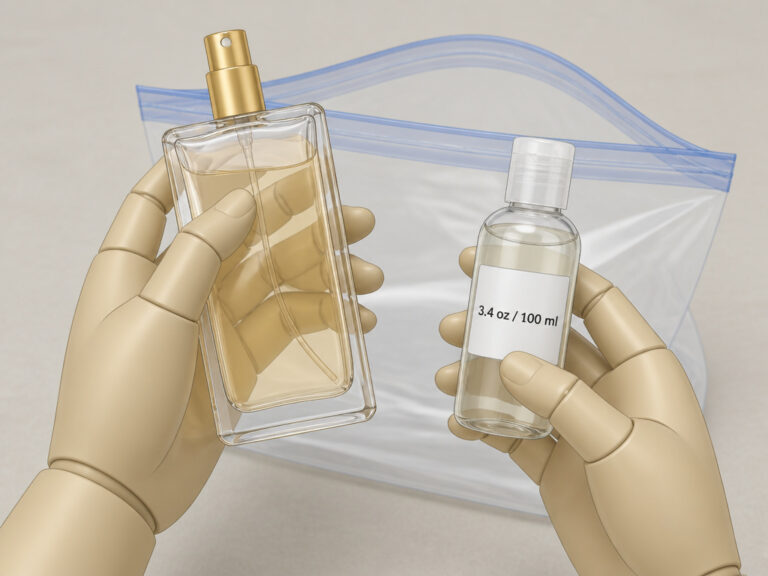
The standard TSA liquid rules (3-1-1 rule) apply. You can bring one quart-sized bag of liquids, each container 3.4 ounces (100ml) or less. A small bottle of distilled water fits this. Larger “reasonable quantities” of medically necessary liquids are exempt, but this is intended for nebulizer solutions, not humidifier water. It’s simpler to buy distilled water after security or at your destination.
What happens if my CPAP battery is over 100Wh?
Batteries between 100 and 160 watt-hours are generally allowed in carry-on baggage, but most airlines require advance approval. You must contact the airline before your flight, usually at least 48 hours ahead. Have the battery’s Wh rating ready. Without approval, the battery may be denied at the gate.
Should I bring a doctor’s note for my CPAP?
It’s not mandatory for TSA screening in the U.S., but it is strongly recommended, especially for international travel. A letter on your doctor’s letterhead stating you require the device for a sleep-related medical condition can resolve questions from airline agents or foreign security personnel. It’s cheap insurance.
The Bottom Line
Your CPAP machine is absolutely allowed in your carry-on luggage. The process is straightforward if you remember three things: pack it for easy inspection, know your battery’s specs, and never put it in the hold.
Carry it on, keep the battery with you, and have your documentation handy. That’s the sequence that gets you through security and guarantees your therapy continues uninterrupted, wherever you land.