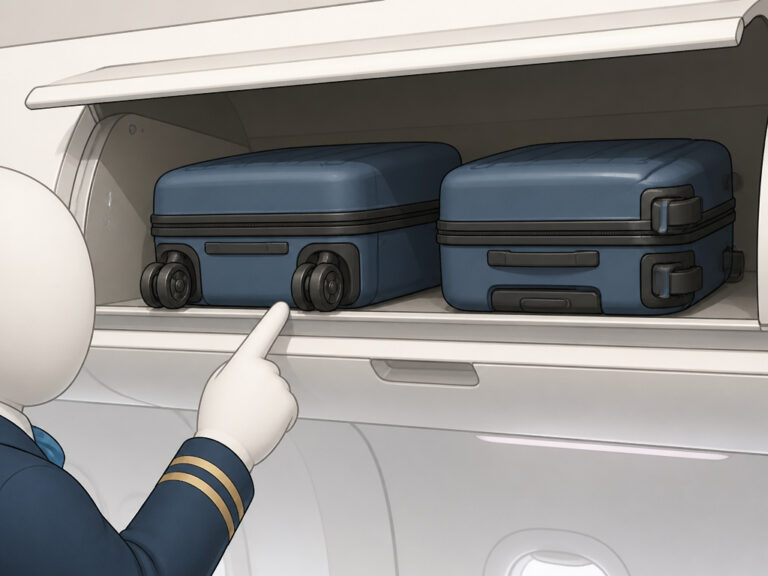
Defining the Largest Carry On Luggage Size for Air Travel
This post contains affiliate links. As an Amazon Associate, we earn from qualifying purchases.
The largest carry on luggage size permitted by any major airline in 2026 is 61 x 46 x 25 centimeters (24 x 18.1 x 9.8 inches), the published limit for Frontier Airlines. This is not a universal standard. Your actual maximum depends entirely on your airline, your fare class, and whether gate agents are using a physical sizer that day.
That Frontier limit is the ceiling. The floor is much lower. Several major carriers, including Emirates and Air Senegal, cap carry-on bags at 55 x 38 x 20 cm. The difference between those two extremes is over 30 liters of packing space. You can’t shop for the largest bag without first knowing which airlines you’ll fly.
What follows is the 2026 data: the ten strictest and most generous airlines by the numbers, why weight limits matter more on certain routes, and the exact measurement method that decides if your bag gets a free pass or a $100 gate-check fee.
Key Takeaways
- The single largest allowed carry-on is Frontier Airlines’ 61 x 46 x 25 cm (24 x 18.1 x 9.8 in). The single strictest is 55 x 38 x 20 cm (21.7 x 15 x 7.9 in) on airlines like Emirates and Air Senegal.
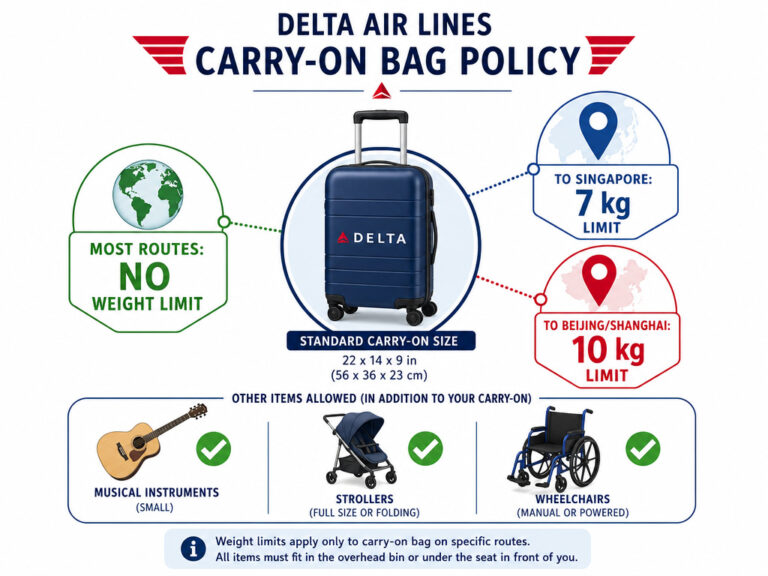
- Most major U.S. Airlines (Delta, American, United) use a 22 x 14 x 9 inch (56 x 36 x 23 cm) approximate standard, but some measure by linear inches (height + width + depth).
- Weight limits are critical on international and budget airlines. Carriers like Qatar Airways and Singapore Airlines impose a strict 7 kg (15.4 lbs) limit, while most U.S. Majors have no weight limit for cabin bags.
- Gate enforcement tightened in 2026. The old “squish it to fit” leniency for soft-sided bags is largely gone at major hubs and on budget carriers.
- Always verify your specific airline’s official baggage page before you fly. Policies change, and basic economy fares often have different rules.
The Single Largest Carry-On Size (Frontier Airlines)
Frontier Airlines publishes the most generous carry-on dimensions in the industry: 61 x 46 x 25 cm. That’s their official maximum carry-on luggage size. No other major network or low-cost carrier allows a bag that large in all three dimensions.
Southwest Airlines is close, at 61 x 41 x 27 cm. Notice the trade-off. Southwest gives you an extra two centimeters in depth but takes five centimeters off the width compared to Frontier. A typical rolling suitcase is taller than it is wide, so Frontier’s extra width is often more usable volume.
Where this goes sideways: Assuming a “standard” size exists. The gap between Frontier’s limit (61 cm) and Air Senegal’s (55 cm) is the height of a large paperback book. A bag built for Frontier will not fit in Air Senegal’s overhead bin, period.
This table shows how the top five most generous airlines compare. Dimensions include wheels and handles.
| Airline | Maximum Dimensions (cm) | Maximum Dimensions (inches) | Primary Region |
|---|---|---|---|
| Frontier Airlines | 61 x 46 x 25 | 24 x 18.1 x 9.8 | United States |
| Southwest Airlines | 61 x 41 x 27 | 24 x 16.1 x 10.6 | United States |
| Spirit Airlines | 56 x 46 x 25 | 22 x 18.1 x 9.8 | United States |
| Allegiant Air | 56 x 46 x 25 | 22 x 18.1 x 9.8 | United States |
| Thai Airways | 56 x 45 x 25 | 22 x 17.7 x 9.8 | Asia |
The common thread among the most generous airlines? They’re primarily U.S.-based low-cost carriers (LCCs) or leisure-focused airlines. They often use older aircraft with deeper overhead bins. Their business model also relies less on connecting traffic from partners with stricter rules.
The “Standard” Carry-On Size Is a Myth
Most articles quote a “standard” carry-on size of 22 x 14 x 9 inches (56 x 36 x 23 cm). That’s a useful baseline for shopping, but it’s not a rule. It’s an average observed across several major U.S. Airlines, including Delta, American, and United.
The IATA passenger baggage rules suggest a common guideline of 56 x 45 x 25 cm. You’ll notice even that doesn’t match the U.S. “standard.” IATA is a trade association, not a regulator. Its guidelines influence airlines but are not binding.
IATA passenger baggage rules provide a common reference point, but each airline sets its own enforceable limits. The 56 x 45 x 25 cm suggestion is just that—a suggestion, not a guarantee.
The real complication is measurement method. U.S. Legacy carriers often use linear inches. Instead of checking each dimension, they add height + width + depth. Delta and American Airlines, for example, use a 45 linear inch limit. A bag measuring 22 x 14 x 9 inches equals exactly 45 linear inches.
This method gives you flexibility. A bag that’s 24 inches tall but only 10 inches wide and 11 inches deep also hits 45 linear inches. It wouldn’t pass the 22-inch height check if that were a hard limit, but it’s compliant on linear-inch airlines.
How to Measure Your Bag for the Gate Sizer
Gate agents don’t measure with tape. They use a metal or plastic box. Your bag must fit inside without force.
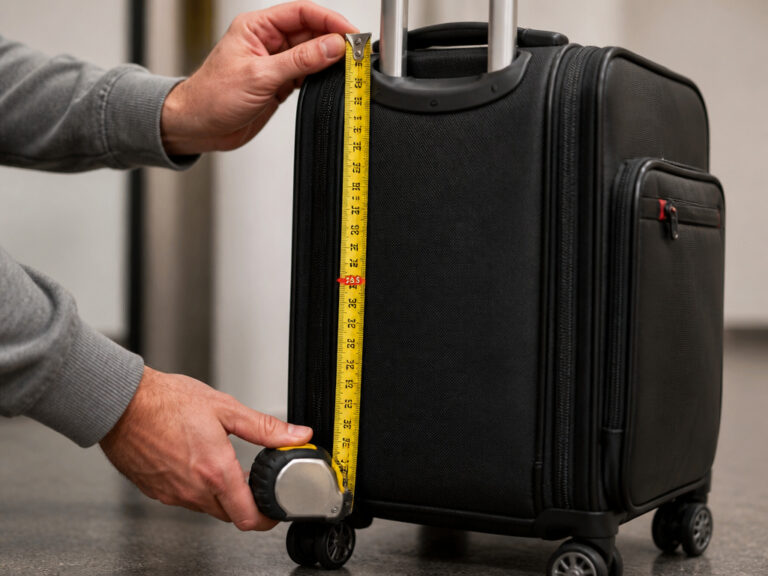
- Height: Measure from the bottom of the wheels to the top of the extended handle. This is the most common fail point.
- Width: Measure the widest point, including any bulging side pockets or compression straps.
- Depth: Measure front to back, with the bag fully packed. An empty bag gains depth when filled.
Pack your bag before you measure it. A soft-sided duffel might be compliant empty but bulge past the limit when full. That bulge will catch on the edges of the gate sizer.
Airline Carry-On Size Limits: A 2026 Comparison
The variance in airline policies is the core of the problem. You can’t know the largest carry-on luggage dimensions for your trip without checking each carrier’s rules. This is especially true for international itineraries or trips on regional partners.
The following table highlights the extreme ends of the spectrum—the ten strictest and ten most generous airlines by published dimensions, based on a June 2026 dataset from Packzup.
| Strictest Airlines (55 x 38 x 20 cm) | Most Generous Airlines | Max Dimensions |
|---|---|---|
| Air Senegal | Frontier Airlines | 61 x 46 x 25 cm |
| Biman Bangladesh | Southwest Airlines | 61 x 41 x 27 cm |
| Emirates | Spirit Airlines | 56 x 46 x 25 cm |
| Ethiopian Airlines | Allegiant Air | 56 x 46 x 25 cm |
| flydubai | Thai Airways | 56 x 45 x 25 cm |
| Nepal Airlines | SriLankan Airlines | 56 x 45 x 25 cm |
| Pakistan International (PIA) | Saudia | 56 x 45 x 25 cm |
| Royal Air Maroc | Royal Jordanian | 56 x 45 x 25 cm |
| RwandAir | Gulf Air | 56 x 45 x 25 cm |
| easyJet | 56 x 45 x 25 cm |
The pattern is clear. The strictest airlines are often flag carriers in Africa, the Middle East, and South Asia, operating modern fleets with smaller, standardized bin sizes. The most generous are U.S. Low-cost carriers and some full-service Asian and Middle Eastern airlines.
Your carry-on size limit is set by the most restrictive airline on your itinerary. If you fly Delta (generous) to connect to Emirates (strict) in Dubai, the Emirates limit governs the entire journey once you check in for that leg.
The Critical, Overlooked Factor: Weight Limits
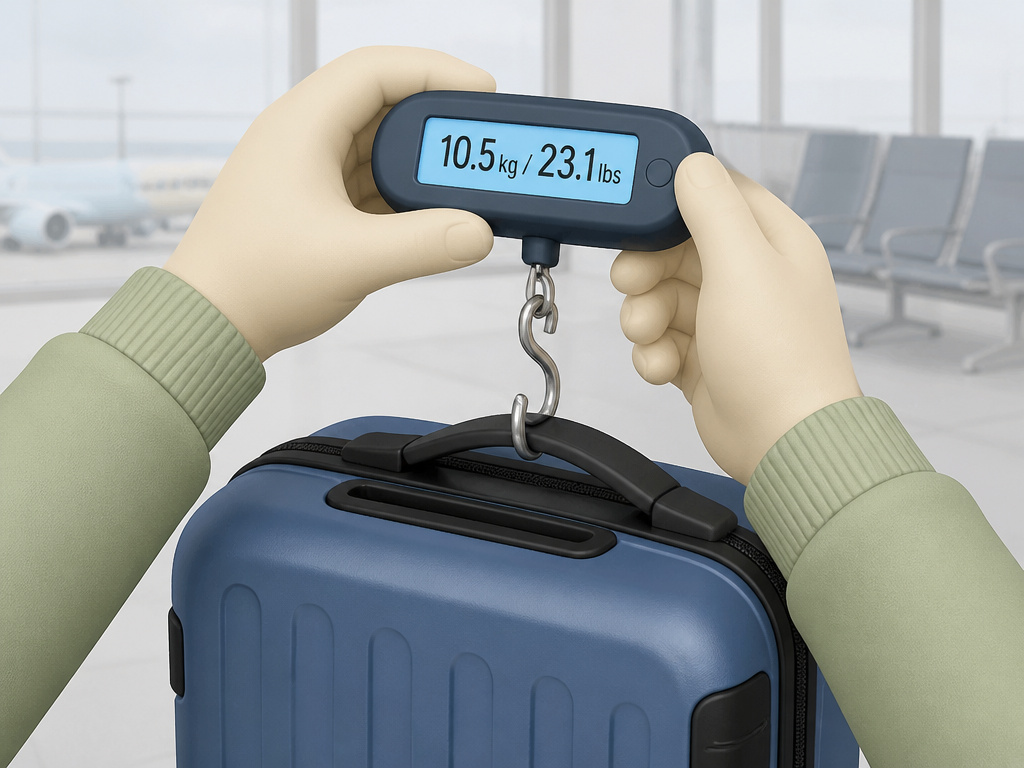
Dimensions get the attention. Weight limits are the trapdoor. Many travelers find the maximum carry-on luggage size only to be stopped at the gate for exceeding a weight limit they never knew existed.
Most major U.S. Airlines (Delta, American, United, Southwest, JetBlue) do not publish a weight limit for carry-on bags. The FAA carry-on baggage circular focuses on stowage safety, not weight, leaving it to airline discretion. This creates a false sense of security.
Common mistake: Assuming no U.S. Weight limit applies everywhere. Dozens of international and budget carriers have strict, low weight limits for cabin bags.
On many Asian, Middle Eastern, and European airlines, weight is strictly enforced with handheld scales at check-in and the gate. Common limits are 7 kg (15.4 lbs) or 10 kg (22 lbs). This includes the weight of the bag itself.
- Qatar Airways, Emirates, Singapore Airlines: 7 kg (15.4 lbs)
- British Airways: Up to 23 kg (51 lbs) in certain cabins
- easyJet: 15 kg (33 lbs)
- Ryanair: 10 kg (22 lbs)
A typical 21-inch rolling suitcase weighs 3-4 kg empty. Add a laptop, shoes, and a few days of clothes, and you’re at 10 kg easily. Exceeding the limit means a mandatory gate-check fee, often $60-$100. Weigh your packed bag at home with a luggage scale.
2026 Enforcement: The Rules Got Real
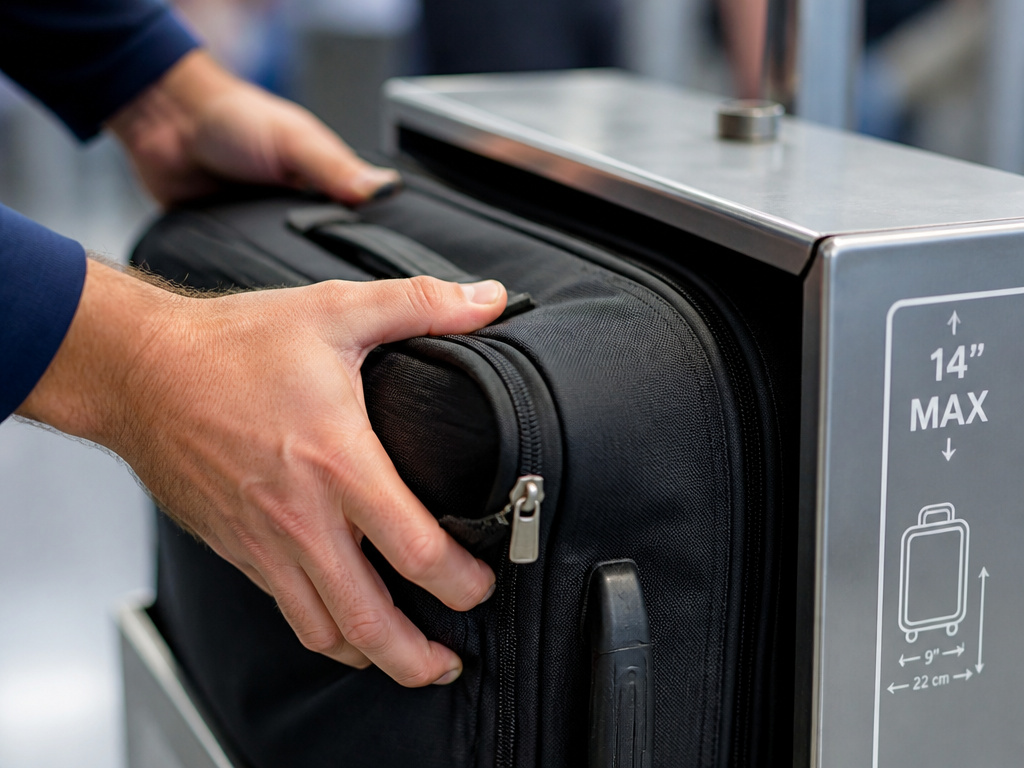
The biggest shift in 2026 isn’t the rules—it’s the enforcement. The carry-on size allowances on paper have been stable. The tolerance at the gate has vanished.
For years, travelers with soft-sided bags could “squish” them into the overhead bin, even if they were slightly oversized. Gate agents used visual checks. That era is over at most major airports and on all budget airlines.
Airlines are deploying physical sizer boxes at pre-security checkpoints and gates. These are metal frames with exact internal dimensions. If your bag doesn’t slide in smoothly, it fails. The soft bag loophole is closed. The material doesn’t matter if it can’t fit the sizer.
Budget carriers like Ryanair, Spirit, and Frontier are the most aggressive. Their revenue model depends on baggage fees. They have a financial incentive to catch oversized bags. Full-service carriers are stricter on busy routes and full flights, where bin space is scarce.
Always check your specific airline’s official baggage page. Do not rely on third-party summaries or old blog posts. Policies change, and “basic economy” fares often have different (stricter) carry-on rules than standard economy.
Liquids, Batteries, and Other Non-Size Restrictions

Your bag could be the perfect compliant size and still be rejected. Security regulations on contents are universal and non-negotiable.
The TSA’s 3-1-1 rule for liquids is the standard: containers of 3.4 ounces (100 ml) or less, all fitting inside one clear, quart-sized plastic bag. This rule is mirrored globally. The Wikipedia hand luggage entry details how these rules evolved post-2006.
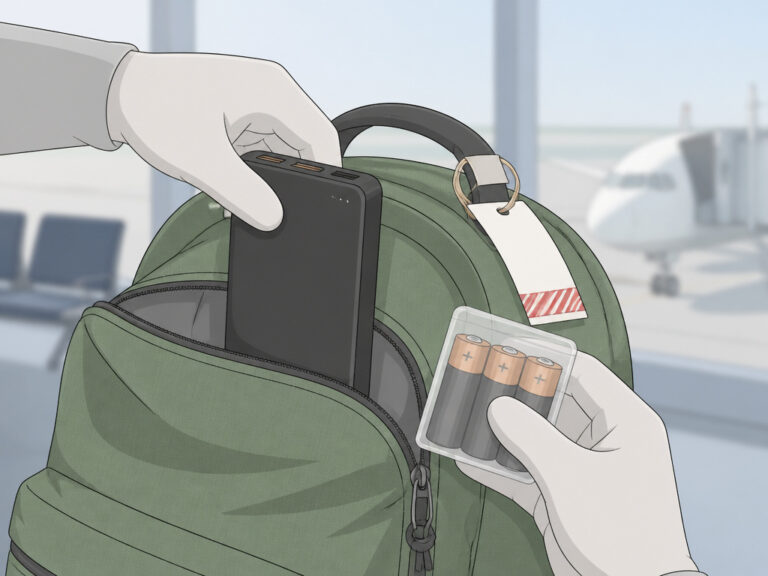
More pertinent for 2026 is the rule on batteries. Spare lithium-ion batteries and power banks must be in your carry-on, never in checked luggage. Some airlines now require them to be kept on your person, not in the overhead bin. This is a direct safety response to fire risk.
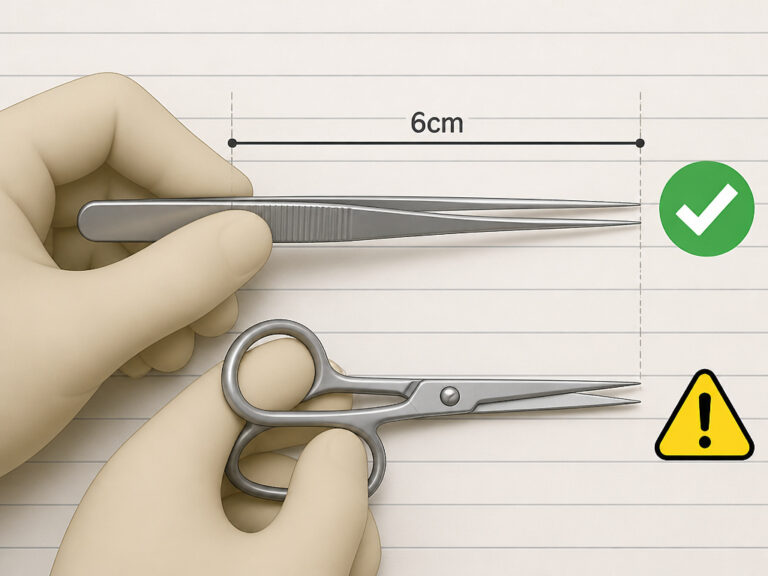
Sharp objects, tools, and sporting equipment have their own rules. A general principle: if it can be used as a weapon or is particularly hazardous, it probably must be checked. When in doubt, check it or leave it at home.
Frequently Asked Questions
What is the largest carry-on size for international flights?
There is no single international size. The largest permissible carry-on on a common international route is often dictated by IATA’s suggested 56 x 45 x 25 cm. However, your specific airline’s limit is what matters. For example, flying Lufthansa (55 x 40 x 23 cm) to connect with Emirates (55 x 38 x 20 cm) means you must meet Emirates’ stricter standard.
Do airlines actually measure every carry-on bag?
No, but they measure more than ever. U.S. Domestic flights on major carriers still rely mostly on visual inspection. Budget airlines, international flights, and any flight that appears full are where you’ll see gate agents with sizer boxes and scales. The consequence of guessing wrong is a steep fee.
Is a backpack considered carry-on luggage?
Yes, if it’s too big to fit under the seat in front of you. Airlines care about dimensions and storage location, not bag type. A large travel backpack designed for overhead bins is absolutely a carry-on and counts against your allowance.
What if my carry-on is slightly oversized?
If it’s visibly oversized, you’ll likely be stopped at the gate. If it’s borderline and the flight is full, you may be asked to gate-check it. In 2026, the “slightly oversized” grace period is shrinking. It’s cheaper and less stressful to buy a bag that is airline-compliant size from the start.
How can I find my airline’s exact carry-on size?
Go to the airline’s official website. Navigate to “Baggage” or “Travel Info.” Look for “Cabin Baggage” or “Carry-on Baggage” rules. Print or screenshot the page. Third-party sites can be outdated. The official policy is the only one that counts.
The Bottom Line
The largest carry on luggage size is a moving target. It’s 61 x 46 x 25 cm if you’re flying Frontier, and 55 x 38 x 20 cm if you’re flying Emirates. Your mission isn’t to find the single biggest bag possible, but to find the biggest bag that reliably complies with the airlines you use most.
For most U.S. Domestic travelers, a bag built to the 22 x 14 x 9 inch (45 linear inch) standard is the safest bet. For frequent international travelers, especially to Asia or the Middle East, you need to size down and pay acute attention to weight. Buy a luggage scale. Measure your bag packed, not empty. And assume the gate agent will have a sizer box.
The right bag avoids fees and stress. The wrong bag costs you time, money, and the contents of your overhead bin at a crowded gate. Choose based on data, not hope.