What Is a Birkin Bag | The $100M Auction Reality
This post contains affiliate links. As an Amazon Associate, we earn from qualifying purchases.
A Birkin bag is a handmade leather tote created by French luxury house Hermès in 1984, designed in a chance meeting with actress Jane Birkin. It is defined by three things: exclusivity enforced by a boutique quota system, craftsmanship requiring 18-24 hours from a single artisan, and investment-grade value that has outperformed the S&P 500 over 35 years. Its design, two rolled handles, a flap top, and clou feet, is virtually unchanged, making it a cultural and financial icon far beyond a simple handbag.
That last point about beating the stock market is the one that reframes the entire conversation. Most articles treat the Birkin as a fashion trophy. The data from auction houses like Sotheby’s treats it as an alternative asset class, with its own volatility and premiums tied to specific leathers and colors. This isn’t about shopping; it’s about allocation in a portfolio.
What follows is the breakdown that separates the myth from the mechanics: the true origin story, the leather library that dictates durability, the silent rules of acquisition, and the numbers that explain why a bag can sell for nearly $400,000 at auction.
Key Takeaways
- The Birkin was sketched on an airplane sick bag in 1984 by Hermès CEO Jean-Louis Dumas for actress Jane Birkin, who needed a functional “mother’s bag.”
- Each bag is made by one artisan in 18-24 hours using a single 36-piece leather hide and 680 saddle stitches, bearing a unique code for traceability.
- You cannot simply buy a Birkin; Hermès boutiques operate a quota system, requiring a purchase history and relationship with a sales associate for an invitation.
- Certain leathers and colors appreciate differently. A 2016 study found Birkins yielded a 500% return over 35 years, outperforming the S&P 500 and gold.
- The structured Birkin Sellier holds its shape better in humid climates, while the classic Retourne softens into a slouchier, more casual profile over time.
The Origin Story: An Airplane Sketch
The Birkin bag didn’t emerge from a design studio’s seasonal collection. It was born from a practical complaint at 30,000 feet. In 1984, actress and singer Jane Birkin was on a flight from Paris to London. She found herself next to Jean-Louis Dumas, the executive chairman of Hermès. As she struggled with a straw basket that couldn’t hold her belongings as a young mother, she lamented the lack of a stylish, spacious, and functional bag.
Dumas, a born creator, famously grabbed the nearest medium, an airplane sick bag, and sketched the prototype. He envisioned a supple, rectangular holdall with a structured base, a flap closure, and a dedicated space for a baby’s bottle. He later offered to name the bag after her. This origin story is well-documented in the Wikipedia entry on the Birkin bag, which notes the first bag was a supple black leather version created that same year.
The collaboration was purely functional at its start. Jane Birkin wanted a workhorse, not a status symbol. The resulting design, with its wide flat bottom and rolled handles, solved for capacity and ease of carry in a way no luxury bag had before.
This functional DNA is why many owners, decades later, call it a “beater bag”, a term from the Reddit handbag community describing an item that can take a “shit ton of abuse and still look and feel good.” The myth of fragility is just that. A Birkin in Togo or Epsom leather is built for daily wear, not just display.
The Anatomy of an Icon
The silhouette sketched on that sick bag is virtually locked in time. The design language is so specific that any deviation would be instantly recognizable. Understanding its components explains both its aesthetic permanence and its physical longevity.
Every authentic Birkin shares these features: * Two Rolled Handles: Designed for hand or elbow carry, never as a shoulder bag (until the special Shoulder Birkin was later introduced). * Flap Top & Lock Closure: The flap secures with a metal toggle that fits into a leather tab. A small lock and two keys accompany each bag, though most owners never use it. * Clou “Feet”: Four small metal studs on the base protect the leather from scratches and moisture when set down. * Single-Compartment Interior: Despite its size, the interior is one open space with a single slip pocket on the side, a deliberate choice reflecting its original purpose as a catch-all. * Saddle Stitching: The entire bag is assembled using Hermès’s signature saddle stitch, where two needles work a single waxed linen thread back and forth. This creates a durable, flexible seam that is unlikely to unravel if one thread breaks.
The bag’s structure is self-supporting. The base is reinforced, so even a fully loaded Birkin 40 won’t buckle or sag in the middle. This is a key difference from many luxury totes that lose their shape under weight. For travelers familiar with the strict dimensions for a backpack as a personal item, the Birkin’s rigid form offers a similar advantage: predictable, efficient use of space.
The Leather Library: From Togo to Crocodile
The choice of material doesn’t just change the look; it dictates the bag’s personality, maintenance, and long-term value. Hermès uses a rotating library of leathers, each with distinct characteristics. Picking one is the first major decision a prospective owner faces.
| Leather Type | Best For | The Trade-Off |
|---|---|---|
| Togo (Calfskin) | Daily use, first-time owners. Scratch-resistant, pebbled texture, lightweight. | The grain can become shinier with wear, losing its matte finish. |
| Clemence (Cowhide) | A slouchy, casual look. Softer and more matte than Togo. | Less structured, can lose its shape over time and is more susceptible to water spots. |
| Epsom (Embossed Leather) | Humid climates or a pristine, structured silhouette. Hard-wearing, water-resistant, easy to clean. | Has a stamped, artificial grain; lacks the natural feel and patina development of other leathers. |
| Swift (Calfskin) | Vibrant, saturated colors. Silky-smooth, lightweight surface. | Shows scratches and impressions more easily, requiring careful handling. |
| Exotic Skins (Crocodile, Alligator) | Ultimate investment and collector pieces. Each skin is unique, with a luminous scale pattern. | Extremely high cost, requires specialized care, and is sensitive to dryness and oils. |
The “Retourne” versus “Sellier” construction is another critical fork in the road. Most Birkins are Retourne, where the leather is turned inside out during construction, hiding the stitching and creating a softer, slouchier profile. The Birkin Sellier, reintroduced in 2020, has exterior stitching and a rigid, geometric form.
Where this goes sideways: Choosing Clemence in a humid climate. The leather absorbs ambient moisture, causing the bag to slump permanently within a season. In muggy environments, Epsom or the structured Sellier style is the only choice that maintains the silhouette.
This level of specificity matters because the secondary market prices are driven by these material specs. A Birkin 25 in rare, matte Niloticus crocodile can command twenty times the price of the same size in standard Togo. It’s a commodity market with its own grading standards.
The Silent Rules: How You Actually Get One
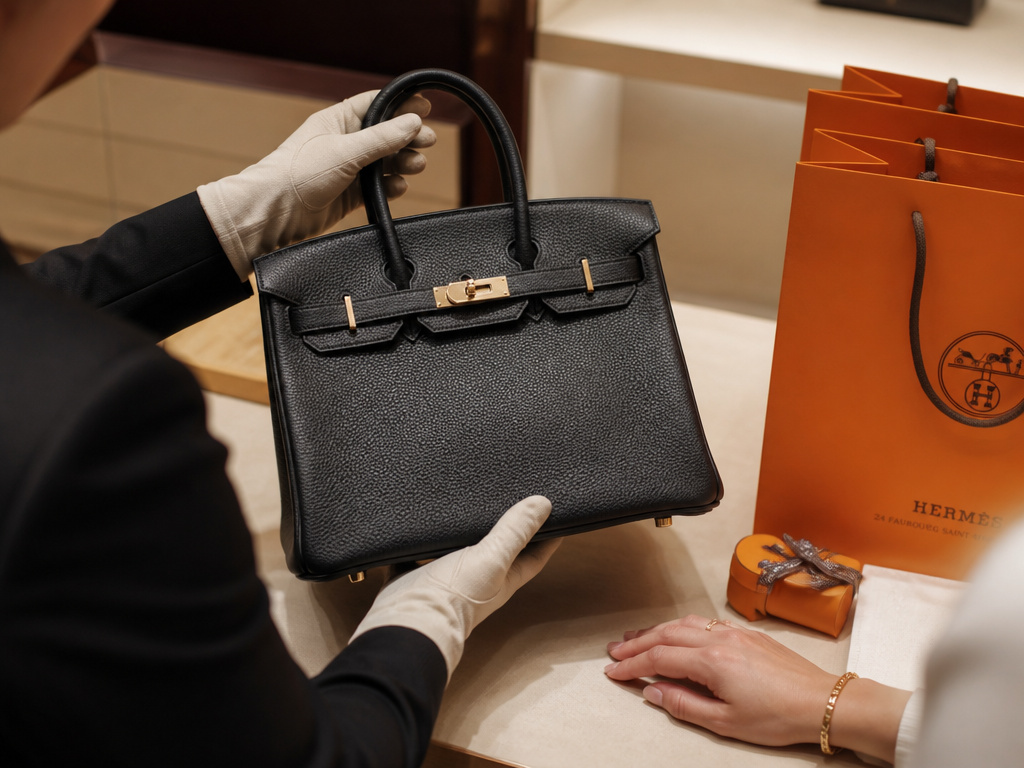
Forget walking into a store with a credit card. Acquiring a new Birkin directly from Hermès is a ritual governed by unspoken protocols. This controlled scarcity is the engine of its exclusivity and secondary market value.
The process is often called “the game.” There is no official waitlist. Instead, boutiques operate on a quota system, receiving a limited, unpredictable allocation of bags twice a year. Sales associates are gatekeepers, tasked with identifying “worthy” clients. Worthiness is demonstrated through a purchase history of other Hermès categories, ready-to-wear, homeware, fine jewelry, and especially non-quota bags like the Picotin or Herbag.
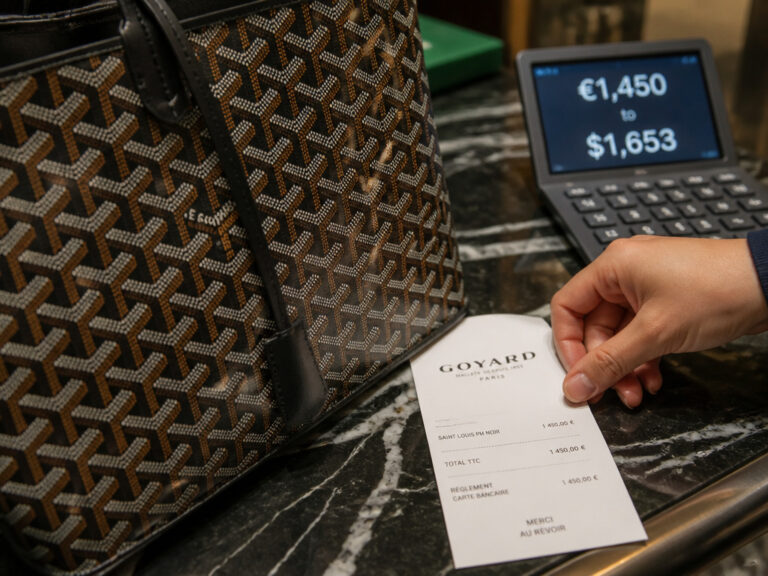
A CNN report on Birkin bag origins details how this exclusivity fuels the mystique, noting that even knowing the retail price (around $9,000 for a Birkin 25 in Togo) is irrelevant without access. This system is why platforms like Sotheby’s have sold nearly $100 million worth of Birkins since 2021, they provide a legitimate, if premium-priced, alternative to the boutique dance.
The steps to even be considered: 1. Establish a Relationship. Make significant, non-quota purchases from a single sales associate (SA) at one boutique. 2. Express Interest. Casually mention your desire for a Birkin, including your preferred size, leather, and hardware. Being too specific reduces your chances. 3. Wait for “The Offer.” Your SA will contact you when a bag matching your profile (or close to it) arrives. Refusal can harm future offers. 4. Purchase Immediately. The offer is a privilege, not a shopping appointment. Hesitation is seen as a lack of seriousness.
This Byzantine process explains the vibrant resale market. For those who understand airline policies, it’s akin to the specific, non-negotiable rules for a backpack on Spirit or Frontier, known only to frequent flyers. The difference is that with airlines, the rules are published. With Hermès, they are learned.
Birkin as Asset: Beyond the Price Tag
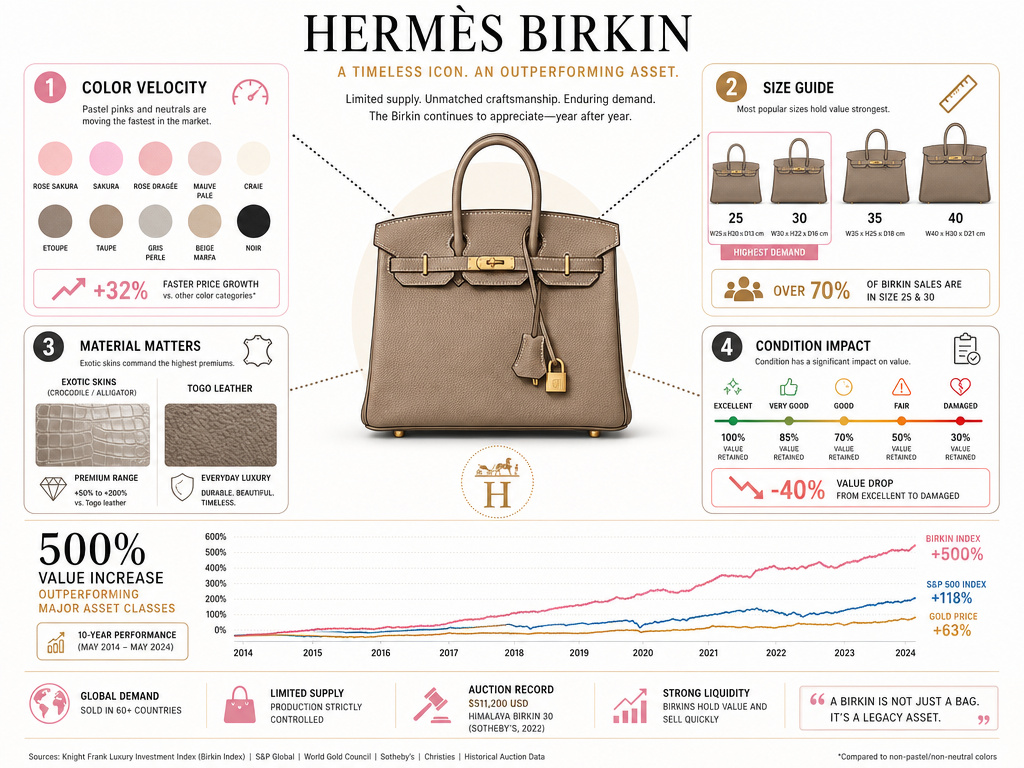
The conversation around the Birkin bag price often focuses on retail cost versus resale premium. The more compelling story is its performance as an alternative investment. A 2016 study by Baghunted analyzed 35 years of data and found the value of Birkin bags increased by over 500%, outperforming both the S&P 500 and the price of gold.
This isn’t uniform appreciation. It’s a specialized market with its own drivers:
- Color Dictates Velocity: Pastel pinks (like Rose Sakura, Mauve Sylvestre) and neutral tones (Gold, Etoupe) sell faster and at higher premiums than seasonal brights.
- Size Cycles: The Birkin 25 and 30 are currently the most liquid sizes, reflecting modern preference. The original 35 and 40 are now harder to move.
- Material Multiplier: Exotic skins appreciate most, but standard leathers like Togo and Epsom provide stable, reliable growth.
- Condition is Everything. A bag with scratches on the corners or a faded interior sees its value drop 30-40% instantly. Preservation is paramount.
Common mistake: Treating a Birkin purchase as a short-term flip. The secondary market has volatility, akin to a hedge fund. Prices for the hottest new color peak within 12 months of release, then stabilize. Long-term holding (5+ years) of classic specs has proven the most reliable strategy.
This financial layer separates it from other luxury goods. A Chanel flap bag retains value; a Rolex watch appreciates steadily. But a Birkin’s market behaves with the nuance of a traded commodity, complete with auction results that make headlines. It’s why understanding the cost of a Birkin is less about the sticker and more about the eventual sale slip from Christie’s or Sotheby’s.
Frequently Asked Questions
What’s the difference between a Birkin and a Kelly bag?
The Kelly, named for Grace Kelly, is a structured trapezoid shape with a single handle and a detachable shoulder strap. It features a turn-lock closure under the flap. The Birkin is a more casual tote with two rolled handles, an open-top design under its flap, and a toggle closure. The Kelly is considered more formal; the Birkin is more functional.
Can you buy a Birkin bag online from Hermès?
No. Hermès does not sell Birkin or Kelly bags online. The only official channels are through a Hermès boutique, where you must be offered one by a sales associate, or through the Hermès website for Special Orders, which itself requires a prior invitation from the boutique. All online listings are from the secondary market.
Why are Birkin bags so expensive?
The cost is a combination of materials (premium leathers or exotic skins), labor (18-24 hours of work by a single master artisan), and controlled scarcity. The business model intentionally restricts supply to maintain desire and secondary-market value, making it a Veblen good, where high price increases demand.
Do Birkin bags hold their value?
Yes, and often appreciate. Classic combinations (size 25 or 30 in Togo or Epsom leather with gold or palladium hardware) in neutral colors typically sell on the secondary market for 1.5 to 3 times their retail price. Pristine condition and rare materials can command multiples of 10x or more.
How can you tell a real Birkin from a fake?
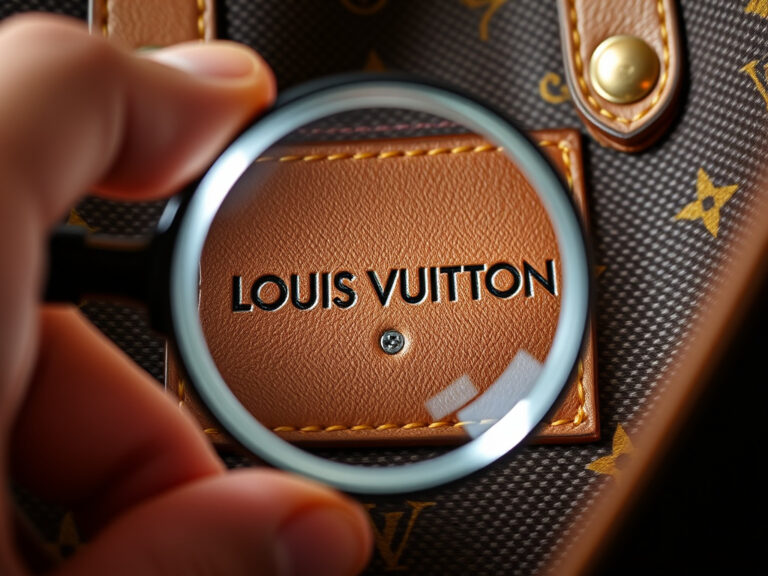
Authentic Birkins have flawless, hand-applied saddle stitching that is slightly slanted. The heat stamp inside will be crisp, deep, and clear, noting the maker’s year and craftsperson codes. The hardware is substantial, weighty, and perfectly aligned. The smell is of high-quality leather, not chemicals. Most fakes fail on the stitching and the stamp clarity.
What is the best size Birkin for everyday use?
The Birkin 30 is considered the ideal “goldilocks” size for daily life, large enough for a tablet, wallet, and essentials, but not overwhelmingly heavy. The Birkin 25 is the modern favorite for a more compact, crossbody-style carry (with an added strap), while the 35 and 40 are now seen as travel or work bags.
The Bottom Line
A Birkin bag is a paradox. It’s a functional tote born from a mother’s need, transformed into the world’s most exclusive luxury cipher. Its value is a three-part equation: the tangible weight of its leather and stitches, the intangible cost of the boutique ritual required to own one, and the cold, calculable performance of its resale charts. Understanding it means looking past the celebrity arm candy. You’re looking at a durable good, a social token, and an asset class, all sealed with a saddle stitch. That’s what makes it more than a bag.