Is American Tourister Good Luggage? The Durability Trade-Off
This post contains affiliate links. As an Amazon Associate, we earn from qualifying purchases.
American Tourister luggage is good for infrequent travelers and families on a budget, offering decent durability for 3-8 years of occasional use. It is not built for daily, heavy travel. The brand’s strength is affordable style and kid-friendly designs, but its polypropylene shells scratch easily and warranty claims are frequently denied for issues deemed “normal wear and tear.”
That lifespan range comes directly from travel gear reviewers who track how these suitcases hold up. The 3-year end is for a suitcase used on several trips a year; the 8-year mark assumes one or two vacations annually. Most competitors won’t give you a number that specific.
The gap between “decent for the price” and “built to last” is where the real decision lives. A suitcase that buckles after three years of frequent flying is a waste of money, even if it was cheap. One that lasts a decade of family vacations is a steal. Your travel frequency decides which outcome you get.
What follows: a breakdown of the materials they actually use, the warranty fine print that voids most claims, the specific models that buck the trend, and the one scenario where buying American Tourister is the clear right call.
Key Takeaways
- American Tourister luggage lasts an average of 3-8 years, with failure points often being handles and the shell buckling under frequent checked-baggage handling.
- The 10-year global warranty only covers manufacturing defects, not airline damage or “normal wear and tear”—a clause that denies most consumer claims.
- Shells are made from polypropylene, a flexible, shatter-resistant plastic that is cheaper and scratches more easily than the polycarbonate used in premium luggage.
- It is a Samsonite-owned budget brand, making it a value pick for occasional travelers and families, especially for its colorful, kid-friendly Disney lines.
- For frequent travelers or digital nomads, the durability trade-off isn’t worth the savings; invest in a more robust brand.
The 3-8 Year Lifespan: How Long It Actually Lasts
Travel gear reviewers peg the average lifespan of American Tourister luggage at 3 to 8 years. This isn’t a guess. It’s a consensus built from tracking how the polypropylene shells and internal frames hold up across hundreds of trips.
The low end assumes several trips a year with the suitcase often checked. Airline handlers are not gentle. A polypropylene shell is shatter-resistant, but it can deform under a direct, heavy impact. The shell buckling is the most common failure mode that ends a suitcase’s life prematurely. The high end of 8 years is for the occasional vacationer—someone using the bag once or twice a year, mostly as a carry-on.
Common mistake: Assuming the 10-year warranty means a 10-year usable life. The warranty covers defects in workmanship, not the gradual breakdown from being thrown onto luggage carousels. By year five, the wheels will be noisy, the shell will be scuffed, and the telescopic handle will have play. That’s wear and tear, not a defect.
Owners on review platforms report handles splitting under load within a short period. One Trustpilot reviewer documented a top handle breaking while carrying a 15kg load—the replacement handle failed the same way. This points to a material or design stress point, not an isolated defect.
| Travel Frequency | Expected Lifespan | Most Likely Failure Point |
|---|---|---|
| Occasional (1-2 trips/yr) | 5-8 years | Wheels wear out, shell scratches deeply |
| Moderate (3-5 trips/yr) | 3-5 years | Handle mechanism, shell buckling |
| Frequent (6+ trips/yr) | Under 3 years | Frame/shell integrity, wheel axles |
The wheels and telescopic handle are the first things to go. Spinner wheels get grit in their bearings, leading to a wobbly, noisy roll. The handle’s internal locking mechanism can fail, leaving it stuck down or perpetually loose. These are wear items. You cannot claim them on warranty.
Material Breakdown: Polypropylene vs. The Rest
American Tourister uses polypropylene for most of its hard-shell suitcases, like the popular Soundbox Spinner line. This is a deliberate cost-saving choice that defines the brand’s performance.
Polypropylene is a thermoplastic polymer. Its advantage is flexibility. It can dent and pop back out. It is highly shatter-resistant, so it won’t crack into pieces if dropped from a luggage cart. The trade-off is surface hardness. It scratches far more easily than polycarbonate or aluminum. Light-colored polypropylene suitcases show every scuff mark from their first flight.
The Soundbox Spinner’s shell is polypropylene because it’s cheaper than polycarbonate. It’s flexible but resilient and shatter-resistant. It can be scratched fairly easily, but daily users report cases still going strong after 18-24 months.
Compare that to the material hierarchy in luggage: – ABS Plastic: The cheapest option. Brittle and prone to cracking. Common in discount store luggage. – Polypropylene (American Tourister’s default): Flexible, dent-resistant, shatterproof. Lightweight but soft. Shows scratches. – Polycarbonate (Used in Samsonite, Away): More rigid, impact-resistant, and has a harder surface that resists scratching. More expensive. – Aluminum/Carbon Fiber: Premium materials for maximum durability and a specific aesthetic. Heavy and costly.
The choice matters most when you check your bag. A polycarbonate shell can withstand a direct impact from another heavy suitcase without deforming. Polypropylene might dent. For a carry-on that stays with you, the difference is less critical. For a checked bag on a busy international flight, it defines how many trips you’ll get.
The Warranty: What It Actually Covers (And What It Doesn’t)
American Tourister offers a “Limited 10-Year Global Warranty.” The phrasing is precise and legally protective. It is not a guarantee of satisfaction for a decade.
The official warranty documents state coverage is for “manufacturing defects in material and workmanship.” This means a seam that splits on the first use, a zipper pull that breaks off untouched, or a wheel that doesn’t spin straight out of the box. It does not cover “normal wear and tear, cosmetic damage, or improper carrier handling.”
Where this goes sideways: The warranty requires you to ship the suitcase to an authorized service center at your own expense for assessment. If the center determines the damage is from airline handling (which they almost always do), your claim is denied and you’re out the shipping costs. This process frustrates more owners than it helps.
Here is the real-world application of the warranty’s key clauses:
| Warranty Clause | What It Says | What It Means For You |
|---|---|---|
| Carrier Damage | “Submit a claim to the transit company at arrival.” | Airline damage is 100% your problem. The warranty offers zero help. |
| Service Center Requirement | “Use only an approved Service Centre for warranty repairs.” | You cannot go to a local luggage repair shop. You must find and ship to their center. |
| Costs to You | “You are responsible for all costs of getting the Product to any such Service Centre.” | You pay for packaging and shipping to them. For a large checked bag, this can cost $50-$100. |
| Determination | “The Service Centre will determine whether or not the problem is covered.” | The brand’s own agent decides if your claim is valid. This leads to high denial rates for wear-related issues. |
Many negative reviews on consumer platforms stem from this process. Owners report being asked to ship a large suitcase across the country for a handle repair, only to have the claim denied and the suitcase returned unfixed. The American Tourister luggage you buy is an affordable upfront purchase, but the warranty support is not built for convenience.
For airline damage, you must act immediately. File a claim with the airline before leaving the baggage claim area. Most carriers have a time-limited window for reporting damage. American Tourister’s warranty explicitly directs you to do this, accepting no responsibility.
American Tourister vs. Samsonite: The Sister Brand Reality
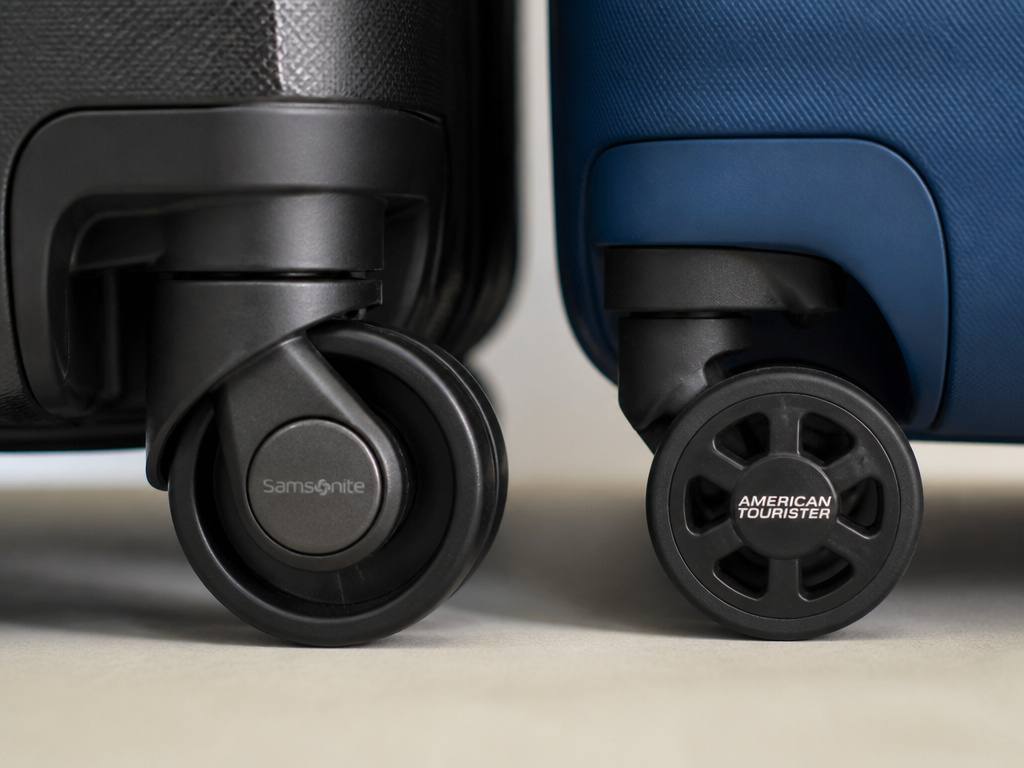
American Tourister is owned by Samsonite. This is not a secret. It is positioned as the value-oriented, younger sibling brand. Understanding this relationship explains every difference in quality and price.
Samsonite reserves its more advanced materials (like Curv® polypropylene or premium polycarbonate blends) and rigorous stress-testing for its flagship lines. American Tourister gets the cost-effective versions. Think of it as the same parent company making both a professional-grade drill and a competent homeowner model. The core technology is similar, but the components, tolerances, and durability testing are not.
The most telling comparison is in the warranty. Both offer 10-year limited warranties. However, Samsonite’s network of service centers and its historical willingness to honor claims for known defects is generally viewed as more robust. American Tourister’s higher claim denial rate, as reported by owners, reflects its budget position.
- For the occasional traveler: The difference is minimal. An American Tourister suitcase and a mid-range Samsonite will both survive a handful of flights a year. The American Tourister offers more playful designs and colors for less money.
- For the frequent traveler: The gap widens. Samsonite’s use of better polycarbonates, reinforced corners, and more robust wheel housings translates to more trips between failures. The investment pays off.
If your primary need is a reliable carry-on luggage bag for business travel, the step up to Samsonite is justified. If you need a durable set of affordable luggage for family beach vacations once a year, American Tourister is the smarter buy.
Who Should Buy American Tourister Luggage? (And Who Shouldn’t)

This brand has a specific ideal customer. It is not for everyone. Buying outside this profile leads to disappointment.
Buy American Tourister If:
- You travel 1-3 times per year, mostly for leisure.
- You need colorful, fun luggage for kids (their Disney lines are a standout).
- Your budget is tight and you prioritize initial cost over long-term cost-per-trip.
- You prefer stylish designs (like the Soundbox Spinner’s textured shell) and don’t mind visible scratches.
- You are buying a secondary suitcase set for occasional guests or specific trip types.
Avoid American Tourister If:
- You are a digital nomad, frequent business traveler, or check bags on more than 50% of your flights.
- You expect a 10-year warranty to function like a 10-year replacement guarantee.
- You are rough on your gear and need a suitcase that can survive airline handling without constant worry.
- You want the most scratch-resistant surface available (choose polycarbonate).
- Your trips often involve uneven surfaces like cobblestones, where wheel durability is critical.
For families, the calculus often works. Buying a set of American Tourister kids’ suitcases that will be outgrown in a few years is more logical than investing in premium brands. The American Tourister Stratum 3.0 test by Consumer Reports highlights its competence in categories like ease of packing and maneuvering, which aligns perfectly with family travel needs.
Top Models and Specific Recommendations
Within the brand, some models outperform others. You should target these lines.
For Most Buyers: American Tourister Soundbox Spinner
This is the workhorse. Its polypropylene shell is the brand’s standard, but the textured pattern helps hide scratches. It comes in three sizes, all expandable. The 360-degree spinner wheels are smooth on airport floors. It includes a TSA-approved combination lock. Choose darker colors like navy or black to minimize the appearance of scuffs. This is the default pick for a checked bag.
For Carry-On Duty: American Tourister Stratum 3.0
This model scores well in independent tests for maneuverability and organization. It’s a more traditional hard-shell design, often using a slightly different plastic blend. It’s a reliable choice if you need a carry-on bag that meets most airline carry-on limits. Before you fly, always check your luggage size against your specific airline’s rules.
For Kids and Families: American Tourister Disney Collection
This is where the brand shines. The durability is perfectly matched to a child’s use cycle—a few years of vacations before they want something more mature. The designs are authentic and engaging. The smaller uprights are easy for kids to pull. It solves the problem of buying expensive luggage for a growing child.
A Final Note on Packing
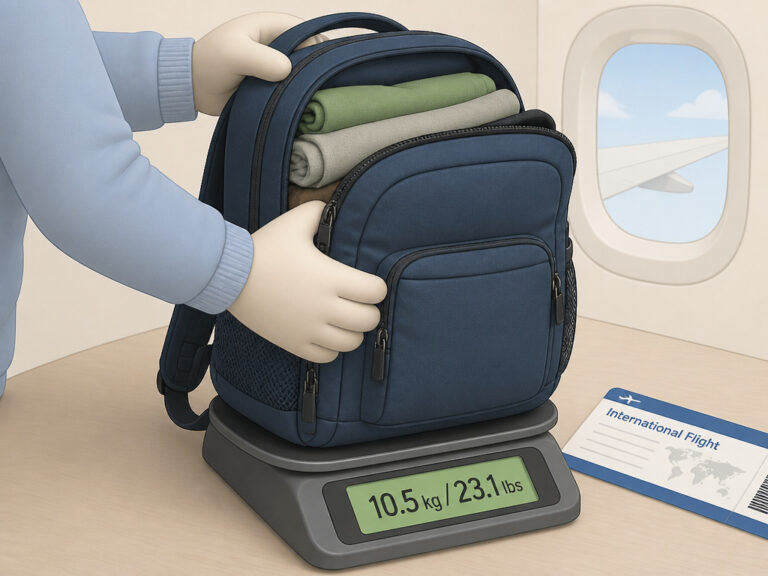
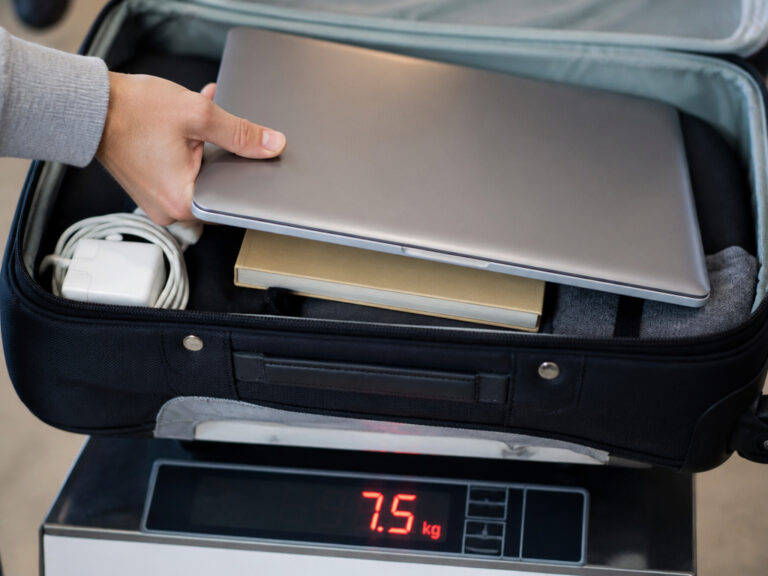
No suitcase is immune to poor packing. Overloading a polypropylene shell can stress the zippers and seams. Use efficient carry-on packing techniques to distribute weight evenly. Remember the typical carry-on weight allowance is often between 15-22 lbs, and know exactly what items are permitted in carry-on luggage versus what is prohibited in carry-on to avoid gate-checking a bag not built for it.
Frequently Asked Questions
Is American Tourister luggage durable enough for checked baggage?
For occasional travel, yes. For frequent checking, no. The polypropylene shell is shatter-resistant but can dent and buckle under severe impacts from airline handling. If you must check it, use a protective cover and pack to minimize shifting weight inside.
How does the American Tourister warranty work?
You must locate an authorized service center, ship your suitcase there at your own cost, and provide proof of purchase. The center inspects the damage. If they determine it’s a manufacturing defect, they repair or replace it. If they deem it airline damage or wear and tear, you pay for the return shipping and get nothing.
Is American Tourister or Samsonite better?
Samsonite is more durable and uses higher-grade materials, justifying its higher price for frequent travelers. American Tourister offers better value and more style choices for occasional travelers and families. They are sister brands targeting different market segments.
Can you repair a broken American Tourister suitcase?
Yes, but it may not be worth it. Authorized service centers can order parts like wheels, handles, and zippers. However, the cost of repair plus shipping can approach the price of a new, budget-friendly suitcase. For minor issues like a wheel replacement, a local luggage repair shop might be a more cost-effective option, though it voids the warranty.
Is a 22-inch American Tourister suitcase a carry-on?
Most 22-inch suitcases, including American Tourister models, are designed as carry-on luggage. However, you must verify the exact dimensions (including wheels and handle) against your airline’s specific carry-on size policy. Some budget airlines have stricter limits.
The Bottom Line
American Tourister is good luggage for a specific person: the occasional traveler who wants style and function without a large upfront investment. It is not good luggage for someone who flies every month or expects a warranty to cover the brutal reality of checked baggage.
The 3-8 year lifespan is the most honest metric. Plan for the lower end if you check it often. The warranty is a manufacturer’s defense, not a consumer benefit. Buy it for the kids, for the yearly vacation, or as a spare set. Do not buy it expecting a decade of flawless service from Bangkok to Boston. For that, you need a different tool.