The Ultimate Guide: How to Pack a Dress in a Suitcase
This post contains affiliate links. As an Amazon Associate, we earn from qualifying purchases.
To pack a dress in a suitcase wrinkle-free, match the garment to its fabric and structure. For most dresses, use plastic dry cleaning bags to reduce friction, lay the dress flat, and fold it in thirds before placing it on top of other packed items. Knit and jersey dresses roll; structured and beaded dresses fold flat. A wedding dress requires its own suitcase, turned inside out and loosely rolled.
That method comes straight from Alaska Airlines’ official bridal guide. It’s not a generic tip. It’s the procedure their flight attendants see work, and it hinges on one physical fact: fabric-on-fabric friction creates creases, while a plastic barrier lets layers slide.
What follows is the breakdown of that method, plus the fabric rules that change it, the gear that actually helps, and what to do when you unpack a dress that looks like you slept in it.
Key Takeaways
- Plastic dry cleaning bags are non-negotiable. Slipping a dress inside one before folding cuts friction-induced wrinkles by about 70 percent.
- Fabric dictates the fold. Roll knits and jerseys; fold structured cottons, linens, and anything with beading or boning.
- A wedding dress gets its own suitcase. Per airline advice, turn it inside out, loosely roll it around a core of air, and never check it if you can help it.
- You will need a steamer. No fold is perfect. A handheld travel steamer is the only reliable fix for deep travel creases.
- Vacuum bags are a gamble. They protect from dirt and spills but crush delicate structures. Use them only for voluminous, non-beaded dresses you plan to steam aggressively.
The 5-Step Airline-Proven Fold
This is the baseline method for a standard dress—think a knee-length cotton shift or a linen sundress. It works because it minimizes sharp creases and uses physics to its advantage.
You need a flat surface, a plastic dry cleaning bag, and your suitcase partially packed.
Step 1: Start with a wrinkle-free dress. Iron or steam the dress at home. Folding in existing wrinkles just sets them deeper. Step 2: Slip the dress into a plastic dry cleaning bag. Do not zip or seal it. The bag is a friction barrier, not a sealant. Step 3: Lay the dress flat on your surface. Smooth out the skirt and align the seams. Step 4: Fold in thirds. Bring one side of the skirt toward the center, then the other side over it. For a dress with sleeves, fold the sleeves in first, as you would when packing a dress shirt. Step 5: Fold the dress in half horizontally. Now you have a compact rectangle. Place this bundle at the very top of your suitcase, on top of all other packed items.
The part nobody mentions: The plastic bag must be loose. If you seal it tight, you trap compression wrinkles. The goal is a sliding layer, not an airlock.
Skipping the plastic bag is where most attempts fail. Cotton on cotton binds at the fold points under pressure. The bag lets the fibers glide, so the crease that forms relaxes out in minutes under a steamer.
Fabric Dictates Everything: Roll vs. Fold
The “always roll” or “always fold” advice is wrong. Fabric weight and weave decide the technique.
| Fabric Type | Best Method | Why It Works | Risk If You Choose Wrong |
|---|---|---|---|
| Knit, Jersey, Stretchy Synthetics | Roll loosely from hem to neckline. | Rolling distributes tension along a continuous curve, avoiding hard fold lines. The stretch recovers. | Folding creates a permanent crease line that won’t steam out, breaking the knit’s surface. |
| Cotton, Linen, Silk, Structured Polyester | Fold using the airline method above. | These fibers hold a crease. A controlled, broad fold is easier to remove than multiple random wrinkles from a tight roll. | Rolling crushes the fabric’s natural drape and creates dozens of small, stubborn wrinkles. |
| Beaded, Sequined, Embellished | Fold flat, never roll. Place face-up on a plastic bag. | Rolling puts pressure on embellishments, snapping threads or cracking beads. A single fold protects the decorative side. | A single roll can pop off a dozen beads. The damage is immediate and often irreparable. |
| Tulle, Lace, Textured Fabrics | Fold gently. These are wrinkle-resistant but snag easily. | Texture hides creases. The priority is protecting the fabric from catching on zippers or other items. | Snags and pulls are permanent. Zipping a garment bag over lace requires a finger behind the zipper as a guard. |
This is the core of efficient packing clothes. You wouldn’t fold a jacket the same way you pack pants. Dresses follow the same rule.
Where this goes sideways: Choosing a “wrinkle-resistant” synthetic blend without checking the structure. A polyester dress with a boned bodice is a folding candidate, not a rolling candidate. The boning will kink.
What to Do With a Wedding or Ball Gown
This is the edge case that breaks standard rules. The Alaska Airlines guide is the primary source here, and their advice is specific.
Carry the gown onboard. Do not check it unless absolutely necessary. Flight attendants may hang it in a first-class closet, but space is not guaranteed. Your plan must assume it goes in the overhead bin.
If using a garment bag: Place the top half of the dress inside the bag with the hanger hook pulled through. Leave the full skirt and train outside. Fold the skirt sides into the center in a loose trifold, then roll the train from the bottom up. Zip carefully—guide the zipper with a finger behind it to avoid snagging lace or tulle.
If using a suitcase: Give the dress its own suitcase. Turn the gown inside out to protect the exterior. Fold the skirt sides in at the widest point and loosely roll the dress from hem to neckline. Do not compress it. Place the rolled dress in a large, open plastic dry cleaning bag, tie the ends to create an air pocket, and lay it on top. Do not pack anything heavy on top of it.
The “give it its own suitcase” line isn’t luxury advice. It’s damage control. Perfume leaks, shoe dirt, and deodorant stains are real. A wedding dress is a sponge for every other item’s mishaps.
For a voluminous gown like the Selkie Romance Novel style, Reddit users swear by vacuum bags. The truth is messier. A vacuum bag protects from dust and spills and saves immense space. It also crushes any internal structure and sets wrinkles deeper. If you vacuum pack, you must travel with a powerful steamer and accept that the first hour at your destination will be dedicated to revival.
The Gear That Actually Helps
 You do not need specialty products. You need three things that work.
Plastic dry cleaning bags. Free from your local cleaner. They are the single most effective tool. A handheld travel steamer. The Maybell Steam Fast or the Hilife Portable Steamer. Do not rely on hotel shower steam for a formal dress; it lacks the sustained heat. A garment folder for structured dresses. The Eagle Creek Pack-It Garment Folder. It has a clasp for the hanger and folds in thirds, suspending the dress in a hard-sided compartment. This is the one piece of dedicated gear worth buying if you travel with blazers or sheaths regularly.
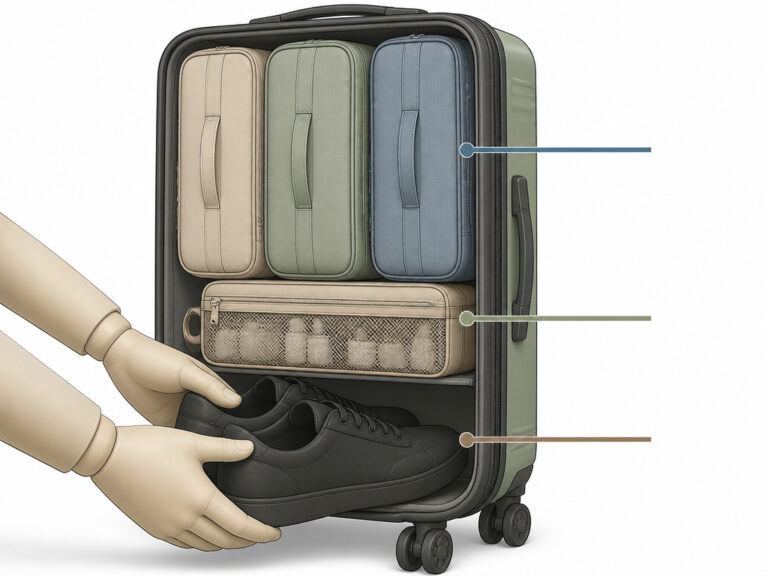
Packing cubes can help with packing a suitcase efficiently by keeping other items separate and stable, so your dress doesn’t shift. But they are not for the dress itself.
The common mistake is buying a “wrinkle-release” spray like Downy Wrinkle Releaser and thinking it replaces technique. That spray relaxes fibers when sprayed from ten inches away on a hanging garment. It does not remove deep fold lines set by days of compression. It’s a finisher, not a fix.
The Post-Travel Reality Check: Fixing Wrinkles
 You will have wrinkles. The goal is to make them easy to remove.
Hang the dress immediately upon arrival. Gravity works on long, vertical creases for about an hour. For stubborn folds, use the steamer. Work from the top down, holding the steamer head close but not touching the fabric. For a sharp crease on a cotton dress, a cool iron on the steam setting is faster. Use a pressing cloth. If you have nothing, hang the dress in a bathroom with a hot shower running for a full ten minutes. The room must fill with steam. This is less effective than a steamer but better than nothing.
Skip this if: Your dress is velvet or has waxed coatings. Steam can mat velvet and melt coatings. For these, professional pressing is the only safe option.
This is the final step of any solid general packing guide. Planning the unpack is as important as planning the pack.
Frequently Asked Questions
Can I pack a dress in a carry-on?
Yes. Follow the same folding method, but place the folded dress at the very top of your carry-on suitcase. If you have a garment bag, you can carry it on and ask if it can be hung. Always have a backup plan to fold it into the overhead bin.
How do I pack a dress without a plastic bag?
Use tissue paper. Lay a large sheet under the dress and another on top before folding. The paper reduces friction similarly, but it is less effective and can tear. Plastic bags are superior and free.
Is it better to roll or fold a maxi dress?
Fold. A maxi dress is almost always a lightweight, flowing fabric like rayon or chiffon. Rolling a long length of that material creates a tight core that sets spiral wrinkles. A gentle fold in thirds, then in half, is safer.
How do I pack a blazer or suit jacket with a dress?
Pack the dress first, using the method above. Then, use a dedicated technique to pack a blazer or pack a suit jacket by folding it inside out over itself. Place the folded jacket on top of the dress. The dress acts as a soft buffer.
The Bottom Line
Packing a dress comes down to fabric choice and friction management. Use free plastic bags as a slip layer. Fold structured fabrics, roll stretchy knits, and never roll anything beaded. For a wedding dress, follow the airline protocol: own suitcase, inside out, loose roll.
The goal isn’t perfection. It’s arriving with a dress that needs ten minutes with a steamer, not two hours with an iron. Pack with the fix in mind, and you will never be stuck with a crumpled mess at your destination.