How to Set Luggage Lock | The Step Most People Skip
This post contains affiliate links. As an Amazon Associate, we earn from qualifying purchases.
To set a luggage lock, you must first open it with its factory default combination, almost always 0-0-0 or 0-0-0-0, engage the reset mechanism, choose your new code, and then disengage the reset. The single most important step is testing the lock with the default code before you change anything. If you set a new combination without verifying the lock opens, you may permanently lock yourself out.
That verification step is where luggage gets stranded. Every manufacturer’s instruction sheet leads with it, and every year people skip it, set a code on a lock that was never open, and have to cut their luggage open at the baggage carousel. The physical reset mechanism varies wildly: a button, a sliding switch, a recessed pin, or a specific shackle twist.
What follows is the decision map: first, how to identify your lock type by its reset trigger. Then, the exact step sequences for Master Lock, Samsonite, RIMOWA, and Briggs & Riley models. Finally, what to do when the standard process breaks, because with luggage locks, it always does.
Key Takeaways
- Always test the factory default (0-0-0) first. If the lock doesn’t open, the reset procedure will not work and you’ll set a code on a locked device.
- There is no single “luggage lock” procedure. The reset mechanism is either a button, switch, pin, or shackle motion, identify yours before starting.
- Forgotten combinations are often irrecoverable. Brands like Samsonite state that if you forget a self-set code, you cannot reset it yourself and need an authorized repair center.
- Write your new combination down immediately. Store it separately from your luggage. The lock provides no way to retrieve a forgotten code.
- TSA locks have a red diamond logo. This allows security to inspect and relock your bag without breaking the lock.
The Universal First Step (And Why It Matters)
Your lock arrived from the factory in a pre-set state. For 3-dial locks, that’s 0-0-0. For some 4-dial models like the Master Lock 4696D, it’s 0-0-0-0. This isn’t a suggestion, it’s the only combination that will open the lock before you personalize it.
Before setting a new combination, ensure the lock opens and closes using the factory preset. If the lock does not function at this stage, the setting procedure will not work.. Paraphrased from Master Lock 4680/4696D instruction sheets.
Skipping this test is the root cause of most lock failures. You press the reset button, spin the dials to your birthday, and snap the lock shut. The mechanism engages, but it was never actually open during the reset. Now it’s permanently set to a code you can’t use, on a lock that won’t open. The only fix is destructive.
How do you know it worked? The action should be crisp. A TSA lock slider will move smoothly to release the zippers. A padlock shackle will pull straight up without binding. If there’s grit, resistance, or the mechanism feels vague, stop. The lock may be damaged or still secured from shipping.
Identify Your Reset Mechanism: The 4 Types
All luggage locks reset in one of four ways. Your first job is to find which one you have. Look for a small button, switch, or pin, or check if the shackle itself is part of the process.
| Reset Type | What It Looks Like | Common Brands/Models | Risk If Misidentified |
|---|---|---|---|
| Push-Button | A small, recessed button, often red or black, near the dials. | Many Samsonite built-in locks, Briggs & Riley cable locks. | Pressing the wrong thing (like the release) can lock the mechanism mid-cycle. |
| Slide-Switch | A tiny plastic switch that moves from “SET” to “OFF” or has an arrow. | Samsonite Style 9, some RIMOWA models. | Moving the switch without the lock open does nothing—wastes time and creates confusion. |
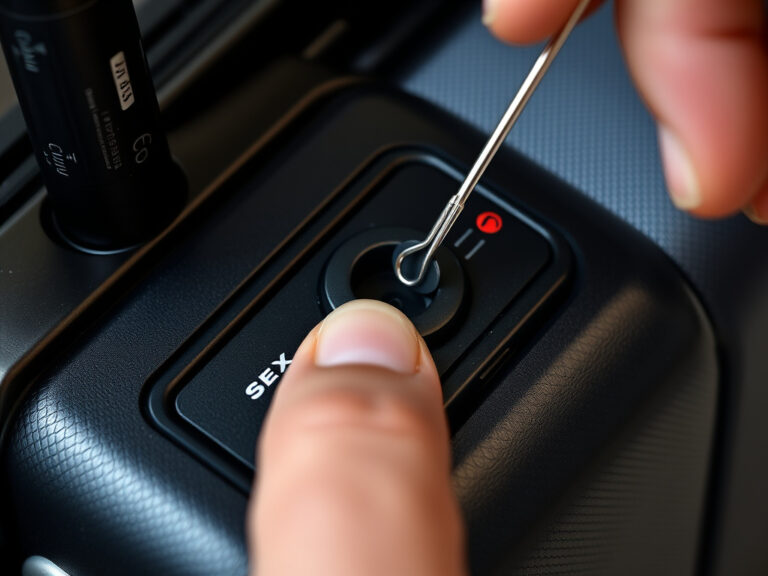
| Recessed Pin | A tiny hole requiring a pen tip or paperclip to press an internal pin. | Higher-end Briggs & Riley built-in locks. | Using too thick a tool can damage the pin, rendering the lock un-resettable. |
| Shackle-Twist | The padlock’s shackle must be pulled and rotated in a specific sequence. | Master Lock 4680, 4696D padlocks. | Incorrect rotation (e.g., clockwise first) fails to engage the reset cog inside. |
If you’re unsure, compare your lock to the images and instructions on the manufacturer’s website. Samsonite and RIMOWA explicitly warn that lock designs vary; using the wrong guide is as bad as having no guide at all.
Step-by-Step Reset Procedures by Brand
These sequences come from the official instruction sheets. Follow them verbatim.
Master Lock 4680 & 4696D: The Shackle-Twist Method
These TSA-approved padlocks use a physical shackle maneuver to engage the reset.
- Open with Default: Set dials to 0-0-0 (4680) or 0-0-0-0 (4696D). Pull shackle up to open.
- Engage Reset: Rotate the raised shackle 90° counter-clockwise until it aligns with a notch on the lock body. Firmly press the shackle down into the body.
- Set Combination: With the shackle depressed, set the dials to your new combination. Each number must be centered in its window.
- Lock & Scramble: Rotate the shackle 180° clockwise (4680) or 90° clockwise, then lift and rotate another 90° (4696D) and re-insert it. Scramble the dials.
Why the specific rotation? The internal locking cog only aligns with the reset gear when the shackle is in the correct position. Getting the sequence wrong means the dials spin freely without changing the actual combination.
Samsonite Built-in Locks: The Button or Switch
Most Samsonite luggage uses a push-button reset. The process is almost identical for a Samsonite lock.
- Open with Default: Ensure dials are at 0-0-0. Slide the lock mechanism to release the zippers or latches.
- Locate & Engage Reset: Find the small reset button or switch. On button types, use a pen to press and hold it down. On switch types, slide and hold it to the “SET” position.
- Set Combination: While holding the reset, turn the dials to your desired code.
- Release & Test: Release the button or switch. The lock will click. Scramble the dials, then re-enter your new code to open the lock.
Where this goes sideways: If you forget your Samsonite combination, you cannot reset it yourself. The company’s official stance is that you must seek assistance from a Samsonite Authorised Repair Centre. This is a non-negotiable policy for built-in locks.
RIMOWA Locks: Slide and Hold
RIMOWA’s sleek designs often use a flush slider.
- Open with Default: Dials at 0-0-0. Slide the button outward or lift the lever to open the lock.
- Engage Reset: With the lock open, slide the same button inward (towards the dials) and hold it there.
- Set Combination: While holding the button, set your new combination. Ensure numbers are centered.
- Release & Verify: Release the button. It may pop out. Immediately test by scrambling the dials and entering your new code to open.
Briggs & Riley: The Recessed Pin
This brand often uses a more discreet, tool-activated reset.
- Open with Default: Set dials to 0-0-0. Press the rubber unlock button or slide the TSA access slider to open.
- Find the Pin: Locate a tiny hole or a small sliding button, usually on the bottom or side of the lock housing.
- Engage Reset: Insert a pen tip or paperclip into the hole to press the internal pin, or slide the button. Hold it.
- Set & Secure: Set your new dial combination. Release the pin or slide the button back. Your TSA lock is now set.
What to Do When It Doesn’t Work
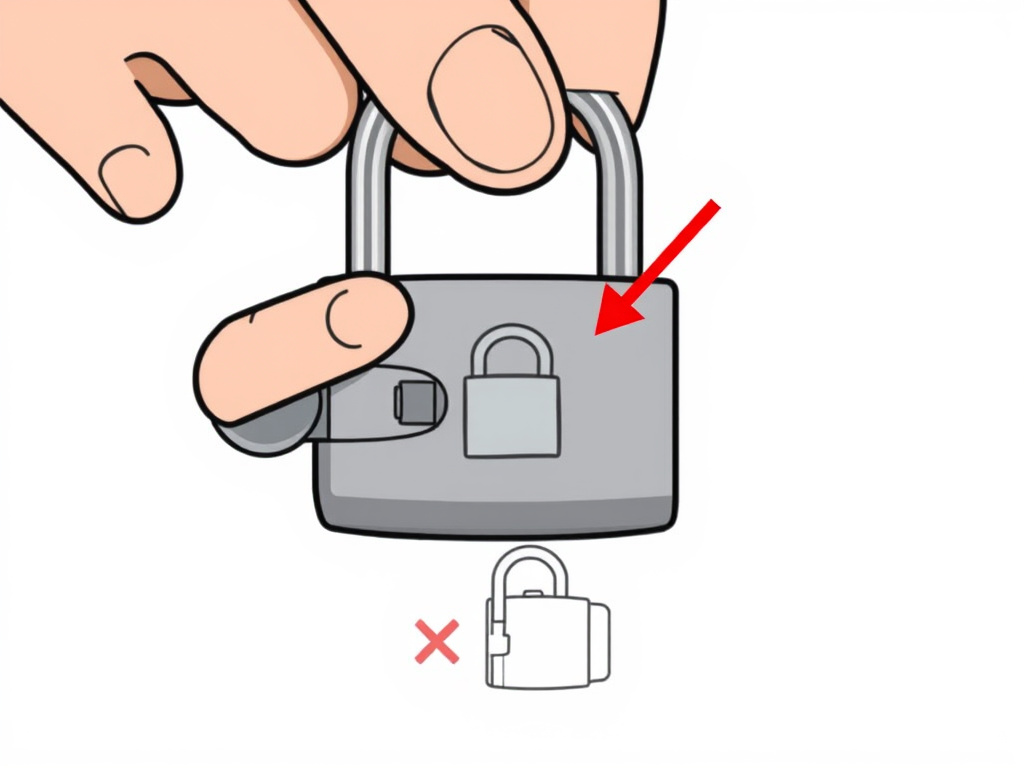
The standard process assumes a functioning lock and a remembered default code. Here’s what breaks and how to respond.
The lock won’t open at 0-0-0.
First, double-check the number of dials. Try 0-0-0-0. If it still won’t budge, the lock may be damaged or still in shipping-secure mode. Some locks have a protective tab or pull-strap that must be removed before first use. Consult the specific manual.
You already set a code and forgot it.
This is the most common point of failure. For padlocks like Master Lock, you’re likely out of luck, the design intentionally prevents retrieval. For integrated luggage locks, your only official path is the manufacturer’s repair network, as noted by Samsonite. There is no universal master code for user-set combinations.
The reset button does nothing when pressed.
The lock must be fully open for the reset mechanism to engage. A partially released latch or a shackle that’s only halfway up won’t trigger the internal lever. Open it again, more deliberately, and try the reset.
Common mistake: Forcing a reset when the lock isn’t fully open. This stresses the plastic gears inside and can strip them, making the lock unreliable even if you later get the combination right.
If you’ve exhausted these steps and the lock is stuck, your last resort is to unlock luggage using destructive methods, which typically means cutting the lock or, for built-in types, damaging the zipper or shell.
Frequently Asked Questions
How do I know if my lock is TSA-approved?
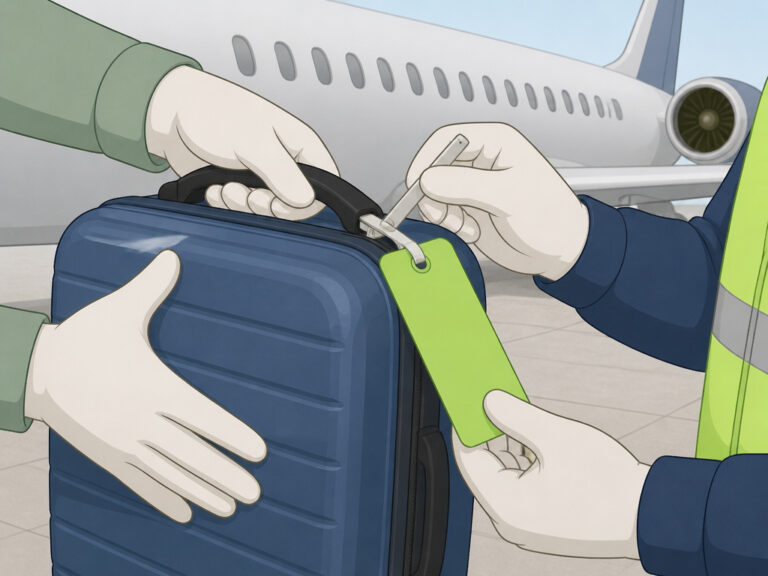
Look for the Travel Sentry red diamond logo on the lock face. TSA personnel have master keys and tools for locks with this logo. If your lock lacks this logo, screeners may cut it off to inspect your bag.
Can I set any combination I want?
Yes, but avoid obvious sequences like 1-2-3 or your birth year. For a 3-dial lock, that’s 1,000 possible combinations, but a thief will try the obvious ones first. Choose something random and write it down.
Why does my new combination not work immediately after setting it?
You likely didn’t fully complete the reset sequence. The most common culprit is releasing the reset button or shackle before you’ve finished setting the dials. Go back to step one, open with the default, and perform the entire sequence slowly and deliberately.
Are all luggage locks set to 0-0-0 from the factory?
Virtually all major brands (Master Lock, Samsonite, RIMOWA, Briggs & Riley) preset their 3-dial locks to 0-0-0. The key exception is some 4-dial padlocks, which use 0-0-0-0. Always verify by checking the manufacturer’s instruction sheet for your specific model.
What’s the best way to remember my combination?
Do not store it in your phone’s notes app labeled “luggage lock.” Use a password manager’s secure notes field, or write it on a piece of paper you keep in your wallet, separate from your luggage. The goal is to have the code accessible to you, but not to someone who finds or handles your bag.
Before You Go
Setting a luggage lock is a five-minute task that protects your belongings for years. The difference between success and a hacked-open bag comes down to patience with the initial steps. Verify the default code opens the lock. Identify your reset mechanism, button, switch, pin, or shackle. Follow the brand-specific sequence without shortcuts.
When you get it right, the click of the lock setting is definitive. Write that number down. Then forget about it until you’re wheeling your bag to check-in, confident that what’s inside stays inside.