How To Set Your Suitcase Lock | Step-By-Step Guide & Tips
This post contains affiliate links. As an Amazon Associate, we earn from qualifying purchases.
To set a suitcase lock, first open it with the factory default combination (almost always 0-0-0), locate and engage the reset mechanism—usually a button, slider, or shackle twist—set your new three-digit code, then disengage the reset to save it. The exact reset trigger varies by brand and lock style, and getting it wrong can permanently lock you out.
That reset trigger is the whole game. It’s a physical latch or button that tells the lock’s internal wheels to forget the old numbers and accept new ones. Miss that step, and you’re just scrambling dials over a memory the lock refuses to erase.
What follows: the one step every lock shares, the four distinct reset styles you’ll actually encounter, the model-specific quirks that break the standard rules, and what to do after a TSA inspection leaves your lock opening to any combination.
Key Takeaways
- The factory default combination is 0-0-0 for nearly every new suitcase lock. Test this first.
- You must engage a physical reset mechanism (button, slider, shackle twist) before setting new numbers. Turning dials alone does nothing.
- Record your new combination immediately. Brands like Master Lock state that once set, there is no way to open the lock without the code.
- After a TSA inspection, your lock may open to any combination. A specific reset procedure exists to restore security.
- If you forget your set combination, most manufacturers require you to contact an authorized repair center. The lock is a deliberate dead end.
The Universal First Step (And The Critical Exception)
Open the lock with 0-0-0. Do not skip this.
Every piece of research from Samsonite, Master Lock, Briggs & Riley, RIMOWA, and Away Travel states the same fact: locks are preset to 0-0-0 at the factory. This is your only guaranteed way in. Before touching a reset button, verify the lock opens and closes smoothly with this default. A stiff mechanism now means a jammed mechanism later.
Before you start: If your lock does not open at 0-0-0, do not force it. The dials may not be aligned correctly, or the lock may have been tampered with. Gently rotate each dial a full turn to ensure the numbers are centered in their windows, then try 0-0-0 again. Forcing a reset on a locked mechanism can break the internal pawls.
The critical exception is the Away Travel Softside suitcase. Their guide notes the padlock is preset to open at 0-0-0, “even though dials may be positioned at other numbers.” This is a known quirk. If 0-0-0 doesn’t work, methodically try 1-1-1, 2-2-2, and so on up to 5-5-5. The lock is listening for the correct mechanical alignment, not the visual number.
How The Reset Actually Works
A combination lock isn’t a computer. It’s a set of three numbered wheels on a spindle, with a notch cut into each wheel. When the correct combination aligns those notches, a metal fence drops into the groove, releasing the latch. The reset mechanism physically moves that fence out of the way and re-engages it with the wheels in a new position.
Think of it as reprogramming a physical key. The reset button is the “record” mode. You can’t change the key’s shape unless you first tell the key cutter to listen.
This is why you cannot guess a forgotten combination. The notch positions are arbitrary. Without the original alignment, the fence has nowhere to drop. This is also why the Master Lock 4680 instructions include the unambiguous warning: “Record your combination – once the lock is set, there is no way to open it without the combination.”
Model-Specific Reset Mechanics
There is no single “suitcase lock.” There are four common reset styles, each tied to a brand’s design philosophy. Using the wrong procedure will fail, and repeated force can damage the internal components.
| Lock Type / Brand Example | Reset Trigger | Visual Cue | What Happens If You Skip It |
|---|---|---|---|
| Push-Button Reset (Common on Away, Briggs & Riley, many zipper locks) | A recessed button on the lock face or bottom. Press with a pen tip until it clicks and stays depressed. | The button sinks into the lock body. | The new numbers won’t save. The lock will still open with the old combination (or 0-0-0). |
| Slider / Lever Reset (Common on RIMOWA, Samsonite latches) | A small sliding switch or lever, often marked “SET” or with an arrow. Slide and hold in the “SET” position. | The lever moves against spring tension. | Dial changes are ignored. The lock mechanism remains engaged with the previous wheel alignment. |
| Shackle Twist Reset (Master Lock 4680 padlock style) | Rotate the metal shackle 90° counter-clockwise, press it down into the body, then rotate another 90°. | The shackle seats flush inside the lock body. | The combination cannot be changed. The lock remains in “locked” mode. |
| Interior A/B Switch (Samsonite Lock Style 4) | A small switch on the inside of the suitcase lock. Flip from “A” to “B” on both locks. | The switch clicks between two positions. | The exterior dials are disconnected from the locking mechanism. Turning them does nothing. |
The Master Lock 4680 is the most procedure-sensitive. Its shackle-twist method is non-negotiable. Pull the shackle up, rotate 90° counter-clockwise so its notch aligns, press it firmly down, then rotate the remaining 90°. If the shackle isn’t fully seated and rotated, the lock won’t enter reset mode. This is a common point of failure.
Samsonite’s Lock Style 4 is the most counterintuitive. The reset control is inside the suitcase. You must open the bag (using the current combo), locate the tiny A/B switch on the back of each lock, flip both to “B,” set your dials, then flip both back to “A.” It’s a two-person job if the suitcase is already packed.
Step-by-Step Reset For The Most Common Lock
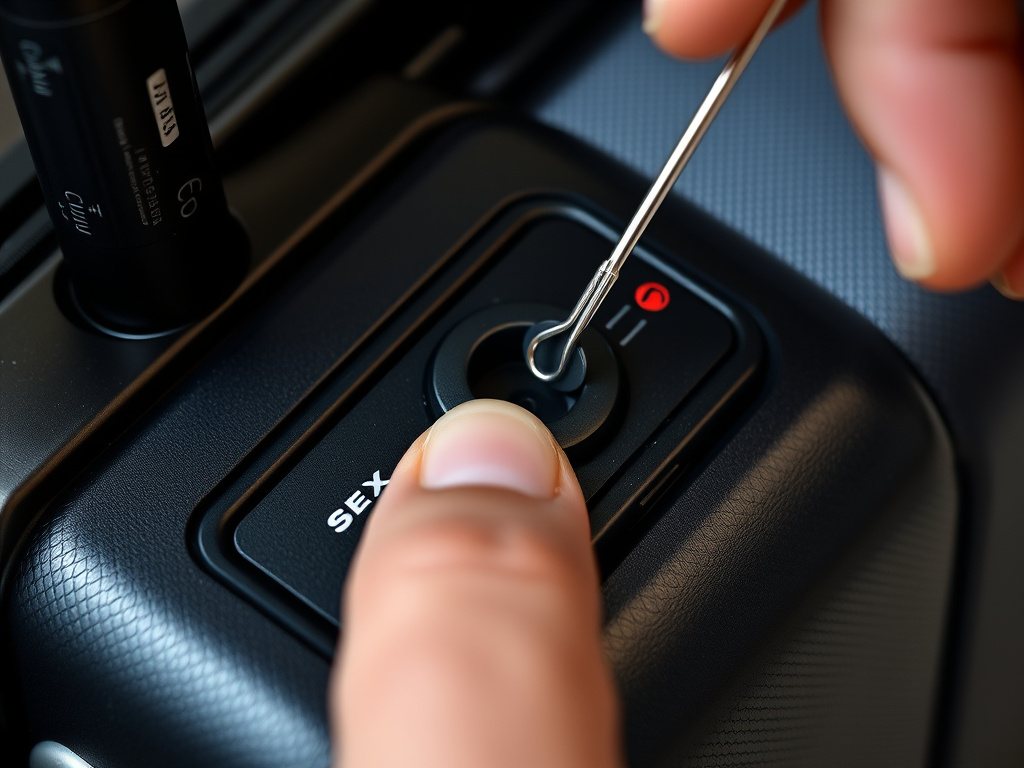
For a standard built-in TSA lock with a push-button reset, follow this sequence. This covers the majority of luggage from brands like Travelpro, Samsonite (non-Style 4), and Away’s hard-side models.
- Open with Default: Ensure the dials read 0-0-0. Slide the lock open. If it doesn’t budge, recenter each dial and try again.
- Engage Reset: Locate the small, recessed reset button. It’s often on the bottom or side. Use a pen, paperclip, or SIM eject tool to press it in until it clicks and stays down. You must feel it latch.
- Set Your Combo: With the button depressed, turn the three dials to your desired personal combination. Ensure each number is perfectly centered in its window.
- Save & Test: Release the reset button. It should spring back out. Scramble the dials completely. Now, dial your new combination and try to open the lock. It should release smoothly.
- The Mandatory Backup: Write down the combination and store it separately from the suitcase. Save it as a note in your phone, email it to yourself, or use a password manager. A lock is only as good as your memory of its code.
Where this goes sideways: Releasing the reset button before the new numbers are fully set. If your finger slips and the button pops out while you’re on the second digit, the lock may partially accept the change. The result is an inconsistent lock that sometimes opens and sometimes jams. If this happens, reset the entire lock back to 0-0-0 and start over from step one.
What To Do After a TSA Inspection
TSA officers use a master key to open approved locks. Sometimes, the act of relocking the bag with their key can leave the lock in a neutral state.
The part nobody mentions: After a TSA inspection, your lock might open to any combination. This is a known mode, not a malfunction.
If you find your lock opens no matter what numbers you dial, it needs a hard reset. The procedure is specific: 1. Face the lock with the TSA keyhole (marked with the red diamond) to your right. 2. Insert a thin, rigid object (like a straightened paperclip) into the small slot to the right of the keyhole. 3. Gently turn the slot until its ends align with the arrow or dot marked on the lock casing. 4. Remove the tool. The lock should now respond only to your set combination.
This realigns the internal cam that the TSA key rotates. It’s a five-second fix that saves a panic at your next departure.
If You Forget Your Combination
This is the dead end every manufacturer builds in. For security reasons, there is no universal backdoor.
Samsonite’s official stance is clear: “If you’ve forgotten your combination, you will need assistance from a Samsonite Authorised Repair Centre to unlock your suitcase.” This typically means proving ownership and possibly cutting the lock off. Master Lock echoes this with its “no way to open it” warning.
Your options are stark: * Contact the manufacturer or an authorized repair center. Have your receipt and suitcase model number ready. * For a standalone padlock, a locksmith may be able to shim it open, but this is not guaranteed and often costs more than the lock. * As a last resort, the lock may need to be cut. On integrated luggage locks, this can damage the suitcase shell.
The takeaway is brutal. That note you didn’t write down is the only key.
Frequently Asked Questions
What is the default code for new suitcase locks?
The default combination is almost universally 0-0-0. Always try this first. A small number of locks or those that have been through TSA inspection may behave differently, but 0-0-0 is the universal starting point per every major manufacturer’s documentation.
Can I reset my suitcase lock without the old code?
No. You must be able to open the lock with its current combination to initiate a reset. The reset mechanism is internal and only accessible when the lock is in the “open” position. If the code is lost, you cannot reset it yourself.
Why won’t my new combination save?
You likely did not fully engage the physical reset mechanism. The button wasn’t pressed all the way in, the slider didn’t catch, or the shackle wasn’t rotated and seated correctly. The lock never entered “record” mode. Return to the default code, open the lock, and carefully re-engage the reset, ensuring you feel a distinct click or latch.
Are all TSA locks reset the same way?
No. There are at least four distinct reset methods: push-button, slider/lever, shackle-twist (like the Master Lock 4680), and interior A/B switch (Samsonite Style 4). Always identify your lock type and follow its specific procedure. Using a generic guide can leave your lock inoperable.
What should I do if my lock opens to any number after a flight?
Your lock was left in a neutral state by a TSA inspection. Use a thin tool to reset the TSA cam by turning the small slot next to the keyhole until it aligns with the marked arrow or dot. This restores the lock to only open with your set combination.
The Bottom Line
Setting a suitcase lock is a two-minute job that hinges on one physical action: triggering the reset. Find that button, slider, or twist before you turn a single dial. Write the new code down somewhere you won’t lose it—your phone’s notes app beats a scrap of paper in your wallet. And if you fly through the U.S., know how to reset the TSA cam. That knowledge turns a confusing malfunction into a five-second fix. The goal isn’t just to set a lock; it’s to set one you can actually open three time zones from home.