Taking Razors in Hand Luggage? TSA Rules & What’s Allowed
This post contains affiliate links. As an Amazon Associate, we earn from qualifying purchases.
Yes, you can take razors in hand luggage, but the rules hinge entirely on the blade. Disposable razors (cartridge and handle) and electric razors are allowed. Safety razor handles are allowed, but the blades must be removed and packed in checked baggage. Straight razors and loose blades are prohibited in carry-on luggage and must go in checked bags.
Most people think a razor is just a razor. They toss a safety razor into their carry-on, blades still installed, and get flagged at the checkpoint. That mistake costs you twenty minutes waiting for a supervisor, then another twenty minutes walking back to check-in to move the blade to your suitcase. Or you toss the razor in the trash and lose it.
This guide cuts through the confusion. We’ll cover the TSA and UK rules for every razor type, explain how to pack them safely, and tell you what happens if you get caught with the wrong item in your bag.
Key Takeaways
- Disposable razors (cartridge + handle) and electric razors are always allowed in carry-on luggage.
- Safety razor handles can go in carry-on, but the blades must be removed and placed in checked baggage. TSA officers will not remove the blade for you.
- Straight razors and loose razor blades are prohibited in carry-on luggage and must be packed securely in checked bags.
- The final decision rests with the security officer at the checkpoint. Even allowed items can be inspected.
- Always check your airline’s specific policies and the rules of your destination country before packing.
Which Razors Are Allowed in Hand Luggage?
Head design changes the entire process. Look at the business end of your razor. If the blade is sealed inside a cartridge or permanently housed inside an electric shaver, it’s fine for your carry-on. If the blade is removable, exposed, or loose, the rules split.
Disposable razors and electric razors are permitted in both carry-on and checked baggage. Safety razor handles may be carried on board if the blade is removed and placed in checked luggage. Straight razors and loose blades are prohibited in carry-on luggage and must be packed in checked bags.
The TSA defines a “razor-type blade” as any blade that can be removed from its housing. That definition covers safety razor blades, straight razor blades, and any loose blade you might buy for replacement. Those are the items that trigger the checkpoint alert. Cartridge razors, where the blade is integrated into a plastic housing, don’t count. Electric razors, with their internal moving blades, don’t count either.
TL;DR: Check your blade. Cartridge and electric razors go in carry-on. Removable blades go in checked luggage.
Disposable Razors (Cartridge Razors)
These are the plastic-handled razors with a cartridge that snaps on. The blade is inside that cartridge, sealed away. The TSA calls them “disposable razors” and they are explicitly allowed. You can pack the entire razor, handle and cartridge, in your carry-on bag. No need to separate anything.
You can also pack them in checked luggage. The only real concern is if the cartridge cracks and exposes the blade edges during baggage handling. That’s rare. If you’re worried, wrap the razor in a sock or place it in a small hard case.
Electric Razors
Electric razors, including battery-powered and cordless models, are allowed in both carry-on and checked luggage. There’s no restriction on the blade because it’s internal and not readily accessible. You must remove the razor from your bag at security, just like a laptop or tablet, so it can be screened separately.
Some electric razors have removable heads that contain blades. Those heads are still considered part of the electric razor and are allowed. The rule is about accessibility, if you need a tool to open the head, it’s fine.
Safety Razors
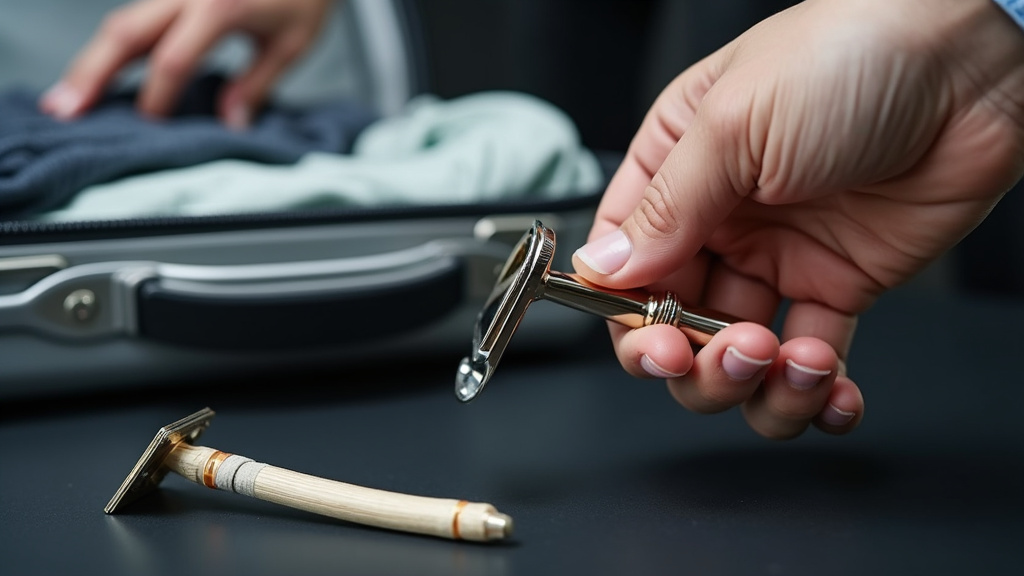
This is where most travelers get stopped. A safety razor has a handle, a top cap, and a single, thin blade that sits between them. The handle and top cap are permitted in your carry-on bag. The blade is not.
You must remove the blade from the assembly before you reach the checkpoint. Pack the blade securely in your checked luggage. Pack the handle and cap in your carry-on.
Common mistake: Packing an assembled safety razor in carry-on, the officer sees the blade through the X-ray, flags the bag, and you either surrender the blade or go back to check-in. That adds at least 30 minutes to your security line time.
TSA officers are not authorized to remove blades for you. If you hand them a safety razor with the blade still in it, they will ask you to go back to the ticket counter to check your bag, or they will ask you to discard the blade. Neither is a good option.
Straight Razors
A straight razor has a fixed, exposed blade. It is prohibited in carry-on luggage. You must pack it in checked baggage. Because the blade is exposed, you must sheath it or wrap it securely to prevent injury to baggage handlers and inspectors.
A leather case works. If you don’t have a case, wrap the blade in several layers of cardboard and tape it shut. The goal is to make sure no one gets cut if your bag is opened.
Loose Razor Blades
Blades sold separately for safety razors or other tools are considered “loose blades.” They are prohibited in carry-on luggage. Pack them in checked baggage, sheathed or wrapped.
Some blade packs come in a plastic dispenser. That dispenser is not considered sufficient protection for checked baggage, you still need to wrap the entire pack in cardboard or place it in a hard case.
How to Pack Razors for Travel Safely
Packing isn’t just about tossing items into a bag. It’s about anticipating the inspection. Security officers see thousands of bags a day; a poorly packed razor looks like a threat until they confirm it’s safe.
Before you start: A razor blade can slice through baggage tape and cut a handler’s hand. A loose blade in a checked bag can also damage other items in your suitcase. Secure any blade before packing.
First, identify your razor type. That decides its destination. Use this table to match your razor to the correct luggage compartment.
| Razor Type | Carry-On Luggage | Checked Luggage | Critical Detail |
|---|---|---|---|
| Disposable (cartridge) | ✅ Allowed | ✅ Allowed | Blade is sealed in cartridge; no separation needed. |
| Electric | ✅ Allowed | ✅ Allowed | Remove from bag for separate screening at checkpoint. |
| Safety razor handle | ✅ Allowed (blade removed) | ✅ Allowed | Blade must be removed and placed in checked bag. |
| Safety razor blade | ❌ Prohibited | ✅ Allowed (must be wrapped) | Wrap in hard case or cardboard; never carry on. |
| Straight razor | ❌ Prohibited | ✅ Allowed (must be wrapped) | Sheath or wrap securely; blade is fixed and exposed. |
| Loose blades | ❌ Prohibited | ✅ Allowed (must be wrapped) | Even in a dispenser, wrap the entire pack. |
Second, secure blades for checked luggage. A blade bouncing around in a suitcase is a hazard. Here’s how to pack them:
1. Use a hard case. A small plastic or metal case designed for blades is best. It keeps the edges contained.
2. Cardboard and tape. If you don’t have a case, fold a piece of cardboard around the blade(s). Tape it shut so it can’t open accidentally.
3. Place inside a larger item. Put the wrapped blade inside a shoe, a toiletry bag, or a folded shirt. This adds another layer of protection and prevents the package from shifting.
Third, pack disposable and electric razors in your carry-on. For electric razors, remember to take them out of your bag at security. They go in the bin with your laptop and phone.
I packed a Gillette safety razor in my carry-on for a trip to Chicago, blade still installed. I thought “it’s just a shaving razor.” At O’Hare, the X-ray flagged it. The officer pointed at the screen, a bright line where the blade sat. He said he couldn’t remove it. I walked back to check-in, paid a fee to add a checked bag, and waited 45 minutes. Now I keep the blade in a small Altoids tin in my checked suitcase, always.
Fourth, confirm airline and destination rules. The TSA sets the baseline for U.S. airports, but your airline might have additional restrictions. Some airlines prohibit certain items in checked luggage for safety reasons. Also, your destination country may have different rules. Japan and Australia, for example, have their own security regulations that can be stricter.
Always check the airline’s website under “travel information” or “baggage policies.” For international travel, look up the security authority’s website for your destination country.
TL;DR: Match razor to luggage type, wrap blades securely, and check your airline’s rules.
What Happens If You Get Caught With a Prohibited Razor?
The process isn’t quiet. The officer stops your bag on the conveyor. They call over a supervisor. You step aside while they discuss it. You have two choices.
You can surrender the item. They’ll take the razor or blade and dispose of it. You lose the item, but you continue through security.
You can go back to check-in. If you have checked luggage, you can add the prohibited item to it. If you don’t have checked luggage, you might need to pay to check a bag. This adds time, at least 30 minutes if the check-in counter is close, longer if you have to exit security and re-enter.
The officer’s decision is final. Even if you argue that a safety razor blade is harmless, they won’t change their mind. The TSA prohibited items list is clear, and they follow it.
Some travelers try to hide blades in their carry-on, thinking they’ll slip through. Modern X-rays detect metal density and shape with high precision. A blade shows up as a distinct, thin, high-density line. It gets flagged every time.
Common mistake: Thinking “it’s just a small blade”, security sees it as a potential weapon, and the consequence is a guaranteed delay plus the loss of the item.
International Travel: Beyond TSA Rules
The UK’s Department for Transport rules align closely with the TSA. Disposable razors are allowed in hand luggage. Straight razors are prohibited. The UK explicitly states that knives with blades longer than 6cm are not allowed in hand luggage. Safety razor blades, which are typically under 6cm, are still prohibited in carry-on luggage, they must go in checked baggage.
Other countries have their own lists. Australia’s Department of Home Affairs prohibits any blade that can be used as a weapon in carry-on luggage. That includes safety razor blades and straight razors. Japan’s security rules are similarly strict.
The rule of thumb: if a blade is removable or exposed, assume it must be checked. Always verify on the official website of the country’s aviation security authority. A quick search for “[country] airport security prohibited items” usually finds the list.
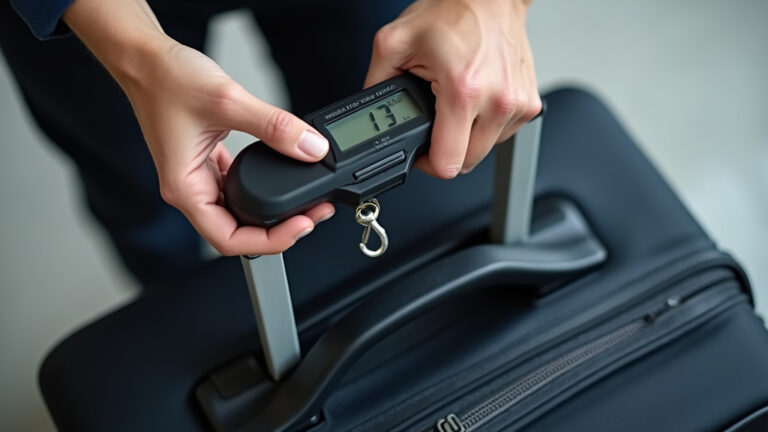
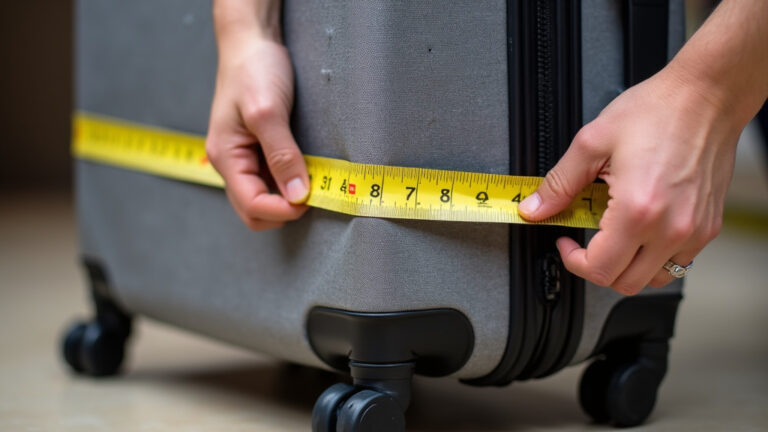
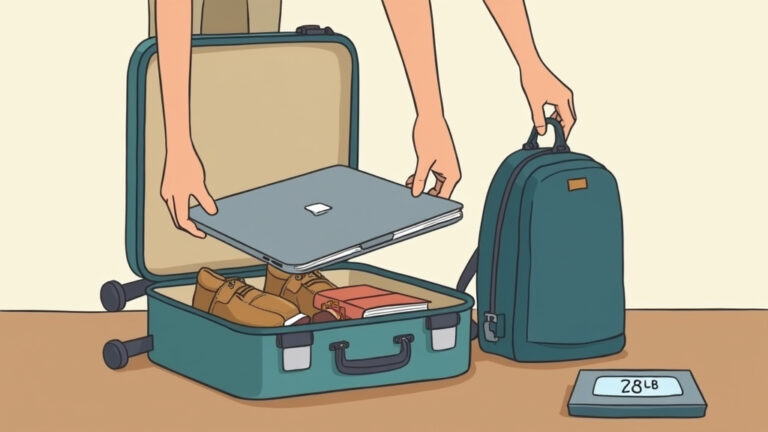
Your airline’s carry-on size and weight limits also matter. If you’re forced to check a bag because of a prohibited razor, you need to ensure your suitcase meets the airline’s checked baggage size and weight rules to avoid extra fees.
TSA Officer Discretion and Bag Inspection
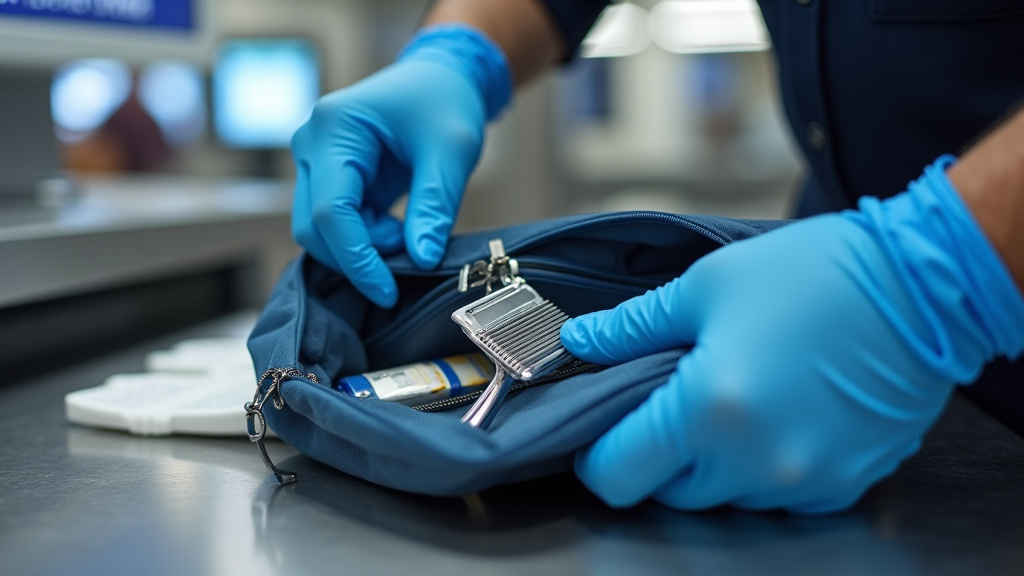
The TSA razor blade carry-on rules are the official guidelines, but the officer at the checkpoint has the final say. They can inspect any bag, even if it contains only allowed carry-on items.
If your bag is locked, use a TSA-recognized lock. Officers have keys for those locks and can open your bag without damaging it. If you use a non-TSA lock, they may cut it off to inspect the contents.
Officers are trained to look for patterns. A safety razor handle without a blade might still get your bag pulled if it looks suspicious on the X-ray. They might ask you to open the bag and show them the handle. Cooperation speeds things up.
The TSA blog on safety razors clarifies that officers cannot remove blades for passengers. That post is a decade old, but the policy hasn’t changed.
Packing Other Sharp Objects and Liquids
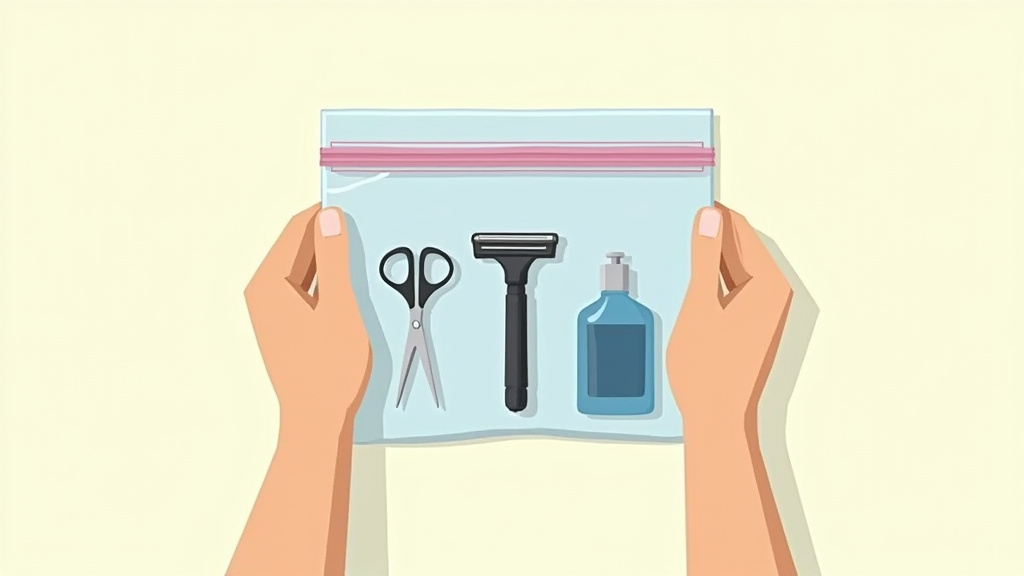
Razors are just one category. Other sharp objects follow similar logic.
- Knives: Any knife with a blade must go in checked luggage.
- Scissors: Small scissors with blades less than 4 inches are allowed in carry-on in the U.S. The UK allows scissors with blades no longer than 6cm.
- Tools: Screwdrivers, wrenches, and pliers are generally allowed in carry-on if they are less than 7 inches long. Longer tools must be checked.
- Nail clippers and files: These are allowed.
Liquids are a separate category. The 3-1-1 rule applies to all carry-on luggage: containers must be 3.4 ounces or less, all containers must fit in one quart-sized bag, one bag per passenger. This rule applies to shaving cream, aftershave, and cologne.
If you need larger amounts of liquid medication, it’s allowed, but you must declare it for additional screening. Solid medications (pills) have no quantity limits.
Frequently Asked Questions
Can I bring a safety razor in my carry-on if the blade is inside the handle?
No. The blade must be removed from the handle and placed in checked luggage. The handle alone can go in carry-on. TSA officers will not open the handle to remove the blade for you.
Are electric razors allowed in hand luggage in the UK?
Yes. Electric razors are allowed in hand luggage in the UK. You must remove them from your bag for separate screening at security, just like laptops.
What happens if I accidentally leave a blade in my carry-on?
Your bag will be flagged at the X-ray. A security officer will pull you aside, explain the violation, and give you the option to surrender the blade or go back to check-in to move it to checked luggage. Both choices cause delays.
Can I pack a straight razor in checked luggage without a case?
You can, but it’s unsafe. Baggage handlers open bags for inspection. An exposed blade can cut them. Wrap the razor in cardboard and tape it securely, or use a leather sheath. The TSA electric razor carry-on rules don’t cover straight razors, but the general rule for sharp objects in checked bags is to sheath or wrap them.
Do airlines have different rules for razors?
Airlines follow the security regulations of the country’s aviation authority (TSA in the U.S., DfT in the UK). They don’t set separate razor rules. However, airlines can set their own policies on carry-on bag definition and size, which matters if you’re forced to check a bag because of a razor.
The Bottom Line
Disposable and electric razors are carry-on safe. Safety razor handles are carry-on safe only after you remove the blade and stow it in checked luggage. Straight razors and loose blades are never carry-on safe, they belong in checked baggage, wrapped securely.
Check your airline’s website and your destination country’s security rules before you pack. A five-minute review prevents a thirty-minute delay at the checkpoint.
Pack blades in a hard case or wrapped in cardboard inside your checked suitcase. That protects the handlers and your belongings. Remember, the officer at the scanner makes the final call. Even allowed items can be inspected.
{
“@context”: “https://schema.org”,
“@type”: “HowTo”,
“name”: “How to Pack Razors for Air Travel”,
“totalTime”: “PT10M”,
“tool”: [
{
“@type”: “HowToTool”,
“name”: “Your razor (disposable, safety, or electric)”
},
{
“@type”: “HowToTool”,
“name”: “Checked luggage suitcase”
},
{
“@type”: “HowToTool”,
“name”: “Hard case or cardboard sleeve”
}
],
“step”: [
{
“@type”: “HowToStep”,
“name”: “Identify your razor type”,
“text”: “Check if your razor is disposable, electric, a safety razor, or a straight razor. This determines whether it can go in your carry-on bag.”
},
{
“@type”: “HowToStep”,
“name”: “Separate blades from handles”,
“text”: “Remove any blade from a safety razor handle. The handle can go in carry-on; the blade must go in checked luggage.”
},
{
“@type”: “HowToStep”,
“name”: “Secure blades in checked luggage”,
“text”: “Wrap loose blades or a straight razor in a hard case or cardboard sleeve, then place them inside your checked suitcase.”
},
{
“@type”: “HowToStep”,
“name”: “Pack disposable and electric razors”,
“text”: “Place disposable razors (cartridge and handle) and electric razors directly in your carry-on bag.”
},
{
“@type”: “HowToStep”,
“name”: “Confirm airline and destination rules”,
“text”: “Check your airline’s website and the security rules for your destination country for any additional restrictions.”
}
]
}
{
“@context”: “https://schema.org”,
“@type”: “FAQPage”,
“mainEntity”: [
{
“@type”: “Question”,
“name”: “Can I bring a safety razor in my carry-on if the blade is inside the handle?”,
“acceptedAnswer”: {
“@type”: “Answer”,
“text”: “No. The blade must be removed from the handle and placed in checked luggage. The handle alone can go in carry-on. TSA officers will not open the handle to remove the blade for you.”
}
},
{
“@type”: “Question”,
“name”: “Are electric razors allowed in hand luggage in the UK?”,
“acceptedAnswer”: {
“@type”: “Answer”,
“text”: “Yes. Electric razors are allowed in hand luggage in the UK. You must remove them from your bag for separate screening at security, just like laptops.”
}
},
{
“@type”: “Question”,
“name”: “What happens if I accidentally leave a blade in my carry-on?”,
“acceptedAnswer”: {
“@type”: “Answer”,
“text”: “Your bag will be flagged at the X-ray. A security officer will pull you aside, explain the violation, and give you the option to surrender the blade or go back to check-in to move it to checked luggage. Both choices cause delays.”
}
},
{
“@type”: “Question”,
“name”: “Can I pack a straight razor in checked luggage without a case?”,
“acceptedAnswer”: {
“@type”: “Answer”,
“text”: “You can, but it’s unsafe. Baggage handlers open bags for inspection. An exposed blade can cut them. Wrap the razor in cardboard and tape it securely, or use a leather sheath. The TSA electric razor carry-on rules don’t cover straight razors, but the general rule for sharp objects in checked bags is to sheath or wrap them.”
}
},
{
“@type”: “Question”,
“name”: “Do airlines have different rules for razors?”,
“acceptedAnswer”: {
“@type”: “Answer”,
“text”: “Airlines follow the security regulations of the country’s aviation authority (TSA in the U.S., DfT in the UK). They don’t set separate razor rules. However, airlines can set their own policies on carry-on bag definition and size, which matters if you’re forced to check a bag because of a razor.”
}
}
]
}