What is a Birkin Bag? The Ultimate Guide to the Hermès Icon
This post contains affiliate links. As an Amazon Associate, we earn from qualifying purchases.
A Birkin bag is a handcrafted luxury tote made by French fashion house Hermès, named after actress Jane Birkin. It’s defined by its rectangular shape, two rolled handles, flap closure with a lock, and metal feet. Each bag takes a single artisan 18 to 24 hours to make using saddle stitching and premium leathers, creating extreme scarcity and prices starting above $10,000.
The universal mistake is thinking you can just buy one. People walk into a boutique with a credit card and a dream, then walk out confused. The reality is a years-long dance of loyalty and luck. That confusion is the point.
This guide breaks down the legend, the craft, the real cost, and the opaque game you have to play to even be considered for one.
Key Takeaways
- There is no public waiting list. Acquiring a new Birkin requires building a purchase history with a Hermès sales associate, a process often called “the game.”
- Each bag is made by one artisan, whose unique signature is stamped inside. The 18-hour saddle-stitch process means production is severely limited, fueling exclusivity.
- The Birkin bag price isn’t just about leather. Size (25, 30, 35, 40), hardware type (palladium vs. gold), and rarity of skin (like crocodile) create a price range from $10,000 to over $500,000.
- Its value as an investment is volatile but historically strong. A 2017 study noted a 500% value increase over 35 years, but market swings are real.
- The secondary market is where most people actually buy Birkins, but it’s rife with “superfakes” that can fool experts. Authentication is non-negotiable.
The Origin Story: An Airplane and a Spilled Basket
The story is almost too perfect. In 1983, actress and singer Jane Birkin was on a flight from Paris to London. She was famously carrying a woven wicker basket that served as her purse, diaper bag, and grocery tote. Trying to stow it in the overhead bin, the lid popped off, scattering her belongings over the feet of the man seated next to her.
That man was Jean-Louis Dumas, the chief executive of Hermès. As recounted in the Smithsonian article on the first Birkin, Birkin complained to Dumas about the impossibility of finding a sturdy, stylish weekend bag. Dumas introduced himself, and the pair spent the flight sketching ideas on an airplane sick bag.
The original prototype bag Dumas made for Jane Birkin included a pocket for her baby bottles and a shoulder strap, features largely absent from the production models sold today.
A year later, he presented her with the first Birkin bag. Jane Birkin used that original bag for years, even personalizing it with stickers. The design was a deliberate departure from Hermès’s more structured Kelly bag. The Birkin was meant to be softer, more casual, and profoundly practical. That a bag born from spilled baby supplies became a symbol of ultimate luxury is the kind of irony Hermès doesn’t need to market.
How a Birkin Bag is Made: The 18-Hour Handcraft
Head design changes the entire process. For Hermès, the design is a single artisan in a French atelier.
One person makes one bag, start to finish. This isn’t an assembly line. From cutting the leather to the final polish, the same hands guide all 30-36 pieces of hide through nearly 700 stitches. The official Britannica entry on the Birkin bag notes the process takes between 18 and 24 hours. Rushing is not part of the vocabulary.
The soul of the construction is saddle stitching. Developed in the 1800s for horse tack, it uses two needles on a single piece of waxed linen thread. The artisan pierces the leather pre-marked with an awl, pulling the threads to create a lockstitch inside the leather itself. The result is a slanted, indented seam that is flexible and repairable. A machine stitch sits on top and will unravel if a thread breaks.
Each Hermès Birkin bag receives a blind stamp inside, a letter code denoting the year of creation and the specific atelier. A second, separate stamp identifies the individual artisan who crafted it, a mark of singular accountability.
Before the bag leaves the workshop, the artisan performs a final inspection that borders on obsessive. They check for symmetry in the pebbling of Togo leather, the alignment of the scale pattern on exotic skins, and the perfect glide of the zipper on the interior pocket. A bag that fails is destroyed. The system creates staggering scarcity. Estimates suggest only about 200,000 Birkins exist in the world.
TL;DR: One artisan saddle-stitches one bag over 18+ hours. The internal stamps track the year and the maker, ensuring accountability and extreme scarcity.
Breaking Down the Materials: From Togo to Crocodile
The leather choice defines the bag’s character, maintenance, and final Birkin bag value.
Togo leather is the workhorse. It’s a pebbled calfskin from young bulls, treated to be scratch-resistant, lightweight, and retain a slouchy shape. It’s the most popular choice because it hides wear. Clemence is similar but slightly heavier and more matte. For a smooth, glossy finish, there’s Box calf. It develops a patina beautifully but shows every scuff and watermark. It’s for collectors who don’t actually carry the bag.
Then come the exotics.
| Leather Type | Key Characteristics | Best For | Price Impact |
|---|---|---|---|
| Togo / Clemence | Pebbled, scratch-resistant, slouchy | Everyday wear, first-time buyers | Standard (base price) |
| Box Calf | Smooth, glossy, develops patina | Collectors, occasional use | Moderate premium |
| Epsom | Pressed, grained, very structured | Color retention, shape durability | Slight premium |
| Ostrich | Distinctive quill bumps, soft | Unique texture, lightweight | High premium (2-3x) |
| Crocodile / Alligator | Symmetrical scale pattern, ultra-luxury | Ultimate status, investment | Extreme premium (5-10x+) |
Crocodile and alligator skins are the pinnacle. The scales must be perfectly centered and symmetrical. The most coveted is the Niloticus crocodile, often used for the legendary Himalaya Birkin. That bag’s gradient dye job, mimicking snow-capped mountains, can take weeks alone. Ostrich skin, with its distinctive quill bumps, is surprisingly soft and lightweight.
Hardware is the other half of the equation. You choose between palladium and gold. Palladium is a platinum-group metal, giving a cool, silvery-white sheen that is highly scratch-resistant. Gold-plated hardware is warmer but softer, developing a subtle wear pattern over time. Limited editions sometimes feature diamond-encrusted clasps, but those are for the auction house crowd, not the boutique.
The Different Sizes and Styles
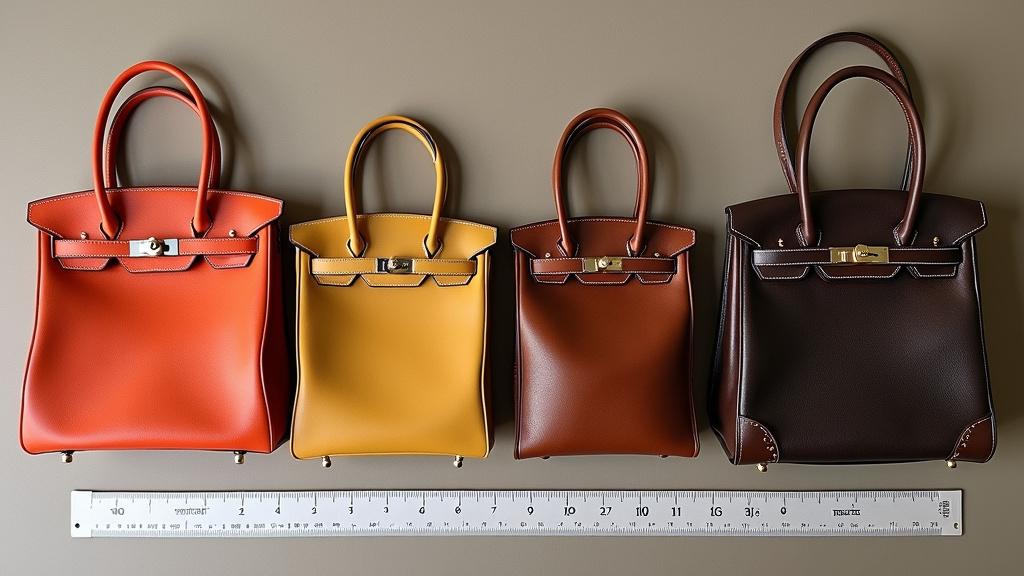
Size is denoted by the length of the base in centimeters. The number isn’t arbitrary; it dictates proportion, capacity, and market demand.
The Birkin 25 and Birkin 30 rule the current market. The 25 is the modern darling, a crossbody-friendly size that still holds a wallet, phone, and keys. The 30 is the classic Goldilocks size, spacious but not bulky. The 35 and 40 are the original sizes, now considered more “vintage” and less sought-after, though they command high prices in rare skins.
Common mistake: Buying a Birkin 35 because it’s cheaper on the secondary market, its larger size and weight make it impractical for daily use, which hurts its long-term resale demand compared to a 25 or 30.
Special editions and seasonal colors create frenzy. A “So Black” Birkin with blacked-out hardware commands a major premium. A rare, retired color like “Rouge H” or “Bleu Saphir” can double the bag’s value overnight. The Himalaya, as discussed, is in a league of its own. Understanding this landscape is crucial before navigating the secondary market for Birkins, where such details dictate price.
Why It Costs So Much: Exclusivity as a Business Model
The raw materials for a standard Togo leather Birkin are estimated to be 15-20% of its retail price. You are not paying for leather and metal. You are paying for the story, the scarcity, and the social signal.
Hermès controls the supply with absolute discipline. The number of bags produced annually is a state secret. They allocate bags to boutiques based on mysterious metrics, and sales associates (SAs) then allocate them to clients. This creates a gray market of its own within the brand. An SA’s performance is tied to selling profitable ancillary items, homeware, scarves, shoes. Offering a Birkin is the reward for clients who play that game well.
This business model is now under legal scrutiny. A 2024 class-action antitrust lawsuit in California alleges Hermès illegally ties Birkin sales to the purchase of other goods. The lawsuit claims this violates competition law. Hermès denies the allegations. The case’s outcome could, in theory, shake the foundation of Hermès bag exclusivity, but most analysts expect a settlement that changes little.
The investment case is real but nuanced. A 2017 study by Baghunter found the Birkin’s value increased 500% over 35 years, outperforming the S&P 500 and gold. However, it’s a volatile, illiquid asset. Selling requires finding a buyer for a specific, ultra-expensive item. A price correction in 2023 showed even Birkins aren’t immune to economic downturns. Comparing this to more accessible luxury handbag costs from brands like Gucci or Louis Vuitton highlights the Birkin’s unique position as a hybrid accessory/commodity.
How to (Actually) Get One
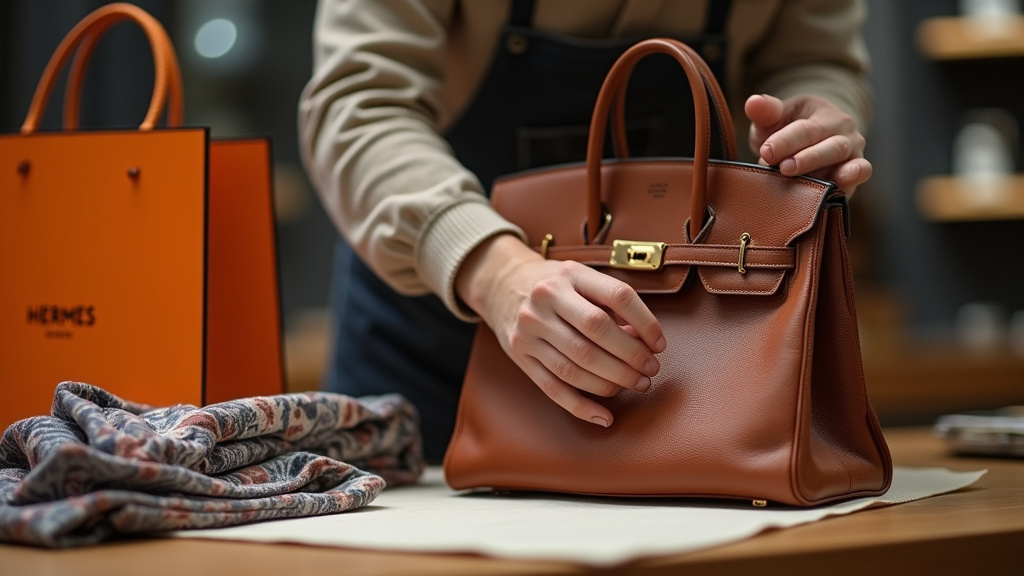
Forget the mythical waiting list. Hermès publicly states it doesn’t exist. Acquiring a Birkin bag is a relational exercise, not a transactional one.
Your first step is to establish a relationship with a sales associate at a Hermès boutique. This involves consistent purchases over time, items like scarves, jewelry, shoes, or home decor. The amount spent before an offer varies wildly by location, client profile, and sheer luck. The term “pre-spend” is used in collector circles, with figures ranging from 1:1 to 3:1 (spending $30,000 to maybe be offered a $10,000 bag).
When an SA gets an allocation, they contact clients they think deserve it. You will likely be offered a bag in a specific size, color, and hardware combination. Saying no is a risk; it might be months before you get another call. This is why many turn to the secondary market from resellers like The RealReal or Privé Porter. Here, you can choose your exact specification, but you’ll pay a premium, often 50% to 200% above retail.
This secondary market is also where you’ll find detailed guides on Birkin bag acquisition strategies, analyzing which boutiques have better inventory or which product categories help build a profile fastest. It’s a complex ecosystem built entirely around Hermès’s controlled scarcity.
The Birkin vs. The Rest of the Luxury World
Placing the Birkin in the broader landscape of designer handbag retail prices clarifies its extreme position.
| Brand | Iconic Model | Starting Price Range | Key Differentiator |
|---|---|---|---|
| Hermès | Birkin 25 | $10,000+ | Handcrafted exclusivity, investment asset, no online sales |
| Chanel | Classic Flap Medium | $9,000+ | Timeless design, frequent price increases, boutique-only |
| Louis Vuitton | Neverfull MM | $1,600+ | Accessible luxury, iconic monogram, massive global production |
| Gucci | Dionysus GG Supreme | $2,500+ | Bold branding, fashion-forward designs, strong online presence |
| Coach | Rogue 25 | $600+ | Quality leatherwork, “accessible luxury,” wide retail availability |
The Chanel bag prices have risen aggressively, positioning the Classic Flap as a pseudo-investment piece. But Chanel produces at a far greater scale. Louis Vuitton bag prices are anchored by canvas, not leather, allowing for higher margins and broader reach. The Birkin’s closest peer in concept might be a limited-edition Fendi bag in exotic fur or a bespoke Goyard model, but neither has cultivated the same consistent secondary market valuation.
The difference is systemic. You can walk into a Louis Vuitton store today and buy a Neverfull. You cannot walk into Hermès and buy a Birkin. That barrier is the entire point. It transforms the bag from a product into a membership token.
Caring for Your Investment
If you do get one, maintenance is not optional. Proper care protects the Birkin bag value you just paid for.
Store it stuffed with the provided air pillows or acid-free tissue paper in its felt dust bag, inside its box. Letting it collapse ruins the shape. Keep it in a climate-controlled environment, extreme heat or damp damages leather. For cleaning, use only a soft, dry cloth. Never use leather conditioners or wipes not approved by Hermès; they can discolor or degrade the finish.
Rotate the bag if you use it daily. The handles and corners show wear first. For exotic skins, professional storage and cleaning are mandatory. A damaged crocodile Birkin can lose over half its value. Think of it less like a purse and more like a piece of furniture or art you occasionally carry. This mindset is essential for long-term preservation, much like implementing smart tote bag storage solutions for a broader collection.
Frequently Asked Questions
Are Birkin bags a good investment?
They can be, but treat it like a speculative asset, not a savings account. Historical data shows appreciation, but it’s volatile and illiquid. Your specific bag’s value depends on size, leather, color, and hardware, factors that shift with fashion trends. Never buy one solely as an investment.
What’s the difference between a Birkin and a Kelly?
The Kelly is structured, trapezoidal, and has a single handle with a detachable shoulder strap. It closes with a flap and a twist-lock. The Birkin is softer, rectangular, has two top handles, and closes with a flap and a turn-lock. The Kelly is more formal; the Birkin is more casual.
How can I spot a fake Birkin?
Look at the stitching. Real saddle stitching is slanted and sinks into the leather. Fakes often use straight, machine stitching. Check the stamp: font, depth, and clarity must be perfect. Feel the hardware, it should be substantial and cold. The leather should smell rich, not chemical. When in doubt, pay for professional authentication.
Does Hermès repair Birkin bags?
Yes, for a fee. They can re-stitch handles, replace hardware, and re-dye leather. Repair times are long, often several months, and costs are high. This is why buying a pre-loved bag in poor condition to “restore” is rarely cost-effective.
What is the most expensive Birkin ever sold?
Himalaya Niloticus crocodile Birkin 30 with 18-karat white gold and diamond hardware sold for $500,000 in a private sale in 2019. At auction, a Himalaya Birkin 35 set a record of $450,000 at Christie’s in 2022.
The Bottom Line
The Hermès Birkin bag is a masterpiece of marketing as much as craftsmanship. Its value is engineered through a perfect storm of a charming origin story, impeccable handwork, and brutally controlled scarcity. Understanding it means looking past the price tag to the system that creates it. It’s a cultural artifact that reveals how desire is manufactured and status is codified.
For the vast majority, owning one will remain a fantasy. For those who pursue it, the path is paved not just with money, but with patience, strategy, and a willingness to play a very specific, unspoken game. Whether that game is worth it is a question only your wallet and your aspirations can answer.
{
“@context”: “https://schema.org”,
“@type”: “HowTo”,
“name”: “How to Understand and Identify a Genuine Hermès Birkin Bag”,
“totalTime”: “PT20M”,
“tool”: [
{
“@type”: “HowToTool”,
“name”: “A loupe or magnifying glass for stitch inspection”
},
{
“@type”: “HowToTool”,
“name”: “Reference guide for Hermès leather types and stamps”
}
],
“step”: [
{
“@type”: “HowToStep”,
“name”: “Examine the Stitching”,
“text”: “Look for the signature saddle stitch: two needles working one piece of waxed linen thread, creating a slanted, indented line. Machine stitching is straight and sits on top of the leather.”
},
{
“@type”: “HowToStep”,
“name”: “Identify the Leather”,
“text”: “Feel and observe the grain. Togo leather is pebbled and scratch-resistant. Box calf is smooth, glossy, and shows marks easily. Exotic skins like crocodile have symmetrical, centered scales.”
},
{
“@type”: “HowToStep”,
“name”: “Check the Hardware and Stamp”,
“text”: “Hardware should be heavy, either 18-karat gold-plated or palladium (a platinum family metal). The blind stamp inside the bag indicates the year and artisan — a letter code changes annually.”
},
{
“@type”: “HowToStep”,
“name”: “Assess the Shape and Structure”,
“text”: “A genuine Birkin slouches slightly but holds its rectangular form. The handles stand upright. Poorly structured replicas often collapse or have handles that flop.”
}
]
}
{
“@context”: “https://schema.org”,
“@type”: “FAQPage”,
“mainEntity”: [
{
“@type”: “Question”,
“name”: “Are Birkin bags a good investment?”,
“acceptedAnswer”: {
“@type”: “Answer”,
“text”: “They can be, but treat it like a speculative asset, not a savings account. Historical data shows appreciation, but it’s volatile and illiquid. Your specific bag’s value depends on size, leather, color, and hardware, factors that shift with fashion trends. Never buy one solely as an investment.”
}
},
{
“@type”: “Question”,
“name”: “What’s the difference between a Birkin and a Kelly?”,
“acceptedAnswer”: {
“@type”: “Answer”,
“text”: “The Kelly is structured, trapezoidal, and has a single handle with a detachable shoulder strap. It closes with a flap and a twist-lock. The Birkin is softer, rectangular, has two top handles, and closes with a flap and a turn-lock. The Kelly is more formal; the Birkin is more casual.”
}
},
{
“@type”: “Question”,
“name”: “How can I spot a fake Birkin?”,
“acceptedAnswer”: {
“@type”: “Answer”,
“text”: “Look at the stitching. Real saddle stitching is slanted and sinks into the leather. Fakes often use straight, machine stitching. Check the stamp: font, depth, and clarity must be perfect. Feel the hardware, it should be substantial and cold. The leather should smell rich, not chemical. When in doubt, pay for professional authentication.”
}
},
{
“@type”: “Question”,
“name”: “Does Hermès repair Birkin bags?”,
“acceptedAnswer”: {
“@type”: “Answer”,
“text”: “Yes, for a fee. They can re-stitch handles, replace hardware, and re-dye leather. Repair times are long, often several months, and costs are high. This is why buying a pre-loved bag in poor condition to \”restore\” is rarely cost-effective.”
}
},
{
“@type”: “Question”,
“name”: “What is the most expensive Birkin ever sold?”,
“acceptedAnswer”: {
“@type”: “Answer”,
“text”: “Himalaya Niloticus crocodile Birkin 30 with 18-karat white gold and diamond hardware sold for $500,000 in a private sale in 2019. At auction, a Himalaya Birkin 35 set a record of $450,000 at Christie’s in 2022.”
}
}
]
}