How Big is a 20 Liter Backpack? Dimensions & Fitting Guide
This post contains affiliate links. As an Amazon Associate, we earn from qualifying purchases.
A 20-liter backpack is a compact, versatile pack with internal dimensions roughly 18 inches tall, 12 inches wide, and 8 inches deep. It holds about 1,220 cubic inches of gear, making it ideal for daily commuting, light day hikes, or as an airline personal item. The key to using it well is matching its physical limits to your specific load-out.
Most people get this wrong because they hear “20 liters” and picture a tiny sack. They overload it with bulky items that don’t fit the shape, or they underpack it, leaving essential tools behind because they misjudged the space.
This guide breaks down the actual measurements, shows you exactly what fits for school, work, and travel, and explains why the 20L size is a secret weapon for organized, mobile people.
Key Takeaways
- A 20L backpack’s external dimensions are typically 18″ H x 12″ W x 8″ D, but the internal cavity for your main gear is often an inch smaller in each direction.
- This pack is a definitive airline personal item for most carriers, fitting under the seat if you avoid overstuffing the front pockets.
- The maximum laptop size is dictated by the sleeve’s internal dimensions, not screen size; look for a sleeve at least 11.5″ wide and 16.5″ tall to fit a 15-inch model.
- Its sweet spot is single-activity carry: a full workday load, a rigorous day hike, or a minimalist 2-night trip, not all three at once.
- Shoulder strap foam density and back panel ventilation matter more at this size than with a hiking pack; you feel every ounce of poor design after eight hours.
What Are the Typical Dimensions of a 20L Backpack?
Volume tells you how much a bag holds. Dimensions tell you what will physically fit inside it. You need both numbers.
Manufacturers calculate the 20-liter capacity by adding the volume of every pocket and compartment. The main compartment usually accounts for 15-17 of those liters. The rest is split between a front organizer, side pockets, and maybe a hidden sleeve.
A standard 20L backpack has a back panel height of 16-18 inches (40-46 cm), a width of 9-12 inches (23-30 cm), and a depth of 6-8 inches (15-20 cm). The empty weight ranges from 1.2 to 2 pounds (0.5-1 kg) for packs made of 300-600 denier nylon or polyester.
The depth measurement is the most deceptive. A bag listed as 8 inches deep might only provide 6.5 inches of usable space once you account for the padded back panel and the curvature of the fabric. That’s why a thick, hardcover textbook or a large DSLR camera with a grip can make a 20L pack bulge awkwardly, even if the weight is fine.
TL;DR: Expect a box-shaped space of about 17″ x 11″ x 7″ inside the main compartment. If your bulkiest item exceeds any of those numbers, it won’t pack flat.
What Fits in a 20L Backpack? (The Real-World Packing Lists)
Forget abstract comparisons. Here’s what you can actually load into a well-organized 20-liter pack for three common scenarios.
The Full Work or School Day
This is the 20L’s prime mission. The pack must accommodate tech, documents, and personal items without becoming a cluttered pit.
* A 15-inch laptop in a slim sleeve.
* A standard 1-inch thick three-ring binder.
* Two composition notebooks or a single large textbook.
* A lunch container about the size of a small Tupperware.
* A slim water bottle (24oz or 750ml) in the side pocket.
* A packed pencil case, phone charger, and sunglasses.
* A light sweater or packable windbreaker stuffed in the last bit of space.
The organizational front panel is critical here. Pens, keys, and earbuds go there. If that panel is just a single zippered pocket, you’ll waste five minutes digging every time.
The Serious Day Hike
For hiking, the load-out shifts to essentials for weather, hydration, and energy. Compression straps are non-negotiable.
* Two 1-liter water bottles (or a 2-liter hydration bladder).
* Weather layers: a lightweight puffer jacket and a rain shell.
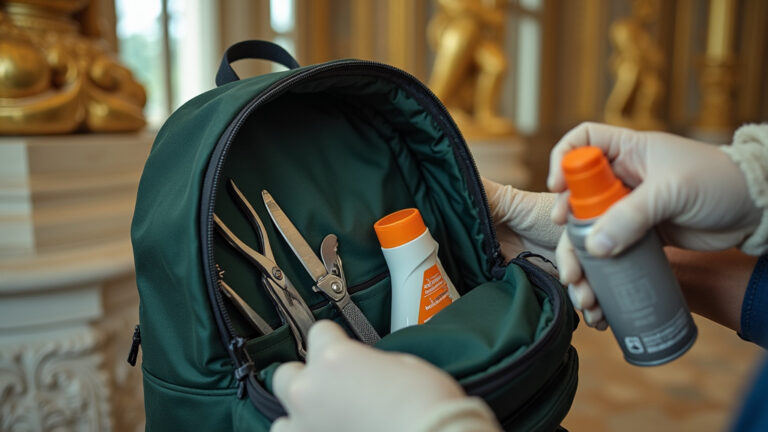
* A first-aid kit, headlamp, and multi-tool.
* Lunch, snacks, and an extra protein bar.
* A compact phone power bank and a map.
Common mistake: Putting a full water bottle in a side pocket without using compression straps, the weight swings side-to-side with every step, throwing off your balance and straining one shoulder within an hour.
The pack should ride high and tight. A hip belt, even a minimal one, transfers enough weight to make a difference over six miles.
The Minimalist Weekend Trip
Pushing a 20L pack for travel requires discipline and the right tools. This is where packing cubes earn their keep.
* Clothing: Two t-shirts, one pair of jeans, three sets of underwear/socks, and a lightweight sweater. Roll everything.
* Toiletries: A small, TSA-compliant bag with travel-sized essentials.
* Tech: Tablet, phone, cables, and a compact camera.
* Extras: Travel documents, a paperback book, and a snack.
You wear your bulkiest items, jacket, boots, hat, while traveling. This load-out fits because you’re not packing for “what-ifs.” It’s a conscious choice.
| Scenario | Bulkiest Item | Critical Feature Needed | Risk If Missing |
|---|---|---|---|
| Work/School | 15″ Laptop | Padded, suspended laptop sleeve | Corners wear through fabric in under 6 months. |
| Day Hike | 2L Water | Side pockets + compression straps | Unbalanced load causes shoulder fatigue and blisters. |
| Weekend Trip | Packing Cubes | Clamshell opening main compartment | Neat packing is impossible; you live out of a black hole. |
The 20L vs. 25L vs. 30L Showdown
Choosing between these sizes isn’t about inches. It’s about the type of bulk you carry.
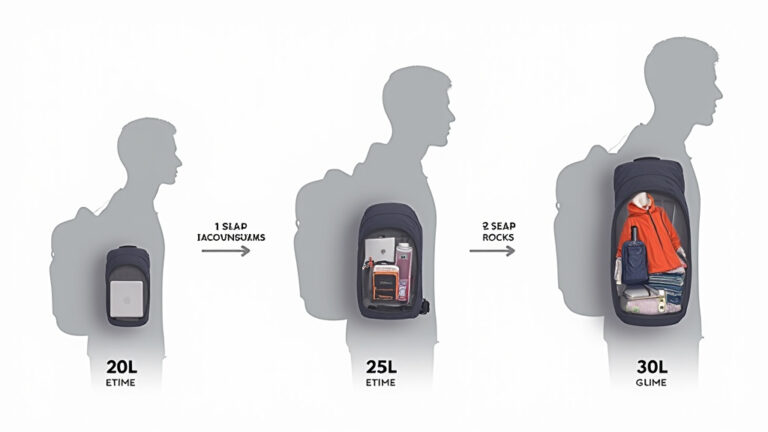
A 20L backpack is for precision. It carries exactly what you need for one primary activity. It’s your daily driver. The constraint forces efficiency. I used a 20L pack for years as my shop commute bag, it held my laptop, project notes, a multi-tool, safety glasses, and a lunch box. It never tempted me to overpack.
A 25-liter backpack introduces a margin of error. You can fit the 20L load plus a second activity’s gear. Think: work items and a change of workout clothes, or hiking essentials and a camera with an extra lens. This is the size where a 25L backpack becomes a true all-in-one for many people.
A 30L backpack shifts the paradigm. Now you’re carrying for multiple activities or longer durations. A 30-liter backpack can handle a three-day business trip with a suit carrier, or a winter day hike with extra insulation. The bulk is noticeable on your back, and it often exceeds the “personal item” size for budget airlines.
| Capacity | Best For | Carry-On? | Personal Item? | Feels Too Big When… |
|---|---|---|---|---|
| 20L | Daily Use, Day Hikes | Always | Always | You try to pack a full-size towel or a second pair of shoes. |
| 25L | Work + Gym, 3-Day Trips | Always | Usually (check depth) | You only carry a laptop and a notebook—it feels half-empty. |
| 30L | Weeklong Travel, Winter Hikes | Always | Rarely (too tall/deep) | Used for daily commute; it bumps into doors and subway seats. |
The jump from 20L to 25L adds a “just in case” layer. The jump from 25L to 30L adds a “for someone else” layer. Choose accordingly.
Is a 20L Backpack an Airline Personal Item?
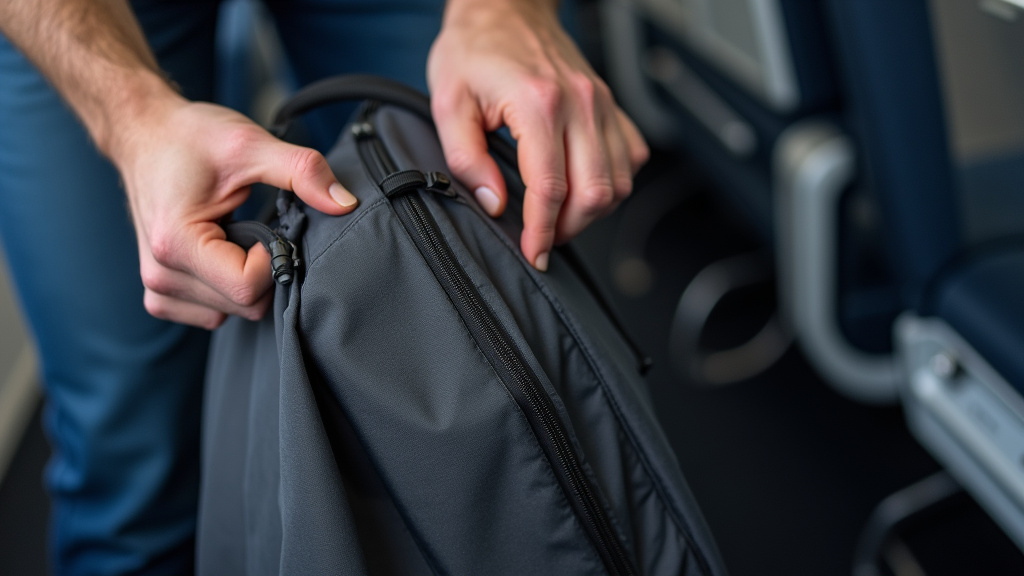
Almost always, yes. This is one of its killer features.
Most airlines restrict personal items to dimensions around 18″ x 14″ x 8″. A standard 20L pack is designed to hit those numbers. It will slide under the seat in front of you, saving you from fighting for overhead bin space and exit fees.
Before you start: Check your specific airline’s “personal item” size bin. Budget carriers like Frontier and Spirit are strict. If your pack is overstuffed, the depth can exceed limits. A fully loaded 20L pack can also exceed the 15-20 lb weight limit some airlines impose.
The trick is to use the compression straps before you board. Cinch them down to slim the profile. Avoid stuffing the front admin panel with bulky items like headphones; that’s what pushes the depth over the edge.
I’ve flown Southwest and Delta dozens of times with a 20L pack as my only bag. The Southwest backpack policy is famously generous, but even under stricter Delta carry-on rules, a compliant 20L pack passes as a personal item every time. Just don’t test its luck as a backpack and carry-on on the same ticket unless the airline explicitly allows it.
TL;DR: A 20L backpack is the ultimate personal item. Keep it lean, use compression straps, and you’ll board stress-free.
How to Choose the Right 20L Backpack for You
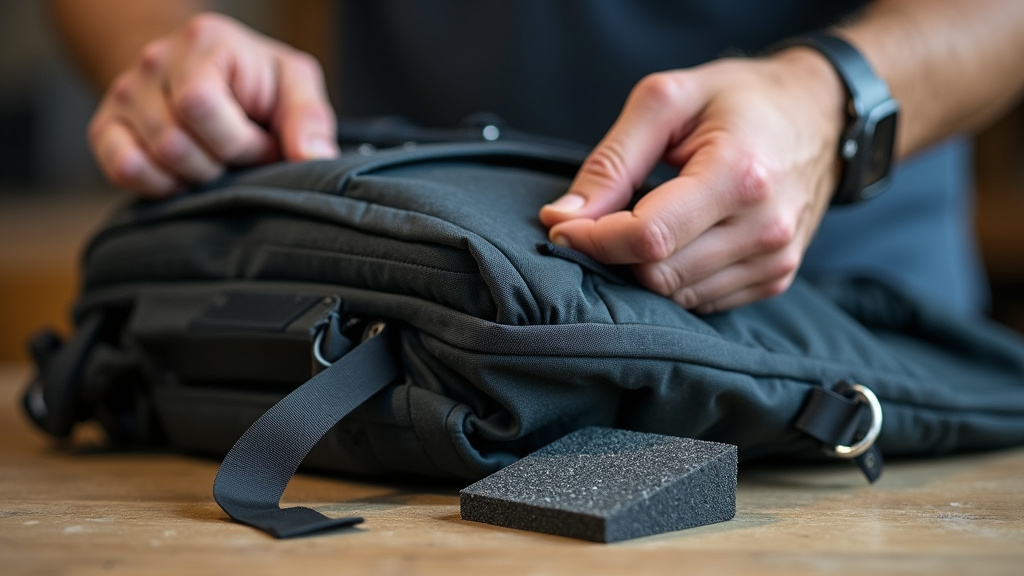
Not all 20L packs are equal. The difference between a good one and a great one lives in five details.
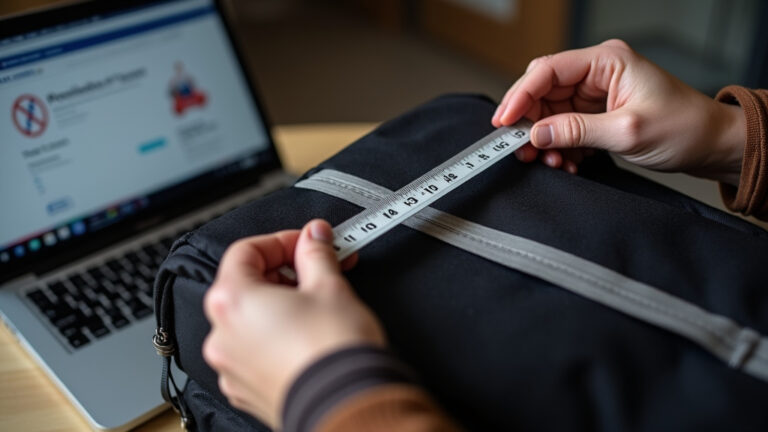
- Laptop Sleeve Dimensions: Do not trust “fits 15-inch laptop.” Measure. The sleeve needs internal dimensions of at least 11.5″ W x 16.5″ H to accommodate a 15-inch MacBook Pro or gaming laptop. A sleeve that’s just a padded pocket against your back offers zero drop protection.
- Back Panel and Strap Foam: Cheap foam compresses into a hard plate after 60 days of use. Look for multi-density foam or molded thermoplastic urethane (TPU) panels. Run your hand over it, it should feel firm but forgiving, like a good shoe insole.
- Fabric Denier and Coating: 300D nylon is fine for office use. For tool carry or outdoor use, step up to 500D or 600D. A PU (polyurethane) coating gives basic water resistance; a TPU laminate is better for sustained rain. The coating affects feel; a stiff, crackly fabric lasts longer but feels less premium.
- Zipper Quality: #5 YKK zippers are the minimum. #8 or #10 are better for main compartments. Check the zipper pulls, large, glove-friendly pulls are a sign the designer thought about real use.
- Organization Logic: Count the pockets. Now imagine using them. A front panel with one giant cavity is useless. You need dedicated, quick-access slots for a phone, pens, and keys. The best designs have a separate, suspended pocket for sunglasses or a passport.
My first “good” 20L pack was a generic brand that ticked the spec boxes. The foam died in two months, leaving the laptop corner digging into my spine. The replacement, with proper TPU back panel foam, has lasted five years and counting. The difference wasn’t the brand name. It was the foam.
Frequently Asked Questions
Can a 20L backpack fit a 17-inch laptop?
It’s a very tight squeeze and depends entirely on the specific bag’s laptop sleeve. Most 20L packs are designed for laptops up to 15.6 inches. A 17-inch gaming or workstation laptop often exceeds the sleeve’s width (needs ~13 inches) and can make the pack bulge uncomfortably. Always check the manufacturer’s stated sleeve dimensions, not just the screen size.
Is 20L enough for high school or college?
For most students, yes. With the shift to digital textbooks and tablets, the core load is a laptop, a notebook or two, and a lunch. A 20L pack forces organization, which is a good thing. However, if your program requires carrying large, physical textbooks or specialty gear (art boards, lab manuals), you might need to step up to a 26-liter backpack for that extra margin.
How does a 20L compare to a 40L backpack?
20L pack is for daily essentials and single activities. A 40-liter backpack is for multi-day travel, serious hiking with camping gear, or hauling large, bulky items. The 40L is twice the volume, but it feels three times as large on your back and will almost never qualify as an airline personal item.
What is the best brand for a 20L backpack?
There is no single “best” brand. It’s about matching features to your use case. For urban commutes with tech, brands like Aer or Bellroy excel in organization. For outdoor day use, Osprey or Patagonia offer better ventilation and durability. For a budget-friendly, durable all-rounder, look at The North Face or JanSport. Read reviews focusing on strap comfort and zipper durability.
Can you use a 20L backpack for overnight hiking?
Only in ideal summer conditions with ultra-minimalist gear. You would need a very compact sleeping bag, a small tarp or bivy, and no extra comforts. For most people, an overnight hike requires more insulation, food, and water, pushing the need to a 35L backpack or larger. A 20L is strictly for day hikes where you return to a base.
The Bottom Line
A 20L backpack is a tool defined by its constraints. Its size, roughly 18″ x 12″ x 8″, makes it the perfect vessel for a focused mission: your daily work, a rigorous day outdoors, or a minimalist travel weekend. It wins because it forces you to pack with intention.
Success with this size means respecting its physical limits. Check the actual laptop sleeve dimensions. Use compression straps before boarding a plane. Choose one with back panel foam that won’t quit on you. When you need just a bit more room, the logical step is to a 22-liter backpack for slightly more gear, or a 50-liter backpack for a completely different, expedition-level task.
For the majority of urban and suburban life, the 20L pack is the right answer. It’s the size that gets out of your way while carrying exactly what you need.