Nurse’s Guide: What to Pack in Your Hospital Bag for Baby
This post contains affiliate links. As an Amazon Associate, we earn from qualifying purchases.
Pack a hospital bag for your baby with five things: a going-home outfit in two sizes, a soft blanket, mittens, a pacifier if you want one, and a car seat installed in your vehicle by 36 weeks. The hospital provides diapers, wipes, swaddles, and basic care items for the entire stay.
The car seat is the non-negotiable. Hospitals are legally prohibited from discharging a newborn without one that’s properly installed. That fact shifts the entire packing strategy from preparing for a stay to preparing for a departure.
What follows is a breakdown of what actually gets used, pulled from hospital checklists and nurse observations. It covers the five essentials you control, the full cart of supplies you don’t need to pack, and the timing that keeps last-minute panic off the menu.
Key Takeaways
- Install your infant car seat base by 36 weeks of pregnancy and get it inspected. The hospital cannot let you leave without it.
- Pack two going-home outfits: one in newborn (NB) size and one in 0–3 month size. You won’t know which fits until after birth.
- The hospital provides all clinical and daily care items, diapers, wipes, swaddle blankets, hats, and formula if needed. Do not pack these.
- Your bag is for comfort and the trip home, not the stay. A separate, organized baby bag prevents frantic digging through a shared suitcase.
- If you plan to bank cord blood, you must bring the collection kit from the company. The hospital won’t have it.
The 5-Piece Going-Home Kit (And What Hospitals Provide)
Forget packing for a week. The baby’s hospital stay is covered.
What the hospital provides: disposable diapers, wipes, swaddling blankets, a knit hat, t-shirts, socks, and everything for the first bath. For feeding, they supply formula if needed and lactation support. Your job is to pack for the exit.
This Texas Children’s Hospital bag checklist and this Cook Children’s baby bag guide both explicitly list the items they stock at the bedside. Your packing list is short because theirs is long.
1. The Going-Home Outfit (Times Two)
Bring two complete outfits: one in newborn (NB) size, one in 0–3 months. A baby born at 41 weeks might be nine pounds and skip NB sizing entirely. A simple footed sleeper with a front zipper is the play, avoid snaps for a 3 a.m. Diaper change in a dark car. Ensure the chest isn’t too tight to irritate the umbilical cord stump.
2. A Soft Baby Blanket
This isn’t for swaddling in the hospital, they have those. It’s for the car seat. Lay it over the baby after the harness is snug and secure, never underneath. A lightweight muslin blanket works for most climates.
3. Mittens
Newborn nails are sharp and they scratch their faces. The hospital may provide shirts with fold-over cuffs, but they often ride up. A pair of soft mittens guarantees protection.
4. Pacifiers (Your Call)
Some hospitals limit pacifiers for breastfeeding mothers due to nipple confusion concerns. Others provide them to help soothe the baby and satisfy the suck reflex. If you want one, bring your own. The data on reducing SIDS risk is why many nurses quietly recommend it.
5. The Installed Car Seat
This isn’t packed. It’s installed. Your vehicle must have a rear-facing infant car seat with the base secured before you drive to the hospital. No aftermarket inserts. No puffy coats under the harness. Install it at 36–37 weeks and visit a fire station for a free inspection by a certified technician.
| Your Bag | Hospital’s Cart | Why It Matters |
|---|---|---|
| Going-home outfit (2 sizes) | Diapers & wipes | Fit is unknown; hospital supplies are for in-room use. |
| Baby blanket | Swaddling blankets | Hospital blankets stay behind; yours is for the car ride. |
| Mittens | Shirts with fold-over cuffs | Cuffs ride up; mittens are guaranteed face protection. |
| Pacifier | Possibly provided, policy varies | Ensures you have one if you want it, regardless of policy. |
| Car seat (installed) | Not provided | Legal requirement for discharge. Non-negotiable. |
The rest is noise. Fancy outfits for photos? Sure, but that’s one extra item, not a separate suitcase. Your focus is the 20-minute ride home, not the 48-hour stay.
When to Pack: The 36-Week Deadline
Pack the baby’s bag when you pack the hospital bag for mom. The deadline is 36 weeks.
This packing timeline isn’t a gentle suggestion. Babies show up early. If your pregnancy is high-risk or you have a history of early labor, move the deadline to 34-35 weeks. The goal is to have the bag zipped and waiting by the door, and the car seat base locked into your vehicle, a full month before your due date.
Where this goes sideways: Installing the car seat on the way to the hospital. You’re distracted, rushed, and likely to make a critical error in the base angle or harness tightness. Do it early, get it checked, and forget about it.
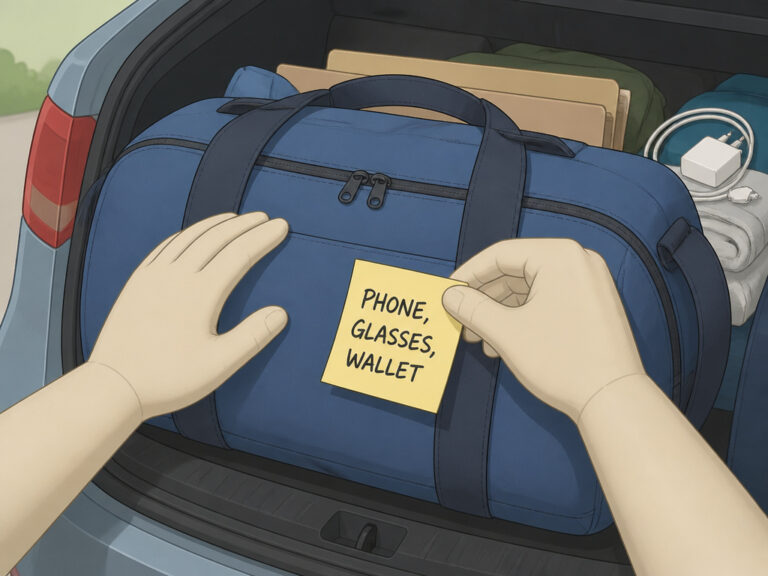
The mental shift is simple. You’re not packing for an event you can schedule. You’re prepping a go-bag for a mission that launches with zero warning. The best hospital bags for this are ones with clear compartments, a backpack like the Itzy Ritzy Boss Plus lets you stash baby’s kit in one pocket, mom’s in another, so your support person isn’t dumping everything on the floor to find a hair tie.
What to Skip: The Hospital’s Supply Cart
New parents overpack because they don’t know what’s already in the room. Here’s what you will find waiting, according to hospital supply lists.
- Diapers & Wipes: A full pack. They’ll send extras home with you.
- Swaddle Blankets: Those classic striped hospital blankets. They’re abundant.
- Newborn Hats & Shirts: A knit cap and basic side-snap tees.
- Feeding Supplies: Bottles, nipples, and ready-to-feed formula if you’re not breastfeeding.
- Care Kits: Bulb syringes, nail files, diaper cream samples, and postpartum supplies for you.
The hospital’s business is newborns. They have the logistics down. Your general hospital bag should lean on their inventory, not duplicate it.
Common mistake: Packing a giant box of diapers. You’ll carry it in and carry it right back out. The hospital’s policy is to provide them, and they’d rather you use theirs than have a foreign product cause a rash they have to treat.
This is the core of a smart complete packing list. You pack the unique items, your clothes, your toiletries, the baby’s exit outfit, and you let the institution handle the commodities. It keeps your bag light and your mind clear.
Head-to-Head: Separate Bag vs. Shared Suitcase
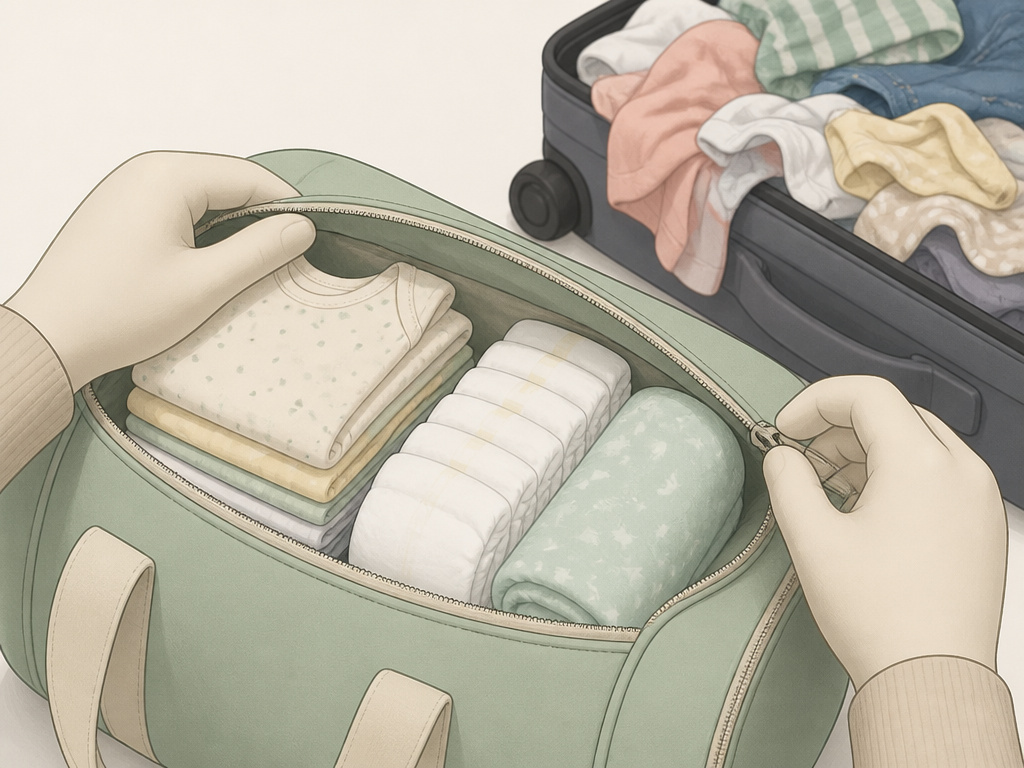
You have two packing strategies: one dedicated baby bag, or tossing everything into a shared suitcase with mom’s items. The winner is clear for anyone who has watched a partner dig through a chaotic duffel at 2 a.m.
| Separate Baby Bag | Shared Suitcase | The Verdict |
|---|---|---|
| Organization | Dedicated pocket for baby items only. | Everything mixed together. |
| Access | Partner can grab the whole bag without disturbing mom’s section. | Requires unpacking the entire suitcase. |
| Going Home | Baby items are already grouped for quick transfer to the diaper bag. | Requires repacking from a scattered pile. |
| Space | Takes up slightly more room in the car. | One bag to carry. |
The separate bag doesn’t have to be large. A small duffel or a dedicated compartment in a best labor and delivery bags backpack is enough. The point is segmentation. When the baby needs a new outfit, your partner opens one zipper, not five.
This Cleveland Clinic hospital bag checklist also implicitly recommends separation by listing mom and baby items in distinct categories. It’s a signal from the pros.
Special Considerations & Edge Cases
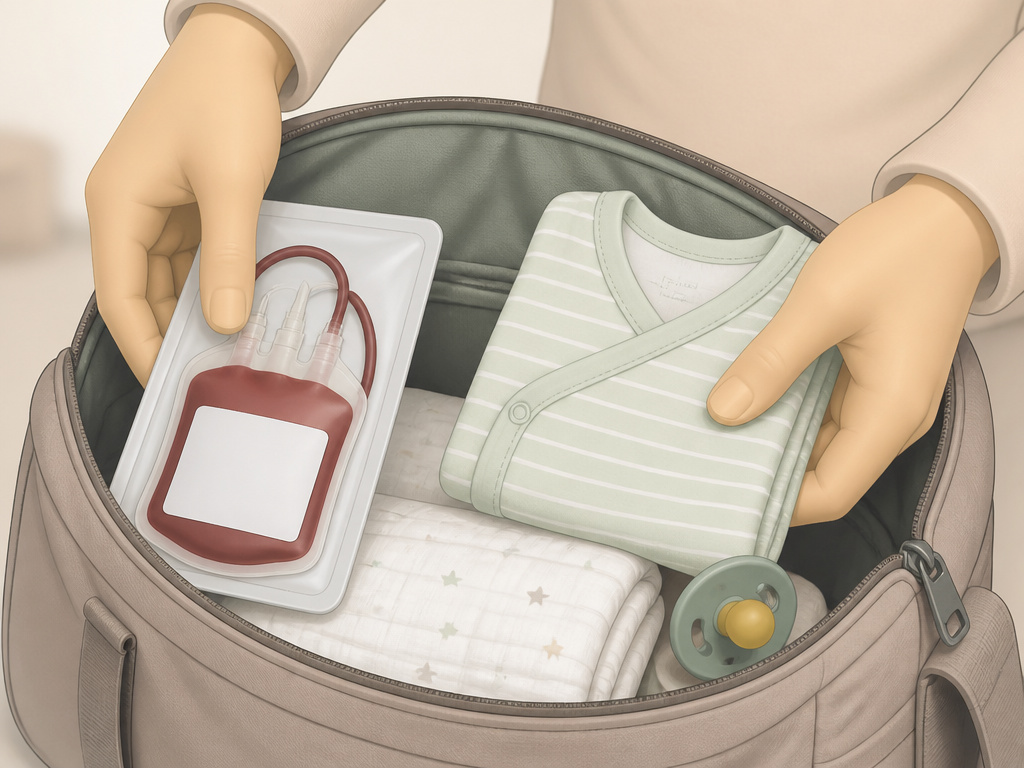
The standard list works for most. These scenarios require a tweak.
For Cord Blood Banking
If you’ve arranged for cord blood or tissue banking, you must bring the collection kit from the company. The hospital does not supply these. Give it to your nurse or midwife when you arrive, don’t leave it in the car.
For Larger Babies or Unknown Size
If you’re expecting a larger baby or having a c-section (which can involve more fluid retention), lean into the two-size outfit rule. Consider packing the 0-3 month size as your primary and a 3-6 month as the backup. Skip newborn size altogether.
For Weather Extremes
The blanket in your go-home kit adapts. For a winter discharge, bring a thick, warm blanket to place over the secured harness. For a summer trip, a lightweight muslin blanket or a car seat canopy for shade is better than a bulky layer. The rule remains: nothing bulky under the harness straps.
The Pacifier Policy Check
Ask your hospital or birthing center about their pacifier policy during your pre-admission tour. If they restrict them for breastfeeding moms, you can make an informed choice. If you want to use one, you’ll know to bring your own brand.
These aren’t complications. They’re variables. You adjust the checklist once and then stop thinking about it.
Frequently Asked Questions
Do I really need a separate bag for the baby?
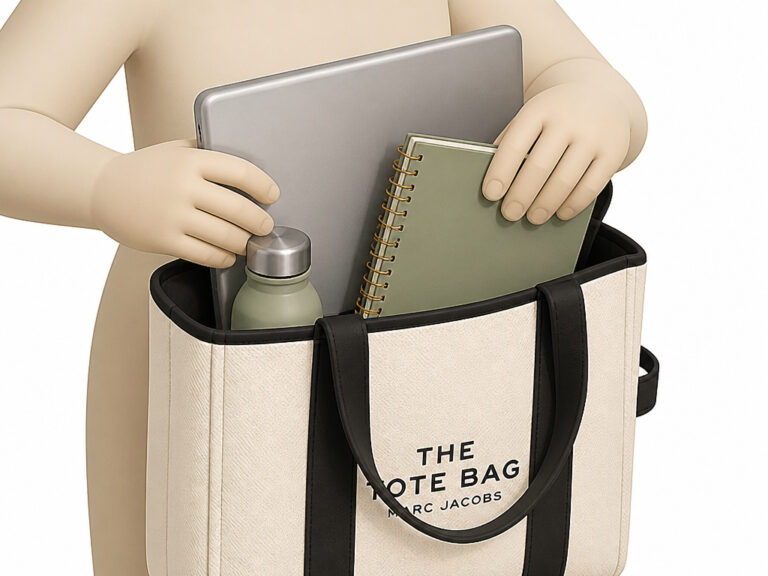
Yes, it’s worth it. A separate bag or a dedicated compartment keeps the baby’s few essentials instantly findable. Searching a shared suitcase for mittens while holding a newborn is a stress you can eliminate for the cost of a small tote bag.
How many outfits should I pack for the baby?
Pack two going-home outfits in different sizes (newborn and 0-3 month). Do not pack multiple outfits for the hospital stay. The baby will live in hospital-provided shirts and swaddles. The outfits are for the trip home and possibly photos.
What is the most forgotten item for the baby’s bag?
Mittens. Parents remember the outfit but forget that newborn nails are sharp and faces get scratched. The second most forgotten item is installing the car seat base ahead of time, which isn’t packed but is absolutely part of the preparation.
Can I use my own swaddles and blankets in the hospital?
You can, but you don’t need to. The hospital provides plenty of swaddling blankets. If you have a specific swaddle you love and want to practice with it under a nurse’s guidance, bring one. Otherwise, save it for home and use their free, laundry-service blankets.
What if my baby is in the NICU?
If your baby is admitted to the NICU, talk to the staff immediately about what you can bring. Often, you can provide pre-measured formula if needed, a special blanket for the isolette, and eventually, clothes for when they are stable. The initial packing list still applies for the day of discharge.
Before You Go
Pack the baby’s hospital bag around week 36 with five things: two sized outfits, a blanket, mittens, a pacifier, and a pre-installed car seat. Let the hospital’s cart cover the rest, the diapers, wipes, and swaddles are already on your bill.
The real work happens before you pack a single onesie. Install the car seat base. Get it inspected. That’s the task that gates your departure from the hospital parking lot. Everything else is just detail work for a ride that lasts twenty minutes but requires nine months of planning.