How Big Should a Carry-On Luggage Be? (The Real Answer)
This post contains affiliate links. As an Amazon Associate, we earn from qualifying purchases.
A standard carry-on bag should measure no more than 22 inches tall, 14 inches wide, and 9 inches deep, including wheels and handles. This 22″ x 14″ x 9″ size, or 45 total linear inches, is the most common limit for major U.S. airlines like Delta and American. However, you must always check your specific airline’s rules, as dimensions and weight limits vary dramatically, especially on budget and international carriers.
Most people grab a bag labeled “carry-on” and assume it’s fine. They forget to include the wheels and handle in their mental math. That extra two inches of a retracted handle is the difference between sliding your bag into the overhead bin and paying a $75 gate-check fee.
This guide cuts through the marketing. You’ll get the real measurements, learn how airlines actually enforce them, and discover the packing tricks that keep you under the radar.
Key Takeaways
- The common 22″ x 14″ x 9″ carry-on size is a guideline, not a guarantee. Your airline’s specific rules on their website are the only rule that matters.
- Always measure your bag’s full exterior, wheels, handles, and any bulging pockets included. This is how the airline’s sizer box measures it.
- Most major U.S. airlines (Delta, American, Southwest, United) have no weight limit for carry-ons, but many international and all budget U.S. carriers (Spirit, Frontier) do, typically 15-40 lbs.
- A personal item (like a backpack) must fit under the seat. Its typical max size is around 18″ x 14″ x 8″. If it doesn’t fit, it becomes your carry-on.
- Enforcement is inconsistent. A bag that’s slightly oversize might slide by at a quiet gate but will be flagged on a full flight where bin space is scarce.
The One Standard Size That Doesn’t Actually Exist
You’ll see 22 inches by 14 inches by 9 inches printed on a million luggage tags and store displays. For major U.S. carriers like Delta Air Lines and American Airlines, this is the safe bet. It translates to 45 linear inches, which is the FAA’s stated maximum for what fits in a typical overhead bin. But “typical” is the killer word.
This dimension is a courtesy, not a law. No federal agency mandates a universal carry-on size. The Transportation Security Administration explicitly says size restrictions are set by your airline, not by TSA security. That 22″x14″x9″ is simply the largest size that works on the most common aircraft in the U.S. fleet, like the Boeing 737 and Airbus A320.
The 22″ x 14″ x 9″ carry-on benchmark exists because it’s the largest rectangle that fits in the overhead bin of a Boeing 737-800 without blocking the latch. On smaller regional jets, even this is too big.
TL;DR: 22″x14″x9″ is your starting point, but your airline’s website is your finish line.
How to Measure Your Bag Like an Airline Agent
This is where trips get expensive. You measured the main compartment but forgot the wheels. The sizer box doesn’t care.
Get a retractable tape measure. Place your bag upright on the floor, wheels down, handle retracted. Measure from the floor to the very top of the handle casing, not the handle itself. That’s your height. For width, measure across the bag at its widest point, including any side pockets or compression straps that add bulk. Depth is front to back, again at the bulkiest spot.
If your airline uses linear inches, add those three numbers together. The total must not exceed their limit, usually 45. A bag measuring 23″ x 13″ x 9″ is 45 linear inches. It passes, even though it’s an inch taller than the “standard.”
Common mistake: Measuring the bag’s internal frame or main body only, the sizer box at the gate measures the entire external footprint, and wheels can add 1.5–2 inches to the height.
The test is the metal or plastic sizer at the gate. Your bag must fit inside without you forcing it. If you have to jam it in, it fails. A good bag will slide in with a gentle push and slide out easily. Practice this at home before you leave.
Airline Carry-On Size and Weight Limits (The Real Chart)
Forget one-size-fits-all. This table shows why checking your airline is non-negotiable. Weight limits are where international and budget carriers really tighten the screws.
| Airline | Carry-On Dimensions (inches) | Linear Inches | Weight Limit | Personal Item Size (inches) |
|---|---|---|---|---|
| Delta Air Lines | 22 x 14 x 9 | 45″ | None | 18 x 14 x 8 |
| American Airlines | 22 x 14 x 9 | 45″ | None | 18 x 14 x 8 |
| Southwest Airlines | 24 x 16 x 10 | 50″ | None | 18.5 x 13.5 x 8.5 |
| United Airlines | 22 x 14 x 9 | 45″ | None | 17 x 10 x 9 |
| Spirit Airlines | 22 x 18 x 10 | 50″ | 40 lbs | 18 x 14 x 8 |
| Frontier Airlines | 24 x 16 x 10 | 50″ | 35 lbs | 18 x 14 x 8 |
| JetBlue | 22 x 14 x 9 | 45″ | None | 17 x 13 x 8 |
| Alaska Airlines | 22 x 14 x 9 | 45″ | None | 17 x 13 x 8 |
Notice Southwest’s generosity? Their 50-linear-inch limit is an outlier. Spirit and Frontier also use 50 linear inches, but they pair it with strict weight limits and hefty fees for bringing a full-size carry-on without paying for it in advance. Their personal item size limits are strictly enforced at the gate with a sizer box; if your backpack doesn’t fit, you’re paying.
The “None” for weight is critical. It means you just have to be able to lift it into the bin yourself. But “None” only applies to the main cabin on domestic routes. Fly first class on an American Airlines transatlantic flight, and the limit might be 70 lbs. Fly basic economy on Delta internationally, and a 35 lb limit can appear. The Delta Air Lines carry-on policy page is where you confirm this, not a generic blog.
Why Your Personal Item is Your Secret Weapon
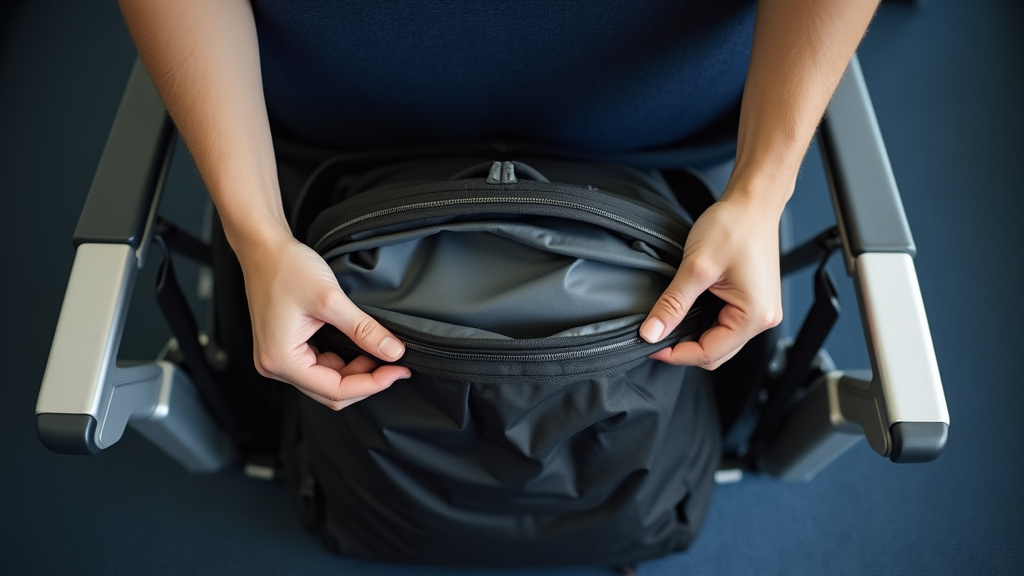
Your carry-on goes overhead. Your personal item lives under the seat in front of you. This isn’t just about storage location; it’s a legal distinction in the airline’s contract of carriage. Most airlines allow one of each.
A standard personal item measures roughly 18 inches by 14 inches by 8 inches. Think a laptop backpack, a large purse, or a small duffel. The TSA carry-on rules don’t govern this, but the airline’s gate agents absolutely do. If your backpack is stuffed and bulging, it may not fit under the seat. The agent can then declare it a carry-on, and if you already have a roller bag in the overhead, you’ll be forced to check one for a fee.
I learned this the hard way with a loaded photography backpack on a packed Delta flight. It fit under the seat, but only if I sacrificed all my footroom. The flight attendant made me put it overhead, which then meant my actual carry-on had to be valet-checked. Now I use a slim, structured bag that I know tucks away cleanly.
I keep a collapsible nylon duffel in my personal item. If I buy souvenirs or my carry-on is overweight, I transfer heavy items to the duffel. It still counts as my personal item, but it redistributes the weight so my main bag passes the scale.
TL;DR: Your personal item is a backup battery for your packing strategy. Use it wisely.
The Three Types of Carry-On Headaches (And How to Beat Them)
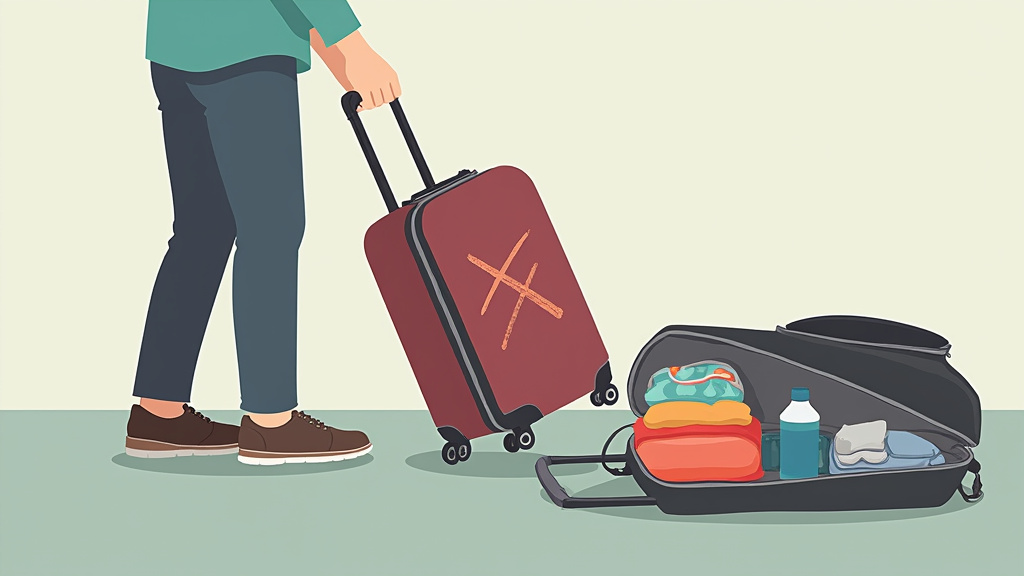
Your bag meets the specs on paper. Real-world travel introduces three wild cards: aircraft type, connecting flights on different airlines, and gate agent discretion.
1. The Small Plane Problem.
You’re booked on a mainline airline but your flight is operated by a regional partner on a Canadair CRJ-700 or Embraer E175. These jets have tiny overhead bins. A standard 22″ roller often won’t fit and will be gate-checked for free at the bottom of the jet bridge. You can’t avoid this, but you can prepare. Keep medications, a change of clothes, and essentials in your personal item, which you’ll keep with you.
2. The Multi-Airline Itinerary.
Flying Delta to New York, then JetBlue to Barbados? You must comply with the most restrictive rules of all airlines on your ticket. If JetBlue has a 35 lb weight limit for your route and Delta doesn’t, you’re subject to the 35 lb limit for the entire journey. Always check the rules for every airline, especially the final one.
3. The Gate Agent’s Bad Day.
Enforcement is not a science. On a half-empty flight, a slightly oversize bag might get a nod. On the last flight out, completely full, agents will measure every bag that looks questionable. This is when the strict baggage policies of budget carriers are invoked to generate revenue. Your only defense is being under the limit.
| Situation | Risk | Your Move |
|---|---|---|
| Full flight on a budget airline (Spirit/Frontier) | High. Bag sizers and scales will be used. | Pre-pay for your carry-on online. It’s cheaper than at the gate. |
| Connecting from a major to a regional jet | Certain. Your roller will be gate-checked. | Pack your personal item as your “survival kit” for the flight. |
| International flight on a U.S. carrier | Moderate-High. Weight limits often apply. | Weigh your bag at home with a portable luggage scale. |
Packing Strategies for Strict Weight Limits
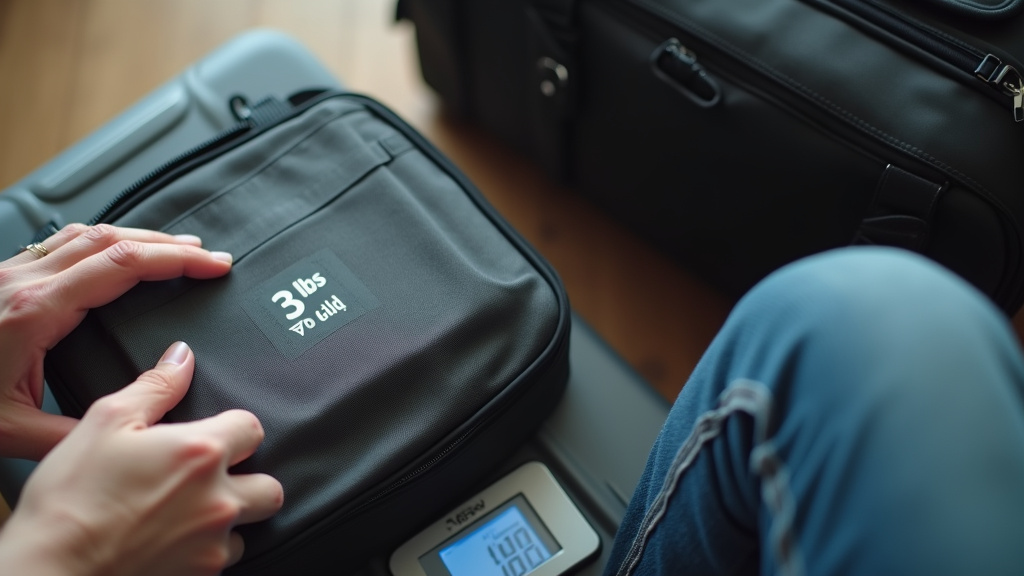
When you’re facing a 15 kg (33 lb) limit on an international carrier, every ounce counts. This is a different game from just fitting stuff in a box.
First, wear your heaviest items. Boots, jeans, and a jacket can easily add 5-7 lbs to your worn weight, not your bag weight. Second, choose your bag itself wisely. A lightweight nylon softside spinner might weigh 3 lbs empty. A hard-shell polycarbonate case can weigh 9 lbs. You start 6 lbs in the hole.
Common mistake: Packing full-size toiletries, a 12 oz bottle of shampoo weighs almost a pound. Switch to solid shampoo bars and decant liquids into 3 oz travel containers.
Use packing cubes to compress clothing and eliminate dead air. Roll clothes instead of folding; it saves space and can minimize wrinkles. Finally, know what you can buy at your destination. Do you really need to pack a full hair dryer or that giant guidebook?
TL;DR: For weight-restricted flights, your bag’s empty weight and your wearing strategy are as important as what you pack inside.
Frequently Asked Questions
What if my carry-on is one inch too big?
You are at the mercy of the gate agent and how full the flight is. If forced to check it, you will likely pay a gate-check fee, which is more expensive than checking a bag at the counter. It’s a gamble not worth taking.
Do I need to include the wheels when measuring my carry-on?
Yes. Always. The airline’s sizer box includes the space for wheels. Measure from the very bottom of the wheel to the top of the handle for the true height.
Can a backpack be a carry-on?
Absolutely. Any bag that fits the airline’s size limits can be your carry-on, whether it’s a suitcase, duffel, or backpack. Many travelers use a large backpack as carry-on luggage to save weight and have more mobility.
What’s the difference between a carry-on and a personal item?
carry-on is intended for the overhead bin and is subject to larger size limits. A personal item is smaller and must fit under the seat in front of you. You are generally allowed one of each. The exact personal item guidelines vary by airline.
Are carry-on size limits the same for international flights?
No, they are often stricter. Many international airlines impose weight limits (commonly 15-23 kg / 33-51 lbs) that U.S. domestic carriers do not. Always verify the rules for your specific international carrier.
How strictly do airlines enforce personal item size?
Budget airlines like Spirit and Frontier are very strict, using sizer boxes at the gate. Major carriers are more lenient unless the flight is full. A backpack that is obviously overstuffed and won’t fit under the seat will be flagged.
Before You Go
The right carry-on size isn’t found on a luggage tag. It’s found in the “Baggage” section of your airline’s website, the day before you fly. Measure your bag fully loaded, wheels and all. Understand that a personal item is a legal part of your luggage allowance, not an afterthought.
Pack for the most restrictive rule on your itinerary, not the most generous. And always, always have a plan B, like a foldable bag or a wear-it-on strategy, for when the gate agent points to the sizer box. That’s how you keep your luggage with you and your money in your wallet.
{
“@context”: “https://schema.org”,
“@type”: “HowTo”,
“name”: “How to Choose and Measure the Correct Carry-On Luggage Size”,
“totalTime”: “PT10M”,
“tool”: [
{
“@type”: “HowToTool”,
“name”: “Retractable tape measure”
},
{
“@type”: “HowToTool”,
“name”: “Luggage scale (for weight-check)”
}
],
“step”: [
{
“@type”: “HowToStep”,
“name”: “Identify your airline’s specific rules”,
“text”: “Check your airline’s website for exact carry-on dimensions and weight limits, noting differences between domestic and international flights.”
},
{
“@type”: “HowToStep”,
“name”: “Measure your bag’s total exterior”,
“text”: “Use a tape measure to find the height (bottom of wheels to top of handle), width, and depth. Include all wheels, handles, and protruding pockets.”
},
{
“@type”: “HowToStep”,
“name”: “Calculate linear inches if required”,
“text”: “Add the height, width, and depth measurements together. The total must not exceed your airline’s limit, often 45 linear inches.”
},
{
“@type”: “HowToStep”,
“name”: “Test fit in a sizer box”,
“text”: “Before your flight, ensure your bag fits easily into the airport sizer without forcing it. It should slide in and out with minimal pressure.”
},
{
“@type”: “HowToStep”,
“name”: “Verify weight with a scale”,
“text”: “Weigh your packed bag. If your airline has a weight limit (common internationally), ensure you are under it to avoid fees.”
}
]
}
{
“@context”: “https://schema.org”,
“@type”: “FAQPage”,
“mainEntity”: [
{
“@type”: “Question”,
“name”: “What if my carry-on is one inch too big?”,
“acceptedAnswer”: {
“@type”: “Answer”,
“text”: “You are at the mercy of the gate agent and how full the flight is. If forced to check it, you will likely pay a gate-check fee, which is more expensive than checking a bag at the counter. It’s a gamble not worth taking.”
}
},
{
“@type”: “Question”,
“name”: “Do I need to include the wheels when measuring my carry-on?”,
“acceptedAnswer”: {
“@type”: “Answer”,
“text”: “Yes. Always. The airline’s sizer box includes the space for wheels. Measure from the very bottom of the wheel to the top of the handle for the true height.”
}
},
{
“@type”: “Question”,
“name”: “Can a backpack be a carry-on?”,
“acceptedAnswer”: {
“@type”: “Answer”,
“text”: “Absolutely. Any bag that fits the airline’s size limits can be your carry-on, whether it’s a suitcase, duffel, or backpack. Many travelers use a large backpack as carry-on luggage to save weight and have more mobility.”
}
},
{
“@type”: “Question”,
“name”: “What’s the difference between a carry-on and a personal item?”,
“acceptedAnswer”: {
“@type”: “Answer”,
“text”: “carry-on is intended for the overhead bin and is subject to larger size limits. A personal item is smaller and must fit under the seat in front of you. You are generally allowed one of each. The exact personal item guidelines vary by airline.”
}
},
{
“@type”: “Question”,
“name”: “Are carry-on size limits the same for international flights?”,
“acceptedAnswer”: {
“@type”: “Answer”,
“text”: “No, they are often stricter. Many international airlines impose weight limits (commonly 15-23 kg / 33-51 lbs) that U.S. domestic carriers do not. Always verify the rules for your specific international carrier.”
}
},
{
“@type”: “Question”,
“name”: “How strictly do airlines enforce personal item size?”,
“acceptedAnswer”: {
“@type”: “Answer”,
“text”: “Budget airlines like Spirit and Frontier are very strict, using sizer boxes at the gate. Major carriers are more lenient unless the flight is full. A backpack that is obviously overstuffed and won’t fit under the seat will be flagged.”
}
}
]
}