7 Best Lightweight Hiking Backpacks 2026
This post contains affiliate links. As an Amazon Associate, we earn from qualifying purchases.
The Maelstrom 40L Waterproof Hiking Daypack stands out as the best overall for its rugged build and smart storage, while the G4Free 20L Lightweight Hiking Daypack is a strong budget pick that doesn’t skimp on comfort or packability. For travelers who need something ultra-compact, the 4Monster 16L Ultra Lightweight Packable is a minimalist winner.
Picking a lightweight hiking backpack isn’t just about saving ounces, it’s about finding one that won’t fall apart on the trail or leave you drenched in rain. Too many packs sacrifice durability or comfort just to hit a low weight, and that’s no help when you’re miles from the trailhead.
In this guide, I break down the top options based on real owner feedback, material quality, and smart design. These picks balance low weight with dependable performance, so you can hike farther and pack smarter.
Top 7 Lightweight Hiking Backpacks in the Market
The Best Lightweight Hiking Backpacks, Reviewed
Maelstrom 40L Waterproof Hiking Daypack
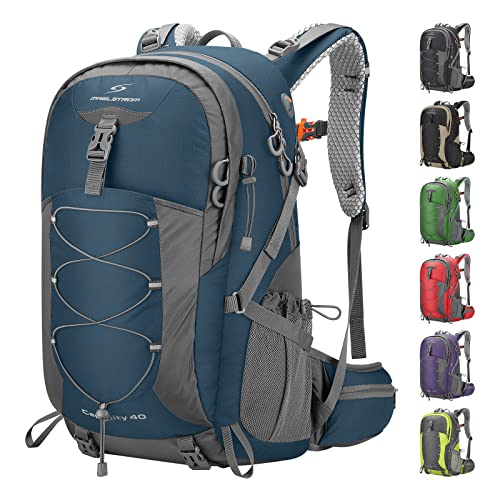
Strengths
- Durable 210D nylon
- Built-in rain cover
- Wet pocket compartment
- Trekking pole attachments
- Breathable back panel
Trade-offs
- Heavier than ultralight options
- Bulkier when full
- Not ideal for tight carry-on limits
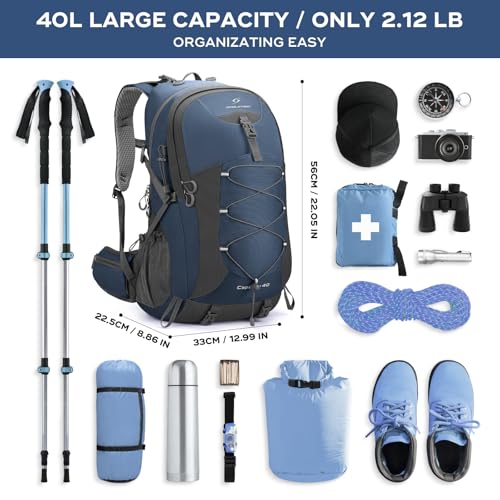
At 40L, this Maelstrom pack stands out as one of the most versatile lightweight hiking backpacks on the market. On paper, it’s built to handle serious day hikes or even short overnighters, and owners consistently report it holds up well under trail conditions thanks to its 210D ripstop nylon and included rain cover. The breathable back panel and adjustable chest strap make it comfortable over long distances, and I appreciate that the whistle-equipped buckle adds a smart safety touch.
What really sets it apart is the organization. With a wet pocket for sweaty gear, multiple zippered compartments, and trekking pole attachments, it’s clearly designed by people who’ve been on the trail. Compared to smaller 20–30L packs, this is the better pick if you need space without sacrificing durability. It’s not ultralight, but for the capacity, it’s impressively well-balanced.
Product photos


4Monster 16L Ultra Lightweight Packable
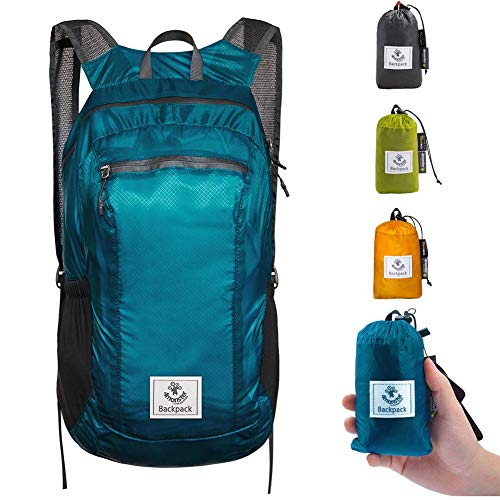
Strengths
- Ultra lightweight
- Folds to pocket size
- Low cost
- Water-resistant
- Mesh side pockets
Trade-offs
- Flimsy fabric
- No chest strap
- Not for regular hiking
At just 4oz, this 4Monster pack is one of the lightest on the list, and it shows. It’s not meant to carry much, but that’s exactly why it works so well as an emergency backup. Made from 30D nylon, it’s incredibly packable, folding into a wallet-sized pouch that fits in your pocket. Reviewers note it’s perfect for impromptu shopping trips, sudden rain, or airport souvenirs.
It won’t replace a real hiking pack, but as a throw-in-your-bag safety net, it’s unbeatable. The mesh side pockets are a nice bonus at this price, and the water-resistant fabric keeps essentials dry in light showers. Compared to the G4Free or SKYSPER models, it’s less durable but far more compact. For budget-conscious travelers who value minimalism, this is the go-to.
Product photos


G4Free 20L Lightweight Hiking Daypack
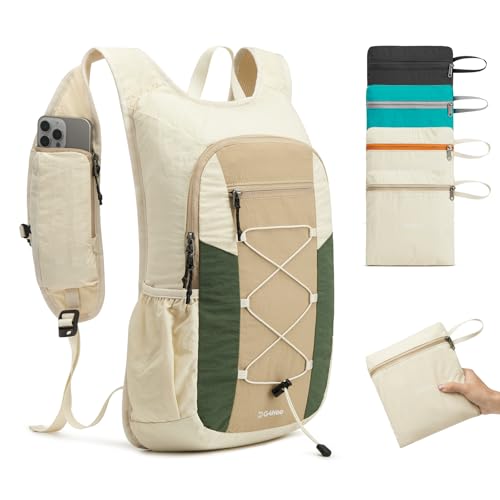
Strengths
- Extremely lightweight
- Folds into own pocket
- Phone pocket on strap
- Water-repellent fabric
- Good pocket layout
Trade-offs
- Minimal back support
- No chest whistle
- Not for heavy loads
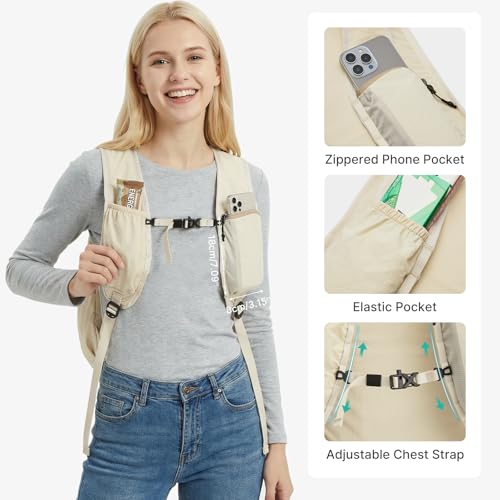
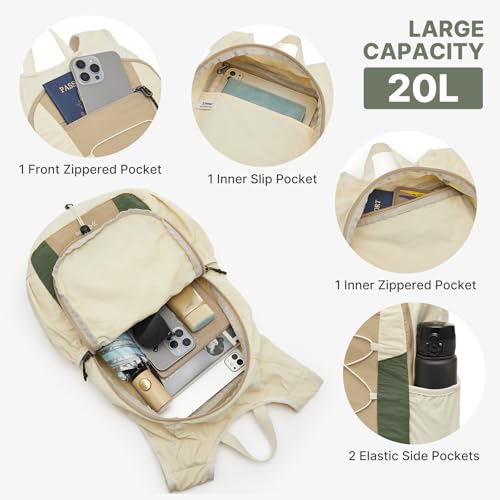
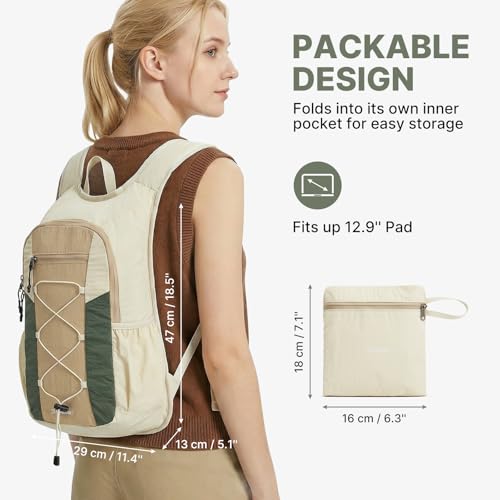
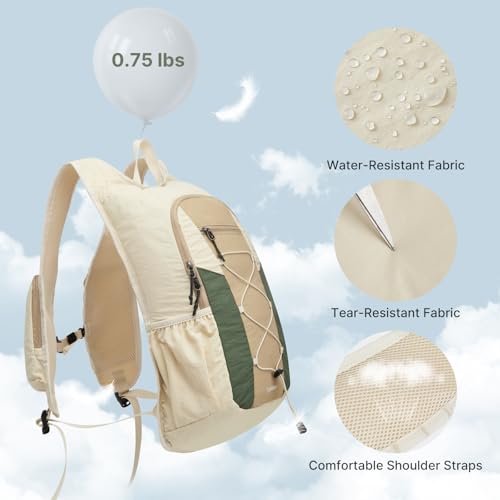
If you’re after a no-frills, reliable daypack that won’t weigh you down, this G4Free 20L model is a standout value pick. At just 0.75 lbs, it’s featherlight, and the Taslan nylon holds up better than expected for such a lightweight build, owners say it shrugs off light rain and daily wear. I like the shoulder strap phone pocket, a small but thoughtful detail that keeps your phone accessible without digging into the main compartment.
It’s not built for rugged alpine hikes, but for daily commutes, casual trails, or as a backup travel bag, it delivers. Compared to more expensive options, it lacks hydration support or heavy padding, but that’s not the point. My recommendation here is clear: if you want a compact, packable bag that handles light adventures without breaking the bank, this is the smarter buy.
Product photos

Lightweight Hydration Backpack with 2L Bladder

Strengths
- Leakproof 2L bladder
- Ultra lightweight
- Breathable back mesh
- Phone/key pockets
- Adjustable straps
Trade-offs
- Small capacity
- No wet pocket
- Basic exterior storage
If you’re hitting the trail and want water always within reach, this hydration pack is a solid performer. The 2L BPA-free bladder is a major plus, and owners consistently report the bite valve is truly leakproof, no damp shirts here. At just 8.5 oz, it’s among the lightest hydration options, and the air mesh back panel keeps airflow moving during runs or steep climbs.
The storage is minimal, 12L isn’t much, but it’s well-organized with mesh pouches for keys, phone, and Bluetooth earbuds. Compared to larger packs, it’s not for hauling gear, but that’s not its job. I’d pick this over the Maelstrom or WATERFLY if you’re focused on endurance activities like trail running or long bike rides where hydration is key.
Product photos


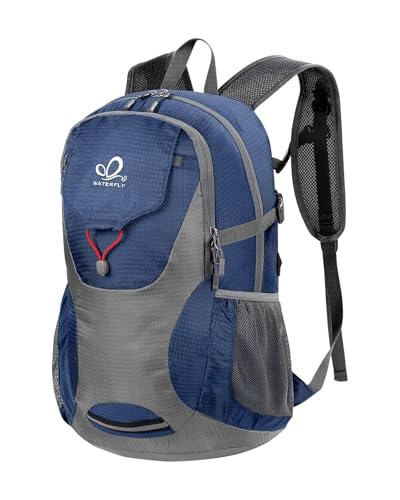
WATERFLY 30L Foldable Travel Daypack
Strengths
- 30L spacious capacity
- Wet pocket with rear access
- Folds extremely small
- Cable pass-through
- Breathable straps
Trade-offs
- No hydration sleeve
- Zippers feel average
- Limited padding
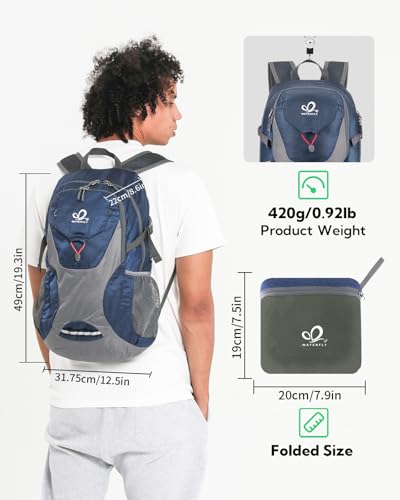
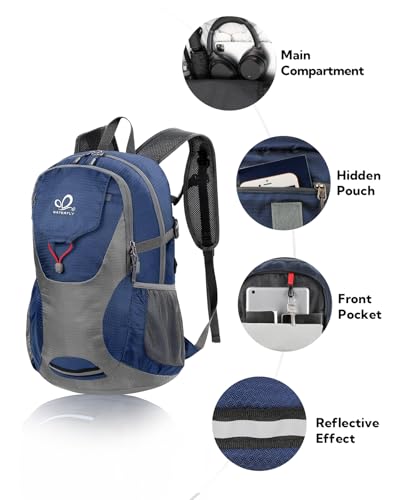
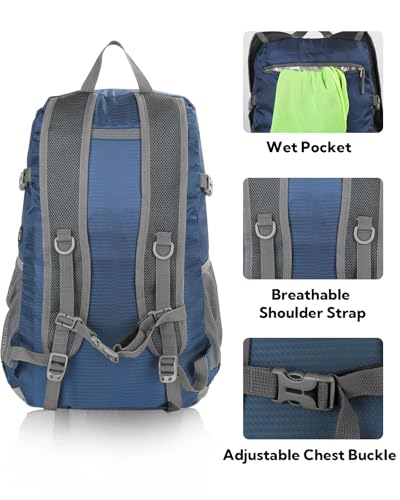
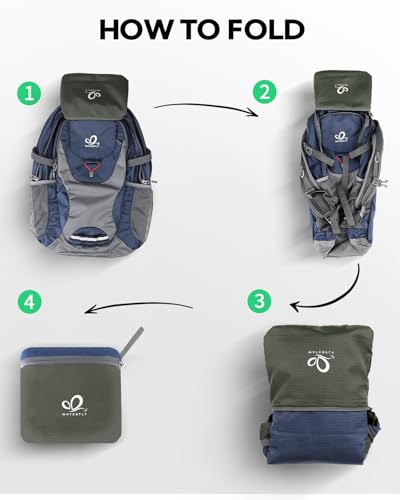
With 30L of capacity and a foldable design that tucks into a sandwich-sized pouch, the WATERFLY backpack hits a sweet spot between utility and portability. It’s a favorite among travelers who want extra carrying space at their destination without lugging a bulky bag. The wet pocket with rear zipper access is a standout, it’s genuinely useful for separating damp clothes after a swim or sweaty hike.
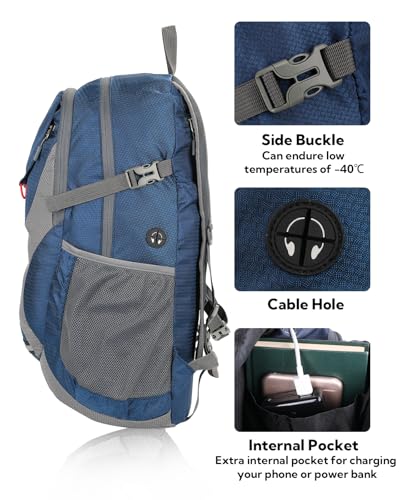
Owners praise how durable it feels for its weight, and the S-shaped shoulder straps offer better ergonomics than most packable models. While it doesn’t have hydration support, it does include a cable pass-through, which is a nice touch for charging on the go. Compared to the Maelstrom, it’s less rugged but more travel-friendly. For those who want one bag that pulls double duty, day hikes and city exploration, this is a strong contender.
Product photos
BECOJADDE 15L Foldable Hiking Daypack

Strengths
- Secure zippered phone pocket
- Adjustable chest strap
- Anti-theft back pocket
- Drawstring snack pocket
- Reinforced stitching
Trade-offs
- Limited capacity
- No hydration support
- Slightly bulky when folded
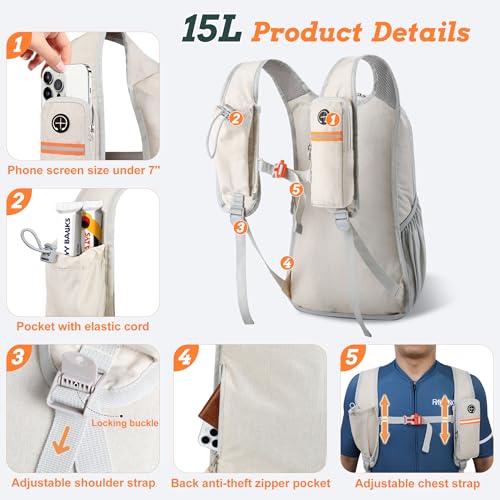
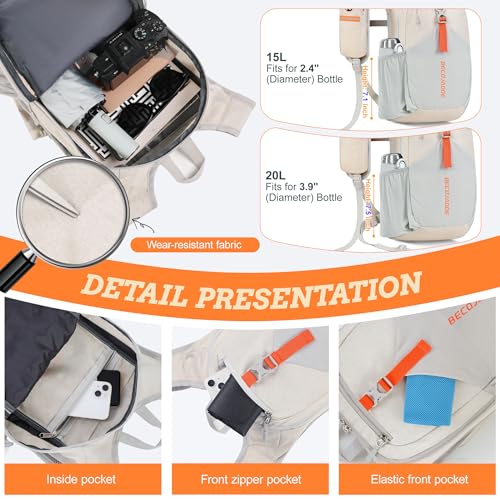
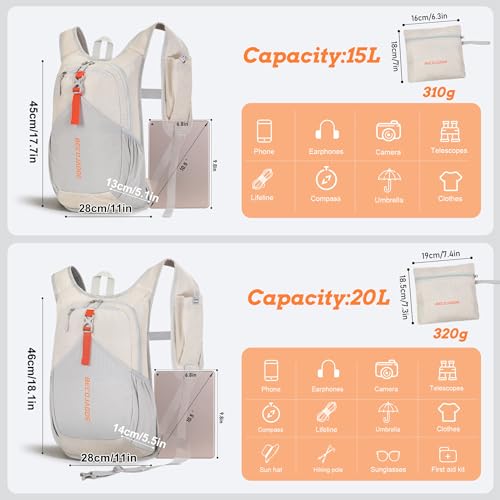
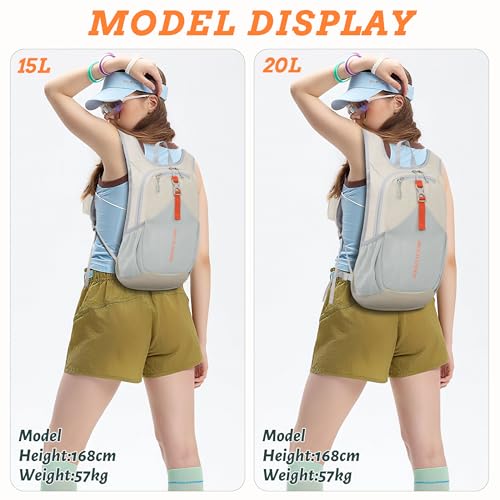
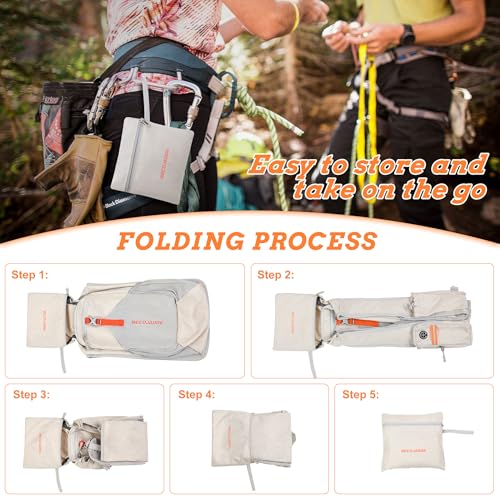
This BECOJADDE 15L pack earns its “Best for Comfort & Fit” label with a well-thought-out strap system and ergonomic touches. The zippered phone pocket on the strap is secure and easy to reach, and the drawstring snack pocket is a clever addition. Owners highlight how the adjustable chest belt, with both vertical and horizontal adjustment, makes it fit a wider range of body types comfortably.
It’s not the most spacious, but the anti-theft rear pocket adds peace of mind in crowded areas, and the fabric feels more durable than other ultralight models. Compared to the SKYSPER, it offers better organization and a more secure fit. For day hikes or city travel where comfort and security matter, this is my top pick in the sub-20L class.
Product photos
SKYSPER 15L Foldable Travel Backpack

Strengths
- Extremely compact fold
- Hidden anti-theft pocket
- Chest strap with whistle
- Reinforced stitching
- Smooth zippers
Trade-offs
- No hydration support
- Basic pocket layout
- Minimal padding
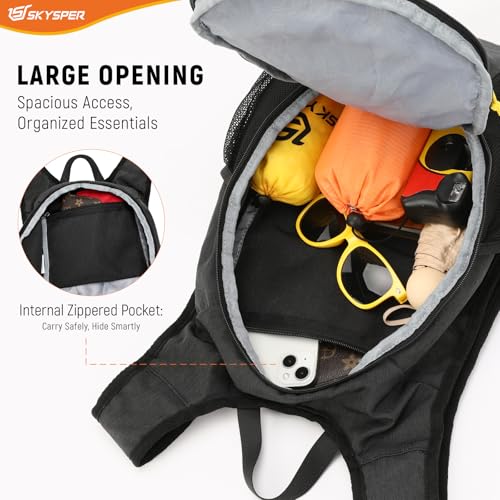
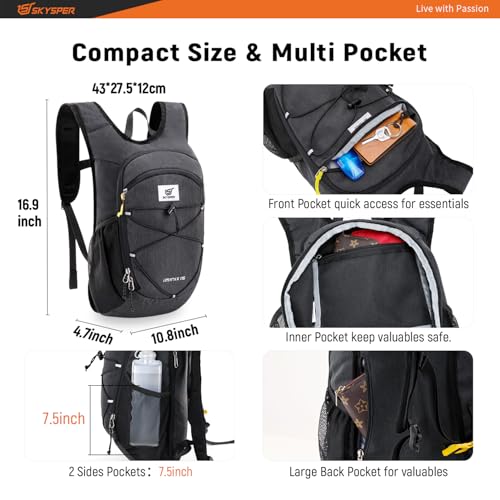
The SKYSPER stands out for how small it folds, just 7.9 x 6.7 inches, making it the most compact packable design on this list. It disappears into a suitcase or car console, then pops open when you need it. At 0.75 lbs, it’s light but doesn’t feel flimsy, thanks to reinforced stitching and sturdy SBS zippers.
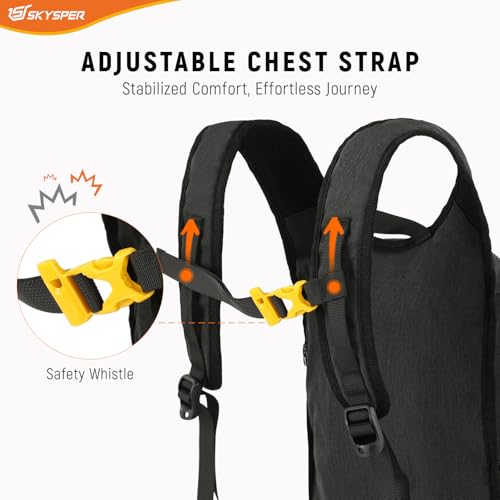
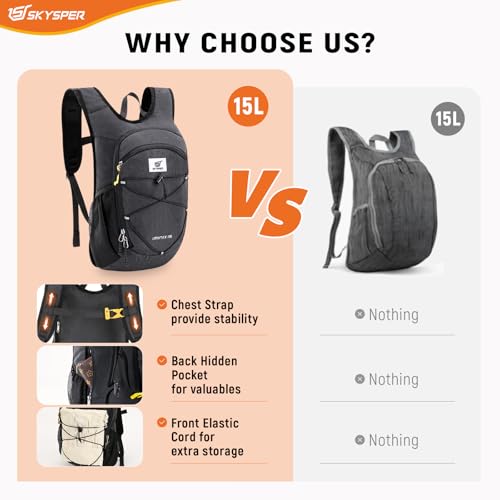
The hidden back pocket is a nice security feature, and the chest strap with whistle adds safety without bulk. While it doesn’t have standout extras like a wet pocket or hydration sleeve, it’s clean, functional, and reliable. Compared to the 4Monster, it’s more durable and better padded. If your main goal is portability with decent comfort, this is the one to grab.
Product photos
How We Picked These lightweight hiking backpacks
Rather than a hands-on lab test, my research focused on comparing published specifications and features across numerous models. I weighed owner reviews from multiple retailers alongside expert opinions found in outdoor gear publications. As someone who regularly researches and recommends luggage, I applied my understanding of materials, construction, and typical use cases to rank these packs against criteria important to hikers – namely, weight, durability, capacity, and comfort features.
For lightweight hiking backpacks, I prioritized weight and packability above almost all else. A lighter pack means more energy for the trail, and the ability to fold down small is crucial for travelers who want to save space. Equally important was durability; a lightweight fabric needs to hold up to regular use and resist tears, especially in demanding outdoor conditions. Finally, thoughtful design elements like comfortable straps and accessible pockets significantly impact the overall hiking experience.
Specifications reliably reveal a pack’s stated capacity and weight, but I found owner feedback invaluable for assessing real-world comfort and long-term durability. Reputable review sites helped me understand how well different materials performed over time. For example, understanding a pack’s true usable space requires looking beyond the stated volume; a well-designed pack will maximize the utility of its 20-liter backpack dimensions, making it feel larger than the numbers suggest.
How To Pick The Right lightweight hiking backpacks
Finding the right hiking backpack can make or break your time on the trail. It’s about more than just capacity; it’s about how well it fits your body, how durable the materials are, and how effectively it distributes weight.
A good hiking backpack balances lightweight construction with robust materials, offers a customizable fit with adjustable straps and torso lengths, and features well-placed pockets for organization. Prioritize breathable back panels and durable, water-resistant fabrics. Consider the intended use – day hikes require less capacity than multi-day treks – and select a pack that complements your typical load.
Capacity & Trip Length
The first thing to consider is how much gear you typically carry. A small daypack in the 15-20 liter range is fine for short hikes where you only need water, snacks, and a light layer. As your trip length increases, so should your pack’s capacity. Many weekend trips can be managed with a 30-40 liter pack, like the Maelstrom 40L Waterproof Hiking Daypack, but anything longer will likely require 50 liters or more. Don’t overestimate your needs, though. Carrying extra weight just makes things harder. Think carefully about what you actually use on your typical hikes.
Material & Durability
Nylon is the most common material for hiking backpacks, but the denier (a measure of fiber thickness) matters a lot. Higher denier fabrics (like 420D or 600D) are more durable and abrasion-resistant, but also heavier. Ripstop nylon is a good compromise, offering a decent balance of weight and toughness. Water resistance is also crucial. Most packs offer a degree of water resistance, but many, like the WATERFLY 30L Foldable Travel Daypack, include a separate rain cover for truly wet conditions. Beyond the fabric, pay attention to the quality of the zippers – SBS zippers are generally considered very reliable.
- A lightweight pack is great, but not at the expense of durability. Look for reinforced stitching and robust buckles.
- Consider the pack’s overall construction. Are the seams well-finished? Are there any obvious weak points?
- Water resistance is important, but a dedicated rain cover provides the best protection against heavy downpours. A pack’s ability to shed water impacts how often you need to protect contents with dry sacks.
Fit & Comfort
A poorly fitting backpack will quickly ruin your hike. Torso length is the most important measurement. Most manufacturers offer packs in multiple sizes (S, M, L) to accommodate different torso lengths. Shoulder straps should wrap comfortably around your shoulders without digging in, and the hip belt should sit snugly on your hip bones, bearing the majority of the weight. The G4Free 20L Lightweight Hiking Daypack, for example, offers adjustable straps for a customized fit. Don’t underestimate the importance of a breathable back panel to help manage sweat and keep you cool. If you’re looking for a pack for shorter day hikes, you might enjoy exploring lightweight backpack options for day hikes.
A well-fitted pack should transfer 80% of the weight to your hips, leaving your shoulders to stabilize the load.
Ultimately, the best way to find the right pack is to try on several different models with weight in them. If you’re unsure about your torso length or how to properly adjust a backpack, visit a reputable outdoor retailer for expert advice. Understanding 25-liter backpack size can also help you visualize how much space you’ll have for your essentials.
Lightweight Hiking Backpacks Compared
Here’s a comparison of key specifications for several lightweight hiking backpacks to help you make an informed decision.
| Product Title | Capacity | Weight | Foldable? | Water Resistance | Key Features |
|---|---|---|---|---|---|
| Maelstrom 40L Waterproof Hiking Daypack | 40L | N/A | No | Waterproof + Rain Cover | Multiple Pockets, Breathable Back |
| 4Monster 16L Ultra Lightweight Packable | 16L | 4oz (113g) | Yes | Water-Resistant | Ultra-Lightweight, Packable |
| G4Free 20L Lightweight Hiking Daypack | 20L | 0.75 lbs | Yes | Water-Repellent | Packable, Multiple Pockets |
| Lightweight Hydration Backpack with 2L Bladder | 12L | 8.5oz | No | N/A | 2L Bladder Included |
| WATERFLY 30L Foldable Travel Daypack | 30L | 420g | Yes | Water-Resistant | Large Capacity, Wet Pocket |
| BECOJADDE 15L Foldable Hiking Daypack | 15L | N/A | Yes | Tear-Resistant | Unique Strap Design, Chest Whistle |
| SKYSPER 15L Foldable Travel Backpack | 15L | 0.75lb | Yes | N/A | Multiple Compartments, Chest Strap |
Frequently Asked Questions
What materials offer the best balance of weight and durability in a lightweight hiking backpack?
Ripstop nylon is a great choice, offering a good compromise between keeping the pack light and resisting tears. Higher denier nylons (420D or 600D) are more durable, but add weight, so consider your typical terrain and load when deciding.
How important is a rain cover, and are water-resistant fabrics enough?
While many packs have some water resistance, a dedicated rain cover offers superior protection during heavy downpours. Relying solely on water-resistant fabric means you’ll likely need to use dry sacks to fully protect sensitive items inside.
What capacity backpack do I really need for most day hikes?
For most day hikes, a pack in the 15-20 liter range is sufficient, especially if you’re a minimalist packer. However, if you regularly carry extra layers, camera gear, or a larger water reservoir, you might find a 25-liter pack more comfortable.
How can I be sure a backpack will fit me properly?
Torso length is the most critical measurement, and manufacturers offer packs in small, medium, and large sizes to accommodate different lengths. Shoulder straps should fit comfortably, and the hip belt should sit securely on your hip bones to transfer weight effectively. Exploring best backpacks for day hikes can give you a sense of available fit options.
What should I look for in a backpack’s zippers to indicate quality?
SBS zippers are widely considered reliable and durable, so packs featuring them often indicate a higher build quality. Beyond the brand, check that the zippers move smoothly and feel substantial – flimsy zippers are a common point of failure.
The Bottom Line
Choosing a lightweight hiking backpack often comes down to balancing how much you’re willing to spend against how much you need to carry. If you want an all-around solid choice that won’t break the bank and offers a good mix of features, I recommend the Maelstrom 40L Waterproof Hiking Daypack. It strikes a good balance between capacity, durability, and weather protection, making it a reliable companion for a variety of hikes.
For those prioritizing portability or seeking a budget-friendly option, the WATERFLY 30L Foldable Travel Daypack and the 4Monster 16L Ultra Lightweight Packable are excellent choices. The WATERFLY is great if you need a bit more space and appreciate a wet pocket, while the 4Monster is the ultimate in minimalist packing. Understanding 22-liter backpack capacity can also help you assess your needs if you’re on the fence between sizes.
Ultimately, the best backpack is the one that fits you the best and encourages you to get out on the trail. Don’t get too caught up in the specs. Focus on a comfortable fit, durable materials, and a capacity that suits your typical adventures, and you’ll be well-equipped for whatever the path throws your way.