7 Best Day Hiking Backpacks 2026
This post contains affiliate links. As an Amazon Associate, we earn from qualifying purchases.
The Osprey Hikelite 18L stands out as the best overall day hiking backpack for its breathable suspension and weather-ready build, while the FIORETTO 15L Hiking Backpack is a smart budget-friendly pick with thoughtful organization. If you need hydration built in, the Teton Oasis Hydration Backpack delivers solid value.
As a frequent traveler and parent who’s navigated trails with too much gear and not enough pockets, I know how frustrating a poorly designed pack can be. A day hiking backpack should carry essentials comfortably for miles, not dig into your shoulders or fall apart in the rain.
In this guide, I compared top models based on real owner feedback, durability specs, and functional features like fit, storage layout, and weather resistance. These picks reflect what actually works on the trail, not just what looks good on paper.
Top 7 Day Hiking Backpacks in the Market
The Best Day Hiking Backpacks, Reviewed
Osprey Hikelite 18L Hiking Backpack
Strengths
- Superior AirSpeed suspension
- Raincover included
- Hydration sleeve + trekking loops
Trade-offs
- Higher price point
- Slightly heavier than Daylite
- Front pocket small
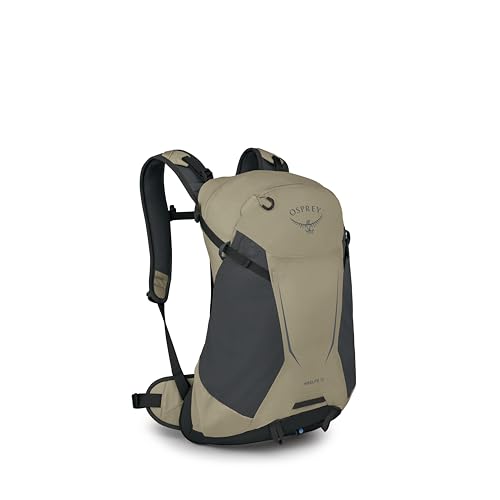
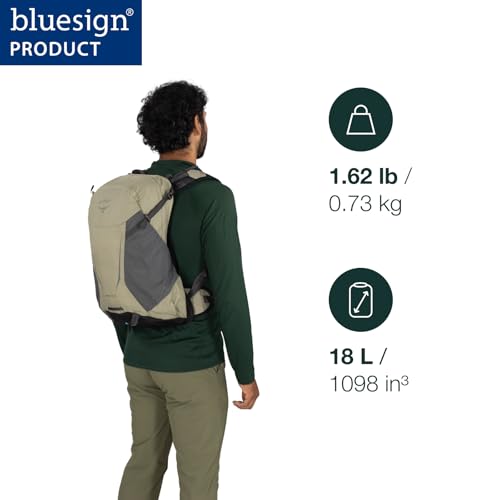
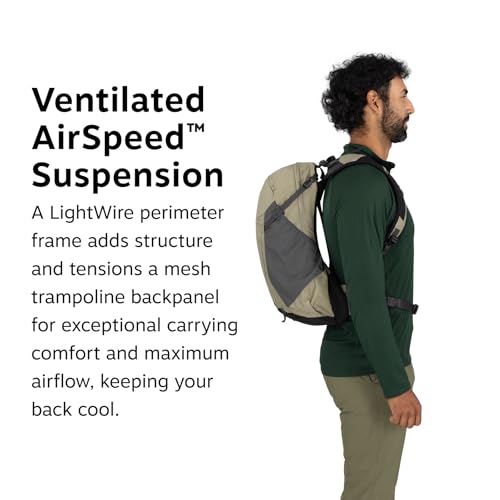
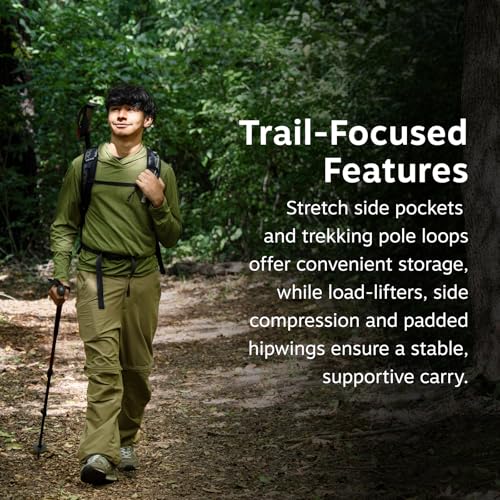
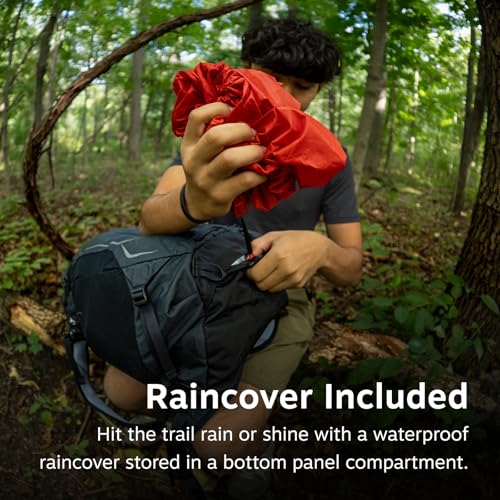
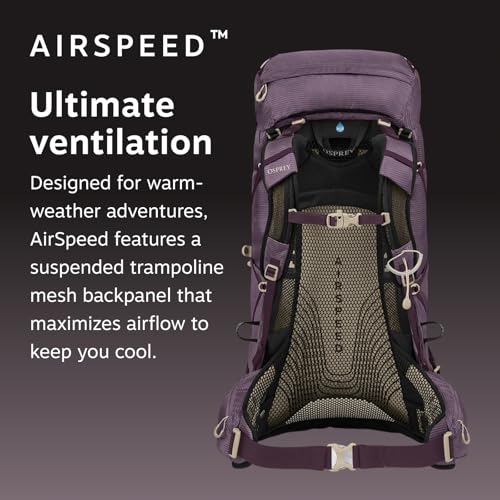
The Osprey Hikelite 18L is, without question, the best overall daypack here. It strikes a rare balance: technical enough for serious hikes, light enough for travel, and smartly designed for daily use. The AirSpeed suspension is a standout, it keeps airflow high and weight off the shoulders, a detail owners rave about after full-day treks.
You get a hydration sleeve, trekking pole loops, stretch side pockets, and a raincover stored in its own compartment. The zippers are weather-guarded, and the fit adjusts well across body types. Compared to the Teton Oasis, it’s more breathable and better organized. Against the Maelstrom, it’s lighter and more refined. This is the one pack I’d recommend to most travelers and hikers unless they have a very specific need.
Product photos
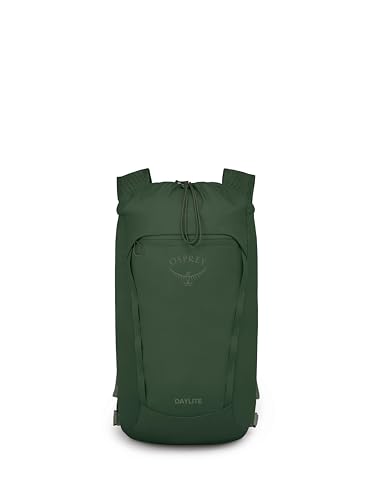
Osprey Daylite Cinch Backpack
Strengths
- Extremely lightweight
- Luggage pass-thru handle
- Simple, durable design
Trade-offs
- No raincover
- No hydration sleeve
- Minimal organization
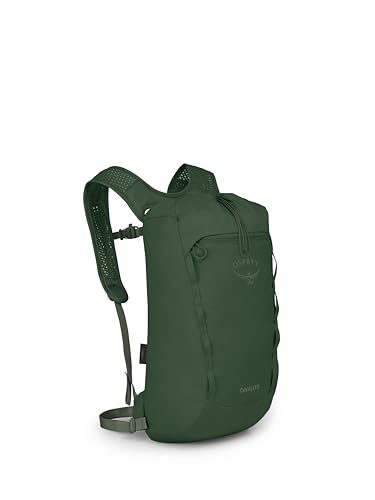
At just 0.75 pounds, the Osprey Daylite Cinch is one of the best lightweight daypacks I’ve seen under 20L. The top-loading cinch design keeps it simple and fast to access, which reviewers love for festivals or quick trailhead stops. It lacks a full front panel, but the slash pocket is deep enough for a phone, keys, and snacks, just don’t expect serious organization.
What stands out is the harness grab handle doubling as a luggage pass-through. That small touch makes it a smarter choice for travelers than most in this category. It doesn’t have a raincover or hydration sleeve, which keeps weight down but limits trail versatility. Compared to the Hikelite, it’s less technical, but if you want a grab-and-go pack for low-demand days, this is a clean, reliable option.
Product photos


Teton Oasis Hydration Backpack
Strengths
- Includes 2L hydration bladder
- Sewn-in rain cover
- Cooling insulated sleeve
Trade-offs
- Shallow main compartment
- Basic organization
- Straps less adjustable
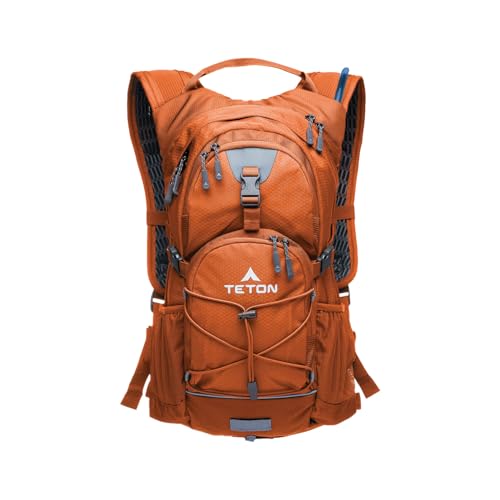
If staying hydrated is your top priority, the Teton Oasis is the clear winner. It comes with a 2L bladder, rare in this category, and the insulated sleeve keeps water cool, which owners consistently highlight on hot trails. The best for hydration label is well earned. The sewn-in rain cover is another standout, eliminating the fear of losing it mid-trip.
The fit is athletic and low-profile, with breathable shoulder straps that handle sweat well. However, the storage layout is less intuitive than Osprey’s: the main compartment is shallow, and organization relies heavily on external pockets. Compared to the Hikelite, it’s less refined in suspension but more functional for runners and bikers. I’d recommend this over the Osprey Daylite for anyone doing cardio-heavy activities.
Product photos


Maelstrom 40L Waterproof Hiking Daypack
Strengths
- 40L high capacity
- Waterproof fabric + rain cover
- Wet/dry compartment
Trade-offs
- Bulky for short hikes
- Fit less refined than Osprey
- Heavier than competitors
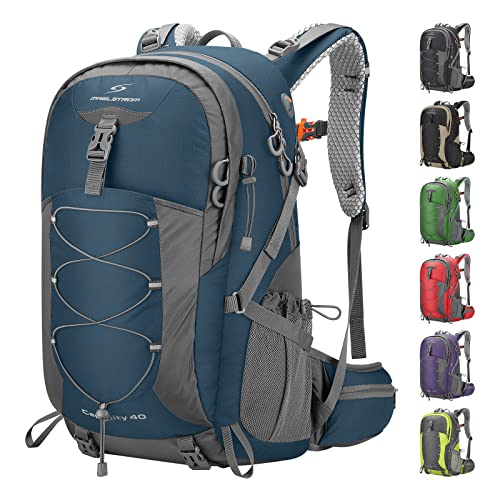
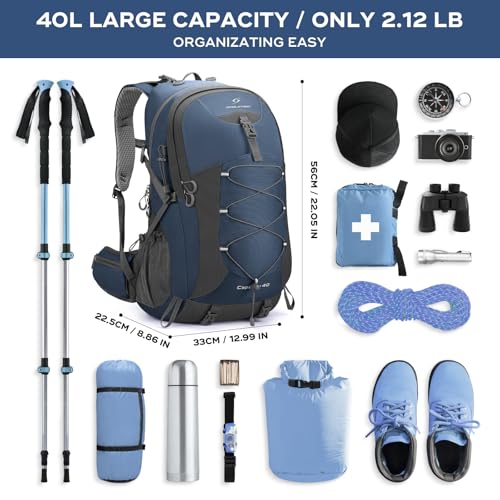
With a 40L volume, the Maelstrom pack is built for long hikes, weekend trips, or travelers who refuse to pack light. It’s clearly aimed at those who need space without sacrificing weather resistance, owners praise the included rain cover and the fact that the pack stays dry even in sustained downpours. The best for extended day trips label fits: this isn’t a commuter pack, but a true outdoor workhorse.
The ventilation is solid thanks to the thick padded back panel, and the multiple zippered pockets, including a waterproof wet compartment, are a win for organization. But the sheer size makes it overkill for casual use. Compared to Osprey’s Hikelite, it’s heavier and less refined in fit, but it offers more storage and better water protection at a lower price. A smart buy if you need volume and durability above all.
Product photos


SKYSPER 15L Foldable Hiking Backpack

Strengths
- Very affordable
- Ultra-lightweight
- Folds into tiny size
Trade-offs
- No hydration support
- Basic ventilation
- Less durable fabric
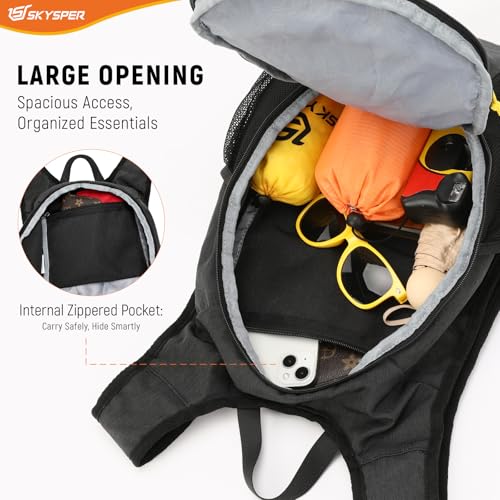
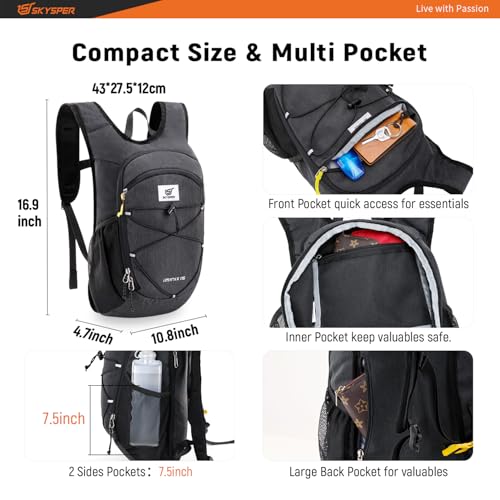
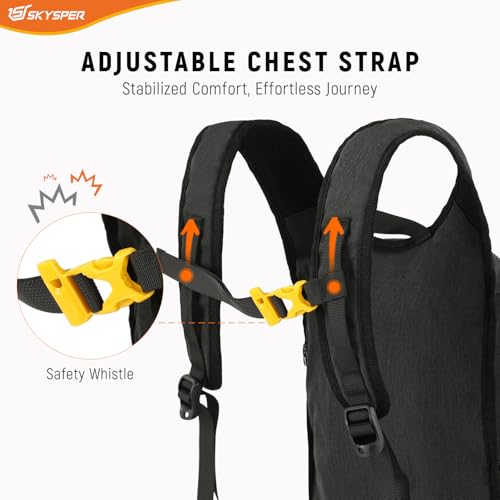
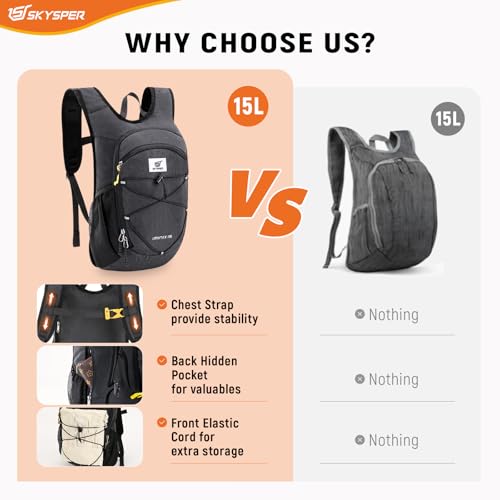
The SKYSPER 15L is the best budget friendly option here, and it shows where corners were cut, and where they weren’t. At under a pound, it’s impressively light, and the foldable design is genuinely compact. Owners say it survives daily commutes and short hikes without issue, and the chest strap with whistle adds real utility for the price.
The polyester fabric is abrasion-resistant but not as tough as nylon used in pricier models. There’s no hydration sleeve, and the back panel padding is minimal, fine for short trips, but not ideal for 8-hour hikes. Still, for travelers needing a backup pack or a no-frills day bag, it delivers solid value. I’d choose this over the FIORETTO only if price was the deciding factor.
Product photos
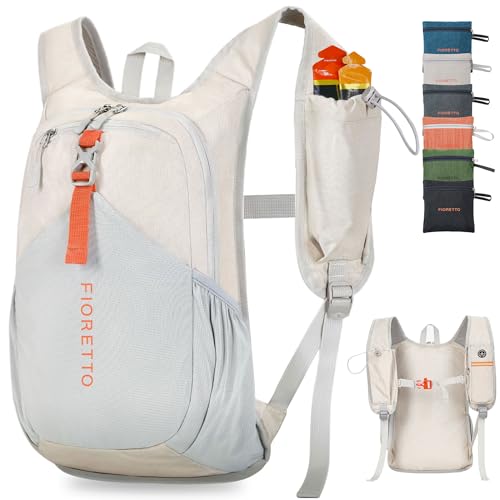
FIORETTO 15L Hiking Backpack
Strengths
- Excellent organization
- Foldable lightweight design
- Multiple secure pockets
Trade-offs
- Limited main compartment
- No hydration sleeve
- Tight for full-day hikes
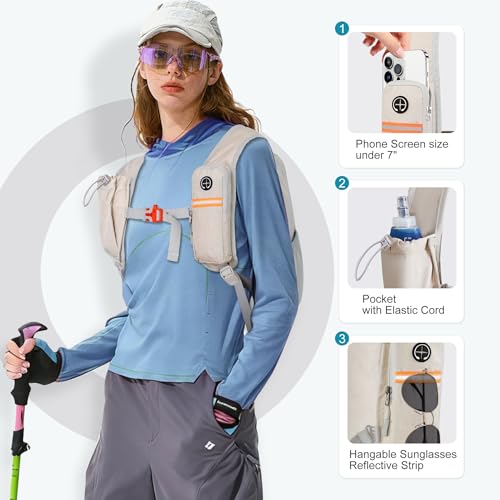
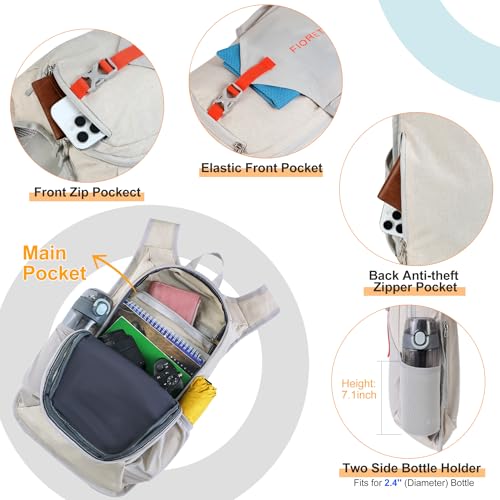
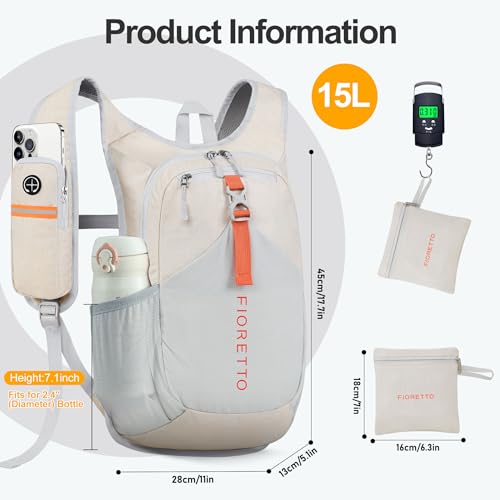
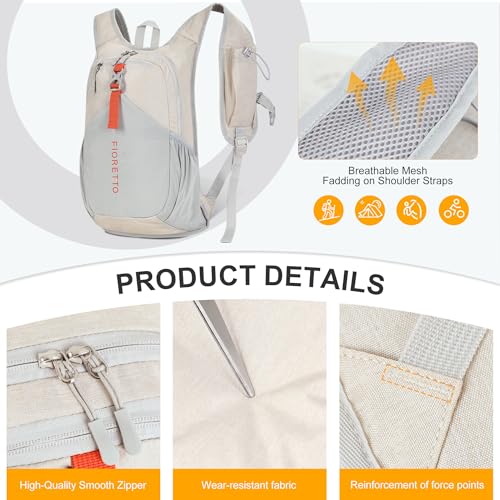
This 15L FIORETTO pack hits a sweet spot for travelers and minimalist hikers who want organization without bulk. On paper, the triple main compartments, hidden anti-theft pocket, and stretchy side pouches make it one of the best organized storage options in its class. Owners consistently report that the shoulder pockets are actually usable, fitting larger phones and keeping small items secure during movement, which is rare at this price.
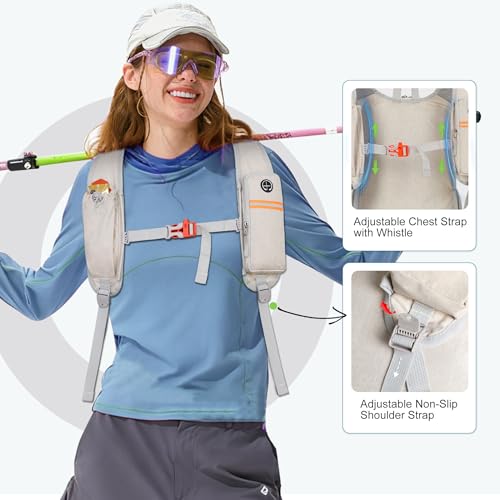
The fabric feels light but not flimsy, and the reflective strips plus chest strap whistle add real safety value. Where it stumbles slightly is capacity, 15L is tight for anything beyond a short hike or city walk. If you’re packing layers, food, or a hydration bladder, you’ll feel the squeeze. Still, as a foldable secondary pack or daily commuter, it’s impressively thought through.
Product photos
Seektop 20L Foldable Waterproof Backpack

Strengths
- True waterproof construction
- Folds extremely small
- Reflective safety details
Trade-offs
- No hydration sleeve
- Less back padding
- Zippers can feel stiff
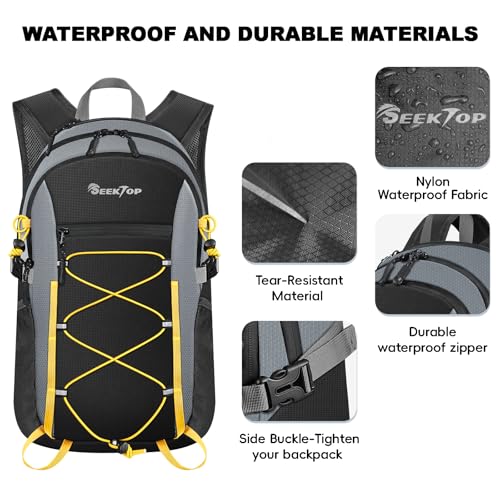
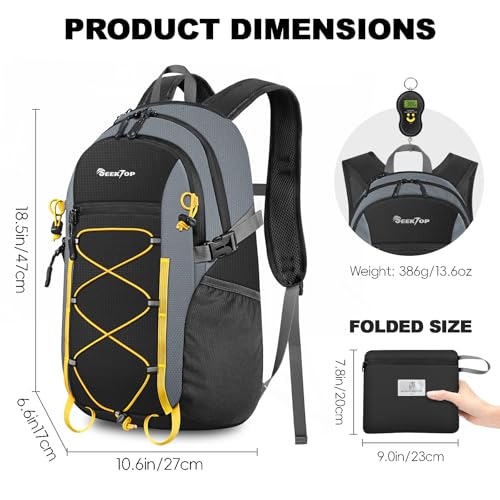
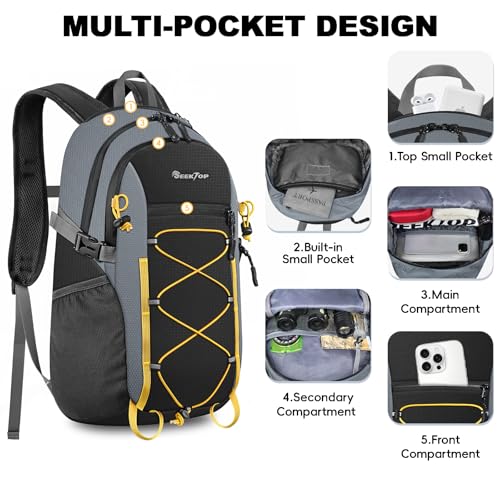
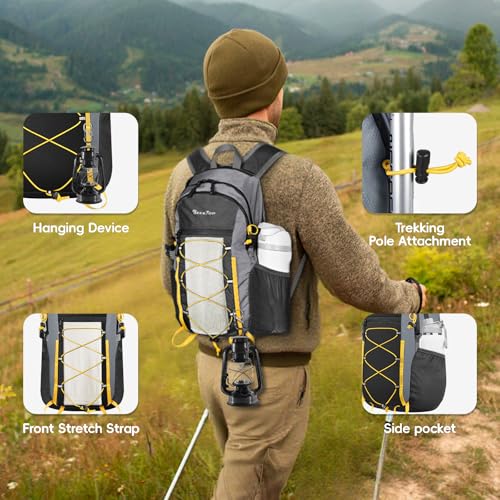
The Seektop 20L stands out for its best weather protection, thanks to high-density nylon and fully waterproof zippers, a combo rarely seen at this price. Owners note it held up in heavy rain without leaks, and the reinforced stress points suggest it can handle rough use. The foldable design is a bonus: it collapses to less than 8 inches, making it a great emergency pack in a suitcase or car.
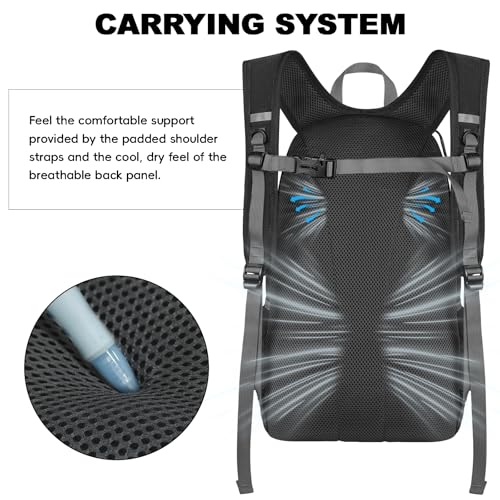
Ventilation is decent, and the chest strap is removable, which adds flexibility. But the shoulder padding is thinner than on Osprey or Teton models, so long hikes may start to chafe. It lacks a hydration sleeve, which is a surprise given its outdoor focus. Still, as a weather-ready, packable option for unpredictable climates, it’s hard to beat. I’d pick this over the FIORETTO if rain is a regular concern.
Product photos
How We Evaluated day hiking backpacks
Rather than a hands-on lab test, my research for these recommendations focused on a detailed comparison of published specifications and features across numerous models. I then weighed owner reviews from major retailers alongside expert opinions from established outdoor gear review sites. Finally, I applied my experience with luggage and travel needs to rank these backpacks against key criteria for day hiking – comfort, capacity, durability, and features.
For day hiking backpacks, I prioritized storage capacity combined with a comfortable carry system and weather resistance. A well-fitting suspension system is critical for longer hikes, preventing strain and maximizing comfort. Equally important is a practical layout with accessible pockets and the ability to securely carry essentials like water and layers. Understanding the 20-liter backpack dimensions is also key to choosing a pack that fits your needs.
Specifications reliably indicate capacity, weight, and materials used, giving a baseline for comparison. However, I placed greater weight on owner feedback regarding real-world comfort, durability over time, and how well the pack handles a full load. Reputational factors – a brand’s history of quality and customer service – also played a significant role in my assessments.
How To Choose The day hiking backpacks
Picking the right day hiking backpack can make or break your experience on the trail. It’s not just about capacity; it’s about finding a pack that comfortably carries everything you need without feeling bulky or throwing off your balance.
A quality day hiking backpack balances load support, accessibility, and weather resistance. Crucially, it should fit your torso length, offer sufficient organization for essentials like water, snacks, and layers, and be constructed from durable materials that can withstand typical trail wear and tear. Look for adjustable features to fine-tune the fit and consider integrated rain covers for unpredictable conditions.
Torso Length & Fit
Don’t assume a small pack fits all bodies. Day hiking backpacks come in different sizes (often S, M, L) corresponding to torso length – the distance from your C7 vertebra to the iliac crest. A poorly fitting pack will shift weight improperly, leading to fatigue and discomfort. Many brands, like Osprey, provide sizing guides based on your torso measurement, and a properly adjusted hipbelt is essential for transferring the majority of the weight to your hips, not your shoulders.
Hydration Capacity & Access
Staying hydrated is paramount when hiking. While many packs can accommodate a hydration reservoir (a bladder), the quality of the reservoir sleeve and hose routing varies. Look for sleeves that securely hold the bladder against your back to minimize sloshing, and ensure the hose port is easily accessible. The Teton Oasis Hydration Backpack, for example, boasts a 2L water bladder and a leakproof design, a significant benefit for longer outings. If you prefer bottles, confirm the pack has easily reachable external mesh pockets.
Here’s what to consider when evaluating hydration features: * A simple sleeve (basic, but functional). * A dedicated, insulated bladder compartment (keeps water cooler). * A robust suspension system to keep the bladder snug against your back, minimizing bouncing and ensuring a comfortable carry, especially when tackling challenging terrain.
Organization & Features vs. Weight
More pockets and attachment points aren’t always better. A streamlined design prevents snagging on branches, but sufficient organization is still vital. Consider what you always carry – rain gear, first-aid, snacks, a headlamp – and choose a pack with dedicated compartments for those items. The FIORETTO 15L Hiking Backpack excels here, offering a range of smart storage options. However, adding features increases weight, so balance functionality with a pack’s overall heft. If you’re often tackling shorter trails or prioritize a minimal approach, a lightweight option like the Osprey Daylite Cinch might be a better fit. If you’re looking for a compact backpacks for short hikes, you’ll want to prioritize weight savings.
A good rule of thumb is to keep your pack weight below 20% of your body weight to minimize strain.
Day Hiking Backpacks Compared
Here’s a comparison of key specifications for popular day hiking backpacks to help you make an informed decision.
| Product Title | Capacity (L) | Weight (lb) | Waterproof | Hydration Compatible | Special Features |
|---|---|---|---|---|---|
| Osprey Hikelite 18L | 18 | 1.62 | Yes | Yes | AirSpeed Suspension, Raincover |
| Osprey Daylite Cinch | N/A | 0.75 | N/A | Yes | Foldable, Daisy Chain Loops |
| Teton Oasis Hydration | 18/22 | N/A | Yes | Yes | 2L Bladder Included |
| Maelstrom 40L Waterproof | 40 | N/A | Yes | N/A | Multiple Compartments, Whistle |
| SKYSPER 15L Foldable | 15 | 0.75 | N/A | N/A | Foldable, Chest Strap |
| FIORETTO 15L | 15 | 10.95oz | N/A | N/A | Shoulder Pockets, Reflective |
| Seektop 20L Foldable Waterproof | 20 | N/A | Yes | N/A | Foldable, Trekking Pole Loops |
Frequently Asked Questions
What backpack capacity is best for a typical day hike?
Generally, a 20-30 liter backpack is ideal for day hiking. This size provides enough room for essentials like water, snacks, extra layers, and a first-aid kit without being overly bulky or heavy for a shorter trek.
Are waterproof backpacks truly waterproof, or just water-resistant?
Many backpacks advertised as “waterproof” are actually water-resistant. True waterproof packs use fully sealed seams and waterproof materials, but often come at a higher price point. A separate rain cover is a reliable way to protect your gear, regardless.
How important is the hip belt on a daypack?
The hip belt is very important, even on smaller daypacks. A properly fitted hip belt transfers up to 80% of the pack’s weight from your shoulders to your hips, significantly improving comfort and reducing strain during longer hikes.
Do I really need a hydration reservoir, or are water bottles sufficient?
Water bottles are perfectly acceptable, though a hydration reservoir offers hands-free hydration. If you prefer bottles, ensure the pack has easily accessible external pockets designed to securely hold them.
What should I look for in a daypack specifically designed for women?
Women’s hiking daypacks often feature shorter torso lengths, narrower shoulder straps, and a contoured hip belt to better accommodate the female anatomy. These adjustments improve comfort and weight distribution, especially for those with a smaller frame.
The Bottom Line
Choosing a day hiking backpack often comes down to balancing how much control you want over features and weight versus how much fuss you’re willing to tolerate. For most hikers, I recommend the Osprey Hikelite 18L. It strikes a fantastic balance between comfort, durability, and useful features like a built-in rain cover and Osprey’s excellent AirSpeed suspension, making it a reliable companion on a wide variety of trails.
If you’re watching your budget or need something ultra-packable, the SKYSPER 15L Foldable is a great option. For those who prioritize versatility and organization, the FIORETTO 15L offers a surprising number of thoughtful storage solutions in a compact package. And if you anticipate longer days or consistently hot weather, the Teton Oasis Hydration Backpack, with its included 2L bladder, is a smart pick – though you should understand the 22l daypack capacity to ensure it suits your typical hike length.
Ultimately, the best day hiking backpack isn’t about the fanciest features or the lightest weight. It’s about a comfortable fit, enough capacity for your essentials, and construction that will hold up to the demands of the trail. Prioritize those fundamentals, and you’ll be well-equipped to enjoy your time outdoors.