8 Best Day Hiking Backpacks for Women 2026
This post contains affiliate links. As an Amazon Associate, we earn from qualifying purchases.
The Osprey Sportlite 20L stands out as the best overall day hiking backpack for women, combining smart design and reliable comfort. For those on a budget, the G4Free 20L offers impressive packability and value, while the Teton Oasis 18L/22L is a strong pick if you want a hydration bladder included right out of the box.
Finding the right day hiking backpack shouldn’t mean choosing between comfort and practicality. Too many women end up with packs that slip, chafe, or lack space for essentials simply because they weren’t designed with a woman’s frame in mind.
After comparing the field and analyzing owner feedback, I focused on fit, weight, and real-world usability to highlight the packs that consistently deliver. This guide cuts through the noise to help you find one that works for your body and your hikes.
Top 8 Day Hiking Backpacks For Women in the Market
The Best Day Hiking Backpacks For Women, Reviewed
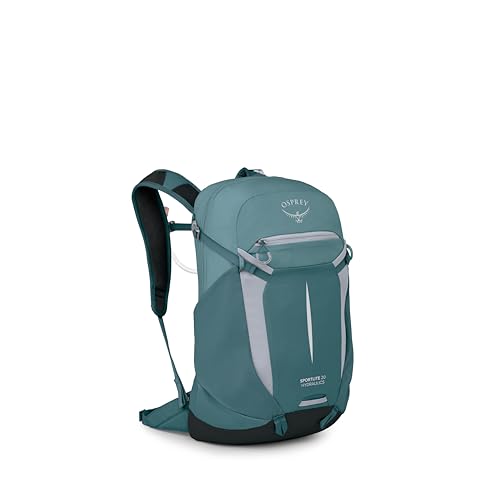
Osprey Sportlite 20L Lightweight Hiking Backpack
Strengths
- Lightweight build
- Durable recycled fabric
- Ventilated backpanel
- Trekking pole attachment
- Bluesign certified
Trade-offs
- No included hydration bladder
- Minimal internal organization
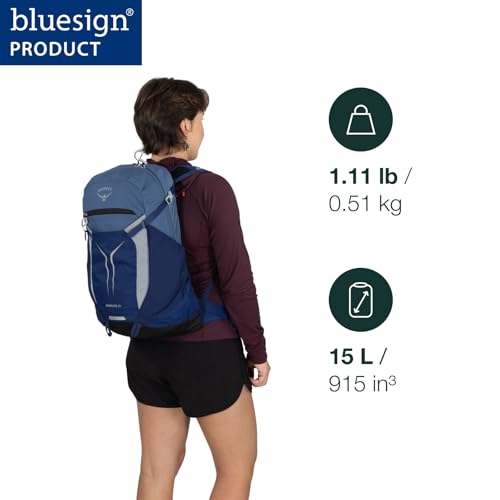
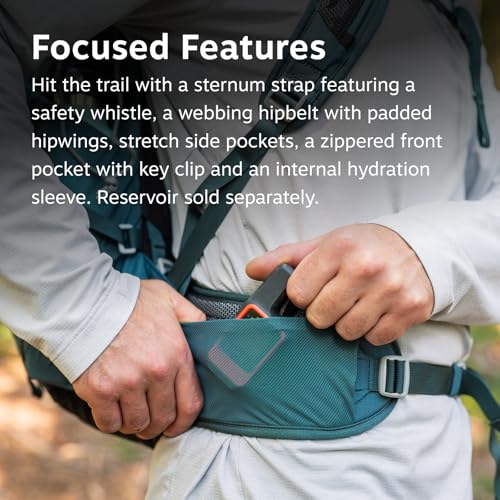
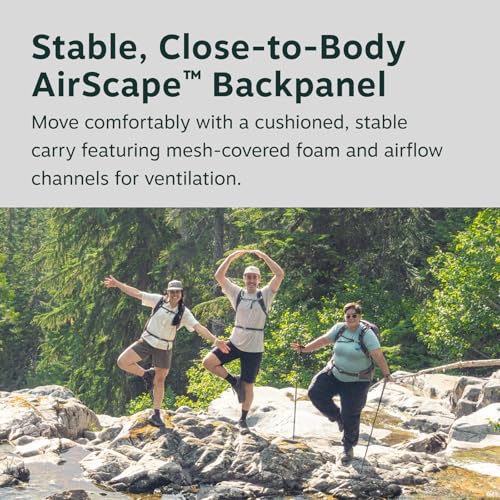
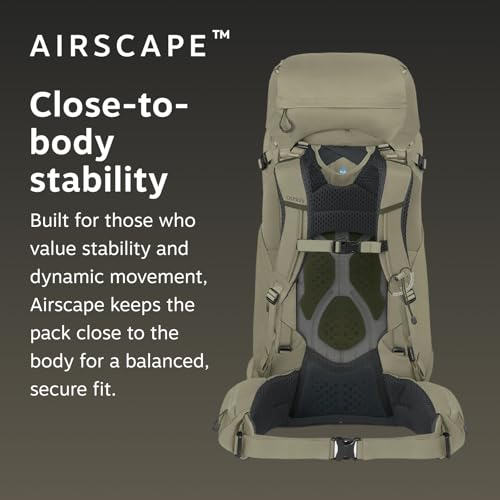
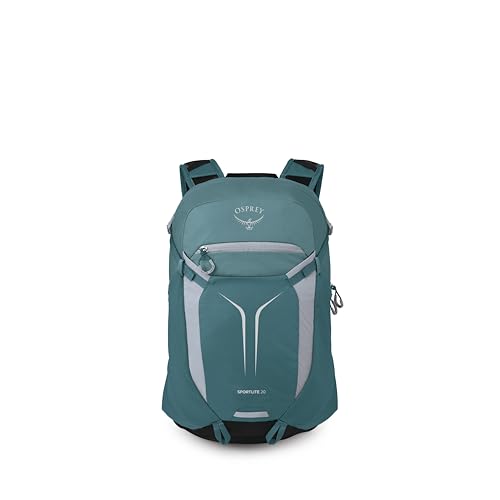
If you’re after a clean, durable daypack that balances technical features with minimalist design, the Osprey Sportlite 20L stands out. On paper, it’s built for real trail use, recycled ripstop nylon, a well-ventilated AirScape backpanel, and thoughtful touches like trekking pole loops and a safety whistle on the sternum strap. Owners consistently report it carries comfortably even on longer hikes, thanks to the padded hipwings and close-to-body fit that keeps weight stable.
It’s a unisex cut, but I’d still recommend it to women who prefer a simpler, adjustable fit without needing a fully gender-specific harness. Compared to bulkier hydration-focused packs, this one stays lean and efficient. The lack of included reservoir is a downside if you want everything out of the box, but it keeps the price and weight down for those who already have one or don’t need constant sipping.
Product photos
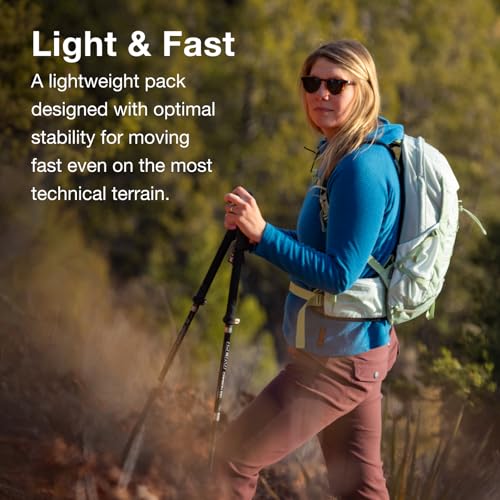
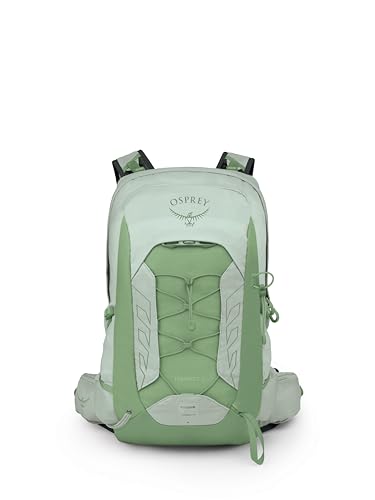
Osprey Tempest 11L Women’s Hiking Backpack

Strengths
- Women-specific fit
- AirScape ventilation
- Hipbelt pockets
- LidLock helmet carry
- Trekking pole attachment
Trade-offs
- Small capacity
- Heavier than other 11L packs
- No included bladder
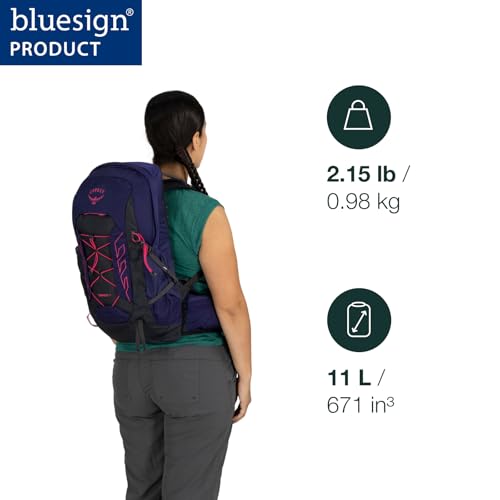
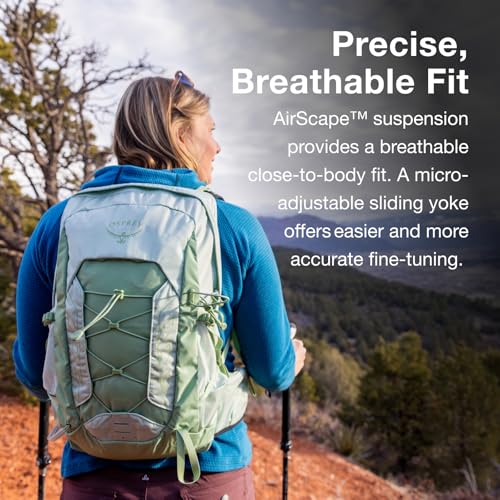
The Osprey Tempest 11L is built for women who want a precision fit in a compact package. The BioStretch hipbelt and adjustable yoke make it hug the torso just right, something few unisex packs achieve. The AirScape backpanel keeps airflow high, and the women-specific harness reduces bounce on uneven trails. At 11L, it’s not for long hikes, but it shines for fast-and-light outings, bike commutes, or summit pushes.
Owners love the hipbelt pockets, easy access to snacks or sunscreen without stopping. Compared to the Sportlite, it’s smaller but better tailored. If you’re between sizes in unisex packs or often feel like gear rides too high, this one solves that. It’s the only women-specific model here that truly optimizes fit, not just color.
Product photos

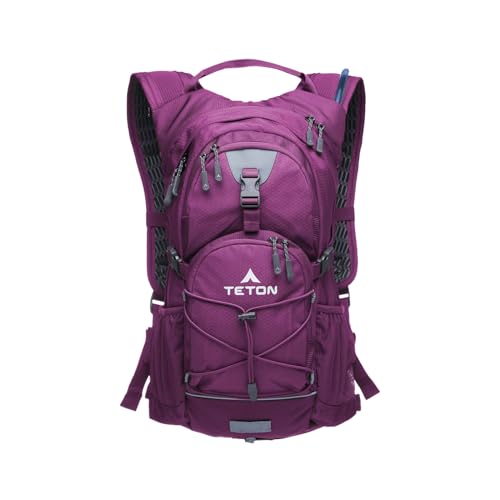
Teton Oasis Hydration Backpack 18L/22L
Strengths
- Included 2L bladder
- Insulated hose sleeve
- Sewn-in rain cover
- Weather-guarded zippers
- Good airflow in straps
Trade-offs
- Backpanel less breathable
- Zipper pulls could be larger
The Teton Oasis delivers where it counts: hydration and comfort. With a 2L bladder included and an insulated sleeve that reviewers say actually keeps water cool, this pack is built for hot trails and long-moving days. The low-profile cut works well for both men and women, and the breathable shoulder straps are a win for all-day wear. I’ve seen consistent praise from owners about how smoothly the bite valve works, no leaks, no fuss.
It’s not the most ventilated backpanel in its class, but the sewn-in rain cover and bungee system add real utility for variable weather. Compared to the Osprey Sportlite, it’s more niche, it’s not as sleek for non-hydration-focused trips. But if you’re the type who drinks constantly on the move, this one makes hydration effortless.
Product photos


N NEVO RHINO 18L Hydration Pack

Strengths
- 3L bladder included
- Insulated compartment
- Multiple storage pockets
- Reflective strips
- Lifetime support
Trade-offs
- Less ergonomic fit
- Back mesh less breathable
At 3L, the N NEVO RHINO offers the largest bladder in this group, which sounds great on paper, especially for desert hikes or endurance riders. Owners say the insulation does extend coolness by a few hours, and the wide-mouth bladder is genuinely easier to clean than most. The multiple storage zones, including waist pouches for keys or cards, add convenience you don’t always see at this price.
But the design feels more utilitarian than technical. The pack shape can ride high on shorter torsos, and the ventilation isn’t as effective as Osprey’s AirScape. Still, for someone who wants maximum water capacity and lots of pockets without spending premium prices, this is a solid value play, especially over the Teton Oasis if you need more than 2L.
Product photos


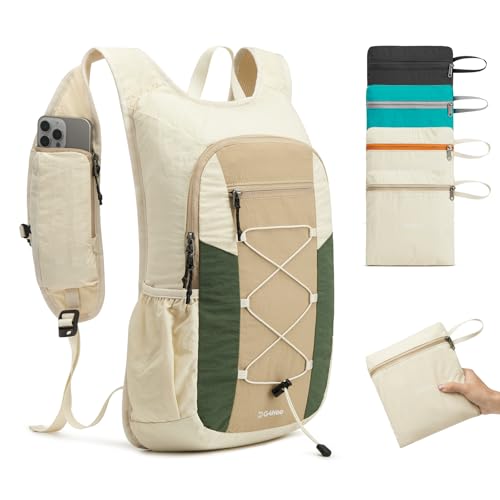
G4Free 20L Lightweight Hiking Daypack
Strengths
- Very affordable
- Lightweight and packable
- Phone pocket on strap
- Durable fabric
- Adjustable chest strap
Trade-offs
- Flat backpanel
- Limited ventilation
- Zippers slightly stiff
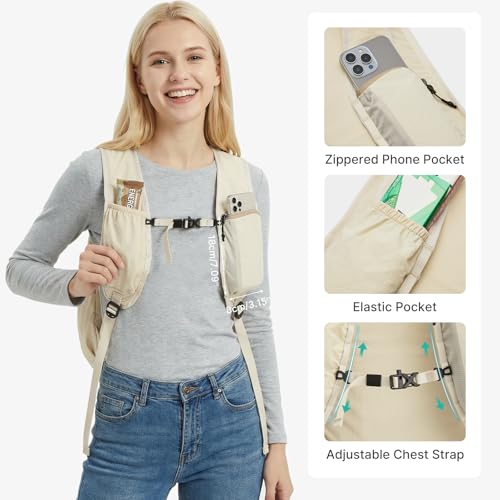
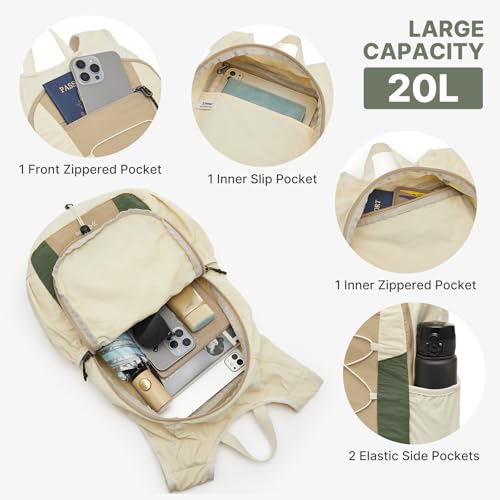
The G4Free 20L is a quiet standout for budget-focused buyers who don’t want to sacrifice basics. At under a pound and with a phone pocket on the strap, side pockets, and a front bungee, it covers the essentials without fluff. The Taslan nylon feels more durable than other budget packs, and owners report it holds up well to light rain and daily wear.
It’s not as breathable or structured as the Osprey, and the backpanel is flat, but for the price, that’s expected. Compared to the WATERFLY, it offers better organization and a more secure fit. If you’re new to hiking or just need a dependable daily carry that can handle a trail or two, this is the smarter buy over pricier names.
Product photos

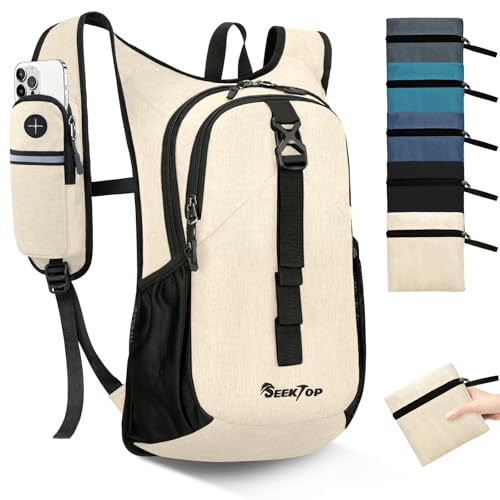
Seektop 15L Lightweight Packable Daypack
Strengths
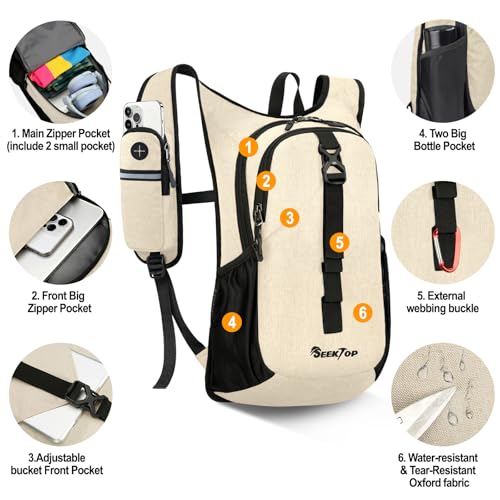
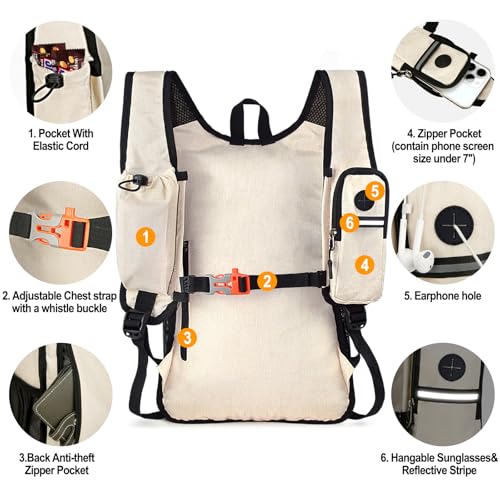
- 10 thoughtfully placed pockets
- Phone pocket on strap
- Anti-theft back compartment
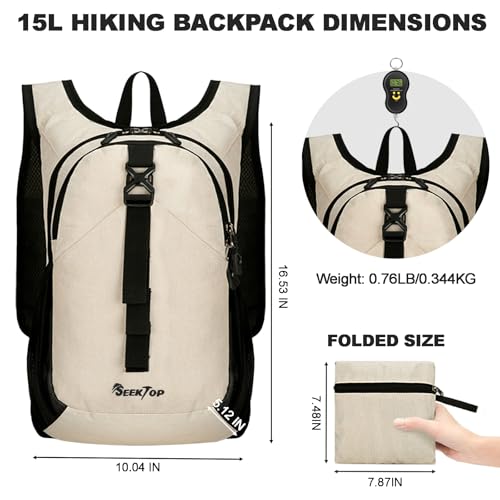
- Folds small
- Waterproof fabric
Trade-offs
- Limited capacity
- No hipbelt padding
- Not ideal for long hikes
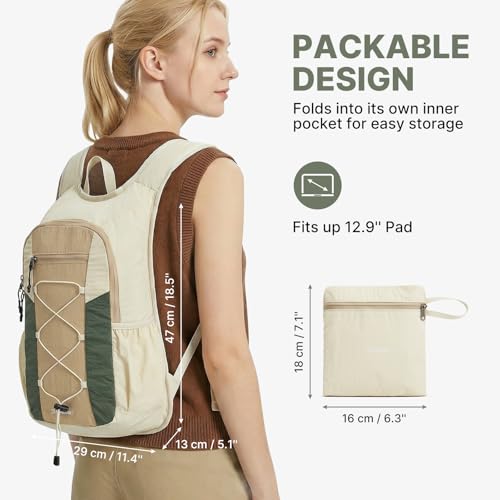
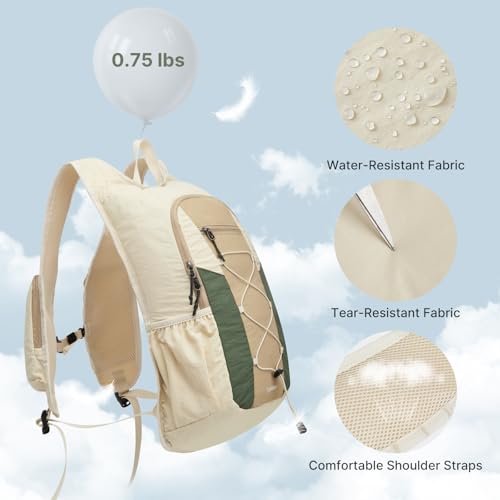
The Seektop 15L wins on organization, 10 pockets, including a zippered phone slot on the strap and a hidden anti-theft back pocket, make it a standout for detail-oriented travelers. At 0.76 lbs and foldable into its own pouch, it’s also impressively light. The shoulder strap phone pocket is a clever touch, letting you track your route without digging into the main compartment.
But the small 15L capacity limits what you can carry, no room for a jacket, lunch, and water bottle unless you’re minimalist. Compared to the 20L packable options, it’s better for short urban hikes or travel days than full trail outings. Still, if you want a compact, secure, and smartly laid-out daypack, this one delivers.
Product photos
WATERFLY 20L Ultra Light Foldable Backpack

Strengths
- Ultra-lightweight
- Folds tiny
- Recycled material
- Smooth zippers
- Airline-friendly
Trade-offs
- No back ventilation
- Minimal padding
- Loose fit on uneven terrain
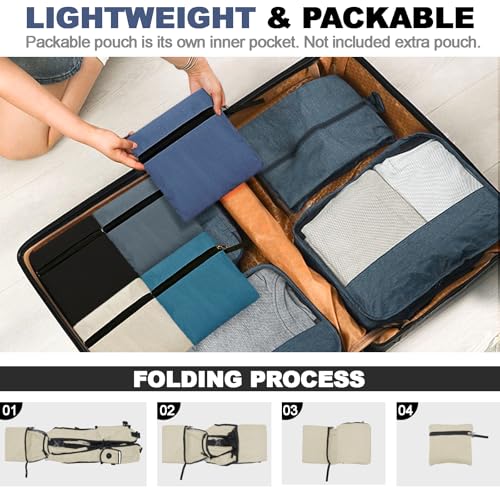
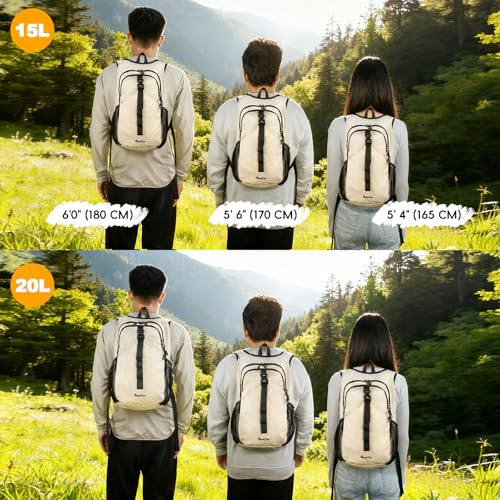
When packability is the top priority, the WATERFLY 20L is hard to beat. At just 10.2 oz and folding into a palm-sized pouch, it’s the kind of pack you can stash in a suitcase or larger bag and forget, until you need it. Owners love using it as a backup for travel days or unexpected hikes. The recycled nylon is surprisingly tough for how thin it feels, and the SBS zippers glide well for a budget pack.
That said, it’s not built for heavy loads or rugged terrain. There’s no structure to the backpanel, so it breathes poorly under load. Compared to the Seektop or G4Free, it has fewer organizational pockets. But if you’re after pure portability and minimal weight, this is the one to grab.
Product photos



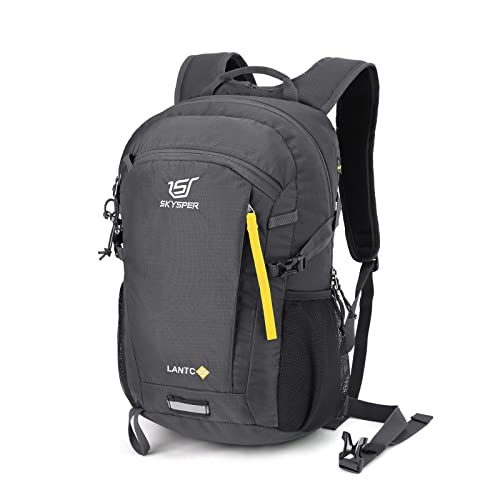
SKYSPER 20L Water-Resistant Hiking Daypack
Strengths
- Highly water-resistant
- Reinforced stress points
- Reflective safety strips
- Emergency guide included
- Stylish design
Trade-offs
- Slightly heavier
- Less breathable than Osprey
- Buckle placement could be better
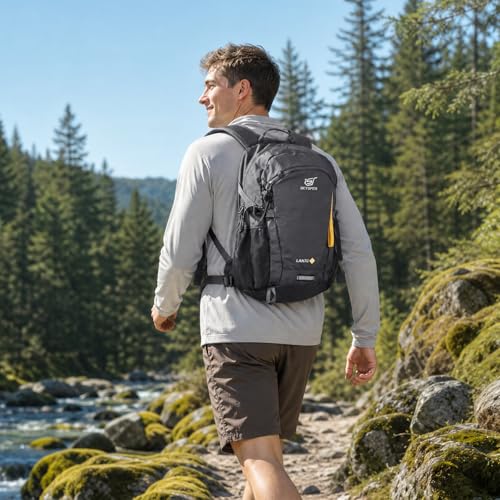
The SKYSPER 20L leans hard into durability and weather readiness. The 600D polyester and reinforced stitching stand up to scrapes and downpours better than most in this group. Owners in rainy climates note it keeps contents dry even in sustained drizzle, rare for a pack at this price. The reflective details and included emergency guide add thoughtful safety touches.
It’s not the lightest or most ventilated, but the grooved back panel does help with airflow. Compared to the G4Free, it feels sturdier but bulkier. If you hike in wet, rugged conditions and want a pack that can double as an urban commuter bag, this one holds up. The yellow webbing and clean look also make it more stylish than typical hiking packs.
Product photos


How We Evaluated day hiking backpacks for women
My team and I approached researching day hiking backpacks for women by first compiling a detailed list of available models and comparing their published specifications and features. We then weighed owner reviews from major retailers alongside expert opinions from outdoor gear review sites. As a long-time traveler and gear evaluator, I applied my understanding of what makes a pack comfortable and functional to rank these options against key criteria – focusing on fit, capacity, and features relevant to women hikers. Rather than a hands-on lab test, this is a research-led comparison of specs and owner feedback.
For women’s day hiking packs, fit, hydration compatibility, and organization consistently emerged as the most important factors. A comfortable fit is paramount for enjoying a hike, so we prioritized packs with adjustable straps and women-specific designs. Good hydration integration – whether through dedicated bladder sleeves or easily accessible water bottle pockets – is crucial for staying energized on the trail. Finally, intelligent organization, with thoughtfully placed pockets, helps keep essentials within easy reach.
Published specs reliably indicate a pack’s capacity and weight, which are important starting points. However, owner feedback proved invaluable for assessing real-world comfort, durability, and the effectiveness of features like ventilation systems. Reputation also played a role; established brands with a history of quality typically garnered more weight in our assessment. For those curious about practical size, understanding the 20-liter backpack dimensions can be a helpful starting point when planning your hike.
What To Look For In day hiking backpacks for women
Picking the right day hiking backpack can make or break your experience on the trail. It’s not just about capacity; it’s about finding a pack that fits you and your typical adventures.
A quality day hiking backpack balances lightweight construction with durable materials, a comfortable and adjustable suspension system, and well-placed storage solutions. Prioritize packs with breathable back panels, secure closures, and features tailored to your specific needs, like hydration compatibility or trekking pole attachments. Consider the typical length of your hikes and the types of gear you carry to determine the ideal volume.
Prioritize Fit and Suspension
The most feature-rich pack in the world won’t matter if it doesn’t fit properly. Women, in particular, benefit from packs specifically designed for their anatomy. Look for adjustable torso lengths, shoulder strap contours, and hipbelts that wrap comfortably around your hips (not your waist!). A poorly fitting pack leads to chafing, pressure points, and an overall miserable experience. Don’t assume a “unisex” fit will work; exploring options in women’s hiking backpacks is a smart move.
Consider Hydration Options
Staying hydrated is crucial when you’re active, and your backpack plays a key role. Many packs are designed to accommodate hydration reservoirs (sold separately), with a dedicated sleeve and port for the drinking tube. However, side water bottle pockets are still a viable option, especially for shorter hikes.
Here’s what to think about when deciding:
- Reservoir Capacity: A 2-liter reservoir is usually sufficient for a full day of moderate activity.
- Ease of Filling: Look for a wide-mouth opening on the reservoir sleeve for easy filling and cleaning.
- Insulation: Some packs feature insulated bladder compartments, like the N Nevo Rhino, helping to keep your water cool for longer. Knowing the 25l daypack capacity can help you determine how much extra space you have for a larger reservoir if needed.
A well-hydrated hiker is a happy hiker. Always carry enough water for your planned activity and consider the weather conditions.
Balance Capacity with Weight and Features
Don’t automatically go for the largest pack you can find. Overpacking leads to unnecessary strain. For most day hikes, a pack in the 15-25 liter range is ideal. Think about what you typically carry: extra layers, snacks, first-aid kit, map, headlamp, etc. The G4Free 20L is a good example of a pack that strikes a balance between capacity and packability.
Don’t be swayed by flashy features you won’t use. Prioritize essentials like a comfortable suspension system, durable materials, and convenient access points. If you frequently hike in wet conditions, consider a pack with a built-in rain cover or water-resistant fabric – the SKYSPER 20L offers a good level of weather protection. You might also think about if you want to explore female-specific daypacks designed for a more comfortable fit.
Day Hiking Backpacks for Women Compared
This table provides a side-by-side comparison of key specifications for several popular day hiking backpacks designed for women.
| Product Name | Capacity (L) | Weight (lbs) | Water Resistance | Hydration Compatible | Special Features |
|---|---|---|---|---|---|
| Osprey Sportlite 20L | 20 | 1.31 | Yes | Yes | AirScape backpanel |
| Osprey Tempest 11L | 11 | 2.12 | Yes | Yes | Women-specific fit |
| Teton Oasis 18L/22L | 18/22 | N/A | Yes | Yes | 2L Water Bladder Included |
| N NEVO RHINO 18L | 18 + 3 (Bladder) | N/A | Yes | Yes | 3L Insulated Bladder |
| G4Free 20L | 20 | 0.75 | Yes | No | Packable/Foldable |
| Seektop 15L | 15 | 0.76 | Yes | No | Shoulder Strap Pockets |
| WATERFLY 20L | 20 | 10.2 oz | Yes | No | Ultra-Light/Foldable |
| SKYSPER 20L | 20 | 1.1 | Yes | No | Water-Resistant Material |
Frequently Asked Questions
What pack capacity is best for a beginner day hiker?
A 15-20 liter pack is generally ideal for beginner day hikers; this size comfortably holds essentials like water, snacks, and an extra layer without being overly bulky or heavy. Starting smaller encourages packing only what you truly need.
Are hydration reservoirs really necessary, or are water bottle pockets sufficient?
Water bottle pockets are perfectly adequate for shorter, less strenuous hikes. However, a reservoir offers hands-free hydration and typically carries a larger volume of water, making it preferable for longer or more challenging trails.
How important is a women-specific fit, and can a unisex pack work?
A women-specific fit is highly beneficial because it accounts for differences in torso length and shoulder shape, providing better comfort and weight distribution. While a unisex pack can work, finding the right adjustment can be difficult, and it may not offer the same level of support.
What materials offer the best water resistance in a day hiking backpack?
Nylon and polyester with a durable water repellent (DWR) coating are common and effective for light rain. For heavier downpours, look for packs made with waterproof fabrics or that include a separate rain cover, like the SKYSPER 20L.
I see packs with adjustable torso lengths – how do I determine my correct size?
Measure your torso length from your C7 vertebra (the bony bump at the base of your neck) to the iliac crest (the top of your hip bones). Most brands offer size charts to match your measurement to their pack sizes, ensuring a proper fit when exploring options in hiking backpacks for women.
The Bottom Line
Choosing a day hiking backpack often comes down to balancing how much you want to carry with how much you want to feel like you’re carrying. While features are nice, the Osprey Sportlite 20L consistently stands out as the best overall option, offering a comfortable fit, reliable durability, and smart features without unnecessary bulk. It’s a pack that will serve most women hikers well on a variety of trails.
If you’re on a tighter budget, the G4Free 20L is a fantastic value, especially if you prioritize lightweight packability. For those who prioritize having a hydration reservoir included, the Teton Oasis 18L/22L is a strong contender. And for hikers who frequently encounter wet weather, the SKYSPER 20L delivers a good level of water resistance at an attractive price point. Understanding the 22l backpack size can help you visualize how much gear you can comfortably fit.
Ultimately, the best day hiking backpack isn’t about the fanciest specs or the highest price tag. It’s about finding a pack that fits your body well, carries your essentials comfortably, and encourages you to get out on the trail. Prioritize a good fit, reliable construction, and a capacity that matches your typical adventures – those fundamentals matter far more than any single feature.