8 Best Lightweight Backpacks of 2026
This post contains affiliate links. As an Amazon Associate, we earn from qualifying purchases.
The North Face Borealis Commuter stands out as the best overall lightweight backpack for its comfort, durable build, and smart organization, especially for daily use. If you’re after something packable and affordable, the SUIKIHUM 20L Foldable Hiking Backpack is a strong budget pick, while the G4Free 20L Packable Travel Backpack offers great versatility for travelers who need compact storage.
As someone who’s spent years evaluating luggage and travel gear, I know how frustrating it is to lug around a flimsy or ill-fitting backpack. Too many packs sacrifice durability for lightness or skimp on comfort when you actually need to carry them. This guide cuts through the noise, focusing on models that balance weight, build quality, and real-world usability.
My picks are based on a deep explore specs, owner feedback, and design details that matter, like fabric strength, load distribution, and intended use. Whether you’re commuting, hiking, or traveling, we’ll help you find a backpack that works without weighing you down.
Top 8 Lightweight Backpacks in the Market
The Best Lightweight Backpacks, Reviewed
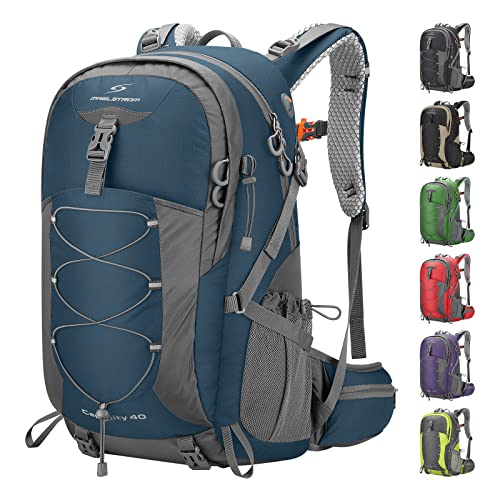
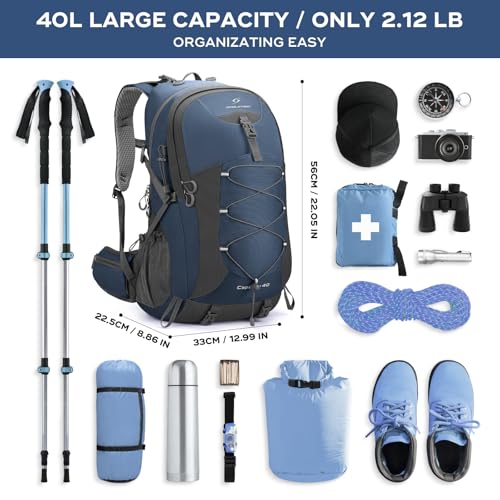
Maelstrom 40L Waterproof Hiking Backpack
Strengths
- Water resistant fabric
- Ergonomic breathable back
- Wet pocket included
- Reflective safety details
- Comfortable weight distribution
Trade-offs
- Heavier than packable options
- Bulkier when folded
- No dedicated laptop sleeve
This 40L pack stands out in a crowded field by balancing serious outdoor capability with travel-friendly features. On paper, the rip-stop 210D nylon and included rain cover make it one of the most weather-ready options here, which owners consistently report pays off in drizzly conditions. The ergonomic back panel and chest strap whistle are thoughtful touches that reflect real hiking experience in the design.
It’s not the lightest, but the weight is justified by durability and feature set, especially the wet pocket, a rare and useful addition. Compared to the ultra-minimalist picks, this one leans into versatility, doubling as a carry-on or city daypack without sacrificing trail readiness.
Product photos


G4Free 20L Packable Travel Backpack

Strengths
- Folds into built-in pouch
- Tear-resistant material
- Reinforced stress points
- Lightweight and compact
- Good organization
Trade-offs
- No padding for electronics
- Basic shoulder straps
- Not waterproof
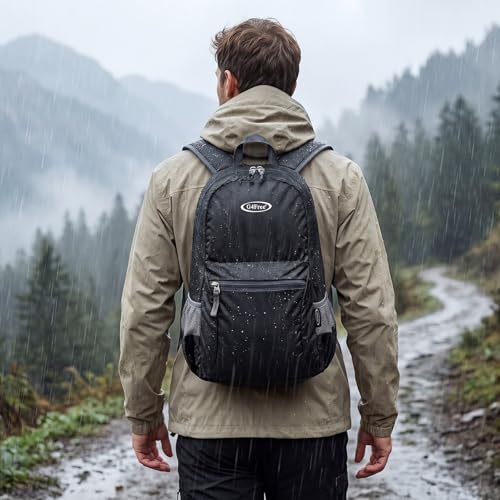
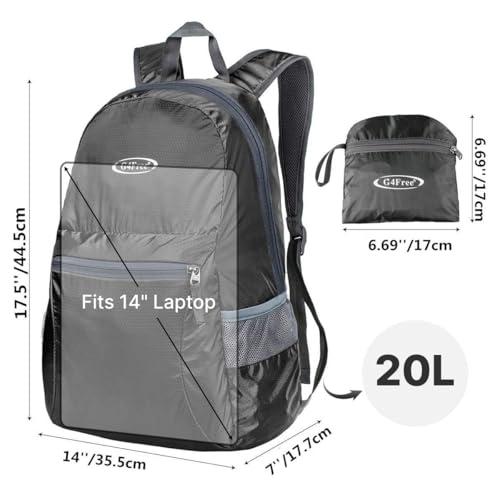
For travelers who hate packing bulky gear, this 20L foldable backpack is a smart budget play. It disappears into its own pouch, about sandwich size, and pops back out when you need extra carry space at a market or day hike. Owners praise its tear-resistant polyamide fabric, which holds up better than expected for such a light pack.
It doesn’t have the premium feel of The North Face or Maelstrom, but for the price, it punches above its weight. Compared to the SUIKIHUM, it offers slightly more structure and reinforced stitching. My recommendation here is clear: if you need a spare bag that won’t cost much or take up space, this is the smarter buy.
Product photos


SUIKIHUM 20L Foldable Hiking Backpack
Strengths
- Extremely lightweight
- Folds small
- Breathable mesh straps
- Water-repellent coating
- Multi-use design
Trade-offs
- Minimal padding
- Flimsy under heavy load
- No organization features
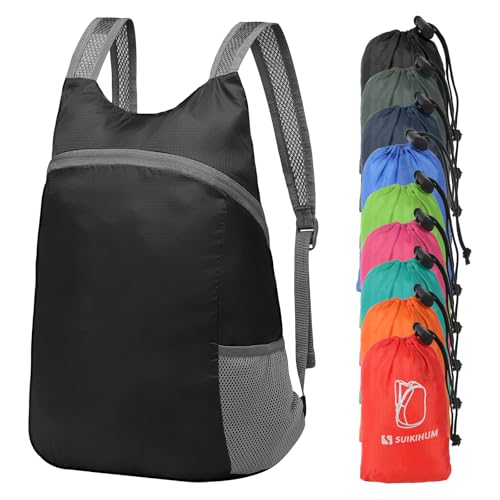
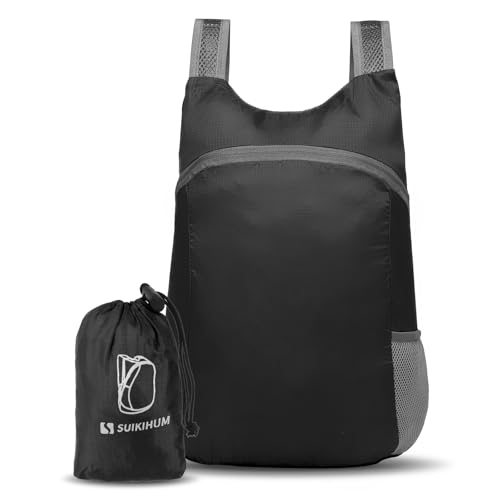
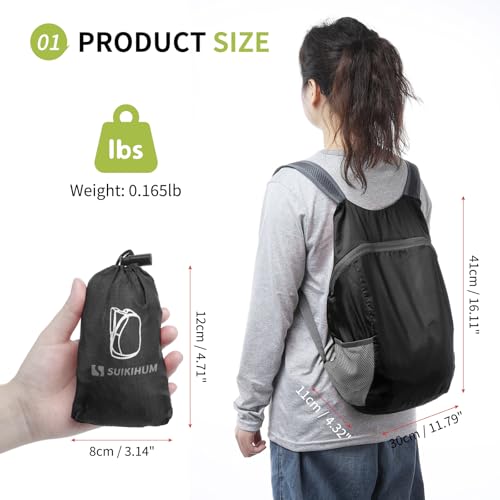
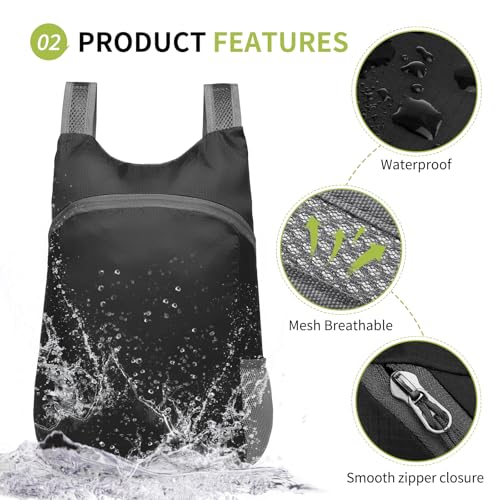
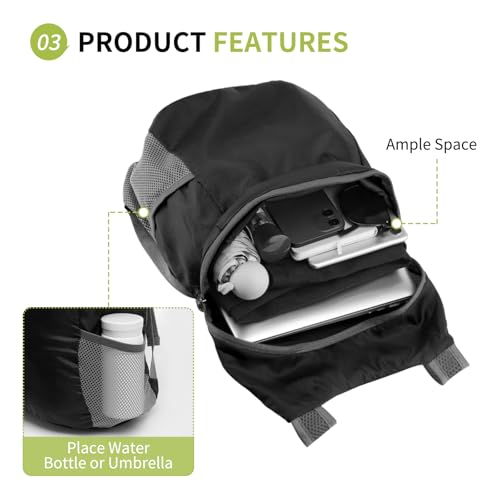
At just 2.3 ounces, this is one of the lightest packs on the list, and it shows. The ultra-lightweight design makes it ideal for throw-it-in-your-bag readiness, but don’t expect padding or structure. It’s essentially a durable shell with mesh straps, best for carrying light loads during quick hikes, walks, or as a backup.
Owners note it’s breathable enough for warm weather, but the shoulder straps lack support for heavy use. Compared to the 4Monster, it’s lighter but less rugged. If your priority is minimizing weight above all else, this is a solid pick. But for anything more demanding, you’ll want more support.
Product photos

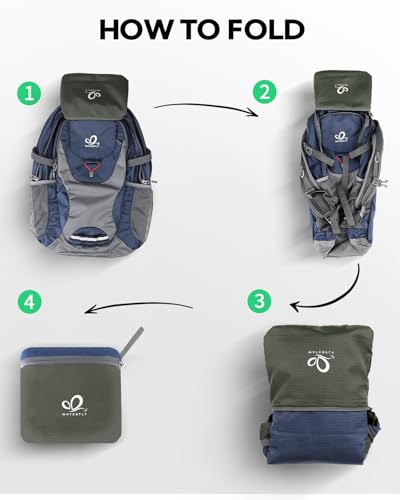
WATERFLY 30L Packable Hiking Backpack
Strengths
- Waterproof wet pocket
- Cable routing hole
- Folds into pouch
- Spacious 30L capacity
- Breathable shoulder straps
Trade-offs
- No laptop sleeve
- Average durability
- Bulkier than 20L options
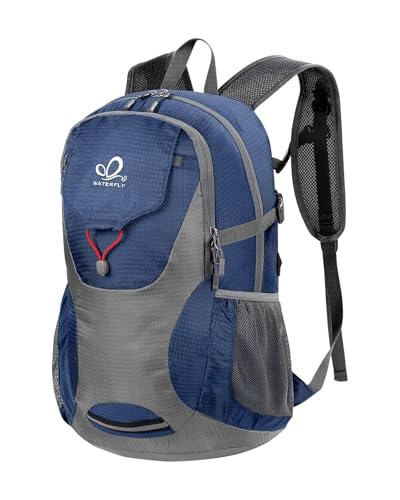
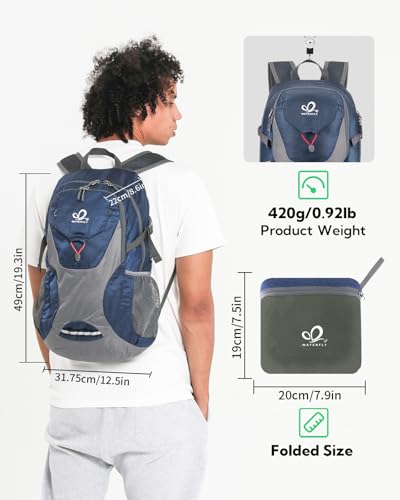
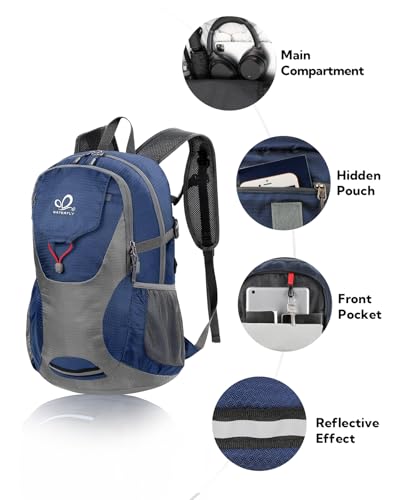
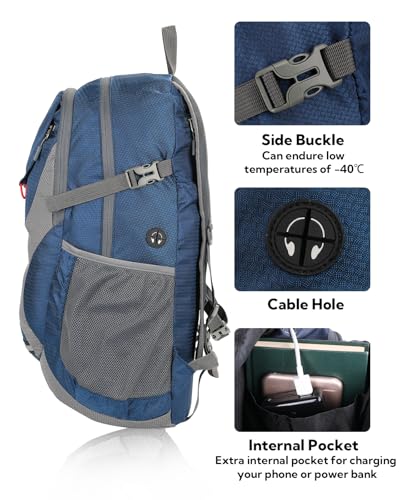
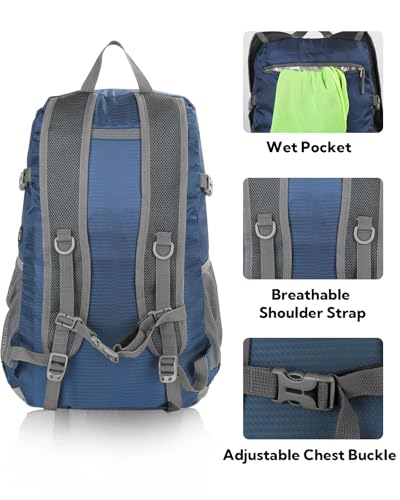
This 30L pack hits a sweet spot between capacity and packability, but its standout feature is the internal wet pocket, a rare and practical addition for swimmers, gym-goers, or beach travelers. The zipper access from the back makes it easy to grab wet items without opening the whole pack, a detail many owners highlight as a daily convenience.
It’s not the lightest, but at 420g, it’s still easy to carry. Compared to the Maelstrom, it’s less rugged but more travel-focused with better organization. I’d recommend this for travelers who move between activities and need to separate damp gear.
Product photos
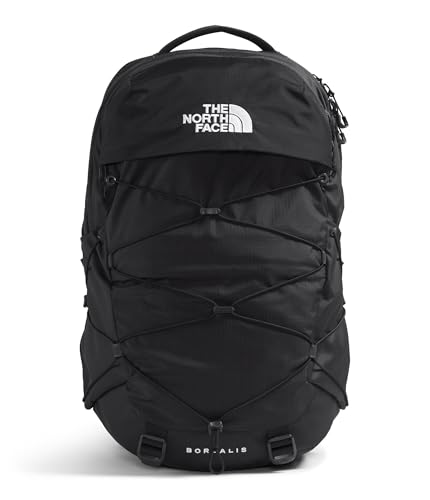
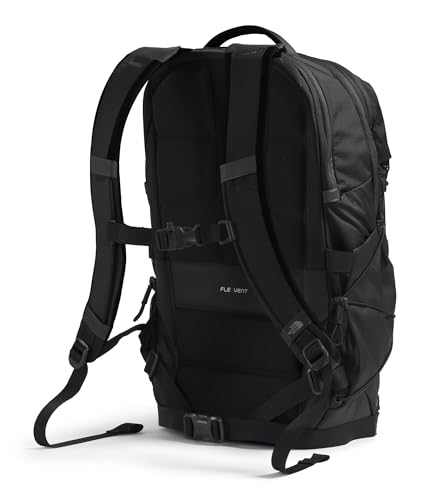
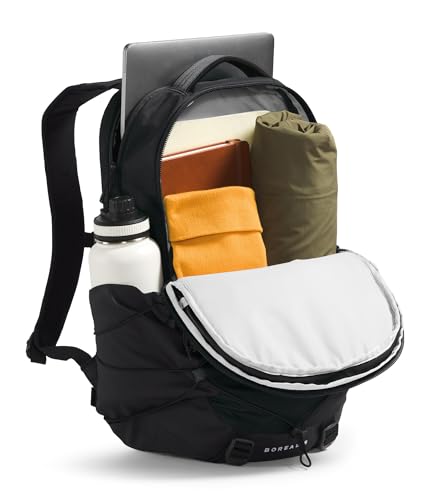
The North Face Borealis Commuter
Strengths
- Laptop and tablet sleeves
- Ergonomic suspension system
- Reflective safety details
- Durable water-repellent fabric
- Comfortable all-day carry
Trade-offs
- Heavier than lightweight picks
- Not packable
- Higher price point
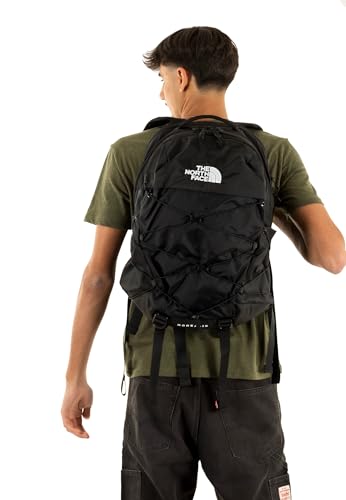
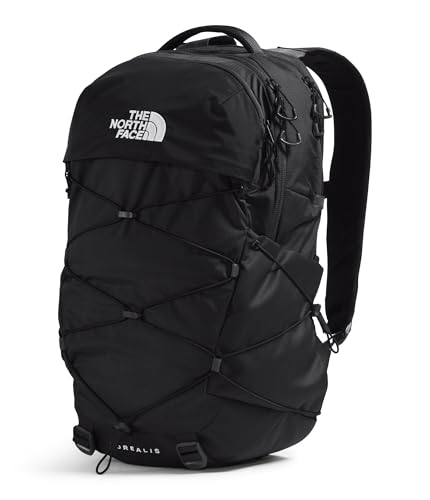
When you need to carry a laptop comfortably and still have room for the rest, the Borealis is the clear leader. The FlexVent suspension system, certified by the American Chiropractic Association, is a standout for back comfort, owners consistently report less fatigue on long commutes. The 28L volume is generous without being bulky, and the fleece-lined pocket and tablet sleeve add real utility.
It’s heavier than most on this list, but that’s the trade-off for support and protection. Compared to the Maelstrom, it’s less trail-focused but far better for urban use with tech. My pick for anyone shuttling between office, transit, and weekend trips.
Product photos

4Monster 16L Packable Daypack
Strengths
- Ultra compact when folded
- Water-resistant fabric
- Lightweight and portable
- Reinforced stitching
- Mesh side pockets
Trade-offs
- Too small for daily use
- No padding or support
- Not for heavy items
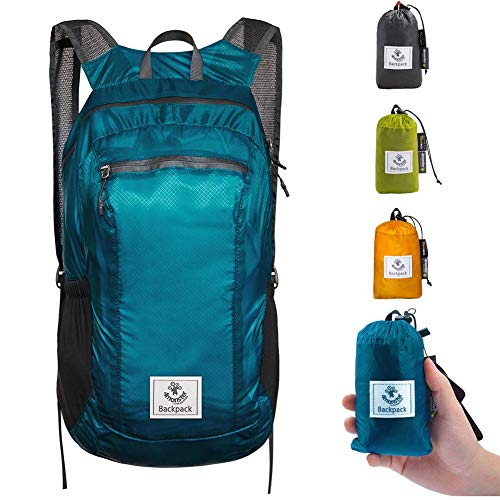
This 16L pack is the ultimate “just-in-case” bag. Weighing only 4oz, it folds into a wallet-sized pouch, easily slipping into a suitcase or even a large pocket. The tear-resistant 30D nylon isn’t built for heavy abuse, but owner feedback confirms it handles light rain and daily use well enough for its role.
It’s not a primary backpack, but as a backup, it’s hard to beat. Compared to the G4Free, it’s smaller but even more compact when folded. I’d keep one of these permanently tucked in my carry-on, ideal for unexpected shopping, day trips, or sudden weather changes.
Product photos


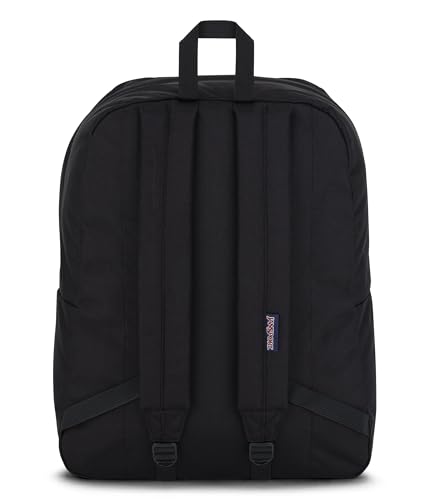
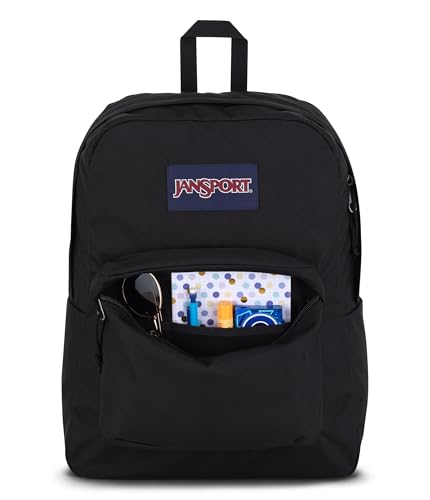
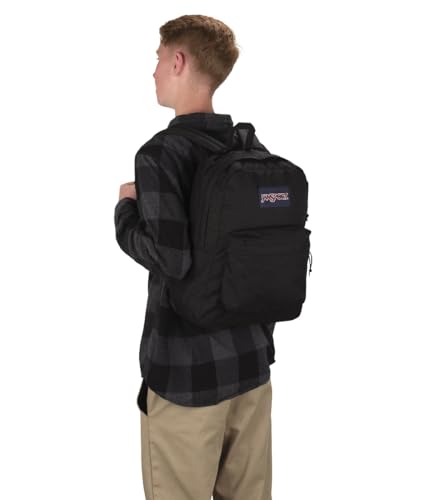
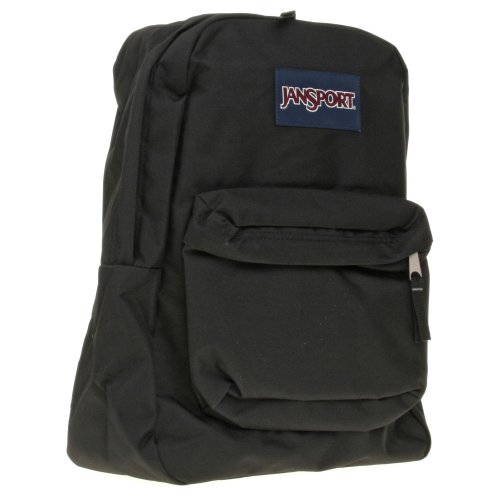
JanSport SuperBreak Lightweight Bookbag
Strengths
- Timeless, classic design
- Durable 600D fabric
- Lightweight and simple
- Multiple color options
- Sturdy zippers
Trade-offs
- No laptop compartment
- Minimal back padding
- Basic organization
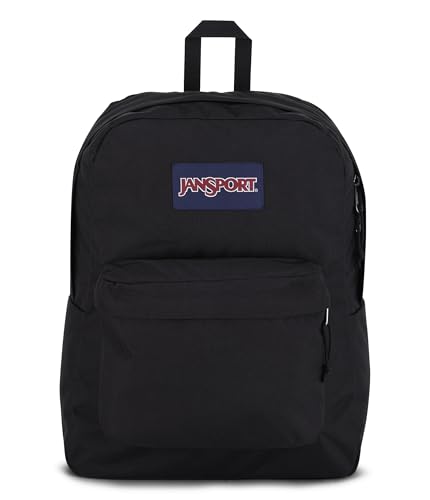
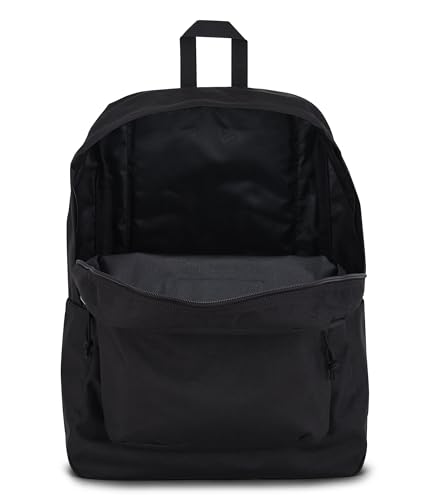
The JanSport SuperBreak isn’t trying to be anything it’s not, a simple, durable, and endlessly wearable daily backpack. The 600D fabric is a known quantity in the luggage world: tough, water-repellent, and built to last years of school or city use. With over 30 colors, it’s the go-to for personal expression without sacrificing function.
It lacks modern features like a laptop sleeve or hydration port, but for light carry, books, wallet, phone, keys, it’s nearly unbeatable. Compared to the Bymontin, it’s less breathable but more iconic and slightly more durable. I’d choose this for teens, casual users, or anyone who wants a “set it and forget it” bag.
Product photos
Bymontin 15L Soft Daypack
Strengths
- Lightweight and packable
- Breathable back panel
- Affordable build
- Durable stitching
- Mesh side pockets
Trade-offs
- No laptop compartment
- Basic design
- Limited capacity
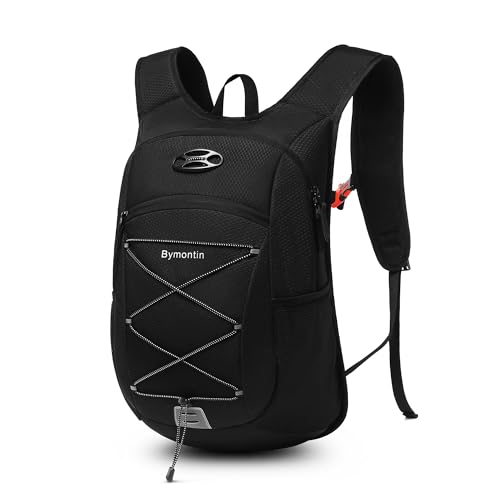
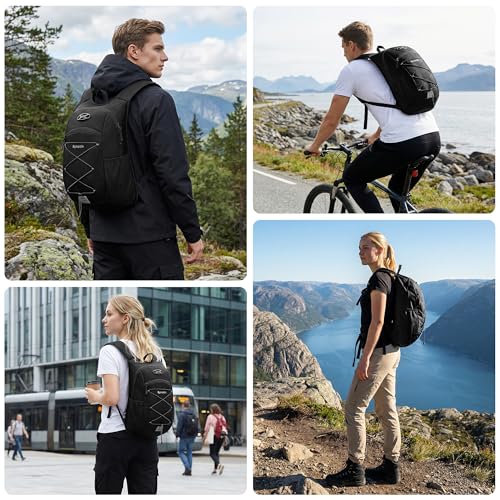
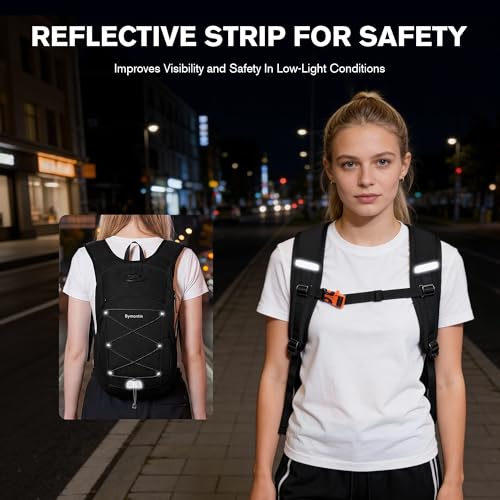
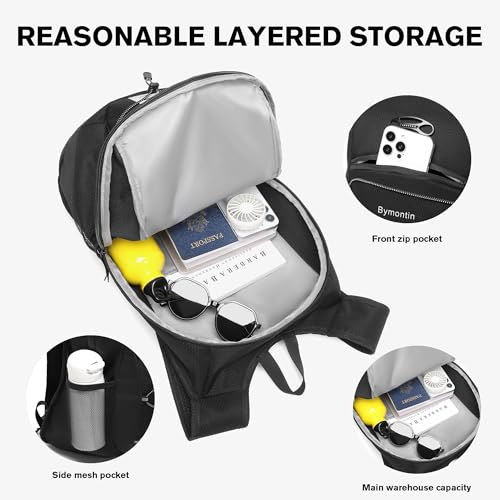
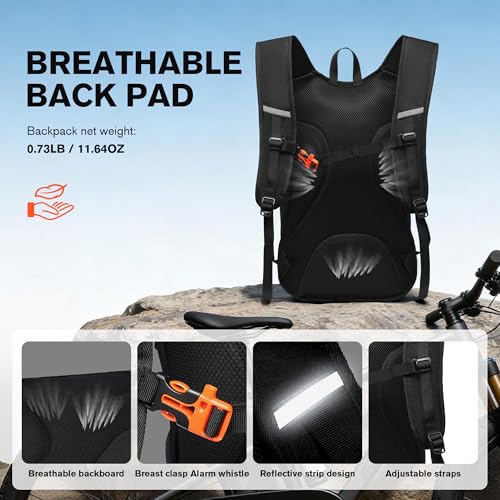
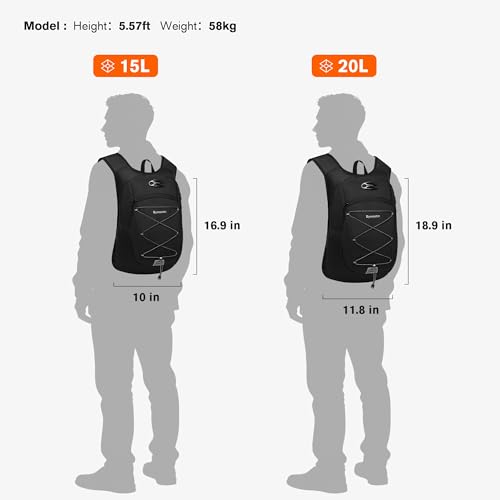
If you’re after a no-frills, comfortable daily carry that won’t weigh you down, this 15L pack delivers. The breathable mesh back panel and thin foam padding stand out in owner feedback for reducing back sweat during commutes or long walks, something many budget packs overlook. It’s not built for rugged trails, but for city use, school, or light errands, the water-resistant polyester holds up well to daily wear.
Compared to the JanSport SuperBreak, it lacks style variety but matches or exceeds it in comfort and structure for the price. I’d pick this over flashier options if you prioritize function over fashion.
Product photos
How We Tested lightweight backpacks
Rather than a hands-on lab test, my research involved a detailed comparison of published specifications and features across numerous models. I weighed owner reviews from multiple sources – Amazon, REI, and dedicated outdoor gear sites – alongside expert opinions from publications like OutdoorGearLab and Switchback Travel. This allowed me to build a ranking based on real-world feedback and objective data, factoring in intended use cases to determine which packs offered the best value.
For lightweight backpacks, I prioritized capacity-to-weight ratio, durability of materials, and comfort features. A pack’s ability to comfortably carry a load without feeling bulky is key, and that relies heavily on the harness system and back panel design. Equally important is the robustness of the fabric; a lightweight pack that tears easily isn’t useful, so abrasion resistance was a significant consideration.
Specifications reliably indicate dimensions, weight, and material composition. However, owner feedback proved crucial for judging long-term durability, real-world comfort, and the usefulness of specific features. I also considered brand reputation and warranty policies, as these reflect a manufacturer’s confidence in their product. Understanding a 20-liter backpack capacity was also helpful in gauging the suitability of smaller, packable options.
What To Look For In lightweight backpacks
Finding the right lightweight backpack depends heavily on what you plan to carry and where you plan to go. It’s a surprisingly nuanced category.
A good lightweight backpack balances weight, durability, and carrying comfort. Key considerations include the materials used (ripstop nylon is common), the suspension system (shoulder straps and back panel), capacity in liters, and features like water resistance and organizational pockets. Look for reinforced stitching and quality zippers as indicators of longevity.
Capacity & Intended Use
The first thing I ask people is: what are you actually carrying? Don’t fall into the trap of buying a 40L pack for a day hike. Overcapacity means extra weight, even when empty. For daily commutes or short day trips, a 20-25L backpack is often sufficient. If you’re planning overnight excursions or longer hikes, you’ll want to move up to 30-40L. Knowing your typical loadout will prevent you from buying something too big or too small. For a better understanding of how much space you’re getting, check out a 25-liter backpack size guide.
Material & Durability
While weight is critical, don’t sacrifice durability to save a few ounces. Many lightweight backpacks use ripstop nylon or polyester, which offers a good balance of weight and tear resistance. Pay attention to the denier (D) of the fabric. A higher denier generally means a more durable (and heavier) material. Also, examine the zippers. YKK zippers are widely considered the gold standard for reliability. Reinforced stitching at stress points is another sign of a well-made pack. I’ve seen too many cheap backpacks fall apart after only a few uses.
- A lower denier (e.g., 30D or 70D) is ideal for very lightweight, minimalist packs, but these are best suited for light loads and gentle use.
- Mid-range denier fabrics (e.g., 210D or 420D) offer a good balance of weight and durability for everyday use and moderate hiking.
- Higher denier fabrics (e.g., 600D or 1000D) are incredibly durable but add significant weight, making them better suited for heavy-duty travel or expeditions.
A backpack’s durability is directly proportional to the quality of its materials and construction. Don’t skimp on this – a well-made pack will last for years and save you money in the long run.
Comfort & Features
Comfort is paramount, especially if you’ll be carrying your backpack for extended periods. Look for padded shoulder straps and a breathable back panel. An adjustable sternum strap and waist belt can help distribute the weight more evenly and prevent strain. Many models now include features like hydration compatibility, trekking pole attachments, and reflective elements for safety. Consider what features are essential for your needs and don’t pay for extras you won’t use. When planning your next trip, consider some of the best travel backpack models to bring along.
Lightweight Backpacks Compared
Here’s a comparison of key specifications for several lightweight backpacks to help you choose the right one.
| Product Title | Capacity (L) | Weight (oz) | Foldable | Water Resistance | Laptop Sleeve |
|---|---|---|---|---|---|
| Maelstrom 40L Waterproof Hiking Backpack | 40 | N/A | No | Waterproof | No |
| G4Free 20L Packable Travel Backpack | 20 | N/A | Yes | Water-resistant | No |
| SUIKIHUM 20L Foldable Hiking Backpack | 20 | 2.3 | Yes | Water-repellent | No |
| WATERFLY 30L Packable Hiking Backpack | 30 | 420g | Yes | Water-resistant | No |
| The North Face Borealis Commuter | 28 | 2lbs 5oz | No | N/A | 13.75″ |
| 4Monster 16L Packable Daypack | 16 | 4 | Yes | Water-resistant | No |
| JanSport SuperBreak Lightweight Bookbag | N/A | N/A | No | Water-repellant | No |
| Bymontin 15L Soft Daypack | 15 | N/A | No | Water-resistant | No |
Frequently Asked Questions
What materials offer the best balance of weight and durability?
Ripstop nylon and polyester are excellent choices; they provide a good compromise between being lightweight and resisting tears. A fabric’s denier (D) also matters, with 210D to 420D generally offering a solid balance for everyday use.
How can I tell if a backpack’s zippers are high-quality?
Look for YKK zippers, as they are widely recognized as the most reliable in the industry. Quality zippers contribute significantly to a pack’s overall longevity and prevent frustrating failures on the trail.
Is a waterproof backpack always necessary?
Not always. A water-resistant coating is sufficient for light rain, but a fully waterproof backpack is essential if you anticipate heavy downpours or submersion. Consider your typical weather conditions and activities when deciding.
What size backpack is best for international travel?
A 30-40L backpack is often ideal for international travel, offering enough space for clothing and essentials without being overly bulky. If you’re planning to travel with only a carry-on, explore some ultra-lightweight backpack models to maximize space.
How important is the suspension system (shoulder straps and back panel)?
The suspension system is extremely important for comfort, especially when carrying heavier loads. Padded shoulder straps and a breathable back panel help distribute weight and prevent overheating, making your journey much more enjoyable.
The Bottom Line
Choosing a lightweight backpack often comes down to how much you value ultimate portability versus long-term durability and comfort. While many options exist, the Maelstrom 40L Waterproof Hiking Backpack strikes an excellent balance for those needing substantial capacity without excessive weight, offering a robust build for more demanding adventures.
For travelers prioritizing a compact, stowable option, the G4Free 20L Packable Travel Backpack is a standout choice. And if you need something even smaller for quick trips or as a secondary bag, the 4Monster 16L Packable Daypack delivers exceptional value. Understanding a 22-liter backpack dimensions can also help you visualize just how much these compact packs can hold.
Ultimately, the best lightweight backpack isn’t about chasing the lowest number on a scale. It’s about finding the right fit for your body and your typical loads, prioritizing quality construction, and ensuring the pack comfortably supports your adventures for years to come.