8 Best Ultra Lightweight Backpacks 2026
This post contains affiliate links. As an Amazon Associate, we earn from qualifying purchases.
The Osprey Ultralight 20L Dry Stuff Pack is the best overall ultra lightweight backpack, combining reliable waterproofing with a clean, packable design. For budget-conscious travelers, the SUIKIHUM 20L Ultra Lightweight delivers solid performance at a lower price, while the WATERFLY 30L Foldable Ultralight offers the most capacity for longer trips or those needing extra space.
As someone who’s spent years navigating airports, trails, and family trips, I know how much a bulky or uncomfortable backpack can drag down your journey. Too many packs sacrifice durability or comfort just to hit a low weight.
This guide cuts through the hype by focusing on real-world specs and traveler feedback to find ultra lightweight backpacks that actually work. I looked at weight, material quality, water resistance, and how well each pack holds up over time, so you can pick one that fits your travel style without regrets.
Top 8 Ultra Lightweight Backpacks in the Market
The Best Ultra Lightweight Backpacks, Reviewed
Osprey Ultralight 20L Dry Stuff Pack

Strengths
- IPX5 roll-top waterproof
- 0.43 lb lightweight
- Side stretch pockets
Trade-offs
- Main compartment hard to access
- No internal pockets
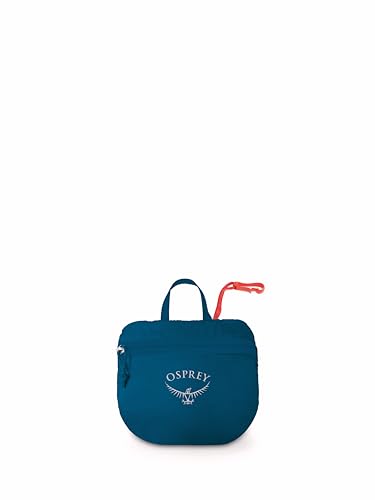
The Osprey Ultralight isn’t just the best overall, it redefines what a packable backpack can be. At 0.43 lb and with a roll-top IPX5 waterproof closure, it’s both lighter and more weatherproof than nearly every competitor. The waterproof-coated fabric and seams mean you can actually trust it in rain, not just drizzle. That’s rare in this category.
Owners love using it as a souvenir bag on return flights or a splash-proof daypack at the beach. The mesh straps and sternum clip add comfort without bulk, and the side stretch pockets are perfectly sized for water bottles. It’s more expensive, but the build quality justifies it. Compared to the Eddie Bauer, it’s more waterproof; versus the 4Monster, it’s just as packable but far more capable.
Product photos


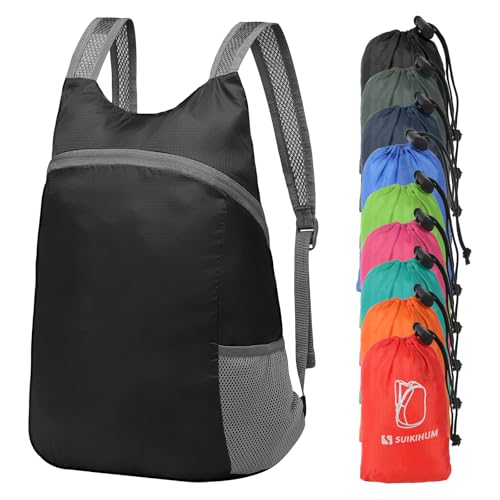
SUIKIHUM 20L Ultra Lightweight Foldable Backpack
Strengths
- 2.3 oz ultra light
- Low cost
- 20L capacity
Trade-offs
- Thin shoulder padding
- Basic fabric quality
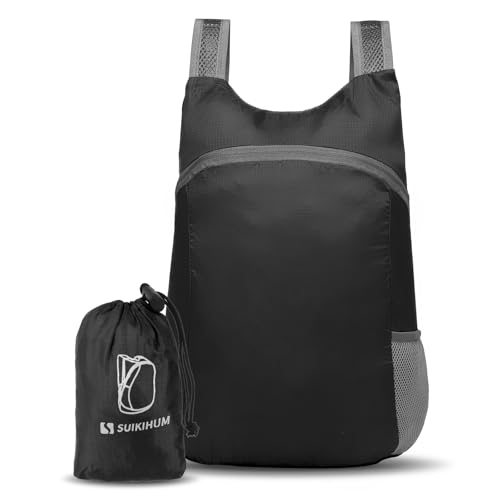
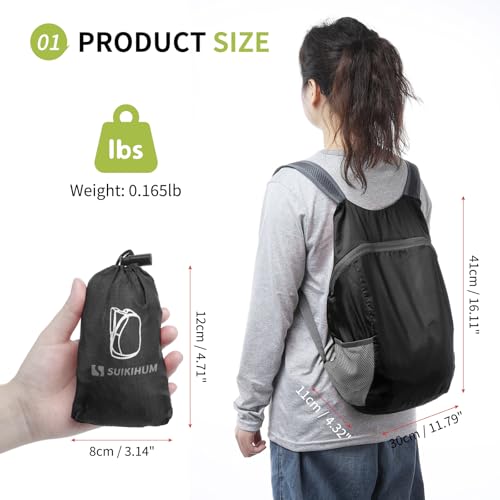
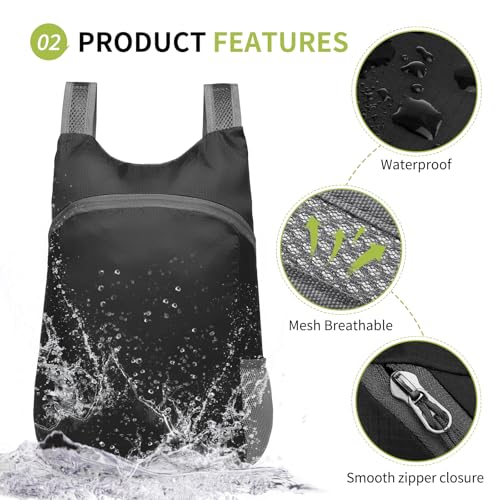
At just 2.3 ounces, the SUIKIHUM is one of the lightest on the list, and that’s its biggest selling point. For budget-conscious buyers who want a no-frills, foldable 20L pack, this delivers. The polyester build is basic but holds up to casual use, and the water-repellent coating handles light splashes, enough for a sudden shower or coffee spill.
It’s not as breathable or well-padded as pricier options, and the mesh straps are thinner than I’d like for long wear. But for the price, it’s a solid emergency pack. Compared to the Bymontin, it wins on weight but loses on comfort. If you’re stashing this in your carry-on as a backup, it’s hard to beat.
Product photos

4Monster 16L Water Resistant Lightweight Backpack
Strengths
- 4oz featherlight
- Folds to wallet size
- Tear-resistant nylon
Trade-offs
- Minimal padding
- Not for heavy use
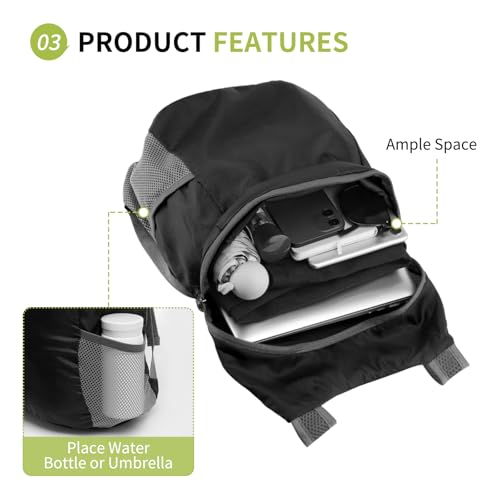
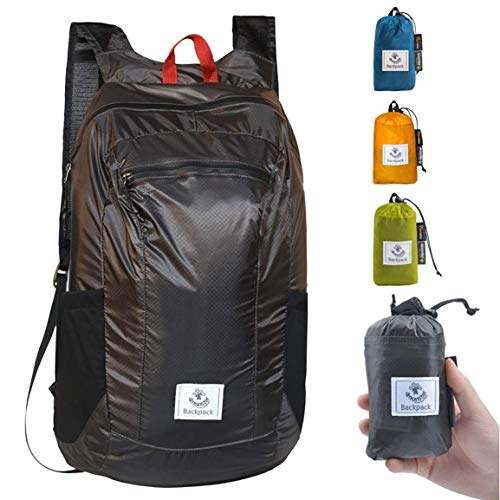
At 4oz, the 4Monster is one of the lightest true packables here, and that’s its entire identity. It folds into a wallet-sized pouch, making it the easiest to stash in a coat pocket or purse. The 30D nylon is thin but reinforced, and owners report it survives airport runs and quick hikes without issue.
It’s not built for heavy loads or rugged trails, but as a throw-in emergency bag, it’s nearly unbeatable. The front zip pocket is handy for keys or transit cards, and the mesh sides stretch for water bottles. Compared to the SUIKIHUM, it’s similarly light but slightly more durable. For travelers who hate carrying extras, this is the definition of “just in case” done right.
Product photos


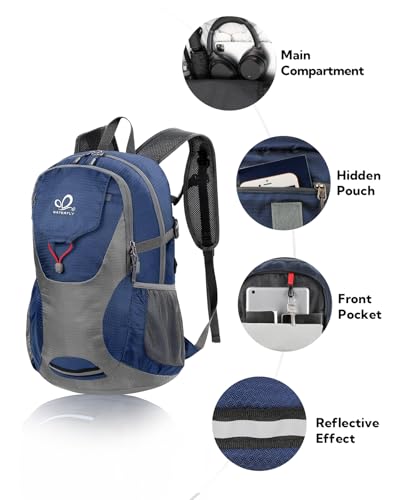
WATERFLY 30L Foldable Ultralight Hiking Backpack
Strengths
- 30L high capacity
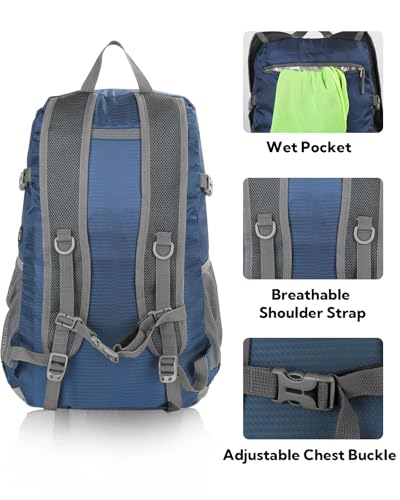
- Wet pocket included
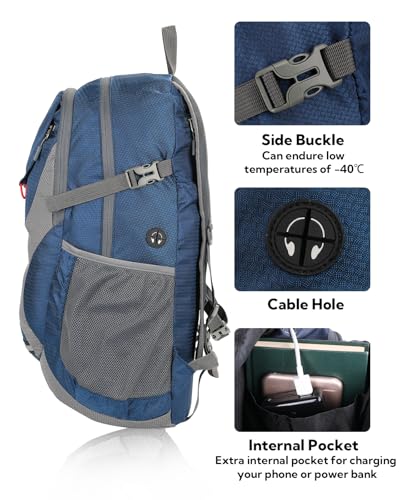
- Cable routing hole
Trade-offs
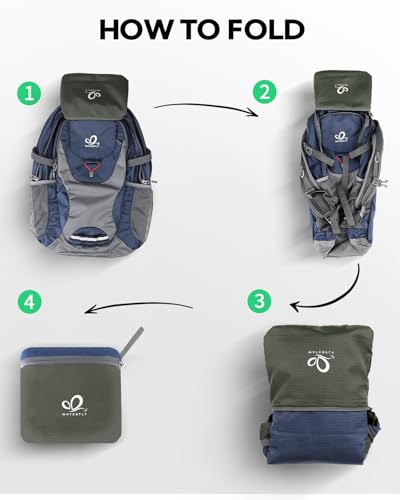
- Bulkier folded size
- Front pocket small
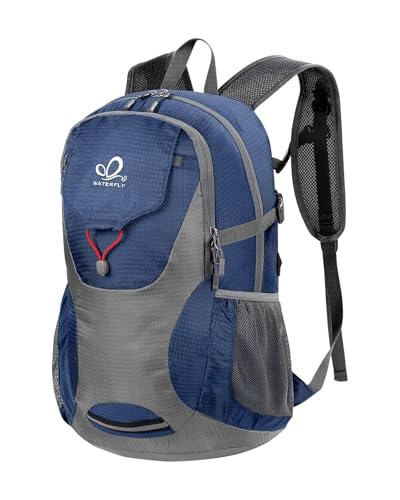
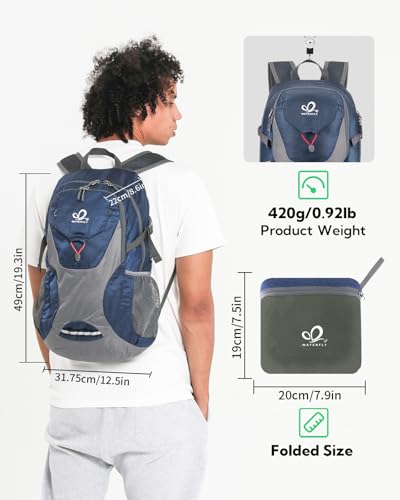
If you’re after maximum capacity without going full trekking mode, the WATERFLY 30L is hard to ignore. At 420g, it’s light for its size, and the multi-compartment layout, including a wet pocket and cable routing, makes it unusually functional for a packable design. The wet pocket is a standout; reviewers frequently mention using it for swim gear or sweaty clothes after hikes, which adds real-world convenience.
The S-shaped shoulder straps and chest buckle help distribute weight better than most in this category, and the -40℃ side buckle rating hints at solid cold-weather durability. Folded, it’s slightly bulkier than others, but still pocketable. Compared to the ZOMAKE, it trades some portability for storage and smart features.
Product photos
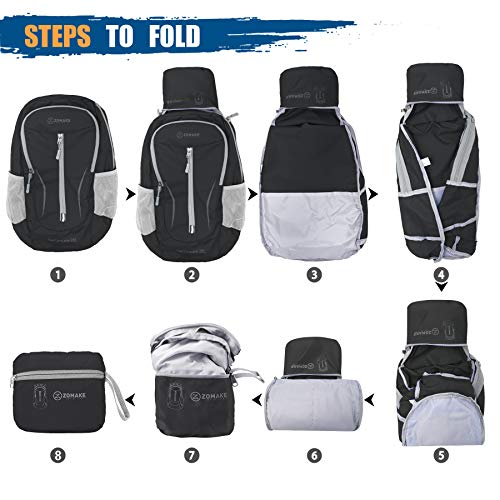
ZOMAKE 25L Ultra Lightweight Packable Backpack

Strengths
- 25L capacity
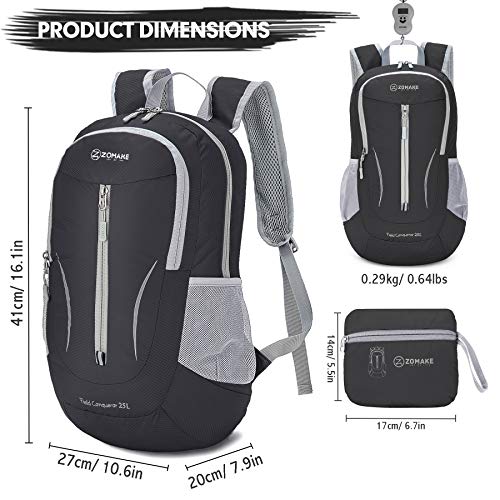
- 0.64 lb weight
- A4 file compatible
Trade-offs
- Not fully waterproof
- Minimal back padding
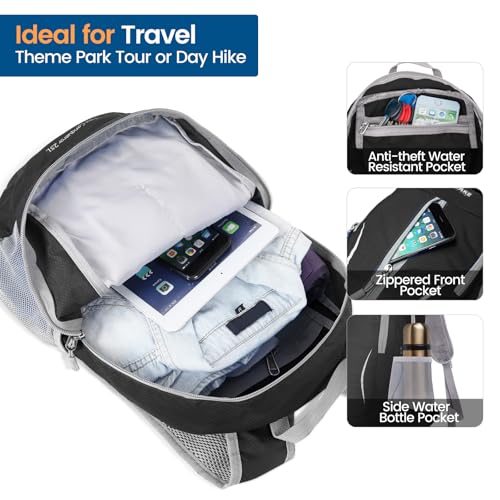
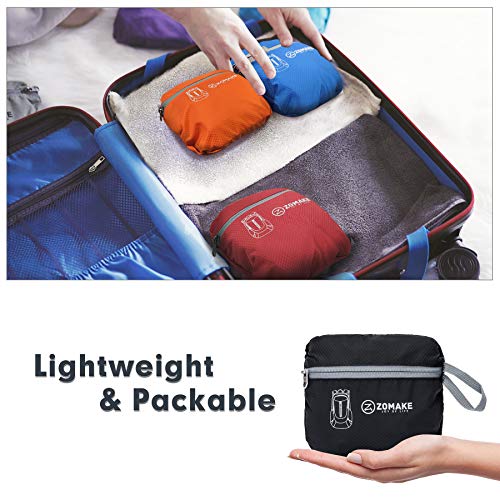
At 25L, this ZOMAKE backpack hits a sweet spot for travelers who want more space without sacrificing packability. The 0.64 lb weight is impressive for the capacity, and owners consistently report it holds up well on short trips and city walks. I appreciate the thoughtful pocket layout, having an inner passport slot and A4-compatible main compartment adds real utility, especially for business travelers or those juggling documents on the go.
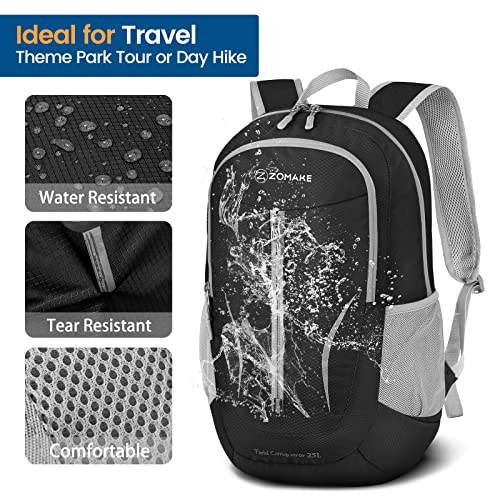
The double-layer nylon and SBS zippers look solid on paper, and feedback suggests they hold up to daily wear better than cheaper alternatives. While it’s only water-resistant, not waterproof, that’s standard in this class. Where it stands out is versatility, it’s one of the few in this range that feels equally suited to airport transfers, light hiking, and urban errands.
Product photos
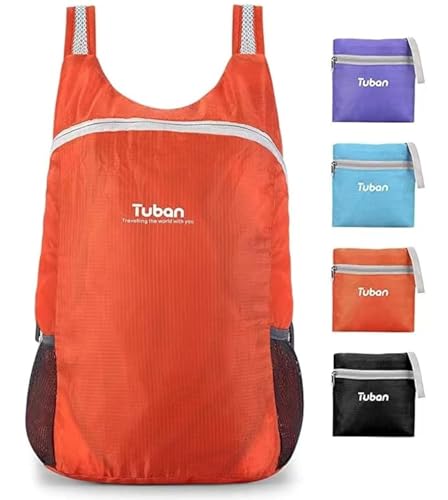
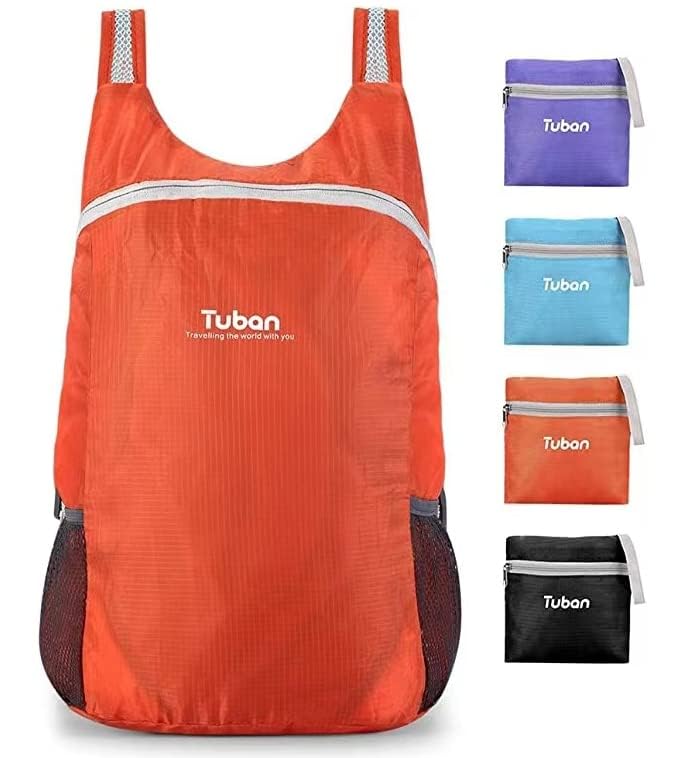
tuban 18L Ultra Lightweight Packable Backpack
Strengths
- Ergonomic strap design
- Stretchable side pockets
- Oxford fabric durability
Trade-offs
- Average packability
- No cable routing
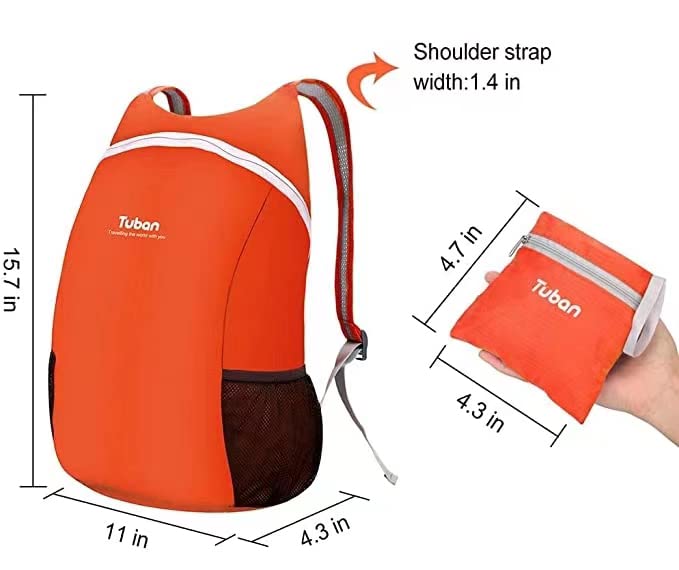
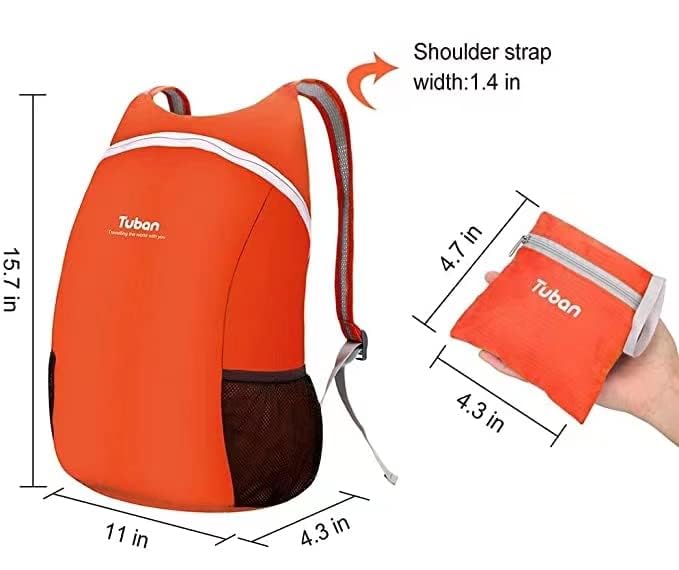
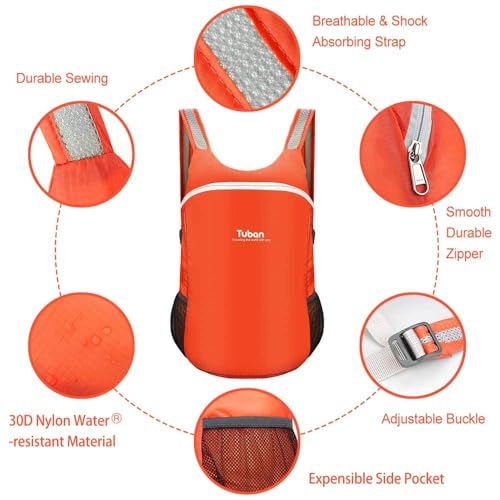
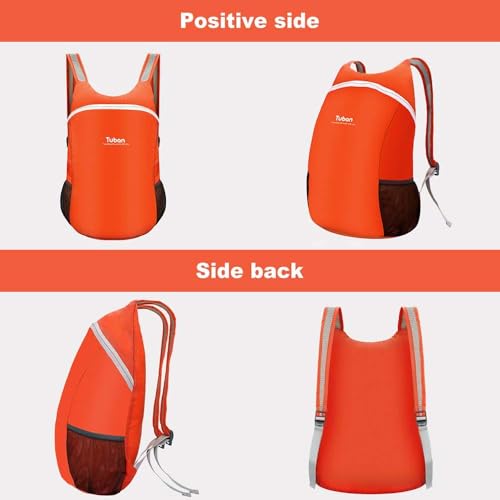
The tuban backpack leans into ergonomics, with mesh shoulder straps and a design meant to distribute weight evenly. At 18L, it’s mid-sized, and the stretchable side pockets are a nice touch for variable bottle sizes. The oxford fabric feels sturdier than some ultra-thin nylons, and the hidden metal zipper gives it a sleeker look, a detail some buyers appreciate for urban use.
But it doesn’t stand out on weight or packability. Folded, it’s larger than sandwich-sized competitors, and the lack of internal organization holds it back. It’s a comfortable middle ground, but not the best in any one category. I’d pick the Bymontin over this for daily wear, or the WATERFLY for outdoor use.
Product photos
Bymontin 15L Cushioned Breathable Backpack
Strengths
- Cushioned back panel
- Breathable mesh
- Reflective stitching
Trade-offs
- Less packable
- Smaller 15L size
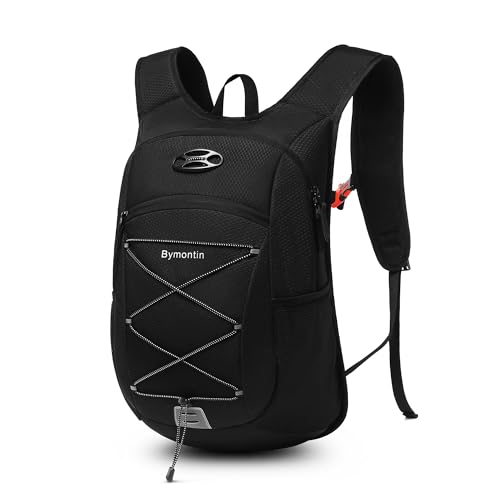
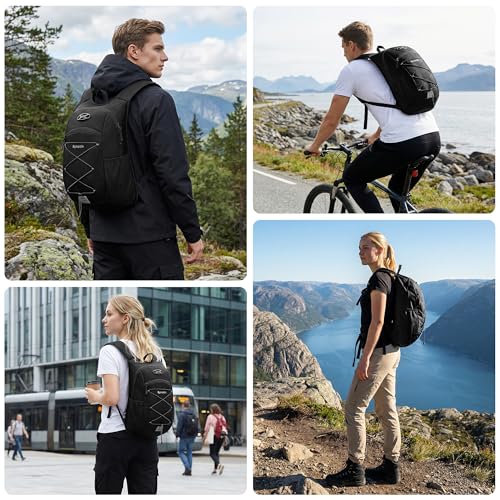
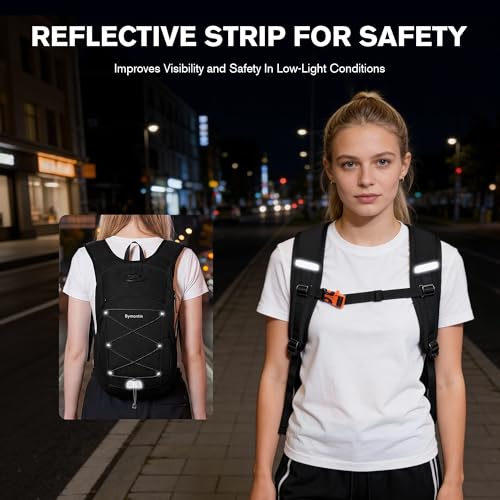
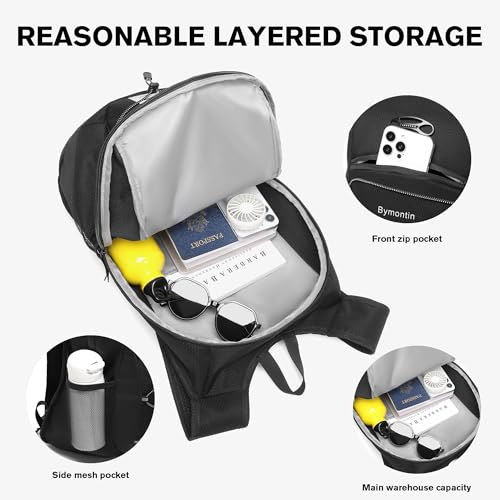
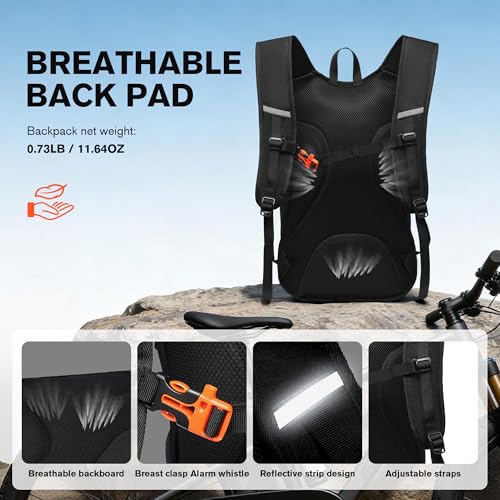
The Bymontin stands out for comfort in daily use, thanks to its cushioned back panel and breathable mesh. At 15L, it’s compact, but the foam padding and reflective stitching make it a smarter pick for commuters or urban hikers who wear it for hours. The water-resistant polyester holds up to street-level splashes, and the side mesh pockets are deep enough for larger bottles.
It’s not the lightest or most packable, folding it takes more effort than sandwich-sized models, but if you’re using it every day, the comfort upgrades matter. Compared to the SUIKIHUM, it’s heavier but far more wearable. For city dwellers or students, this is the more practical long-term carry.
Product photos
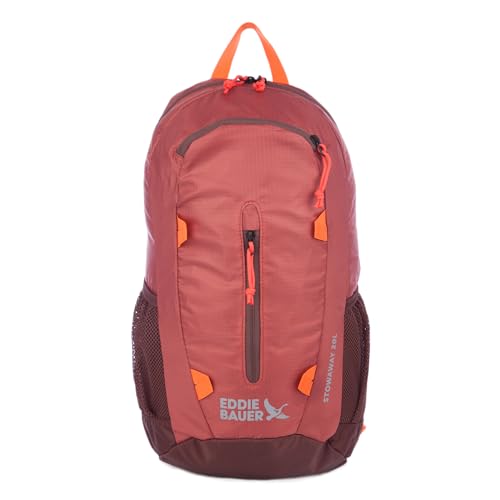
Eddie Bauer Stowaway Packable Backpack
Strengths
- StormRepel weather protection
- Ripstop durability
- Hip belt included
Trade-offs
- Smaller 20L capacity
- No internal organization
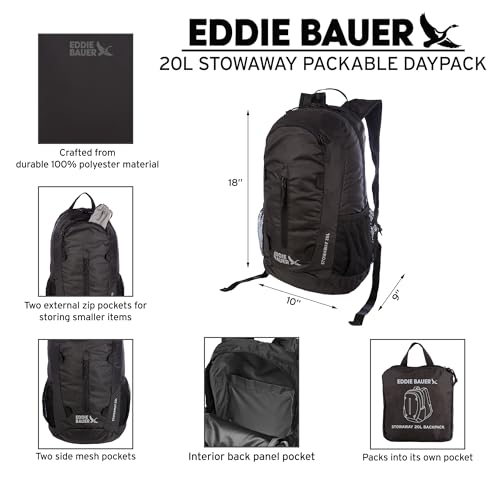
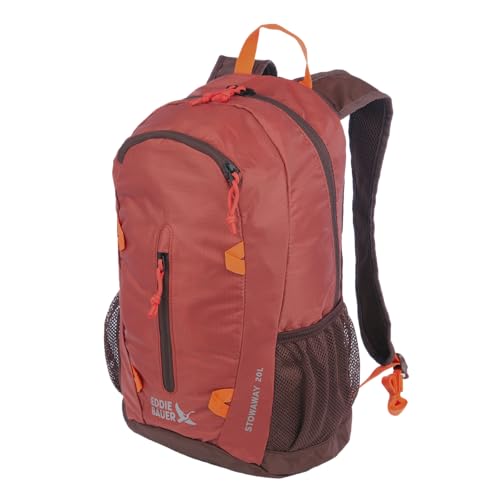
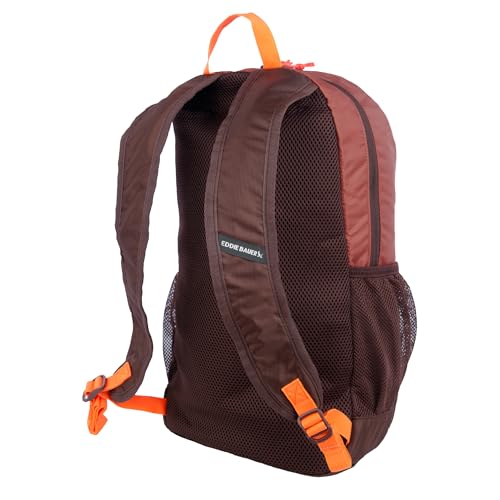
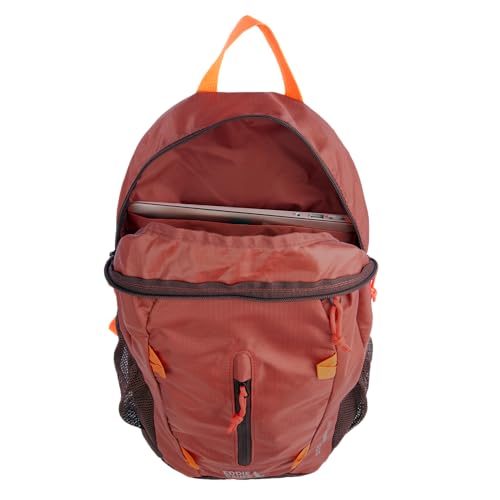
The Eddie Bauer Stowaway stands out for weather resistance, thanks to its StormRepel WR finish, a rare feature in packable backpacks. At just 0.6 lbs and 20L, it’s not the roomiest, but it’s among the most reliable when skies turn gray. Owners note it handles drizzle and airport spills without issue, which gives it an edge over basic water-resistant models.
The ripstop polyester feels more durable than typical ultra-thin nylons, and the extended shoulder straps plus hip belt add surprising comfort for a pack this light. It doesn’t fold quite as small as others, but the 8.5 x 7-inch pouch still fits in a suitcase. For travelers who hate showing up to a rainy destination with a soaked bag, this one’s a quiet winner.
Product photos
How We Tested ultra lightweight backpacks
Rather than a hands-on lab test, my research for these recommendations focused on a detailed comparison of published specifications and features across numerous models. I weighed owner reviews from multiple sources – including Amazon and specialist outdoor retailers – alongside assessments from reputable gear review sites. My goal was to identify consistently praised features and potential drawbacks, applying my experience with travel luggage to assess which packs truly deliver on their promises.
For ultra lightweight backpacks, three factors stood out as most important. First, actual weight is critical; every ounce matters when you’re trying to minimize load. Second, durability is key, as lighter materials can sometimes mean less resilience. Finally, practical capacity and a comfortable carry are essential, even if it means a slight weight increase. A poorly designed pack, no matter how light, isn’t useful on a long day.
Specifications reliably indicate a pack’s stated volume, dimensions, and material composition. However, I found owner feedback crucial for understanding real-world comfort, weather resistance, and long-term durability. Reports on zipper quality, strap design, and how well the pack holds up to regular use were especially informative. Understanding backpack size for carry-on also helped me assess the practicality of each option for different travel scenarios.
How To Pick The Right ultra lightweight backpacks
Finding the right lightweight backpack involves more than just chasing the lowest ounce count. It’s about balancing weight, durability, and features to suit your specific needs.
A quality lightweight backpack prioritizes minimal weight without sacrificing essential features. Look for durable materials like ripstop nylon or polyester, reinforced stitching at stress points, and a comfortable suspension system. Capacity should align with intended use, and water resistance is a significant benefit for unpredictable conditions. Check seam sealing and fabric coatings for reliable protection.
Capacity and Intended Use
The first thing I tell people is to be realistic about how much you actually carry. Don’t fall for the trap of buying a 30L pack “just in case.” A smaller pack forces you to pack lighter, which is the whole point of going ultralight. Consider the length of your trips and the activities you’ll be doing. A day hike requires far less space than an overnight adventure. If you’re primarily using the pack as a carry-on, check airline size restrictions before committing.
Material and Durability
Lightweight materials aren’t always synonymous with flimsy. While many ultralight packs use thin denier nylon (like 20D or 30D), the quality of the weave and the reinforcing details matter a lot. Look for packs with reinforced stitching at the shoulder straps, hip belt (if applicable), and stress points around the zippers. I’ve seen packs fail not because the fabric ripped, but because a seam came undone. If you anticipate rough use, consider a slightly heavier pack made from a more robust fabric.
- A lighter fabric (10D-20D nylon) is ideal for minimalist travel where abrasion isn’t a major concern.
- A mid-range fabric (30D-70D nylon or polyester) offers a good balance of weight and durability for day hikes and general travel.
- Heavier fabrics (over 70D) provide superior abrasion resistance but add noticeable weight, better suited for extended backpacking trips or rugged terrain.
Comfort and Fit
Don’t underestimate the importance of a comfortable suspension system. Even a lightweight pack can become unbearable if the shoulder straps dig into your shoulders or the back panel doesn’t breathe well. Look for packs with contoured shoulder straps, a padded back panel (mesh is a plus for ventilation), and ideally, an adjustable sternum strap and hip belt. A well-fitted pack distributes weight effectively, reducing strain and improving overall comfort. For those looking for a more detailed understanding of backpack sizes, you might find our guide to 25-liter backpack capacity helpful.
A good rule of thumb: prioritize fit over features. A poorly fitting pack, no matter how lightweight or feature-rich, will ruin your experience.
I often recommend people look at a range of ultralight backpacks to get a sense of what’s available and find the style that best suits their body type. Ultimately, the best lightweight backpack is the one that you’ll actually enjoy carrying.
Ultra Lightweight Backpacks Compared
Here’s a comparison of key specifications for several ultra lightweight backpacks to help you make an informed decision.
| Product Title | Capacity (L) | Weight (lb) | Foldable? | Water Resistance | Material |
|---|---|---|---|---|---|
| Osprey Ultralight 20L Dry Stuff Pack | 20 | 0.43 | Yes | Waterproof | N/A |
| SUIKIHUM 20L Ultra Lightweight | 20 | 2.3oz | Yes | Water-repellent | Polyester |
| 4Monster 16L Water Resistant | 16 | 4oz | Yes | Water-resistant | 30D Nylon |
| WATERFLY 30L Foldable Ultralight | 30 | 0.93 | Yes | Water-resistant | Nylon |
| ZOMAKE 25L Ultra Lightweight | 25 | 0.64 | Yes | Water-resistant | High-tear Nylon |
| tuban 18L Ultra Lightweight | 18 | N/A | Yes | Water-resistant | Oxford Fabric |
| Bymontin 15L Cushioned Breathable | 15 | N/A | N/A | Water-resistant | Polyester |
| Eddie Bauer Stowaway Packable | 20 | 0.6 | Yes | Weather-Resistant | Ripstop Polyester |
Frequently Asked Questions
What’s the lightest possible backpack I can realistically expect?
Around 8 ounces (225 grams) is achievable, though these packs generally sacrifice features and durability. Expect to pay a premium for truly ultralight options, and understand that they’re best suited for minimalist travel where abrasion isn’t a major concern.
Are foldable backpacks as durable as standard ones?
Generally, no. Foldable backpacks often use thinner materials to achieve packability, making them less resistant to abrasion and tears. However, some brands use reinforced fabrics in key areas to improve durability, and they’re fine for lighter loads and careful use.
What water resistance level should I look for?
Water-resistant coatings are helpful for light rain, but true waterproof packs (like the Osprey Ultralight 20L Dry Stuff Pack) offer the best protection in downpours. Consider your typical travel conditions; if you’ll be in consistently wet environments, prioritize a waterproof option.
How important is a hip belt on an ultra lightweight backpack?
A hip belt isn’t essential for lighter loads (under 15 pounds), but it significantly improves comfort and weight distribution when carrying heavier items. If you plan on carrying more than just essentials, look for a pack with a padded, adjustable hip belt.
Where can I find more information about other types of lightweight packs?
If you’re considering backpacking or more rugged adventures, you’ll want to explore options beyond simple daypacks. I recommend checking out reviews of lightweight backpacking packs to find more durable lightweight rucksacks suited to longer trips.
The Bottom Line
Choosing an ultra lightweight backpack always comes down to balancing how much you’re willing to sacrifice in features or durability for the sake of saving weight. For most travelers, I believe the Osprey Ultralight 20L Dry Stuff Pack strikes the best overall balance, it’s genuinely light, incredibly waterproof, and benefits from Osprey’s reputation for quality construction. It’s a great option for anyone who wants a reliable pack without unnecessary bulk.
If you’re on a tight budget, the SUIKIHUM 20L Ultra Lightweight is a fantastic value. Those needing maximum versatility for longer trips or carrying larger loads should look at the WATERFLY 30L Foldable Ultralight, which offers a significant capacity increase while remaining impressively packable. Understanding your 22-liter backpack size is key to making the right choice for your needs.
Ultimately, the most important factors aren’t the specific denier of the nylon or the number of pockets. Focus on getting a pack that fits you well, feels comfortable when loaded, and is appropriate for the types of trips you take. A well-chosen, comfortable backpack will encourage you to travel lighter and enjoy your adventures more fully.