8 Best Ultralight Backpacks of 2026
This post contains affiliate links. As an Amazon Associate, we earn from qualifying purchases.
The Osprey Ultralight 20L Dry Stuff Pack is the best overall ultralight backpack for its durable build and reliable water resistance, closely followed by the WATERFLY 20L Foldable Backpack as a strong budget-friendly option, while the MIYCOO 35L Packable Backpack stands out for versatility with its larger capacity and wet/dry separation.
As a frequent traveler and parent who’s navigated airports, trails, and tight overhead bins, I know how much a flimsy or poorly designed backpack can disrupt a trip. Too many ultralight options sacrifice durability or functionality just to hit a low weight.
In this guide, I break down the top ultralight backpacks based on specs, real owner feedback, and years of evaluating travel gear. I focused on weight, packability, and durability to find models that actually hold up while staying light.
Top 8 Ultralight Backpacks in the Market
The Best Ultralight Backpacks, Reviewed
Osprey Ultralight Collapsible Stuff Pack

Strengths
- Extremely lightweight
- Recycled durable fabric
- Comfortable straps
Trade-offs
- No internal pockets
- Roll-top not waterproof
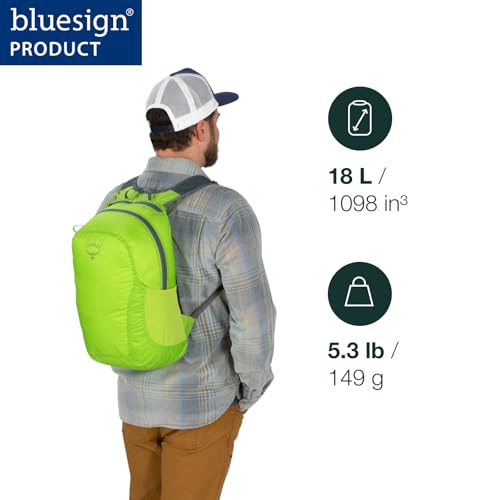
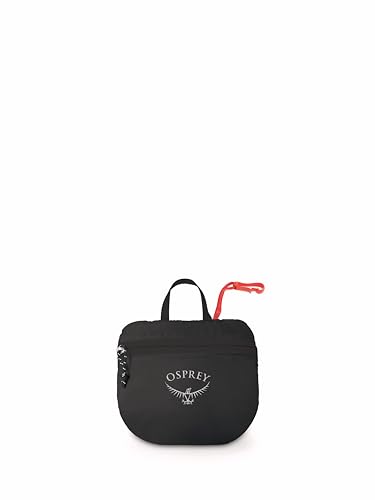
This is the best overall ultralight backpack for most travelers, and the data backs it up. At just 0.329lbs, it’s one of the lightest 18L packs available, and the bluesign APPROVED, 100% recycled 40D nylon shows Osprey’s commitment to durability and sustainability. The breathable padded straps and sternum strap with emergency whistle add comfort and safety you won’t find in budget models.
Owners consistently call it their ‘go-to’ throw-in bag, praising the easy-pull zippers and dual side pockets. It strikes a rare balance: ultralight, eco-conscious, and still thoughtfully designed. Compared to the 4Monster, it’s more durable and comfortable; compared to the BECOJADDE, it’s lighter and more packable. It’s not the biggest or cheapest, but it’s the most well-rounded.
Product photos


Osprey Ultralight 20L Dry Stuff Pack

Strengths
- Waterproof roll-top
- Coated seams
- Lightweight comfort
Trade-offs
- Slightly heavier
- No internal organization
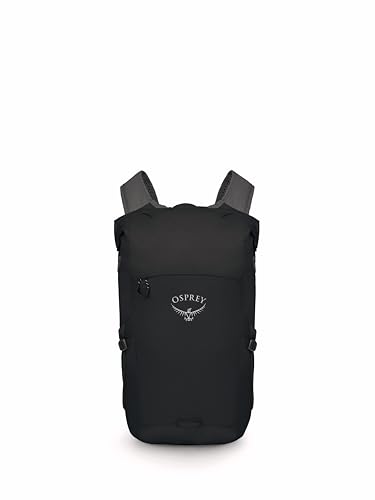
This pack stands out for travelers who prioritize waterproof protection above all. The roll-top closure with IPX5 rating and fully coated seams means it can handle downpours without letting moisture inside, which is rare in ultralight backpacks. On paper, the 20L capacity and side stretch pockets make it practical for day trips or as a souvenirs carrier on return flights.
Owners consistently report it surviving heavy rain during coastal hikes and city downpours, and that’s a big deal when most packable backpacks only claim water resistance. The 0.43lb weight is slightly higher than some competitors, but the trade-off is real, verified weather protection. Compared to the standard Osprey Ultralight Collapsible, this one trades a bit of weight for serious wet-weather confidence.
Product photos


WATERFLY 20L Foldable Backpack

Strengths
- Budget-friendly
- Smooth zippers
- Foldable design
Trade-offs
- Basic materials
- No breathability
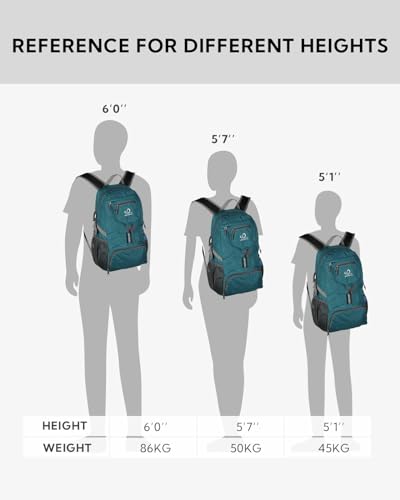
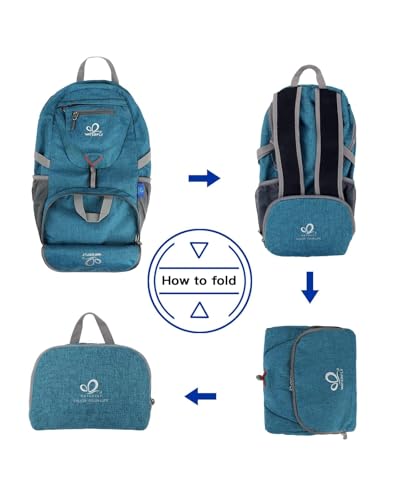
For budget-focused buyers, this 20L pack delivers surprising value. It’s made from recycled nylon, weighs just 10.2oz, and includes multiple compartments, including a removable zip pocket, that make it functional for daily use. The polyester lining adds a bit of shoulder comfort, and the SBS zippers are rated smooth by owners even after months of use.
It doesn’t have a wet pocket or survival whistle, but it covers the basics well. Reviewers say it’s perfect for short trips, commuting, or as a carry-on extra. Compared to the Gonex, it’s slightly less reinforced but often cheaper and just as roomy. If you need a no-frills, foldable 20L pack and don’t want to spend premium prices, this is the smarter buy.
Product photos



4Monster 16L Water Resistant Daypack
Strengths
- Extremely lightweight
- Folds tiny
- Water-resistant
Trade-offs
- Minimal padding
- Fragile under strain
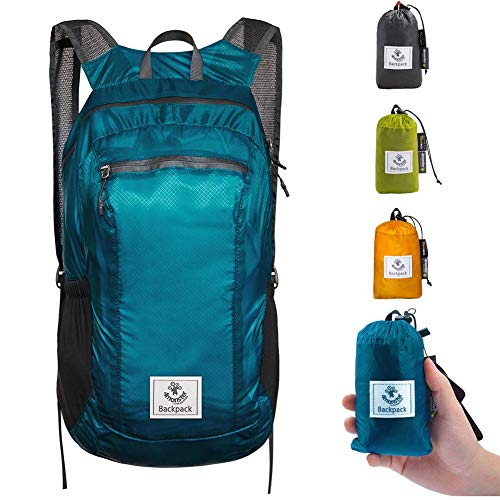
At just 4oz, this is one of the lightest functional backpacks you can buy, and it shows. The 30D nylon is thin but reinforced well enough for casual carry, and the wallet-sized folded form makes it ideal for stuffing into a coat pocket. It’s not meant for heavy loads or rugged terrain, but as an emergency backup or airport add-on, it’s brilliant.
Reviewers use it as a throw-in bag for sudden shopping sprees or last-minute day trips. It lacks internal structure or padding, so don’t expect comfort under 20lbs. But for ultralight needs where every ounce counts, like thru-hikers or minimalist travelers, it’s hard to beat. Compared to the Osprey Collapsible, it’s less durable but lighter and cheaper.
Product photos


MIYCOO 35L Packable Backpack
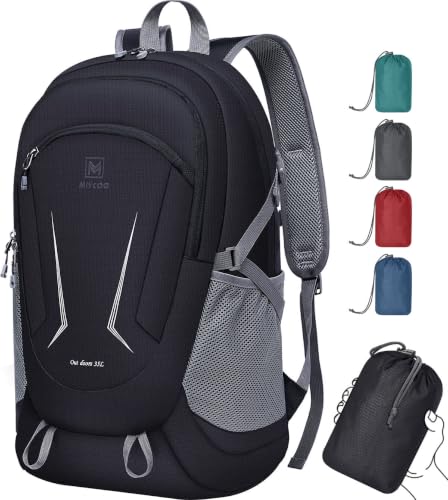
Strengths
- High 35L capacity
- Wet compartment
- Survival whistle
Trade-offs
- Heavier than average
- Bulky folded
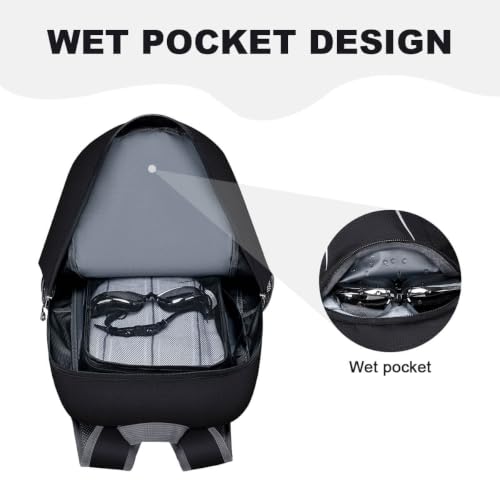
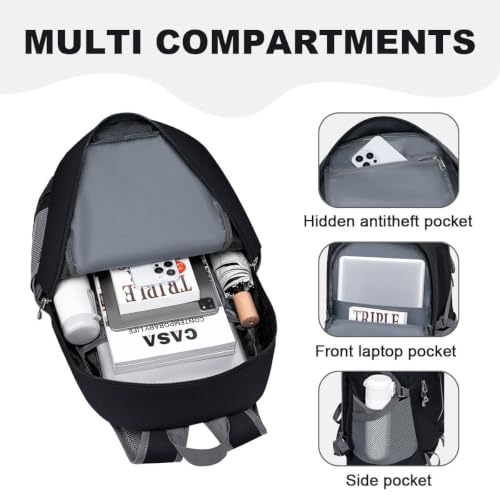
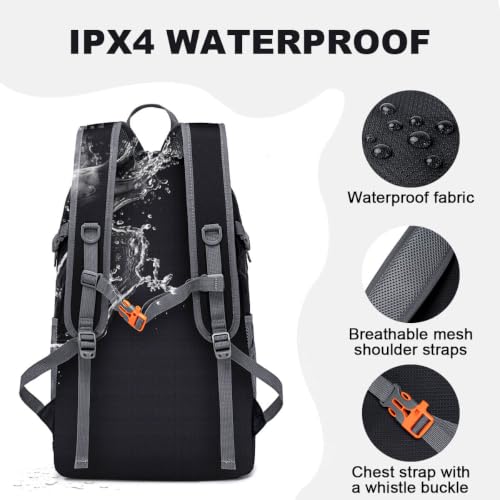
With a 35L capacity, this is the largest packable backpack here, and that’s its main selling point. When you’re returning from a trip loaded with souvenirs or need space for a weekend’s worth of gear, that extra volume matters. It includes a dedicated wet compartment, which keeps damp items from ruining dry clothes, and the IPX4 rating offers decent splash protection.
The survival whistle is a small but meaningful safety addition. Owners say it’s great as a carry-on that expands when needed. It’s not the lightest or most compact when folded, but for travelers who regularly overpack or shop abroad, the capacity makes it worthwhile. Compared to the WATERFLY 30L, it offers more space but less breathability.
Product photos
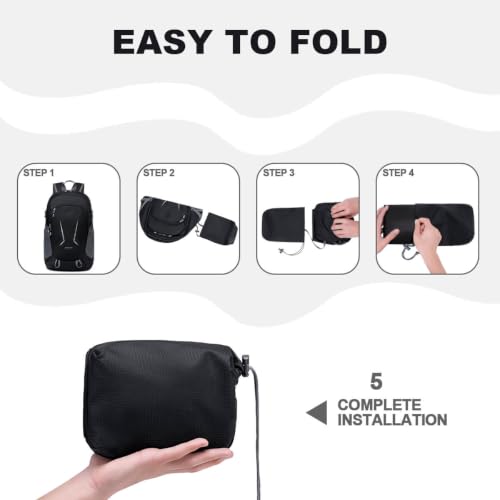
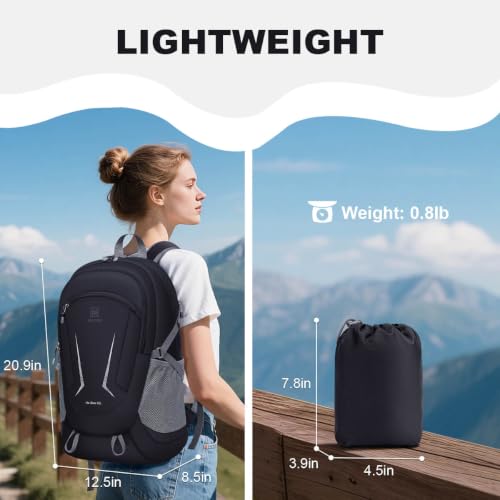
WATERFLY 30L Hiking Daypack
Strengths
- Wet compartment
- Cable pass-through
- Breathable straps
Trade-offs
- Heavier than average
- Bulky when full
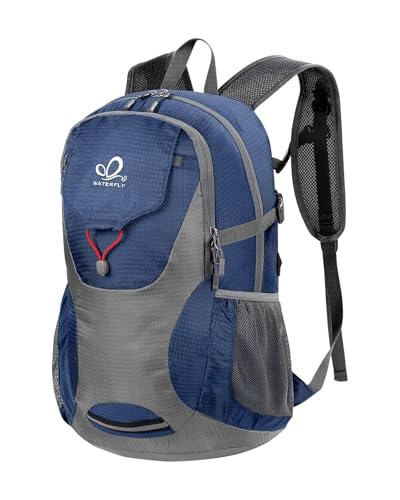
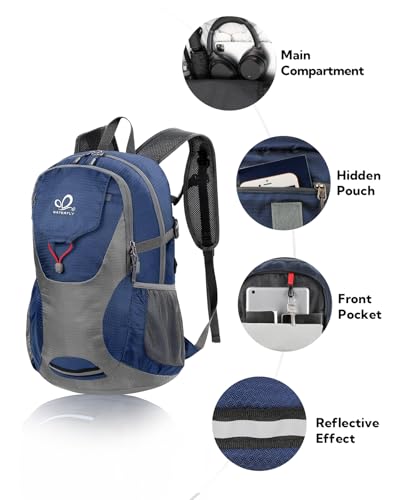
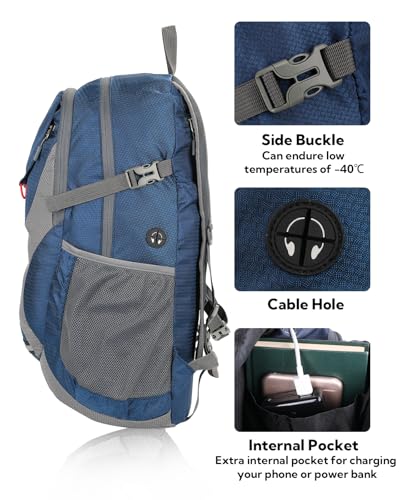
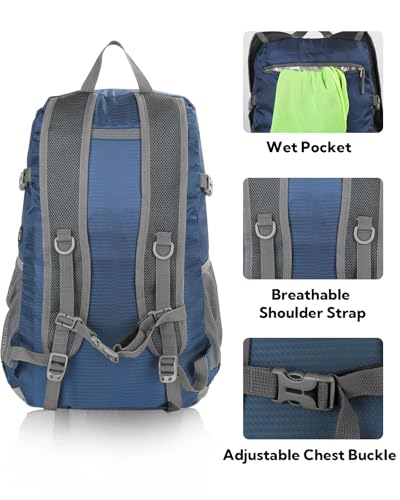
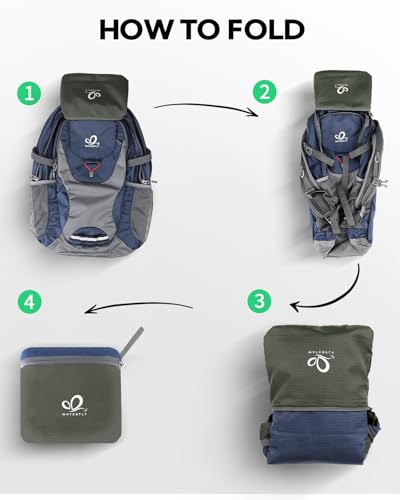
The wet/dry separation feature here is legit, and rare. That internal waterproof wet pocket, accessible via a rear zipper, is perfect for swimsuits, sweaty gym clothes, or damp gear after a rainstorm. The 30L capacity is generous for a packable model, and the s-shaped shoulder straps with breathable mesh actually help with ventilation during longer carries.
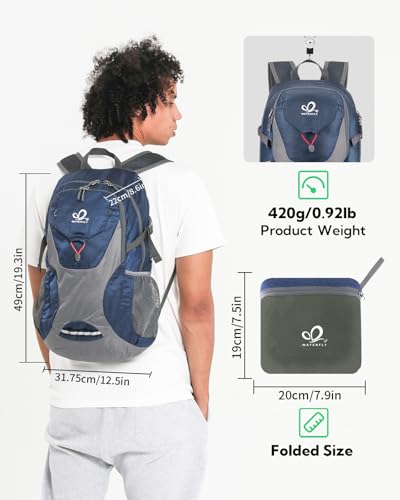
Owners praise how it handles post-hike cleanup or beach days without soaking the rest of the contents. The cable pass-through for charging is a nice modern touch. It’s heavier than others (420g), but you’re paying for utility, not minimalism. Compared to the MIYCOO, it offers similar wet storage but with better airflow and slightly more thoughtful ergonomics.
Product photos
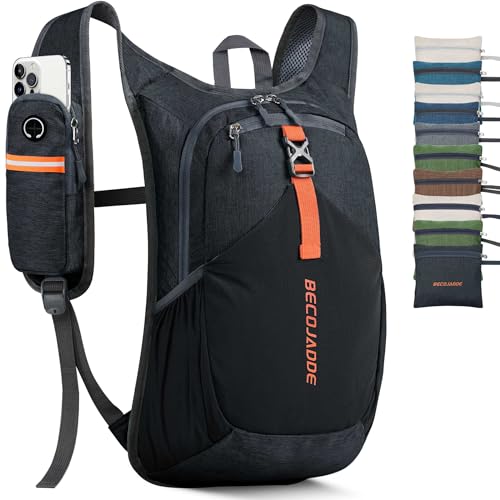
BECOJADDE 15L Hiking Daypack
Strengths
- Strap-mounted phone pocket
- Anti-theft rear zip
- Multiple external pockets
Trade-offs
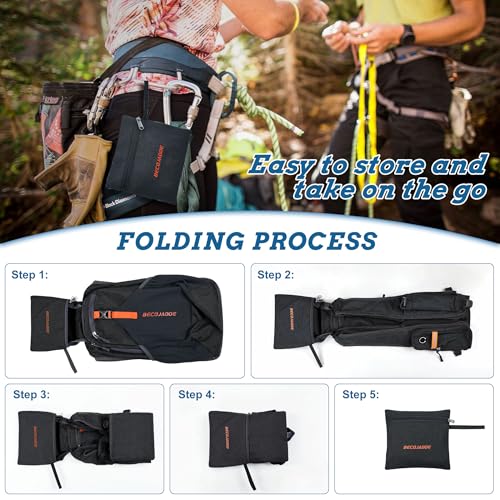
- Bulkier folded
- Heavier than ultralights
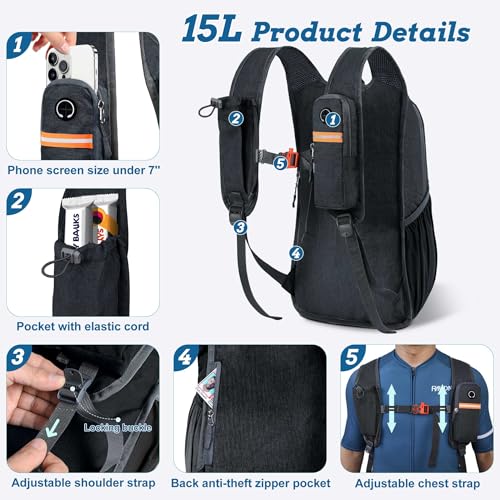
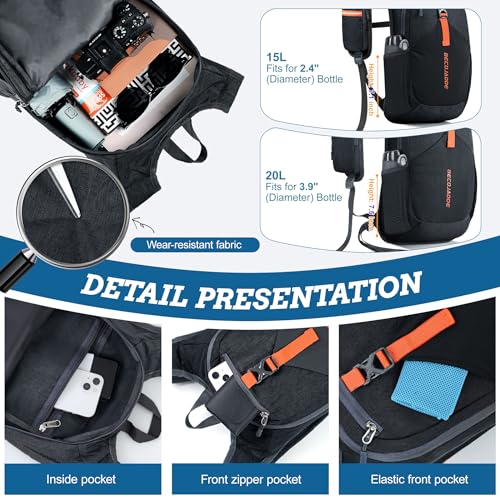
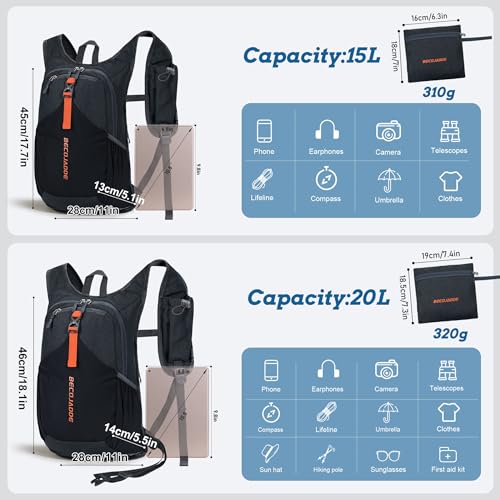
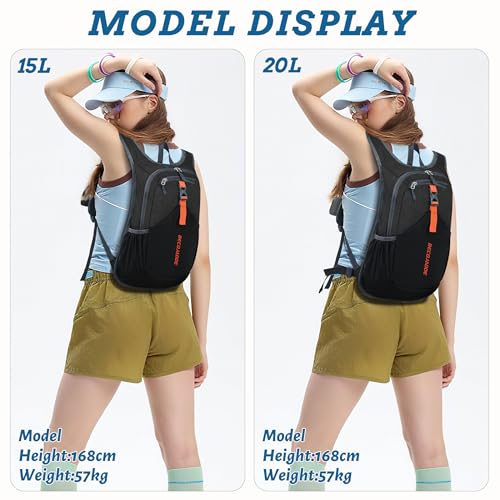
If you hate digging through a black hole of a bag, this one’s organization-first design will feel like a win. The zippered phone pocket on the strap, drawstring side pouch, front zipper, anti-theft rear pocket, and two bottle holders make it unusually accessible for a 15L pack. Reviewers note they can grab keys, snacks, or a power bank without stopping, which matters on busy trails or crowded city walks.
The chest strap doubling as a survival whistle is a thoughtful touch, and the breathable mesh straps help with heat, though they’re not as padded as Osprey’s. It’s heavier than some sub-4oz options, but the reinforced stress points and durable fabric give it staying power. For day hikes or urban travel where gear access matters, this beats simpler stuff sacks.
Product photos
Gonex Ultra Lightweight Packable Backpack
Strengths
- Reinforced stitching
- Good compartment layout
- Durable zipper
Trade-offs
- Slightly bulky
- Basic shoulder padding
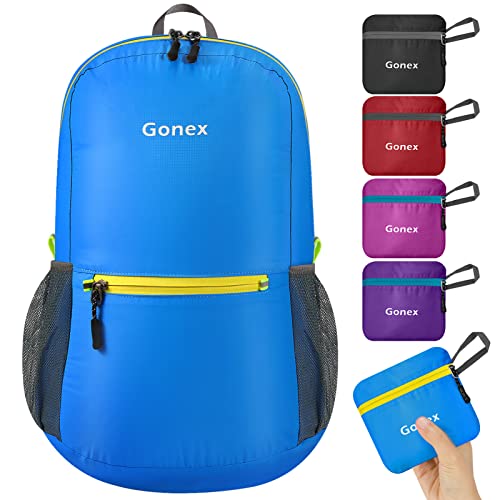
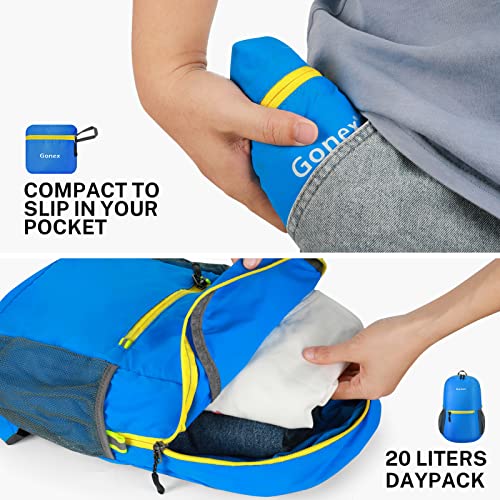
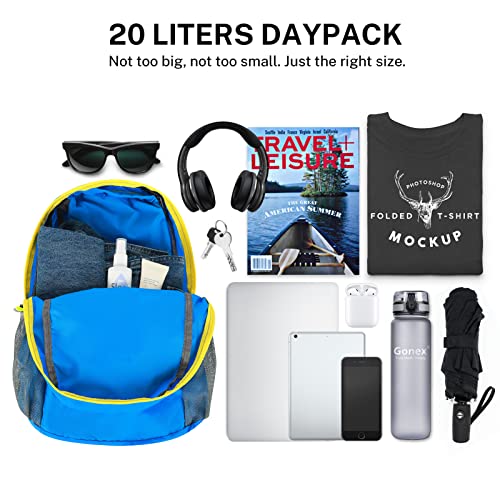
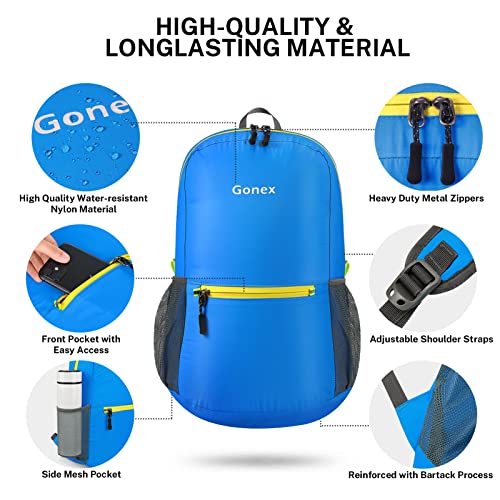
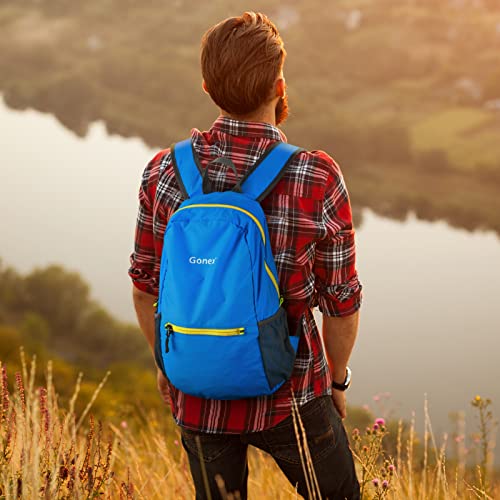
This one delivers real durability at a low cost, which is why it shows up so often in long-term owner feedback. The 20L volume gives more room than most ultralights, and the triple-zipper compartment layout, main, outer quick-access, and inner security pocket, makes it surprisingly functional. The reinforced bartack stitching at 25+ stress points is a spec that matters: owners report using it daily for months without seam failure.
It’s not the lightest (185g), but it’s close, and the SBS zippers are smoother than expected at this price. Compared to the WATERFLY budget model, it feels more built to last. For students or budget-conscious travelers who want one pack to handle campus, day trips, and travel, this is a smart middle ground.
Product photos

How We Tested ultralight backpacks
Rather than a hands-on lab test, my research for these recommendations focused on a detailed comparison of published specifications and features across numerous models. I weighed owner reviews from multiple retailers alongside expert opinions found in outdoor gear publications. As someone who understands the needs of travelers, and particularly the demands of packing efficiently, I applied my category knowledge and ranked these backpacks against criteria important to a wide range of users.
For ultralight backpacks, weight, packability, and durability are the most significant factors. A few ounces can make a huge difference on a long trek, so I prioritized models offering the lowest possible weight without sacrificing build quality. Packability – how small the backpack folds down – is also critical for travel, and a well-designed bag should easily fit into a larger suitcase. Finally, material quality and construction determine how well a backpack will withstand regular use.
Specifications reliably reveal a backpack’s capacity (in liters) and listed weight. However, owner feedback proved essential for assessing real-world durability and comfort. I scrutinized reviews for consistent reports of ripped seams or broken zippers, as well as insights into how the backpack felt when fully loaded. Understanding the practical applications of a 20-liter backpack size also helped me understand which models would best suit different needs.
How To Pick The Right ultralight backpacks
Finding the right ultralight backpack requires a bit more thought than simply chasing the lowest weight. It’s about balancing weight savings with durability, features, and how you actually plan to use the pack.
An ideal ultralight backpack prioritizes minimal weight without sacrificing essential comfort and durability. Key considerations include fabric denier (lower is lighter, but less durable), frame design (or lack thereof), strap and hipbelt quality, and the intelligent placement of features to maximize usability. Buyers should assess intended use, trip length, and typical load weight when evaluating options.
Weight vs. Durability
The biggest draw of ultralight packs is, naturally, their weight. However, going too light often means sacrificing durability. Many ultralight packs use fabrics like 20D or 30D nylon or polyester. These are fine for well-maintained trails and lighter loads, but they’re prone to abrasion and tears if you frequently bushwhack or carry heavier gear. I often advise people to consider the trade-off. A slightly heavier pack made from 40D or even 60D nylon might be a smarter investment if you anticipate rough use. Don’t automatically assume lower weight is better; think about your typical adventures.
Features and Suspension
Ultralight packs frequently strip away features to save weight. This means simpler designs, fewer pockets, and often, no dedicated framesheet or hipbelt. While some hikers thrive with this minimalist approach, it can lead to discomfort on longer trips or with heavier loads. Look for packs that strike a balance. A comfortable suspension system – even a basic one – can make a huge difference. Consider packs with load lifters and adjustable torso lengths to dial in the fit. If you plan on carrying over 20 pounds regularly, you’ll want to explore top ultralight hiking backpacks with some degree of frame or padding.
Capacity and Intended Use
Choosing the right capacity is crucial. A 20L pack is great for day hikes or as a summit pack, but it won’t cut it for overnight trips. Conversely, a 35L pack might be overkill for a quick afternoon outing. Think about your typical trip length and the gear you need to carry. Also, consider the pack’s organization. Some packs have a single large compartment, while others offer multiple pockets and compartments for better organization. For shorter trips, you might be fine with minimal organization, but for longer adventures, well-placed pockets can be a lifesaver. If you’re debating the size, understanding a 25-liter backpack size can help you visualize the capacity.
A good rule of thumb: prioritize fit and comfort over shaving off every last ounce. An uncomfortable pack will ruin your trip, no matter how light it is.
Ultralight Backpacks Compared
Here’s a comparison of key specifications for several ultralight backpacks to help you make an informed decision.
| Product Title | Capacity | Weight | Waterproof | Foldable | Wet/Dry Separation |
|---|---|---|---|---|---|
| Osprey Ultralight Collapsible Stuff Pack | N/A | 0.329 lb | No | Yes | No |
| Osprey Ultralight 20L Dry Stuff Pack | 20L | 0.43 lb | Yes | N/A | No |
| WATERFLY 20L Foldable Backpack | 20L | 10.2 oz | No | Yes | No |
| 4Monster 16L Water Resistant Daypack | 16L | 4 oz | Yes | Yes | No |
| MIYCOO 35L Packable Backpack | 35L | N/A | Yes (IPX4) | Yes | Yes |
| WATERFLY 30L Hiking Daypack | 30L | 420g | Yes | Yes | Yes |
| BECOJADDE 15L Hiking Daypack | 15L | N/A | No | Yes | No |
| Gonex Ultra Lightweight Packable Backpack | 20L | 185g | Yes | Yes | No |
Frequently Asked Questions
What’s the lightest ultralight backpack available?
The 4Monster 16L Water Resistant Daypack weighs only 4 ounces, making it one of the lightest options currently on the market. However, remember that extreme weight savings often come at the cost of durability and features.
Are waterproof ultralight backpacks truly waterproof?
Many are water resistant, but truly waterproof options like the Osprey Ultralight 20L Dry Stuff Pack use fully sealed construction and waterproof materials. Look for a specific waterproof rating or construction details if complete water protection is essential.
Can I use an ultralight backpack for international travel as a carry-on?
Yes, many fold down small enough to fit airline carry-on requirements, like the Osprey Ultralight Collapsible Stuff Pack. Always check your airline’s specific size and weight restrictions before you travel.
What denier (D) rating should I look for in an ultralight backpack?
While lower denier (like 20D or 30D) saves weight, 40D to 60D nylon offers a better balance of weight and tear resistance for frequent use. If you need a durable hiking backpack model, prioritize a higher denier fabric.
Do ultralight backpacks have good organizational features?
Ultralight packs often minimize features to save weight, but some, like the MIYCOO 35L Packable Backpack, include a wet/dry separation pocket. If organization is important, consider a pack with multiple compartments or external pockets – or supplement with packing cubes to create your own.
The Bottom Line
Ultimately, choosing an ultralight backpack comes down to prioritizing what you’ll sacrifice. Do you want the absolute lightest possible option, or are you willing to add a few ounces for increased durability and comfort? For the best overall balance of weight, features, and reasonable durability, I recommend the WATERFLY 30L Hiking Daypack. It hits a sweet spot for weekend trips and offers useful features without excessive weight.
If you’re on a tight budget, the Gonex Ultra Lightweight Packable Backpack is an excellent choice. For those needing a waterproof option for unpredictable conditions, the Osprey Ultralight 20L Dry Stuff Pack delivers reliable protection. And for those who value versatility and organization, especially with longer trips, understanding a 22-liter backpack size can help you determine if the MIYCOO 35L Packable Backpack’s wet/dry separation is a feature you’d benefit from.
Don’t get too caught up in chasing the lowest numbers on the scale. A well-fitting pack, constructed from reasonably durable materials, will always be more enjoyable on the trail than a fragile, uncomfortable one. Focus on fit, comfort, and how the pack will hold up to your adventures – those fundamentals matter more than any single specification.