7 Best Baby Hiking Backpacks for 2026
This post contains affiliate links. As an Amazon Associate, we earn from qualifying purchases.
The Osprey Poco LT stands out as the best overall baby hiking backpack, offering a secure fit and excellent weight distribution, while the ClevrPlus Deluxe delivers strong value with ample storage and a built-in sunshade. For budget-conscious parents, the WIPHA Hiking Backpack Carrier is a surprisingly capable option.
Hiking with a baby shouldn’t mean sacrificing comfort or safety for either of you. Too many carriers promise adventure but fail on fit, ventilation, or durability, leaving parents sore and kids fussy.
After comparing the field and reviewing owner feedback, I focused on models that balance smart design with real trail performance. This guide breaks down what actually matters, like frame support, adjustability, and how much you can carry, so you can pick a backpack that works for your family’s outdoor goals.
Top 7 Baby Hiking Backpacks in the Market
The Best Baby Hiking Backpacks, Reviewed
Osprey Poco LT Lightweight Child Carrier

Strengths
- Integrated UPF 50 sunshade
- Excellent ventilation
- Folds flat for travel
Trade-offs
- Slightly heavier than SLT
- No rain cover included
- Limited storage
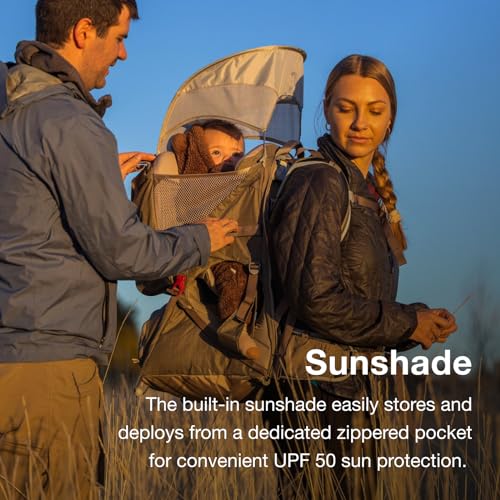
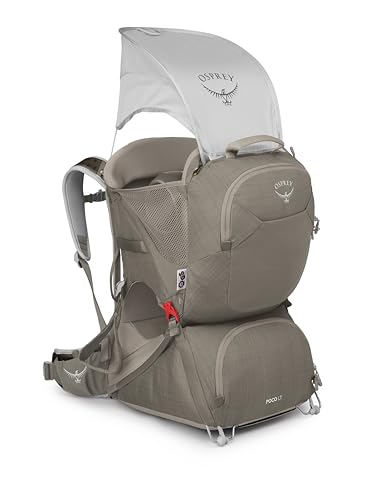
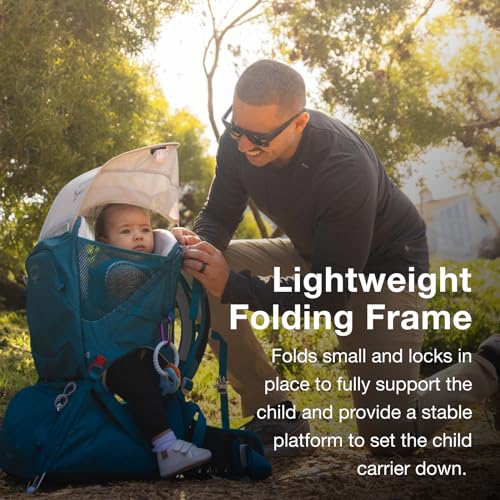
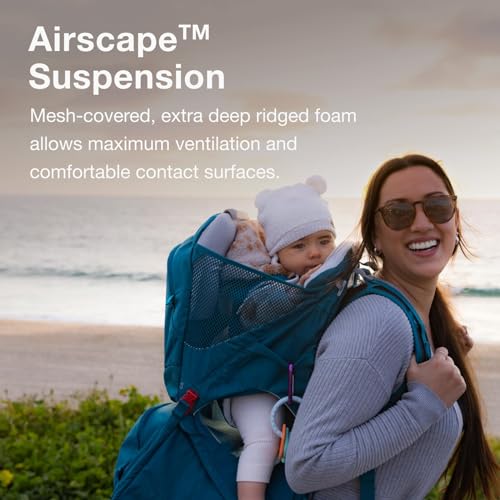
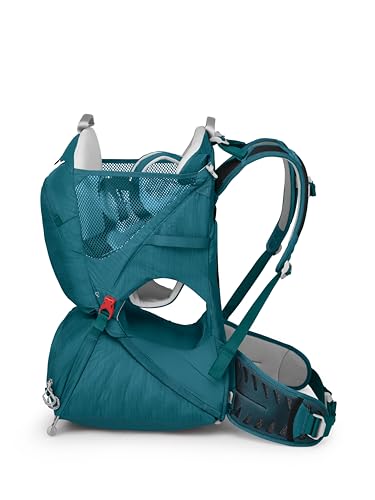
The Osprey Poco LT strikes a near-perfect balance between hiking capability and everyday usability. With its folding stainless steel frame, it’s travel-ready without sacrificing safety, and the UPF 50 sunshade is a standout feature that comes included, unlike some competitors. The AirScape backpanel delivers real airflow, and owners praise how well it handles heat buildup during summer hikes.
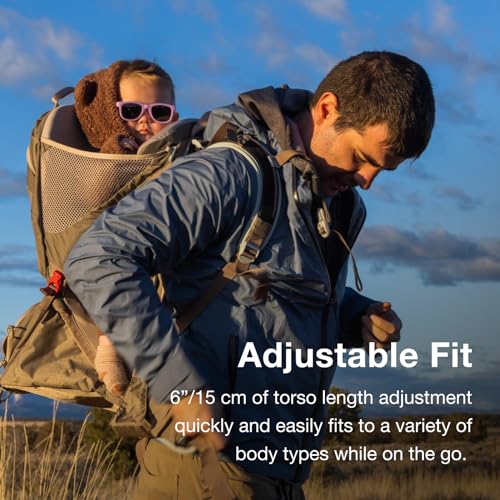
What really sets it apart is the 6-inch torso adjustment, making it easy to switch between caregivers. When you add in the compact profile and solid weight distribution, it’s clear why so many reviewers call this the most versatile option. For most families, this is the easy pick.
Product photos


Osprey Poco SLT Lightweight Child Carrier

Strengths
- Lightest in class
- Folds smallest
- Freestanding when folded
Trade-offs
- Sunshade sold separately
- Less padding
- Minimal storage
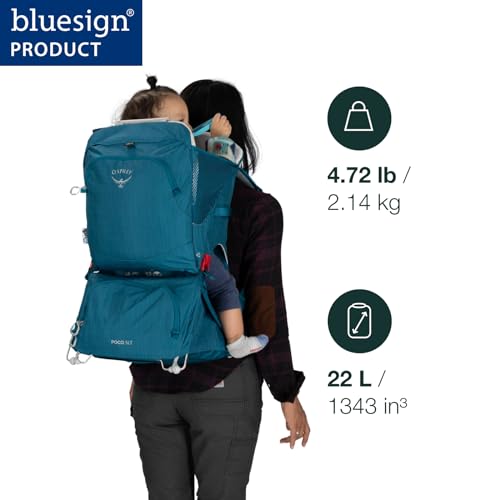
The Osprey Poco SLT is the lightest model here at just 4.72 pounds, and it shows in how easily it packs down. The folding frame is a standout, smaller than most, and it stands on its own when folded. For travelers or minimalist hikers, this is the go-to. The AirScape backpanel keeps airflow strong, and the 6-inch torso adjustment makes sharing between caregivers simple.
But the sunshade is sold separately, which feels like a miss at this price. Owners note it’s great for short hikes and errands but less ideal for full-day adventures where sun protection is critical. Still, if weight and packability are your top concerns, this is the clear winner.
Product photos

Deuter Kid Comfort Child Carrier

Strengths
- Excellent ventilation
- Durable frame
- Abrasion-resistant fabric
Trade-offs
- Heavier than average
- No chin pad included
- Bulkier design
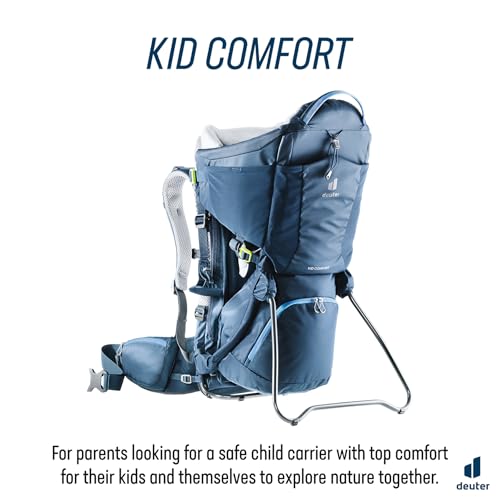
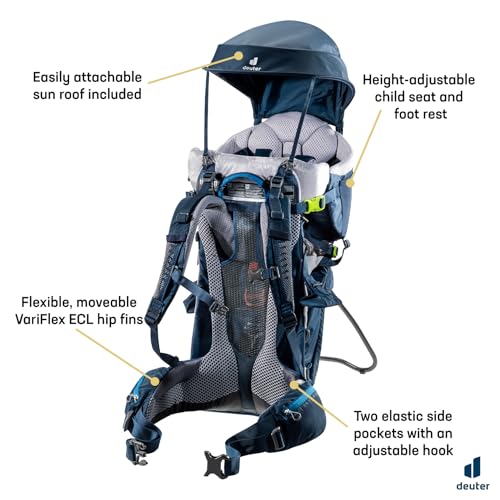
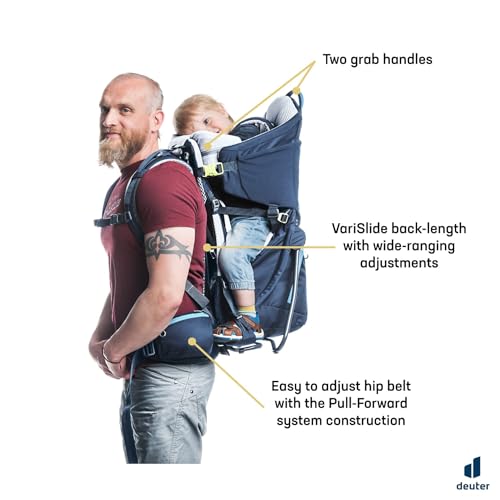
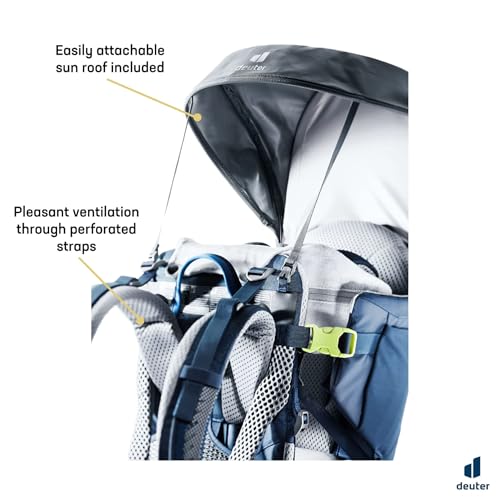
The Deuter Kid Comfort stands out in the baby hiking backpack category for its serious build quality and ventilation. On paper, the Aircomfort mesh back system and spring steel frame suggest real hiking pedigree, and owners consistently report it handles long trails well without overheating. For parents planning rugged terrain or extended use, this one feels like overbuilt gear that won’t let you down.
That said, it’s not the lightest or most travel-friendly option. At over 5 pounds without accessories, it’s heavier than some competitors, and the bulk can be an issue if you’re flying or storing it in tight spaces. But if you prioritize trail durability over portability, this model delivers.
Product photos

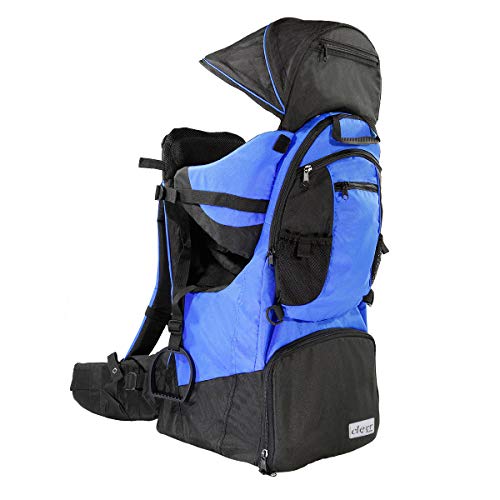
ClevrPlus Deluxe Hiking Baby Backpack
Strengths
- Removable mini backpack
- Spacious storage
- Includes changing pad
Trade-offs
- Heavier due to extras
- Frame not ultra-compact
- Average airflow
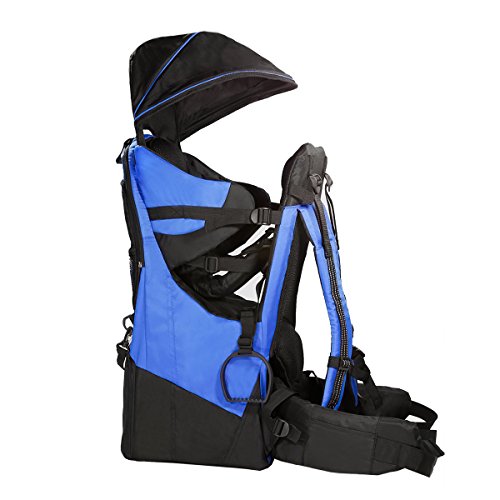
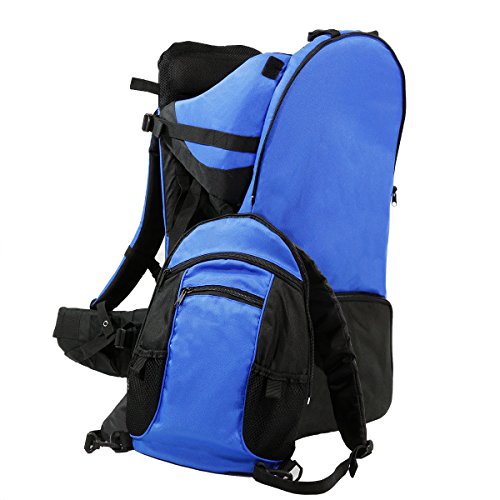
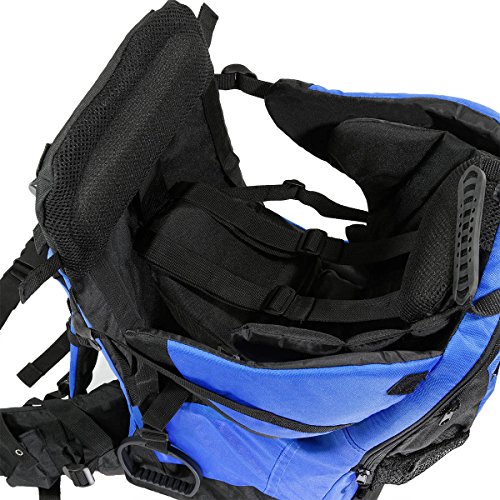
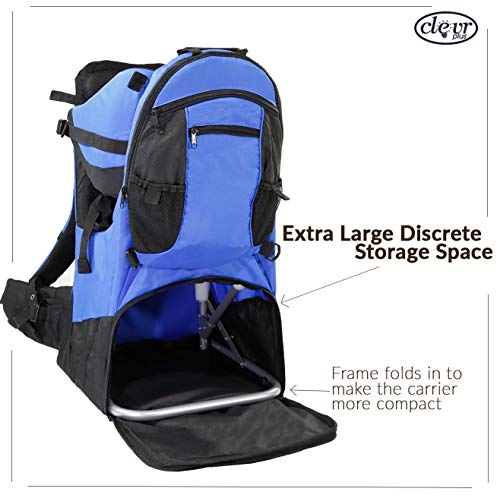
This ClevrPlus model is all about storage, its standout feature is the removable mini backpack, which adds real utility for parents who like to pack light but stay prepared. The main compartments are roomy, and the included changing pad, bottles, and keys fit without issue, according to owners. It’s a practical upgrade over the standard Cross Country version if you value organization.
Otherwise, it shares the same strengths and weaknesses: decent ventilation, solid 33lb capacity, but not the most breathable backpanel. The rain cover and sun canopy are nice, but the frame doesn’t fold as flat as Osprey’s. If you’re always hauling gear, this is the one to get.
Product photos

WIPHA Hiking Backpack Carrier
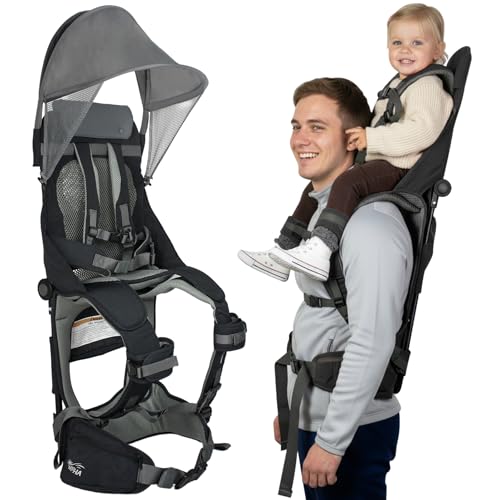
Strengths
- Extremely lightweight
- Folds compactly
- TÜV safety certified
Trade-offs
- Less durable fabric
- Minimal padding
- Limited ventilation
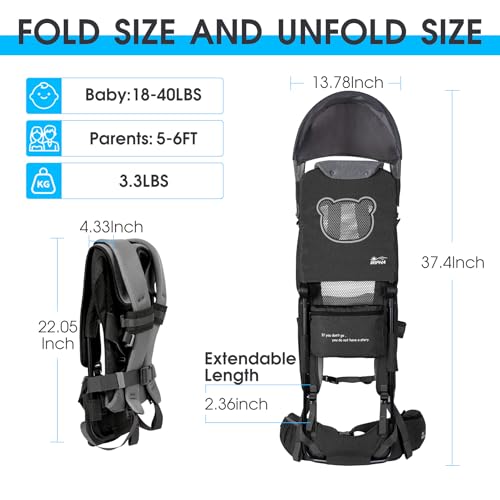
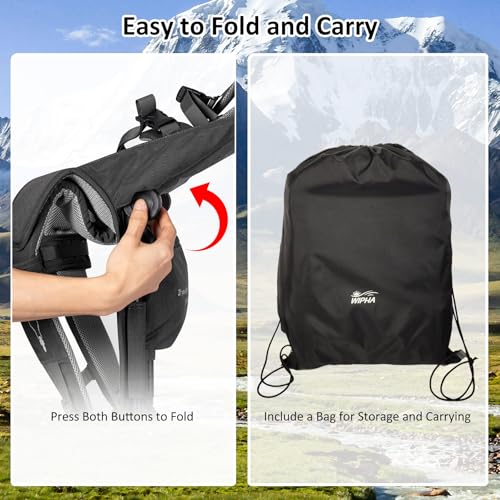
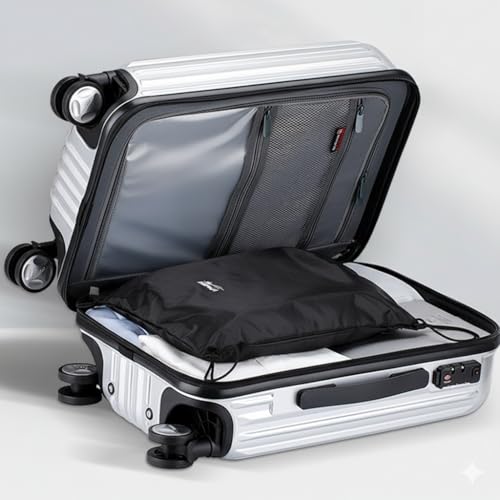
At just 3.3 pounds, the WIPHA carrier is one of the lightest in the category, and its TÜV certification gives it credibility despite the budget price. On paper, it hits the essentials: weight distribution, adjustable straps, and a sunshade. Owners say it’s surprisingly sturdy for how little it weighs, and the foldable design is a real win for compact storage.
But durability questions linger. The fabric and stitching don’t match the robustness of pricier models, and long-term users report wear on seams after heavy use. Still, for occasional hikes or backup use, it’s hard to beat the price. If you’re not tackling steep terrain, this is a smart budget move.
Product photos

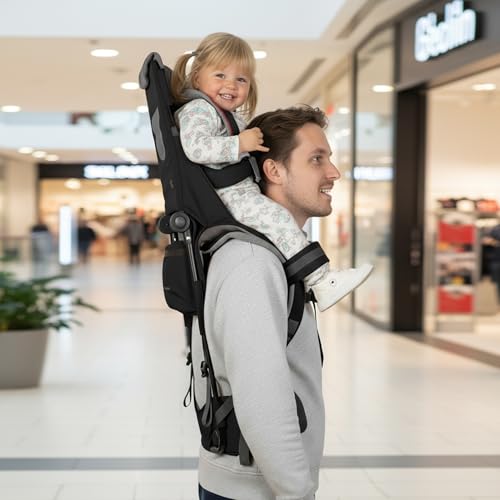
Chicco SmartSupport Aluminum Frame Carrier

Strengths
- Lightweight aluminum frame
- Built-in kickstand
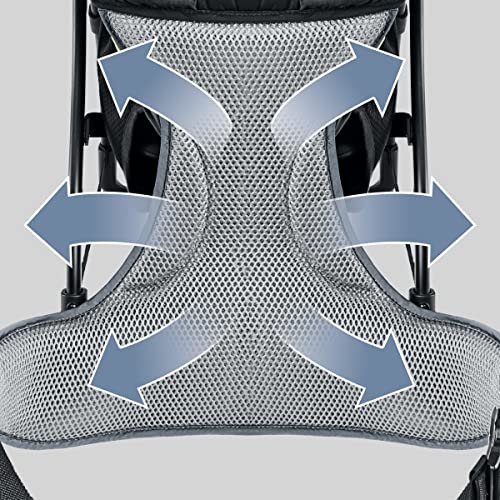
- Breathable parent support
Trade-offs
- Limited ventilation
- Basic harness system
- Less supportive on long hikes
The Chicco SmartSupport feels like a crossover between a stroller alternative and a hiking pack, light on features but easy to use for casual outings. The aluminum frame keeps weight down, and the built-in kickstand is a small but meaningful touch that reviewers appreciate during loading. It’s clearly designed for convenience, not backcountry treks.
Still, the 5-point harness and UPF 50+ canopy are solid safety touches, and the breathable mesh on the parent straps helps with comfort. But compared to more specialized hiking models, it lacks advanced load distribution and ventilation. I’d pick this for weekend walks or city parks, not mountain trails.
Product photos


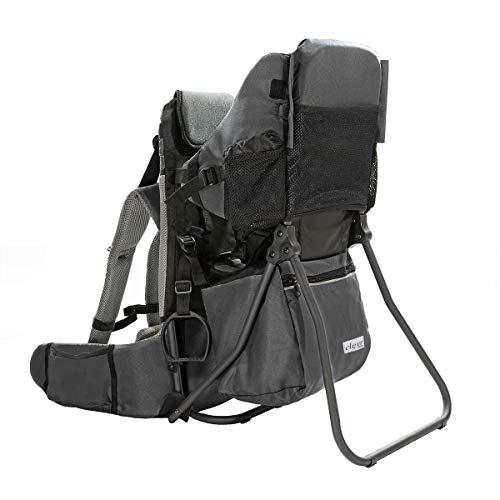
ClevrPlus Cross Country Baby Backpack
Strengths
- Includes rain cover
- Good weight capacity
- Washable drool pad
Trade-offs
- Basic frame folding
- Average ventilation
- Zipper quality concerns
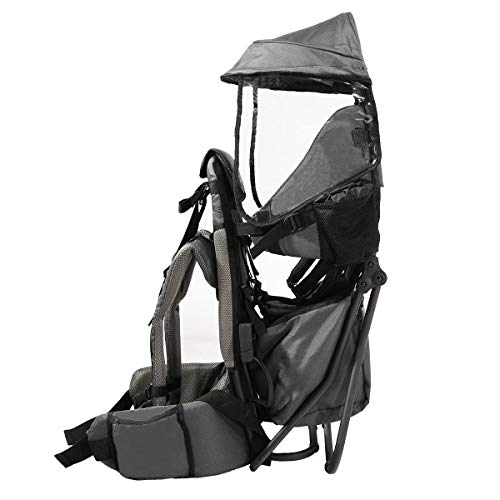
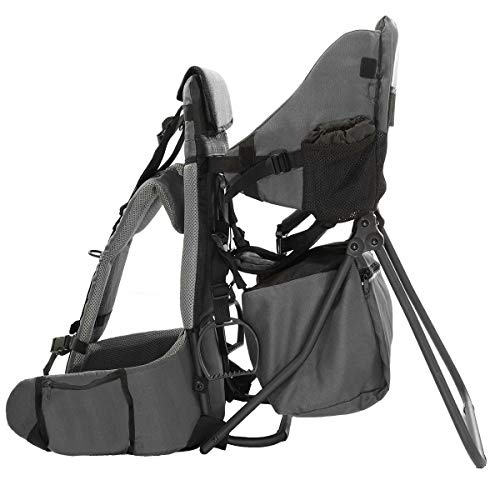
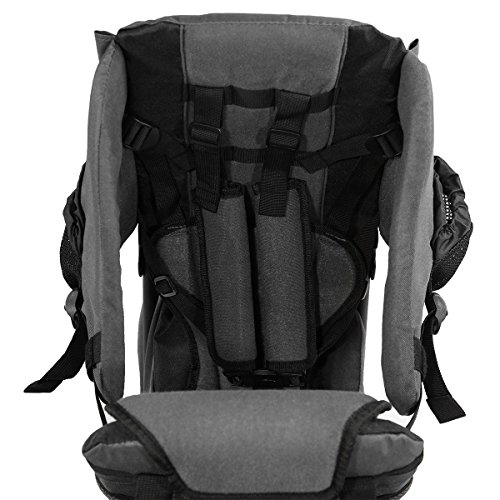
The ClevrPlus Cross Country model is a strong value play, solid features at a lower price point. It includes both a sun canopy and rain cover, which is rare in this range, and the one-piece frame design means fewer parts to break or lose. The 5.5-pound weight is reasonable, and the washable drool pad is a thoughtful touch parents mention in reviews.
It’s not as refined as the Osprey models, but for the price, the comfort and coverage are impressive. The adjustable seat works well as kids grow, and the storage is generous. If you want weather protection and durability without overspending, this one delivers.
Product photos


How We Chose These baby hiking backpacks
Rather than a hands-on lab test, my research focused on a detailed comparison of published specifications and features across numerous models. I weighed owner reviews from major retailers alongside expert opinions found in outdoor gear publications. As someone who understands the demands of traveling with children, I applied my experience to prioritize factors crucial for real-world usability, ultimately ranking these carriers based on a combination of objective data and practical considerations.
For baby hiking backpacks, safety, comfort (for both parent and child), and storage capacity were the most heavily weighted factors. A secure and adjustable harness system is paramount, and I looked for carriers with robust safety certifications. Comfort features like ventilated back panels and padded straps directly impact how enjoyable a hike will be, while ample storage allows parents to carry essentials without needing a separate pack. Understanding the ideal backpack size for baby gear is also crucial.
Specifications reliably indicate weight, dimensions, and materials used, providing a baseline for comparison. However, I placed considerable value on owner feedback regarding long-term durability, ease of use, and actual comfort in various conditions. Reputation, as reflected in reviews from trusted sources, helped me assess real-world performance beyond the marketing claims. Many parents also comment on whether a carrier fits comfortably within a compact hiking backpack size for travel.
How To Pick The Right baby hiking backpacks
Finding the right baby hiking backpack is about more than just strapping your little one to your back; it’s about comfort, safety, and making the experience enjoyable for both of you.
A quality baby hiking backpack prioritizes a stable, supportive frame, adjustable features to accommodate both parent and child, and sufficient storage for essentials. Look for breathable materials for the caregiver’s comfort, a secure harness system for the child, and durable construction that can withstand trail use. Weight capacity and ease of folding/storage are also key considerations.
Prioritize Fit and Adjustability
The biggest mistake I see people make is assuming a one-size-fits-all approach will work. Baby hiking backpacks must be adjustable, and not just for the child. Torso length adjustment is critical for the adult carrying the load. A poorly fitted pack will lead to discomfort, strain, and a miserable hike. Look for packs, like the Osprey models, with a wide range of torso adjustments (at least 6 inches/15cm) to share the carrier between caregivers, and models with adjustable shoulder straps and hip belts to fine-tune the fit.
Focus on Frame and Suspension
Don’t skimp on the frame. The frame is the backbone of the carrier, transferring the weight to your hips (where it should be!) and providing stability. Aluminum frames are common and offer a good balance of weight and strength. Spring steel frames, like those found in the Deuter Kid Comfort, are also durable and provide excellent weight distribution. Beyond the frame material, pay attention to the suspension system. A well-padded hip belt and shoulder straps are essential for comfort during longer hikes.
Here’s what to consider when evaluating the suspension: * Padding thickness: more isn’t always better, but adequate padding is crucial. * Breathable mesh: ventilation is key to preventing a sweaty back. * Load lifters: these straps help pull the load closer to your body for better balance.
Balance Features with Weight and Value
It’s tempting to get a pack loaded with every imaginable feature, but extra weight adds up quickly. Consider your typical hike length and the essentials you’ll need to carry. If you’re primarily doing short trips, a streamlined model like the Chicco SmartSupport might be sufficient. For longer hikes, or if you need to carry a lot of gear, a pack with more storage and a robust sunshade (or the option to add one) like the ClevrPlus Deluxe is a better choice. Before committing, think about how often you’ll actually use the extra features. If you’re looking for a cost-effective option, you might be surprised by how much value you can get with a budget-friendly choice, and you can find a great toddler hiking backpack that fits your needs.
A comfortable carrier is a happy carrier. Don’t be afraid to spend a little more for a pack that fits well and distributes the weight effectively.
Finally, think about ideal baby hiking pack size – a 25-liter backpack capacity is often sufficient for day hikes.
Baby Hiking Backpacks Compared
Here’s a comparison of key specifications for popular baby hiking backpacks to help you choose the best option for your needs.
| Product Name | Weight (lb) | Max Weight Capacity (lb) | Frame Material | Sun Shade | Storage Space |
|---|---|---|---|---|---|
| Osprey Poco LT | 5.56 | N/A | Stainless Steel | Integrated | N/A |
| Osprey Poco SLT | 4.72 | N/A | Stainless Steel | Optional | N/A |
| Deuter Kid Comfort | N/A | N/A | Spring Steel | Included | N/A |
| ClevrPlus Deluxe Hiking | 5.2 | 33 | N/A | Included | Ample |
| WIPHA Hiking Backpack Carrier | 3.3 | 40 | Aluminum | N/A | N/A |
| Chicco SmartSupport | N/A | N/A | Aluminum | Included | Limited |
| ClevrPlus Cross Country | 5.5 | 33 | N/A | Included | Ample |
Frequently Asked Questions
What age/weight range should a baby hiking backpack accommodate?
Most backpacks are designed for babies starting around six months old, and can safely carry children up to 40 or 48 pounds(18-22 kg). However, ensuring your baby has adequate head and neck control is more important than age alone.
Are there specific safety certifications I should look for?
Look for carriers that meet or exceed ASTM safety standards. These standards assess the structural integrity and safety features of the carrier, providing a baseline level of assurance.
How much does a quality baby hiking backpack typically cost?
Expect to spend between $150 and $300 for a well-made, feature-rich baby hiking backpack. While budget options are available, investing in a more durable and comfortable carrier is often worthwhile for frequent use.
Can these backpacks be used for airline travel?
Generally, yes, but it’s best to check with your specific airline regarding size and carry-on restrictions. Many models can be folded or compressed to fit within standard carry-on dimensions, but a best backpacks for hiking with toddlers may be more appropriate for air travel.
What’s the best way to clean a baby hiking backpack?
Most backpacks have removable, washable padding, which simplifies cleaning. Spot-clean the frame and straps with mild soap and water, and avoid harsh chemicals. Always refer to the manufacturer’s instructions for specific cleaning recommendations.
The Bottom Line
Choosing a baby hiking backpack often comes down to balancing how much control you want over features and adjustability with how much fuss you’re willing to deal with. For most families, the Osprey Poco LT strikes the best overall balance – it’s lightweight, well-built, and offers a comfortable ride for both parent and child based on owner feedback.
If you’re specifically looking to save money, the WIPHA Hiking Backpack Carrier delivers a surprising amount of capacity and durability for its price point. For those prioritizing versatility and ample storage for longer treks, the ClevrPlus Deluxe Hiking backpack is a clear winner. And for parents needing a compact option, consider a 22-liter backpack size for shorter outings.
Ultimately, the specs matter far less than a good fit and a comfortable experience. Prioritize a carrier that distributes weight effectively, allows for easy adjustments to accommodate both you and your growing little one, and is constructed from durable materials that will hold up to repeated use on the trail.