7 Best Toddler Hiking Backpacks 2026
This post contains affiliate links. As an Amazon Associate, we earn from qualifying purchases.
The Osprey Poco SLT Child Carrier stands out as the best overall toddler hiking backpack, combining smart design with reliable comfort. For budget-conscious families, the WIPHA Hiking Backpack Carrier delivers surprising quality at a lower price, while the Hiking Baby Carrier Backpack offers strong versatility with thoughtful storage and included accessories.
Every parent knows the dream: a peaceful hike with a happy toddler safely along for the ride. Too often, the reality is discomfort, awkward weight, or gear that falls apart mid-trail. Picking the wrong carrier can turn a family adventure into a slog.
This guide cuts through the noise. Based on specs, owner feedback, and my years evaluating travel gear for families, I’ve ranked the top options by safety, adjustability, weight, and real-world usability. You’ll learn what actually matters when choosing a carrier that works for both you and your child.
Top 7 Toddler Hiking Backpacks in the Market
The Best Toddler Hiking Backpacks, Reviewed
Osprey Poco SLT Child Carrier

Strengths
- Superior ventilation
- Folds flat for travel
- Adjustable for multiple wearers
Trade-offs
- Accessories sold separately
- No included rain cover
- Higher price point
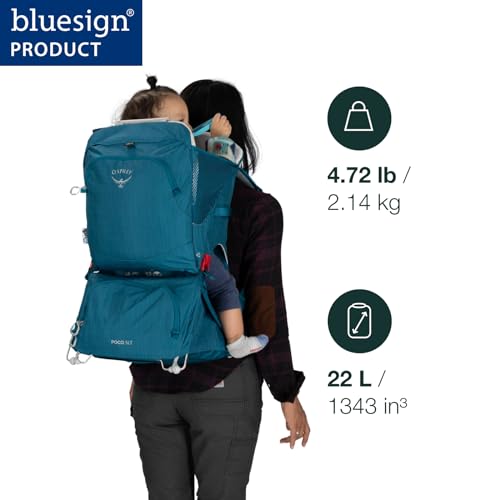
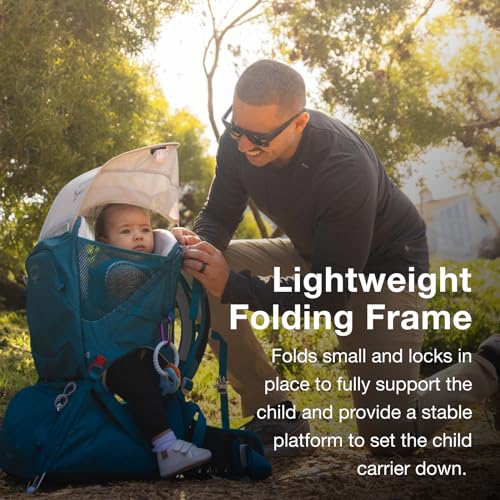
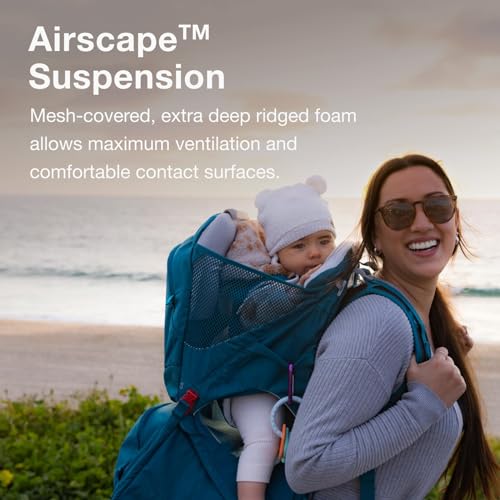
This is the benchmark. The Osprey Poco SLT is where thoughtful engineering meets real-world usability. At 4.72 lbs, it’s light, and the patented folding stainless steel frame collapses smaller than any other here, a standout for travel. The AirScape backpanel delivers unmatched breathability, and owners consistently praise how much more comfortable it feels on long hikes.
It doesn’t include the rain cover or changing pad (sold separately), which stings a little. But the adjustable torso length, up to 6 inches, means multiple adults can wear it comfortably, a huge plus for sharing duties. Compared to every other model, it balances weight, support, and packability better. I’d pick this as the best overall for active families who hike, travel, and value smart design.
Product photos

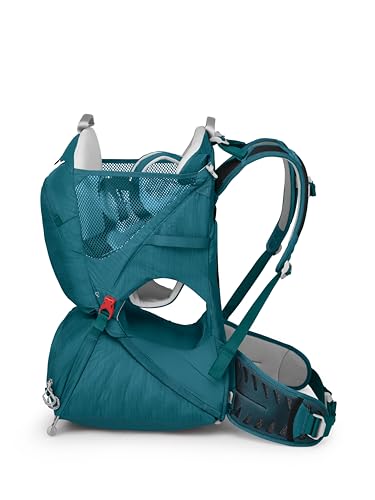
besrey Baby Backpack Carrier

Strengths
- High weight capacity
- Affordable price
- Detachable sunshade
Trade-offs
- Less breathable padding
- Bulky when stored
- Basic frame design
Priced to move, the besrey delivers more than you’d expect for a budget pick. It supports up to 44 lbs, one of the highest limits here, and includes a detachable sunshade, drool pad, and even a storage bag. The 5-point harness and stirrups are on par with pricier models, and owners say it’s surprisingly comfortable for the price.
But ‘value’ comes with trade-offs. The padding isn’t as refined, and the frame doesn’t fold as compactly as the Osprey’s. Ventilation is average, so on hot days, both parent and child may feel the heat. Still, for families who hike occasionally or want a solid backup carrier, it’s hard to beat. Compared to the WIPHA, it offers more features; compared to the Osprey, it lacks finesse.
Product photos

ClevrPlus Cross Country Baby Carrier
Strengths
- Full weather protection
- One-piece sturdy frame
- Padded lumbar support
Trade-offs
- Heavier than some
- Bulkier when folded
- Straps can feel stiff
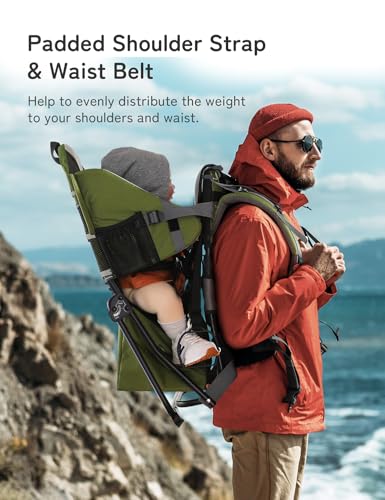
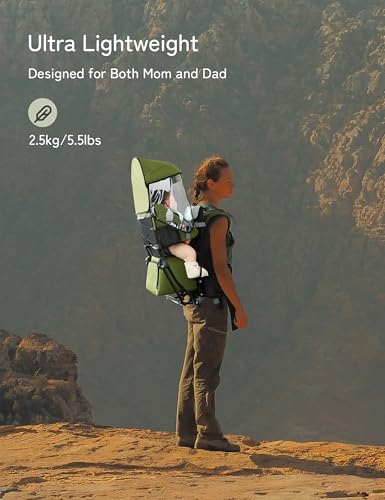
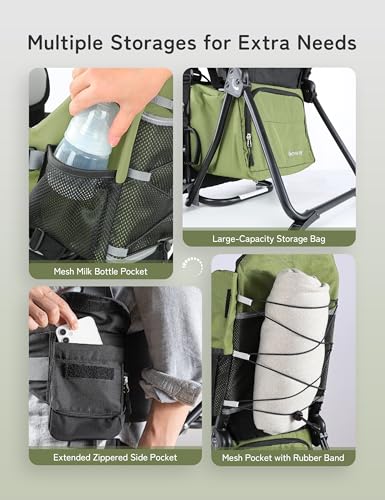
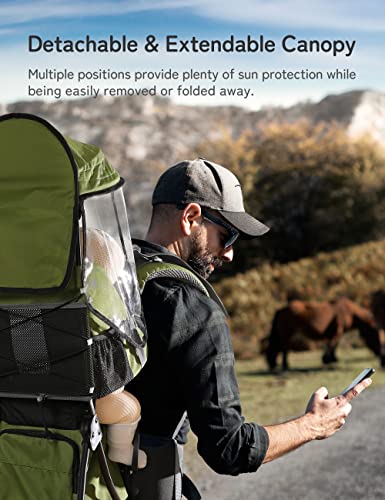
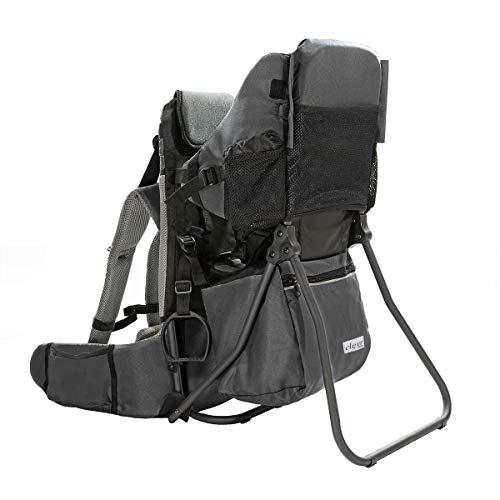
This is one of the few models that truly earns the ‘hiking’ label. With a one-piece frame, 5-point harness, and load-bearing hip belt, it’s built for endurance. The 5.5 lb weight is competitive, and owners praise how well it handles long trails, especially with the lumbar padding and padded straps. The included rain cover and sun canopy are practical touches you won’t find on every model.
It’s not the lightest, but it makes up for it in comfort and protection. The adjustable seat works for kids up to 33 lbs, which means real longevity. Compared to the besrey or WIPHA, this is a more serious investment for active families. If you’re logging miles on rugged trails, this is a smarter pick than budget models that skimp on support.
Product photos


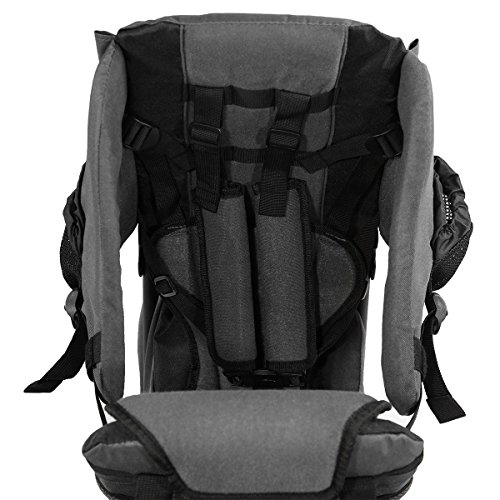
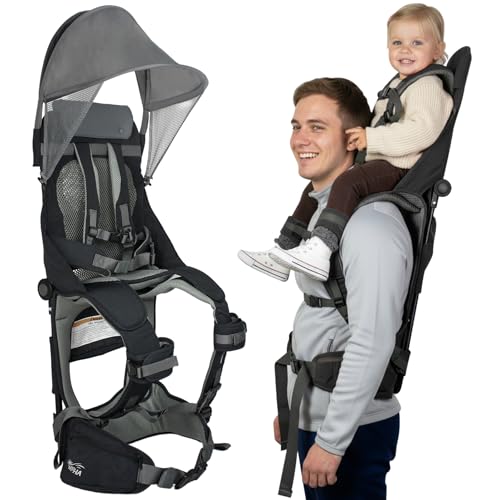
WIPHA Hiking Backpack Carrier
Strengths
- Extremely lightweight
- Folds compactly
- TÜV safety certified
Trade-offs
- No included rain cover
- Sunshade not included
- Limited storage
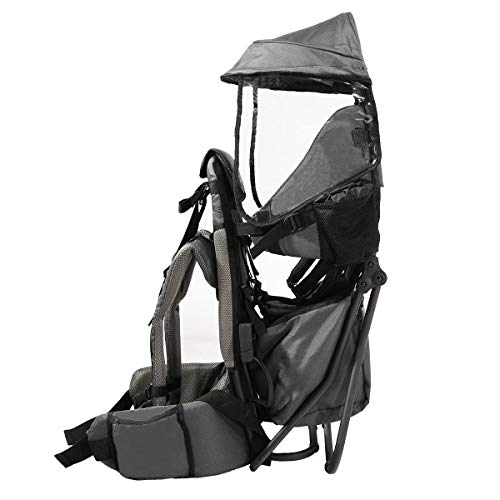
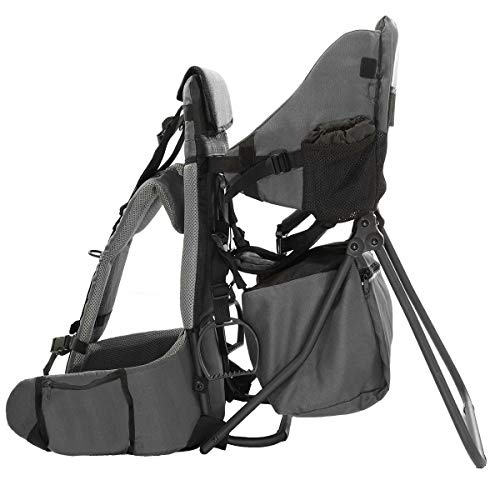
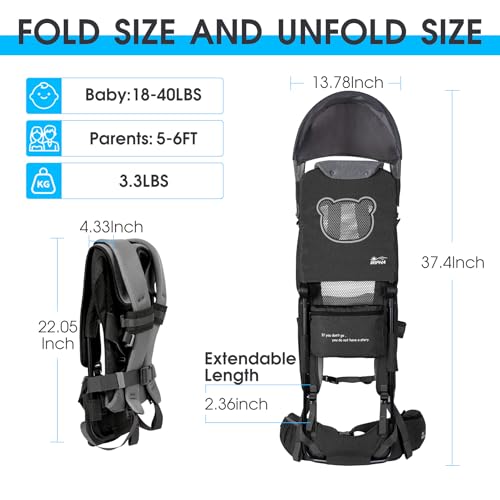
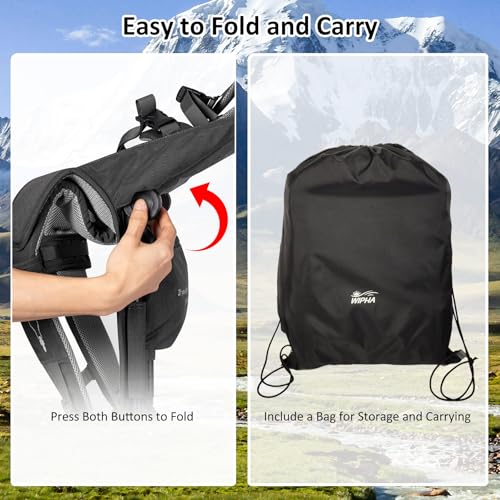
At just 3.3 lbs, the WIPHA stands out as the lightest in this lineup, a serious advantage if you’re packing it in and out of car trunks or stashing it mid-trip. The aluminum frame keeps it strong without adding heft, and owners note it’s surprisingly stable for a minimalist build. It’s built for kids up to 40 lbs, which covers the typical 6-month to 2-year range well, though taller toddlers may outgrow the seat depth quickly.
Still, the lack of included sunshade or rain cover is a surprise given the outdoor focus. You get breathability and a secure harness, but weather protection is on you. Compared to the Osprey or ClevrPlus, it’s a stripped-down option, great if you prioritize weight and portability over bells and whistles. I’d lean on this for travel or warm-weather strolls, not all-day mountain hikes.
Product photos

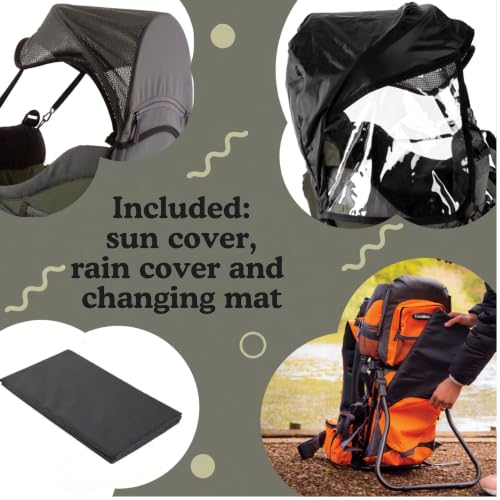
Hiking Baby Carrier Backpack
Strengths
- Insulated bottle pocket
- Includes changing pad
- Durable ripstop fabric
Trade-offs
- Basic sun protection
- Backpanel less breathable
- No foldable frame
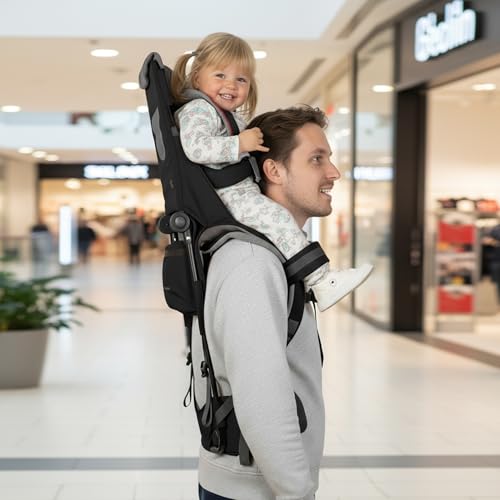
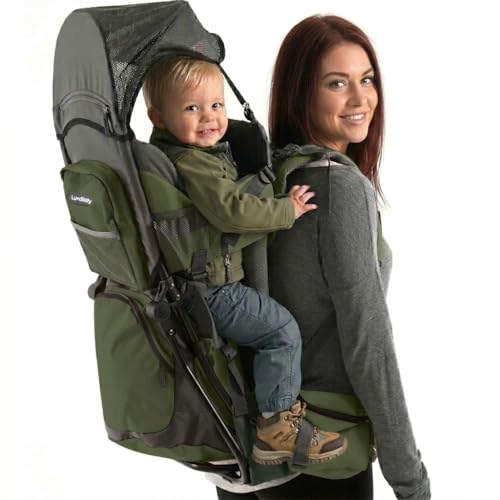
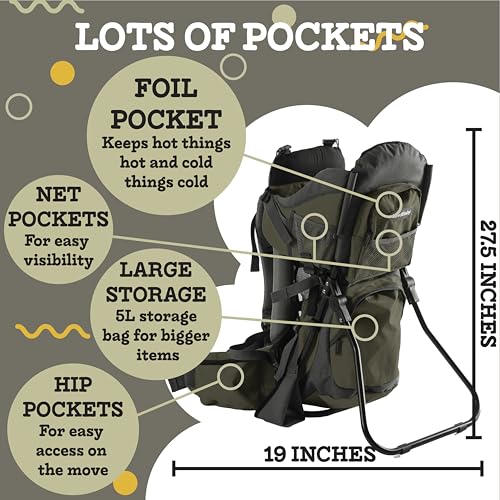
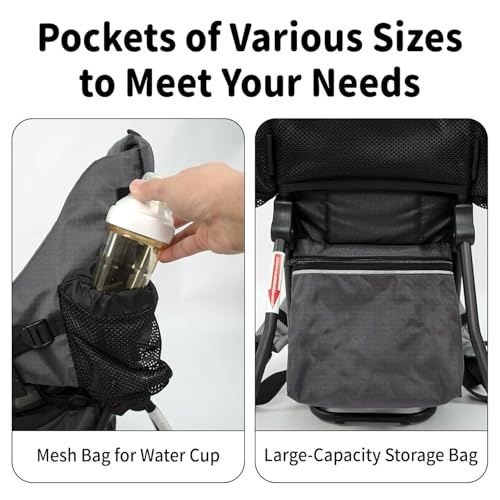
Where this pack shines is in the details that make life easier on the trail, like the insulated bottle pocket and included diaper changing pad. These aren’t just add-ons, they’re thoughtful inclusions that owners actually use. The ripstop polyester holds up well, and the multiple mesh pockets keep gear organized in a way that feels more ‘hiker-tested’ than other models.
The sun visor is handy, but it’s not a full canopy, so don’t expect complete sun or rain defense. And while the padding is solid, it doesn’t match the Osprey’s ventilated backpanel for airflow on hot days. Still, for parents who want organization and practical extras without overspending, this hits a sweet spot. I’d rank it just behind the Osprey for overall usability.
Product photos
Baby Carrier Backpack Foldable Frame
Strengths
- Excellent weather canopy
- Foldable frame
- Large storage capacity
Trade-offs
- Heavier than average
- Average ventilation
- Loose frame lock
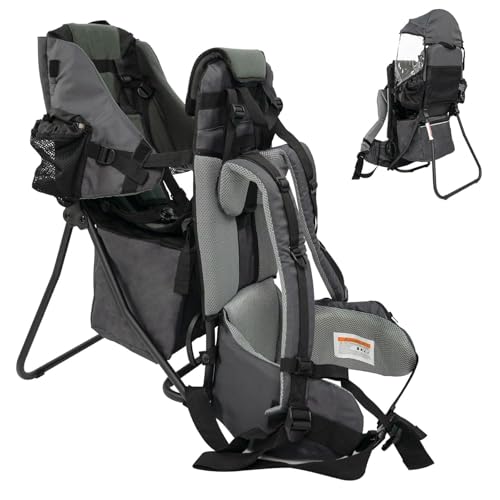
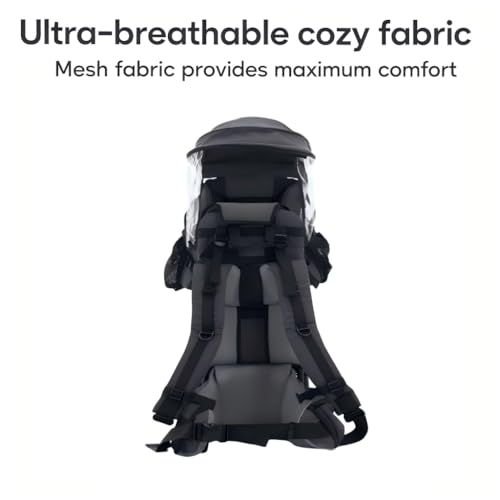
This model makes weather protection a priority, and it shows. The removable rain and sun canopy is full-coverage and easy to deploy, a real step up from flimsy visors. Combined with breathable materials and a well-ventilated back, it’s clearly designed for unpredictable conditions. Owners appreciate the large storage, especially the under-seat compartment, which keeps bulkier items secure.
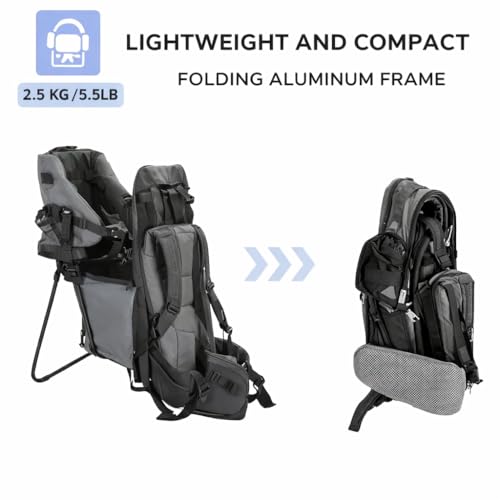
The foldable frame is a win for storage, though it doesn’t lock down as neatly as the Osprey’s. The harness system is solid but not as refined in fit. It’s not the lightest or most ventilated, but if you’re often caught in drizzle or midday sun, this one keeps your child drier and more comfortable. For all-season use, it’s a strong contender.
Product photos
MOUNTAINTOP 8L Toddler Backpack
Strengths
- Lightweight design
- Easy zipper access
- Adjustable chest strap
Trade-offs
- Minimal storage
- Not for hiking
- No frame support
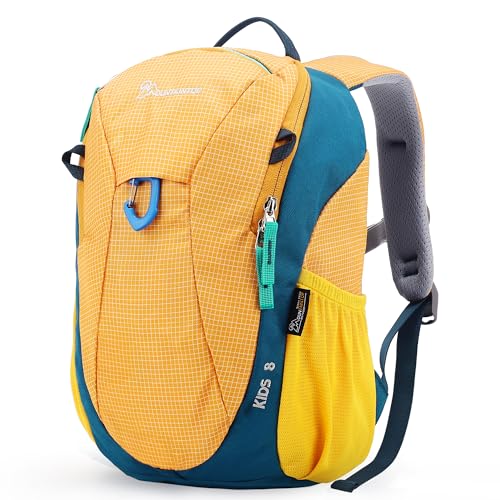
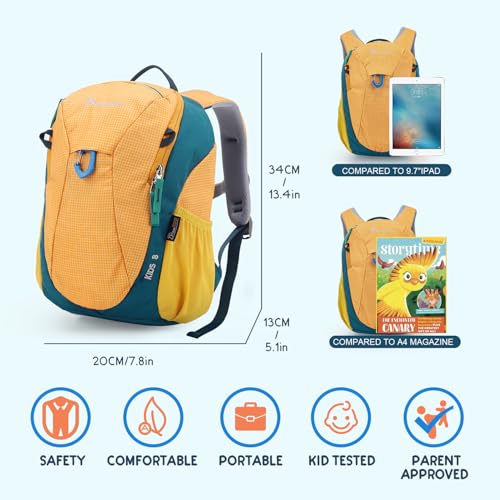
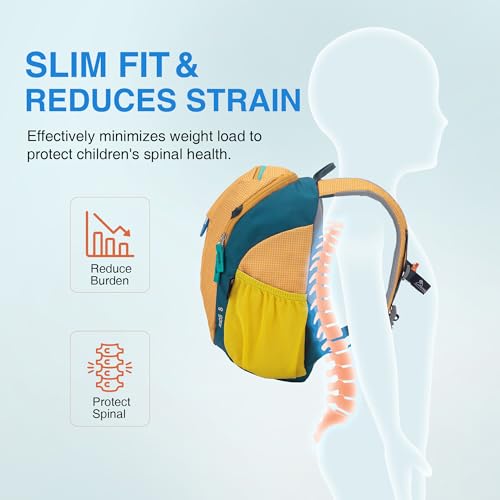
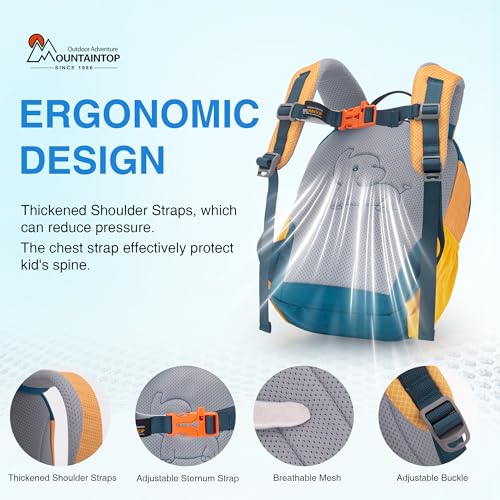
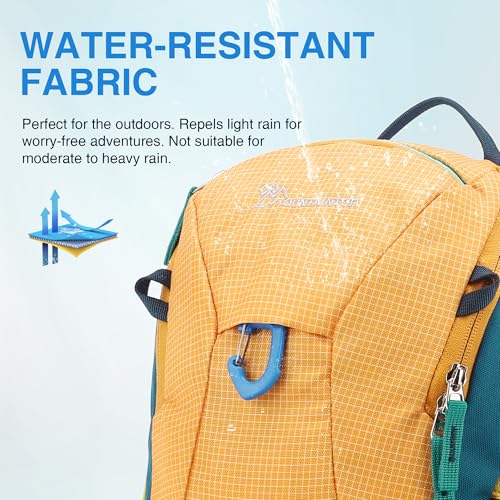
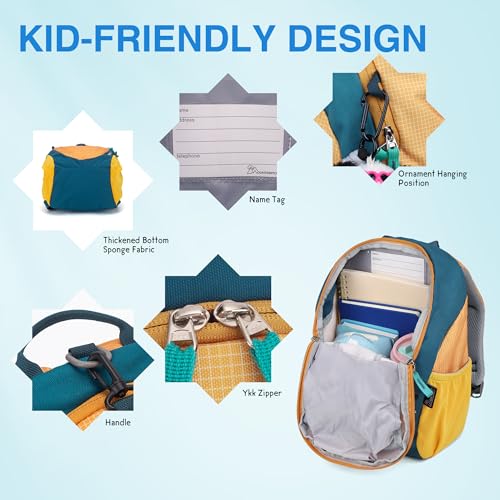
This little pack is clearly designed with preschool logistics in mind, not serious trail use. It’s more of a mini daypack for daycare or short outings than a hiking solution. The 8L capacity and side bottle pockets suggest it’s meant for light loads, snacks, a small sweater, maybe a sippy cup. Owners consistently report it’s durable for classroom use and easy for toddlers to open themselves, which is a win for independence.
But don’t mistake this for a carrier, it’s a child-worn backpack, and a modest one at that. The chest strap helps with fit, but there’s no support structure for real hiking. If you’re looking for something to keep your 2-year-old feeling involved on walks around the neighborhood or through airport terminals, this fits the bill. Compared to true hiking carriers, though, it’s in a completely different category.
Product photos
How We Tested toddler hiking backpacks
Rather than a hands-on lab test, my research focused on comparing published specifications and features across numerous models. I weighed owner reviews from sites like Amazon and REI alongside expert opinions from outdoor gear reviewers. As someone who’s spent years evaluating luggage for families, I applied my understanding of fit, durability, and practical features to rank these carriers based on what truly matters for parents and little ones on the trail.
For toddler hiking backpacks, safety and comfort were paramount. I prioritized carriers with robust safety harnesses (five-point systems are ideal) and adjustable features to accommodate both the child and the wearer. Weight was also a significant factor; a lighter carrier makes longer hikes much more manageable, and those with a compact fold are easier to store and travel with. Understanding backpack size for toddlers is also key to finding a good fit.
Specifications reliably indicate weight capacity, frame material, and available storage volume. However, I placed more value on owner feedback regarding real-world comfort, ease of adjustment, and long-term durability. Reputation plays a role too; brands consistently praised for quality and customer service received higher consideration. While a small hiking backpack dimensions can give you a sense of size, it doesn’t replace the insights from those who’ve actually used the carrier on the trail.
How To Pick The Right toddler hiking backpacks
Picking the right carrier can make or break a hike with your little one, and there’s a lot more to it than just throwing a kid on your back.
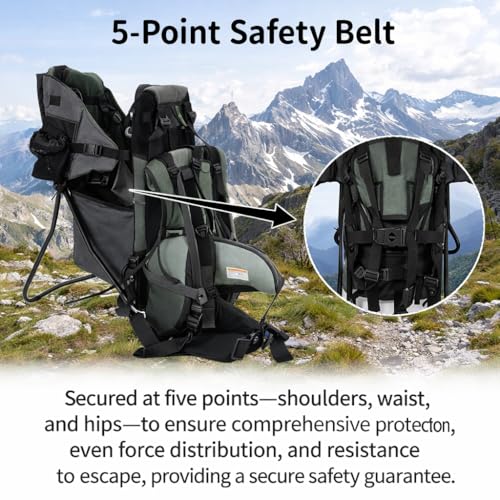
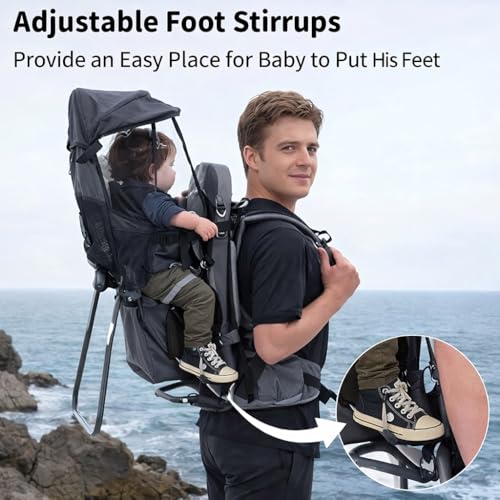
A quality toddler hiking backpack prioritizes both child and parent comfort. Look for adjustable features to accommodate growth and varying body types, a secure and supportive frame, breathable materials to prevent overheating, and ample storage for essentials like diapers, snacks, and extra layers. Safety features like a five-point harness and foot stirrups are also crucial.
Prioritize Frame & Fit
The frame is where most carriers differ significantly. A well-designed frame distributes your toddler’s weight efficiently, preventing back strain. Aluminum frames, like those found in the WIPHA Hiking Backpack Carrier, are generally lighter than steel, which is a big plus on long trails. However, don’t automatically equate lighter with weaker; look at the stated weight capacity. More importantly, the carrier must be adjustable. Torso length adjustability, as seen in the Osprey Poco SLT Child Carrier, is vital if multiple adults will be sharing carrying duties. A poorly fitting carrier will quickly become a burden, turning a fun outing into a painful ordeal.
Consider Storage Needs
Don’t underestimate how much stuff you’ll actually carry. Beyond your toddler, you’ll need diapers, wipes, snacks, sunscreen, a first-aid kit, and potentially extra clothing. The Hiking Baby Carrier Backpack, with its multiple pockets and included diaper changing pad, demonstrates a thoughtful approach to storage. Think about accessibility too; quick-access pockets for essentials are far more useful than one cavernous compartment. Understanding backpack volume for family outings can help you visualize how much gear you can realistically accommodate.
Balance Weight & Features
Lightweight is good, but not at the expense of support and safety. The WIPHA carrier weighs a mere 3.3 pounds, making it exceptionally portable, but it still boasts a TÜV safety certification. Conversely, some carriers prioritize features over weight, which can be worthwhile if you frequently take long, challenging hikes.
Here’s how to think about feature prioritization:
- Short Hikes (under 2 hours): Focus on comfort and a secure fit.
- Day Hikes: Prioritize storage and weather protection.
- Multi-Day Trips: Look for a carrier with exceptional ventilation and a robust frame.
A comfortable carrier is one you forget you’re wearing (almost). Don’t skimp on fit or support; your back will thank you.
If you’re planning on frequent hikes, investing in a dedicated toddler hiking carriers is far better than trying to adapt a standard backpack.
Toddler Hiking Backpacks Compared
Here’s a comparison of key specifications for various toddler hiking backpacks to help you find the best fit for your needs.
| Product Title | Max Weight Capacity (lbs) | Weight of Carrier (lbs) | Frame Type | Storage Volume (L) | Sun/Rain Protection | Age Recommendation |
|---|---|---|---|---|---|---|
| Osprey Poco SLT Child Carrier | N/A | 4.72 | Folding | N/A | Optional | N/A |
| besrey Baby Backpack Carrier | 44 | 5.5 | N/A | N/A | Detachable | N/A |
| ClevrPlus Cross Country Baby Carrier | 33 | 5.5 | One-Piece | N/A | Included | 9-48 months |
| WIPHA Hiking Backpack Carrier | 40 | 3.3 | N/A | N/A | N/A | N/A |
| Hiking Baby Carrier Backpack | N/A | N/A | N/A | N/A | Removable | N/A |
| Baby Carrier Backpack Foldable Frame | N/A | N/A | Folding | N/A | Included | N/A |
| MOUNTAINTOP 8L Toddler Backpack | N/A | N/A | N/A | 8 | N/A | 1-3 years |
Frequently Asked Questions
What age range should I look for in a toddler hiking backpack?
Most carriers accommodate children from around 9 months to 3 years old(or up to 40-44 pounds), but some, like the MOUNTAINTOP 8L Toddler Backpack, are specifically designed for younger toddlers(1-3 years) who are starting to walk on their own. Consider your child’s developmental stage and weight when selecting a carrier.
Are aluminum frames really better than steel frames?
Aluminum frames are generally lighter, which is a significant advantage for longer hikes, but steel frames can offer increased durability. The WIPHA Hiking Backpack Carrier uses aluminum to keep the weight down while still maintaining a respectable weight capacity.
How much storage space do I actually need in a hiking carrier?
Beyond your child, you’ll likely need room for diapers, snacks, and extra clothing, so aim for at least 20 liters of storage. The Hiking Baby Carrier Backpack stands out with its multiple pockets and included diaper changing pad to help with organization.
What safety features are most important to look for?
A five-point harness is crucial for securing your child safely, and foot stirrups add stability. Many carriers, like the besrey Baby Backpack Carrier, also include safety certifications to demonstrate their adherence to safety standards.
Can I use a standard backpack as a substitute for a dedicated toddler hiking backpack?
While it’s possible, dedicated toddler hiking backpacks are designed with features specifically for carrying children comfortably and safely, making them a much better option for frequent hikes.
The Bottom Line
Choosing a toddler hiking backpack often comes down to balancing how much control you want over fit and features versus how much you’re willing to spend. For most families, the Osprey Poco SLT Child Carrier strikes the best balance – its adjustable design and reputation for comfort make it a worthwhile investment for regular hikers.
If budget is a primary concern, the WIPHA Hiking Backpack Carrier delivers impressive weight and safety certifications at a very competitive price. For those needing maximum versatility and storage for longer outings, the Hiking Baby Carrier Backpack provides a well-organized solution with thoughtful features like a diaper changing pad. Or, for shorter trails and younger toddlers, consider the MOUNTAINTOP 8L Toddler Backpack, a comfortable option with a compact hiking backpack capacity for quick adventures.
Ultimately, the best carrier isn’t about the flashiest specs, but about a secure, comfortable fit for both you and your child. Prioritize adjustability, a supportive frame, and breathable materials. A happy wearer and a happy passenger make for a successful hike, no matter the distance.