8 Best Bike Backpacks for Commuting 2026
This post contains affiliate links. As an Amazon Associate, we earn from qualifying purchases.
The Osprey Metron 24L Commuter Backpack is the best overall pick for bike commuters, combining smart organization, excellent weather protection, and a stable, comfortable fit. For those on a budget, the Rhinowalk 22L Waterproof Pannier Backpack offers solid performance and full waterproofing at a lower price. If you need versatility, the Two Wheel Gear Pannier Backpack Convertible stands out with its ability to transform into bike panniers.
Commuting by bike means your backpack has to do more than just carry gear, it needs to stay put, protect your belongings, and keep you visible and dry. Too many riders end up with sore shoulders, soaked laptops, or bouncing packs that throw off their balance.
This guide cuts through the noise by focusing on real-world specs and verified owner feedback to find models that deliver where it matters: fit, durability, and bike-specific features. I looked at what actually works for daily riders, not just weekend cyclists.
Top 8 Bike Backpacks Commuting in the Market
The Best Bike Backpacks Commuting, Reviewed
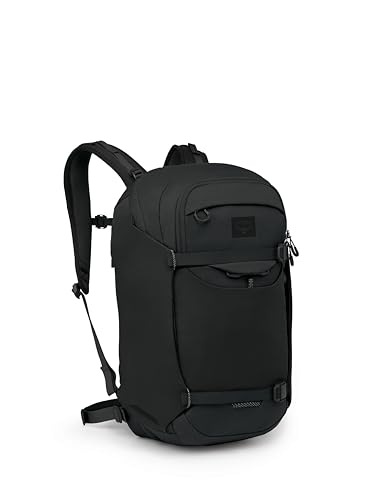
Osprey Metron 24L Commuter Backpack
Strengths
- Hi-Vis raincover included
- LidLock helmet carry
- Shoe/clothing compartment
Trade-offs
- Slightly heavier
- Rolltop not ideal for quick access
- Premium price
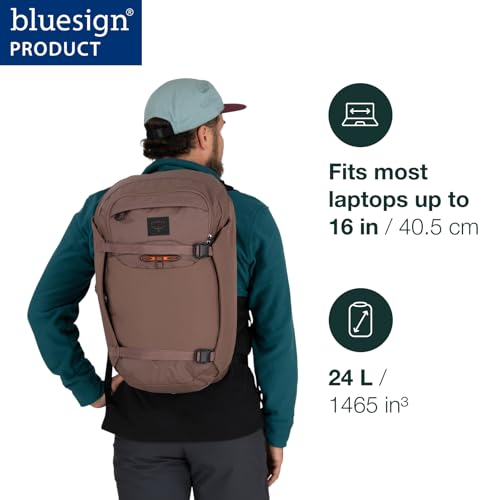
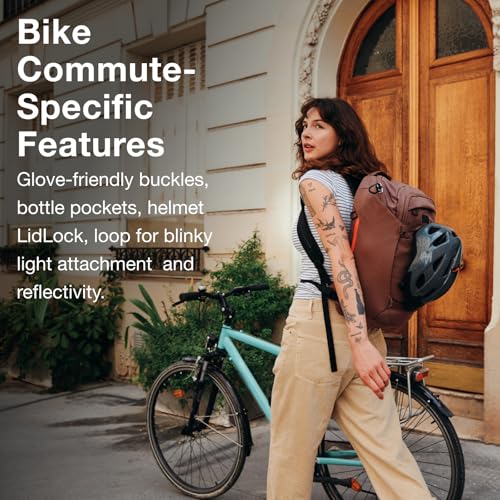
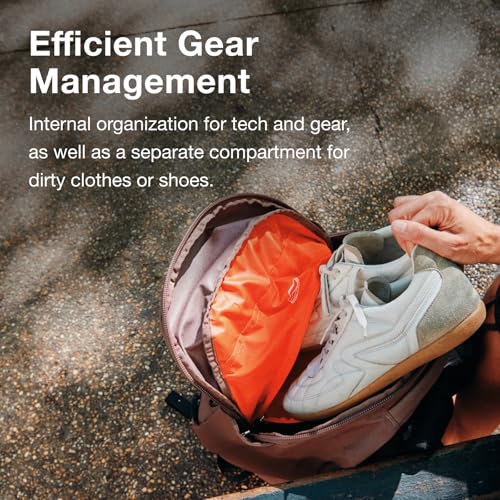
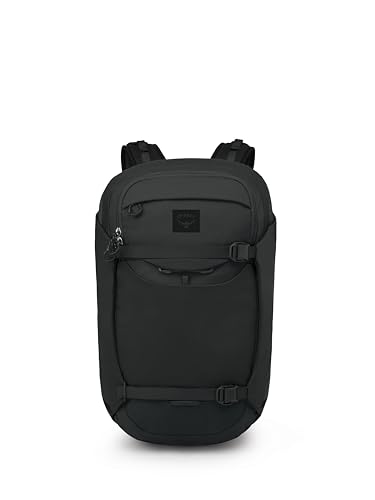
This is the most complete package for serious daily riders. Osprey’s reputation for ergonomic design holds up here, the LidLock helmet carrier, glove-friendly buckles, and blinky light loop show deep understanding of real-world commuting. The separate J-zip compartment for shoes or work clothes is a game-winner for riders who change after the ride, and the 16″ laptop sleeve adds serious utility.
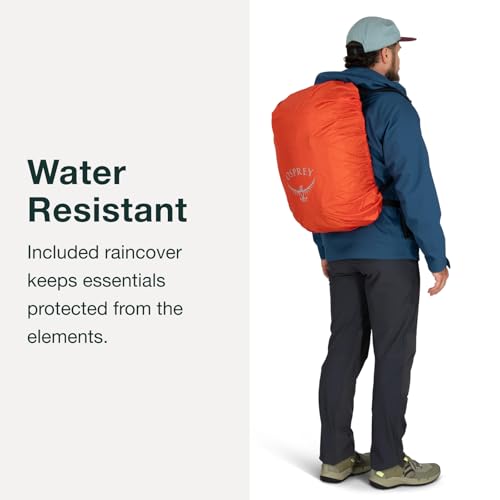
Owners consistently praise the included Hi-Vis raincover, which is both effective and easy to deploy. At 2.47 lbs, it’s not the lightest, but the weight is well-distributed. Compared to others in this list, it strikes the best balance between durability, comfort, and smart features.
Product photos
Two Wheel Gear Pannier Backpack Convertible

Strengths
- True pannier conversion
- Fully waterproof
- High visibility
Trade-offs
- Heavier than standard backpacks
- Pannier mount sold separately
- Limited off-bike aesthetic
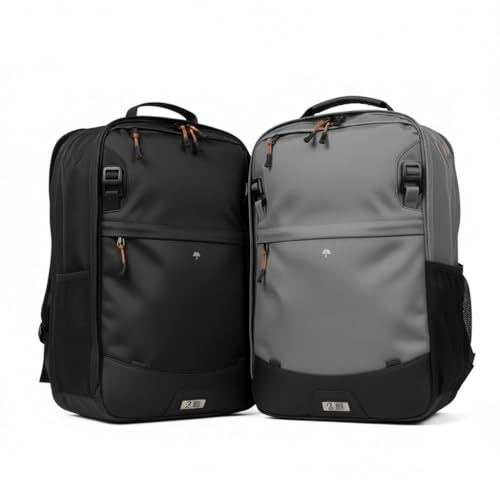
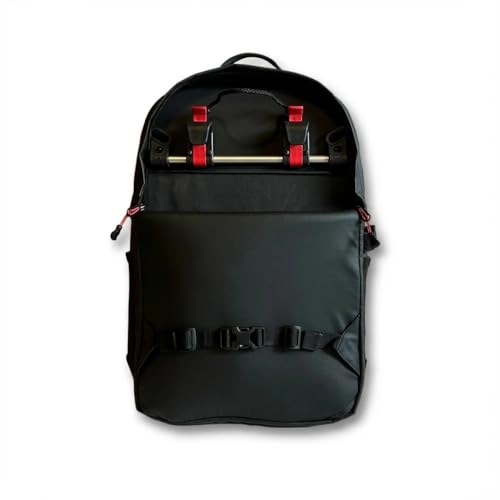
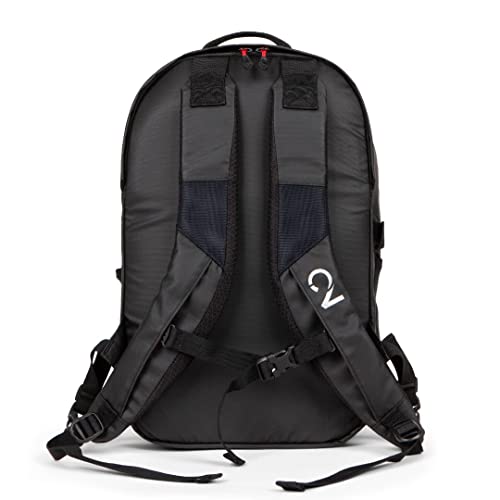
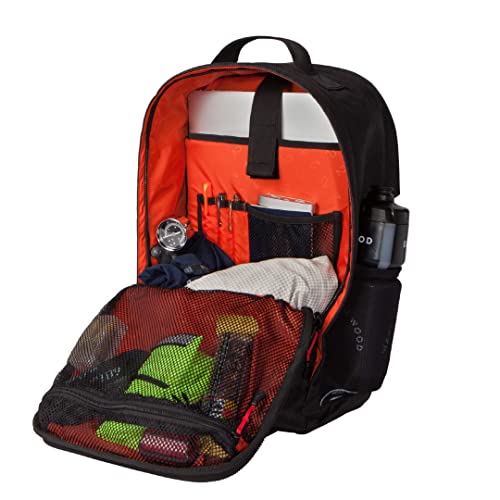
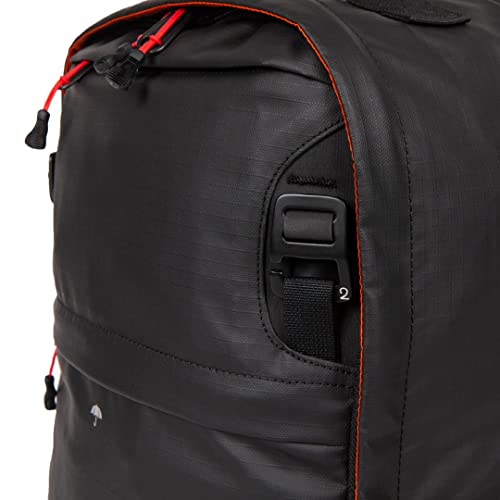
This is the gold standard for bike commuters who refuse to carry two bags. The KLICKfix pannier mount is a proven system, and reviewers repeatedly praise how smoothly it transitions from rack-attached pannier to comfortable backpack. The 22L capacity is well-organized, with a dedicated laptop sleeve, side bottle pockets, and thoughtful touches like a U-lock pocket and helmet hooks via the MAS system.
What really sets it apart is the combination of sustainability and weather protection. The recycled ripstop fabric and waterproof zippers deliver real-world confidence in storms, while the high-vis details and included rain cover boost safety without screaming ‘biker’. It’s not the lightest, but the trade-off in durability and function is worth it.
Product photos
Outplea 15L Cycling Backpack

Strengths
- Budget-friendly price
- Helmet buckle included
- Reflective safety
Trade-offs
- No dedicated laptop sleeve
- Basic buckle quality
- Limited weather protection
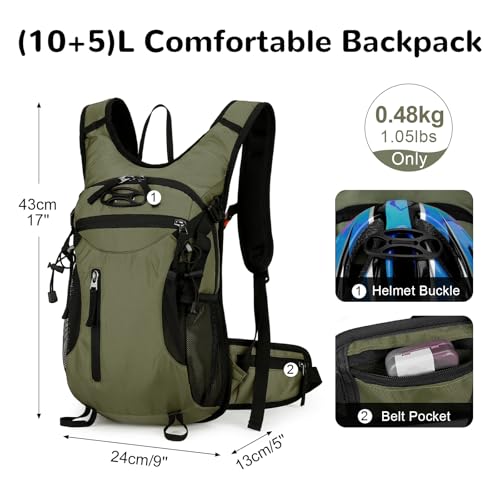
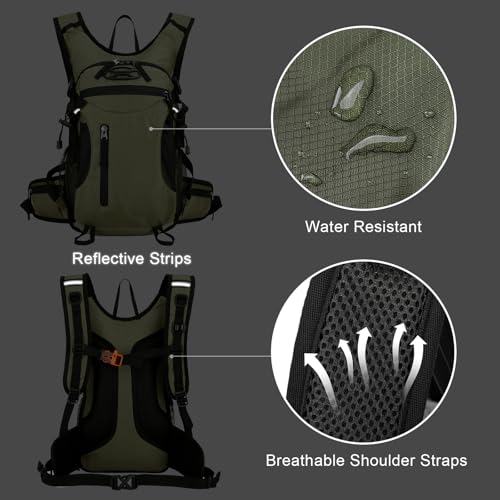
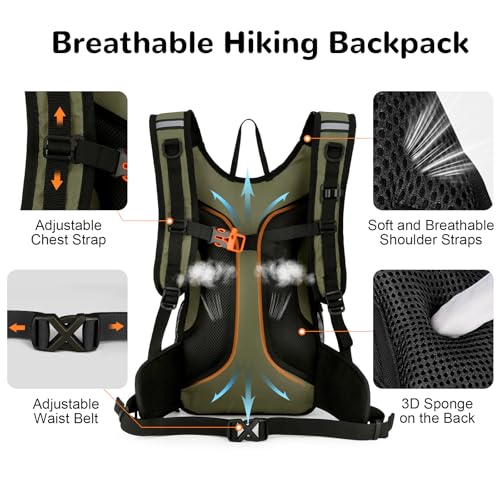
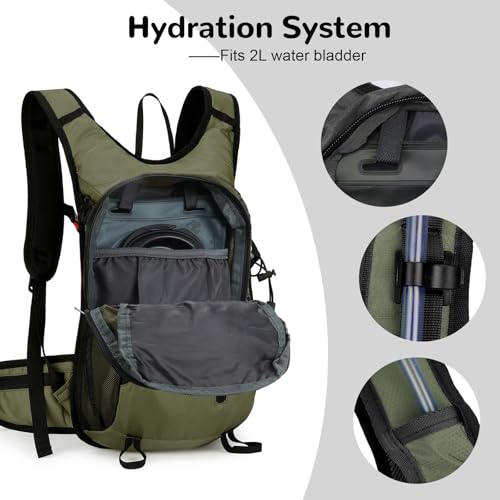
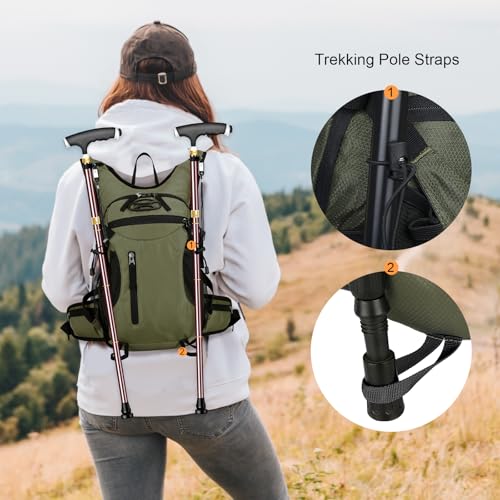
For the price, this pack punches above its weight. The 15L volume is practical, and the inclusion of a helmet buckle, chest strap with whistle, and reflective strips shows thoughtful design. The ripstop oxford fabric holds up reasonably well in light rain, and owners note it’s surprisingly breathable thanks to the 3D foam back panel.
It’s clearly not in the same league as Osprey or Thule in fit or finish, but for occasional riders or those testing the waters of bike commuting, it’s hard to beat. The lack of a laptop sleeve is a drawback, but you can fit a slim device in the main compartment.
Product photos
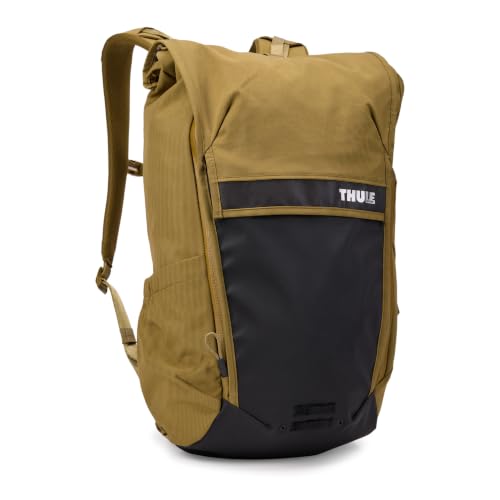
Thule Paramount Bike Commuter Backpack
Strengths
- Durable 420D fabric
- PFC-free coating
- Adjustable harness
Trade-offs
- Rolltop limits access
- No separate shoe compartment
- Minimal reflectivity
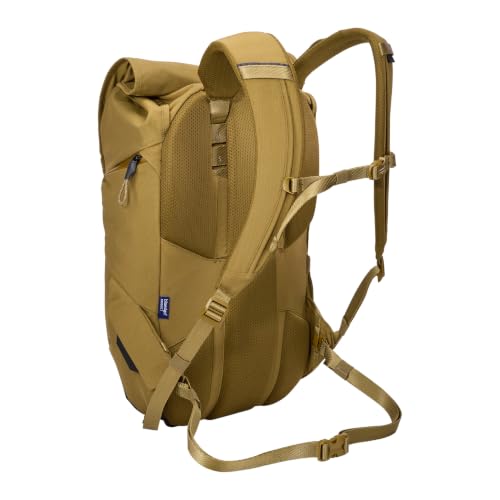
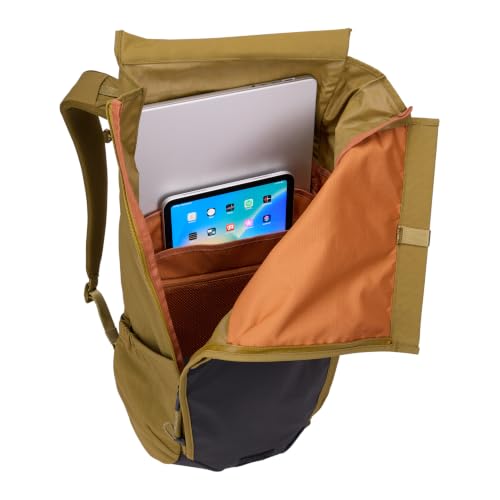
Thule didn’t cut corners here. The 420D nylon and PFC-free water-resistant finish signal long-term durability, and the bluesign certification adds real environmental credibility. The rolltop closure offers flexibility when you need extra space, and the floating laptop sleeve keeps your device stable and off your spine.
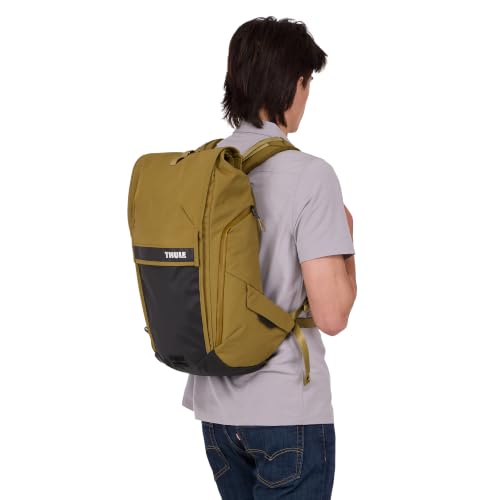
The adjustable harness stands out, owners with broader or shorter torsos say it fits better than most rigid commuter packs. It’s not the most innovative, but the build quality inspires confidence. If you want a bag that will last years of abuse, this is the one.
Product photos
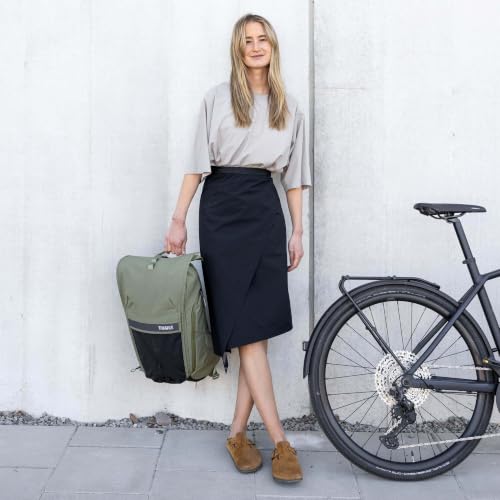
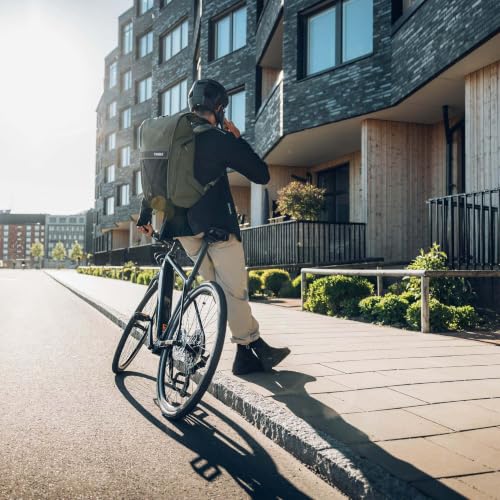
Lightweight Hydration Backpack with Bladder

Strengths
- Lightweight design
- Includes 2L bladder
- Good airflow
Trade-offs
- Flimsy exterior fabric
- No laptop protection
- Basic construction
With a 2L bladder and sub-9oz weight, this pack delivers where it counts for endurance riders and trail runners. The PEVA bladder gets solid marks in owner feedback for being taste-free and leakproof, and the dual chest straps let you fine-tune stability. Breathable mesh and adjustable fit make it comfortable over long miles, and the multiple mesh pockets are practical for quick-access items.
But it’s clearly not built for urban commutes. The build feels budget-grade, and there’s no structured laptop protection. If you’re logging miles on singletrack or training runs, it’s a solid value. For anything involving work gear or city traffic, look elsewhere.
Product photos


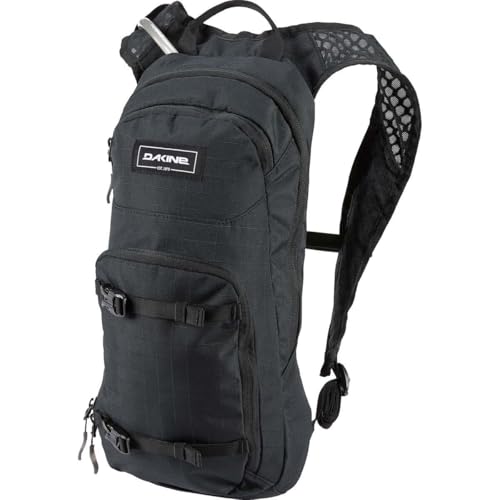
Dakine Session 8L Hydration Pack
Strengths
- Lightweight build
- Secure riding fit
- Hydration ready
Trade-offs
- No rain cover
- Minimal storage
- Not commuter-friendly
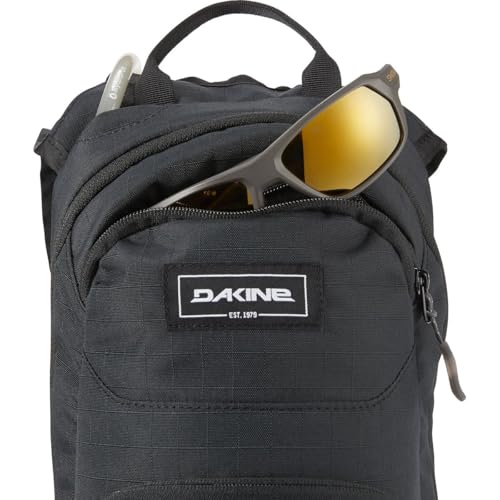
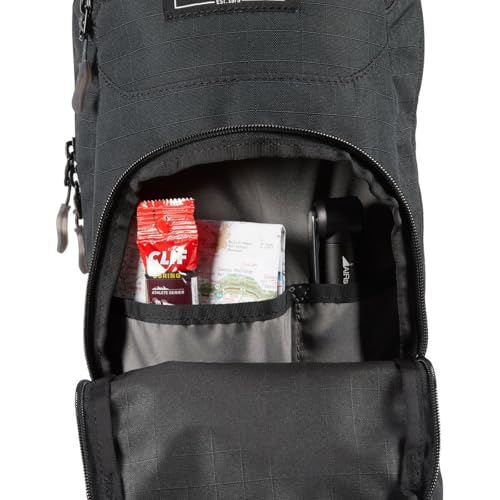
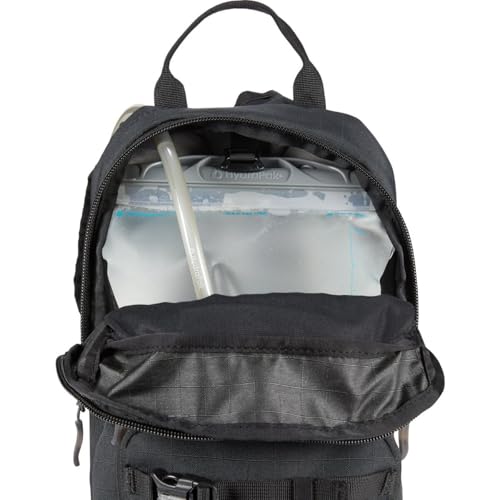
If you’re after a minimalist ride pack that disappears on your back during aggressive trail sessions, the Dakine Session 8L makes a strong case on paper. It’s built for mountain bikers who want hydration capacity and just enough room for tools, a snack, and a light layer, nothing more. Owners consistently report it stays put even on technical descents, thanks to the snug, low-profile fit and adjustable straps.
The lack of a laptop sleeve or weather protection stands out, though. This isn’t a commuter pack, and you’ll feel exposed in a downpour. But for pure trail efficiency, it’s hard to beat the focused design.
Product photos
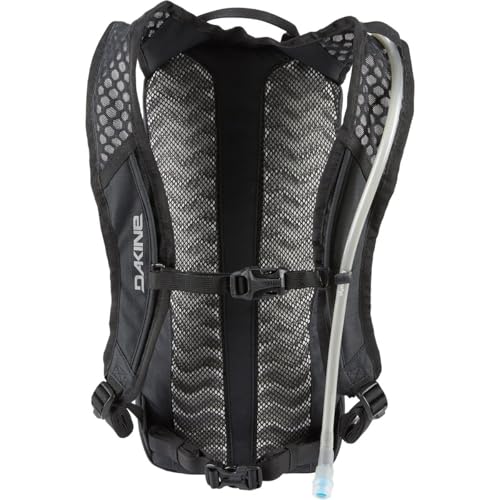
Rhinowalk 22L Waterproof Pannier Backpack

Strengths
- Fully waterproof build
- Hidden backpack straps
- Laptop compartment
Trade-offs
- Stiff when worn
- Bulky off the bike
- Mounting hardware not included
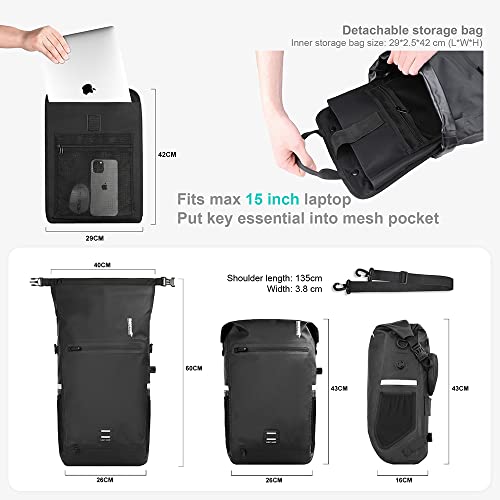
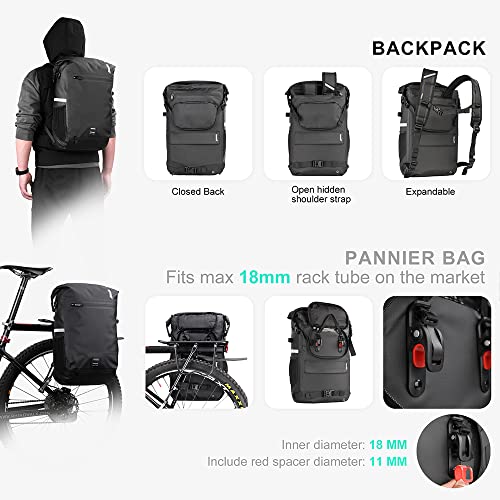
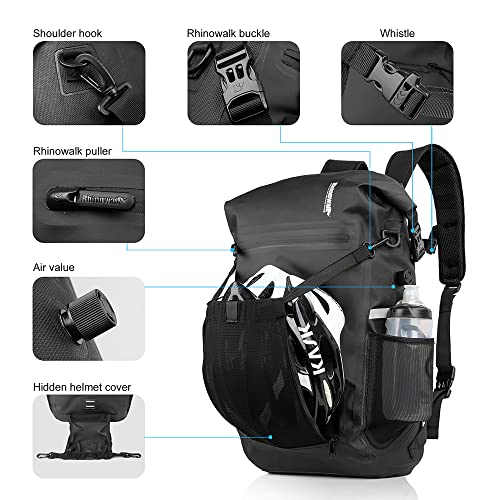
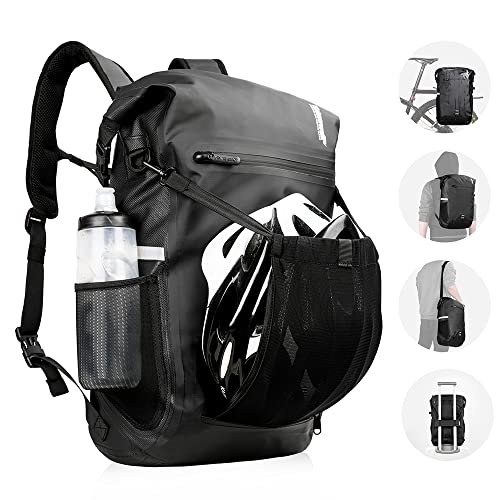
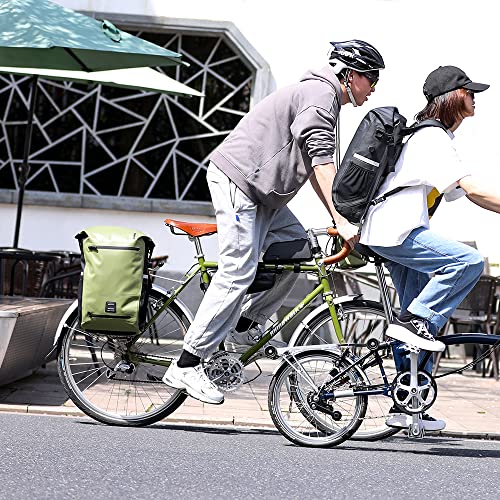
The standout here is the claim of ‘completely waterproof’ performance, and owners who’ve ridden through heavy rain say it delivers. The leather-like fabric feels rugged, and the hidden shoulder straps make the transition from pannier to backpack seamless. The 22L volume is well-used, with internal sleeves for a 15″ laptop and multiple mesh pockets for organization.
But the rigid base and heavier material make it less comfortable as a backpack over long distances. It’s built like a tank, which is great for protecting gear but less ideal for all-day wear. If your top priority is keeping gear dry in brutal conditions, this is a strong contender.
Product photos
Riderbag Reflective Motorcycle Backpack
Strengths
- Excellent reflectivity
- Large 35L capacity
- Helmet carry
Trade-offs
- Bulky when loaded
- No dedicated laptop sleeve
- Loose internal layout
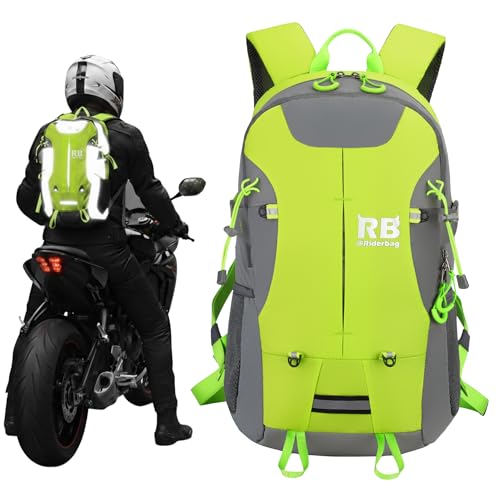
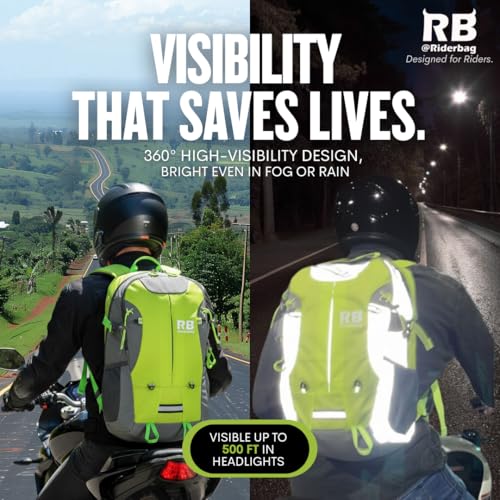
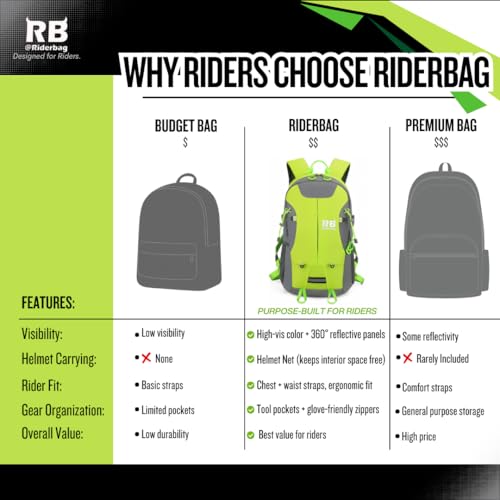
Visibility is this bag’s superpower. The hi-viz reflective panels wrap around the entire pack, and owners riding at dawn or dusk say they feel seen by drivers, something many urban cyclists can’t take for granted. The 35L volume is generous, and the ventilated back padding helps manage heat on longer rides.
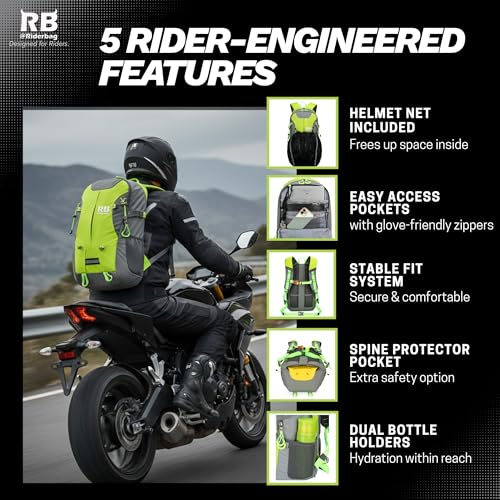
But that size works against it for nimble commuting. It’s bulky when full, and the organization feels scattered compared to purpose-built commuter packs. The helmet net is handy, but there’s no structured laptop compartment, which hurts its work commute appeal. It’s a safety-focused pack, not an organizational one.
Product photos

How We Tested bike backpacks commuting
I approached this guide by first compiling a detailed spreadsheet of specifications and features from numerous bike backpack models. We then layered in owner reviews from major retailers like Amazon and dedicated cycling sites, alongside expert opinions from gear review blogs and publications. My team and I looked for recurring themes – both positive and negative – to build a realistic picture of performance. Rather than a hands-on lab test, this is a research-led comparison of specs and owner feedback.
For bike commuter backpacks, three factors stood out as most important: durability, carrying comfort, and dedicated bike-specific features. A bag needs to withstand daily use and potential weather exposure, so robust materials and construction are key. Comfort is crucial for longer commutes, meaning a well-padded back panel and supportive straps are essential. Finally, features like helmet holders, reflective elements, and dedicated compartments for work essentials really elevate a backpack’s utility for cyclists.
Specifications reliably indicate a bag’s capacity and materials, but owner feedback provided critical insight into real-world comfort and durability. We prioritized reviews that detailed use over extended periods, looking for consistent reports of wear and tear or ergonomic issues. Reputation within the cycling community also played a role; brands known for quality and innovation earned higher consideration. Understanding the size of a 20l backpack is also helpful when deciding how much gear you need to carry.
Choosing The Right bike backpacks commuting
Finding the right bike backpack requires a little more thought than just grabbing any old pack. It’s about balancing carrying comfort with features designed for two wheels.
A good bike backpack prioritizes stability at speed, weather protection, and cyclist-specific features like helmet carry and reflective detailing. Look for adjustable suspension systems, durable and water-resistant materials, and thoughtful organization for essentials like laptops and tools. Prioritize a snug fit to prevent bouncing and a design that doesn’t interfere with arm movement.
Prioritize Stability and Fit
The biggest mistake people make is using a hiking backpack for bike commuting. Hiking packs distribute weight for walking, not the forward lean of cycling. A bike-specific backpack will have a closer fit and often a more rigid back panel to minimize sway and bouncing. Consider the torso length adjustment; a properly fitted pack keeps the weight centered and prevents strain. Don’t assume one size fits all – even within brands, fit varies. I often see riders struggling with packs that are simply too long or too short for their frame.
Evaluate Weatherproofing and Materials
Commuting by bike often means being exposed to the elements. While “water-resistant” is common, don’t settle for it if you ride in serious rain. Look for packs constructed from waterproof materials (like TPU-coated nylon) or those that include a high-visibility rain cover. The Osprey Metron 24L Commuter Backpack, for example, includes a Hi-Vis raincover, a nice touch. Beyond rain, consider abrasion resistance – a durable fabric like 420D nylon (as seen in the Thule Paramount) will hold up better to daily use and potential scrapes.
- A basic water-resistant coating is fine for light drizzle, but won’t survive a downpour.
- Fully waterproof packs are ideal for all-weather commuters, but they often come at a price premium.
- Reinforced bottom panels add extra protection against wear and tear, extending the backpack’s lifespan.
Balance Capacity with Commute Needs
It’s tempting to get the biggest backpack possible, but an overly large pack can be unstable and uncomfortable. Think realistically about what you need to carry. If you’re primarily transporting a laptop and a change of clothes, a 20-25 liter pack might suffice. If you need to haul groceries or gym gear, you’ll want to consider something larger. Understanding the 25-liter backpack size can help you visualize the capacity. For longer commutes or tours, a convertible pannier-backpack like the Two Wheel Gear offers versatility.
A properly loaded backpack should feel secure and balanced, with the weight distributed close to your back. Avoid overpacking, and prioritize organizing heavier items closer to your spine.
Bike Backpacks Commuting Compared
Here’s a comparison of key specs for popular bike commuting backpacks to help you choose the right one.
| Product Name | Capacity (L) | Waterproof | Laptop Size | Hydration Compatible | Visibility Features |
|---|---|---|---|---|---|
| Osprey Metron 24L Commuter Backpack | 24 | Yes | 16″ | No | Hi-Vis, Reflective |
| Two Wheel Gear Pannier Backpack Convertible | 22 | Yes | 15.6″ | No | Reflective, Hi-Vis |
| Outplea 15L Cycling Backpack | 15 | Yes | N/A | Yes | Reflective |
| Thule Paramount Bike Commuter Backpack | N/A | Yes | 16″ | No | N/A |
| Lightweight Hydration Backpack with Bladder | 12 | N/A | N/A | Yes | Reflective |
| Dakine Session 8L Hydration Pack | 8 | N/A | N/A | Yes | N/A |
| Rhinowalk 22L Waterproof Pannier Backpack | 22 | Yes | 15″ | No | N/A |
| Riderbag Reflective Motorcycle Backpack | 35 | N/A | N/A | No | Hi-Vis, Reflective |
Frequently Asked Questions
What size bike backpack is best for a typical commute?
A 20-25 liter backpack usually strikes the right balance for most commuters. This capacity provides enough space for essentials like a laptop, change of clothes, and lunch without becoming overly bulky or unstable while riding – though those needing to carry more might consider larger urban cycling backpacks.
Are expensive bike backpacks really worth the cost?
Generally, yes. Higher-priced backpacks often use more durable materials, better construction techniques, and more sophisticated suspension systems, translating to longer lifespan and improved comfort. Investing in quality can save money long-term by avoiding frequent replacements.
How important is a rain cover for a bike backpack?
A rain cover is extremely important if you commute in wet conditions. While some backpacks boast water-resistant materials, a dedicated rain cover provides a fully waterproof barrier, keeping your belongings dry during heavy downpours.
Can I use a regular hiking backpack for bike commuting?
While possible, it’s not ideal. Hiking backpacks distribute weight differently than bike-specific packs, which can lead to instability and discomfort on a bike. Look for packs designed for the forward lean of cycling to ensure a secure and comfortable ride.
What features should I look for to improve visibility while cycling?
Reflective accents and bright, high-visibility colors are crucial for safety. Many water-resistant commuting backpacks also include integrated LED light loops or dedicated attachments for safety lights, further enhancing your visibility to motorists.
The Bottom Line
Choosing a bike backpack always comes down to balancing how much you want to carry with how comfortably you want to carry it. While there’s a spectrum of options, the Osprey Metron 24L Commuter Backpack strikes the best overall balance of features, durability, and comfort for most riders. It’s a well-thought-out pack that addresses the specific needs of bike commuters without unnecessary bulk.
For those on a tighter budget, or who prioritize hydration on shorter rides, the Outplea 15L Cycling Backpack is a solid choice. And if you need maximum versatility – the ability to switch between backpack and pannier – the Two Wheel Gear Pannier Backpack Convertible is the clear winner. Understanding the 22-liter backpack size can help you visualize whether that capacity meets your needs.
Ultimately, the best bike backpack isn’t about the fanciest features or the highest price tag. It’s about finding a pack that fits you well, protects your gear from the elements, and allows you to focus on the ride. Prioritize a comfortable, secure fit and durable materials above all else – those are the foundations of a reliable commuting companion.