8 Best Day Trip Backpacks of 2026
This post contains affiliate links. As an Amazon Associate, we earn from qualifying purchases.
The Eddie Bauer Stowaway is the best overall day trip backpack, combining smart design, comfort, and packability. For those on a tight budget, the SUIKIHUM 20L delivers solid performance at a low price. If you need more space, the WATERFLY 30L offers excellent capacity without sacrificing portability.
Packing for a day trip seems simple, until you’re lugging around a bag that digs into your shoulders or lacks a place for your water bottle. I’ve seen too many travelers settle for flimsy packs that fall apart after a few trips. This guide cuts through the noise, focusing on real-world usability, durability, and smart features that matter.
I researched each backpack based on specs, owner feedback, and years of assessing travel gear. These picks balance weight, comfort, and organization so you can move freely and stay prepared, whether you’re hiking, sightseeing, or commuting.
Top 8 Day Trip Backpacks in the Market
The Best Day Trip Backpacks, Reviewed
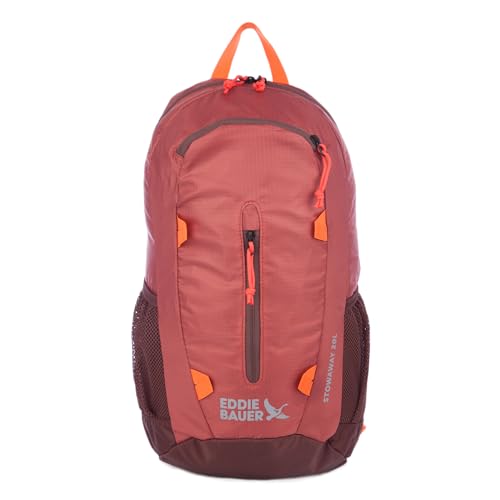
Eddie Bauer Stowaway Packable Backpack
Strengths
- Comfortable hip belt
- Durable ripstop fabric
- Weather-resistant coating
Trade-offs
- Heavier than ultralight rivals
- Less compact when folded
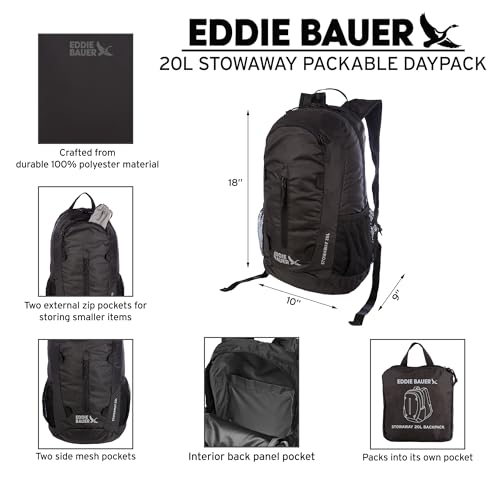
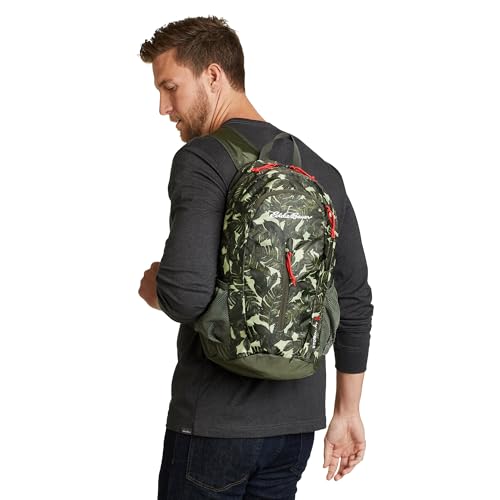
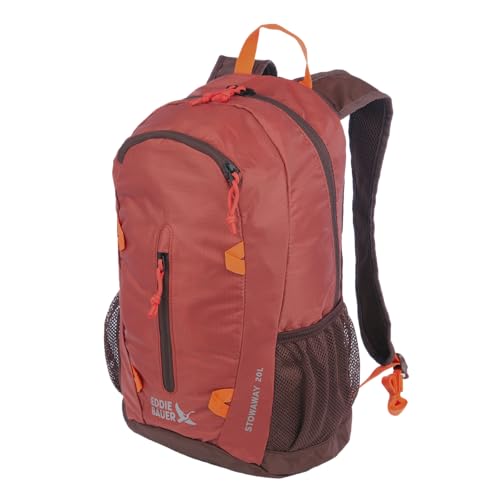
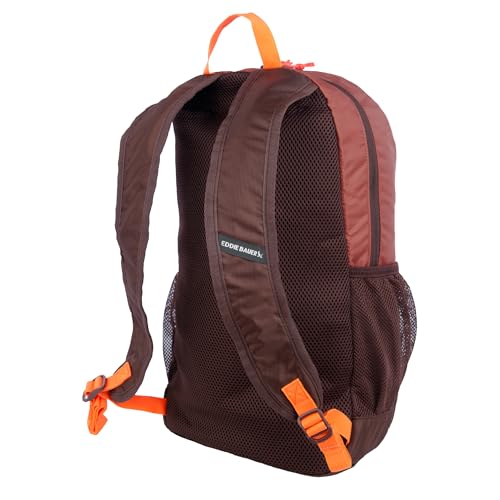
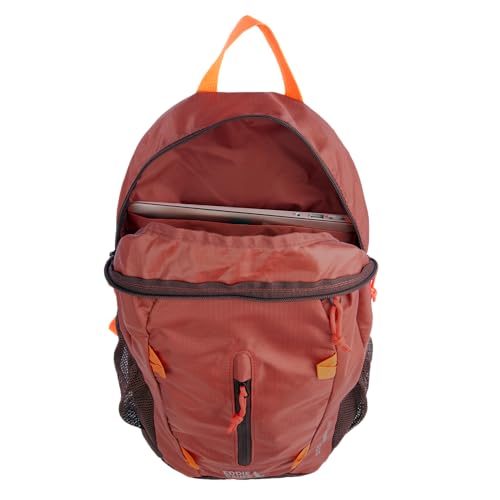
The Eddie Bauer Stowaway earns its ‘Best Overall’ label by balancing comfort, durability, and smart design in a 20L package. On paper, the StormRepel WR finish and ripstop polyester build suggest solid weather resistance, and owners consistently report it standing up well to light rain and daily wear. The hip belt is a standout feature in this class, most packable backpacks skip it entirely, and it makes a real difference when carrying heavier loads over distance.
I’d pick this over more basic options if you’re splitting time between travel and trail. It’s not the lightest or largest, but the extended shoulder straps and thoughtful dimensions make it feel more stable than competitors at this size. Compared to the Osprey or WATERFLY models, it doesn’t pack down quite as small, but the trade-off is noticeably better load support.
Product photos
Osprey Ultralight Collapsible Stuff Pack

Strengths
- Extremely lightweight
- Eco-friendly recycled fabric
- Disappears when packed
Trade-offs
- Not for heavy loads
- Minimal padding
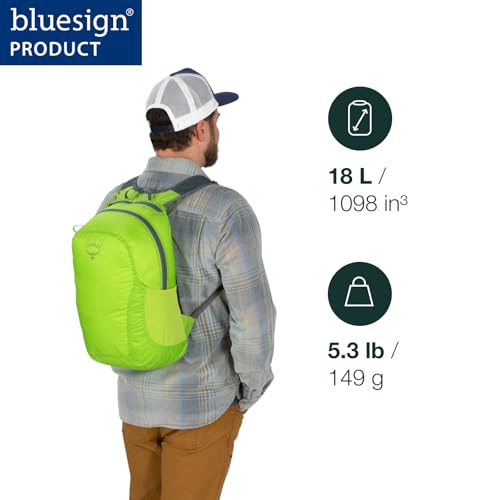
At just 0.33 lbs, the Osprey is the lightest packable backpack here, and it shows. Made from 100% recycled 40D nylon, it’s an eco-conscious choice that owners love for stuffing into suitcases as a throw-in daypack. The breathable mesh straps and internal key clip add thoughtful touches, and the reinforced zippers inspire confidence despite the ultralight build.
It’s not meant for heavy loads or long hikes, but as an emergency or secondary bag, it’s unmatched. Compared to the SUIKIHUM or ZOMAKE, it costs more but delivers better materials and a cleaner fold. I’d choose this as my carry-on extra bag every time, it disappears when not in use and expands when needed.
Product photos


WATERFLY 30L Foldable Travel Daypack
Strengths
- Large 30L capacity
- Wet pocket for damp items
- Multiple organized compartments
Trade-offs
- Zipper quality inconsistent
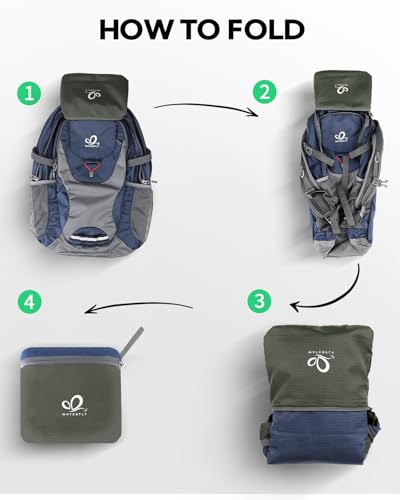
- Bulkier when folded
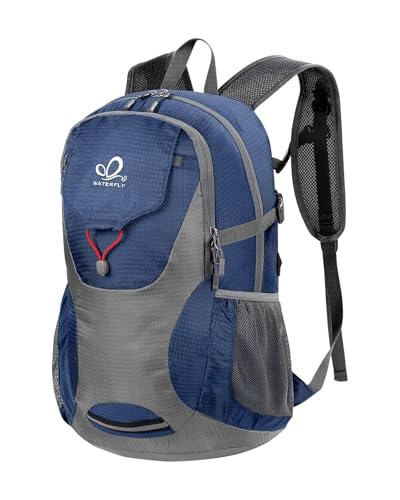
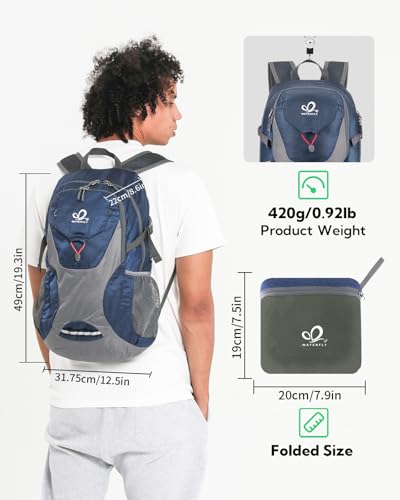
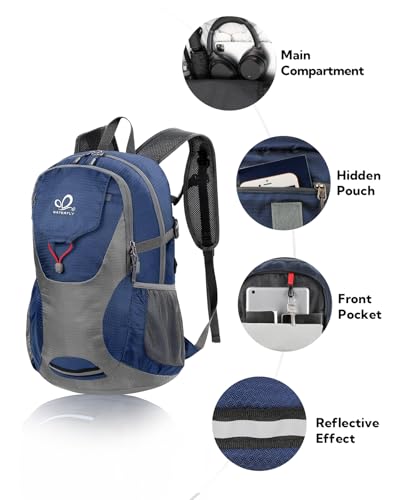
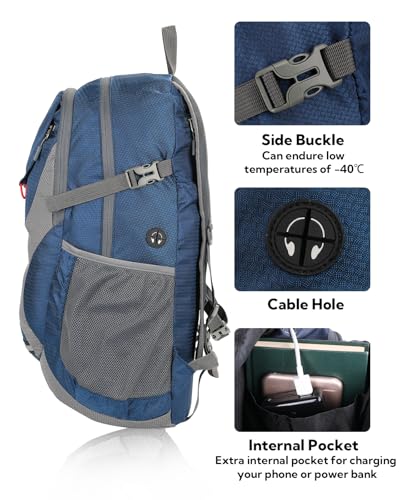
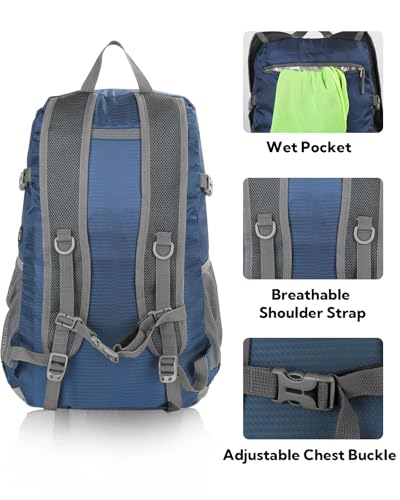
With 30L of capacity and a well-organized layout, this WATERFLY pack is the go-to when you need space without sacrificing packability. The wet pocket is a standout, owners love using it for swimsuits or sweaty gear after hikes or beach trips, and the S-shaped shoulder straps actually improve breathability compared to flat designs in this price range. On paper, the 420g weight is impressive for the volume, and reviewers confirm it feels light even when full.
It’s not as refined as the Osprey or ZOMAKE in material quality, but for the capacity, it punches above its weight. I’d choose this over the FIORETTO or SUIKIHUM if you’re planning full-day outings where you need room for layers, food, and a water bottle. The cable hole and internal organizer are small touches that add real utility.
Product photos
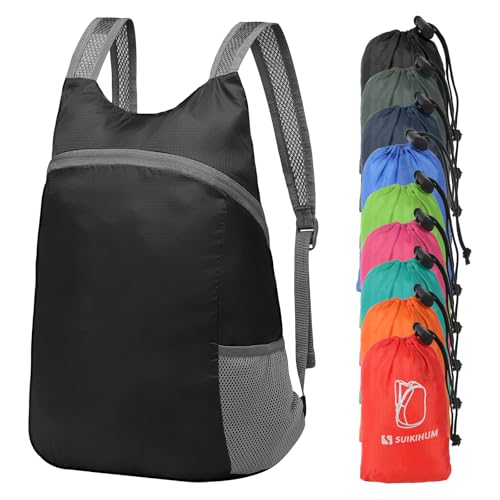
SUIKIHUM 20L Ultra Lightweight Backpack
Strengths
- Extremely lightweight
- Very affordable
- Simple, functional design
Trade-offs
- Flimsy zipper pulls
- No hip belt or sternum strap
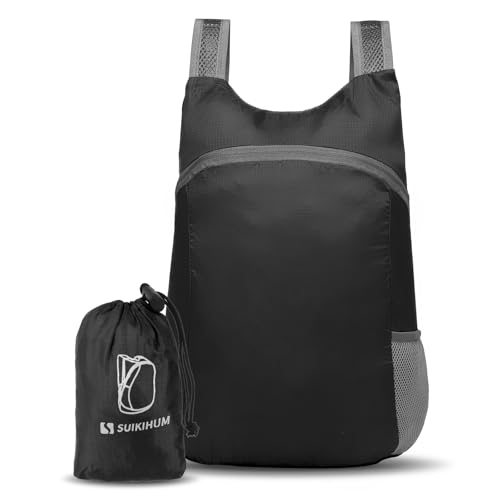
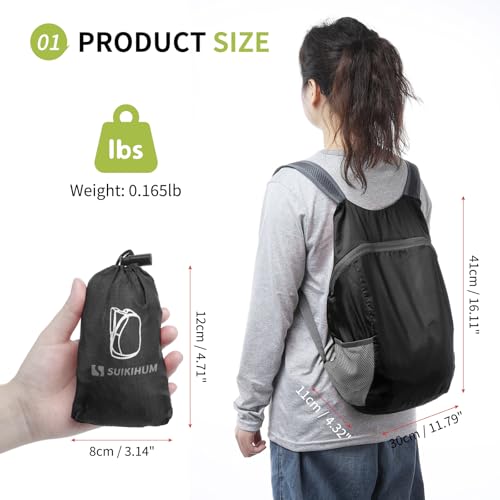
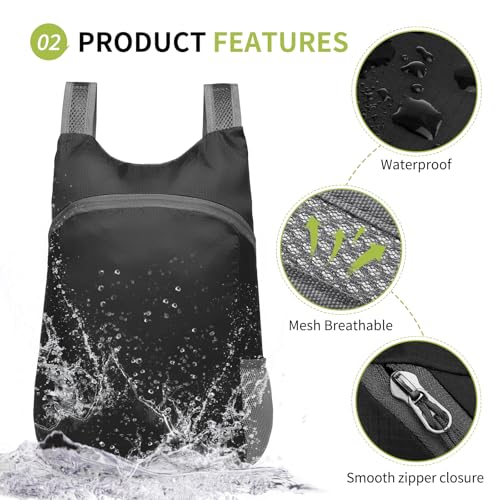
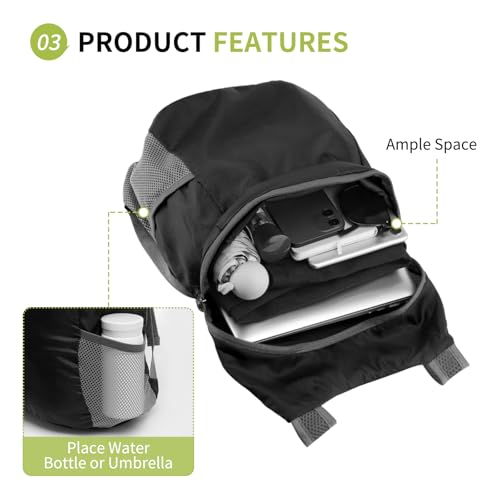
This SUIKIHUM backpack is the budget pick that still delivers on core functionality. At 2.3 ounces, it’s one of the lightest on the list, and owners confirm it holds up well to casual use. The water-repellent coating works for light drizzle, and the mesh shoulder straps provide decent breathability for the price. It’s basic, but the 20L capacity and foldable design make it a solid value.
It lacks the organization of the FIORETTO or the durability of the Maelstrom, but for occasional use or backup duty, it’s hard to justify spending more. I’d recommend it over the Osprey or ZOMAKE if you’re on a tight budget and don’t need premium features.
Product photos

Maelstrom 40L Waterproof Hiking Daypack
Strengths
- Includes rain cover
- 40L high capacity
- Hydration-ready design
Trade-offs
- Heavy when empty
- Bulky fold size
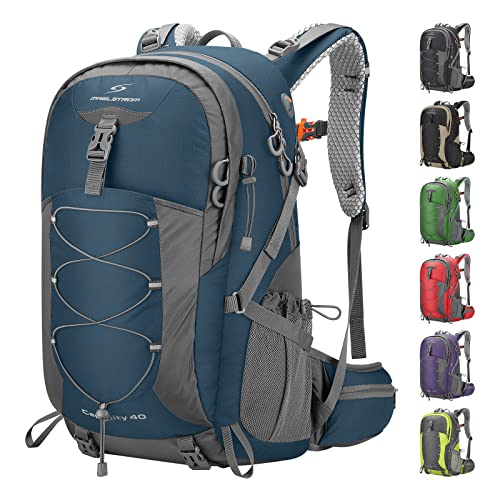
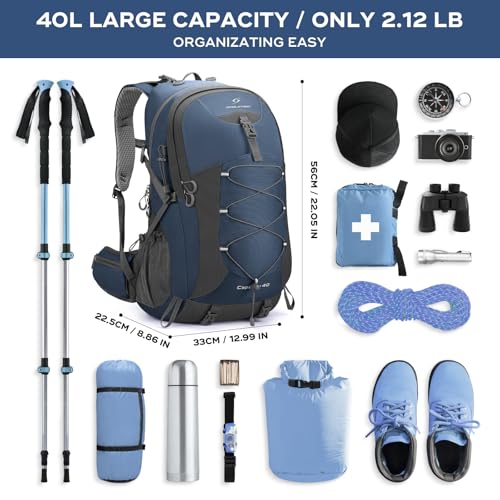
If rain is in the forecast, the Maelstrom is the pack to have. The included rain cover, stored in a dedicated pocket, is a rare inclusion, and owners confirm it keeps contents dry even in heavy downpours. Combined with 210D ripstop nylon and a waterproof wet pocket, this is built for wet environments. The 40L capacity also makes it one of the few packable options that can double as a full hiking or overnight bag.
It’s heavier and less compressible than ultralight models, but that trade-off makes sense for the use case. Compared to the WATERFLY or ZOMAKE, it’s overkill for dry-weather day trips, but I’d pick it for Pacific Northwest hikes or rainy festivals without hesitation. The trekking pole attachments and hydration compatibility are solid bonuses.
Product photos


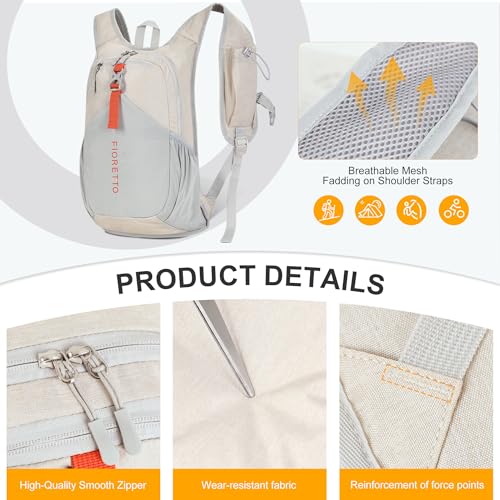
FIORETTO 15L Hiking Backpack
Strengths
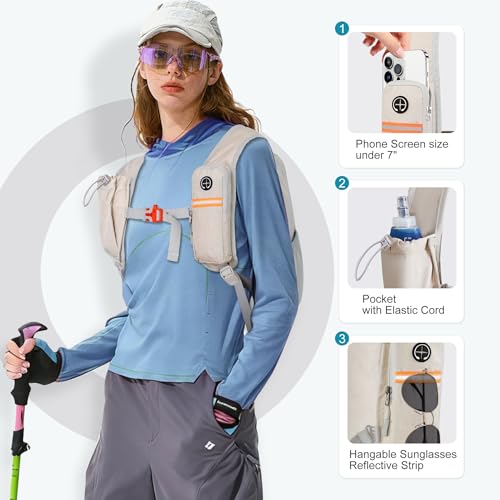
- Excellent shoulder storage
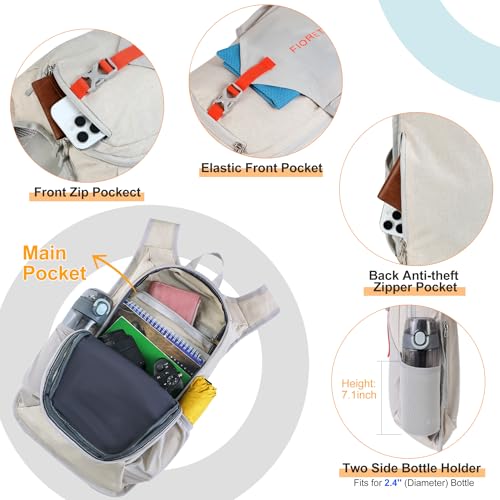
- Anti-theft rear pocket
- Reflective safety strips
Trade-offs
- Low capacity for hiking
- Narrow side pockets
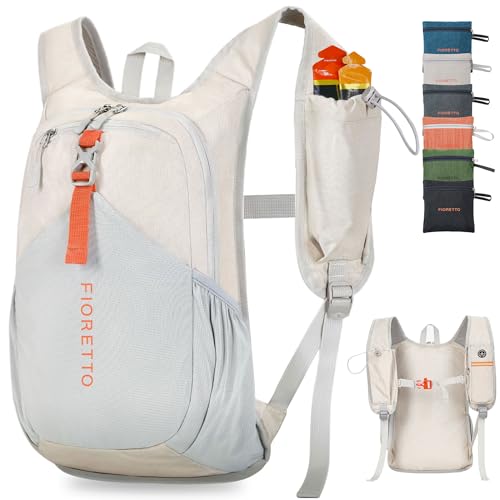
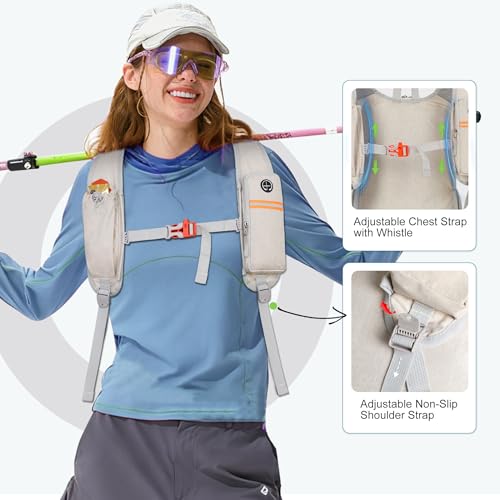
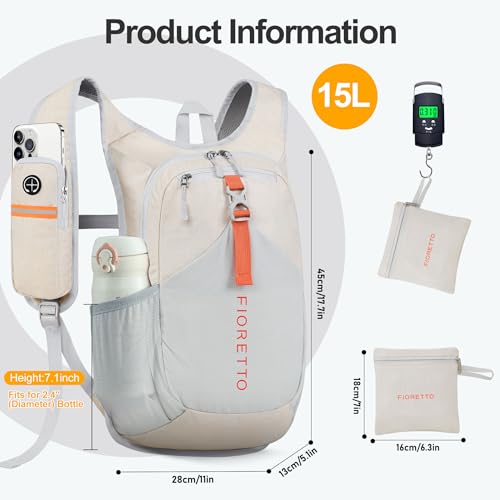
This is the pick if organization matters more than volume. The shoulder strap pockets are a standout, owners praise being able to grab a phone or keys without taking the pack off, which is rare at this price. The 15L capacity is modest, but the three main compartments and anti-theft rear pocket make it ideal for keeping things sorted during commutes or city exploration.
Compared to the WATERFLY or Maelstrom, it’s smaller and less rugged, but the reflective strips and emergency whistle on the chest strap add real safety value. I’d recommend it over bulkier models for urban travelers or minimalist hikers who hate rummaging. The machine-washable fabric is another underrated perk most competitors don’t offer.
Product photos
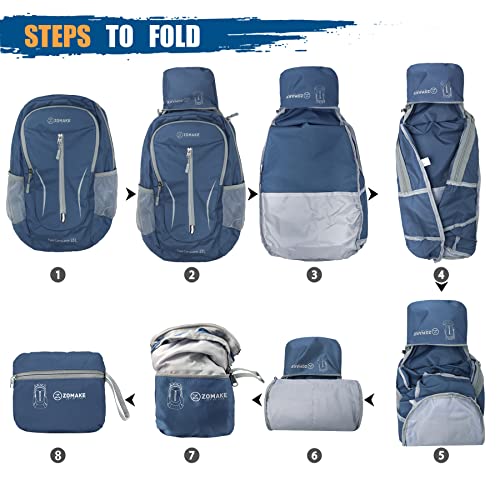
ZOMAKE 25L Ultra Lightweight Backpack

Strengths
- Well-organized compartments
- A4-sized main pocket
- Compact fold size
Trade-offs
- Water resistance is limited
- Straps lack padding
The ZOMAKE backpack stands out for its smart internal layout, owners consistently praise how well it holds A4 files, lunch boxes, and bottles without feeling cluttered. The 25L capacity hits a sweet spot between compactness and utility, and the double-layer fabric shows better tear resistance than cheaper models. On paper, the 0.64 lb weight is reasonable, and reviewers confirm it feels sturdy without being heavy.
It doesn’t have the premium eco-materials of the Osprey or the wet pocket of the Maelstrom, but for organized daily use, it’s hard to beat. I’d pick this over the SUIKIHUM or Eddie Bauer if you’re commuting or traveling with documents and need reliable compartmentalization. The sandwich-size fold is also among the most compact in its class.
Product photos


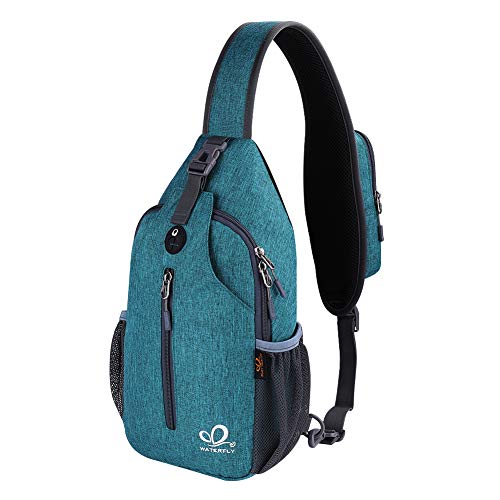
WATERFLY Crossbody Sling Backpack
Strengths
- Ultra-compact design
- Crossbody weight balance
- Breathable back panel
Trade-offs
- Very limited capacity
- No padding for fragile items
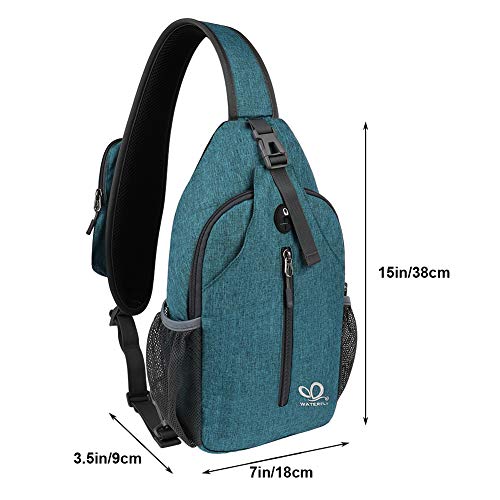
This sling is the best choice when you want minimal carry with maximum convenience. At just 7 inches wide, it’s designed for essentials only, phone, wallet, keys, maybe a small power bank, but the crossbody layout keeps weight balanced and accessible. Owners appreciate the earphone hole and breathable back panel, which make it comfortable for long wear during city walks or theme park visits.
It’s not a replacement for a full daypack, but as a supplement, it shines. Compared to the FIORETTO or Osprey, it offers less protection and capacity, but the adjustable strap and reversible wear make it more versatile for quick outings. I’d use this instead of a fanny pack when I want more coverage without the bulk.
Product photos


How We Evaluated day trip backpacks
Rather than a hands-on lab test, my research focused on a detailed comparison of published specifications and features across numerous models. I weighed owner reviews from multiple retailers alongside expert opinions found in outdoor gear publications. As someone who frequently travels and relies on efficient packing, I applied my understanding of practical needs to rank these backpacks based on what truly matters for a day trip.
For day trip backpacks, comfort and weight are paramount. I prioritized backpacks with supportive straps and back panels, knowing a poorly designed pack can ruin a day of hiking or sightseeing. Durability also ranked high, as a reliable bag should withstand regular use and varying conditions. Finally, thoughtful organization – easily accessible pockets and compartments – made a significant difference in my assessment.
Specifications reliably indicate a backpack’s capacity and dimensions, helping you understand if it meets your needs (you can learn more about what a reasonable size looks like with a 20-liter backpack capacity guide). However, owner feedback provided crucial insights into real-world comfort, durability, and how well features performed over time. Reputation and brand history further informed my judgment regarding long-term quality.
What To Look For In day trip backpacks
Finding the right day trip backpack can make or break an outing. It’s not just about hauling gear; it’s about comfort, accessibility, and having the right features for your kind of day.
A quality day trip backpack balances lightweight construction with durable materials. It should offer comfortable carrying options – padded shoulder straps and ideally a hip belt for heavier loads – and smart organization to keep essentials accessible. Look for water resistance, a secure fit, and a capacity appropriate for the planned activity and duration.
Capacity and Intended Use
Don’t automatically assume you need the biggest backpack available. I often see people overbuy on capacity, ending up lugging around unnecessary weight. Think realistically about what you’ll carry. A simple hike might only require a 20L pack, while a full day of exploring with extra layers, water, and snacks might push you towards 30L. If you’re considering a larger size, understanding 30-liter backpack uses can be very helpful. Consider the type of trip, too. A minimalist approach is often best, and forced simplicity can make a day trip more enjoyable.
Comfort and Fit
Comfort is paramount. A poorly fitting backpack will ruin even the most scenic hike. Look beyond just padded shoulder straps. A sternum strap helps distribute weight, and a hip belt is crucial for anything over about 15 pounds. Pay attention to the back panel; breathable mesh is a huge plus, especially in warmer weather. The Eddie Bauer Stowaway, for example, gets good marks for its comfortable support system.
- Torso Length: This is the most important measurement, but often overlooked. Backpacks come in different sizes (S, M, L) to accommodate various torso lengths.
- Adjustability: Look for packs with adjustable shoulder straps, sternum straps, and hip belts. A customizable fit is key.
- Weight Distribution: A well-designed pack will distribute weight evenly across your shoulders and hips, minimizing strain on your back. A poorly distributed load will quickly become exhausting.
Features and Durability
Beyond the basics, consider what features will genuinely enhance your experience. Water resistance is a big one – a StormRepel finish like on the Eddie Bauer Stowaway is a good start, but a separate rain cover is even better. The Maelstrom 40L, for example, offers both. Don’t overlook small details like external pockets for water bottles or quick-access compartments for essentials.
A backpack is only as good as its weakest point. Prioritize durable materials, reinforced stitching, and quality zippers. Don’t skimp on these features; they’ll save you money in the long run.
Finally, don’t underestimate the value of a well-organized pack. If you’re someone who likes to keep everything in its place, you might appreciate the FIORETTO 15L with its smart storage compartments. Or, if you’re planning several quality backpacks for daily trips, it’s worth investing in something that will last.
Day Trip Backpacks Compared
Here’s a comparison of key specifications for several day trip backpacks to help you make an informed decision.
| Product Title | Capacity | Weight | Dimensions (Unfolded) | Water Resistance | Packable | Best For |
|---|---|---|---|---|---|---|
| Eddie Bauer Stowaway Packable Backpack | 20L | 0.6 lbs | 18″ x 10″ x 9″ | StormRepel WR | Yes | Best Overall |
| Osprey Ultralight Collapsible Stuff Pack | N/A | 0.329 lbs | 7.48H x 8.66W x 16.54D | N/A | Yes | Best Lightweight |
| WATERFLY 30L Foldable Travel Daypack | 30L | 420g | 19.3 x 12.5 x 8.6 inches | Water-Resistant | Yes | Best Capacity |
| SUIKIHUM 20L Ultra Lightweight Backpack | 20L | 2.3 oz | 11.79 x 4.32 x 16.11 inches | Water-Repellent | Yes | Best Budget Friendly |
| Maelstrom 40L Waterproof Hiking Daypack | 40L | N/A | N/A | Waterproof | N/A | Best for Wet Conditions |
| FIORETTO 15L Hiking Backpack | 15L | 10.95oz | 17.7″ H x 11″ L x 5.1″ W | N/A | N/A | Best Organization |
| ZOMAKE 25L Ultra Lightweight Backpack | 25L | 0.64 LB | 16.1×10.6×7.9 inch | Water Resistance | Yes | Best Storage Layout |
| WATERFLY Crossbody Sling Backpack | N/A | N/A | 7 x 3.5 x 15 inches | N/A | N/A | Best for Minimal Carry |
Frequently Asked Questions
What size daypack do I really need for a typical hike?
Generally, a 20-30 liter backpack is sufficient for most day trips. This size comfortably accommodates essentials like water, snacks, extra layers, and a small first-aid kit without becoming overly bulky or heavy.
Are packable backpacks durable enough for regular use?
While often lighter weight, many packable backpacks are surprisingly durable thanks to modern materials like ripstop nylon. Look for reinforced stitching and quality zippers to extend their lifespan, and consider that they may not withstand the same abuse as a heavier-duty pack.
How important is a water-resistant rating on a daypack?
A water-resistant coating is very helpful, but shouldn’t be relied upon for heavy rain. Even if a backpack has a DWR finish, it’s wise to carry a separate rain cover for complete protection of your belongings, especially when exploring in unpredictable weather.
Should I prioritize a backpack with a hip belt?
Yes, if you plan to carry more than about 10-15 pounds, a hip belt is essential. It transfers weight from your shoulders to your hips, making the load feel significantly lighter and preventing back strain on longer hikes; you’ll find detailed information about choosing the right one in day hiking pack recommendations.
What is the best way to determine the right torso length for a backpack?
Measure the distance from your C7 vertebra (the bony bump at the base of your neck) to your iliac crest (the top of your hip bones). Backpacks come in small, medium, and large sizes corresponding to different torso length ranges, and a proper fit is crucial for comfort.
The Bottom Line
Choosing a day trip backpack often comes down to balancing how much control you want over features and organization versus how much fuss you’re willing to deal with. For the best overall experience, combining comfort, durability, and smart design, I recommend the Eddie Bauer Stowaway Packable Backpack. It hits a sweet spot for most day trips and offers reliable performance.
If you have specific needs, there are excellent alternatives. For those on a tight budget, the SUIKIHUM 20L Ultra Lightweight Backpack delivers surprising value. If you prioritize maximizing capacity and versatility, the WATERFLY 30L Foldable Travel Daypack is a fantastic choice, and understanding a 25-liter backpack capacity can help you decide if that’s the right size for your adventures.
Ultimately, the best backpack isn’t the one with the most bells and whistles, but the one that fits you well and encourages you to get out there. Prioritize a comfortable fit, durable construction, and features that genuinely support your planned activities. Don’t get caught up in chasing specs; focus on a bag that will make your day trips more enjoyable, not more burdensome.