9 Best Bike Commuting Backpacks 2026
This post contains affiliate links. As an Amazon Associate, we earn from qualifying purchases.
The best backpack for bike commuting is the Thule Paramount Bike Commuter Backpack, offering top durability and weather resistance. For a budget-friendly option, the Outplea 15L Cycling Backpack delivers solid performance, while the Two Wheel Gear Pannier Backpack Convertible stands out for its adaptability between backpack and pannier use.
Commuting by bike means dealing with sweat, rain, traffic, and the daily grind, your backpack needs to handle all of it without failing. A shifting load or soaked laptop can turn a routine ride into a disaster.
As the founder of LuggageInspector.net, I’ve spent years evaluating luggage and travel gear through real-world use and deep research. This guide reflects what matters most for bike commuters: stability, weather protection, and smart design, based on specs, owner feedback, and brand reputation.
Top 8 Backpacks For Commuting By Bike in the Market
The Best Backpacks For Commuting By Bike, Reviewed
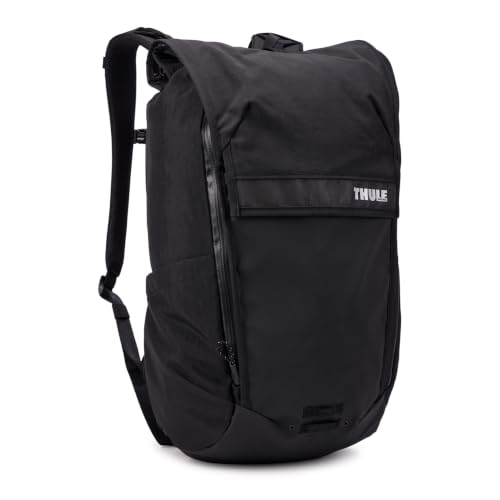
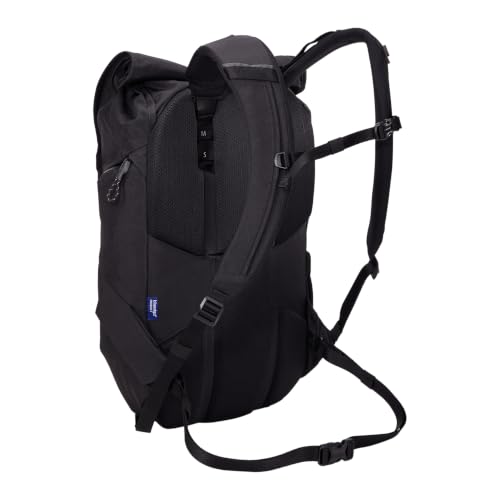
Thule Paramount Bike Commuter Backpack
Strengths
- Durable 420D nylon
- PFC-free water resistance
- Adjustable harness fit
- Rolltop expansion
- Side phone access
Trade-offs
- No separate clothing compartment
- No built-in rain cover
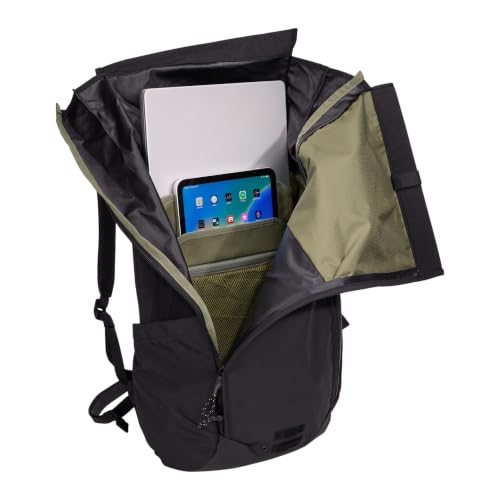
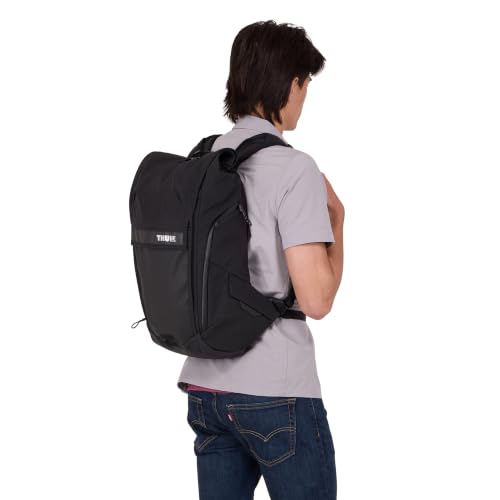
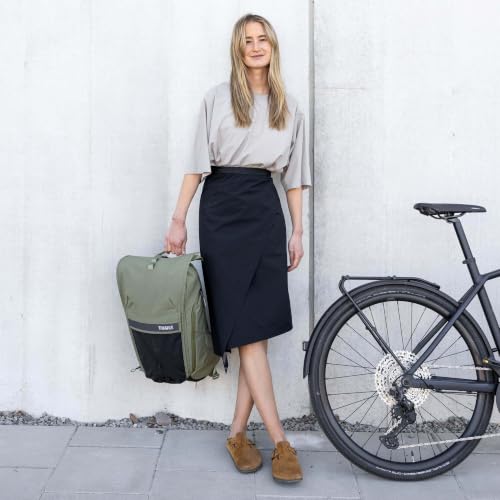
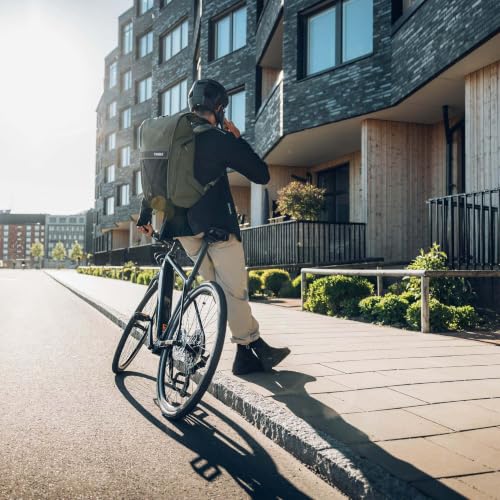
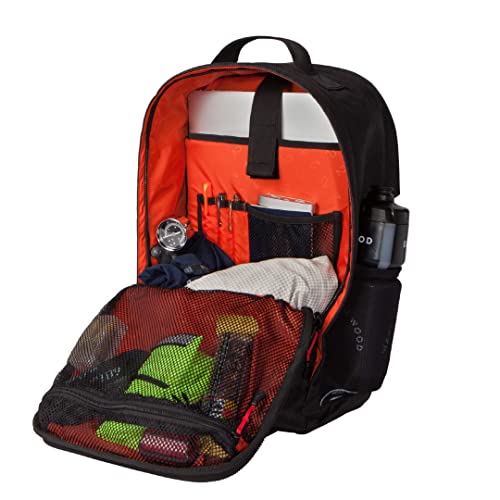
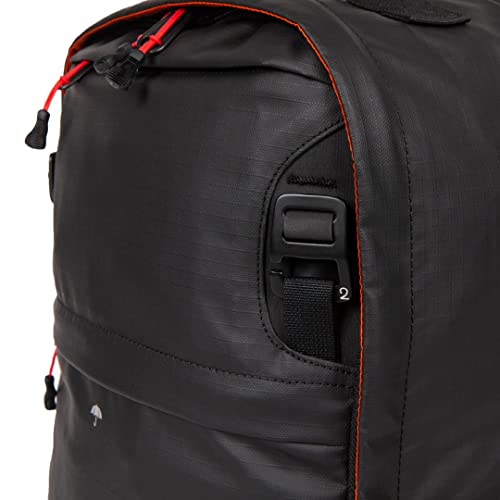
This is one of the cleanest, most thoughtfully built commuter packs I’ve seen in the 20L class. The bluesign-certified materials and PFC-free water-resistant finish stand out, it’s rare to see eco-conscious construction paired with such rugged 420D nylon. Owners consistently report it holds up to daily abuse, from wet sidewalks to crowded transit, and the rolltop closure adds both weather protection and a little extra stretch when you’re hauling more than usual. The adjustable harness makes a real difference for fit across body types, which is something I always look for in a pack meant for active riding.
What really seals the deal is how it balances protection and comfort. The floating laptop sleeve keeps a 16″ device secure without adding bulk, and the side phone pocket is a small but smart touch for quick access. Compared to the Osprey Metron, it’s lighter and more streamlined, though it lacks a dedicated clothing compartment. Still, for most urban riders who want one bag that does it all without looking like gear overload, this is the easy pick.
Product photos
Two Wheel Gear Pannier Backpack Convertible

Strengths
- True pannier conversion
- KLICKfix rack mount
- Recycled waterproof fabric
- Excellent organization
- High-vis rain cover
Trade-offs
- Heavier than pure backpacks
- Requires bike rack
- Pricier than basics
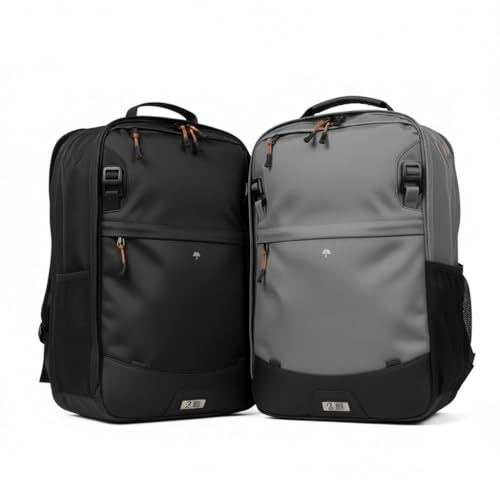
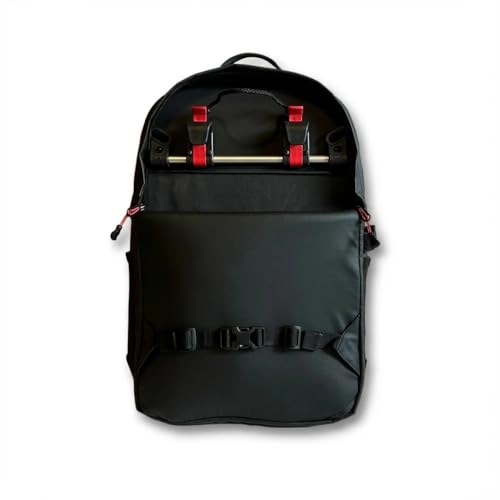
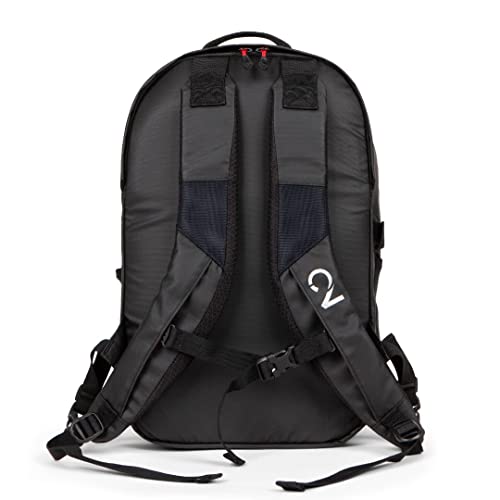
The ability to switch from backpack to pannier in seconds is a standout for commuters who bike, then walk. The KLICKfix mounting system is German-engineered and rock-solid, owners praise how quickly it locks onto racks and stays put. Made with 100% recycled ripstop and waterproof zippers, it’s both durable and eco-conscious, and the high-visibility rain cover adds real safety without looking garish. Inside, the organization is excellent: padded laptop sleeve, U-lock pocket, pen slots, and side bottle holders make it feel like a commuter’s dream.
It’s heavier than some backpacks, but that’s the pannier trade-off. Compared to the KEMIMOTO 3-in-1, it’s more stable, better built, and integrates more smoothly with bike racks. I’d choose this over any non-convertible pack if your commute involves locking your bike and walking any distance. It’s the smartest hybrid design here, not just a gimmick, but a real solution.
Product photos
Outplea 15L Cycling Backpack

Strengths
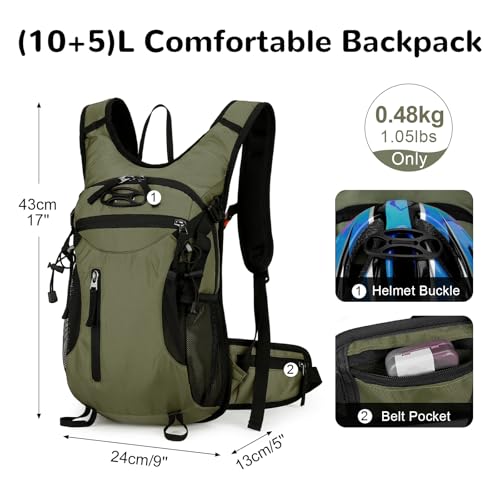
- Ultra-light at 1.06 lbs
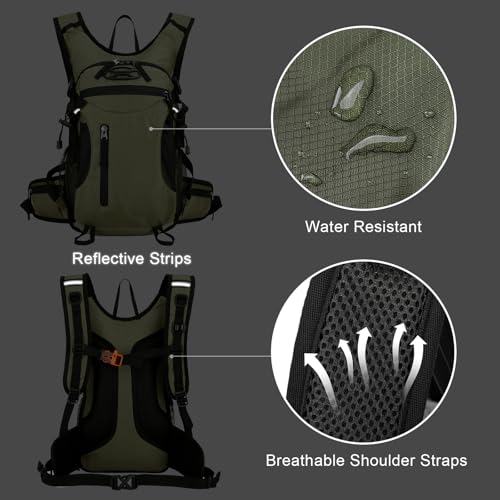
- Reflective safety strips
- Hydration sleeve included
- Breathable 3D foam back
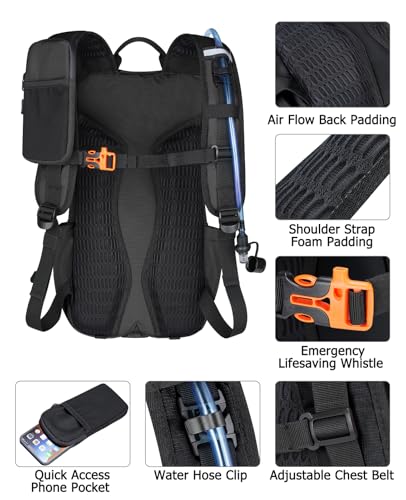
- Chest whistle for emergencies
Trade-offs
- No padded laptop protection
- Limited 15L capacity
- Basic organization
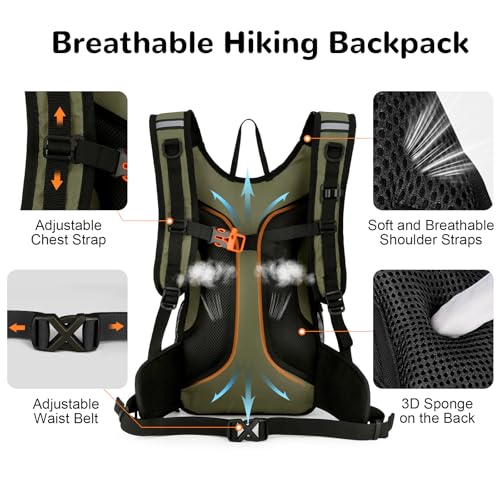
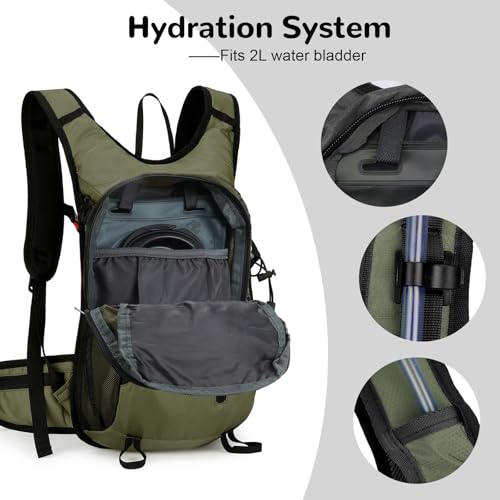
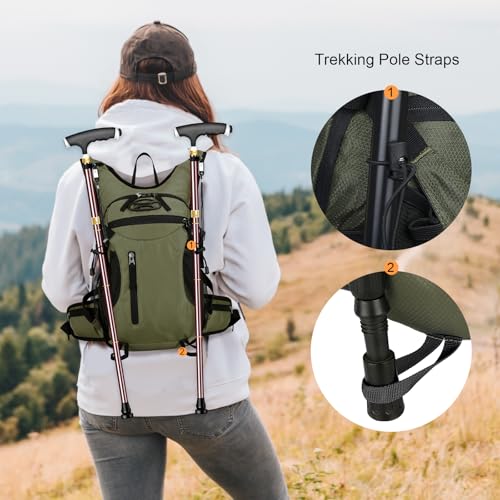
At just over a pound, this 15L pack is a standout for riders who want minimal weight without sacrificing safety or storage. The ripstop oxford fabric is no gimmick, owners report it shrugging off brush and rain on trail rides, and the reflective strips plus emergency whistle on the chest strap add real peace of mind. The hydration sleeve is a nice bonus for mountain bikers, though the reservoir isn’t included. What I appreciate most is the 3D foam back panel and mesh straps: in a class where comfort often takes a backseat, this one delivers breathability and support even on longer rides.
It’s not for everyone. The 15L capacity won’t cut it if you’re hauling work clothes or a full toolkit, and it lacks a dedicated laptop sleeve beyond a general internal pocket. But compared to the NOOLA or Osprey Berm, it strikes a better balance for trail riders who want lightweight utility. My pick for weekend adventurers or urban riders who bike hard and fast but don’t need to carry a second life in their bag.
Product photos
riderbag Reflective Motorcycle Backpack
Strengths
- High-visibility panels
- 35L spacious design
- Helmet net included
- Ventilated back padding
- Weather-resistant build
Trade-offs
- Bulky for urban minimalists
- Less sleek appearance
- Straps can feel loose
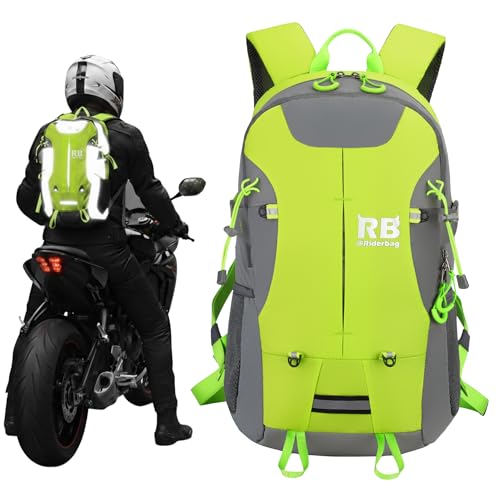
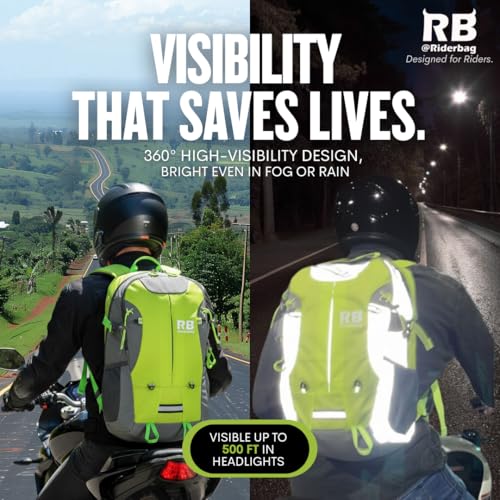
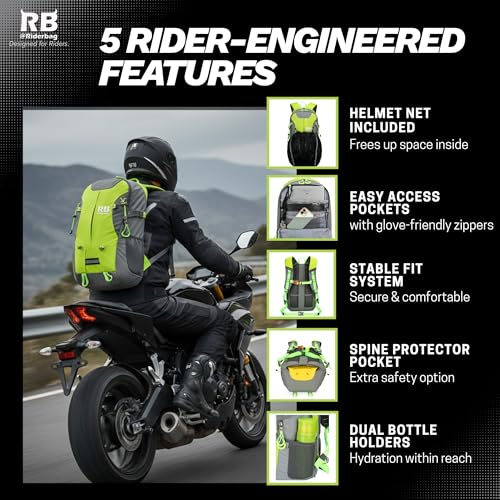
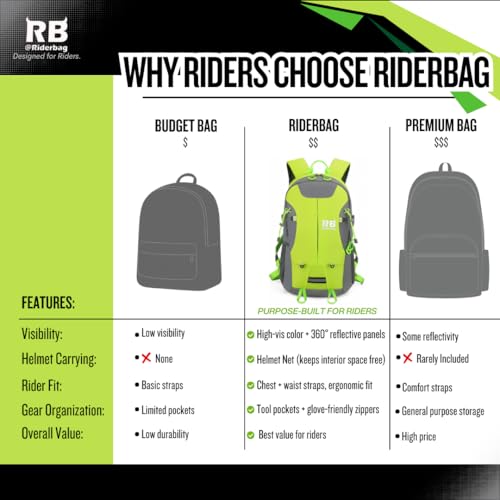
If visibility is your top concern, and it should be, this backpack earns its place. The hi viz reflective panels aren’t just trim; they cover large surface areas, making riders far more noticeable at night or in low-light conditions, which owners consistently praise. At 35L, it’s one of the largest here, and that volume is well-organized: multiple compartments, side water pockets, and a built-in helmet net make it practical for longer commutes or gear-heavy days. The ventilated back padding helps manage heat, though some reviewers note it’s not as breathable as mesh-panelled packs like the Osprey Berm.
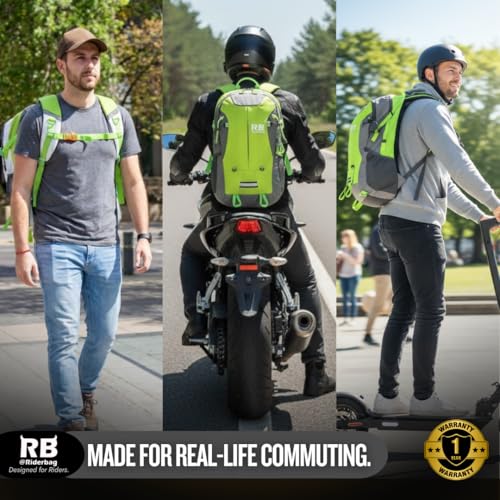
It’s not the most refined in design, the look leans more tactical than professional, but for motorcyclists or e-bike riders covering mixed terrain, the trade-off makes sense. Compared to the Thule Paramount, it’s bulkier and less polished, but you gain space and serious visibility. I’d recommend this for riders who log miles in unpredictable conditions and need one bag that keeps them seen and organized.
Product photos

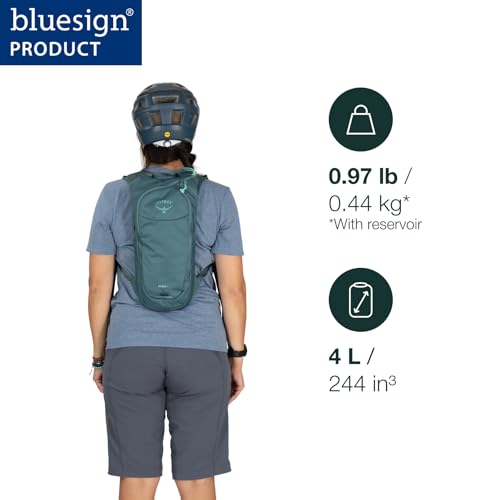
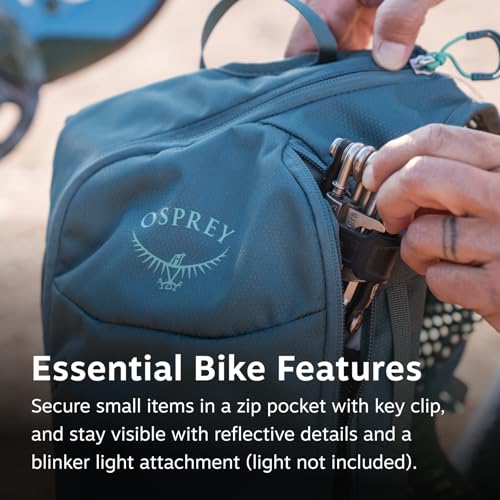
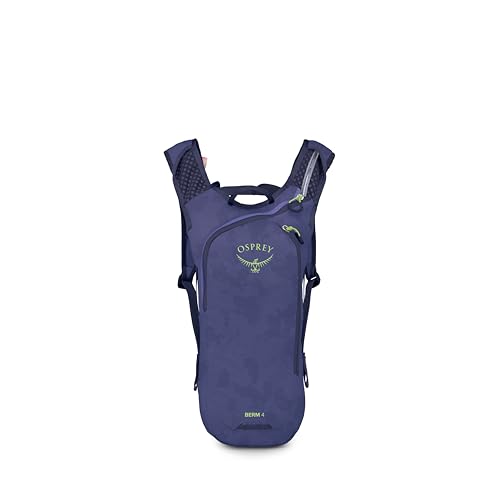
Osprey Berm 4L Hydration Backpack

Strengths
- Includes 2.5L reservoir
- Lightweight at 0.97 lbs
- AirScape ventilated back
- Magnetic hose clip
- Reflective safety details
Trade-offs
- No storage beyond essentials
- No laptop or work gear space
- Minimal organization
This is hydration done right, minimal, efficient, and purpose-built. At just under a pound, the Berm 4L carries only what you need: a 2.5L included reservoir, a small zip pocket, and a stable, ventilated fit that locks close to your back. The AirScape backpanel is Osprey’s signature for a reason, it vents well and prevents sloshing, which reviewers consistently highlight on long trail rides. The magnetic bite valve is a quality-of-life upgrade, keeping the hose handy without flapping.
It’s not a commuter pack in the traditional sense, no laptop space, no extra pockets for keys or transit cards, but for riders who prioritize water access over gear, it’s unmatched. Compared to the NOOLA, it’s far more streamlined and reliable in fit, though you sacrifice capacity. I’d take this over any larger hydration pack for trail rides or fast commutes where your only mission is staying hydrated and moving fast.
Product photos


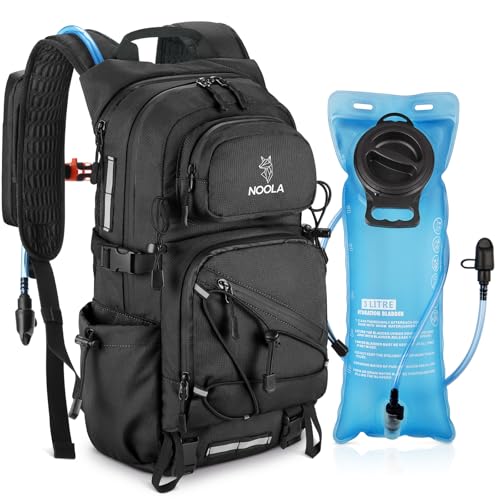
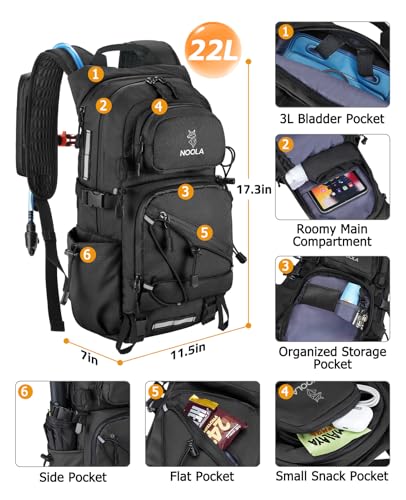
NOOLA 22L Hydration Backpack
Strengths
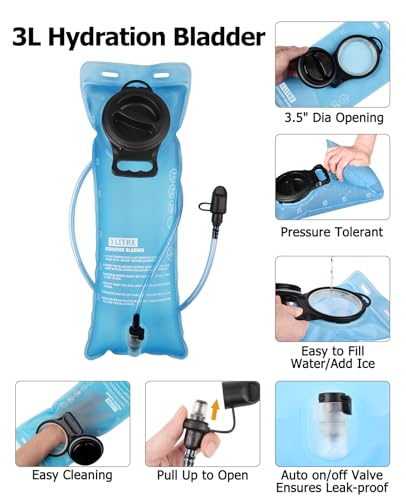
- Large 3L hydration bladder
- Built-in rain cover
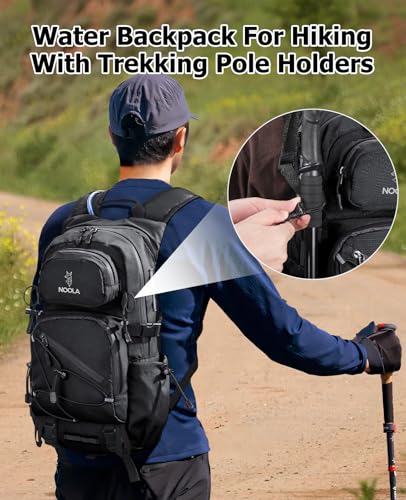
- Trekking pole holders
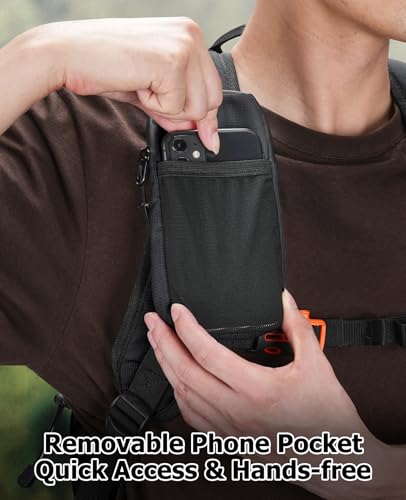
- Detachable phone pocket
- 9 internal pockets
Trade-offs
- Overbuilt for city use
- Less breathable back panel
- Bulky when full
This is the pack for riders who want hydration plus serious storage, the 3L leakproof TPU bladder is a major upgrade over smaller reservoirs, and the 22L–25L capacity gives room for layers, snacks, and gear. Owners love the built-in rain cover and phone pocket on the strap, which adds convenience without clutter. The trekking pole holders and side compression straps make it feel more like a hiking pack, which works if you’re transitioning from trail to city, but it can feel overbuilt for simple bike commutes.
The trade-off is refinement: while it’s packed with features, the design lacks the clean lines and targeted ergonomics of the Osprey or Thule options. The back panel is cushioned but not as breathable as true ventilated systems. For the rider who wants one bag to handle weekend adventures and midweek commutes, it’s a solid value. But if you’re focused purely on urban efficiency, it’s overkill.
Product photos
KEMIMOTO Rear Bike Rack Bag
Strengths
- 3-in-1 carry options
- Easy rack mounting
- Reflective safety strips
- Affordable price
- Lightweight design
Trade-offs
- Straps lack padding
- Can sway on rack
- Not fully waterproof
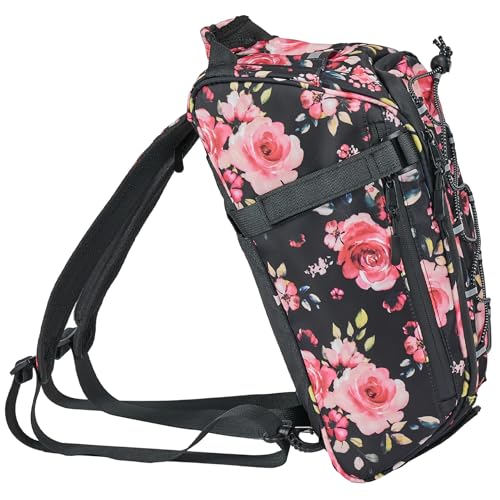
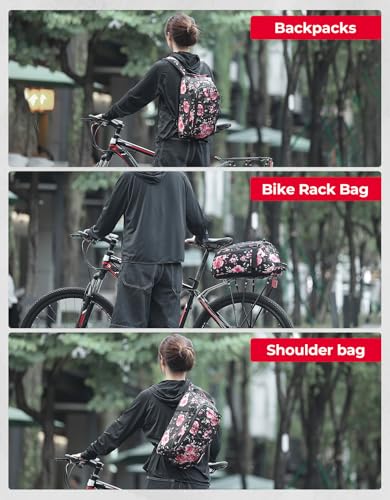
This 3-in-1 design is clever, wear it as a backpack, sling it over one shoulder, or strap it to your rear rack. The 13L capacity is compact but smartly laid out, with multiple zippered pockets and an elastic top for quick-access items. Owners like how easy it is to install and remove with the four strong straps, and the reflective strips plus tail light loop add real visibility. The PVC Oxford fabric holds up well in rain, though it’s water-resistant, not fully waterproof like the COR Surf.
Where it falls short is stability as a pannier, some riders report sway on rough roads, and the shoulder straps aren’t as padded as dedicated backpacks. Compared to the Two Wheel Gear, it’s less refined but much more affordable. I’d recommend this for casual riders or e-bike users who want flexible carry without investing in a high-end system. It’s a solid budget hybrid, not a premium solution.
Product photos



COR Surf Waterproof Dry Bag Backpack
Strengths
- 100% waterproof dry bag
- Floats if dropped
- Heavy-duty PVC build
- Roll-top closure
- Padded laptop sleeve
Trade-offs
- No breathability
- Stiff, bulky material
- Not office-friendly look
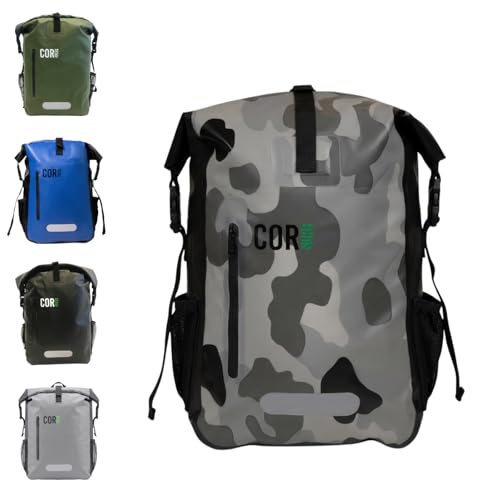
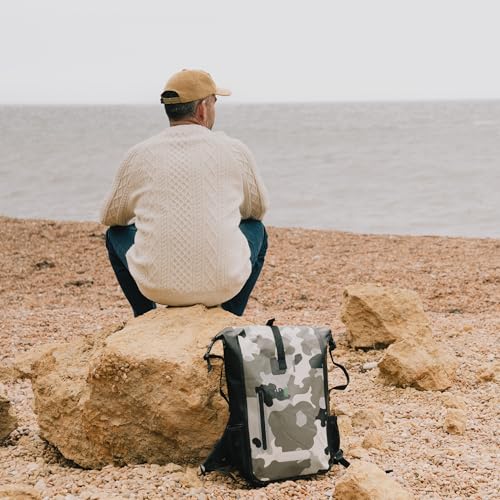
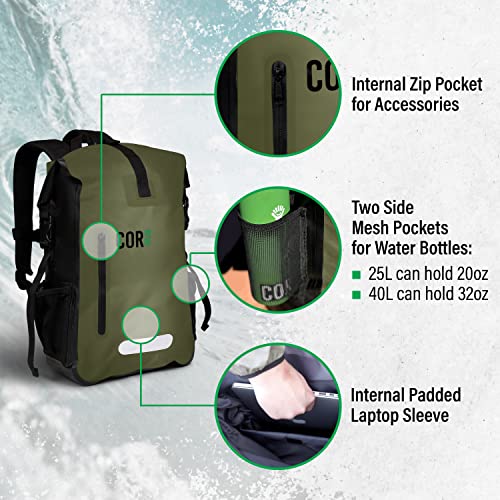
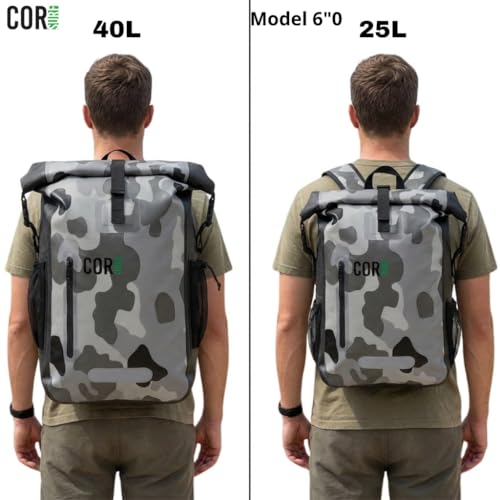
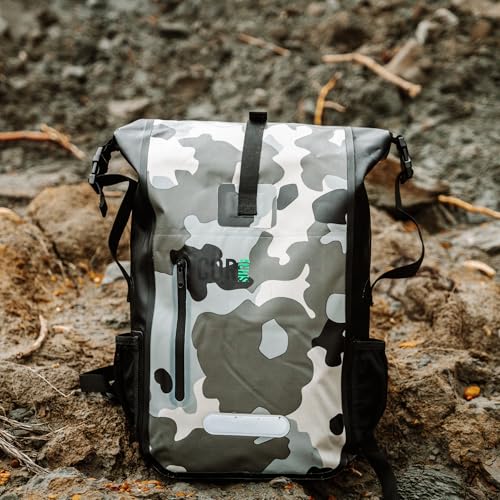
When you need 100% waterproof protection, this roll-top dry bag is the real deal. The sonically welded seams and heavy-duty PVC mean it can, and does, float if dropped in water, which owners confirm after unexpected river crossings or downpours. The 25L size fits a padded laptop sleeve and still leaves room for gear, and the reflective strip and chest buckle add safety for night rides. It’s rugged in a way most commuter packs aren’t, built for surfers, kayakers, or riders in extreme climates.
But that toughness comes with trade-offs. The PVC material doesn’t breathe at all, so expect some sweat buildup on longer rides. And while it works for commuting, it looks and feels more like outdoor gear than office-appropriate luggage. Compared to the Two Wheel Gear pannier, it’s less versatile for daily transitions. I’d pick this only if you’re regularly riding in torrential rain, near water, or need absolute dryness, otherwise, it’s overkill.
Product photos

How We Chose These backpacks for commuting by bike
Rather than a hands-on lab test, my research for these recommendations was a detailed comparison of published specifications and features across numerous models. I weighed owner reviews from sites like Amazon and REI against expert opinions from cycling-focused publications, applying my years of experience evaluating luggage for travel. Ultimately, I ranked options based on a set of criteria important for bike commuters: durability, comfort, carrying capacity, and weather resistance.
For bike commuting backpacks, stability and visibility were the biggest factors influencing my selections. A secure fit that doesn’t shift while riding is crucial for safety, and reflective elements or bright colors are essential for being seen by drivers. Beyond that, I prioritized features specifically geared towards cyclists, like dedicated laptop compartments, hydration compatibility, and helmet storage. Understanding your needs regarding backpack capacity for commuting is also key.
Specifications reliably indicate build quality – materials like nylon denier and zipper brands (YKK is a good sign) offer clues about longevity. However, I relied heavily on owner feedback to gauge real-world comfort and durability. Reviews often reveal how a backpack performs after months or years of use, whereas specs only tell part of the story. Reputation, particularly from brands known for outdoor gear, also played a significant role in my final assessments.
What To Look For In backpacks for commuting by bike
Finding the right backpack for bike commuting requires a bit more thought than just grabbing something that holds your laptop. It’s about balancing capacity, comfort while riding, and weather protection.
A good bike commuting backpack prioritizes stability and visibility. Look for features like a secure harness system, breathable back panels, reflective elements, and water resistance. Consider the specific needs of your commute – distance, typical weather, and the gear you carry – to narrow down your options. Prioritize durable materials and construction to withstand daily use and the elements.
Harness & Fit Are Key
Many standard backpacks simply aren’t designed to sit comfortably while you’re leaning forward on a bike. A poorly fitting pack will shift around, throw off your balance, and become a major distraction. Look for adjustable harnesses with both sternum and waist straps. These help distribute weight and prevent bouncing, even on rough roads. A dedicated bike-specific harness often contours to your back better, too.
Weatherproofing Matters
Commuting by bike means facing the elements, so weatherproofing is crucial. While “water-resistant” is a start, true waterproofing offers significantly better protection for your electronics and other valuables. The Thule Paramount Bike Commuter Backpack, for example, uses a PFC-free water-resistant finish, but for heavier rain, a dedicated rain cover is ideal, like the one included with the Osprey Metron 24L Commuter Backpack.
Here’s what to consider when evaluating weather protection: * Water-resistant coating: A basic level of protection for light drizzle. * Waterproof fabric: Offers better protection, often using materials like TPU or PVC. * Sealed seams: Essential for preventing water from seeping through stitching. A fully waterproof bag will have sonically welded or taped seams.
Don’t underestimate the impact of weather. A soaked laptop or important documents can ruin your day.
Balancing Capacity & Usability
It’s tempting to get the largest backpack possible, but excessive bulk can be uncomfortable and even dangerous on a bike. Think carefully about what you actually need to carry. A 25-liter backpack dimensions is often a sweet spot for daily commutes, offering enough space for work essentials, a change of clothes, and some snacks without feeling overly cumbersome. The Two Wheel Gear Pannier Backpack Convertible offers versatility with its pannier conversion, letting you switch between carrying modes. Consider how easily you need to access items while riding, too. External pockets and dedicated compartments can be incredibly convenient. If you’re considering a larger capacity, exploring commuting backpack capacity guides can help you visualize what fits. You might also want to look into best backpacks for bike commuters for additional ideas.
Backpacks for Commuting by Bike Compared
Here’s a comparison of key specifications for backpacks designed for commuting by bike, to help you find the best fit for your needs.
| Product Title | Capacity (L) | Waterproof? | Laptop Size | Features | Weight (lb) |
|---|---|---|---|---|---|
| Thule Paramount Bike Commuter Backpack | N/A | Yes | 16″ | YKK zippers, padded laptop | N/A |
| Osprey Metron 24L Commuter Backpack | 24 | Yes (w/ cover) | 16″ | LidLock, reflective | 2.47 |
| Two Wheel Gear Pannier Backpack Convertible | 22 | Yes | 15.6″ | Pannier compatible, reflective | N/A |
| Outplea 15L Cycling Backpack | 15 | Yes | N/A | Hydration compatible, reflective | 1.06 |
| riderbag Reflective Motorcycle Backpack | 35 | N/A | N/A | Reflective, helmet holder | N/A |
| Osprey Berm 4L Hydration Backpack | 4 | N/A | N/A | Hydration reservoir included | 0.97 |
| NOOLA 22L Hydration Backpack | 22/25 | Yes | N/A | 3L hydration bladder | N/A |
| KEMIMOTO Rear Bike Rack Bag | 13 | Yes | N/A | 3-in-1 carry options | N/A |
| COR Surf Waterproof Dry Bag Backpack | 25/40 | Yes | N/A | Fully waterproof, reflective | N/A |
Frequently Asked Questions
What’s the best way to carry a helmet with a backpack?
Some backpacks, like the riderbag Reflective Motorcycle Backpack, include a dedicated helmet holder. Otherwise, look for backpacks with external straps or loops designed to secure a helmet, preventing it from bouncing around during your ride.
Are fully waterproof backpacks truly worth the extra cost?
Yes, a fully waterproof backpack is a good investment if you frequently commute in heavy rain or live in a wet climate. While water-resistant coatings offer some protection, waterproof fabrics and sealed seams prevent water from damaging your belongings.
How much weight can I comfortably carry in a bike commuting backpack?
Generally, you shouldn’t carry more than 10% to 15% of your body weight in a backpack, even for bike commuting. Exceeding this can lead to discomfort, strain, and affect your balance while riding; prioritize lightweight gear whenever possible.
What’s the difference between water-resistant and waterproof?
Water-resistant fabrics repel light moisture, but will eventually become saturated in prolonged or heavy rain. Waterproof fabrics, combined with sealed seams, create a complete barrier against water penetration, keeping your contents dry even in challenging conditions.
Are there bike commuting backpacks designed for hot weather?
Yes, many backpacks for cycling comfort feature breathable back panels and ventilation channels to improve airflow and reduce sweating. Look for models with mesh materials and designs that minimize contact between the pack and your back, keeping you cooler and more comfortable.
The Bottom Line
Choosing a bike commuting backpack often comes down to how much you value fuss-free convenience versus ultimate protection and organization. If you want a bag that simply works without a lot of adjustments, the Thule Paramount Bike Commuter Backpack stands out. Its durable build, secure fit, and reliable waterproofing make it a great all-around choice for daily commutes.
For those with very specific needs, there are excellent alternatives. If budget is a primary concern, the Outplea 15L Cycling Backpack offers surprising features for the price. Riders who appreciate versatility will find the Two Wheel Gear Pannier Backpack Convertible particularly useful, and those prioritizing hydration will appreciate the Osprey Berm 4L Hydration Backpack. Understanding your 22-liter backpack capacity needs will help you choose the right size.
Ultimately, the best backpack isn’t about the highest specs or the fanciest features. It’s about finding a comfortable, secure, and weatherproof pack that fits your body and your commute. Prioritize a stable harness, good visibility, and durable materials, and you’ll be well-equipped to handle whatever the road – or the weather – throws your way.