8 Best Baby Backpack Carriers of 2026
This post contains affiliate links. As an Amazon Associate, we earn from qualifying purchases.
The Osprey Poco LT is the best baby backpack carrier overall, combining smart design, solid safety, and serious comfort for longer hikes. For budget-conscious parents, the besrey Baby Backpack Carrier delivers strong features at a lower price. If weight matters most, the WIPHA carrier is the lightest option at just 3.3 pounds.
Buying the wrong baby backpack carrier can turn a family adventure into a slog. Too many parents end up with bulky, uncomfortable packs that strain their backs or lack the storage needed for day trips. I’ve seen it happen enough times to know that specs alone don’t tell the full story, real-world usability does.
This guide breaks down the top carriers based on safety, adjustability, weight, and what actual parents say. I compared frame types, load distribution, included features like sunshades, and how easy they are to use day after day. These picks reflect what matters most when you’re carrying your child on your back, comfort, confidence, and convenience.
Top 8 Baby Backpack Carriers in the Market
The Best Baby Backpack Carriers, Reviewed
Osprey Poco SLT Lightweight Child Carrier

Strengths
- Lightest framed carrier
- Superior airflow backpanel
- Folds smallest for travel
Trade-offs
- Sunshade sold separately
- No rain cover included
- Premium price
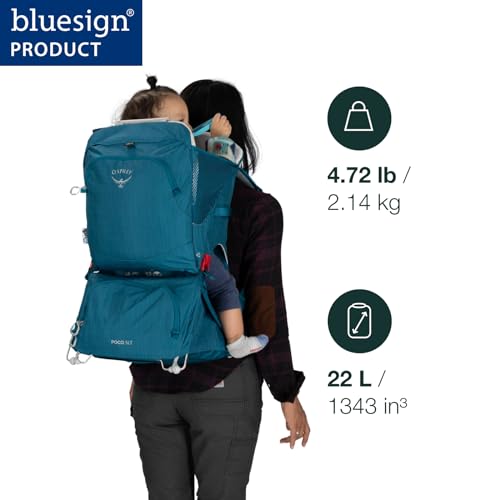
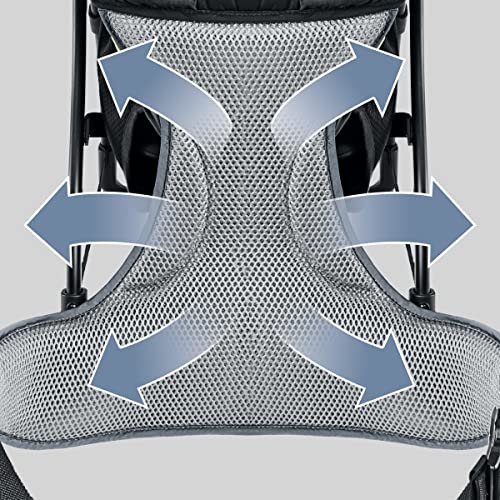
The Osprey Poco SLT is, without question, the most refined option here. At just 4.72 lbs, it’s the lightest framed carrier in the lineup, and the streamlined design doesn’t sacrifice durability. The folding stainless steel frame locks securely and collapses smaller than most, perfect for fitting in overhead bins or car trunks. The AirScape backpanel delivers the best airflow of any model, a major win for hot hikes or long wear.
It’s missing the built-in sunshade (sold separately), which is a downside compared to the Poco LT. But the torso adjustment, freestanding capability, and overall comfort make it my top recommendation for active families. Owners consistently rate it higher for long-term comfort than ClevrPlus or besrey. If you’re okay buying the sunshade as an add-on, this is the smartest long-term investment.
Product photos

Osprey Poco LT Lightweight Carrier

Strengths
- Folds extremely flat
- Excellent airflow backpanel
- Integrated UPF 50 sunshade
Trade-offs
- Higher price point
- No rain cover included
- Limited color options
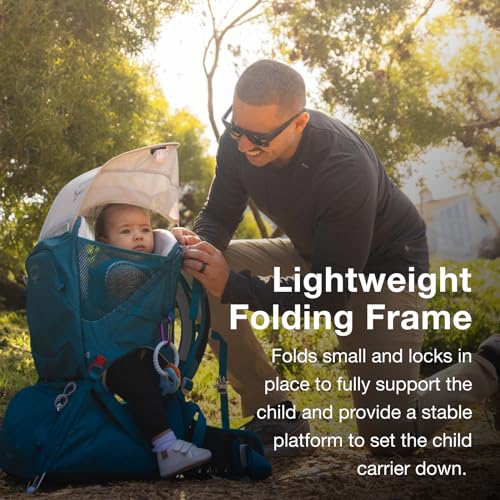
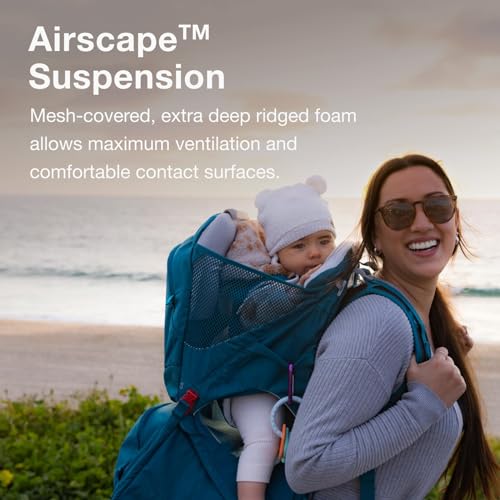
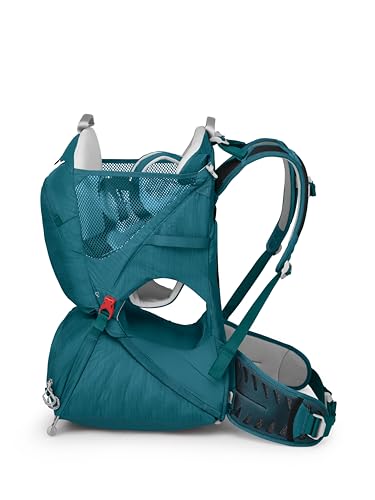
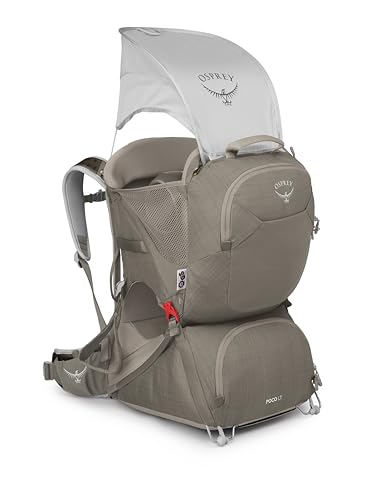
Osprey’s reputation in the backpack world carries over here, the Poco LT feels like a traveler’s carrier built by people who understand gear logistics. The folding stainless steel frame is a standout: it collapses flatter than almost any other framed carrier, making it a dream for airline travel or tight storage. At just over 5.5 lbs, it’s not the lightest, but the AirScape backpanel delivers excellent airflow, which reviewers consistently praise after long wear sessions.
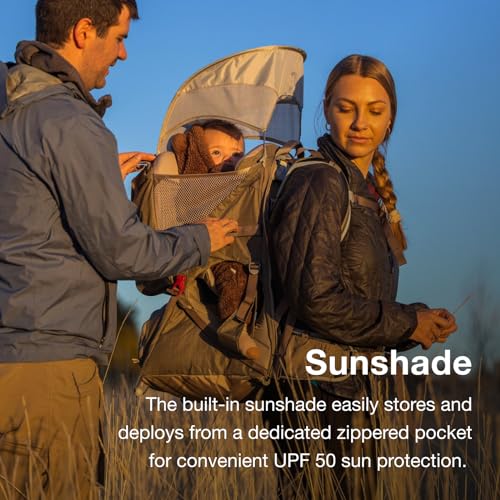
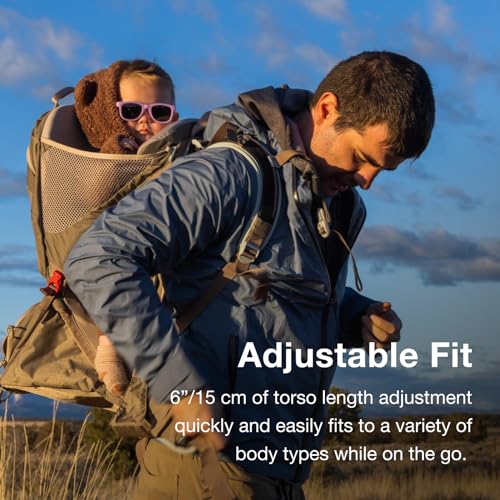
The 6 inches of torso adjustment mean it can comfortably switch between caregivers, a huge perk for families. It includes a UPF 50 sunshade, but unlike the SLT, this one comes with it pre-included. Compared to the besrey or Chicco models, the build quality and attention to ergonomics are clearly superior. My recommendation? If you travel often or value compact storage, this should be at the top of your list.
Product photos


Chicco SmartSupport Aluminum Frame Carrier

Strengths
- Lightweight aluminum frame
- Integrated kickstand
- Adjustable toddler seat
Trade-offs
- No rain cover included
- Limited ventilation
- Minimal storage pockets
For parents wanting a no-frills, budget-friendly baby backpack carrier that still delivers core features, the Chicco SmartSupport makes sense on paper. The aluminum frame keeps it lightweight while offering structure, and the 5-point harness is a must-have for safety. Owners consistently report it’s easy to load thanks to the kickstand, and the adjustable seat helps accommodate growth from toddlerhood up to about 3 years.
Still, it falls short in ventilation compared to premium models. The breathable mesh is decent but not as effective as the full-airflow backpanels seen on Osprey carriers. It’s a sensible pick if you’re mostly doing short outings or city strolls, but I wouldn’t choose it for long hikes or hot weather. Compared to the ClevrPlus or Osprey options, it lacks included rain protection and has less storage.
Product photos


ClevrPlus Cross Country Baby Backpack
Strengths
- Includes rain cover and canopy
- One-piece sturdy frame
- Large storage capacity
Trade-offs
- Less breathable than Osprey
- Padding not top-tier
- Zipper quality could be better
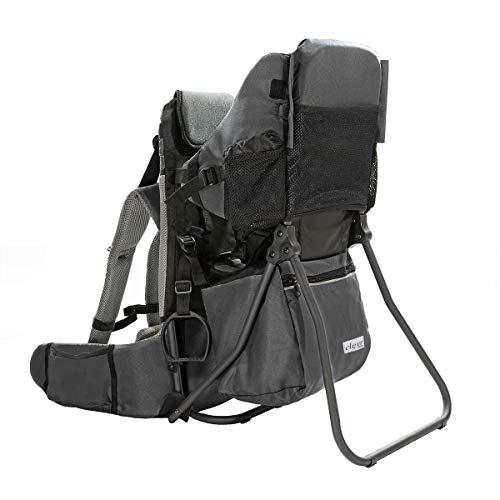
The ClevrPlus Cross Country carrier stands out in the mid-tier market by bundling extras that matter, like a rain cover and sun canopy, without inflating the price. The one-piece frame design gets positive feedback for stability, and at 5.5 lbs, it’s light enough for extended wear. The 60-inch waist strap means it fits a wide range of body types, which is a big plus for couples or shared caregiving.
Where it really wins is practicality: owners love the included changing pad and the generous storage, which beats the Chicco and even edges out the besrey model. However, some note the padding isn’t as plush as Osprey’s, and the backpanel ventilation lags behind. Still, for the balance of price, included accessories, and real-world usability, this is one of the smarter mid-range buys.
Product photos

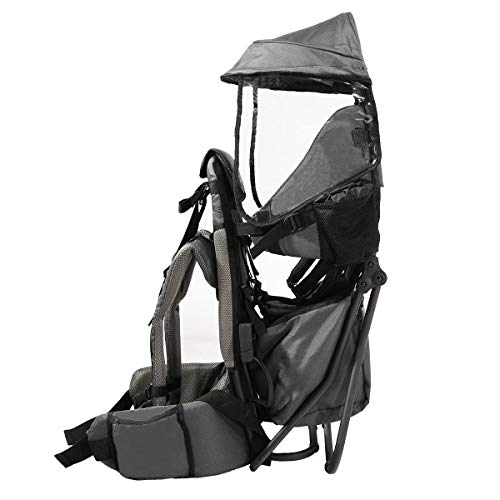
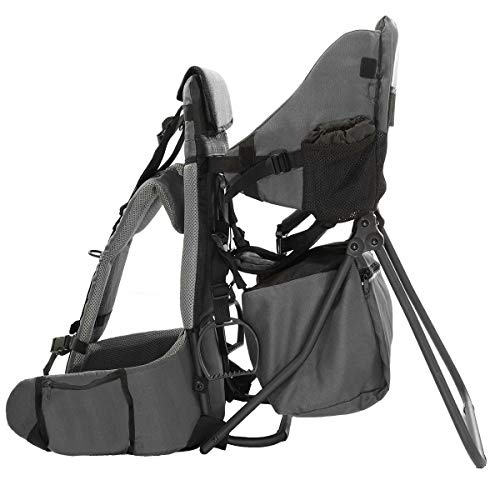

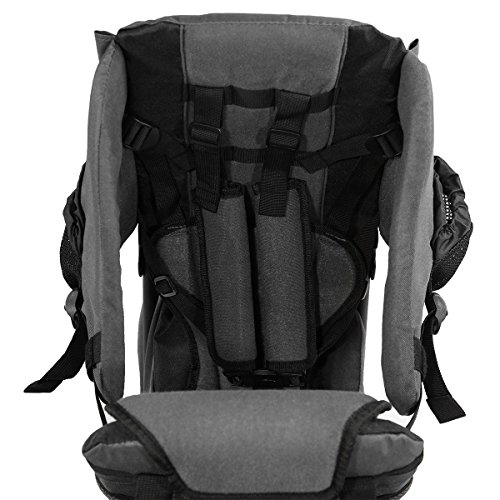
ClevrPlus Deluxe Adjustable Hiking Backpack
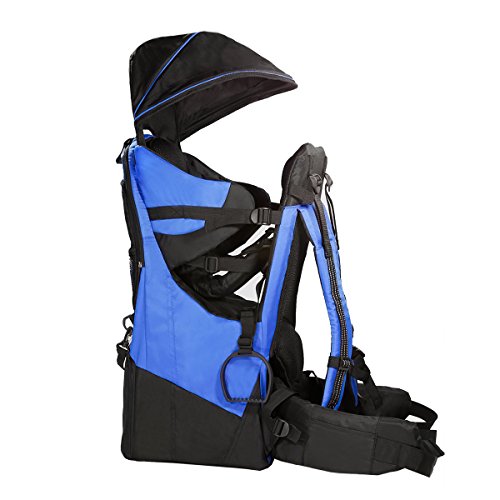
Strengths
- Removable toddler mini backpack
- Best-in-class storage
- Includes rain cover and canopy
Trade-offs
- Backpanel less breathable
- Slightly bulkier design
- Zippers feel flimsy
If storage is your top priority, the ClevrPlus Deluxe is the clear winner in this group. The inclusion of a removable mini backpack, something no other model offers, adds real versatility. You can detach it for your toddler to carry small toys or use it yourself for snacks and wipes. Combined with large main compartments and side pockets, it’s the most organized carrier here.
It shares the same solid one-piece frame and weather-ready features (rain cover, canopy) as the Cross Country model, but tips the scales slightly lighter at 5.2 lbs. The 60-inch waist strap ensures fit flexibility, and the TÜV-certified safety is reassuring. However, like other ClevrPlus models, the back ventilation isn’t as advanced as Osprey’s. For parents who hate being unprepared, this is the pack that’s ready for anything.
Product photos

besrey Baby Backpack Carrier Black

Strengths
- High 44 lb weight capacity
- Foldable lightweight frame
- Multiple storage pockets
Trade-offs
- Mediocre airflow
- Padding lacks support
- Build quality inconsistent
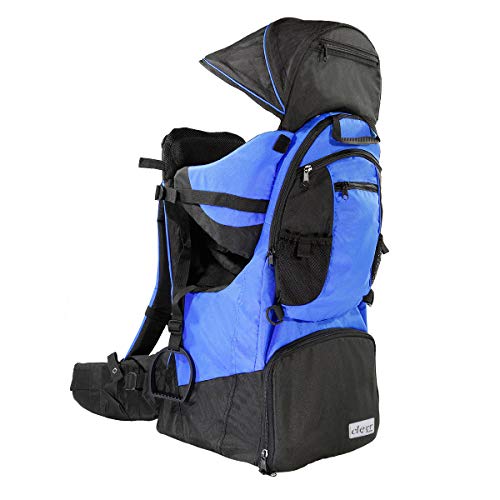
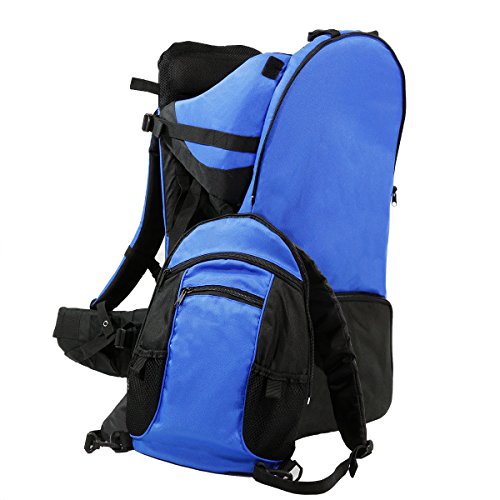
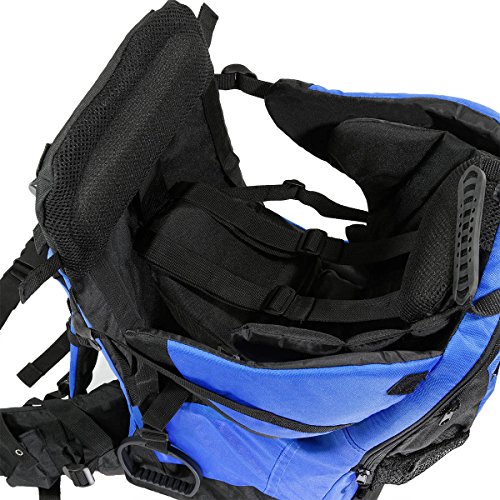
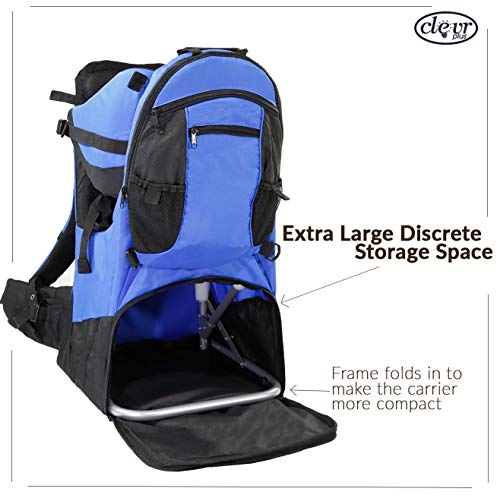
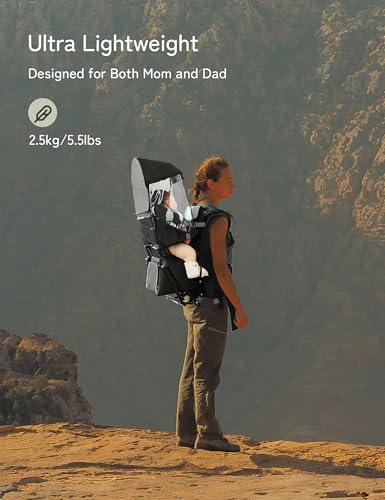
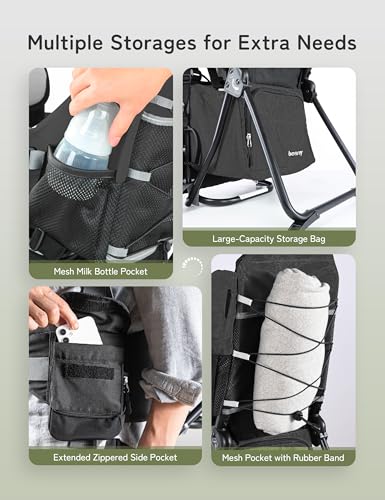
The besrey carrier pitches itself as a hiking-ready option at a budget price, and on specs alone, it looks strong: 44 lbs weight capacity, foldable frame, and a detachable sunshade. The 5.5 lb weight keeps it manageable, and the multiple storage pockets, including under-seat space, are a real help during day trips. Owners report it’s sturdy enough for light trails and park walks.
But while it matches higher-end models on paper, real-world feedback shows compromises. The padding on straps and waist belt isn’t as supportive during long carries, and the ventilation isn’t on par with Osprey. It’s a decent pick for occasional use, but if you’re planning regular hikes, I’d lean toward the ClevrPlus or Osprey for better comfort. Still, for the price, it offers solid features.
Product photos



WIPHA Hiking Backpack Carrier
Strengths
- Lightest overall at 3.3 lbs
- Folds extremely compact
- TÜV safety certified
Trade-offs
- Minimal storage
- Basic padding
- No kickstand or lumbar support
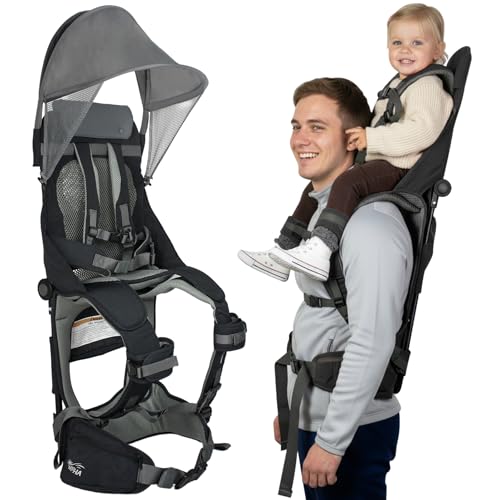
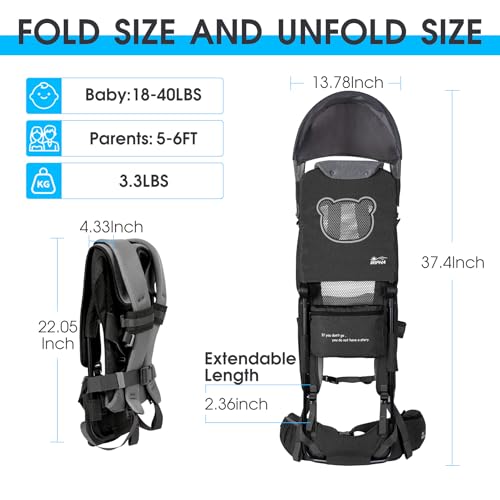
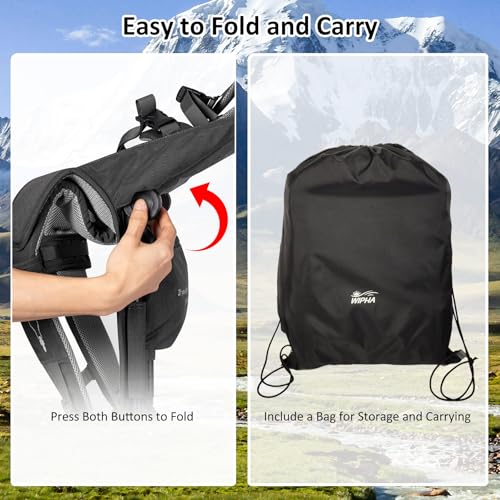
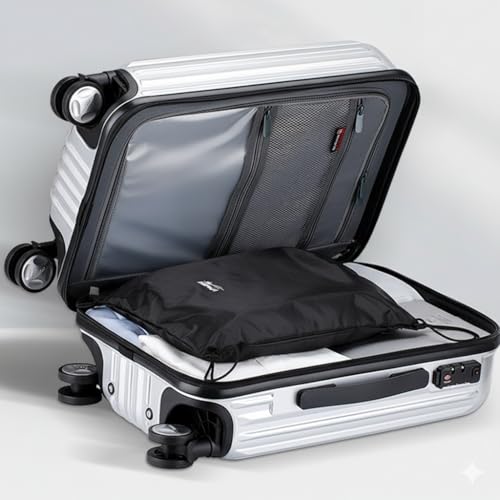
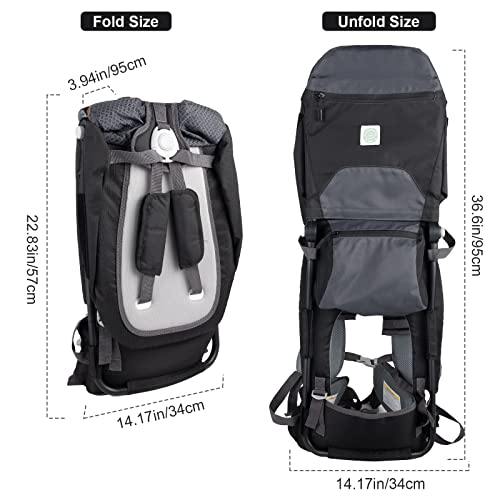
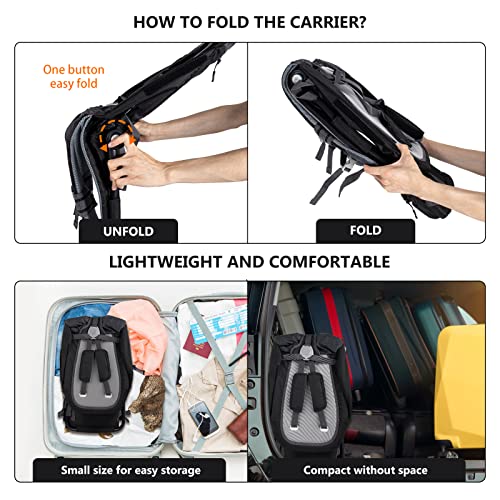
At just 3.3 lbs, the WIPHA is the lightest carrier here, and that’s its biggest selling point. The ultra-light aluminum frame makes it incredibly packable, folding down almost like a laptop, which is perfect for travel or emergency use. TÜV certification adds a layer of trust for safety-conscious parents.
But lightness comes with trade-offs. The capacity tops out at 40 lbs, and the minimalist padding means comfort drops off on longer carries. It lacks a kickstand and has fewer storage options than the ClevrPlus or Osprey models. Still, for occasional use, backpacking trips where every ounce counts, or as a backup, it’s a solid choice. I’d pick it over heavier budget models if portability is key.
Product photos

Baby Shoulder Carrier with Rain Cover

Strengths
- High seating position
- Good visibility for child
- Includes rain cover and sunshade
Trade-offs
- Poor weight distribution
- Not for long wear
- Limited support for parent
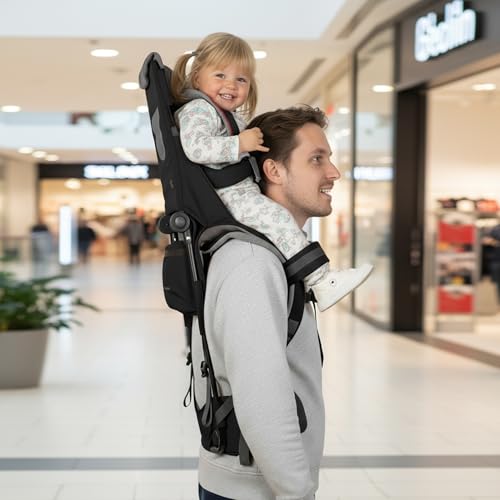
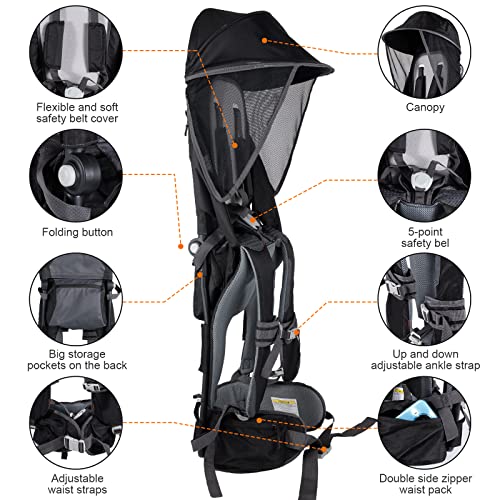
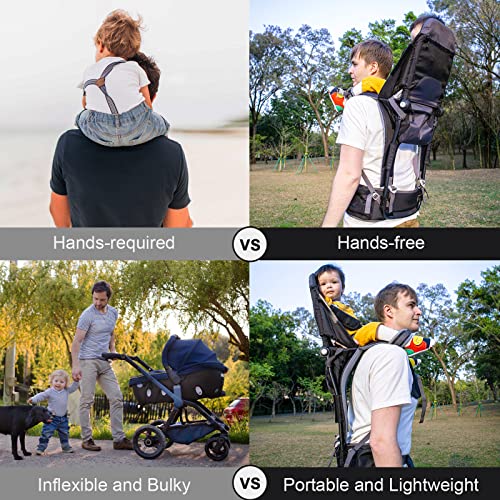
This shoulder carrier takes a different approach, placing the child higher on your upper back, giving them a “view from the top” advantage. The 3.9 lb weight is reasonable, and the double ankle straps and safety buckles add confidence. Owners like how it keeps the child more visible and engaged during short walks, making it a hit for sightseeing or crowded markets.
But it’s not a substitute for a full framed backpack. The weight distribution isn’t as effective, and there’s no lumbar support for the wearer. It’s best for brief use, not long hikes. The included sunshade is handy, but the lack of a built-in kickstand or foldable frame makes transitions awkward. I’d treat this as a supplemental carrier, not a primary one.
Product photos

How We Picked These baby backpack carriers
Rather than a hands-on lab test, our evaluation of baby backpack carriers is a research-led comparison of published specifications, features, and – crucially – owner and expert reviews. I focused on identifying models consistently praised for comfort, safety, and durability, weighing those attributes against price point and intended use. This involved analyzing detailed product descriptions, comparing weight capacities and adjustability, and compiling feedback from a wide range of sources.
For this category, the most heavily weighted factors were undoubtedly safety and parent comfort. A carrier must securely hold a child, distribute weight effectively to prevent strain, and offer adjustability to accommodate different body types. Storage capacity was also important, as parents need convenient access to diapers, snacks, and other essentials while on the go. We considered how well each carrier balanced these elements.
Specifications reliably reveal weight limits, frame materials, and dimensions, offering a baseline for comparison. However, true usability and long-term comfort are best understood through owner feedback. I paid close attention to comments regarding ease of adjustment, breathability, and overall build quality. This helped me assess which carriers consistently deliver on their promises and offer a genuinely positive experience, and even helped me think about what parents might need in their newborn hospital bag essentials.
How To Choose The baby backpack carriers
Finding the right baby backpack carrier can make all the difference between an enjoyable hike and a miserable experience. It’s not just about carrying your little one; it’s about comfort for both of you, safety, and having the right features for your lifestyle.
A quality baby backpack carrier prioritizes secure weight distribution, durable construction with breathable materials, and adjustability to accommodate different body types and growing children. Look for features like padded straps, supportive waist belts, secure harnesses for the child, and ample storage for essentials. Consider the carrier’s weight, foldability for travel, and any included accessories like sunshades or rain covers.
Prioritize Adjustability
One of the biggest mistakes I see parents make is buying a carrier that doesn’t fit both of them. What seems comfortable for a quick try-on in the store can become a back-breaking ordeal after an hour on the trail. Look for carriers with a wide range of torso adjustments – ideally six inches or more – to accommodate different heights and builds. This is especially important if you plan to share carrying duties with a partner or other caregivers. The Osprey Poco SLT and LT models both excel here, offering substantial torso length adjustment.
Understand Frame Construction & Weight
The frame is the backbone of any baby backpack carrier, and the material impacts both weight and durability. Aluminum frames are common, offering a good balance between strength and lightness. However, the “one-piece frame design” found in carriers like the ClevrPlus models aims for even greater sturdiness and simplifies setup. Consider how important packability is to you. If you’re frequently flying or have limited storage space, the folding capabilities of the Osprey Poco LT are a significant advantage. For shorter trips, a lightweight option like the WIPHA carrier, weighing only 3.3lbs, might be ideal. If you’re planning a trip to a theme park, be sure to check the Disneyland backpack size limits to ensure your carrier meets their requirements.
Evaluate Storage & Added Features
Beyond simply carrying your child, think about what else you’ll need to bring along. Diapers, snacks, water bottles, sunscreen – these essentials add up. Carriers like the ClevrPlus Deluxe offer generous storage compartments, including mini backpacks, while the besrey carrier provides ample pocket space. Don’t underestimate the value of a built-in sunshade, especially if you’ll be spending time in direct sunlight.
A happy baby makes for a happy hike. Don’t forget a drool pad! It’s a small detail, but it keeps things much cleaner and more comfortable for everyone.
If you’re looking for more options, especially for younger babies, exploring infant hiking backpack carriers can open up a wider range of choices. Ultimately, the best carrier is the one that fits your specific needs and makes exploring the world with your little one a comfortable and enjoyable experience. Many parents also consider investing in best baby backpack carriers for hiking for more serious outdoor adventures, or simply looking into toddler hiking backpacks as their child grows. Don’t forget to check out outdoor baby carriers for a broader view of available options.
Baby Backpack Carriers Compared
Here’s a comparison of key specifications for popular baby backpack carriers to help you choose the right one.
| Product Title | Weight (lb) | Max Child Weight (lb) | Frame Material | Sun Shade Included? | Storage Space |
|---|---|---|---|---|---|
| Osprey Poco SLT Lightweight Child Carrier | 4.72 | N/A | Stainless Steel | No (Optional) | N/A |
| Osprey Poco LT Lightweight Carrier | 5.56 | N/A | Stainless Steel | Yes | N/A |
| Chicco SmartSupport Aluminum Frame Carrier | N/A | N/A | Aluminum | Yes | Small Pockets |
| ClevrPlus Cross Country Baby Backpack | 5.5 | 33 | N/A | Yes & Rain Cover | Ample + Changing Pad |
| ClevrPlus Deluxe Adjustable Hiking Backpack | 5.2 | 33 | N/A | Yes & Rain Cover | Ample + Mini Backpack |
| besrey Baby Backpack Carrier Black | 5.5 | 44 | N/A | Yes | Ample |
| WIPHA Hiking Backpack Carrier | 3.3 | 40 | Aluminum | N/A | N/A |
| Baby Shoulder Carrier with Rain Cover | 3.9 | 40 | Metal | Yes | Side & Back Pockets |
Frequently Asked Questions
What age/weight can a baby start riding in a backpack carrier?
Most carriers accommodate babies around 6 months old, but this varies. Generally, you can start when your baby has good head and neck control and weighs at least 9 pounds, though some carriers are designed for use with newborns using an infant insert.
Are baby backpack carriers bad for a baby’s hips?
A well-designed carrier shouldn’t be. Look for carriers that support an “M” position for the baby’s legs – knees higher than the bum – which promotes healthy hip development. Avoid carriers where the baby’s legs dangle straight down.
How is a baby backpack carrier different from a baby wrap or soft structured carrier?
Backpack carriers offer more support and weight distribution for longer hikes and heavier babies. Wraps and soft structured carriers are better suited for shorter periods and younger infants, prioritizing closeness, while these carriers prioritize parental comfort during extended use.
What should I look for in a carrier if I plan to travel by plane?
Consider weight and foldability. The Osprey Poco LT is a popular choice for air travel because it folds relatively compactly. Also, check airline carry-on size restrictions to make sure the carrier meets the requirements.
Are there carriers suitable for both hiking and everyday use?
Yes, many carriers offer versatility. The ClevrPlus Deluxe, for example, provides ample storage and comfort for trails but isn’t overly bulky for everyday errands. If you’re also considering options for older children, exploring toddler hiking backpack carriers can be helpful.
The Bottom Line
Choosing a baby backpack carrier often comes down to balancing how much control you want over fit and features versus how much fuss you’re willing to deal with. For most parents, I recommend the Osprey Poco SLT Lightweight Child Carrier. It consistently receives high marks for comfort, build quality, and adjustability, making it a reliable choice for a variety of adventures.
If budget is a primary concern, the WIPHA Hiking Backpack Carrier offers a surprisingly capable option at a lower price point. For those who prioritize maximum storage and versatility, the ClevrPlus Deluxe Adjustable Hiking Backpack stands out with its ample compartments and included accessories. Don’t forget to check Disney World backpack size rules if you are planning to bring it to a theme park!
Ultimately, the best carrier isn’t about the flashiest features or the highest price tag. It’s about a secure, comfortable fit for both you and your baby, and a design that supports your active lifestyle. Prioritize adjustability, a sturdy frame, and breathable materials – these fundamentals will make all the difference on the trail.