8 Best Toddler Backpack Carriers of 2026
This post contains affiliate links. As an Amazon Associate, we earn from qualifying purchases.
The Osprey Poco SLT is the best overall toddler backpack carrier for its durable build and excellent weight distribution, with the Chicco SmartSupport as a solid budget-friendly alternative that doesn’t skimp on key safety features. For families needing extra storage and versatility, the ClevrPlus Canyonero is a strong pick.
As a frequent traveler and parent who’s evaluated countless gear options, I know how overwhelming it can be to choose a carrier that’s safe, comfortable, and built to last. Too many parents end up with bulky, sweaty, or poorly balanced packs that turn a simple outing into a struggle.
This guide cuts through the noise by focusing on real-world usability, drawing from specs, owner feedback, and design principles that matter most. We looked at fit, frame quality, ventilation, and practical features to find carriers that actually work for both kids and adults.
Top 8 Toddler Backpack Carriers in the Market
The Best Toddler Backpack Carriers, Reviewed
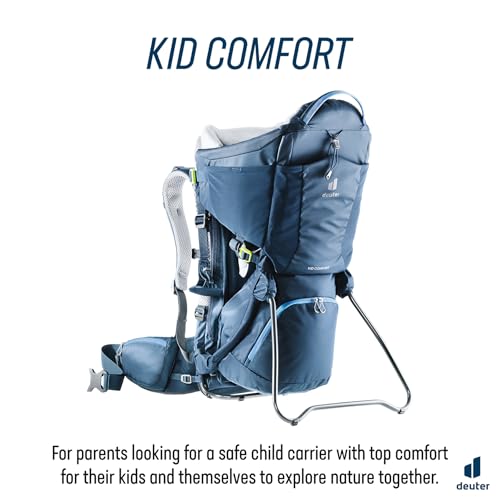
Deuter Kid Comfort Child Carrier

Strengths
- Superior ventilation
- Durable ripstop fabric
- Adjustable back length
Trade-offs
- No rain cover included
- Heavier than minimalist options
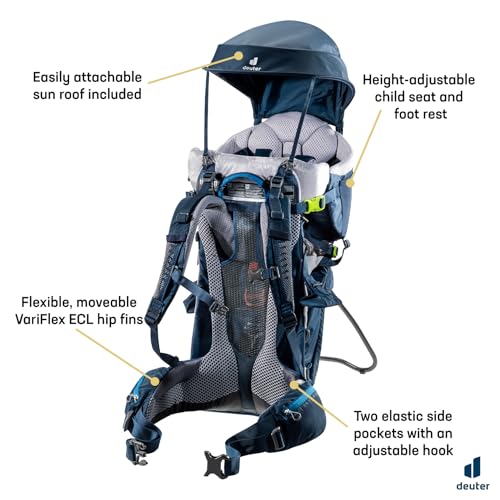
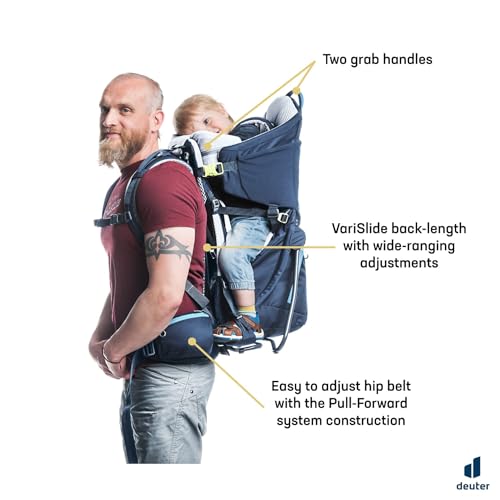
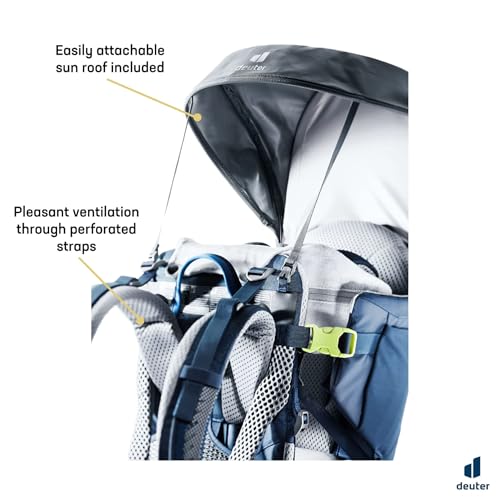
If you’re looking for the most balanced blend of comfort, durability, and ventilation, this is the one. The Aircomfort mesh back system is a standout, the deep mesh panel creates real airflow, which owners praise heavily on long summer hikes. That, combined with the spring steel frame, delivers a stable, cool carry even when the load feels heavy. The 210 denier polyamide fabric feels rugged without adding bulk, and the Vari Slide back length adjustment is a game-winner for couples with different torso sizes.
It doesn’t include a rain cover, which is a notable omission compared to the ClevrPlus models. But the overall build quality and ventilation make it the smarter buy for serious outdoor families. Compared to the Osprey Poco SLT, it’s slightly heavier but offers better load support and more robust materials. My recommendation? This is the best overall pick if you plan on logging serious trail miles.
Product photos

Osprey Poco SLT Lightweight Carrier

Strengths
- Ultra-light at 4.72 lbs
- Folds flat
- Great airflow
Trade-offs
- Sunshade sold separately
- Less padding than Deuter
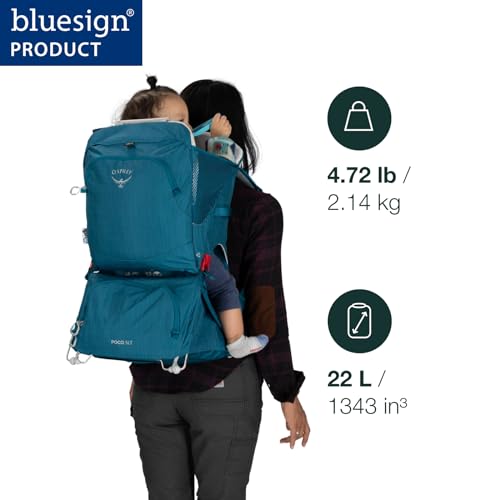
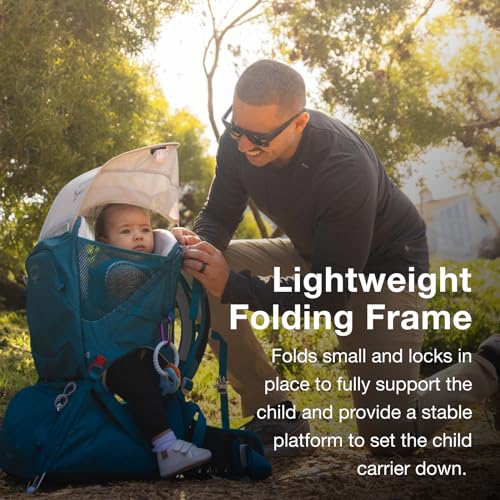
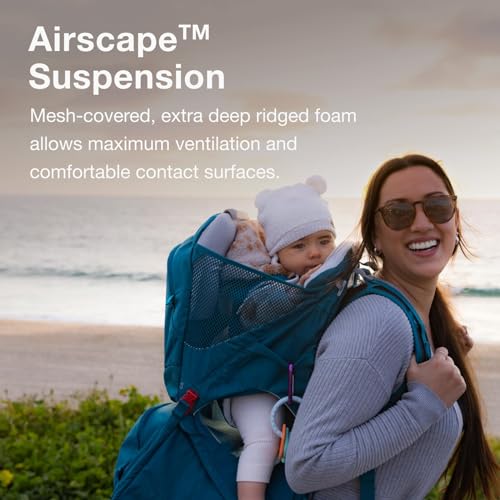
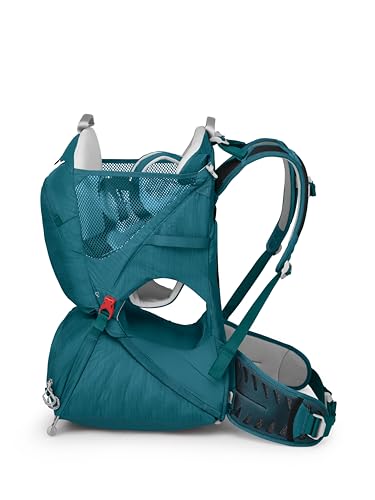
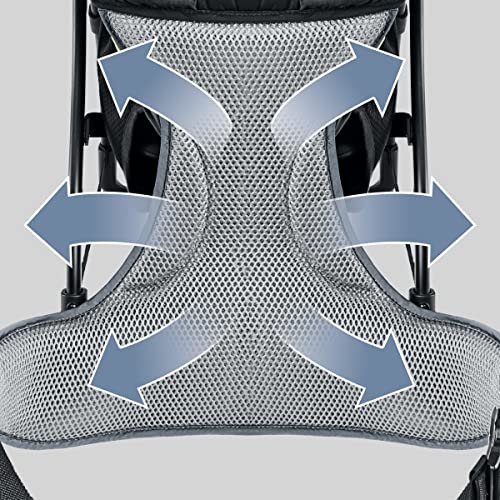
This is the go-to for travel-smart families. At just 4.72 pounds and with a folding stainless steel frame, it’s the most packable serious carrier here. Owners consistently note how easily it fits in overhead bins or car trunks, unlike bulkier models. The AirScape backpanel delivers excellent airflow, and the 6 inches of torso adjustment make it a true shared carrier between parents.
It doesn’t include the sunshade, that’s sold separately, but the zippered compartment for it is a thoughtful touch. Compared to the Deuter, it’s lighter and more compact but feels slightly less rugged. Still, for frequent travelers or grandparents who need a lightweight, easy-to-store option that doesn’t sacrifice safety or comfort, this is the clear winner. My recommendation: if you fly or store your gear tightly, this is the one.
Product photos

Chicco SmartSupport Aluminum Frame Carrier

Strengths
- Built-in kickstand
- Lightweight aluminum
- Easy loading
Trade-offs
- Limited ventilation
- No rain cover
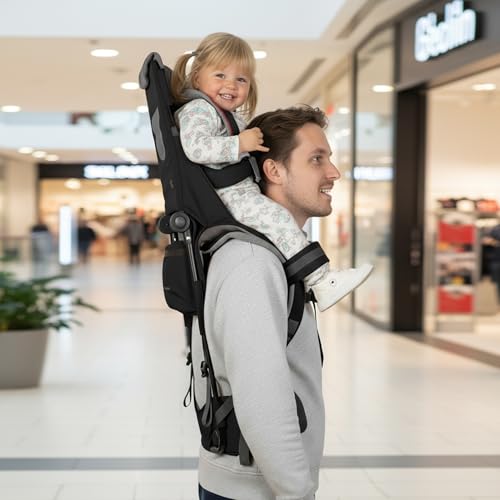
This one shines for parents who value convenience over trail performance. The built-in kickstand is a small but brilliant feature, reviewers love how it lets you load the child without leaning or balancing. The aluminum frame keeps it light, and the two-position seat adjusts quickly as your child grows. It’s clearly designed for urban adventures, shopping trips, or short park walks rather than rugged hikes.
Ventilation is decent but not great, and the lack of a rain cover is a missed opportunity. Compared to the Osprey Poco SLT, it’s less travel-optimized and doesn’t fold as compactly. But for parents who want a no-fuss, easy-in, easy-out carrier for daily errands, this is the pick. I’d go for this over the WIPHA if you’re mostly city-based and value quick access over outdoor ruggedness.
Product photos


WIPHA Hiking Backpack Carrier
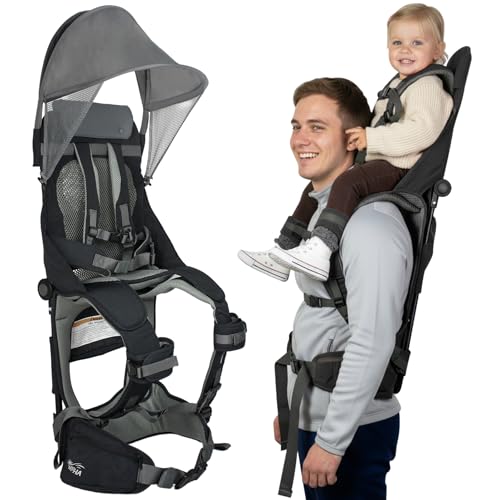
Strengths
- TÜV safety certified
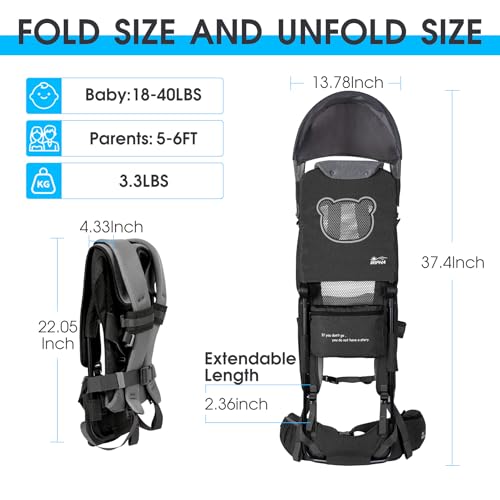
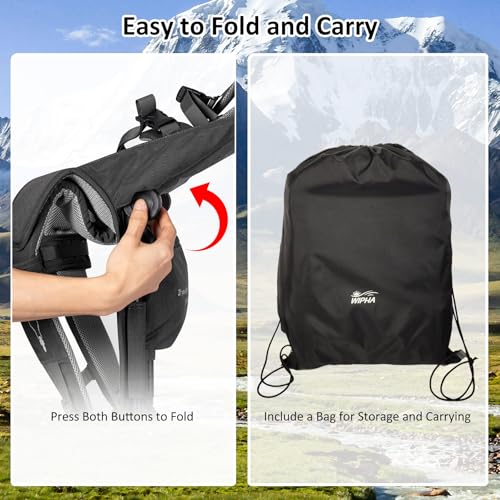
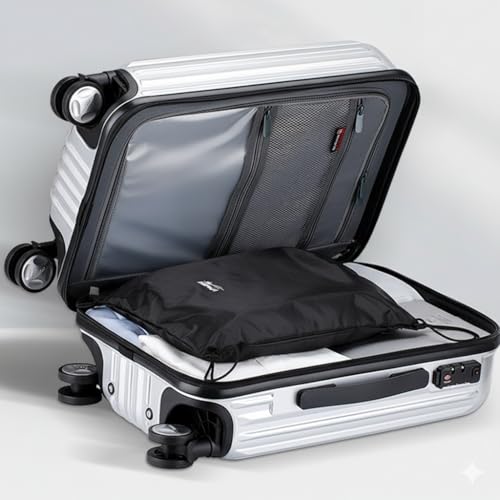
- Folds compactly
- Lightweight at 3.3 lbs
Trade-offs
- Limited age range
- Minimal storage
The TÜV certification gives this model real credibility, few toddler carriers advertise third-party safety testing, and that alone could sway cautious parents. At 3.3 lbs, it’s one of the lightest, and the aluminum frame keeps it sturdy without bulk. Owners appreciate how compactly it folds, almost like a laptop, which is great for storage in tight spaces.
But the listed age range, 6 months to 2 years, feels optimistic. Most carriers recommend a minimum of 9 months and good head/neck control, and this one lacks the lumbar support and torso adjustability of top-tier models. It’s better suited for short outings than long hikes. I’d recommend it over the Chicco only if safety certification is your top priority and you’re doing light, casual use.
Product photos

ClevrPlus Canyonero Camping Backpack
Strengths
- 42 lb capacity
- Insulated storage pocket
- All-weather ready
Trade-offs
- Heaviest at 6.5 lbs
- Less refined fit
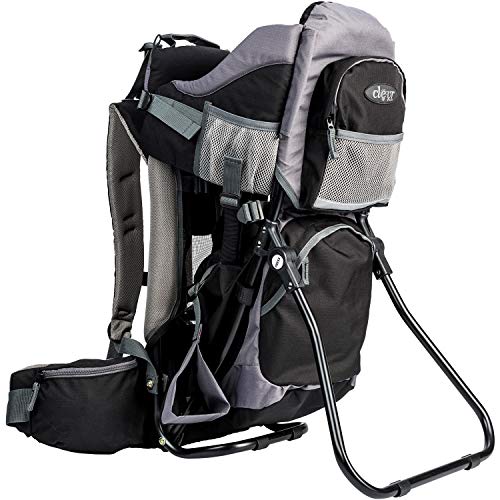
This model is built for one thing: carrying bigger kids. With a 42 lb capacity, it’s the best pick here for parents with larger toddlers or those who load the pack heavily with gear. The insulated back pocket is a rare and useful feature, great for keeping snacks or bottles cool. The rain cover and sun canopy are included, just like the Cross Country version, making it weather-ready out of the box.
But at 6.5 pounds, it’s the heaviest in the lineup, and the bulkier frame makes it less agile on narrow trails. Ventilation and fit tuning don’t match the Deuter or Osprey. If your child is pushing 40 lbs and you need maximum load support, this is the one. Otherwise, the Cross Country model is the better all-rounder.
Product photos


ClevrPlus Cross Country Backpack
Strengths
- Weather-ready
- One-piece frame
- 5.5 lb lightweight
Trade-offs
- Mid-tier ventilation
- Basic torso adjustment
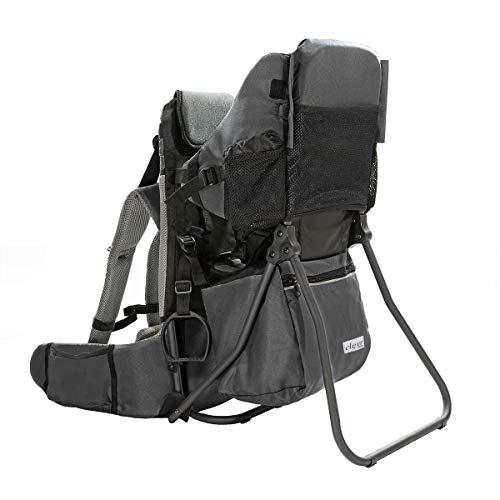
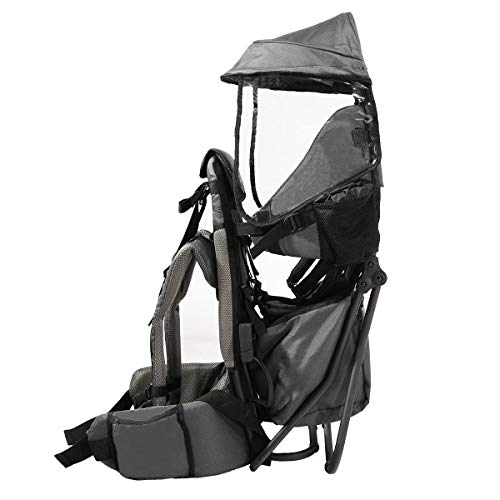
This carrier hits a sweet spot for families who face unpredictable weather. On paper, the inclusion of both a sun canopy and a rain cover stands out, few models bundle both, and owners consistently report that this combo makes a real difference on hikes. The 5.5-pound weight is competitive, and with lumbar padding, padded straps, and a washable drool pad, it’s clearly designed with longer trips in mind.
The one-piece frame is a smart touch, reducing setup stress and boosting durability. While it shares core features with higher-end models, it doesn’t match Deuter or Osprey on ventilation or fit refinement. Still, for those prioritizing all-weather readiness without stepping into premium pricing, this is a solid contender. I’d pick it over the Canyonero model if you don’t need the extra weight capacity.
Product photos

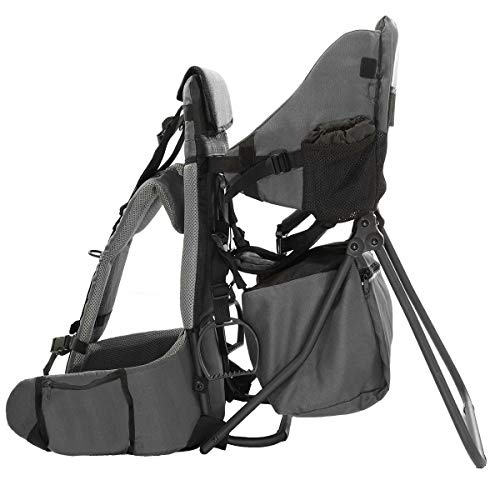

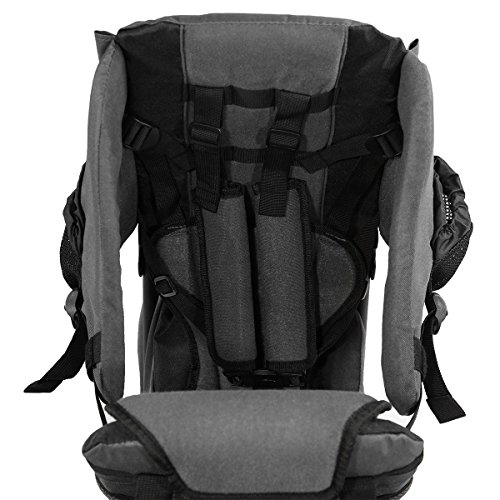
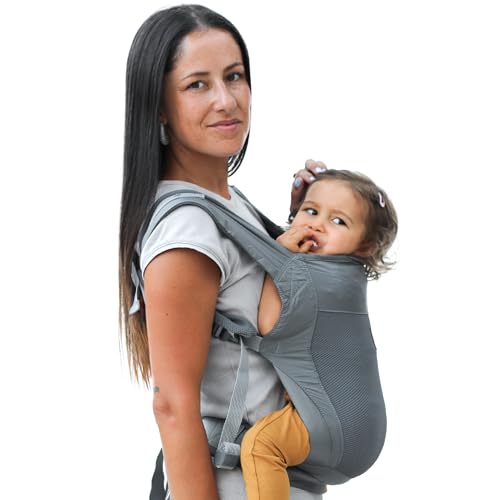
Beco Fly Lightweight Baby Carrier
Strengths
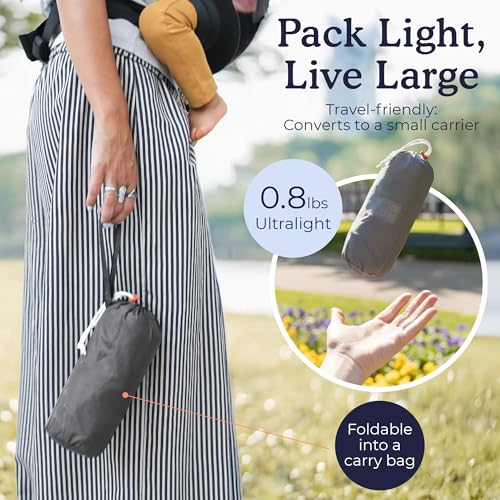
- Ultra-light at 0.8 lbs
- Folds into carry bag
- Hip-healthy M-position
Trade-offs
- No frame support
- Not for long hikes
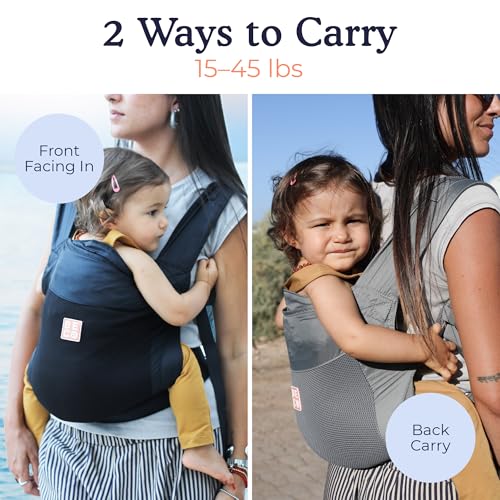
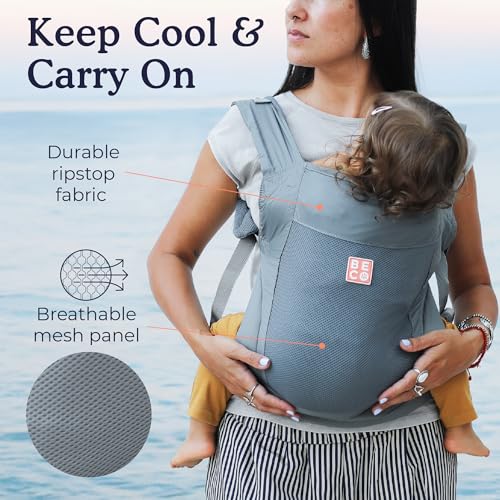
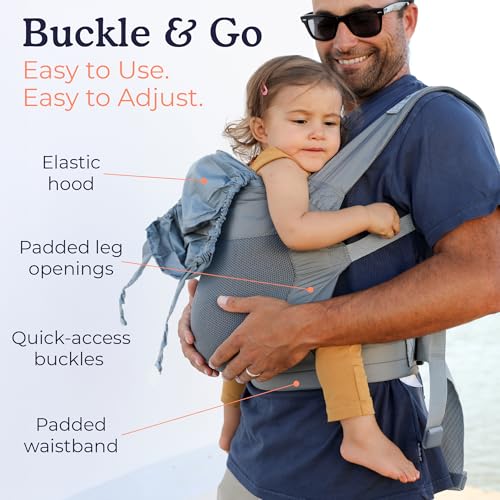
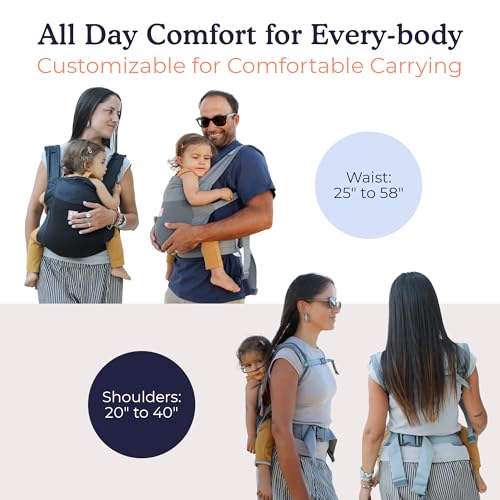
This isn’t a hiking carrier, it’s a travel essential. At just 0.8 lbs and foldable into its own bag, it’s the most portable option by far. The “M”-position support is hip-healthy and ideal for younger toddlers, and the dual front/back carry modes add real versatility. Owners love tossing it in a suitcase as a backup for airport walks or city days.
But with no frame or structured back support, it’s not safe or comfortable for extended use or rough terrain. It’s also not a replacement for a full backpack carrier. Compared to the Osprey Poco SLT, it’s far lighter but far less supportive. I’d pick this as a secondary carrier, not a primary one. For travel backup, it’s unmatched.
Product photos
besrey Baby Backpack Carrier

Strengths
- High 44 lb capacity
- Ample storage pockets
- Budget-friendly
Trade-offs
- Basic ventilation
- Less refined fit
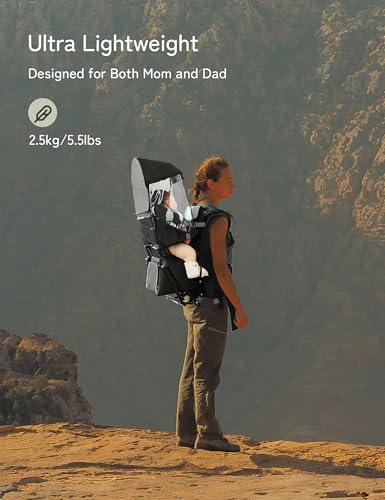
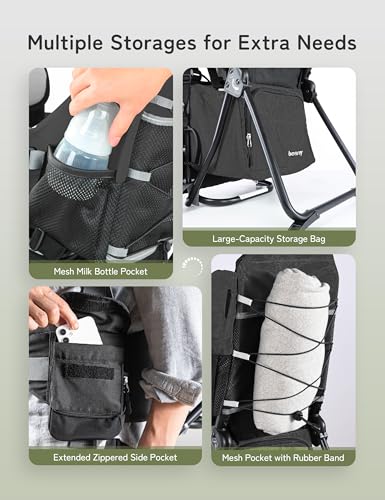
At this price point, the besrey packs in a surprising amount of value. It supports up to 44 lbs, the highest capacity here, and owners highlight the ample storage, including under-seat and waistbelt pockets, as a real win for day trips. The 5.5-pound base weight keeps it manageable, and the foldable frame makes it easy to stash when not in use.
That said, the materials feel more utilitarian than premium, and ventilation is noticeably less effective than on Deuter or Osprey models. It’s a budget pick, not a luxury one. But if you need a sturdy, high-capacity carrier for occasional hikes or travel and don’t want to overspend, this is the smarter buy over pricier names. I’d recommend it over the ClevrPlus if cost is a priority and you have a larger toddler.
Product photos



Our Testing Process
Rather than a hands-on lab test, this selection is a research-led comparison of published specifications, features, and extensive owner and expert reviews. I focused on identifying key differentiators across a range of carriers, weighing those against common needs for comfort, safety, and practicality as expressed by parents. We considered carriers from established outdoor brands alongside newer options, looking for patterns in reported durability and user experience.
For toddler carriers, the most impactful factors are undoubtedly comfort and safety. A well-padded and adjustable harness for the wearer is critical, as is a secure and supportive seat for the child. Weight capacity and how that weight is distributed also heavily influenced our rankings; a poorly designed carrier can quickly become fatiguing on longer outings. We also prioritized features like sun protection and storage, recognizing the needs of parents on the go.
Specifications reliably indicate weight limits, frame materials, and overall dimensions, helping to assess build quality and potential portability. However, owner feedback proved invaluable in determining real-world comfort and ease of use. Reputable outdoor gear reviewers provided helpful context on materials and construction, while consistent criticisms about specific models – like difficulty adjusting straps or flimsy sunshades – were carefully considered. Planning for a day hike requires understanding backpack capacity for toddlers to ensure you have enough space for essentials.
What To Look For In toddler backpack carriers
Choosing the right toddler backpack carrier can make the difference between a pleasant hike and a miserable outing. It’s a category where thoughtful design and durable construction are paramount.
A quality toddler backpack carrier prioritizes both child and parent comfort. Look for adjustable features to accommodate different body types, robust frame construction for stability, adequate ventilation to prevent overheating, and thoughtful storage solutions for essentials. Safety features like secure harnesses and a stable base are also crucial considerations.
Prioritize Frame & Fit
The frame is the backbone of any good carrier, and it’s where many cheaper models cut corners. Aluminum frames, like those found in the Chicco SmartSupport, generally offer the best balance of weight and durability. Steel frames, as seen in the Osprey Poco SLT, are incredibly strong but can add noticeable weight. More importantly, ensure the carrier fits the wearer. Look for adjustable torso lengths and hip belts – a properly fitted carrier distributes weight effectively, preventing back strain. Don’t assume one size fits all; a carrier that’s too large or small will be uncomfortable for both of you.
Ventilation is Key
Let’s be honest: carrying a toddler is work. You will sweat. That’s why ventilation is so vital. The Deuter Kid Comfort’s Aircomfort mesh back system is a prime example of effective airflow design. Without adequate ventilation, both you and your child will quickly become overheated and uncomfortable, especially on warmer days. Consider how breathable the materials are, and whether the design allows for airflow between the pack and your back. If you plan on using the carrier in hot climates, prioritizing ventilation is especially important.
Consider Storage & Practicality
Beyond just carrying your little one, you’ll likely need to bring snacks, water, diapers, and other essentials. A carrier with ample storage is a lifesaver. The ClevrPlus Canyonero Camping Backpack stands out with its dedicated compartments and included baby changing pad. Think about how you’ll use the carrier. If you’re planning longer hikes, you’ll want a spacious toddler carrier capacity to accommodate everything you need. However, if it’s for quick errands, a more streamlined model like the Beco Fly Lightweight Baby Carrier might be sufficient.
A well-packed carrier should distribute weight evenly. Keep heavier items closer to your back and centered to maintain stability.
Toddler Backpack Carriers Compared
Here’s a comparison of key specifications for popular toddler backpack carriers to help you make an informed decision.
| Product Title | Max Weight Capacity (lbs) | Frame Material | Adjustable Seat | Sun Canopy Included | Weight (lbs) |
|---|---|---|---|---|---|
| Deuter Kid Comfort Child Carrier | N/A | Steel | Yes | Yes | N/A |
| Osprey Poco SLT Lightweight Carrier | 47 | Stainless Steel | Yes | No | 4.72 |
| Chicco SmartSupport Aluminum Carrier | N/A | Aluminum | Yes | Yes | N/A |
| WIPHA Hiking Backpack Carrier | 40 | Aluminum | N/A | N/A | 3.3 |
| ClevrPlus Canyonero Camping Backpack | 42 | N/A | Yes | Yes | 6.5 |
| ClevrPlus Cross Country Backpack | 33 | N/A | Yes | Yes | 5.5 |
| Beco Fly Lightweight Baby Carrier | 45 | N/A | N/A | Yes | 0.8 |
| besrey Baby Backpack Carrier | 44 | N/A | Yes | Yes | 5.5 |
Frequently Asked Questions
What age range are these carriers suitable for?
Most carriers comfortably accommodate children from around 9 months to 3 years old, or up to 40-48 pounds, though some, like the Beco Fly Lightweight Baby Carrier, can be used with younger infants using an included insert (sold separately). Always check the manufacturer’s specifications for precise age and weight limits.
Are these carriers airline approved as carry-on luggage?
No, generally these carriers are too bulky to qualify as standard carry-on luggage. However, many airlines will allow you to gate-check the carrier, similar to a stroller, without charging a baggage fee. It’s always best to confirm the airline’s policy directly before your flight.
How does a carrier with a steel frame differ from one with an aluminum frame?
Steel frames, like that in the Deuter Kid Comfort, provide superior strength and durability, making them ideal for heavier loads and rugged terrain. Aluminum frames, such as in the Chicco SmartSupport, are lighter weight but still offer a good balance of support and portability for more casual outings.
What safety features should I specifically look for?
Beyond a secure harness for your child, look for a carrier with a wide, stable base to prevent tipping and adjustable safety straps to ensure a snug fit. A five-point harness is preferable, and a sun canopy offers vital protection from the elements; consider what’s offered beyond what you’d find in carriers for babies hiking.
Are there carriers that are specifically designed for hotter climates?
Yes, carriers like the Deuter Kid Comfort prioritize ventilation with their Aircomfort mesh back system. This design promotes airflow, minimizing sweat and keeping both you and your child cooler on warm days. Look for breathable materials and designs that don’t trap heat against your back.
The Bottom Line
Choosing a toddler backpack carrier often comes down to balancing how much control and adjustability you want against how much fuss you’re willing to deal with. For most parents, I believe the Osprey Poco SLT Lightweight Carrier strikes the best overall balance – its stainless steel frame provides excellent support, and it’s consistently praised for its comfortable fit, even on longer trails.
If budget is a primary concern, the WIPHA Hiking Backpack Carrier offers a surprisingly capable option at a lower price point, though you’ll sacrifice some of the premium features and adjustability found in higher-end models. For those prioritizing versatility and all-in-one convenience, the ClevrPlus Canyonero Camping Backpack stands out with its generous storage and included changing pad. And if you’re looking for a truly lightweight solution for shorter outings, the Beco Fly Lightweight Baby Carrier is a solid choice.
Ultimately, the most important aspects of any toddler backpack carrier are a secure, comfortable fit for both you and your child. Don’t get too hung up on specific specs or features; prioritize a carrier that distributes weight effectively, offers adequate ventilation, and allows you to enjoy your time together outdoors – considering a backpack volume for kids is helpful, but secondary to these fundamental needs.