Discovering Why the Duffel Bag Is Named for a Belgian Town
This post contains affiliate links. As an Amazon Associate, we earn from qualifying purchases.
A duffel bag is named for Duffel, a town in Belgium near Antwerp, which produced a thick, coarse woolen cloth in the 17th century. This durable fabric, also called duffel, was first used for coats and blankets before being fashioned into simple drawstring bags. The term entered the English language from Dutch around 1649, and the first printed reference to a “duffel bag” appeared in a 1768 newspaper advertisement.
That 1768 ad is the hinge. It proves the name was in common use for a specific object long before militaries adopted it. The bag’s journey from a Belgian textile to a global icon is a story of material science meeting practical need.
What follows: the exact town and cloth, the first documented bag, the military adoption that changed its shape, and the surprising way the word “duffel” sometimes meant the contents, not the container.
Key Takeaways
- The name comes from Duffel, Belgium, where a thick, napped wool fabric was produced as early as the 17th century.
- The Oxford English Dictionary records the first printed use of “duffel bag” in a 1768 ad in the Public Advertiser for “an old green duffil bag.”
- By World War II, the design evolved from a simple drawstring pouch to an oblong, zippered bag that could stand upright.
- The word “duffel” could refer to the bag’s contents, not just the bag itself—spilling your clothes was “dropping your duffel.”
- Both “duffel” and “duffle” are accepted spellings, with “duffel” being the older, historically European form.
The 17th-Century Textile That Named a Bag
The story starts with geography, not design. Duffel is a small town in the province of Antwerp, Belgium. By the mid-1600s, it was known for producing a distinctive, heavy woolen cloth with a thick nap.
This fabric was prized for one reason: toughness. It resisted wear, shed water reasonably well, and provided warmth. Before anyone thought to sew it into a bag, duffel cloth was used for maritime covers, work clothing, and most famously, the duffel coat. The material’s identity was so tied to its place of origin that the town’s name became the fabric’s name.
According to the Oxford English Dictionary, the word “duffel” dates to 1649, describing “a coarse woollen cloth having a thick nap or frieze.” The fabric’s name entered English from Dutch, a direct import from the manufacturing region.
The logic is the same as other textile names like damask (from Damascus) or muslin (from Mosul). The place defined the product. When someone needed a rugged sack, they reached for the toughest cloth they knew—duffel. The duffel bag definition hinges on this material origin; it was a bag made of duffel, which made it a duffel bag.
From Sailor’s Pouch to Soldier’s Kit
Early versions were rudimentary. Think of a large cylinder of duffel cloth, gathered and tied at the top with a cord—more a pouch than a bag as we know it. This simple design had immediate appeal for sailors. It was lightweight when empty, could be stuffed full, and was tough enough for shipboard life.
The military saw the same utility. By the late 1800s, various armed forces began issuing these bags as standard gear. This adoption triggered the first major design evolution. The drawstring was replaced or supplemented by a strap-and-grommet closure, and later, a stout zipper.
The transformation was complete by World War II. The bag shed its floppy laundry-bag look for an “oblong, box-like form that could stand upright.” This is the familiar silhouette: a structured, zippered duffel you can set on the floor. This standardized military issue, produced in the thousands in olive drab and navy blue, is the direct ancestor of every modern travel duffel bag.
| Era | Primary Users | Key Design Features | Common Name |
|---|---|---|---|
| 17th–18th Century | Belgian textile makers, early adopters | Thick woolen (duffel) cloth, drawstring closure | Duffel cloth pouch |
| 19th Century | Sailors, militaries | Canvas material, strap and grommet closure | Kit bag, seabag |
| WWII – Present | Soldiers, civilians, travelers | Structured oblong shape, full-length zipper, carrying straps | Standard duffel bag |
The military connection also cemented the bag’s cultural footprint. Soldiers came home with them. Poet E.E. Cummings, serving as an ambulance driver in World War I, wrote in a 1917 letter that he “had a duffel bag, chuck full.” That veteran familiarity made the duffel a civilian tool for sports, travel, and gym use. Its common uses expanded, but its durable, no-fuss character remained.
Duffel vs. Duffle: A Spelling War That Doesn’t Matter
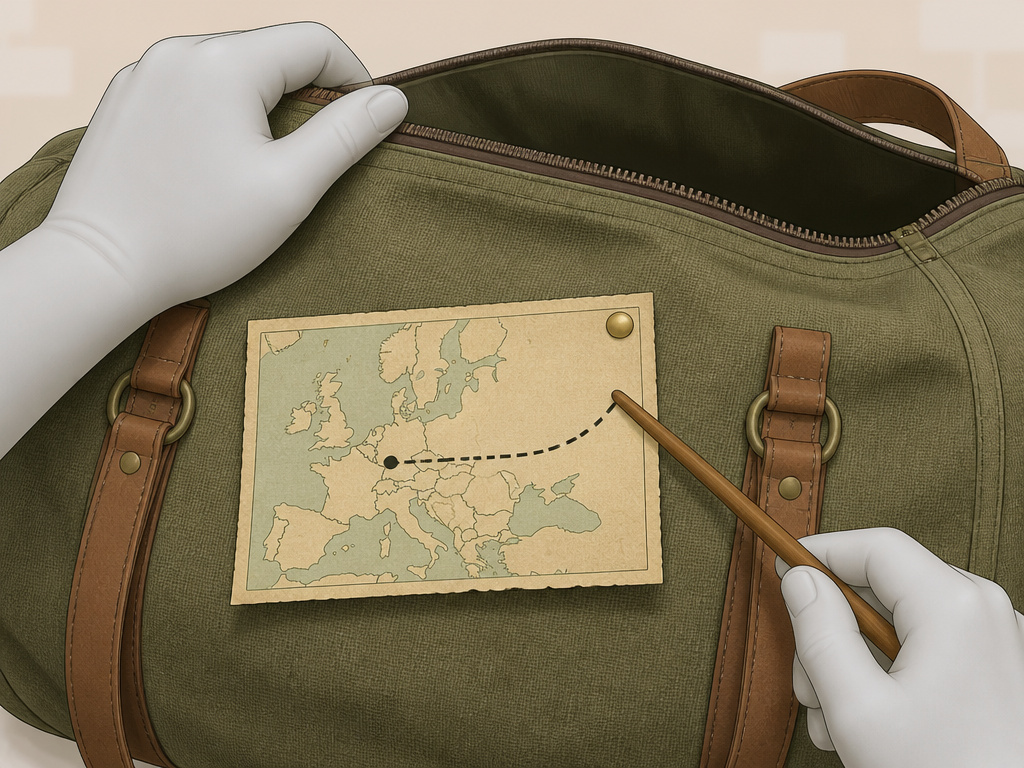
You will see both. “Duffel” is the original spelling, directly tracing to the Belgian town. “Duffle” is a variant that appeared over time, likely as the word’s pronunciation softened in everyday speech.
Common mistake: Insisting one spelling is “correct” and the other is “wrong.” Major dictionaries list both, with “duffel” often as the primary entry. Google’s Ngram data shows “duffel bag” has been more common in print for decades.
The technical and historical preference is “duffel.” It’s the spelling used in the Oxford English Dictionary and in most historical citations. “Duffle” is widely accepted, however, especially in casual writing and by some brands. When searching for duffel bag reviews or shopping, both spellings will get you results.
This isn’t a rule worth fighting over. If you’re writing for historical accuracy, use “duffel.” If you’re typing a quick note, use whichever feels natural. The bag doesn’t care.
The Word’s Weird Second Meaning
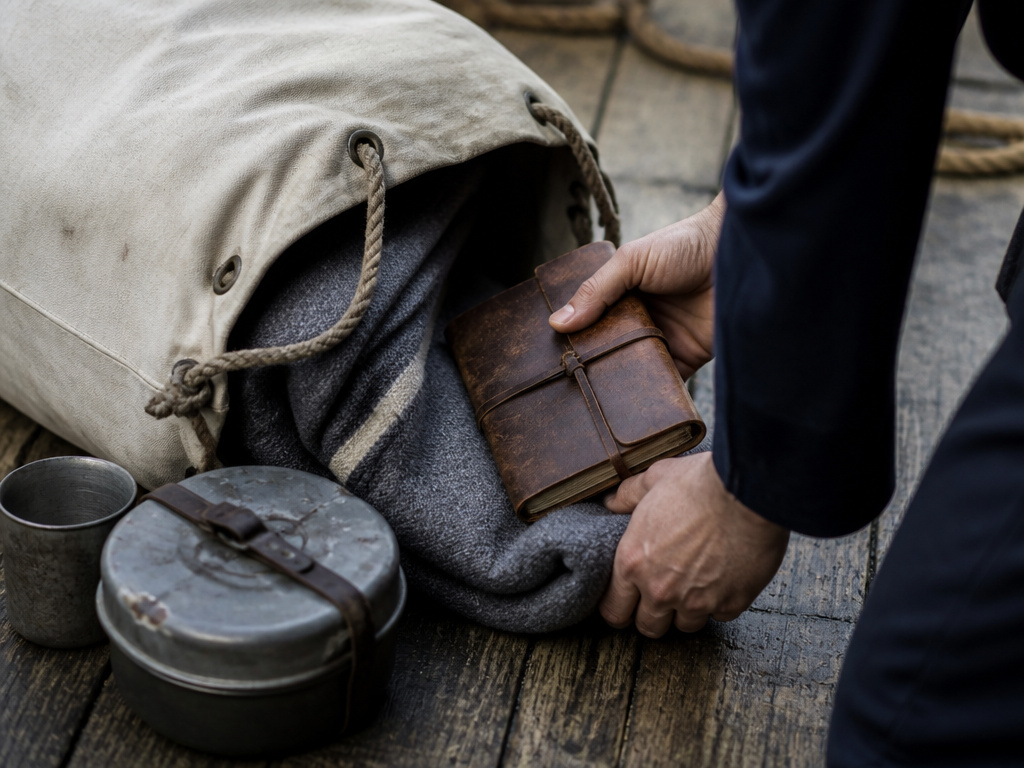
Language is messy. For a time, particularly in military and naval circles, “duffel” could refer to the personal gear inside the bag, not the container itself.
If a sailor’s bag tipped over and his belongings spilled across the deck, a mate might say he “dropped his duffel.” The contents and the container were a single unit in the mind of the owner. This usage highlights how deeply the bag was associated with a person’s entire mobile kit. Your duffel was your portable life.
This blurring between object and contents is rare in modern English, but it underscores the bag’s role as a fundamental piece of personal equipment. It wasn’t just a bag; it was your stuff, your readiness, your moveable estate. Understanding this duffel bag’s military origin explains why it carried such weight.
How a Duffel Bag is Different From a Gym Bag or Ditty Bag
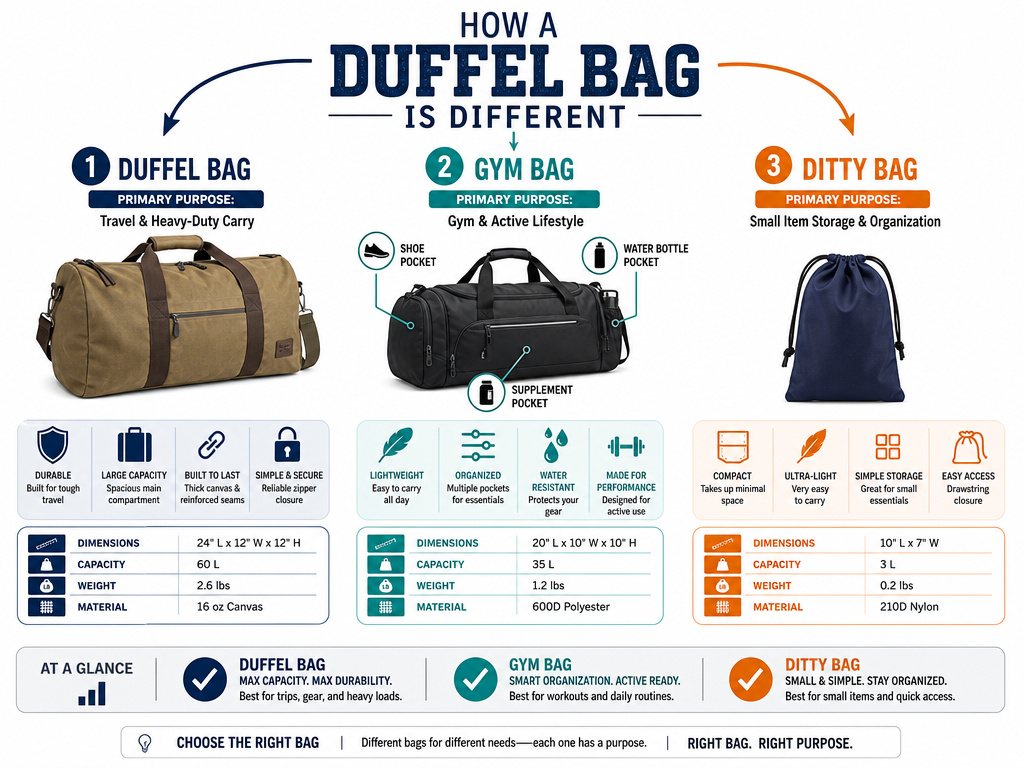
Not every cylindrical bag is a duffel. The terms get blurred, but the distinctions matter when you’re looking for the right tool.
A modern gym bag is often a duffel’s lighter, more specialized cousin. It’s made from lighter synthetics (like polyester) for breathability, and usually includes dedicated pockets for shoes, water bottles, or supplements. A true duffel prioritizes durable, often waterproof materials like canvas or ballistic nylon and a large, single compartment. It’s a cargo hauler first. For organized, day-to-day athletic carry, a dedicated duffel backpack might bridge the gap.
A ditty bag is something else entirely. It’s a small pouch, historically used by sailors to hold sewing kits, toiletries, and other small personal items. It’s a catch-all for tiny essentials, not a primary luggage piece. Confusing a duffel for a ditty bag is like confusing a toolbox for a screwdriver.
| Bag Type | Primary Purpose | Key Features | Best For |
|---|---|---|---|
| Duffel Bag | Transporting large volumes of gear | Durable fabric (canvas/nylon), large main compartment, minimalist organization | Travel, military kit, sports equipment, multi-day trips |
| Gym Bag | Carrying workout-specific items | Lighter materials, shoe compartment, water bottle pockets | Daily gym visits, fitness classes |
| Ditty Bag | Organizing small personal items | Small size, often drawstring closure, used inside another bag | Toiletries, sewing kits, small tools |
Choosing the right one depends on your load. Need to move a weekend’s worth of clothes? That’s a duffel bag. Heading to the basketball court? That’s a gym bag. Keeping your charger cords tidy inside your carry-on duffel bag? That’s a ditty bag.
Frequently Asked Questions
Is it “duffel bag” or “duffle bag”?
Both are correct, but “duffel” is the historically accurate spelling. It comes directly from the town of Duffel in Belgium. Dictionaries list both variants, so you won’t be wrong using “duffle,” but “duffel” has the stronger claim.
When was the first duffel bag made?
We don’t know the exact date a piece of duffel cloth was first sewn into a bag. However, the first known printed use of the term “duffel bag” is from 1768, in an advertisement in the Public Advertiser newspaper for “an old green duffil bag.”
Did the military invent the duffel bag?
No. The military adopted and standardized a pre-existing civilian design. Sailors and travelers were using simple duffel cloth sacks long before armies issued them. The military’s major contribution was evolving the design into the structured, zippered oblong shape we recognize today.
What’s the difference between a duffel and a seabag?
They are the same physical object. “Seabag” is simply the traditional term used by sailors and marines for their issued duffel bag. It’s a matter of jargon, not design.
How do I choose the right size duffel bag?
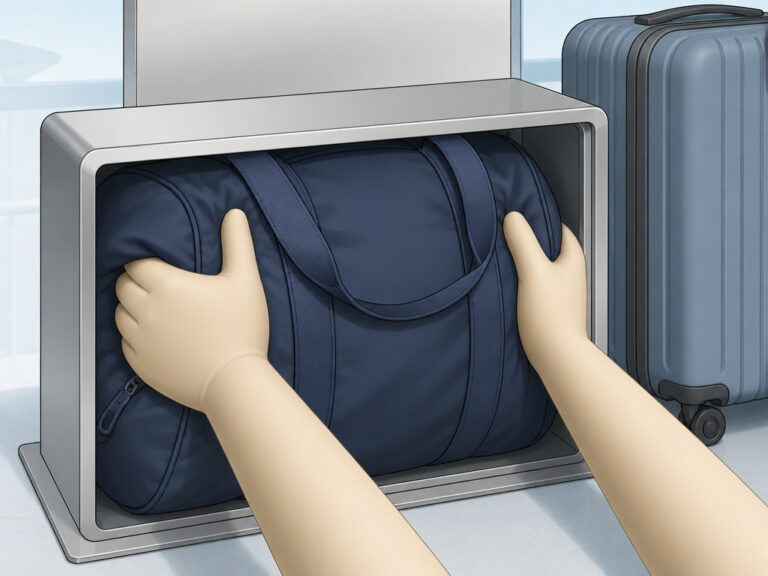
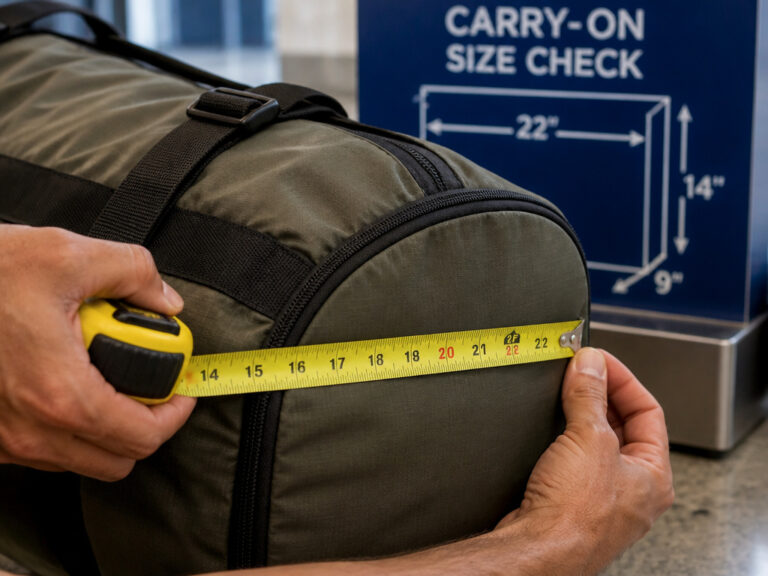
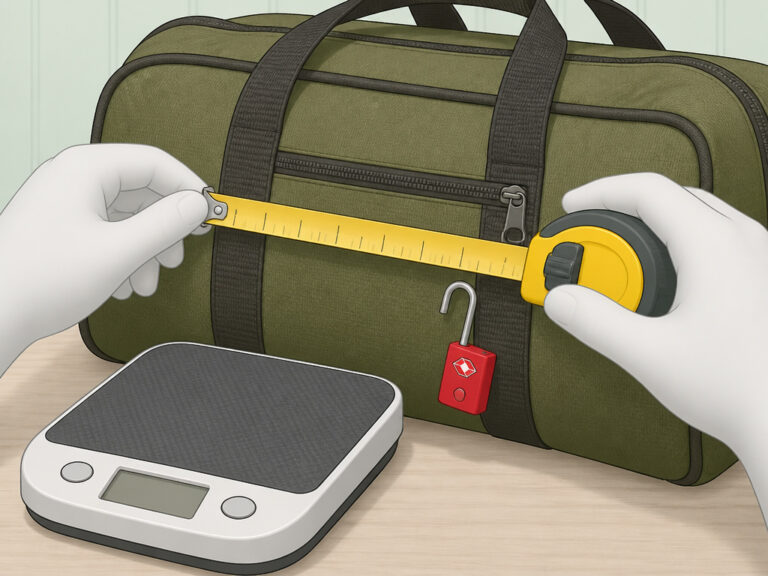
Consider what you’ll carry. For a standard weekend trip, a 40-60 liter bag is typical. For gym use, 30-40 liters suffices. Always check your airline’s size restrictions if you plan to use it as a carry-on duffel bag. Our guide on duffel bag dimensions breaks down sizing by use case.
Before You Go
The duffel bag is a lesson in practical evolution. A tough cloth from a small Belgian town became the default material for a simple sack. That sack proved so useful it was adopted by navies and armies, which refined its shape. Soldiers brought it home, and it became a civilian staple.
Its name is a direct geographic heirloom. Its spelling is flexible. Its design is brutally efficient. Whether you call it a duffel or a duffle, you’re naming a piece of history every time you pack one. For the specifics on packing a duffel bag efficiently or cleaning various duffel bag materials, the principles remain the same: durability, capacity, and simplicity. That was true in 1768, and it’s true now.