Does a Carry-On Bag Come With United Economy? Find Out Now
This post contains affiliate links. As an Amazon Associate, we earn from qualifying purchases.
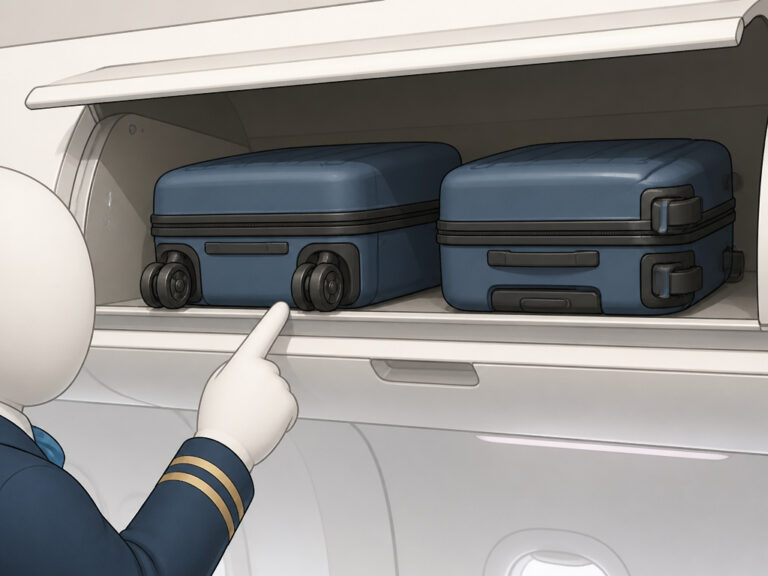
United Economy includes a carry-on bag, but only in its standard Economy and Economy Plus fare tiers. Basic Economy tickets are restricted to a single personal item for domestic and short-haul international routes. The difference isn’t just a label, it’s a $75 gate penalty if you show up with the wrong bag.
That split is the single most important detail on your boarding pass. Most travelers think “economy” is one thing. United sells it as three separate products with different rules glued to the same seat. Getting the bag allowance wrong doesn’t just mean a fee; it means your bag gets gate-checked, you pay a surcharge, and you lose access to your stuff mid-flight.
What follows: the exact dimensions for both your carry-on and personal item, the specific routes and statuses that override Basic Economy restrictions, and a clear breakdown of when paying more for standard Economy actually saves you money. By the end, you’ll know which “economy” you’re buying and how to pack for it.
Key Takeaways
- Standard United Economy includes one overhead carry-on and one under-seat personal item. Basic Economy does not, it’s one personal item only.
- Bringing a full-size carry-on on a Basic Economy ticket triggers a $25 gate-handling charge plus the standard checked bag fee. That totals $75 at the airport if you haven’t prepaid.
- MileagePlus Premier members, Star Alliance Gold members, and primary cardholders of certain United credit cards can bring a carry-on even on Basic Economy tickets.
- United does not enforce a weight limit for carry-on luggage, but you must be able to lift your bag into the overhead bin yourself.
- The carry-on size limit (22″ x 14″ x 9″) includes wheels and handles. Soft-sided bags might compress, but the sizer at the gate does not.
United Economy vs. Basic Economy: The Carry-On Split
The core of your baggage allowance isn’t your seat; it’s your fare code. United’s cabin is physically the same, but the ticket you buy dictates what you can bring on board.
Standard Economy (often listed as “Economy” or “Economy (Regular)”) is what most people picture. It includes one carry-on bag for the overhead bin and one personal item for under the seat in front of you. This is the baseline included fare.
Basic Economy is the stripped-down, lowest-price option. On most domestic and short-haul international routes, it permits only one personal item. A full-size carry-on is not included. If you arrive at the gate with a roller bag or a large backpack expecting to stow it overhead, you will be stopped.
If any bags are larger than the carry-on size listed above, or if you bring additional items, you’ll have to check them to your final destination. Additional charges may apply.
The gate agent will tag your bag for the belly of the plane. You’ll pay the first checked bag fee ($50 at the airport) plus a $25 gate handling charge. Your total penalty: $75. You also lose access to anything in that bag during the flight. It’s a costly, frustrating mistake that’s entirely avoidable.
Economy Plus is a seat upgrade, not a separate fare. It offers more legroom and priority boarding but includes the same baggage allowance as standard Economy: one carry-on and one personal item. Buying an Economy Plus seat does not change your underlying fare’s baggage rules.
The Exceptions That Change the Rules
A few specific scenarios override the standard Basic Economy carry-on restriction. If your ticket falls into one of these buckets, you follow the normal carry-on policy.
| Exception Category | Who It Applies To | Carry-On Allowance |
|---|---|---|
| Route-Based | Passengers on trans-Atlantic, trans-Pacific, or flights to/from South America. | 1 carry-on + 1 personal item |
| Elite Status | MileagePlus Premier members (any level) and Star Alliance Gold members. | 1 carry-on + 1 personal item |
| Credit Card | Primary cardmembers of a qualifying United MileagePlus credit card (e.g., Explorer). | 1 carry-on + 1 personal item |
| Companion | Travelers on the same reservation as a qualifying Premier member or cardholder. | 1 carry-on + 1 personal item |
These exceptions are not automatic. Your MileagePlus number or credit card details must be attached to your reservation at check-in. Always verify your allowance on your boarding pass or in the United app before you head to the airport.
The One Bag You Always Get
No matter your fare. Basic Economy, standard Economy, or First Class, you are always entitled to one personal item. This is your failsafe.
United’s official personal item size is 17 x 10 x 9 inches (43 x 25.5 x 23 cm). It must fit completely under the seat in front of you. This isn’t a suggestion; flight attendants can and will ask you to re-stow a bag that protrudes into the footwell.
Common items that work as a personal item include: * A small backpack or daypack (like a 20L hiking pack). * A laptop bag or briefcase. * A medium-sized handbag or tote. * A duffel bag that compresses to the under-seat dimensions.
Where this goes sideways: Assuming your “small” backpack qualifies. A loaded 30-liter travel backpack often exceeds 17 inches in height. It might fit in the overhead bin, but if you’re on Basic Economy, that’s the problem, it’s not allowed there.
The personal item is your only bag on a domestic Basic Economy ticket. Pack accordingly. Everything you need for the flight, medications, a tablet, headphones, a jacket, must fit in this one bag. It’s a constraint that changes how you pack.
Carry-On Dimensions and the Gate Sizer
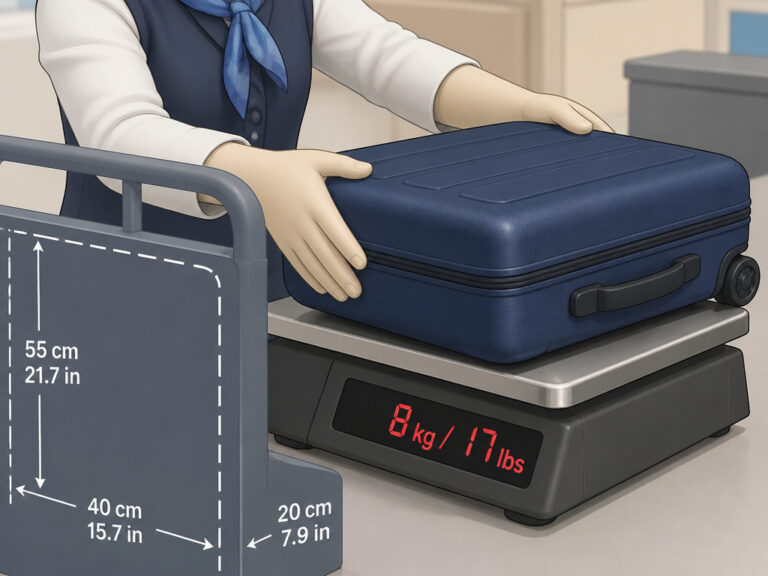
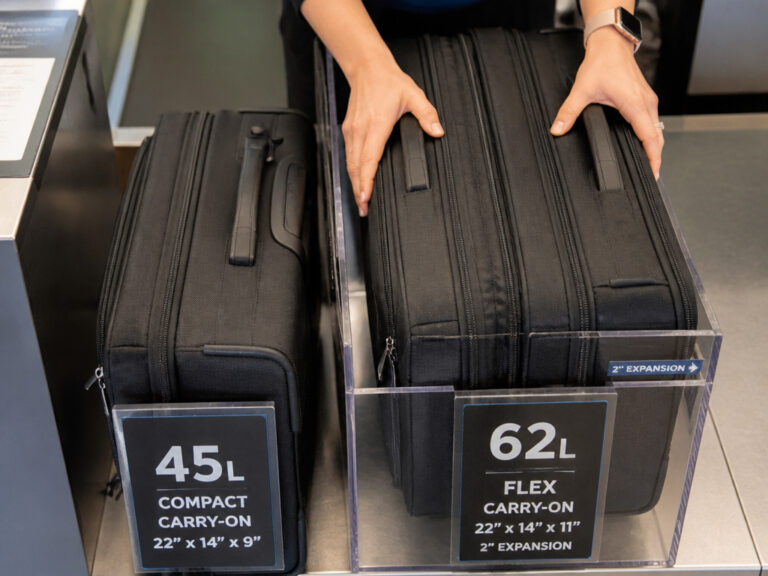
For those traveling on standard Economy or with an exception, your carry-on bag must adhere to United’s size limit. The maximum dimensions are 9 inches x 14 inches x 22 inches (22 cm x 35 cm x 56 cm). This measurement includes wheels, handles, and any external pockets.
United does not publish a weight limit for carry-on bags. The only rule is that you must be able to lift it into the overhead compartment unassisted. If you can’t, the flight crew may require you to check it.
How strict is United with carry-on size? They are strict, especially on full flights. Gate agents have sizers that match the official 22″ x 14″ x 9″ dimensions. If your bag doesn’t fit, it’s getting checked. Soft-sided bags have some wiggle room, but a hard-shell roller that’s even a half-inch over in any dimension will get flagged.
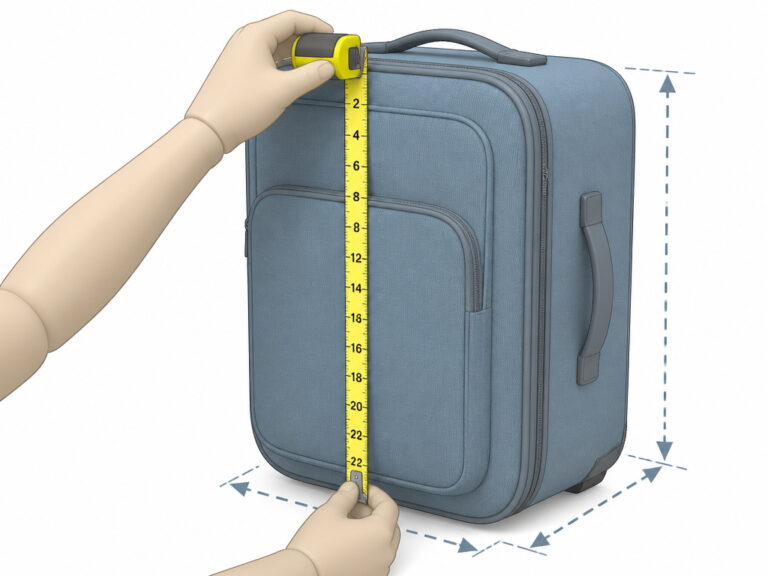
This is where knowing the exact carry-on bag dimensions matters. Don’t trust the manufacturer’s label; measure it yourself with a tape measure, wheels and handles extended. A bag that’s 22.5 inches tall will fail.
The Real Cost of a Basic Economy Ticket
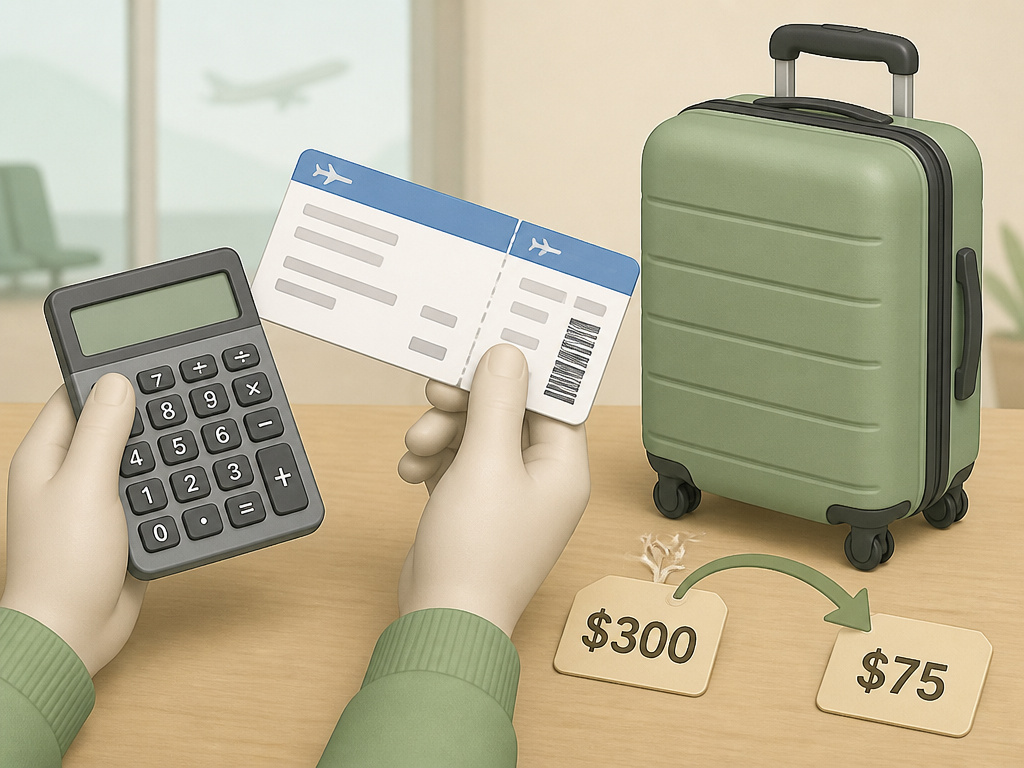 The appeal of Basic Economy is the low upfront price. The catch is the à la carte pricing that follows. To understand the true cost, you have to run the math before you book.
Let’s compare a domestic round-trip scenario where a traveler needs a carry-on bag.
| Expense | Basic Economy | Standard Economy |
|---|---|---|
| Ticket Price | $300 | $340 |
| Carry-on Bag | Not included. Gate-check cost: $50 (checked bag fee) + $25 (gate charge) = $75. | Included. |
| Seat Selection | Assigned at check-in (often a middle seat). | Available at booking (often for a fee) or free within 24 hours. |
| Mileage Earnings | None, unless you have status or a qualifying card (a 2026 policy change). | Standard mileage accrual. |
| Total Projected Cost | $300 + $75 = $375 (plus a middle seat, no miles). | $340 (with seat choice and miles). |
In this example, the “cheaper” Basic Economy ticket ends up costing more and delivering a worse experience. The upgrade to standard Economy is not just a convenience; it’s a financial guardrail.
The calculation shifts if you truly only need a personal item. Then, Basic Economy can be a genuine savings. But you must be certain.
How to Know Your Allowance Before You Fly
 Don’t leave your baggage rights to chance. Follow this checklist in the days before your flight.
- Check Your Fare Type on Your Itinerary. Look for “Basic Economy” specifically. If it just says “Economy,” you likely have the standard carry-on allowance.
- Review Your Booking Confirmation Email. United explicitly states baggage rules here. Search for “1 personal item” or “carry-on bag.”
- Use the United App. Your mobile boarding pass usually displays your baggage allowance. A icon of a single bag under a seat indicates Basic Economy.
- Verify Exception Eligibility. If you have status or a card, ensure your MileagePlus number is linked to the reservation. You can often add a carry-on during online check-in if the system recognizes your exception.
- Measure and Weigh Your Bags. Do this at home. Knowing your carry-on bag size and that your personal item fits the 17x10x9 rule eliminates gate stress.
If you realize you’ve booked Basic Economy but now need a carry-on, you have two paths. First, see if you can pay to upgrade to standard Economy before check-in, this can be cheaper than the gate penalty. Second, if you qualify for an exception via status or card, ensure your details are attached and the system reflects your correct allowance.
Frequently Asked Questions
Does United Economy include a checked bag?
No. On domestic routes and most short-haul international flights, checked bags cost extra for all economy fares (Basic, Standard, and Plus). The first checked bag fee is $45 if prepaid online or $50 at the airport. Some international routes and premium cabins include checked bags, and elite status or a United credit card can provide a fee waiver.
What is the personal item size for United?
United’s personal item must not exceed 17 x 10 x 9 inches (43 x 25.5 x 23 cm). It must fit completely under the seat in front of you. Think a small backpack, a large handbag, or a slim laptop bag.
Can I bring a backpack on United Basic Economy?
Yes, but only if it qualifies as a personal item. This means it must fit within the 17x10x9 inch dimensions and stow under the seat. A full-size travel backpack designed for the overhead bin is not permitted as your only bag on a domestic Basic Economy ticket.
How strict is United with personal item size?
They are generally stricter with carry-on size than personal item size, but a personal item that obviously blocks the footwell can be questioned. Flight attendants need that space clear for safety reasons. It’s best to stay within the stated dimensions.
What if my carry-on is slightly over the size limit?
If it doesn’t fit in the gate sizer, it will be checked. For standard Economy passengers, this is usually free if done at the gate due to bin space, but you risk your bag being separated from you. For Basic Economy passengers, it results in the $75 fee. “Slightly over” is a gamble you shouldn’t take.
The Bottom Line
United Economy does include a carry-on bag, but you must be sure you’ve bought the right “Economy.” Basic Economy is a different product with a strict, one-personal-item rule. The financial penalty for misunderstanding this is severe and immediate at the gate.
Your move is simple: before you click “purchase,” read the fare rules. If you need that overhead bin, book standard Economy. If you can live out of a single under-seat bag for the trip, Basic Economy might save you a few dollars. But always do the math, the cheapest ticket price is rarely the final cost. Pack knowing your rights, and you’ll board with confidence, not a surprise fee.