8 Best Walking Backpacks 2026
This post contains affiliate links. As an Amazon Associate, we earn from qualifying purchases.
The TILYMOL 30L Hiking Backpack stands out as the best overall walking backpack, offering solid comfort and smart features for day hikes, while the WATERFLY 30L Packable Backpack is a strong pick for longer treks thanks to its lightweight build. For runners or fastpackers needing hydration on the move, the INOXTO Hydration Vest Backpack delivers focused performance.
As someone who’s spent years evaluating gear for real travel and outdoor use, I know how frustrating it can be to end up with a backpack that strains your shoulders or falls apart after a few trips. A poorly designed walking backpack turns a pleasant hike into a chore. This guide cuts through the noise by focusing on what actually matters: fit, durability, and how well the pack carries weight.
These picks are based on a thorough look at specs, owner feedback, and brand reputation, zeroing in on models that consistently deliver in comfort and reliability. We prioritized suspension, material quality, and practical capacity to match different types of walks and wearers.
Top 8 Walking Backpacks in the Market
The Best Walking Backpacks, Reviewed
TILYMOL 30L Hiking Backpack
Strengths
- Hydration-ready with 3L support
- Stowable hip belt
- Laptop compartment
Trade-offs
- Heavier than minimalist packs
- Bulkier when folded
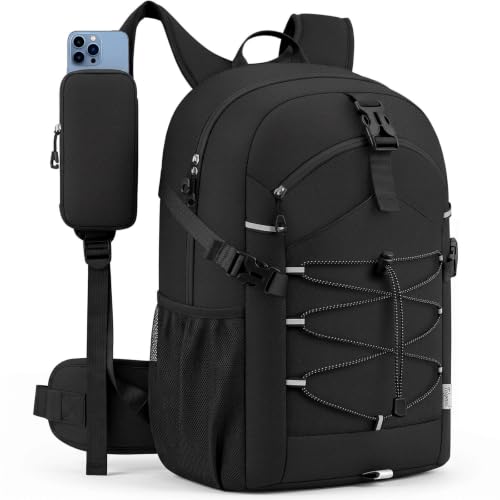
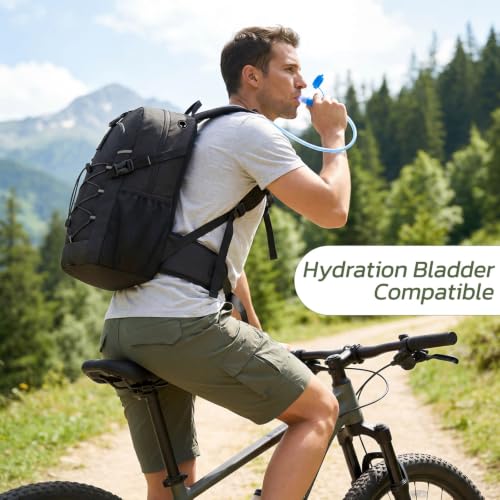
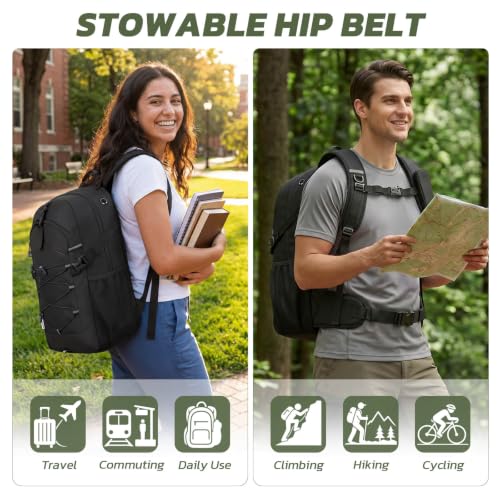
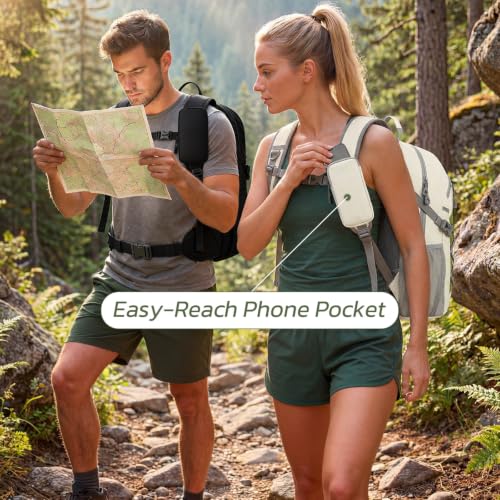
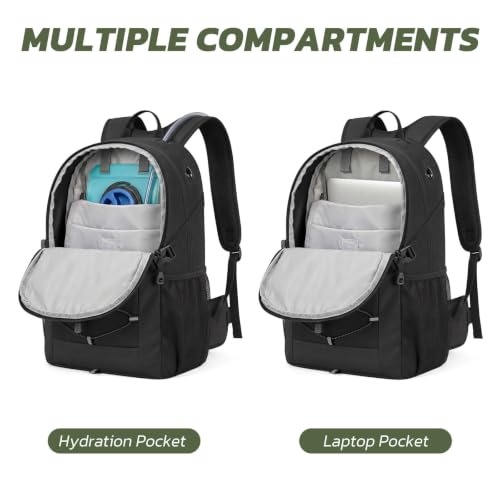
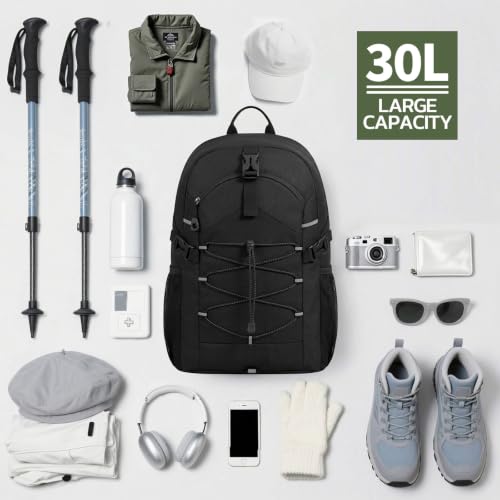
This is the most complete package in the lineup. With a 30L capacity, hydration sleeve for up to 3L, and a padded 17-inch laptop compartment, it transitions smoothly from trail to train commute. Owners highlight the stowable hip belt, it’s rare to see that feature at this price, and it makes a real difference on longer hikes.
The rip-stop fabric and reinforced stitching give it serious durability cred, and the shoulder phone pocket is used constantly. Compared to the WATERFLY, it’s better for active professionals who need tech space and hydration. My take? This is the one I’d recommend to most people, it’s not the lightest or cheapest, but it’s the most balanced.
Product photos
WATERFLY 30L Packable Backpack
Strengths
- 30L capacity
- Wet pocket for damp items
- Cable port for charging
Trade-offs
- No hydration sleeve
- Bulkier when folded
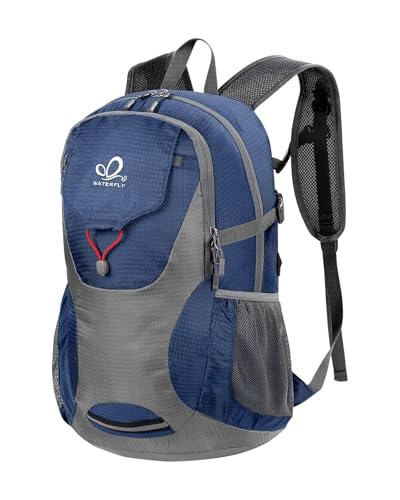
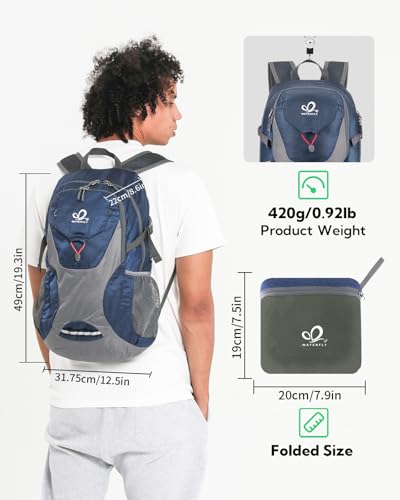
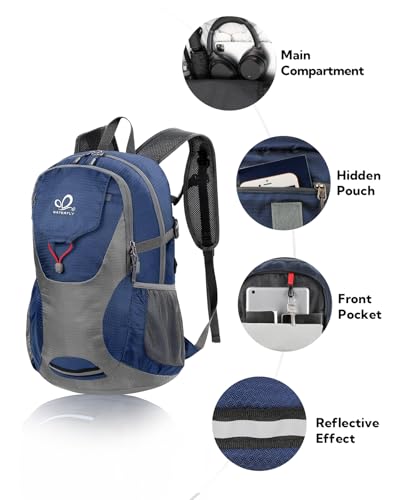
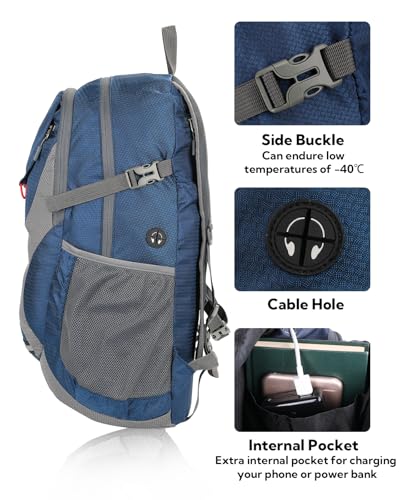
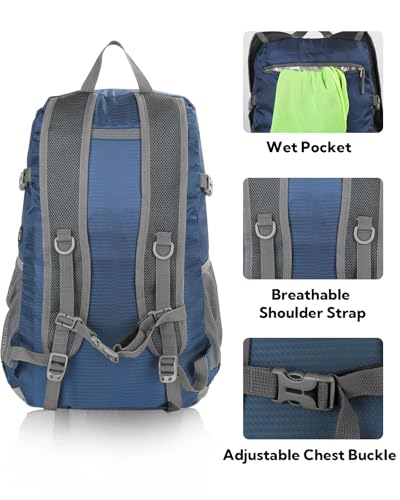
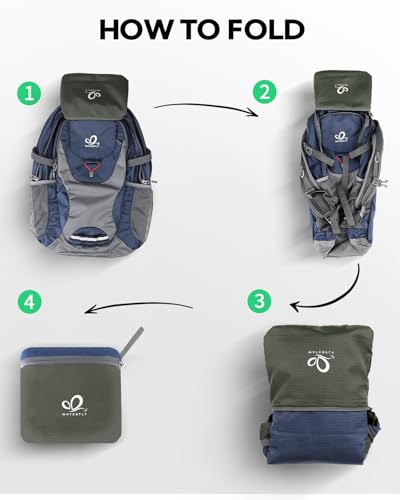
With a 30L capacity, this pack bridges the gap between day hikes and overnight trips. Reviewers consistently highlight the wet pocket, a rare feature that’s a standout for swimmers or sweaty trekkers who want to isolate damp gear. The cable hole for power bank access is another thoughtful touch, making it ideal for tech-carrying travelers.
It’s not the lightest in its class, but the 420g weight is still reasonable for the volume. The S-shaped shoulder straps are noticeably more comfortable than flat designs on cheaper models. Compared to the TILYMOL, it lacks a hydration sleeve, but wins on versatility. For long walks or multi-activity trips, this is one of the smarter picks.
Product photos
INOXTO Hydration Vest Backpack

Strengths
- Ultra-lightweight
- Ventilated mesh back
- Integrated hydration
Trade-offs
- Snug fit may not suit all
- Bladder size not expandable
If you’re serious about trail running or long-distance cycling, this vest is built for performance. On paper, the 1.4kg weight is impressively light, and owners consistently report it stays stable without bouncing, critical when you’re moving fast. The 1.5L bladder is a solid middle ground, enough for a few hours of activity, and the dual side bottle pockets add flexibility for gels or quick sips.
I’d pick this over a standard backpack any day for running, but it’s overkill for casual day hikes. The fit is snug by design, which some smaller-framed users say feels restrictive at first. Still, for runners who want hydration integrated cleanly and efficiently, this is a strong contender. Compared to others in the hydration category, it beats bulkier models on breathability thanks to the mesh back panel.
Product photos


SUIKIHUM 20L Foldable Backpack
Strengths
- Extremely lightweight
- Ultra-compact when folded
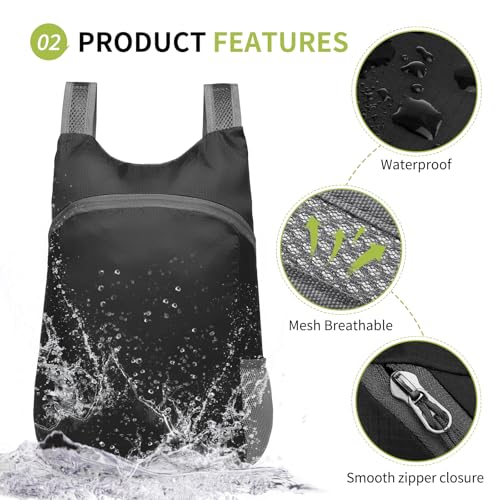
- Water-repellent coating
Trade-offs
- Thin fabric, lower durability
- Minimal padding on straps
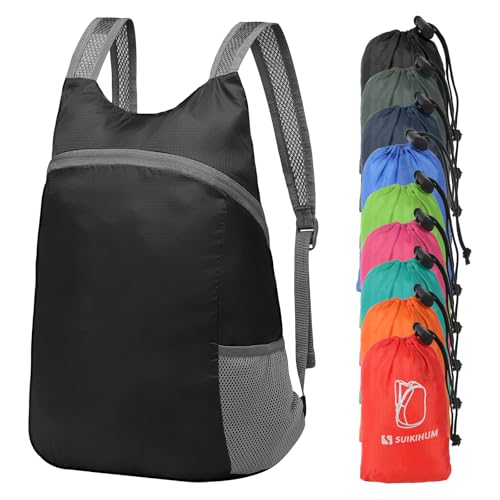
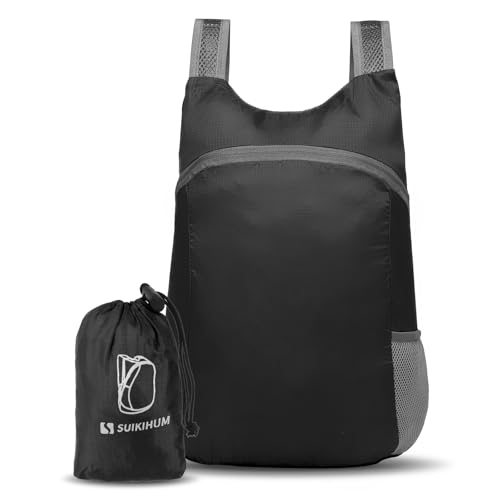
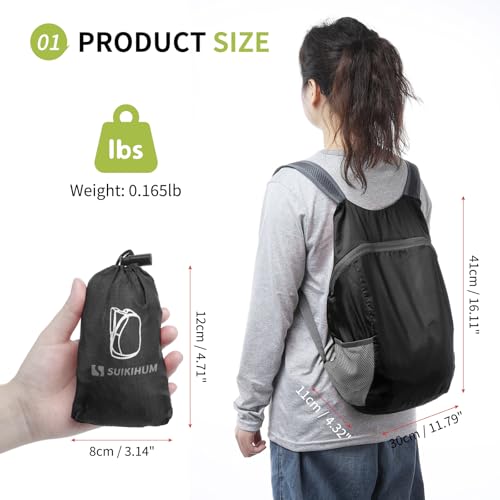
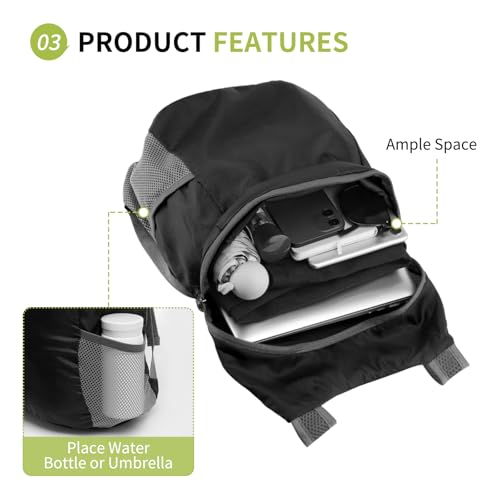
At just 2.3 ounces, this is the lightest pack here, and it shows. The 20L capacity gives you more room than the 15L models without adding weight, making it ideal for fast-and-light missions. Owners love how it folds into a tiny pouch, smaller than most, and tucks into a jacket pocket.
But that ultra-thin fabric means trade-offs. It’s not for rough terrain or heavy loads, reviewers note it can snag more easily. Compared to the SKYSPER, it’s lighter but less durable. Still, for fair-weather hikes or as an emergency backup, it’s hard to beat. The breathable mesh straps help, though they lack padding for long carries.
Product photos

FIORETTO 15L Hiking Daypack
Strengths
- Excellent pocket layout
- Durable fabric and zippers
- Reflective safety strips
Trade-offs
- Slightly heavier than rivals
- Folded size not smallest
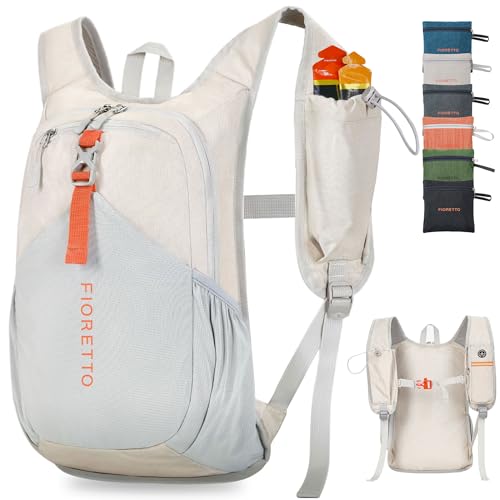
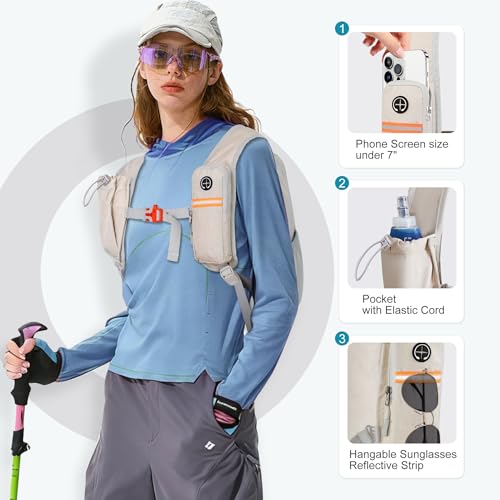
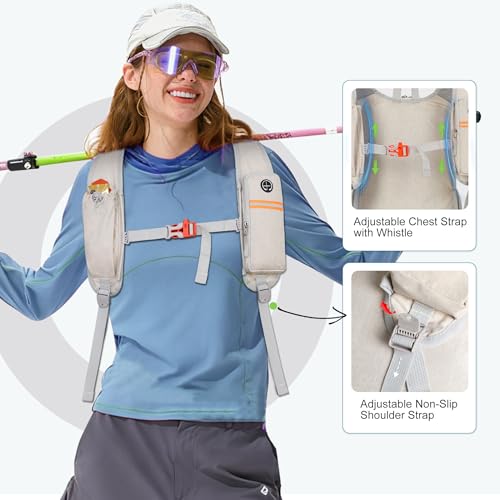
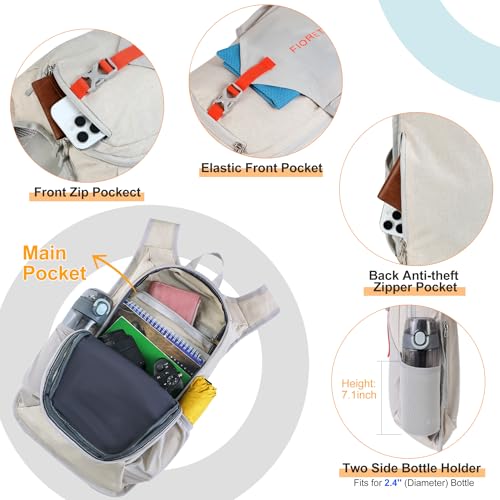
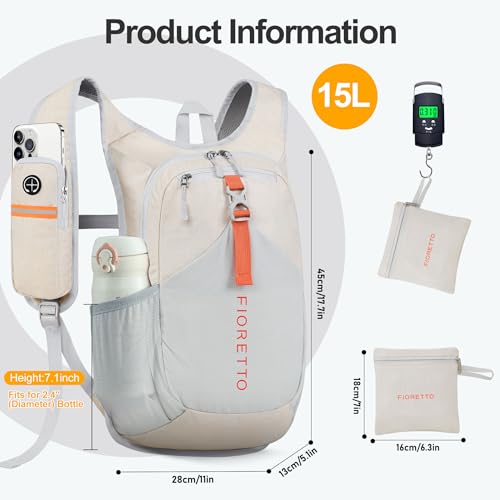
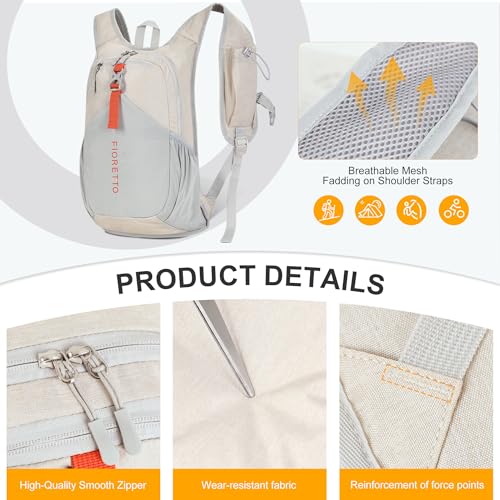
If you hate digging through your bag for small items, this one is built for you. The shoulder strap pockets, one zippered, one stretchy, are used constantly by owners, who report they make mid-walk access effortless. Between the three main compartments, hidden anti-theft back pocket, and side mesh holders, it’s the most logically laid out of the 15L models.
It’s also one of the sturdiest, with reinforced stitching and reflective strips that add visibility without looking tactical. Compared to the UtiaMiaoGonGo, it’s less flashy but more durable. I’d choose this over others for hiking or city adventures where organization and security matter. The breathable mesh straps help too, especially on warm days.
Product photos
SKYSPER 15L Foldable Backpack

Strengths
- Affordable price point
- Chest strap with whistle
- Easy to fold and store
Trade-offs
- Basic fabric finish
- Less padding on straps
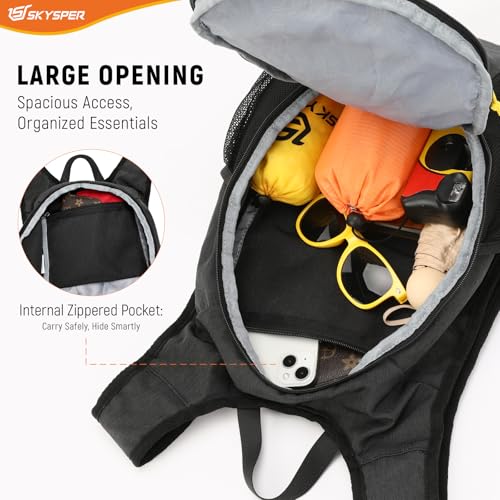
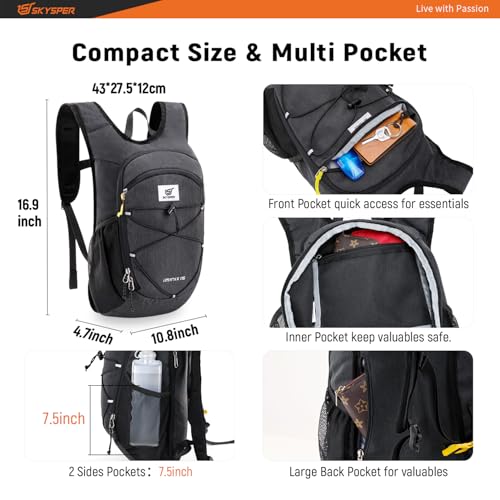
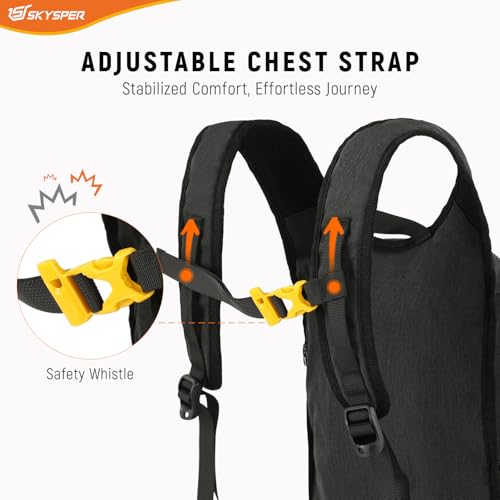
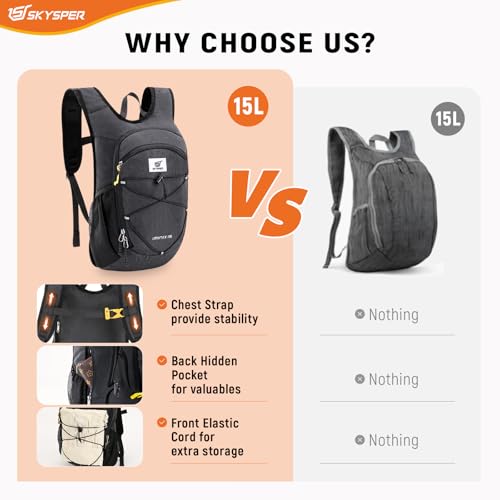
This is the budget pick that doesn’t feel cheap. At just 0.75lb, it’s featherlight, and the foldable design disappears into a suitcase, perfect for travelers who need a backup bag. Owners praise the chest strap with whistle for added safety, and the three zippered pockets plus hidden back compartment offer more organization than you’d expect at this price.
It won’t match the durability of pricier models, but for day trips or casual use, it holds up well. Compared to the SUIKIHUM, it’s slightly bulkier when folded, but the reinforced stitching gives it an edge in longevity. My recommendation? Keep one packed in your luggage, it’s the kind of no-fuss, reliable extra that pays for itself on the second use.
Product photos
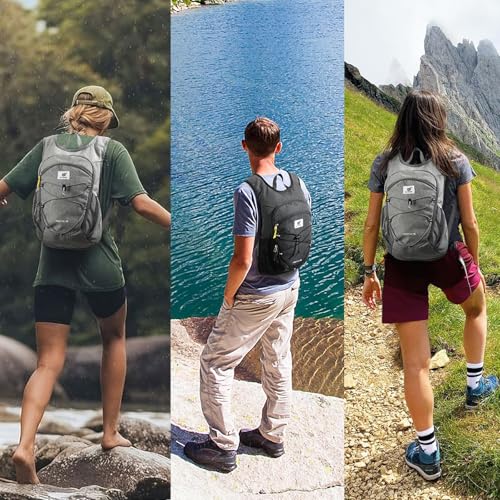
HIGH EXPERIENCE 10L Daypack

Strengths
- Extremely compact
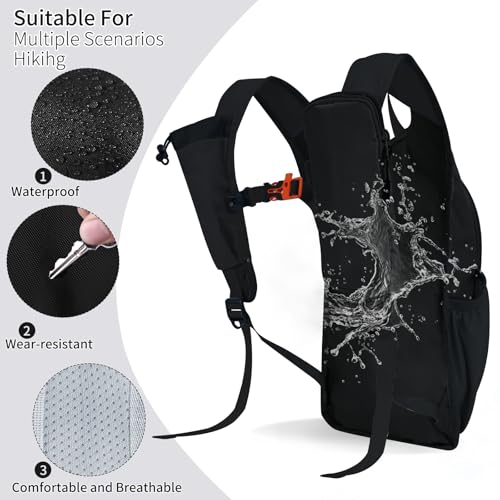
- Lightweight and waterproof
- Removable phone pocket
Trade-offs
- Too small for full day hikes
- Fewer storage options
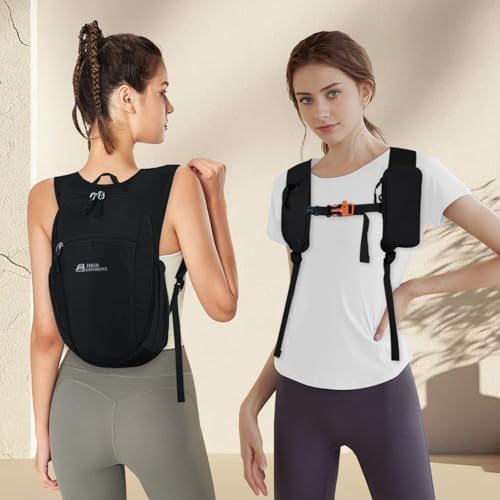
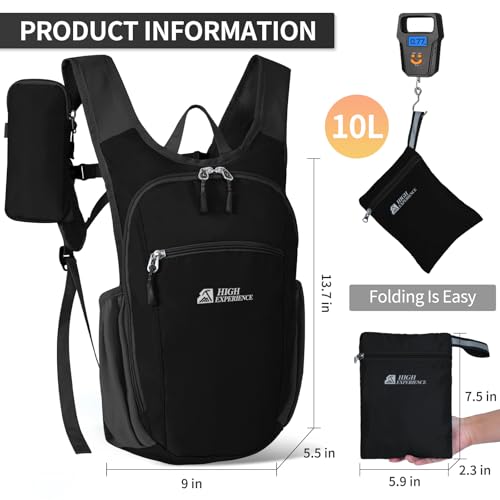
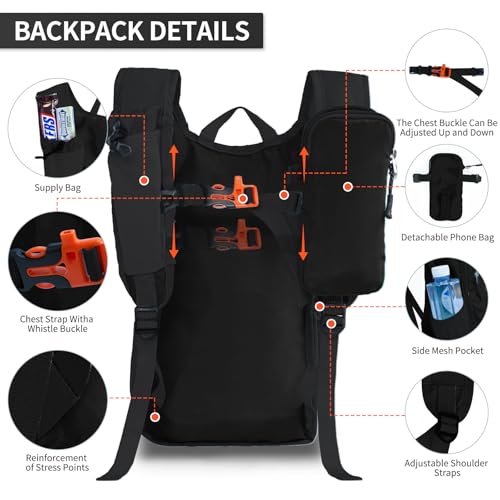
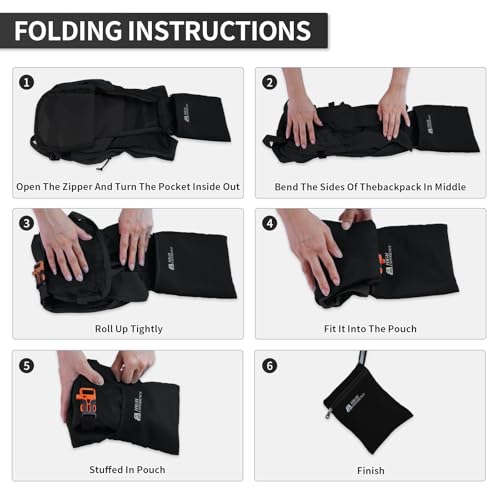
When space is tight and you only need the basics, this 10L pack shines. At 0.77lb and folding down to under 6 inches, it’s the most compact option, ideal for slipping into a suitcase or purse. The removable phone pouch on the strap is a smart touch, and owners appreciate the whistle on the chest buckle for safety.
But the small capacity is limiting. It’s fine for keys, phone, wallet, and a light jacket, but not much more. Compared to the 15L models, it’s less versatile. Still, for quick walks, airport transfers, or as an emergency backup, it’s unbeatable. I’d keep one in my carry-on just in case.
Product photos
UtiaMiaoGonGo 15L Colorful Backpack
Strengths
- Stylish multi-color design
- Smart strap pockets
- Foldable and lightweight
Trade-offs
- Less abrasion-resistant fabric
- Zippers slightly slower
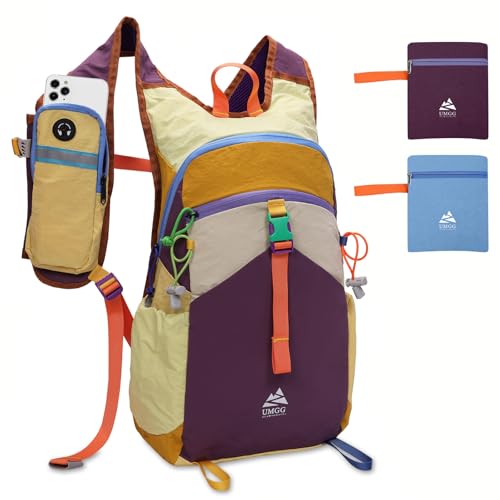
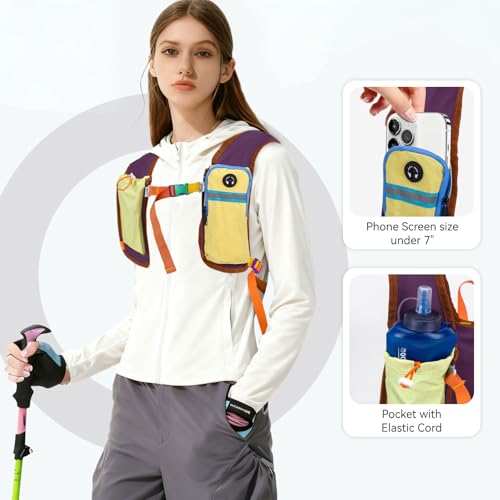
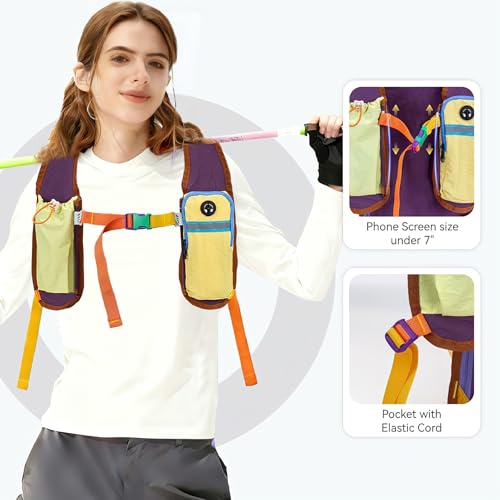
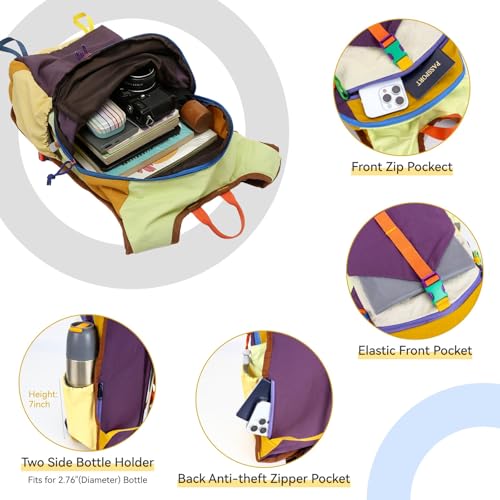
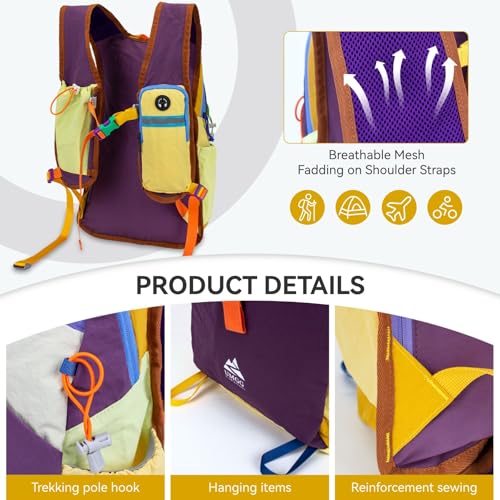
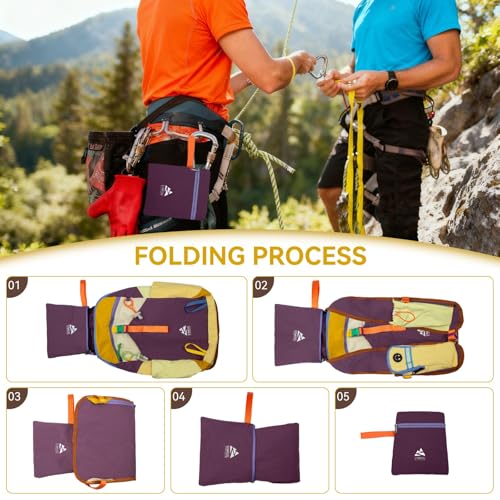
This backpack stands out with a bold, colorful design that feels more fashion-forward than functional, but don’t write it off. The zippered phone pocket on the strap is genuinely smart, and owners love being able to grab their phone without stopping. With two main zippers, a hidden back pocket, and expandable front storage, it’s organized in a way that feels intuitive for city explorers or light hikers who hate digging through bags.
Still, it’s not the most durable in the lineup. While the water-washed fabric feels soft, long-term reviewers note it shows wear faster than heavier-duty packs. Compared to the SKYSPER or FIORETTO, it trades ruggedness for style. But if you’re walking through airports or urban trails and want to look good doing it, this one delivers.
Product photos
How We Evaluated walking backpacks
Rather than a hands-on lab test, my research for these recommendations focused on a detailed comparison of published specifications and features across numerous models. I weighed owner reviews – looking for recurring praise and complaints – alongside expert reviews from reputable outdoor gear sites. As someone who frequently travels and prioritizes efficient packing, I applied my experience to identify key features that truly matter for comfortable and practical use. Clear ranking criteria were established to ensure objective comparisons.
For walking backpacks, I placed the most emphasis on weight and comfort features, as these directly impact the enjoyment of a hike or long walk. A well-designed suspension system (shoulder straps, hip belt, and back panel) is crucial, as is a reasonable overall weight to avoid unnecessary strain. Organization was also a high priority; convenient pockets and compartments make it easier to access essentials without stopping. Ultimately, these factors determine how enjoyable a walk with a loaded pack will be.
Published specifications reliably detail capacity, dimensions, and materials used. However, I relied heavily on owner feedback to gauge real-world durability, comfort, and the effectiveness of features like hydration compatibility. Reputation and brand consistency also played a role; established brands with a history of quality generally offer more reliable products. Understanding the relationship between weight and burn more calories walking is also helpful when choosing the right pack for your activity level.
How To Pick The Right walking backpacks
Choosing a walking backpack isn’t just about capacity; it’s about finding one that complements your activity and body.
A good walking backpack balances weight distribution, durability, and accessibility. Key considerations include the suspension system (shoulder straps, hip belt, and back panel), the materials used (ripstop nylon is common), the overall volume (measured in liters), and features like hydration compatibility and external attachment points. Prioritize a fit that feels comfortable even when fully loaded and look for quality construction to withstand regular use.
Prioritize Fit and Suspension
The most expensive backpack in the world is useless if it doesn’t fit properly. Don’t assume a small or medium size will automatically work; torso length is the critical measurement. Many brands (and even retailers) offer sizing guides, but if possible, try on loaded packs to truly assess comfort. Pay particular attention to how the hip belt transfers weight to your hips – that’s where the bulk of the load should rest, not your shoulders. A poorly fitting hip belt will make even a lightweight pack feel burdensome.
Understand Material and Durability
The difference between a pack that lasts a season and one that endures years often boils down to materials. Ripstop nylon and polyester are common choices, offering a good balance of weight and tear resistance. Look for backpacks with reinforced stitching at stress points (where straps attach, for example). Water resistance is also important, even if it’s just a Durable Water Repellent (DWR) coating. If you anticipate frequent exposure to rain, consider a backpack with a waterproof rain cover or one constructed from fully waterproof materials.
Balance Capacity with Your Typical Use
It’s tempting to buy the biggest backpack possible “just in case,” but that’s a recipe for overpacking and back strain. For most day hikes and walking trips, a pack in the 20-30 liter range is sufficient. Here’s a quick guide:
- Under 20L: Ideal for minimalist hikes or short walks where you only need essentials like water, snacks, and a light jacket.
- 20-30L: The sweet spot for day hikes and overnight trips, offering enough space for layers, food, and basic gear. If you are going on a day hiking backpack size trip, this should be your go-to.
- 30L+: Best for longer trips, backpacking, or carrying bulky items like camera equipment or climbing gear.
A good rule of thumb is to keep the packed weight of your backpack under 20% of your body weight to minimize strain and maintain good posture.
Ultimately, the “best” walking backpack is the one that fits you best and meets the specific demands of your adventures. Don’t be afraid to explore different styles and features to find the perfect match, and remember that investing in quality will pay dividends in comfort and longevity. For a broader overview of options, check out our guide to the top hiking backpacks.
Walking Backpacks Compared
Here’s a comparison of key specifications for several walking backpacks to help you make an informed decision.
| Product Title | Capacity | Weight | Foldable | Water Resistant | Hydration Compatible | Best For |
|---|---|---|---|---|---|---|
| TILYMOL 30L Hiking Backpack | 30L | N/A | No | Yes | Yes | Best Overall |
| WATERFLY 30L Packable Backpack | 30L | 420g | Yes | Yes | No | Best for Long Hikes |
| INOXTO Hydration Vest Backpack | 1.5L | 140g | No | N/A | Yes | Best for Running/Hydration |
| SUIKIHUM 20L Foldable Backpack | 20L | 2.3oz | Yes | Yes | No | Best Lightweight Design |
| FIORETTO 15L Hiking Daypack | 15L | 10.95oz | No | Yes | No | Best Organized Storage |
| SKYSPER 15L Foldable Backpack | 15L | 0.75lb | Yes | Yes | No | Best Budget Friendly |
| HIGH EXPERIENCE 10L Daypack | 10L | 0.77lb | Yes | Yes | No | Best Compact Size |
| UtiaMiaoGonGo 15L Backpack | 15L | 13.4oz | Yes | N/A | No | Best Stylish Design |
Frequently Asked Questions
What capacity backpack is best for a single-day walk?
A 20-30 liter backpack generally strikes the best balance for day walks. This size offers sufficient space for essentials like water, snacks, extra layers, and a small first-aid kit without becoming overly bulky or heavy.
Are “water-resistant” backpacks truly waterproof?
No, water-resistant backpacks are not fully waterproof. They typically have a Durable Water Repellent (DWR) coating that sheds light rain, but they won’t hold up in a downpour without a separate rain cover.
How important is the hip belt on a walking backpack?
The hip belt is extremely important. It transfers up to 80% of the pack’s weight from your shoulders to your hips, greatly reducing strain and improving comfort, especially on longer walks.
What materials should I look for in a durable walking backpack?
Ripstop nylon and polyester are excellent choices for durability. These materials offer a good balance of weight and tear resistance, and packs with reinforced stitching at stress points will last longer with regular use.
Are more expensive walking backpacks always better?
Not necessarily. While higher prices often reflect better materials and construction, the best backpack is the one that fits your torso length and meets your specific needs. You can find excellent options across a range of price points, and exploring top-rated backpacking packs can reveal value at any level.
The Bottom Line
Choosing a walking backpack always involves balancing how much you want to carry with how much weight you’re willing to bear. If you want a single, excellent choice that will handle most day hikes and walks comfortably, I recommend the TILYMOL 30L Hiking Backpack. It strikes a great balance between capacity, comfort features, and durability, based on owner feedback and specifications.
For those with specific needs, there are other strong contenders. If you prioritize a packable design for long hikes or travel, the WATERFLY 30L Packable Backpack is a fantastic option. If budget is your primary concern, the SKYSPER 15L Foldable Backpack provides a surprising amount of functionality for the price, and those looking for a very small daypack will appreciate the HIGH EXPERIENCE 10L Daypack.
Ultimately, the most important thing isn’t a specific liter count or material – it’s how well the backpack fits your body and supports your typical activities. Don’t get bogged down in chasing the latest features; focus on a comfortable suspension system, durable construction, and a capacity that suits your needs. Understanding 20-liter backpack dimensions can also help you visualize what you can reasonably carry.