8 Best Hiking Waist Packs of 2026
This post contains affiliate links. As an Amazon Associate, we earn from qualifying purchases.
The Osprey Daylite Waist Pack stands out as the best overall hiking waist pack, combining smart design with reliable performance. For those on a budget, the YUOTO Outdoor Fanny Pack delivers solid features and a water bottle holder at a lower price. If you’re looking for rugged versatility, the Carhartt Classic Sling Bag is a durable pick that works on and off the trail.
As a frequent traveler and parent who’s evaluated countless gear types, I know how frustrating it is to carry something that slips, chafes, or fails mid-hike. A waist pack should stay put, hold essentials securely, and disappear while you move. This guide cuts through the clutter, using specs, owner feedback, and real-world durability to spotlight the best options for hikers who value function and reliability.
Top 8 Hiking Waist Packs in the Market
The Best Hiking Waist Packs, Reviewed
Wilderdog Mega Hip Pack
Strengths
- Dual bottle holders
- Poop bag dispenser
- 3L capacity
Trade-offs
- No reflective elements
- Mesh pockets stretch
- No phone-specific sleeve
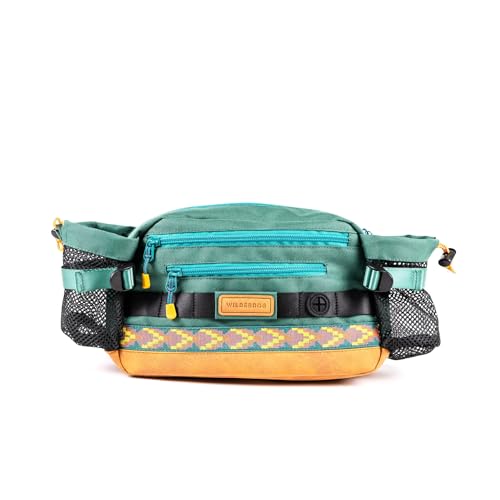
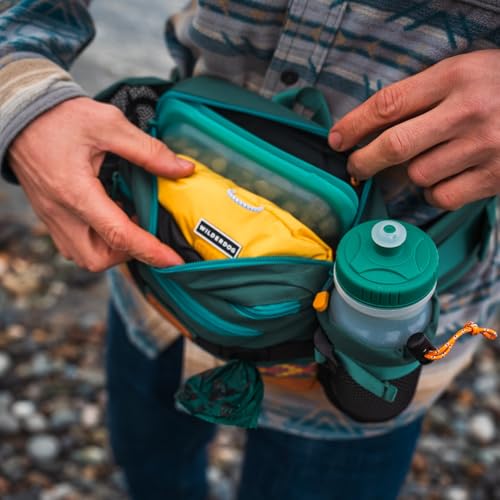
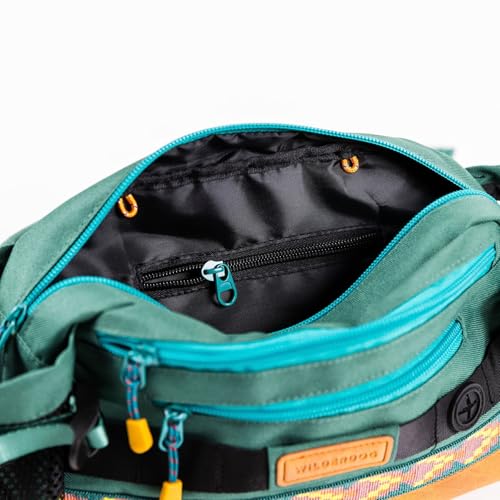
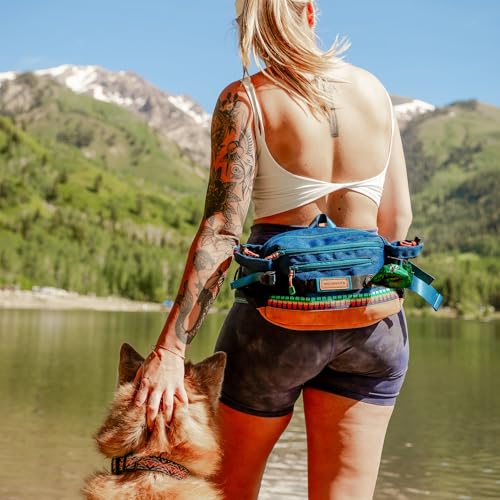
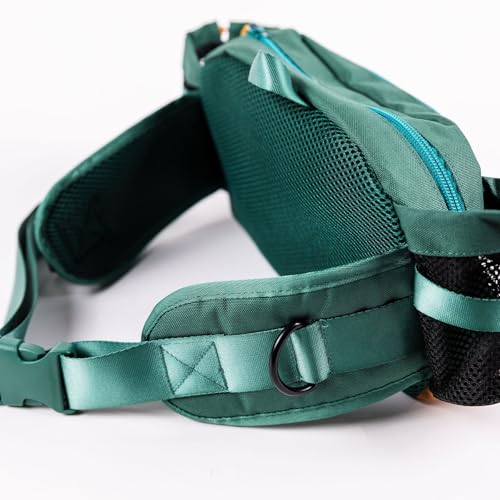
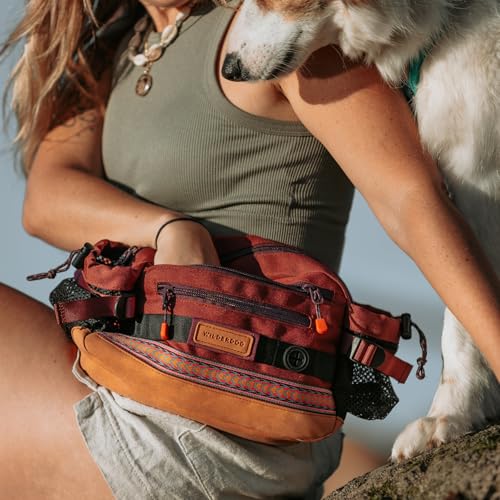
This is the most thoughtfully designed all-rounder in the group. The 3-liter capacity gives it more room than most, and the dual mesh water bottle holders are a standout for dog walkers or hikers who don’t want to choose between hydration and gear. The built-in poop bag dispenser is a niche but beloved feature, owners with pets call it a “small thing that makes a big difference.”
It’s also highly adjustable, fitting waists up to 55 inches, and the interior key loops and strap keeper add polish you don’t see on budget models. Compared to the sportsnew pack, it’s less focused on running and more on utility, but that’s its strength. The minimalist exterior keeps it sleek despite the capacity, and the fabric feels durable without being stiff.
Product photos
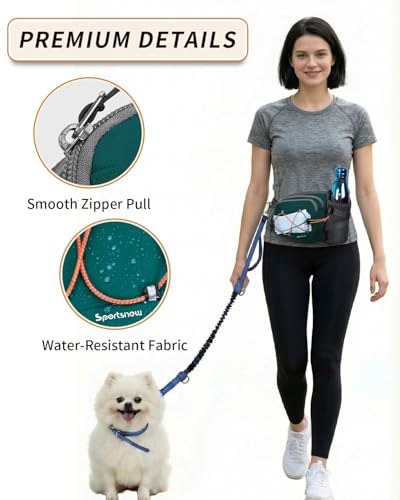
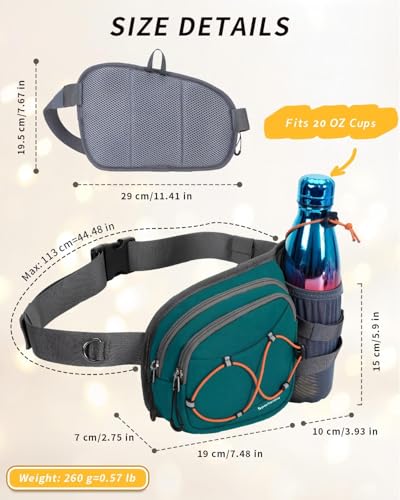
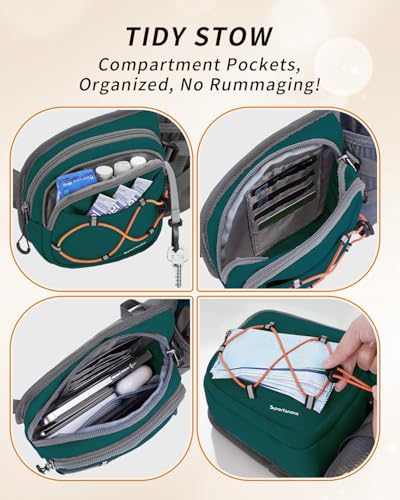
sportsnew Hydration Waist Pack
Strengths
- Secure bottle hold
- Breathable mesh back
- Multi-wear versatility
Trade-offs
- No interior organization
- Drawstring can snag
- Bottle not included
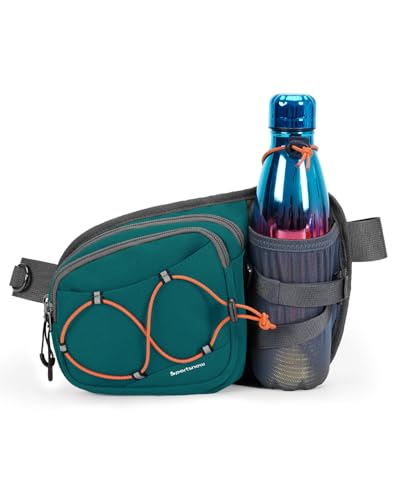
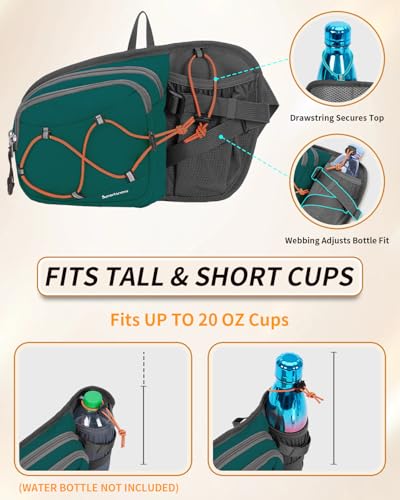
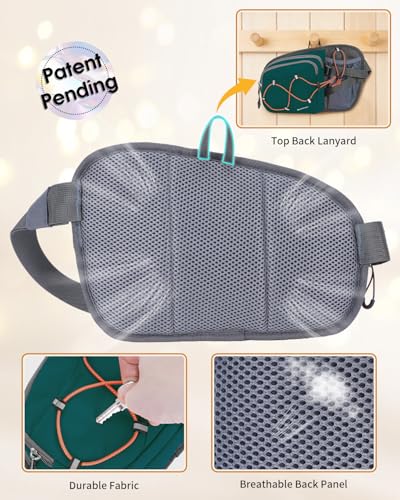
This one hits a sweet spot for active users who want hydration, breathability, and a bit of extra space, all without adding bulk. The 2L capacity is generous for its class, and the drawstring + adjustable strap system keeps bottles secure, which reviewers confirm reduces bounce during runs. The breathable mesh back is a standout feature, especially compared to solid-backed packs that trap heat.
It’s also one of the most versatile in wear styles, waist, crossbody, sling, and the water-resistant front fabric adds real protection for phones and snacks. While it doesn’t have the MOLLE webbing or tactical edge of the ArcEnCiel, it’s clearly designed with movement in mind. I’d pick this over the YUOTO if you’re doing longer hikes or runs and want more storage without sacrificing comfort.
Product photos
MAXTOP Large Fanny Pack
Strengths
- Four zippered pockets
- Theft-proof back pocket
- Multiple carry options
Trade-offs
- No breathability
- Heavy when full
- Not for running
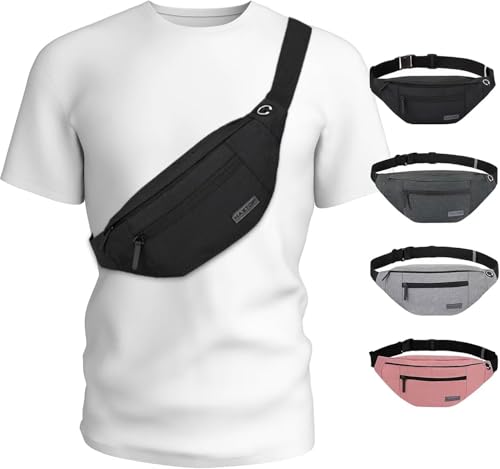
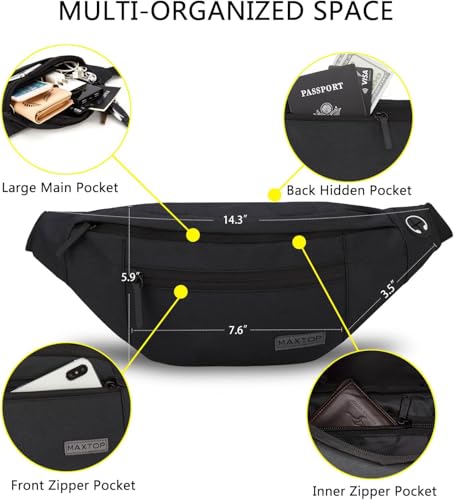
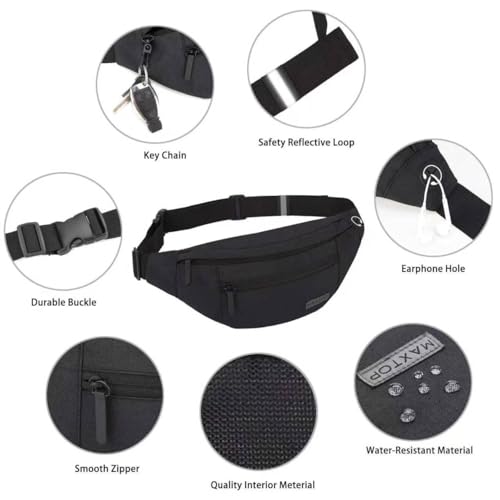
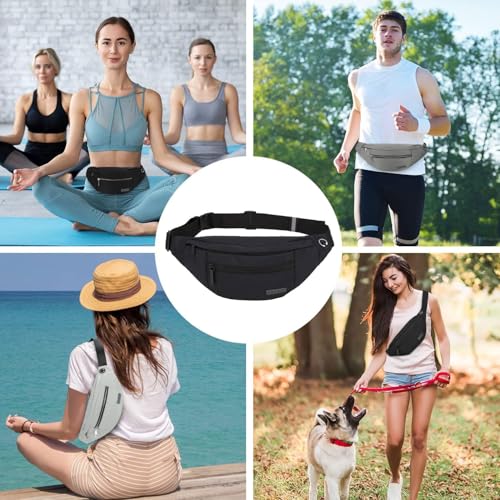
When capacity and flexibility matter most, this MAXTOP pack steps up. With four zippered compartments and a 14.3-inch width, it’s one of the roomiest options here, owners consistently note it fits large phones, passports, and even small notebooks. The multiple carry styles (waist, crossbody, sling) make it adaptable for travel or festivals, and the theft-proof back pocket is a smart security touch that adds real value.
It’s not designed for high-intensity activity, there’s no mesh backing or anti-bounce tech, so it’s not ideal for running. But as a travel or event pack, it shines. Compared to the Osprey Daylite, it’s far more functional for city exploration or weekend trips. The reflective loop is a small but useful safety detail, and the fabric feels durable enough for regular use. If you’re tired of switching bags, this could be your one-and-done.
Product photos

Carhartt Classic Sling Bag
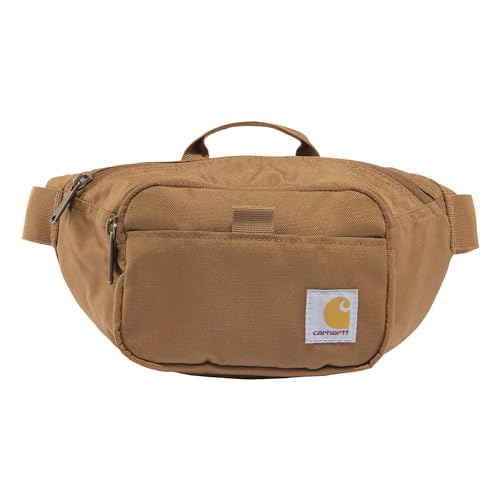
Strengths
- Extremely durable
- Water-resistant coating
- Sling or waist wear
Trade-offs
- Velcro pocket wear
- No hydration option
- Bulky for light use
Carhartt’s name carries weight in durability, and this pack delivers on that promise. The 600-denier polyester with Rain Defender coating means it’s built to handle rough use and wet conditions, owners report it surviving construction sites and rainy commutes without issue. The sling-style carry option adds flexibility, and the Velcro front pocket is convenient for quick-grab items like keys or transit cards.
But that toughness comes with a stiffer feel and fewer specialized features. There’s no hydration support, minimal internal organization, and the front pocket being Velcro-only raises long-term wear concerns some users have echoed. Compared to the Osprey or Wilderdog, it’s less refined for outdoor use, but for urban carry, work commutes, or rugged daily use, it’s a solid, no-nonsense pick.
Product photos


WATERFLY Running Belt

Strengths
- Zero bounce design
- Sweat-wicking fabric
- Headphone port
Trade-offs
- Limited storage
- No bottle holder
- Elastic may sag over time
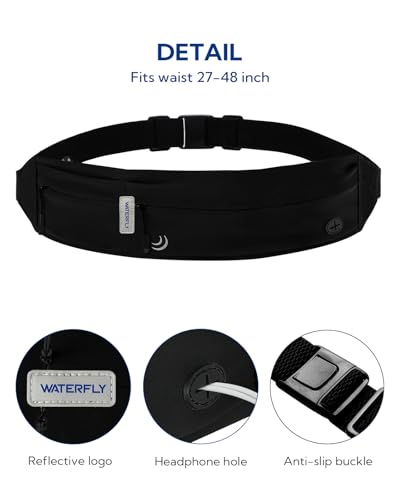
If you’re a runner, this is the pack that keeps coming up in owner feedback as the one that actually stays put. The wide elastic band and slip-proof buckle are engineered for zero bounce, and the lightweight lycra fabric breathes well and survives repeated washings without degrading. The dedicated headphone port is still a rare and appreciated feature, especially for long-distance runners who rely on audio.
It’s not the largest pack here, best for phone, keys, cards, maybe a small snack, but that’s by design. Compared to the MAXTOP or Wilderdog, it sacrifices capacity for performance, and that trade-off works. The reflective logo adds visibility, and the SBS zipper has a reputation for longevity. For marathon training or daily runs, this is the smartest buy.
Product photos



ArcEnCiel Tactical Fanny Pack

Strengths
- 1000D nylon
- MOLLE compatibility
- Multiple zippered pockets
Trade-offs
- Heavy for class
- Bulky fit
- Stiff material
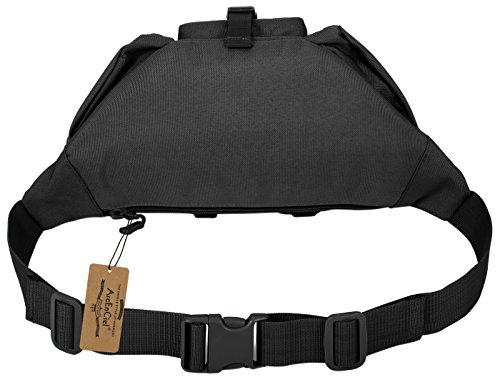
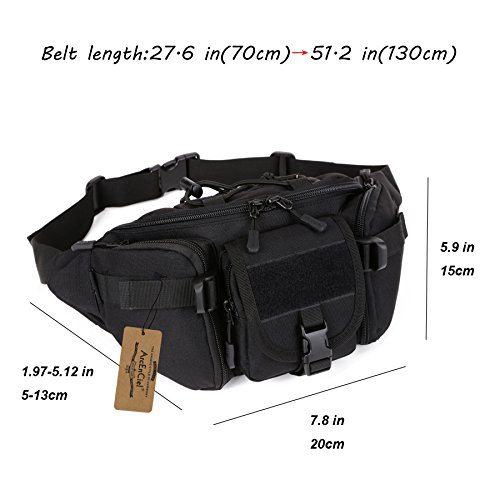
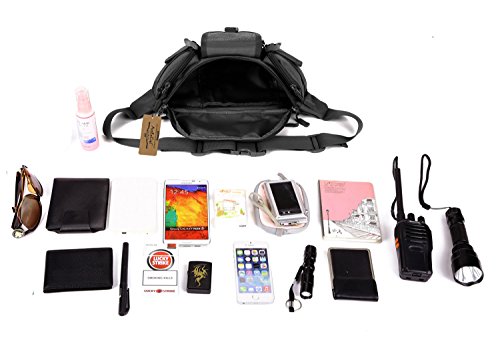
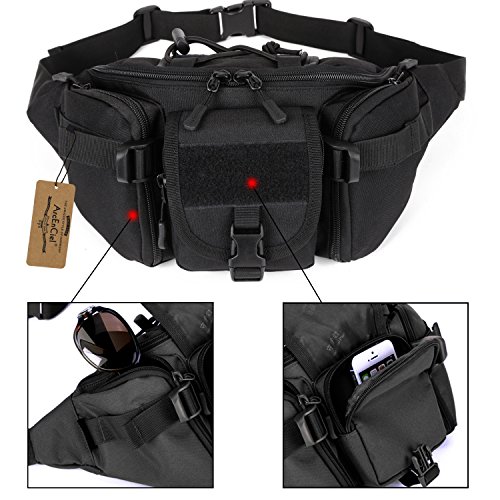
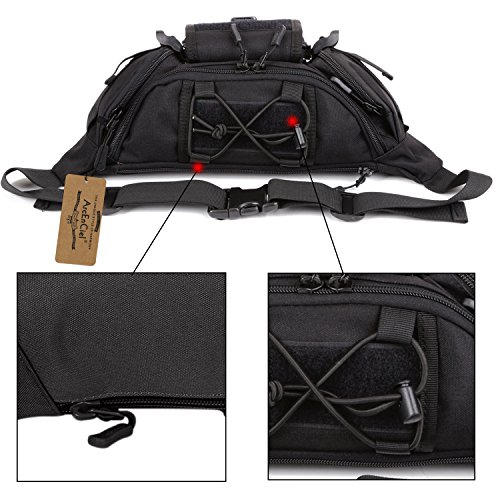
This pack leans hard into the tactical aesthetic, and on paper, that’s its biggest draw. The 1000D nylon construction stands out in a category where many settle for lighter fabrics, and owners consistently report it shrugs off scrapes and light rain without issue. The MOLLE webbing is a legit perk for those who want to strap on extra pouches or gear, which sets it apart from simpler waist packs.
But that ruggedness comes with trade-offs. At nearly a pound, it’s on the heavier side, and the bulkier profile doesn’t sit as close to the body as runners or hikers might prefer. While the patch customization is fun for personal flair, it doesn’t add functional value, and some reviewers note the fit can feel stiff during high-movement activities. It’s built like a mini tactical pack, which is great if that’s what you need, but overkill for casual use.
Product photos
YUOTO Outdoor Fanny Pack
Strengths
- One-hand bottle access
- Reflective material
- Breathable back panel
Trade-offs
- Limited storage
- Bottle fit varies
- Basic pocket layout
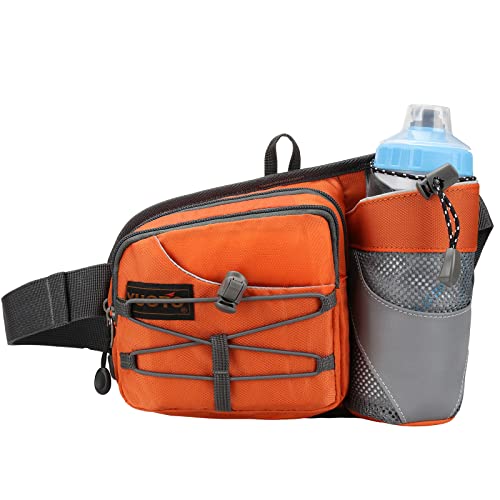
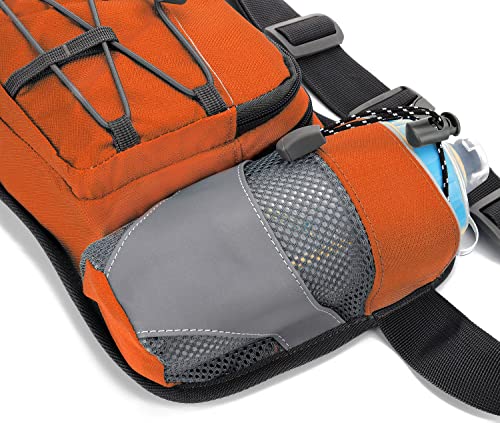
If you’re looking for a no-frills pack that gets hydration right without breaking the bank, this one stands out. The one-hand-access water bottle holder is a smart design touch that owners actually use and appreciate, especially during hikes or bike rides where stopping to fumble isn’t an option. The 3M reflective material adds a thoughtful safety layer, and the breathable mesh backing helps keep sweat at bay during longer wear.
It’s not the most spacious option here, but the three separated pockets offer decent organization for essentials like keys, phone, and snacks. Some users mention the bottle holder can feel a bit loose with smaller bottles, but overall, the balance of function, comfort, and value makes this a strong contender. Compared to pricier hydration packs, it delivers most of the core benefits without the premium tag.
Product photos



Osprey Daylite Waist Pack

Strengths
- Ultra-lightweight
- Durable zippers
- Clean interior layout
Trade-offs
- No hydration support
- Limited capacity
- No external bottle pocket
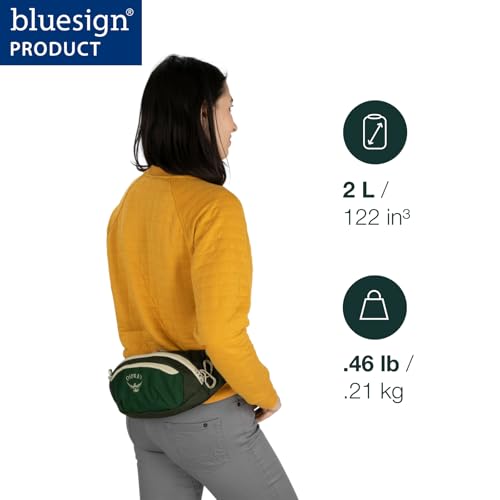
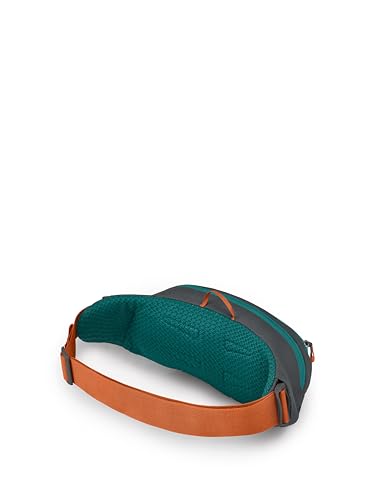
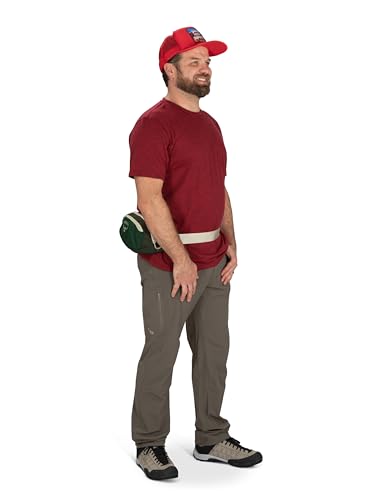
Osprey’s reputation for lightweight, durable design holds up here. At just 0.46 lbs, this is one of the lightest packs in the lineup, and that makes it a natural pick for minimalists or anyone who hates feeling weighed down. The dimensions are compact but smartly laid out, with a zippered main compartment, front panel pocket, and an interior mesh organizer with a key clip, small touches, but they matter when you’re on the move.
Owners praise its durability relative to its weight, and it’s clear Osprey didn’t cut corners on zippers or stitching. That said, it’s not built for heavy loads or hydration bottles, this is a “just the essentials” pack. Compared to the Wilderdog or MAXTOP, it’s far less spacious, but that’s the point. If you’re heading out for a short hike, market run, or travel day and want something that disappears on your waist, this is a top-tier choice.
Product photos


How We Evaluated hiking waist packs
Rather than a hands-on lab test, my research for these recommendations involved a detailed comparison of published specifications and features across numerous models. I then weighed owner reviews from sites like Amazon alongside expert opinions found in outdoor gear publications. As someone who’s spent years evaluating travel gear, I applied my understanding of what makes for a practical and durable pack, ranking options against a set of criteria focused on real-world usability.
For hiking waist packs specifically, capacity and comfort were heavily weighted. A pack needs to hold essentials – phone, keys, snacks, maybe a small first-aid kit – without being bulky or bouncing while you move. Durability also ranked high, as a flimsy pack won’t last on the trail. These factors ultimately determined which packs rose to the top, and which were better suited for lighter activities.
Specifications reliably indicate size and materials, giving a solid baseline for comparison. However, I heavily relied on owner feedback to gauge real-world performance, particularly regarding strap comfort and how well the pack stays in place during activities. Reputation and brand history were also considered; established brands often have a track record of quality, and understanding waist pack carrying methods is crucial for satisfaction.
Choosing The Right hiking waist packs
Finding the right hiking waist pack can make or break a comfortable day on the trails. It’s a deceptively complex purchase, with options ranging from minimalist designs to feature-packed organizers.
A good hiking waist pack balances weight, capacity, and accessibility. Look for durable materials like ripstop nylon or polyester, adjustable straps for a secure fit, and thoughtful features like hydration compatibility or dedicated pockets for essentials. Prioritize a pack that stays comfortably in place even during strenuous activity and can accommodate your typical trail gear.
Capacity and Size
Don’t assume bigger is better. The ideal capacity depends heavily on your typical hike length and what you carry. Many people overestimate how much they need to bring. For shorter day hikes, a 3-5 liter pack is often sufficient, while longer excursions might call for something closer to 8-10 liters. Consider how you like to distribute weight; if you already carry a backpack, your waist pack should supplement, not duplicate, its contents. If you’re curious about how that compares to larger packs, checking out a guide on 20-liter backpack dimensions can be helpful for understanding overall volume.
Fit and Comfort
A poorly fitting waist pack is a recipe for chafing and discomfort. Pay close attention to the strap adjustment range. Most packs accommodate a wide range of waist sizes, but it’s crucial to confirm the maximum and minimum measurements align with your body. Beyond the strap length, consider the strap width and padding. Wider straps distribute weight more evenly, while padding adds comfort, particularly when carrying heavier loads.
Here’s what to look for in a comfortable fit: * A snug fit is essential, but not overly tight. * Padding on the back panel improves breathability and comfort. * Adjustable straps allow for a customized, secure fit during movement.
Features and Durability
While simplicity is valuable, certain features can significantly enhance a hiking waist pack’s usability. Hydration compatibility (like the water bottle holders on the sportsnew Hydration Waist Pack) is a major plus for longer hikes. Dedicated pockets for essentials like keys, phones, and snacks keep things organized and easily accessible. Durability is paramount – look for packs constructed from rugged materials like 600D polyester (as seen in the Carhartt Classic Sling Bag) or reinforced nylon.
A well-made waist pack should withstand the rigors of the trail. Don’t skimp on quality; a durable pack will last for years, saving you money in the long run.
If you’re planning more serious hikes, you may want to explore our hiking waist bag picks for more durable options.
Hiking Waist Packs Compared
Here’s a comparison of key specifications for several hiking waist packs to help you choose the right one for your needs.
| Product Title | Capacity | Waist Size Range | Water Bottle Holder | Material | Key Features |
|---|---|---|---|---|---|
| Wilderdog Mega Hip Pack | 3L | 26″ – 55″ | Yes (2) | N/A | Poop bag dispenser, D-ring |
| sportsnew Hydration Waist Pack | 2L | N/A | Yes (20oz) | Breathable Mesh | Hydration focused, water-resistant |
| MAXTOP Large Fanny Pack | N/A | 20” – 50” | No | N/A | Multiple pockets, reflective loop |
| Carhartt Classic Sling Bag | N/A | N/A | No | 600D Polyester | Durable, versatile carry options |
| WATERFLY Running Belt | N/A | 27″-48″ | No | Lycra | Lightweight, headphone port |
| ArcEnCiel Tactical Fanny Pack | N/A | 27.6″-51.2″ | No | 1000D Nylon | MOLLE system, tactical design |
| YUOTO Outdoor Fanny Pack | N/A | 25″ – 50″ | Yes (27oz) | N/A | Quick-plug bottle holder, reflective |
| Osprey Daylite Waist Pack | N/A | N/A | No | N/A | Lightweight, versatile |
Frequently Asked Questions
What size waist pack is best for day hiking?
A 3-5 liter waist pack is generally ideal for day hiking, offering enough space for essentials like water, snacks, and a small first-aid kit without being overly bulky. Remember to consider your personal carrying preferences and how much you typically bring.
Are all waist packs adjustable to fit different body types?
Most waist packs have adjustable straps, but it’s crucial to check the stated waist size range before buying to confirm it will comfortably fit your body. Packs with wider straps and ample padding will generally be more comfortable for extended wear.
What materials make for a durable hiking waist pack?
Durable hiking waist packs are typically constructed from materials like ripstop nylon, reinforced nylon, or 600D polyester. These materials resist tears, abrasions, and water damage, ensuring the pack can withstand the rigors of the trail.
Can I use a hiking waist pack for travel, beyond just hiking?
Absolutely. Many hiking waist packs double effectively as secure travel belt bags for sightseeing or commuting. Look for features like hidden pockets or anti-theft designs if travel security is a concern.
What features should I prioritize if I plan to hike in hot weather?
Breathable mesh back panels and lightweight materials are essential for hot-weather hiking. Features like dedicated water bottle holders and hydration compatibility can also help you stay cool and hydrated on the trail, and are preferable to heavier, less breathable options.
The Bottom Line
Choosing a hiking waist pack often comes down to balancing how much you want to carry against how much you want to fuss with adjustments and bulk. For most day hikers, the Wilderdog Mega Hip Pack strikes that balance best – it offers a good capacity, convenient features like poop bag dispensers, and positive owner feedback regarding its comfortable fit. It’s a reliable choice that won’t leave you wishing you’d gone bigger or smaller.
If you have very specific needs, there are excellent alternatives. For those prioritizing hydration, the sportsnew Hydration Waist Pack is a standout. If you’re looking for something durable and versatile that can double as an everyday bag, the Carhartt Classic Sling Bag is a strong contender. And for minimalists focused on keeping weight down, the WATERFLY Running Belt offers a lightweight and streamlined option. Knowing that walking with a backpack can offer a calorie burn with loaded packs may influence whether you choose to carry more in a larger pack or distribute the load with a waist pack.
Ultimately, the “best” hiking waist pack isn’t about a single feature or spec. It’s about finding a pack that fits you well, carries your essentials comfortably, and is built to withstand the demands of the trail. Prioritize a secure fit and durable materials above all else – those are the fundamentals that will make or break your experience.