6 Best Waist Bags for Hiking 2026
This post contains affiliate links. As an Amazon Associate, we earn from qualifying purchases.
The ArcEnCiel Tactical Fanny Pack stands out as the best overall hiking waist bag for its rugged 1000D nylon build and secure, adjustable fit, while the 4Monster Lightweight Water Resistant Pack is a strong budget pick that doesn’t sacrifice weather resistance. For those wanting more carrying space without bulk, the MAXTOP Large Crossbody Fanny Pack offers excellent versatility.
As a frequent traveler and outdoor gear evaluator, I know how frustrating it is to deal with flimsy waist bags that bounce, chafe, or fall apart on the trail. A hiking waist bag should stay put, protect your essentials, and endure real trail conditions.
This guide cuts through the noise by focusing on what matters: durability, comfort, and smart design. I compared specs and owner feedback across top models, prioritizing real-world performance over marketing claims, so you can pick a waist bag that actually works for your hikes.
Top 6 Waist Bags For Hiking in the Market
The Best Waist Bags For Hiking, Reviewed
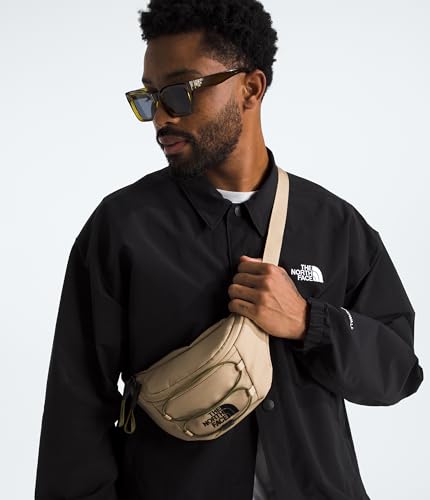
The North Face Jester Lumbar Pack

Strengths
- Sustainable materials
- Clean, versatile design
- Good internal organization
- Durable water-repellent finish
- Comfortable adjustable strap
Trade-offs
- No RFID protection
- Buckle isn’t reflective
- Limited expansion
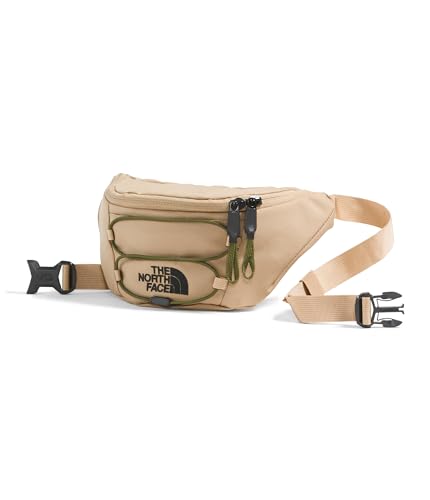
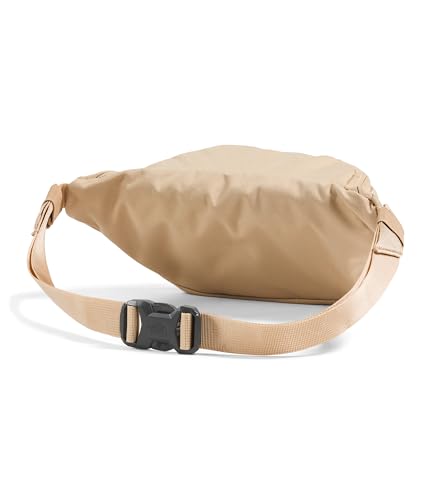
The Jester lumbar pack feels like the balanced middle ground, compact but smartly designed, durable but not heavy, and versatile enough for city commutes and light trails. At 2.2L, it’s slightly roomier than average, and the internal organization, including external zip pockets and the signature front bungee system, makes it easy to stash and grab essentials. The non-PFC DWR finish is a thoughtful eco-touch, and the recycled material content aligns with North Face’s push for sustainability.
Reviewers consistently praise its comfort and clean look, it doesn’t scream ‘outdoor gear’ which helps in urban settings. It’s not the lightest or the most secure, but it’s the most well-rounded. Compared to others in this list, it doesn’t excel in any one area, but it also has no glaring weaknesses. That’s why I call it the best overall pick, reliable, recognizable, and built to last.
Product photos

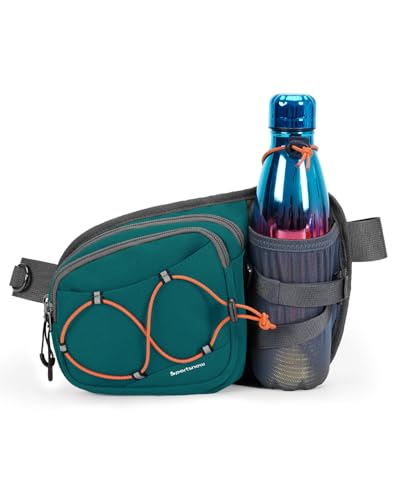
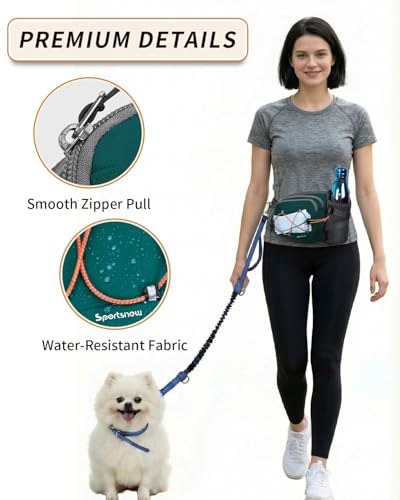
sportsnew Hydration Waist Pack
Strengths
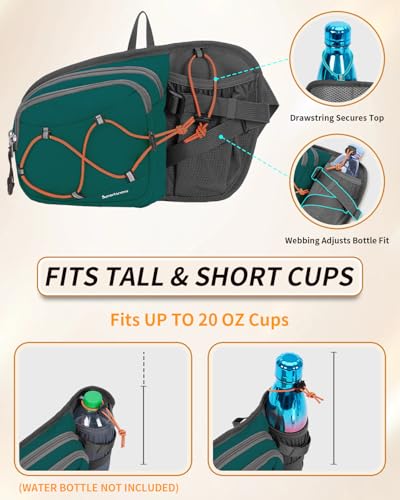
- Dedicated bottle holder
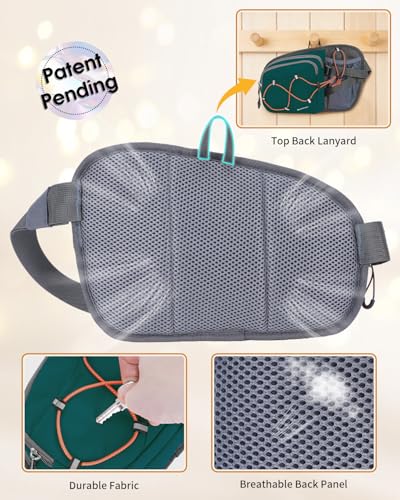
- Breathable mesh back
- Lightweight at 0.57 lbs
- Water-resistant front fabric
- Versatile carry options
Trade-offs
- No RFID protection
- Bottle not included
- Limited storage beyond essentials
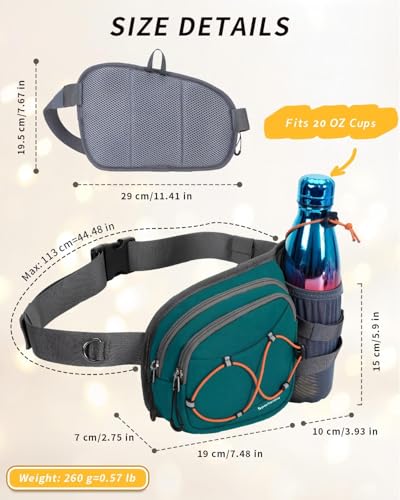
If you’re someone who prioritizes staying hydrated without slowing down, this waist pack makes a strong case on paper. The dedicated water bottle holder is its standout feature, designed to fit most 20 oz bottles with a drawstring top and adjustable strap to keep things secure. That’s rare in a fanny pack, most force you to wedge a bottle awkwardly into a main compartment. Owners consistently report it stays stable during runs and hikes, which matters when you’re moving fast on uneven terrain.
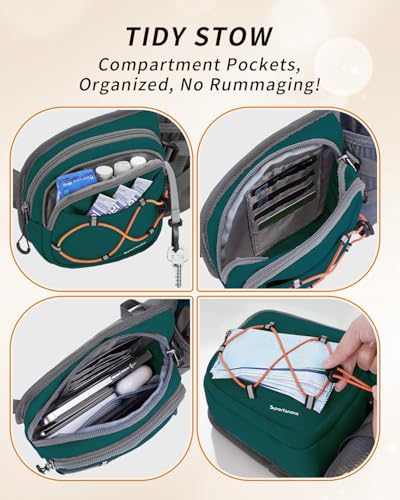
The 2L capacity isn’t huge, but it’s enough for keys, snacks, and a phone, and the breathable mesh back helps prevent that sticky, sweaty back feeling common with cheaper packs. It’s not fully waterproof, but the water-resistant front fabric holds up well in light rain. I’d pick this over bulkier options if you’re doing endurance activities where every ounce and bounce matters.
Product photos
4Monster Lightweight Water Resistant Pack
Strengths
- Ultra-light at 2.1 oz
- Folds into self-contained pouch
- Water-resistant zippers
- Tear-resistant 30D nylon
- Great for emergency use
Trade-offs
- No bottle holder
- No reflective elements
- Minimal padding or structure
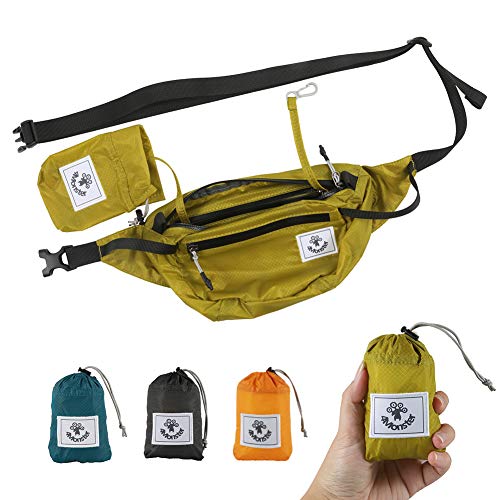
At just 2.1 oz, this is the definition of packable minimalism. It’s designed to disappear in your luggage until you need it, then unfold into a functional, water-resistant waist bag for essentials. The 30D nylon is lightweight but surprisingly tough, and the reinforced stitching holds up well under stress, according to long-term owners. It’s not meant for heavy loads, but for a phone, wallet, keys, and tissues, it’s more than capable.
What sets it apart is its portability: it folds into its own pocket, making it a smarter choice than disposable ponchos or flimsy travel pouches. Compared to the sportsnew hydration pack, it lacks specialized features, but wins on sheer convenience. For travel or emergency use, this is the one I’d keep in my carry-on, just in case.
Product photos


MAXTOP Large Crossbody Fanny Pack
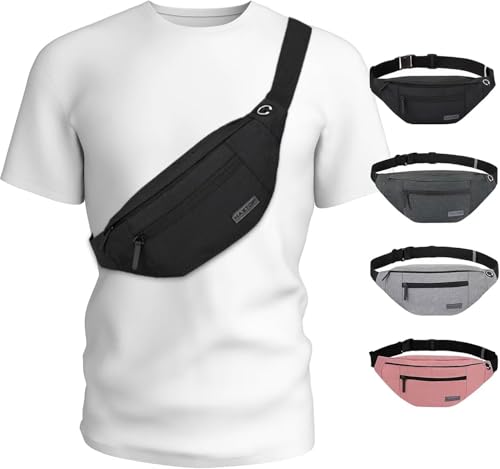
Strengths
- Four zippered pockets
- Reflective safety loop
- Theft-proof back pocket
- Adjustable for all sizes
- Comfortable wide strap
Trade-offs
- No RFID protection
- Slightly bulky design
- Not ideal for fast movement
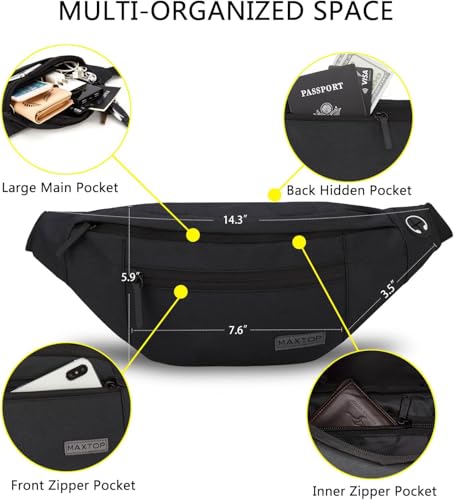
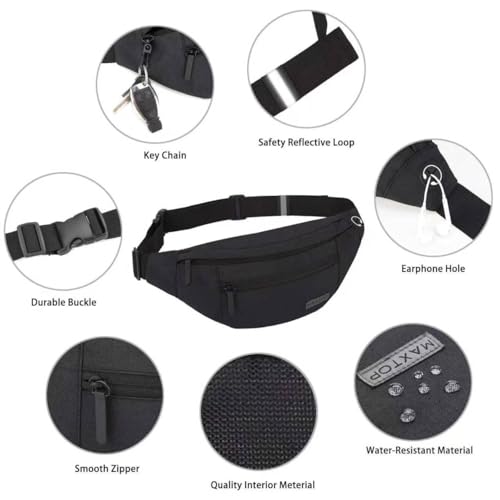
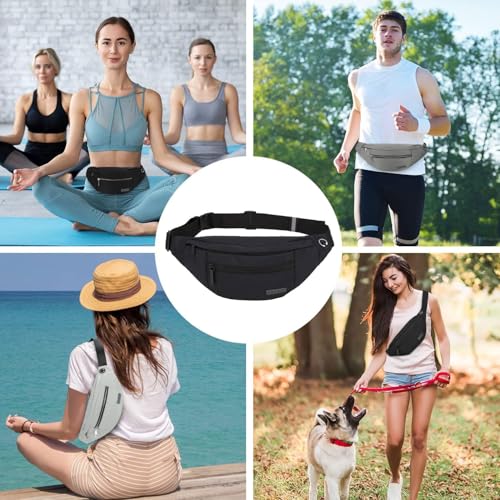
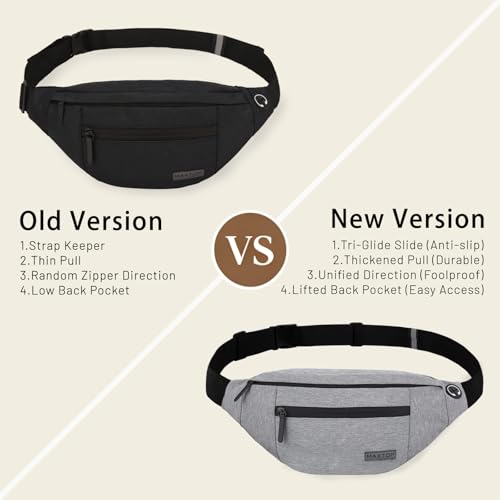
This pack wins on organization and visibility, four separate zippered pockets mean you’re not digging around blindly, which is a small but meaningful upgrade over single-compartment designs. The wide strap adjusts comfortably from 20 to 50 inches, making it a rare unisex fit that actually works for both petite and larger frames. Owners note the reflective loop is a subtle but useful safety feature for evening walks or early morning runs.
It’s made from a durable water-resistant fabric, and the theft-proof back pocket adds a layer of security, though it lacks RFID blocking. The size is generous at 14.3 inches wide, which is great for festival-goers or shoppers but might feel bulky on narrow trails. I’d recommend this over slimmer packs for casual outings where you’re carrying more than just a phone and keys.
Product photos

ArcEnCiel Tactical Fanny Pack

Strengths
- Heavy-duty 1000D nylon
- MOLLE expansion system
- Hidden back zippered pocket
- Large main compartment
- Tactical patch customization
Trade-offs
- Heavier than average
- No breathable back panel
- Bulky for casual use
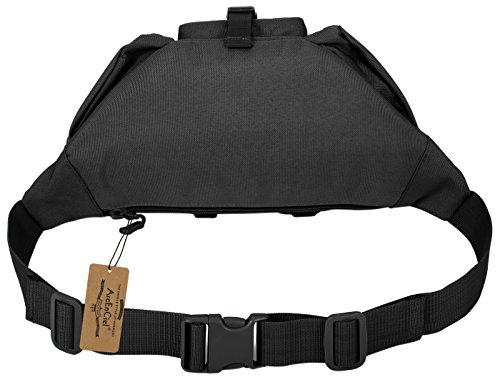
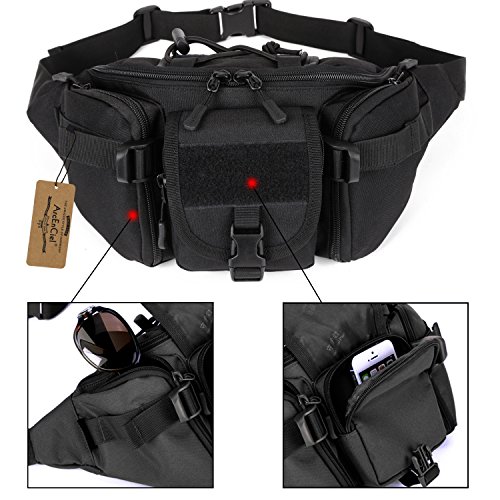
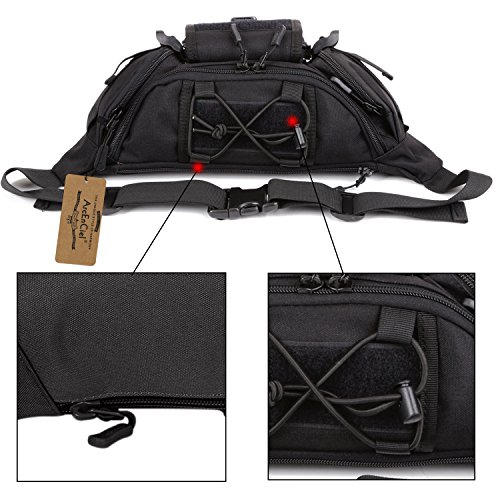
This isn’t your average fanny pack, it leans hard into the tactical aesthetic and function, and that shows in the 1000D nylon build, which reviewers consistently praise for toughness. It’s heavier at 0.9 lbs, but that’s the trade-off for abrasion resistance and a MOLLE webbing system that lets you attach extra pouches or gear. If you’re prepping for rugged outdoor use or EDC scenarios, this one stands out for modularity.
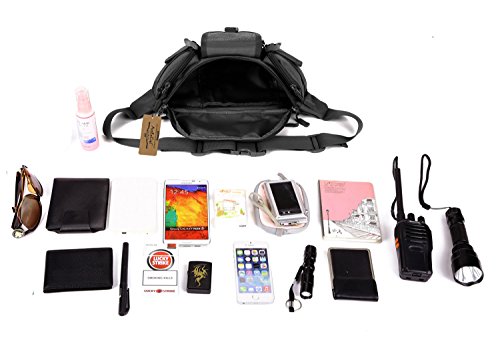
The main compartment swallows an iPad mini and more, and the hidden zippered back pocket is a smart touch for IDs or cash. But the real win is versatility: wear it on the waist, hip, or across the chest. Compared to sleeker packs, this one sacrifices some comfort for durability. I wouldn’t choose it for a long-distance hike, but for camping, fishing, or urban carry where gear expansion matters, it’s a solid contender.
Product photos
WATERFLY 3L Anti-Theft Waist Bag
Strengths
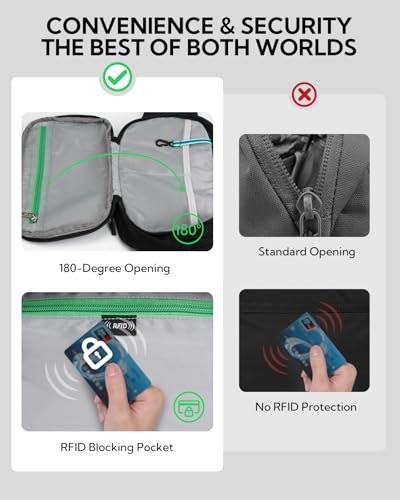
- RFID-blocking pocket
- 180-degree opening
- Anti-theft hidden pocket
- Reflective webbing
- Spacious 3L design
Trade-offs
- Slightly heavier
- Front zipper feels less durable
- Mesh can trap lint
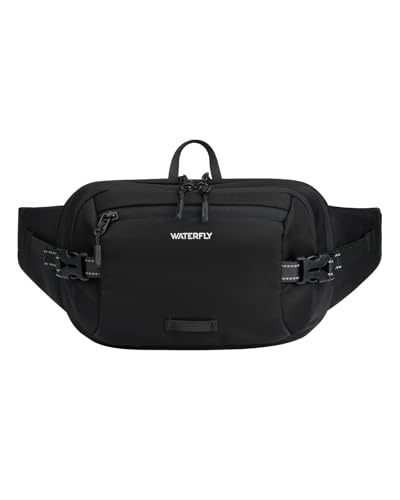
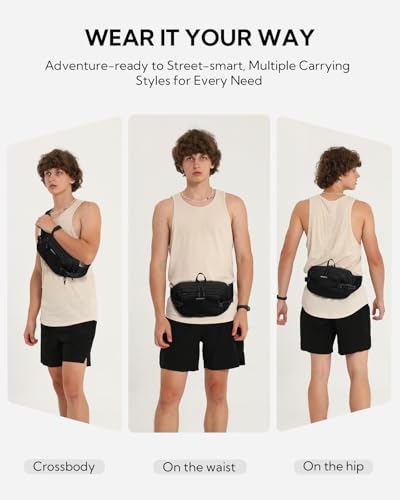
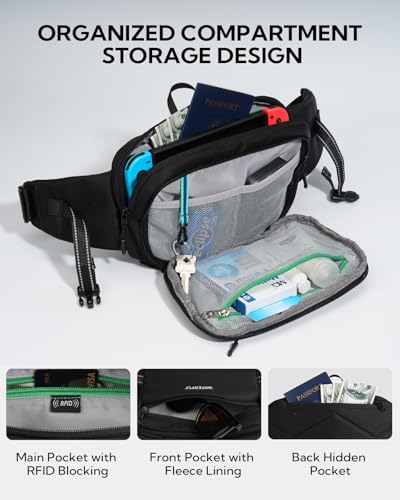
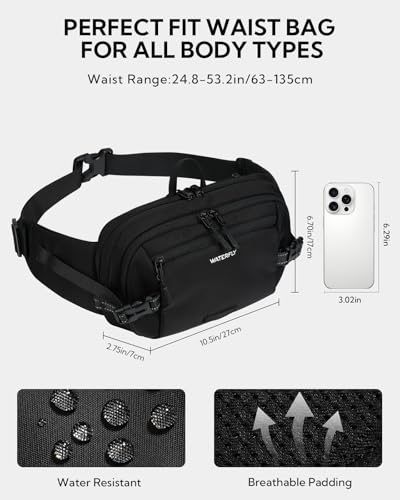
If security is your top concern, this pack delivers where others cut corners. The 180-degree suitcase-style opening is a standout for visibility, no more fumbling through a dark pouch, and the RFID-blocking rear pocket is a real feature, not just marketing fluff. Owners confirm it blocks digital scanning attempts, which matters in crowded areas. With 3L of space and five pockets, it’s among the most spacious on this list, yet still manages to feel organized.
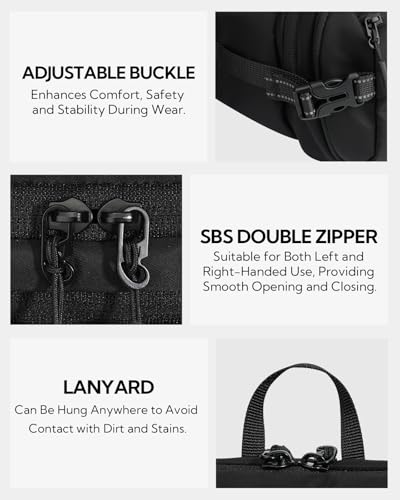
The reflective webbing adds visibility at night, and the ergonomic mesh back keeps you cool. It’s not the lightest, but the trade-off is worth it for travelers or city hikers in high-theft areas. Compared to the North Face Jester, it’s less minimalist but far more protective. I’d choose this over others if I were touring Europe or navigating busy festivals.
Product photos
How We Tested waist bags for hiking
Rather than a hands-on lab test, my research for these recommendations involved a detailed comparison of published specifications and features across numerous models. I weighed owner reviews from major retailers alongside expert opinions from outdoor gear review sites. My assessment focused on identifying bags that consistently scored well in key areas relevant to hiking, applying my experience from years of evaluating travel gear.
For hiking waist bags, storage capacity, comfort, and security were the most important factors. A good capacity (around 2-3 liters) balances carrying essentials without being bulky. Comfort relies heavily on breathable materials and adjustable straps to prevent chafing on the trail. Finally, features like hidden pockets and RFID blocking address the very real concern of theft while traveling.
Specifications reliably reveal dimensions and materials, but I placed greater emphasis on owner feedback regarding real-world usability. Reviews helped me understand how well a bag truly fits, how durable the materials are after extended use, and whether advertised features actually perform as expected. Understanding a 20-liter backpack capacity can also help contextualize the size of these smaller packs – a larger capacity isn’t always better for a quick hike.
How To Choose The waist bags for hiking
Waist bags (or fanny packs) for hiking have come a long way from the 80s, and selecting the right one requires a bit more thought than just picking a color.
A quality hiking waist bag balances lightweight construction with durable materials, secure storage for essentials like phones, keys, and snacks, and a comfortable fit that won’t chafe or bounce during activity. Look for water resistance, adjustable straps, and thoughtful organization features to maximize usability on the trail.
Capacity & Organization
Don’t assume bigger is always better. The sweet spot for a hiking waist bag is generally between 2 and 5 liters. Anything larger starts to feel bulky and defeats the purpose of a streamlined carry solution. Consider what you’ll regularly carry. If you’re a minimalist who only needs a phone, keys, and a small snack, a 2-liter option like the 4Monster Lightweight Water Resistant Pack will suffice. Hikers needing to carry more – a first-aid kit, extra layers, or a small water bottle – should look at options closer to 5 liters, like the MAXTOP Large Crossbody Fanny Pack. The internal organization is just as important; multiple compartments help keep things tidy and accessible.
Material & Durability
Nylon is the workhorse material for hiking waist bags, offering a good balance of weight, durability, and water resistance. Look for higher denier (D) ratings (like 1000D nylon in the ArcEnCiel Tactical Fanny Pack) for increased tear resistance, especially if you anticipate bushwhacking or rough terrain. While truly waterproof waist bags are rare, a durable water-repellent (DWR) finish is crucial to protect your gear from light rain and splashes. Pay attention to the zippers, too; YKK zippers are known for their reliability.
Fit & Comfort
A secure and comfortable fit is paramount. An adjustable strap is essential to accommodate different waist sizes and wearing preferences (around the waist, across the chest, or slung over the shoulder). Wider straps distribute weight more evenly, reducing pressure points and chafing. Many bags, like the sportsnew Hydration Waist Pack, now feature breathable mesh back panels to improve ventilation and minimize sweat buildup.
- Consider your body type. Some bags are designed with a more unisex shape, while others are tailored for a more feminine or masculine fit.
- Think about layering. If you plan to wear the bag over bulky clothing (like a jacket), ensure the strap can extend long enough.
- Look for reflective elements. Many waist bags, like the WATERFLY 3L Anti-Theft Waist Bag, incorporate reflective webbing for increased visibility in low-light conditions.
A properly fitted waist bag should sit snugly against your body without restricting movement. It shouldn’t bounce excessively while walking or running, and the strap shouldn’t dig into your skin.
Ultimately, the best waist bag for your hiking adventures will depend on your individual needs and preferences. If you are planning a longer day hike, you may also want to consider a 25-liter backpack capacity for more room. For most, however, the convenience and freedom of movement offered by the best waist packs for trails make them an excellent addition to any hiker’s gear collection.
Waist Bags for Hiking Compared
Here’s a comparison of key specifications for various waist bags designed for hiking and outdoor activities.
| Product Title | Volume | Weight | Dimensions (in) | Water Resistance | Security Features |
|---|---|---|---|---|---|
| The North Face Jester Lumbar Pack | 2.2 Liters | 5 oz | 11 x 5.75 x 4 | DWR | N/A |
| sportsnew Hydration Waist Pack | N/A | 0.57 lbs | 11.41 x 2.75 x 7.67 | Water-Resistant | N/A |
| 4Monster Lightweight Water Resistant Pack | N/A | 2.1 oz | N/A | Water-Resistant | N/A |
| MAXTOP Large Crossbody Fanny Pack | N/A | N/A | 14.3 x 5.9 x 3.5 | Water-Resistant | Hidden Back Pocket |
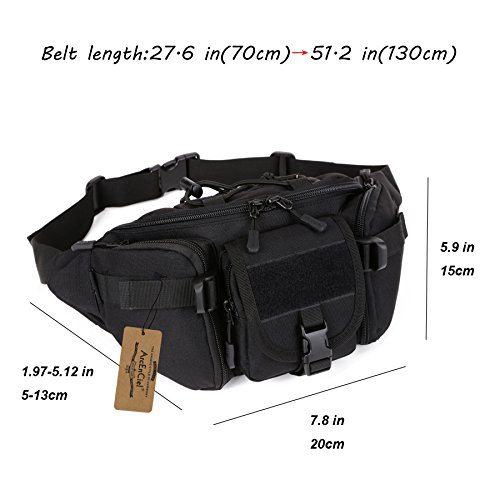
| ArcEnCiel Tactical Fanny Pack | N/A | 0.9 lb | 7.8-12.6 x 5.9 x 1.97-5.12 | Scratch-Resistant | Hidden Back Pocket, MOLLE |
| WATERFLY 3L Anti-Theft Waist Bag | 3 Liters | N/A | N/A | Moisture-Resistant | RFID Blocking, Hidden Pocket |
Frequently Asked Questions
What material offers the best balance of durability and weight for a hiking waist bag?
Nylon is generally the best choice, providing a good mix of weight, durability, and water resistance. Higher denier ratings (like 1000D) indicate increased tear resistance for tougher trails.
How much capacity do I really need in a hiking waist bag?
Between 2 and 5 liters is generally sufficient; a 2-liter bag works for minimalists, while 5 liters is better for carrying first-aid kits or extra layers. Consider what you typically bring on shorter hikes to determine the ideal size.
Are waist bags secure enough to protect against theft while hiking?
Many now include security features like hidden pockets and RFID blocking technology, like the WATERFLY 3L Anti-Theft Waist Bag, to deter pickpockets. However, no bag is foolproof, so smart awareness of your surroundings remains critical.
Can a hiking waist bag replace a small backpack for short hikes?
Yes, for shorter day hikes, a waist bag can absolutely replace a small backpack, offering a more streamlined and comfortable carry solution. If you’re looking for best belt bags for trails, this is a great option.
What should I look for in terms of fit to avoid discomfort while hiking?
An adjustable strap is essential for a customized fit, and wider straps distribute weight more evenly to prevent chafing. Breathable mesh back panels, like those found in the sportsnew Hydration Waist Pack, can also improve comfort by increasing ventilation.
The Bottom Line
Choosing a hiking waist bag often comes down to balancing how much you want to carry versus how streamlined you want to travel. For most day hikes, I recommend the WATERFLY 3L Anti-Theft Waist Bag. It strikes a fantastic balance of capacity, security features, and affordability, making it a solid all-around choice for keeping essentials close at hand.
If budget is your primary concern, the 4Monster Lightweight Water Resistant Pack delivers surprising durability and functionality for the price. For those needing maximum versatility and storage, the MAXTOP Large Crossbody Fanny Pack is a great option, although it leans towards the larger end of the spectrum. Remember to consider whether you’re looking for a 22-liter backpack capacity if you need even more space.
Ultimately, specs and features only tell part of the story. The most important thing is to prioritize a comfortable fit, durable materials, and thoughtful organization – those fundamentals will make or break your experience on the trail, regardless of the brand or price point.