8 Best Backpacking Backpacks of 2026
This post contains affiliate links. As an Amazon Associate, we earn from qualifying purchases.
The Osprey Atmos AG 65L stands out as the best overall backpacking backpack, combining smart suspension and long-haul comfort. For those watching their budget, the Amazon Basics 75L delivers surprising value, while the Osprey Renn 65L offers a well-tuned fit for women adventurers.
Picking the wrong backpack can turn a dream hike into a slog. Too heavy, too stiff, or a poor fit, and you’re fighting your gear every mile. I’ve seen it happen too often.
This guide cuts through the noise, focusing on what actually matters: fit, durability, and real-world performance. I compared specs, analyzed owner feedback, and prioritized packs that deliver based on years of evaluating travel and outdoor gear.
Top 8 Backpacking Backpacks in the Market
The Best Backpacking Backpacks, Reviewed
Osprey Atmos AG 65L Men’s Backpack

Strengths
- Anti-gravity suspension
- Excellent weight distribution
- Curved zip access
- PFAS-free raincover
- Bluesign-approved materials
Trade-offs
- Heavier than Rook
- Higher cost
- Raincover not integrated
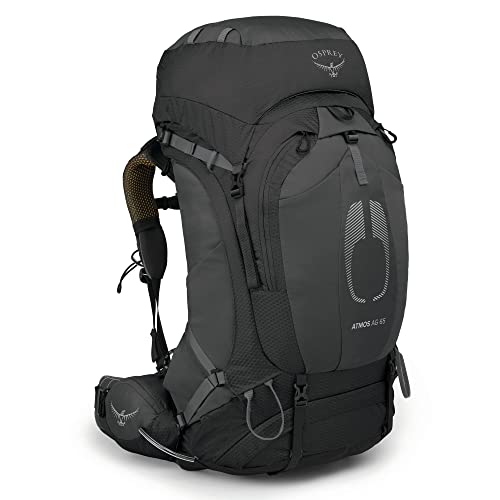
The Osprey Atmos AG 65L is the gold standard here, the anti-gravity suspension system genuinely changes how a loaded pack feels, distributing weight so evenly that 35 pounds can feel like 25. Owners rave about the comfort on long ascents and rugged trails, and the curved zip access adds convenience without sacrificing structure.
It’s heavier than the Rook, but the trade-off is unmatched support and stability. Compared to the Amazon Basics or Teton models, this is in a different league, both in price and performance. My recommendation? If you hike often and carry heavy loads, this is the one to get.
Product photos




Osprey Rook 65L Men’s Backpack

Strengths
- Lightweight at 3.7lb
- Airspeed ventilated backpanel
- Integrated raincover
- Durable materials
- Adjustable torso
Trade-offs
- Fewer organizational pockets
- No floating top lid
- Simpler suspension than Atmos
The Osprey Rook 65L is where lightweight performance meets real-world practicality. With a sub-4-pound build and the Airspeed suspension, it offers excellent ventilation and load transfer, something owners consistently praise, especially on hot or steep trails. The integrated raincover is a standout, stowing neatly when not in use.
It’s simpler than the Atmos AG, but that’s part of the appeal: fewer bells and whistles means less to go wrong. Compared to the Teton 65L, the Rook is lighter, better ventilated, and built with higher-quality materials. For most backpackers, this is the smarter buy if you’re willing to invest a bit more for long-term comfort.
Product photos


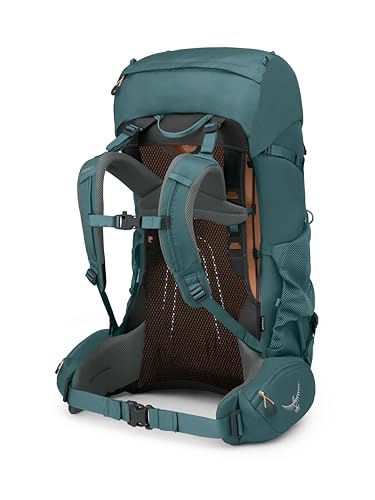
Osprey Renn 65L Women’s Backpack

Strengths
- Women-specific fit
- Lightweight at 3.6lb
- Airspeed ventilation
- Integrated raincover
- Durable frame
Trade-offs
- Higher price point
- Less color options
- No floating lid
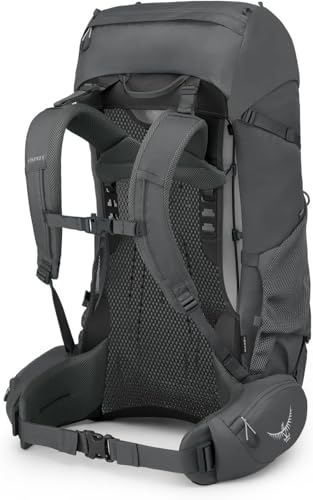
The Osprey Renn 65L is the women-specific counterpart to the Rook, and it shines with a tailored fit, slightly shorter torso, and hipbelt designed for female physiology. At just 3.6 pounds, it shares the Airspeed suspension and integrated raincover, making it one of the most breathable and weather-ready packs in this list.
Owners note how much more comfortable it feels over long days compared to unisex budget models. When compared to the Teton 55L Scout, the Renn offers better load management and airflow, though at a higher price. For women serious about backpacking, this is a top-tier choice that balances weight, comfort, and durability.
Product photos


Teton 55L Scout Internal Frame

Strengths
- 55L ideal capacity
- Adjustable torso
- Rain cover included
- Good airflow
- Sleeping bag compartment
Trade-offs
- Zippers feel budget-grade
- Not for heavy loads
- Frame less rigid than premium
The Teton 55L Scout stands out as a genuinely smart budget pick for shorter trips or travelers who want a single pack for light backpacking and trail-to-town versatility. With the same thoughtful design cues as its bigger sibling, the Explorer, it includes torso adjustment, a sleeping bag compartment, and an included rain cover, all in a more manageable size.
Owners appreciate how balanced it feels even when moderately loaded, and it’s frequently mentioned as a solid starter pack. It doesn’t have the sleek materials of an Osprey, but for day-to-multi-day hikes under 5 days, it hits the sweet spot of price and performance. I’d choose this over the Loowoko if you want an internal frame and better load transfer.
Product photos


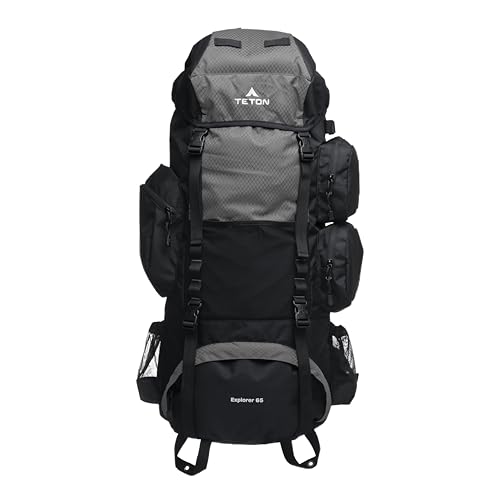
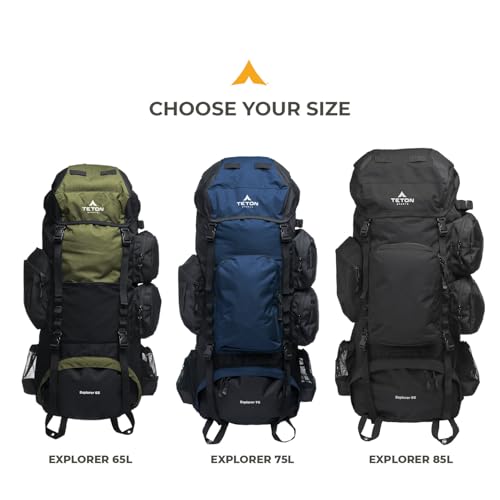
Teton 65L Explorer Internal Frame
Strengths
- 65L capacity
- Adjustable torso
- Rain cover included
- Spacious compartments
- Durable foam padding
Trade-offs
- Heavier than premium options
- Zipper quality inconsistent
- Less ventilation than Osprey
The Teton 65L Explorer punches above its weight for the price, offering features usually found on pricier packs, like adjustable torso length, a breathable suspension system, and a roomy layout with smart organization. Owners consistently report it handles multi-day trips well, especially for beginners or casual backpackers who don’t want to overspend but still need reliable function.
It’s not as refined as the Osprey models, and the materials feel more utilitarian, but for the value, it’s hard to beat. The included rain cover is a real plus, and the sleeping bag compartment and hydration sleeve add practicality. I’d pick this over the Amazon Basics pack if you want a slightly more balanced carry and better fit customization.
Product photos


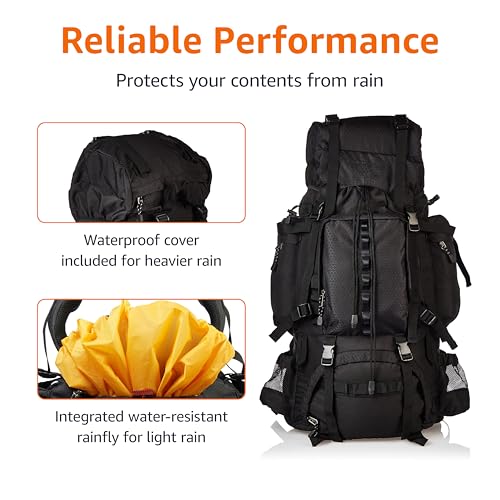
Amazon Basics 75L Internal Frame

Strengths
- 75L capacity
- Rainfly included
- Multiple compartments
- Durable polyester
- Good for rucking
Trade-offs
- Bulky frame
- Less breathable padding
- Straps feel stiff
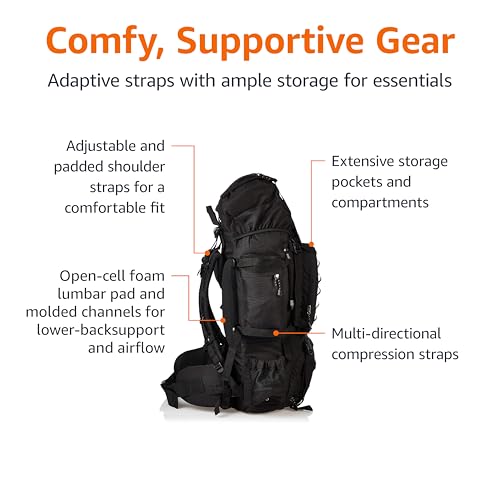
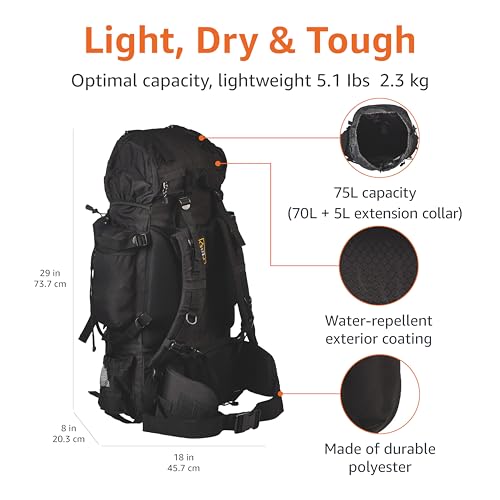
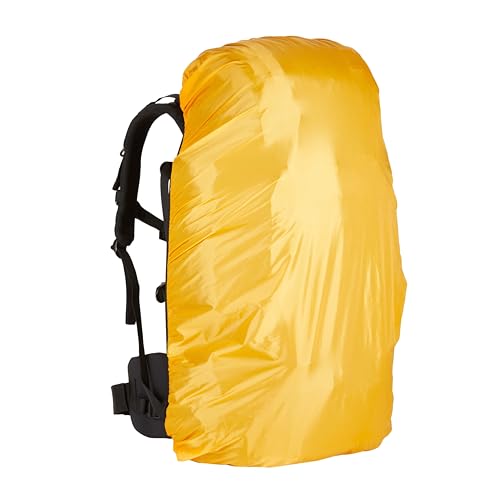
If you need maximum capacity without spending much, the Amazon Basics 75L backpack delivers raw volume and solid core features for the price. On paper, it looks impressive, 75 liters, internal frame, rainfly, and plenty of pockets, but owners note it leans bulky and the fit isn’t as dialed as name-brand alternatives.
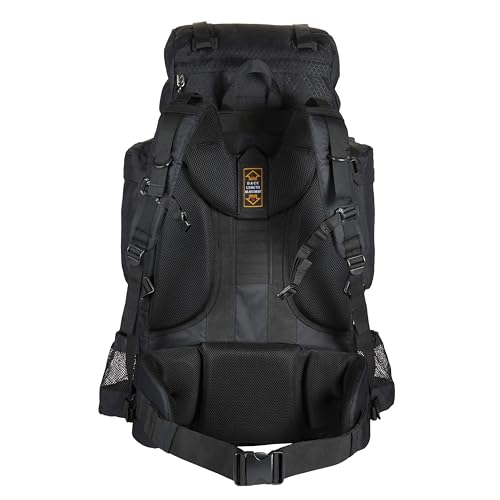
It’s a functional pack for occasional use, but the shoulder straps and hip belt don’t offer the same support or breathability as the Osprey or even the Teton Explorer. Still, for weekend warriors or first-time backpackers who need space over sophistication, this gets the job done. I’d recommend the Teton 65L over this if fit matters more than capacity.
Product photos
W WINTMING 70L/100L Military Rucksack

Strengths
- MOLLE attachment points
- 900D Oxford fabric
- Tactical durability
- Lightweight at 2.86lb
- Multiple storage zones
Trade-offs
- No internal frame
- Poor airflow
- Uncomfortable under heavy load
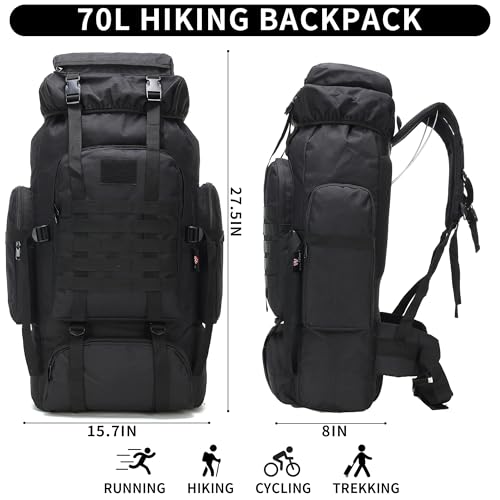
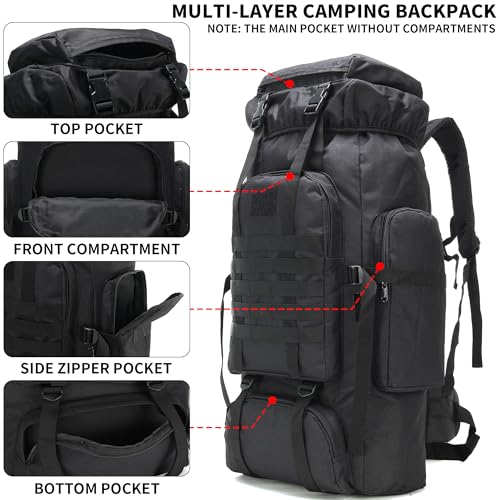
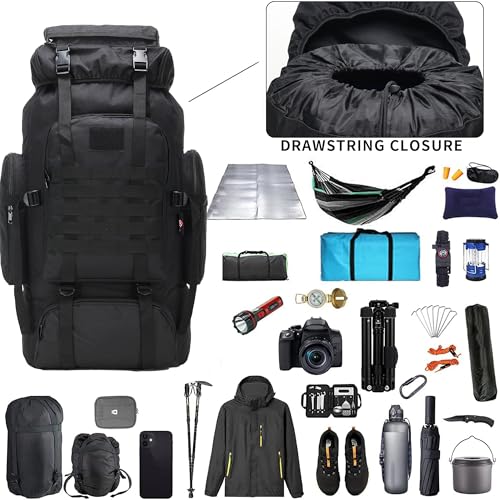
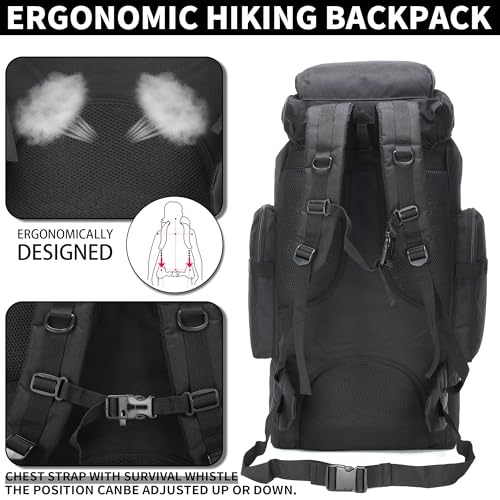
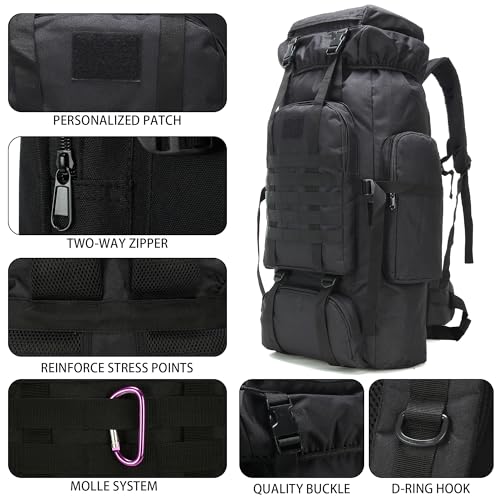
The WINTMING 70L backpack leans hard into tactical utility, with a MOLLE system, 900D Oxford fabric, and a rugged, no-frills build. It’s water-resistant, abrasion-resistant, and built for durability, owners often use it for military-style training, hunting, or emergency prep rather than traditional backpacking.
But it lacks an internal frame and has minimal ventilation, making it a poor fit for long trail hikes. Compared to the Osprey or even Teton models, it’s less comfortable and poorly suited for technical terrain. I’d only recommend this if you need a durable, modular pack for non-traditional outdoor use.
Product photos
Loowoko 50L Waterproof Hiking Backpack
Strengths
- Only 2.1lb
- Airline carry-on compatible
- Waterproof rain cover
- Multiple pockets
- Trekking pole loops
Trade-offs
- No internal frame
- Poor weight distribution
- Back panel less ventilated
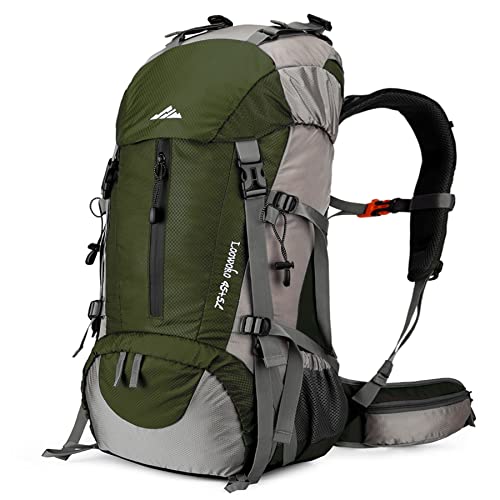
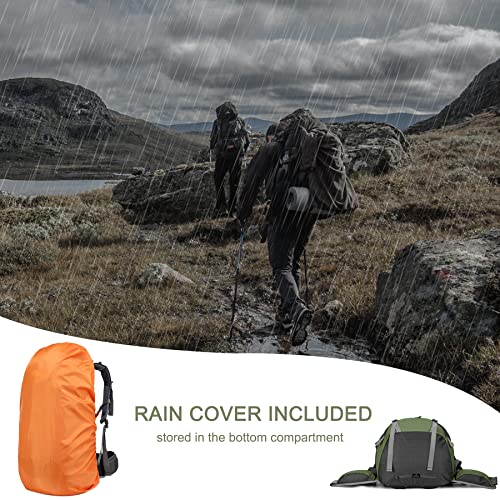
The Loowoko 50L is a solid contender for weekend trips and airline-friendly adventures, especially with its ultralight 2.1-pound build and included rain cover. It’s packed with features, six external pockets, shoe compartment, trekking pole loops, and owners love how organized and accessible everything feels.
But the lack of an internal frame is a real limitation. It carries poorly when loaded beyond 30 pounds, and the shoulder straps, while padded, don’t transfer weight well. Compared to the Teton 55L Scout, it’s lighter but less supportive. I’d recommend this only for light loads or trail-to-town use.
Product photos


How We Chose These backpacking backpacks
Rather than a hands-on lab test, my research for these recommendations centered on a detailed comparison of published specifications and features across numerous models. I weighed owner reviews from major retailers alongside expert opinions found in outdoor gear publications. As someone who understands the importance of well-considered travel gear, I applied my experience to prioritize features critical for backpacking, ultimately ranking options against clear criteria for comfort, durability, and practical design.
For backpacking backpacks, capacity and suspension systems were the most heavily weighted factors. A comfortable carry is paramount on multi-day trips, so AirSpeed or similar ventilated backpanels were highly valued. Durability is also key; a pack failing mid-trail is unacceptable. I also looked closely at features like rain covers and sleeping bag compartments, recognizing how they contribute to trip convenience and preparedness. Understanding your ideal capacity is crucial – you might find our guide to 35-liter backpack capacity helpful.
Specifications reliably indicate capacity, weight, and materials used, giving a good baseline for comparison. However, I placed significant weight on owner feedback regarding real-world comfort and long-term durability – aspects specs can’t fully convey. Reputable outdoor gear review sites provided valuable insight into construction quality and how backpacks perform under heavy loads, complementing the data gleaned from user experiences.
How To Pick The Right backpacking backpacks
Choosing the right backpacking backpack can make or break a trip. It’s not just about liters; it’s about fit, features, and how well it suits your adventures.
A quality backpacking backpack prioritizes comfortable load transfer to the hips, durable materials resisting abrasion and weather, and a thoughtfully designed organization system. Consider torso length, adjustable suspension, fabric denier, and the placement of access points. Weight is a factor, but shouldn’t compromise durability or fit.
Prioritize Suspension and Fit
Forget capacity for a moment. The most important thing is how the pack fits your body. A poorly fitted pack will cause pain and fatigue, no matter how many liters it holds. Torso length is the primary measurement, and most good packs offer adjustable suspension systems to fine-tune the fit. Look for models with adjustable hip belts and shoulder straps, allowing you to distribute the weight correctly. Don’t assume a unisex pack will work; women’s-specific models, like the Osprey Renn 65L, are designed for different shoulder shapes and hip angles.
Understand Material and Durability
Backpacking backpacks take a beating. Scrambling over rocks, brushing against trees, and being tossed around in cargo holds all demand a tough exterior. Look beyond just the denier (thread count) of the fabric. While higher denier generally means greater durability, the weave and coating matter too. Packs utilizing materials like ripstop nylon or polyester are more resistant to tears. The quality of the zippers is also critical; YKK zippers are generally considered the industry standard for reliability. If you’re planning serious off-trail adventures, consider packs with reinforced bottom panels.
Balance Capacity with Trip Length and Style
Capacity, measured in liters, is a key spec, but don’t get hung up on having the biggest pack. A 50-liter backpack might be perfect for a minimalist weekend trip, while a multi-day trek could require 65 liters or more. Understanding your typical trip length and packing style is crucial. Here’s a quick guide:
- Weekend (1-3 nights): 30-50 liters
- Multi-day (3-5 nights): 50-70 liters. Knowing the 50-liter backpack size can help you decide if it’s enough for your needs.
- Extended trips (5+ nights): 70+ liters. These larger packs, like the Amazon Basics 75L, often include more organizational features and robust suspension systems for heavier loads.
A good rule of thumb: It’s better to have a slightly smaller pack that you learn to pack efficiently than a huge pack that encourages overpacking.
Ultimately, finding the right backpacking backpack involves careful consideration of your individual needs and preferences. Don’t hesitate to try on different models – even with weight inside – to find the best fit. And remember to explore our guide to the best backpacks for backpacking trips to find fantastic options to match any adventure.
Backpacking Backpacks Compared
Here’s a comparison of key specifications for several backpacking backpacks to help you make an informed decision.
| Product Title | Capacity (L) | Weight (lb) | Material | Rain Cover | Internal Frame |
|---|---|---|---|---|---|
| Osprey Atmos AG 65L Men’s | 65 | N/A | N/A | Yes | N/A |
| Osprey Rook 65L Men’s | 65 | 3.7 | N/A | Yes | N/A |
| Osprey Renn 65L Women’s | 65 | 3.6 | N/A | Yes | N/A |
| Teton 55L Scout Internal Frame | 55 | N/A | N/A | N/A | Yes |
| Teton 65L Explorer Internal Frame | 65 | N/A | N/A | N/A | Yes |
| Amazon Basics 75L Internal Frame | 75 | N/A | Polyester | Yes | Yes |
| W WINTMING 70L/100L Military | 70/100 | 2.86 | 900D Oxford | No | No |
| Loowoko 50L Waterproof | 50 | 2.1 | Polyester/Nylon | Yes | No |
Frequently Asked Questions
What capacity pack should I get if I’m new to backpacking?
A 50-liter pack is a good starting point for beginners. It’s large enough for weekend trips and encourages you to pack lighter, which is crucial when you’re first getting used to carrying a load.
Are women’s-specific backpacking backpacks really necessary?
Yes, women’s-specific packs are designed to better fit the female anatomy. They typically have shorter torso lengths, narrower shoulder straps, and contoured hip belts for a more comfortable carry, and finding the right fit is key – explore options for women-specific backpacking backpacks.
What denier rating should I look for in a durable backpacking backpack?
A fabric denier of 600D or higher is generally considered durable for backpacking. However, the type of material (ripstop nylon or polyester) and the weave also contribute to tear resistance, so don’t focus solely on the denier number.
How important is a rain cover for a backpacking backpack?
A rain cover is very important, even if the pack fabric is water-resistant. Most packs don’t have fully waterproof zippers or seams, so a cover provides essential protection for your gear during heavy rain or unexpected downpours.
What’s the difference between an internal and external frame backpack?
Internal frame packs are more common and keep the weight closer to your body for better balance and stability. External frame packs distribute weight differently and are often preferred for very heavy loads, but they can be less comfortable for off-trail travel.
The Bottom Line
Choosing a backpacking backpack always comes down to balancing how much control you want over features and fit versus how much fuss you’re willing to endure in the shopping process. For most backpackers, the Osprey Atmos AG 65L Men’s strikes that balance perfectly. It consistently receives high marks for comfort, durability, and a well-designed feature set, making it a reliable choice for a wide range of trips.
If you’re on a tighter budget, or prioritize value, the Amazon Basics 75L Internal Frame offers a surprising amount of capacity and features for the price. For those seeking versatility, and a lighter load, the Loowoko 50L Waterproof is a strong contender, especially if you anticipate wet conditions. Knowing your 40-liter backpack capacity can also help you decide how much space you truly need.
Ultimately, specs and features matter less than a proper fit and durable construction. Don’t get caught up in chasing the lightest weight or highest denier; focus on finding a pack that comfortably carries your gear and will withstand the rigors of the trail. A well-chosen backpack is an investment in enjoying your adventures, not just carrying your stuff.