8 Best Transition Bags of 2026
This post contains affiliate links. As an Amazon Associate, we earn from qualifying purchases.
The ORCA Triathlon Transition Bag stands out as the best overall choice thanks to its smart design and reliable waterproof compartments. For those on a tighter budget, the PUMA Transit Tote offers solid value without sacrificing essentials like a laptop sleeve and luggage pass-through. If you need maximum space, the Synergy Triathlon Transition Bag delivers with its 56L capacity and waist support for heavy loads.
Triathletes know the stress of a cluttered transition zone – gear scattered, shoes soaked, helmet bouncing around. A poorly designed bag can turn race day into chaos before it even begins. I’ve seen too many travelers waste money on bags that fall apart or fail to keep gear organized and protected.
This guide cuts through the noise by focusing on what actually matters: real-world usability backed by specs and owner experiences. I looked at capacity, compartment layout, durability, and portability across top models, weighing how well each supports smooth transitions and hassle-free travel.
Top 8 Transition Bags in the Market
The Best Transition Bags, Reviewed
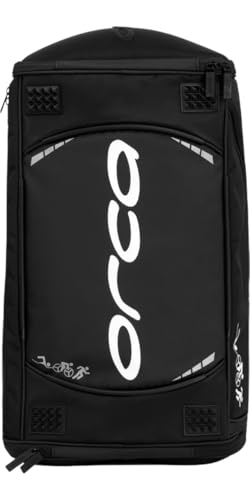
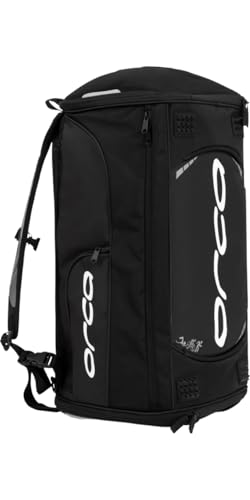
ORCA Triathlon Transition Bag
Strengths
- Hard helmet compartment
- Waterproof wetsuit section
- Ventilated shoe pocket
- Smart 40L layout
Trade-offs
- Heavier than basic packs
- Pricier than entry models
- Bulkier when full
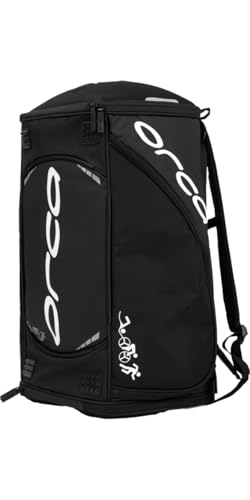
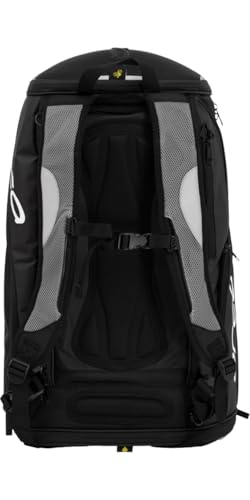
This is the full-package triathlon bag, and it shows. The rigid helmet compartment is a standout feature that owners praise for preventing dents and scratches, something cheaper bags never get right. Combine that with the 40L smart storage, isolated wet-dry zones, and a ventilated shoe pocket, and you’ve got a bag that anticipates real race-day chaos. The convertible straps also make transitions smoother, letting you switch from backpack to crossbody when juggling gear in crowded areas.
It’s not the lightest, but it’s one of the most thoughtfully laid out. Compared to others in this list, it strikes the best balance between protection, access, and comfort.
Product photos
SLS3 Triathlon Backpack
Strengths
- Excellent wet-dry separation
- Grab-and-go top pocket
- Heavy-duty construction
Trade-offs
- No hard helmet case
- Straps lack lumbar support
- Front pocket could be larger
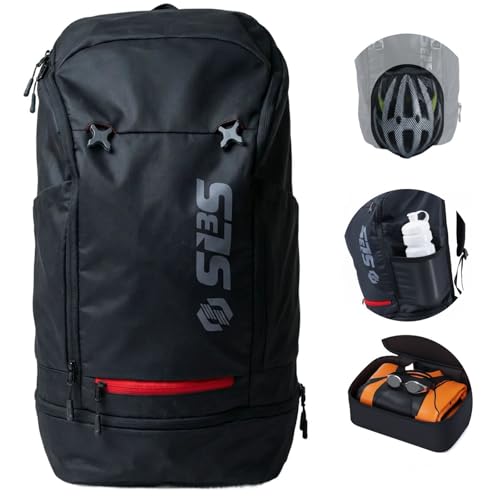
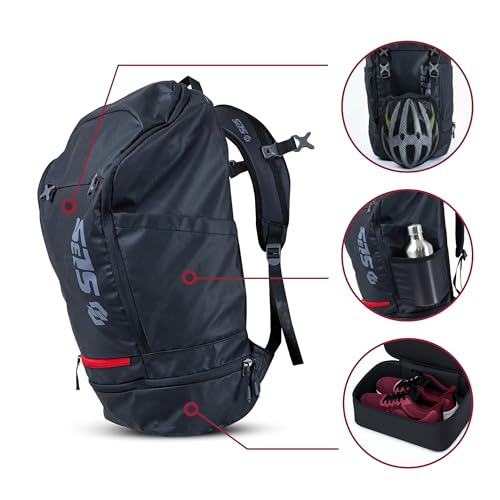
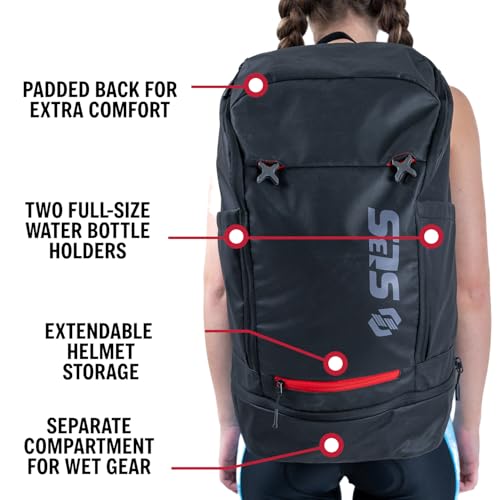
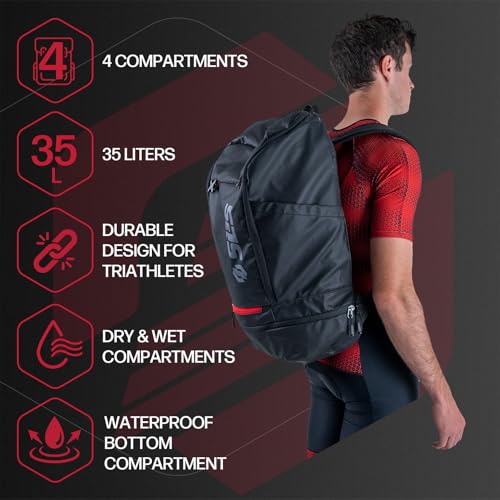
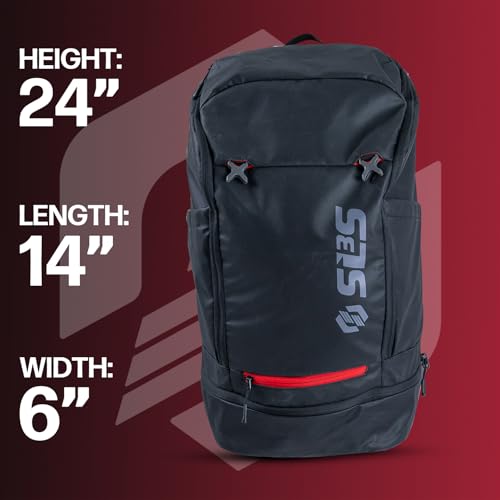
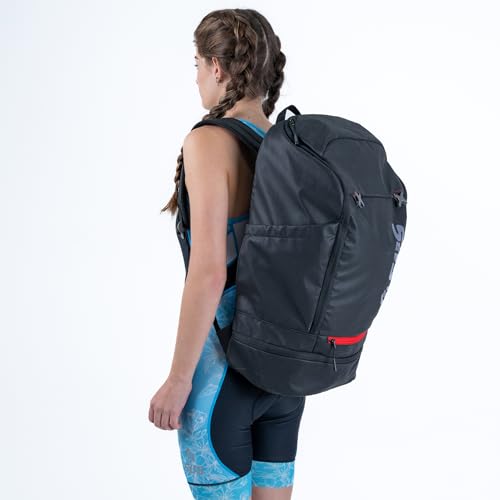
This is the best budget pick that doesn’t feel cheap. The waterproof bottom compartment actually works, owners report no leaks even with dripping wetsuits, and the grab-and-go top pocket is perfectly placed for race belts and gels. Reinforced stitching and durable zippers suggest it’s built to last, and at this price, that’s rare.
It doesn’t have a rigid helmet case like the ORCA, but for most triathletes, the soft helmet pocket is enough. When you compare value, durability, and function, this is the smarter buy over pricier names that don’t offer much more.
Product photos
Zoot Ultra Tri Bag

Strengths
- Carry-on compliant
- Removable wet compartment
- Helmet and shoe pockets
Trade-offs
- Less padding than rivals
- Zippers feel mid-tier
- Not ideal for cold-weather gear
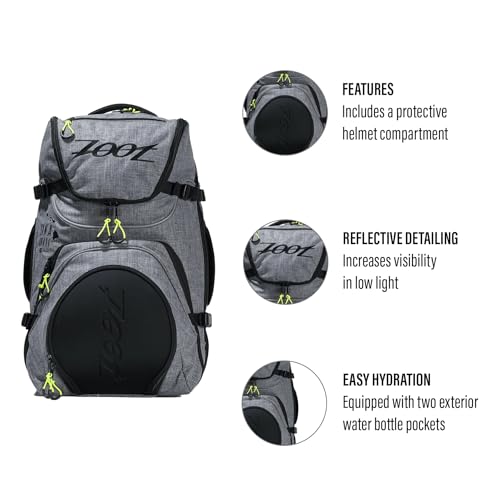
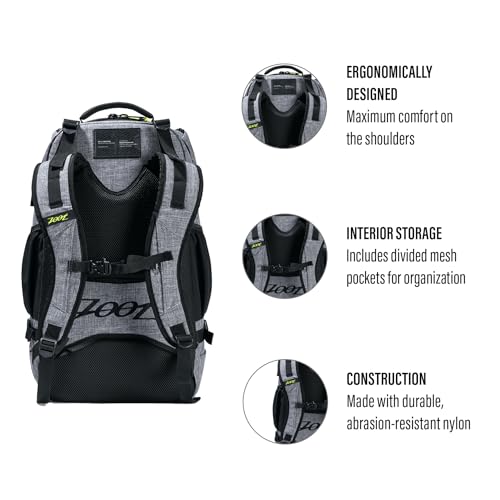
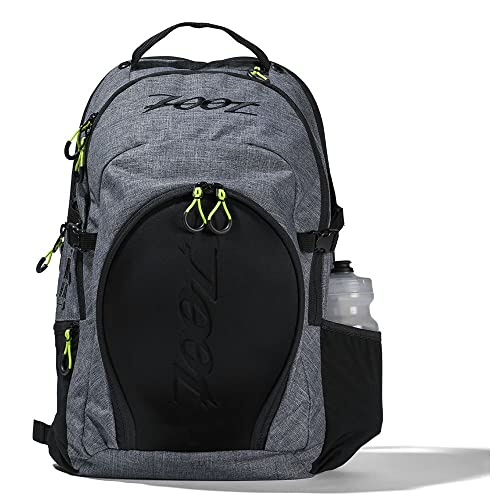
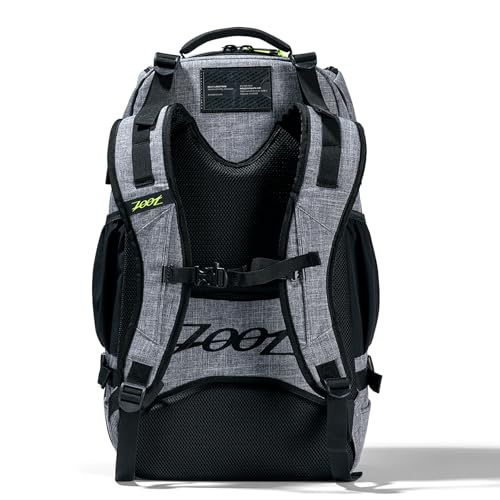
Zoot nailed the carry-on balance, spacious enough for race gear, compact enough to avoid baggage fees. The removable waterproof wetsuit compartment is a highlight, and owners confirm it keeps odors and moisture from spreading. Separate helmet and shoe zones add to its race-day practicality, while the breathable back panel keeps you comfortable during long walks through transition zones.
It’s not the most rugged or the largest, but for travelers who want one bag that works from airport to finish line, it’s hard to beat. Lighter than the ORCA and more travel-smart than the Synergy, it’s a smart middle ground.
Product photos
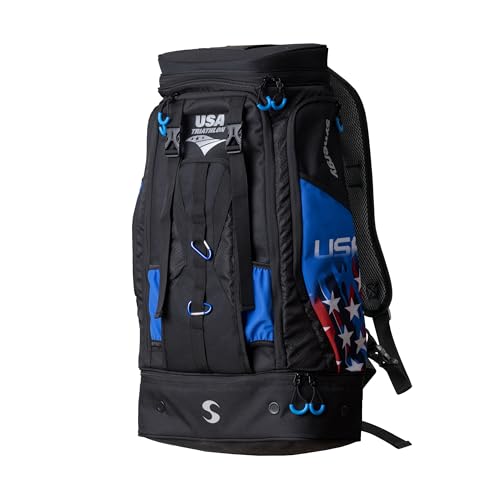
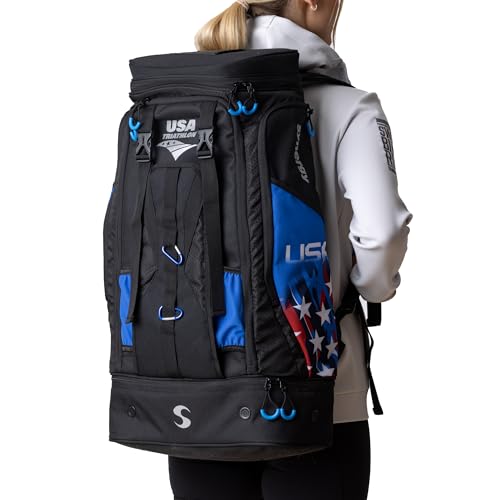
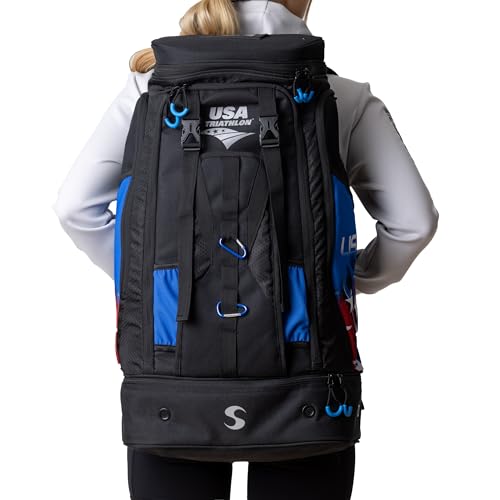
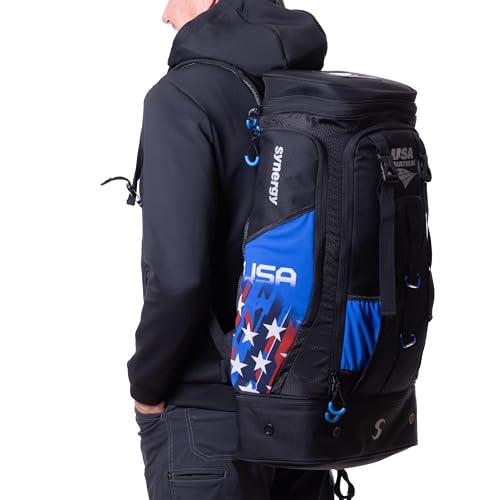
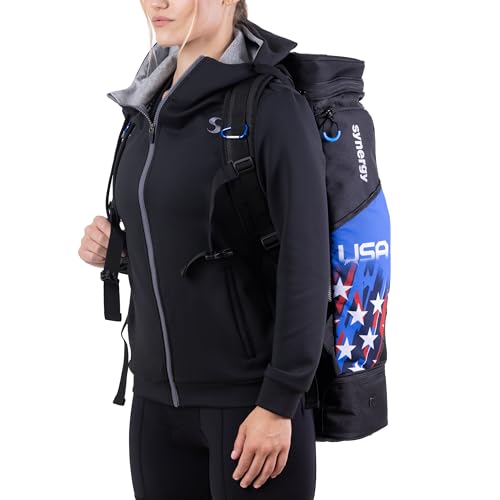
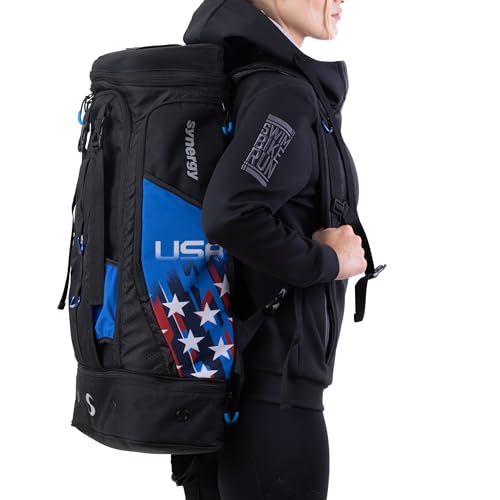
Synergy Triathlon Transition Bag
Strengths
- Massive 56L capacity
- Waist belt for support
- Wet-dry compartments
Trade-offs
- Too large for carry-on
- Bulky and awkward
- Overbuilt for most races
At 56L, this is the largest capacity bag on the list, a true gear hauler. The 58-inch height means it can swallow everything from oversize helmets to bulky winter training layers, which owners appreciate when packing for multi-day events or traveling to colder climates. The waist belt and back padding help manage the load, though it still feels top-heavy when fully stuffed.
But size comes at a cost. It’s too big for carry-on limits and overkill for sprint races. If you’re doing Ironman-distance events or need space for extra equipment, it makes sense. Otherwise, it’s just cumbersome.
Product photos
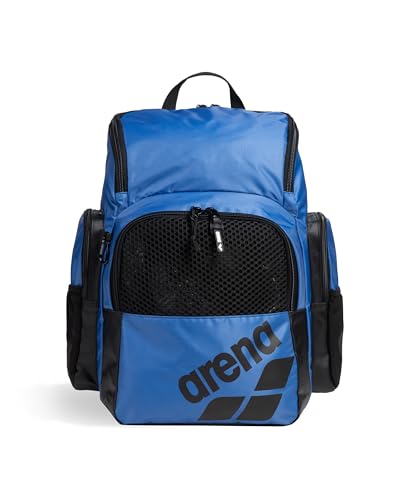
ARENA One Go Backpack
Strengths
- Aquabreathe moisture control
- Top-loading main compartment
- Laptop sleeve included
Trade-offs
- No helmet storage
- No shoe ventilation
- Too small for full tri gear
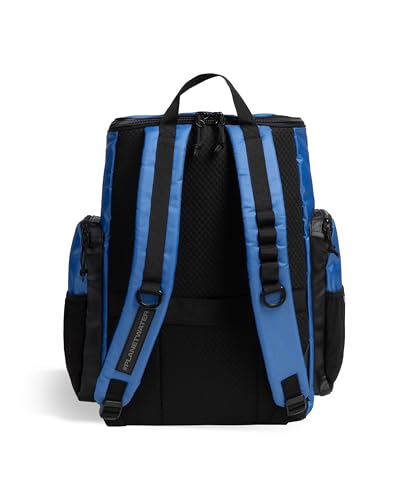
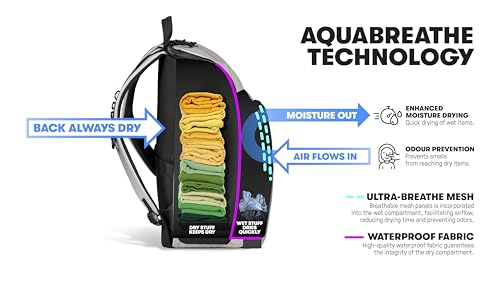
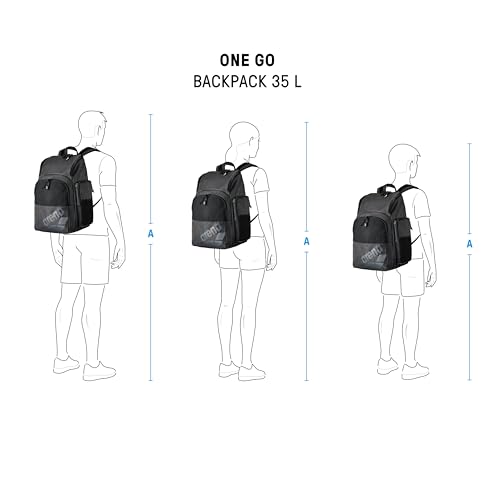
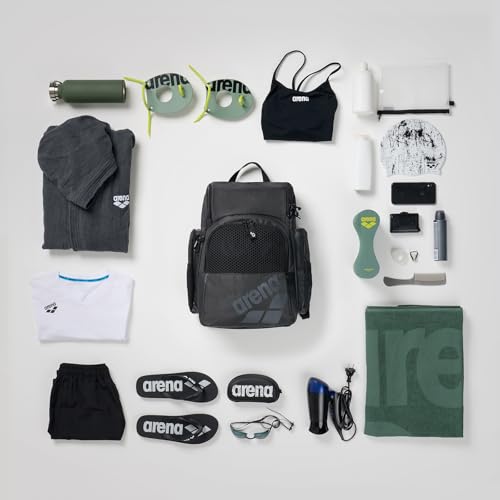
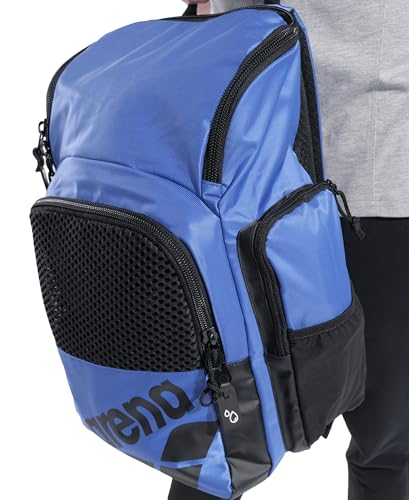
Arena built this for swimmers first, and it shows. The Aquabreathe system uses water-repellent, breathable fabric to minimize odor and damp buildup, a subtle but meaningful upgrade over basic wet pockets. The top-loading design makes gear access easy, and the three front zipped pockets let you separate goggles, caps, and towels efficiently. It’s not overbuilt, but it’s swim-smart.
It lacks a helmet compartment and isn’t ideal for full triathlons, but for pool athletes or aqua-focused multisporters, it’s a standout. Light, ventilated, and designed around real swim logistics.
Product photos
2XU Transition Backpack
Strengths
- Ultra-durable shell
- Adjustable shoulder straps
- Ergonomic back panel
Trade-offs
- No wet-dry separation
- No helmet compartment
- Minimal organization
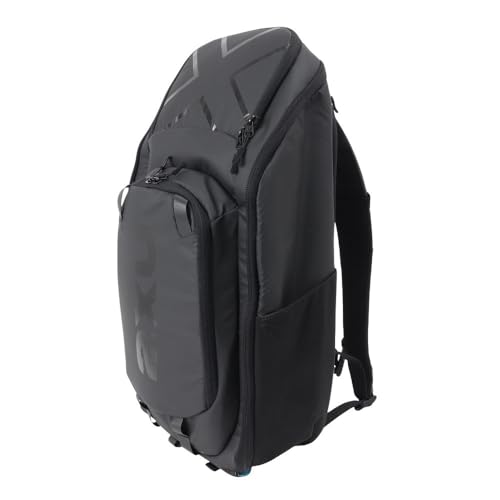
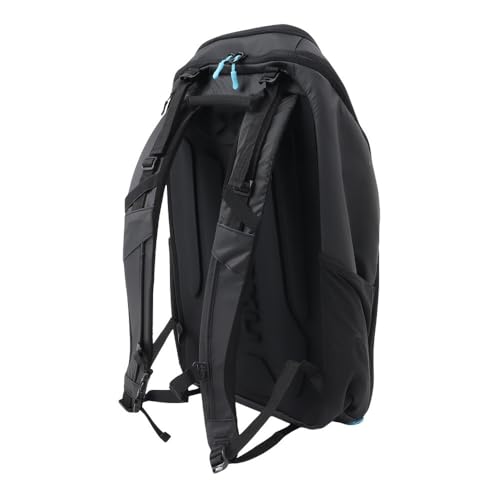
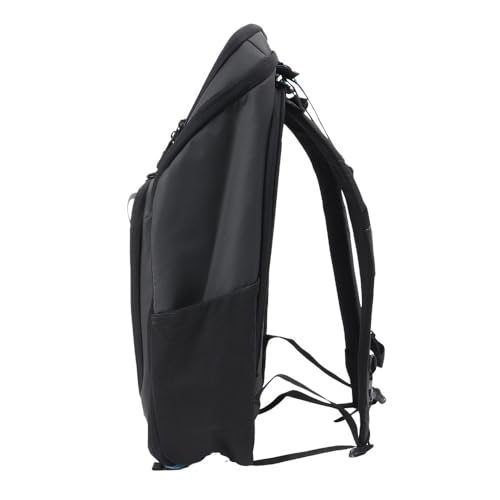
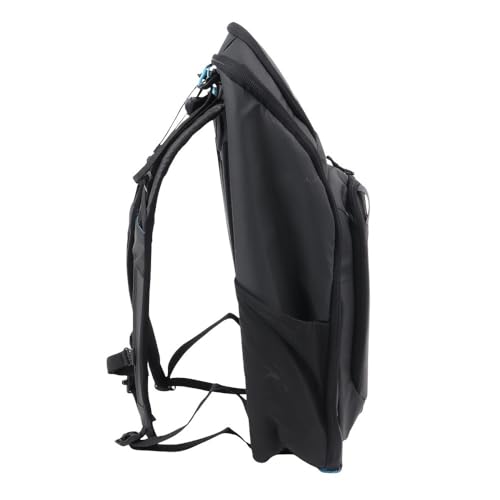
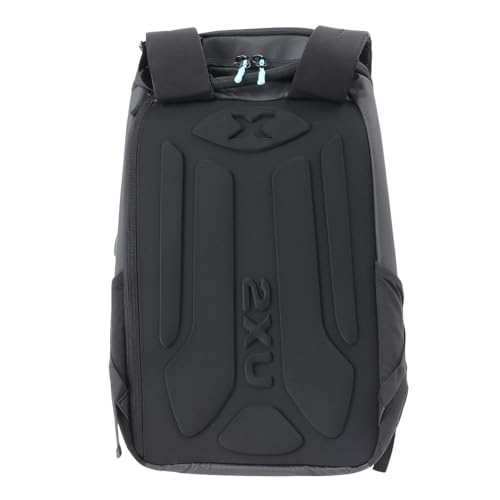
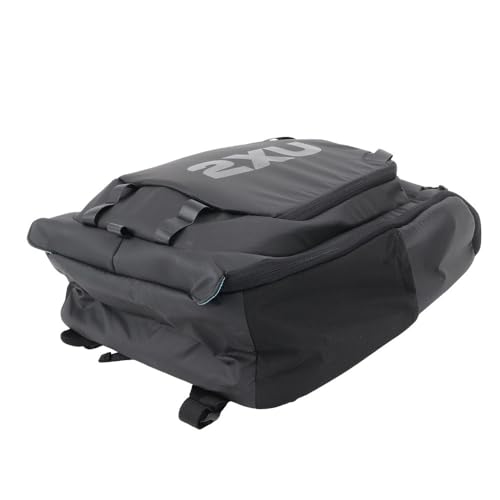
This bag clearly prioritizes toughness over convenience, built for triathletes who care more about surviving airport carousels than quick access or smart organization. The ultra-durable shell stands up well to scrapes and rough handling, which owners consistently report after race travel and gear check-ins. But it doesn’t do much beyond that, no wet-dry separation, no helmet protection, just a basic backpack with decent straps and back support.
It’s functional, not thoughtful. If you’re doing sprint triathlons and only need to carry a wetsuit, goggles, and a change of clothes, it might suffice. But compared to more specialized options, it feels like a missed opportunity.
Product photos
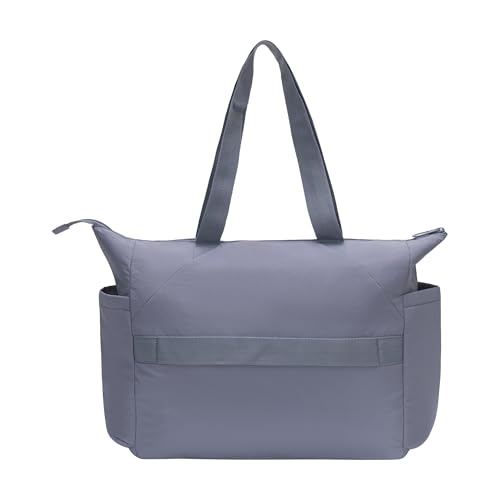
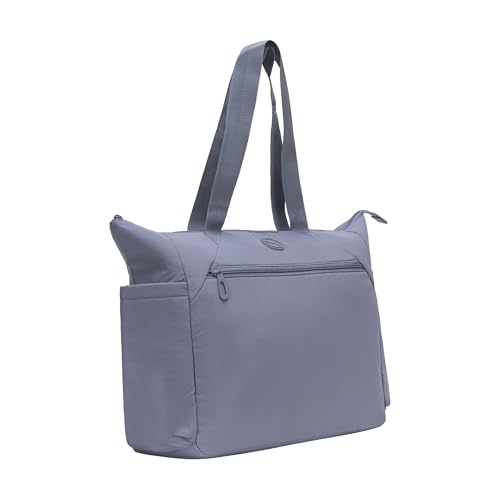
PUMA Transit Tote
Strengths
- Laptop sleeve fits 15”
- Luggage strap included
- Multiple interior pockets
Trade-offs
- No wet gear storage
- No ventilation for shoes
- Shape collapses when heavy
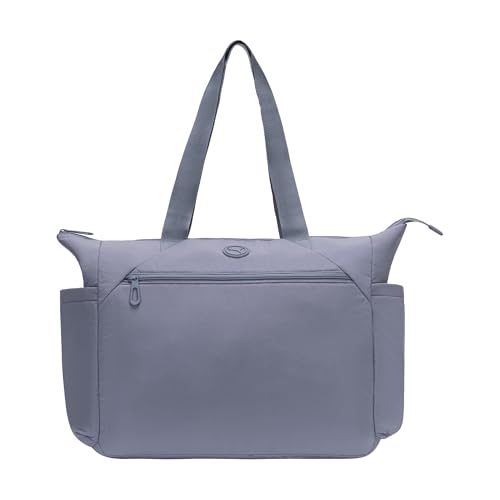
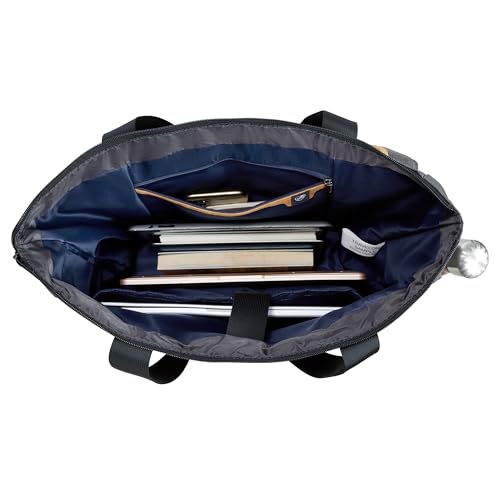
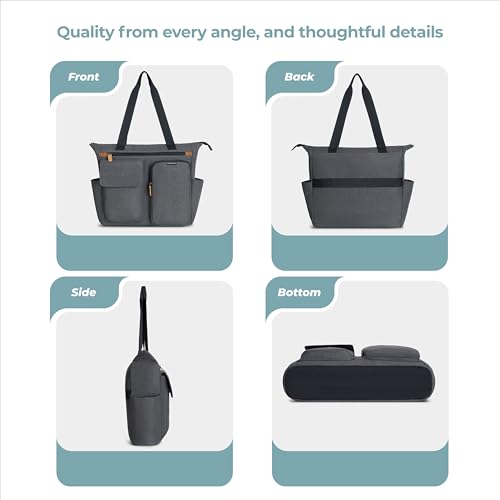
This is the rare transition bag that actually works better off the race course than on it. The padded 15-inch laptop sleeve and interior slip pockets make it a strong contender for professionals who commute or travel for work and want one bag that handles both meetings and gym sessions. On paper, the luggage strap and secure zip closure are smart touches, and reviewers frequently mention using it through airports without issue.
Still, it’s not built for triathlon logistics. There’s no wet compartment, no shoe pocket, and the structure sags when fully loaded. It bridges work and workout, but not swim-bike-run.
Product photos
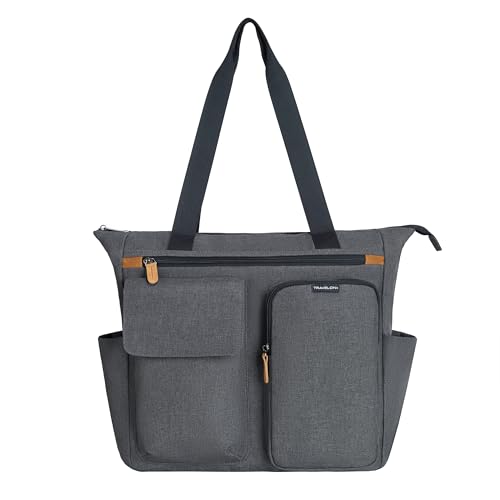
Travelon Transit Oversized Carryall
Strengths
- Excellent pocket layout
- RFID-blocking pocket
- Luggage strap included
- Lightweight durable build
Trade-offs
- No wet gear separation
- No athletic-specific zones
- Not designed for triathlon
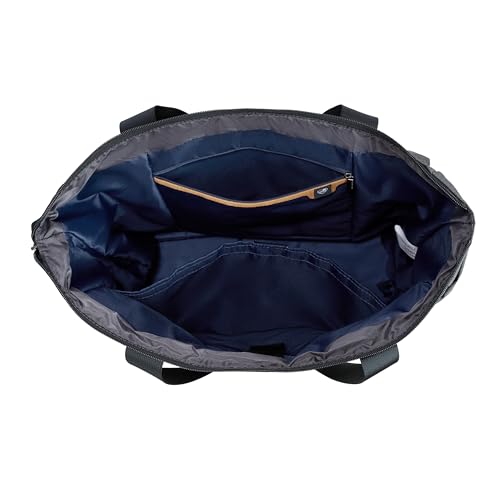
This bag is a productivity machine. With five exterior pockets, an RFID-blocking interior, and a 17-inch laptop-compatible main compartment, it’s engineered for travelers who hate digging for boarding passes or scrambling for chargers. The scuff-resistant bottom and durable zippers add to its airport readiness, and owners consistently highlight how easy it is to move through terminals thanks to the luggage strap.
But it’s not a triathlon bag. No wet compartment, no shoe storage, no helmet space, just excellent organization for business or leisure travel. It’s the kind of bag you’d pick if you wanted one workhorse for flights and commutes, not transitions.
Product photos


How We Evaluated transition bags
My team and I approached evaluating transition bags by first compiling a detailed list of available models and comparing their published specifications and features. We then systematically reviewed owner feedback from major retailers and expert reviews from triathlon-focused websites. This research-led comparison, rather than a hands-on lab test, allowed us to assess a broad range of options and identify key strengths and weaknesses. Ultimately, we ranked these bags based on how well they met the needs of triathletes at different levels and budgets.
For transition bags, capacity, compartmentalization, and durability were the most heavily weighted factors. A bag must comfortably hold all race-day essentials – wetsuit, helmet, shoes, apparel, nutrition – without becoming unwieldy. Dedicated, waterproof compartments are crucial to protect clean gear, and robust construction is essential to withstand frequent travel and the demands of race day. We prioritized designs that addressed these needs effectively, knowing a failure here can ruin a race.
Specifications reliably indicate capacity and materials, giving a good baseline for size and durability. However, we heavily relied on owner feedback to gauge real-world usability. Things like strap comfort, zipper quality, and the effectiveness of waterproof compartments are best assessed through the experiences of those actually using the bags. Understanding whether a bag truly holds everything a triathlete needs, and how well it holds up over time, came directly from those insights. Thinking about travel, knowing the duffel bag carry-on rules is also important.
What To Look For In transition bags
Finding the right transition bag can significantly streamline your race day experience.
A quality transition bag balances durable construction with thoughtful organization features. Key considerations include dedicated compartments for wetsuits and shoes, secure helmet storage, and comfortable carrying options. Look for water-resistant materials and a layout that prioritizes quick access to essential race-day gear.
Capacity and Organization
The size of a transition bag isn’t just about volume; it’s about how effectively that space is used. Many bags boast large capacities (like the 56L Synergy Triathlon Transition Bag), but a poorly designed interior can quickly become a chaotic mess. I’ve found that dedicated compartments are the biggest differentiator. A separate, waterproof wetsuit compartment is essential, and a ventilated shoe pocket prevents the entire bag from smelling like a locker room. Don’t underestimate the value of smaller pockets for gels, nutrition, and race accessories.
Comfort and Portability
Transition areas are often crowded, meaning you’ll be walking – sometimes a significant distance – with all your gear. A flimsy shoulder strap or uncomfortable back panel can make this miserable. Look for padded straps and a breathable back panel, especially if you anticipate longer walks. Convertible straps, as seen in the ORCA Triathlon Transition Bag, offer versatility – you can switch between backpack and crossbody modes depending on the situation. Consider whether you’ll be checking the bag on a flight, too.
- A simple grab handle is useful for quick lifting.
- A luggage pass-through sleeve (like on the PUMA Transit Tote) is essential if you plan to attach the bag to a rolling suitcase. This feature makes navigating airports much easier, and is a must-have if you’re looking at a maximum carry-on duffel size.
- Ergonomic design features, such as waist belts (as found on the Synergy bag) distribute weight more evenly and provide better support during longer carries.
Durability and Materials
Triathlon gear takes a beating. Your transition bag is no exception. It will be tossed around in transition areas, potentially checked as luggage, and exposed to the elements. Heavy-duty fabrics, reinforced stitching, and quality zippers are crucial. The 2XU Transition Backpack emphasizes a durable shell, and that’s the kind of build quality you should prioritize. I also recommend considering water resistance; even if it doesn’t need to be fully waterproof, a water-resistant exterior will protect your gear from splashes and light rain. If you’re looking for a duffel for triathlon that will last, investing in quality materials is key.
Don’t skimp on the zipper. A broken zipper is the fastest way to ruin a race day. Test the zipper multiple times before committing.
Transition Bags Compared
Here’s a comparison of key specifications for various transition bags to help you choose the right one.
| Product Title | Capacity | Waterproof Compartment | Carry-On Compatible | Laptop Size | Key Features |
|---|---|---|---|---|---|
| ORCA Triathlon Transition Bag | 40L | Yes | N/A | N/A | Helmet Protection |
| SLS3 Triathlon Backpack | N/A | Yes | N/A | N/A | Wet/Dry Separation |
| Zoot Ultra Tri Bag | N/A | Yes | Yes | N/A | Helmet & Shoe Compartments |
| Synergy Triathlon Transition Bag | 56L | Yes | N/A | N/A | Large Capacity |
| ARENA One Go Backpack | N/A | Aquabreathe | N/A | 15″ | Wet Management System |
| 2XU Transition Backpack | N/A | N/A | N/A | N/A | Durable Shell |
| PUMA Transit Tote | 14.5″x16″x6″ | No | N/A | 15″ | Laptop Sleeve |
| Travelon Transit Oversized Carryall | 18.5L | No | N/A | 17″ | RFID Blocking Pocket |
Frequently Asked Questions
What size transition bag do I really need?
A 40-50 liter bag is generally sufficient for most triathlons, but consider a larger 56L option like the Synergy Triathlon Transition Bag if you tend to overpack or compete in longer events. Remember, capacity isn’t everything; smart organization matters just as much.
Are expensive transition bags always better?
Not necessarily. While higher price points often correlate with more durable materials, a well-designed bag from a reputable brand in the $100-$150 range can offer excellent value. Focus on features like a waterproof compartment and comfortable straps over simply paying for a name.
Can I use a transition bag as a carry-on?
Some transition bags, like the Zoot Ultra Tri Bag, are designed to meet carry-on size restrictions, but it varies. Always check the bag’s dimensions against the airline’s specific requirements before traveling. If you’re looking for a spacious gym carryall that can double as a transition bag, verify it meets carry-on standards.
What’s the most important feature in a transition bag?
A dedicated, waterproof wetsuit compartment is the most crucial feature. Keeping your wetsuit separate from your dry clothes and other gear is vital for hygiene and comfort, and prevents the entire bag from becoming soaked.
How do I choose between a backpack-style and a duffel-style transition bag?
Backpack-style bags, like the 2XU Transition Backpack, offer better weight distribution and are easier to carry long distances, while duffel-style bags provide easier access to gear. Consider the distance you’ll be walking in transition and your personal preference – some people even prefer durable gym backpacks for their versatility.
The Bottom Line
Choosing a transition bag often comes down to balancing how much control you want over organization versus how much fuss you’re willing to deal with. For most triathletes, the ORCA Triathlon Transition Bag strikes that balance perfectly – it offers dedicated compartments for everything without being overly complicated, and it’s a solid all-around performer.
If you’re on a tighter budget, or simply need something versatile enough for gym trips as well as races, the PUMA Transit Tote is a great option. And for those who prioritize maximum capacity and don’t mind a larger bag, the Synergy Triathlon Transition Bag delivers plenty of space. Knowing your ideal carry-on duffel dimensions is also important if you plan to fly with your gear.
Ultimately, the best transition bag isn’t about the flashiest features or the highest price tag. It’s about finding a bag that fits your needs, keeps your gear organized, and allows you to focus on what really matters: a smooth, efficient race day and enjoying the sport.