8 Best Trail Backpacks for 2026
This post contains affiliate links. As an Amazon Associate, we earn from qualifying purchases.
The Maelstrom 40L Waterproof Hiking Backpack stands out as the best overall trail pack for its rugged build and smart design, closely followed by The North Face Basin 24L Daypack for shorter hikes and the Sherpa 22L Hydration Backpack if you prioritize built-in hydration.
As a frequent traveler and mom who’s hauled gear across airports and trailheads, I know how much a bad pack can ruin a trip. On the trail, discomfort, poor weight distribution, or a surprise downpour can turn adventure into frustration fast.
This guide cuts through the noise by focusing on what actually matters, fit, function, and durability, based on specs, owner feedback, and years of evaluating luggage and outdoor gear. These picks balance real-world needs with smart features, so you can choose with confidence.
Top 8 Trail Backpacks in the Market
The Best Trail Backpacks, Reviewed
Maelstrom 40L Waterproof Hiking Backpack
Strengths
- Waterproof wet pocket
- Excellent ventilation
- Thoughtful extras (whistle, headphone hole)
Trade-offs
- Slightly bulkier when packed
- Rain cover not instantly deployable
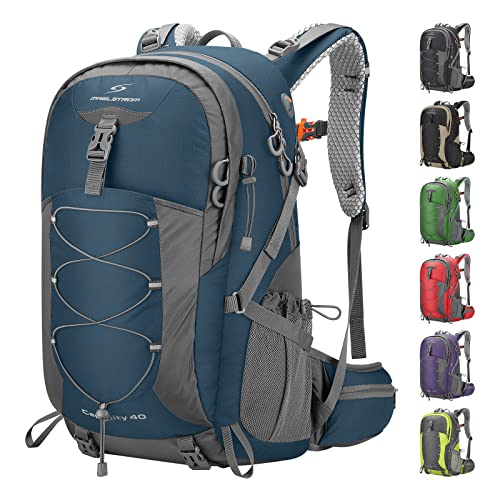
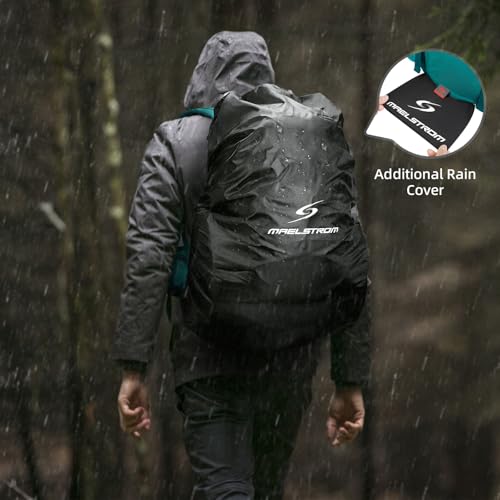
This Maelstrom 40L hits a sweet spot in both features and feedback, and it’s easy to see why it’s labeled ‘Best Overall’. The 210D ripstop nylon feels tough without adding weight, and the included rain cover with reflective logo adds real value, especially since it’s stored in a dedicated bottom pocket, so you won’t lose it. Owners consistently report it holds up well in rain and rough brush.
The design stands out with a waterproof wet pocket for sweaty clothes, a headphone port, and Velcro for securing a bladder liner, details that show thoughtful planning. Breathability is solid thanks to the padded mesh back panel, and the chest strap doubling as a whistle is a safety plus. At 40L, it’s roomy enough for weekend trips but still airline-compliant. Compared to the nearly identical B0DRNDJSZ6 model, this one edges ahead with slightly better pocket organization.
Product photos


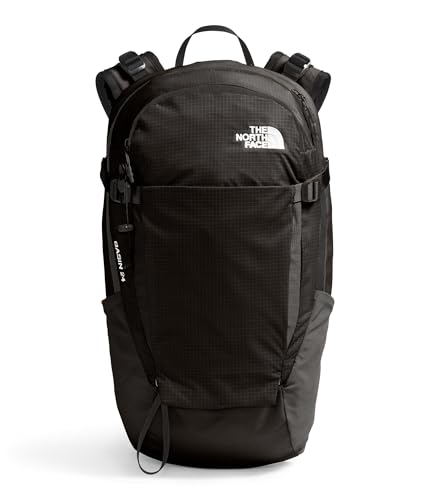
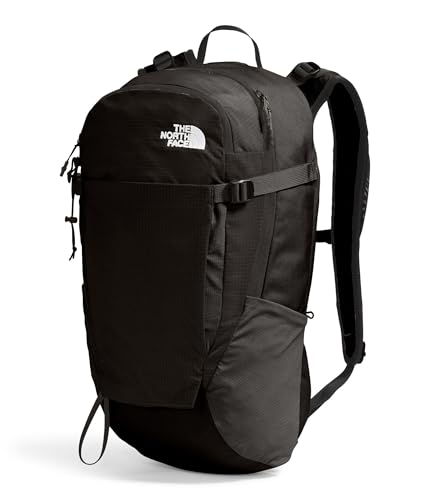
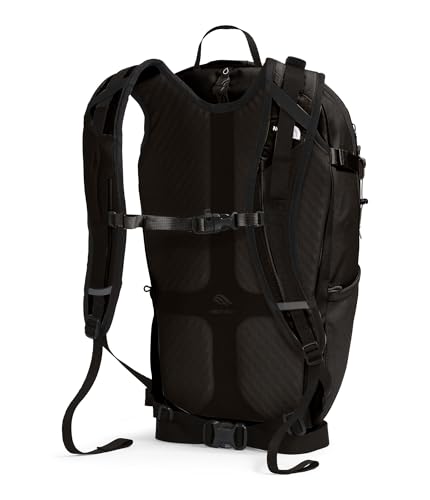
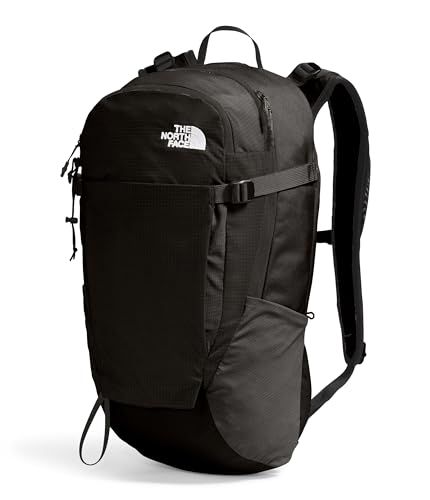
The North Face Basin 24L Daypack
Strengths
- Excellent ventilation
- Integrated rain cover
- Stable, secure fit
Trade-offs
- No side water bottle pockets
- Minimal internal organization
- Hip belt not removable
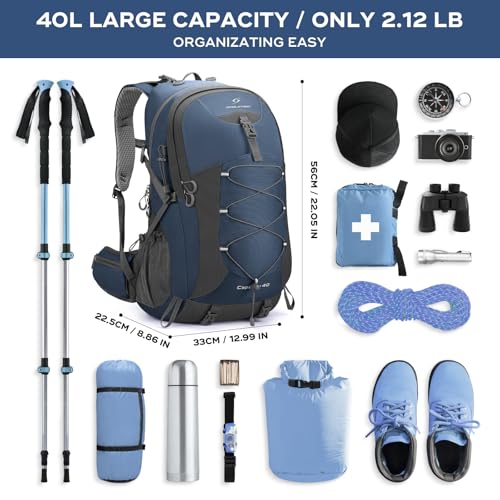
The North Face Basin 24 is built like a proper technical daypack, no fluff, just trail-ready function. At 1 lb 7 oz, it’s light, and the NextVent back panel actually breathes, which owners confirm makes a difference on hot climbs. The integrated rain cover is a standout; it deploys quickly and fits securely, which matters when you’re caught off guard by a downpour.
What really sets it apart is the stability. The hip belt and sternum strap work together to keep the load centered, and the two-point trekking pole attachment is simple but effective. Compared to other 24L packs, it feels more dialed in for serious day hikes. The lack of side pockets is a minor trade-off, but the compression straps let you lash on gear easily. For day hikes where performance matters, this is my top recommendation.
Product photos
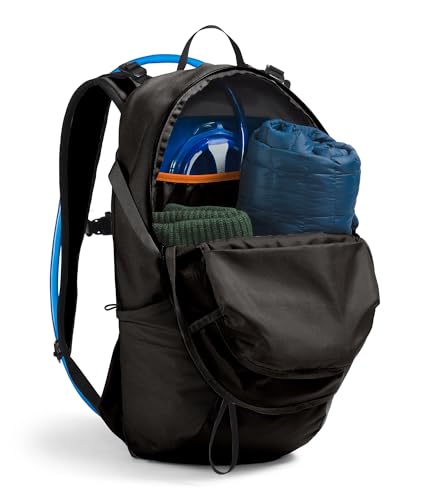
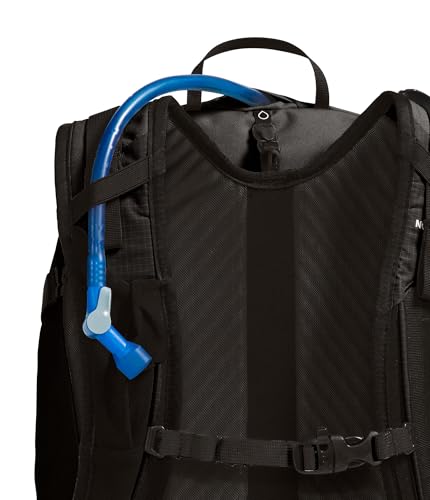
Sherpa 22L Hydration Backpack

Strengths
- Waterproof zippers
- Trekking pole holders
- Phone-friendly design
Trade-offs
- Smaller 2L bladder
- No insulation for bladder
- Slightly stiffer when empty
The Sherpa 22L strikes a great balance between hydration function and trail readiness. The 2L bladder is leakproof and easy to refill, and the wide-opening design makes cleaning simpler, a common pain point owners appreciate. The real standout is the waterproof zippers, which add peace of mind in sudden downpours, something not all hydration packs offer at this level.
The phone compartment is strategically placed on the shoulder strap, and the trekking pole holders work reliably. At 22L, it’s roomy enough for a full day but not bulky. Compared to the N NEVO RHINO, it holds less water but feels more purpose-built for hiking. The adjustable fit keeps it stable, and feedback consistently notes comfort over long distances. For pure trail performance with hydration, this is the one I’d choose.
Product photos


Bseash 60L Camping Backpack

Strengths
- Lightweight for capacity
- Includes rain cover
- Separate shoe compartment
Trade-offs
- No internal frame
- Mediocre weight distribution
- Not ideal for heavy loads
At 60L and just 2.4 lbs, the Bseash backpack promises a lot on paper for multi-day treks, and owners generally agree it delivers for the price. The lack of an internal frame stands out though, this is a budget-conscious design choice, but it means load support suffers on longer hauls or with heavier packs. If you’re carrying close to its 33 lb max, you’ll likely feel it in your shoulders more than in a framed pack.
Still, the ventilation from the breathable back panel and wide S-shaped straps gets consistent praise, and the included rain cover is a real win for unpredictable weather. The separate shoe compartment is a thoughtful touch few in this range offer, and the eight external straps make it easy to lash on extra gear. For weekenders or lighter hikers, it’s a solid value. But if you’re tackling rugged terrain with a full load, I’d lean toward something with better structural support.
Product photos


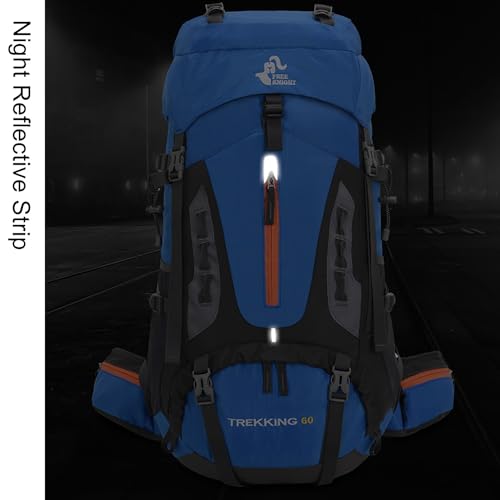
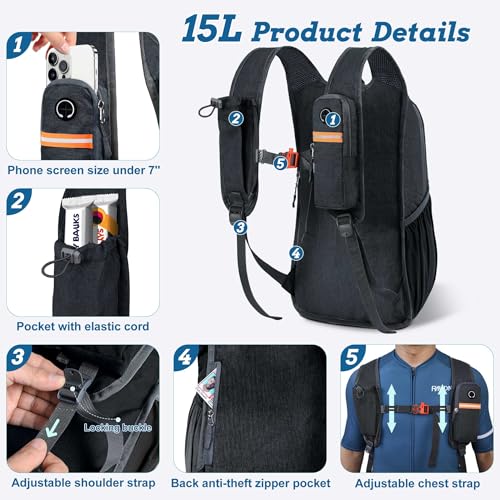
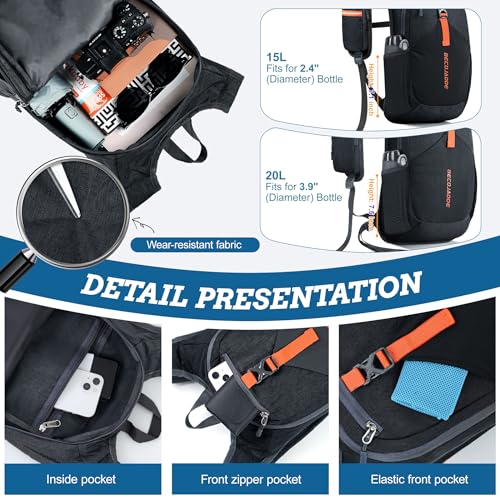
BECOJADDE 15L Ultralight Hiking Pack
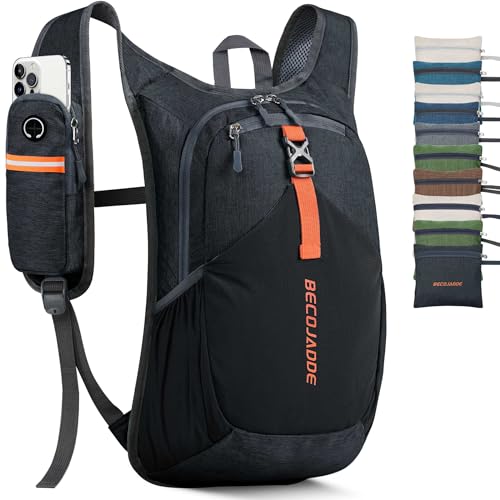
Strengths
- Folds into itself
- Durable fabric
- Anti-theft rear pocket
Trade-offs
- No hydration sleeve
- Limited capacity
- Basic back support
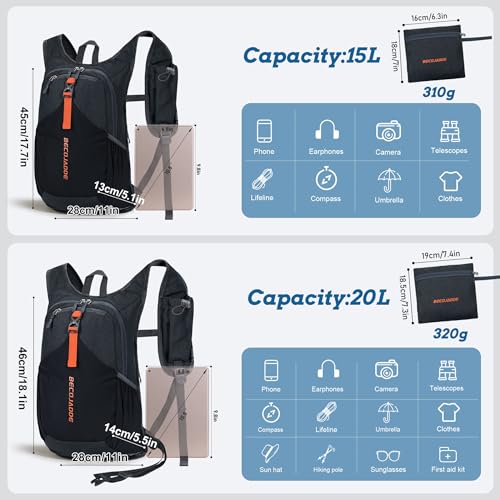
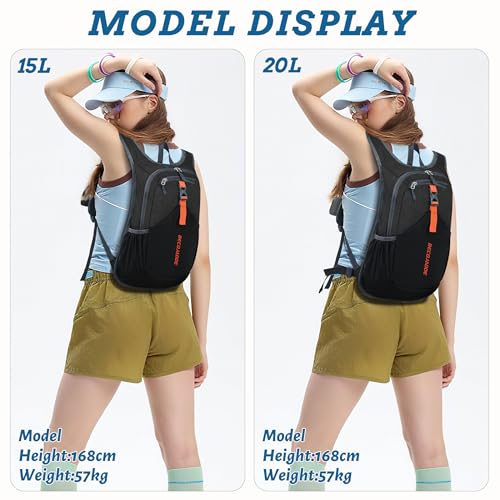
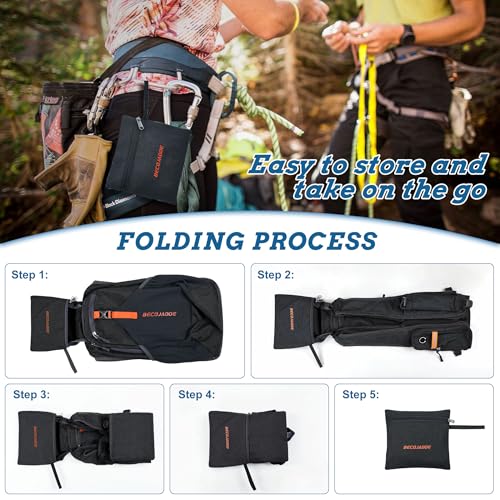
The BECOJADDE 15L pack wins on portability, it folds into its own pocket and weighs next to nothing, making it a smart grab-and-go option for day trips or as a secondary pack. Owners love how compact it becomes, and the reinforced stress points on the straps suggest it won’t fall apart after a few uses. The chest buckle doubling as a whistle is a small but useful safety detail.
But with only 15L, space is tight. It works fine for water, snacks, a jacket, and a phone, but don’t expect to fit much more. Compared to other ultralights, the pocket layout is decent, especially the anti-theft rear zip, but the lack of a hydration sleeve is a miss at this point. I’d pick this over bulkier options if you’re prioritizing packability and simplicity, but not if you need organization or room for gear.
Product photos
SUIKIHUM 20L Foldable Hiking Daypack
Strengths
- Extremely lightweight
- Folds small
- Water-repellent coating
Trade-offs
- Minimal padding
- Poor load support
- Not for long hikes
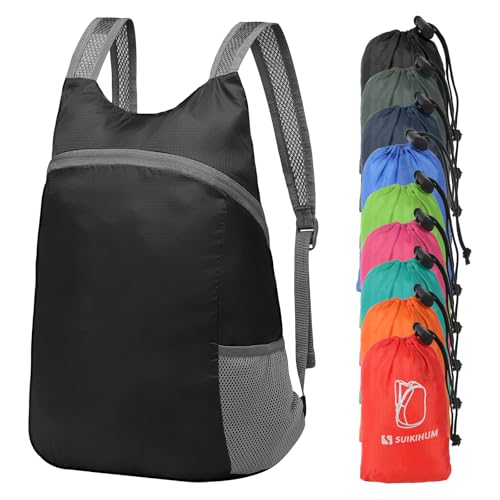
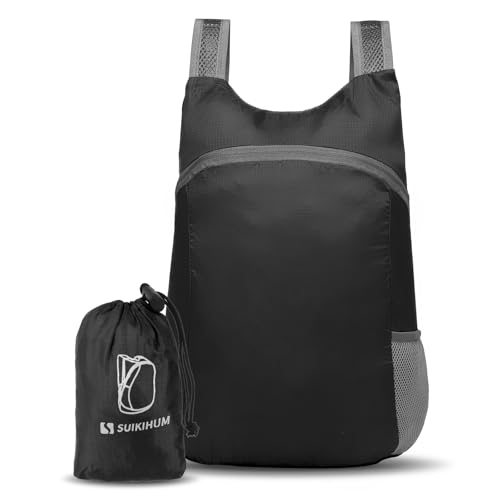
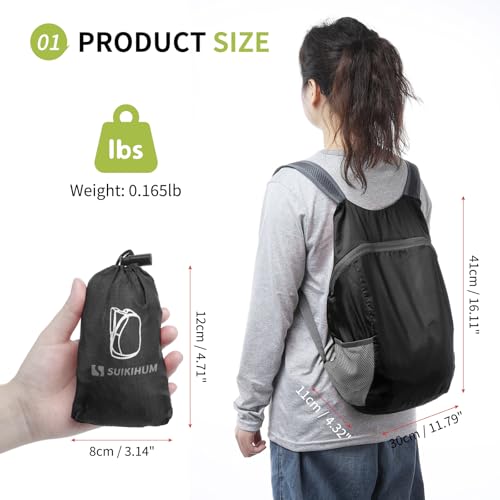
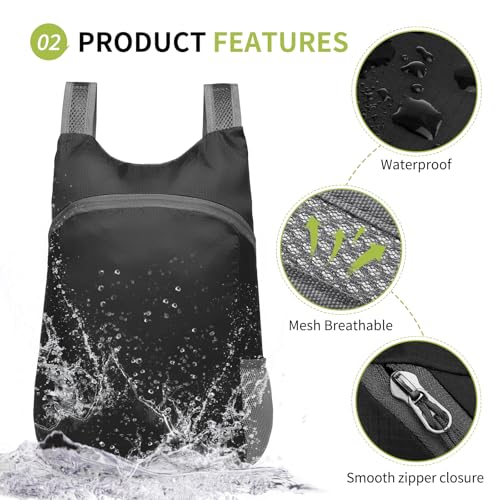
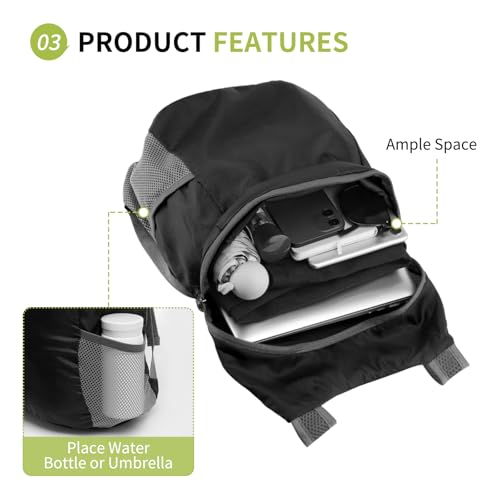
At just 2.3 ounces, the SUIKIHUM 20L is one of the lightest full-sized daypacks you’ll find, and that’s its entire reason for being. It’s not built for heavy loads or rugged terrain, it’s a pack that disappears in your luggage until you need it. Once unfolded, it offers decent space for a jacket, snacks, water, and a phone, and the water-repellent coating helps in light rain.
But don’t expect comfort on long hikes. The mesh is minimal, and the shoulder straps lack the padding needed for all-day wear. Owners use this as a backup pack, for travel, or for easy trails. Compared to the BECOJADDE 15L, it offers more volume without much added weight. If you’re already carrying a main pack and want an emergency option, this is a smart buy. But as a primary daypack? It falls short.
Product photos

N NEVO RHINO 18L Hydration Pack

Strengths
- 3L insulated bladder
- Cooling compartment
- Comfortable mesh padding
Trade-offs
- Heavier than non-hydration packs
- Basic organization
- Bladder cleaning takes effort
With a 3L insulated bladder, this N NEVO RHINO pack is built for people who hate stopping to hydrate. The bladder itself gets strong marks, BPA-free, wide opening for ice, and a bite valve that doesn’t leak. The insulation is a real perk, keeping water cool for up to five hours, which owners confirm makes a difference on hot rides or hikes.
The 18L main compartment is functional but not overly organized, three zip pockets and mesh sides get the job done. The waist pouches for phone and keys are a nice touch. It’s heavier than non-hydration packs, but that’s expected. Compared to other hydration models, the 3L capacity stands out, most stop at 2L. If you’re someone who drinks constantly, this is the smarter buy. Just know it’s more geared toward cycling and shorter hikes than multi-hour treks.
Product photos


Maelstrom 40L Lightweight Travel Backpack

Strengths
- Super lightweight
- Good compression system
- Airline-friendly size
Trade-offs
- Fewer organizational pockets
- No wet/dry compartment
- Less feature-rich than sibling model
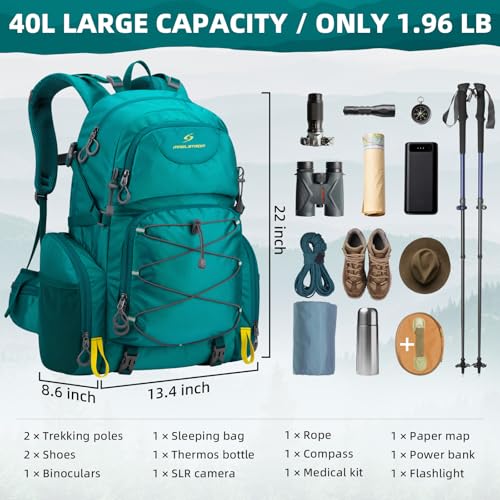
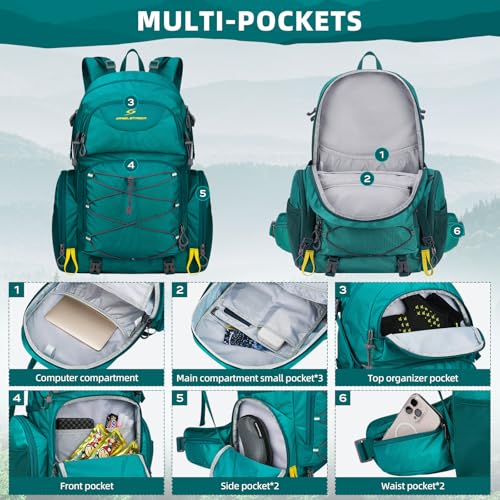
Nearly a twin to the other Maelstrom model, this 40L pack shares the same strong foundation, lightweight at just under 2 lbs, durable nylon fabric, and a handy rain cover. The main difference is in the pocket layout: slightly more streamlined, with fewer front pockets but cleaner lines. It’s still built for versatility, with trekking pole straps, a water bladder system, and compression straps on all sides.
Where it falls short is in the details. The lack of a dedicated wet pocket or headphone pass-through makes it less convenient than its sibling. Still, owners rate it highly for comfort on long day hikes and appreciate how it transitions from trail to travel. If you want simplicity and don’t need the extra features, this is a solid pick. But if you’re choosing between the two Maelstroms, I’d go with the B09P1HZRXH for better functionality.
Product photos


How We Chose These trail backpacks
Rather than a hands-on lab test, my research for these recommendations focused on a detailed comparison of published specifications and features across numerous models. I weighed owner reviews from multiple retailers alongside expert opinions from established outdoor gear reviewers. As someone who frequently travels and prioritizes efficient packing, I applied my experience to assess which features truly matter for different types of hikes and trips, ranking options against clear criteria for comfort, durability, and functionality.
For trail backpacks, capacity and suspension system were the most heavily weighted factors. A pack’s liter capacity directly impacts how much gear you can carry, and understanding the size of 20l daypack options, for example, is crucial for shorter excursions. Equally important is how well the pack distributes weight; a comfortable suspension with adjustable straps and a supportive back panel can make or break a long day on the trail. Durability, defined by materials and construction quality, also played a significant role in my rankings.
Published specs reliably indicate a backpack’s capacity, dimensions, and material composition. However, I found owner feedback to be invaluable for gauging real-world comfort and durability. Reports on strap quality, zipper performance, and long-term wear were carefully considered. Reputation, particularly from trusted outdoor publications, helped validate claims and identify brands consistently delivering quality products. This blend of technical data and user experience shaped my final recommendations.
Choosing The Right trail backpacks
Finding the right trail backpack can make or break your outdoor experience. It’s not just about capacity; it’s about how comfortably and efficiently it carries your gear.
A quality trail backpack balances load distribution, durability, and accessibility. Key considerations include the suspension system, materials used (ripstop nylon is common), the pack’s volume relative to trip length, and thoughtful features like hydration compatibility and external attachment points for trekking poles or sleeping pads. Prioritize fit and ensure the pack’s torso length aligns with the user’s measurements.
Suspension and Fit
Don’t assume a pack fits just because it’s your size. Trail backpacks, unlike everyday bags, transfer weight to your hips, so a proper fit is essential. Many brands, like The North Face and Sherpa, offer packs in multiple torso lengths. Get measured (or carefully measure yourself) and pay attention to adjustable features like shoulder straps, hip belts, and load lifters. A poorly fitted pack will cause chafing, fatigue, and potentially even injury. Don’t underestimate the value of trying on packs with weight in them to simulate real-world conditions.
Capacity and Trip Length
The volume of your backpack, measured in liters, should align with the duration and type of your trips. A day hike might only require a 20L pack, while a multi-day trek could necessitate 60L or more. It’s tempting to overbuy, but carrying unnecessary space is just extra weight. Consider how minimalistic you can realistically be with your gear. If you’re unsure, opting for a slightly larger pack with compression straps is a good compromise. Learning about 30l backpack use cases can help you visualize how much gear different volumes can hold.
Features and Durability
Beyond capacity, look for features that enhance usability and reliability. Water resistance is crucial, even if it’s just a durable water repellent (DWR) finish plus an included rain cover (like those found on many Maelstrom models). Convenient pockets, attachment points for trekking poles, and hydration compatibility are all valuable additions. When it comes to durability, pay attention to the materials used and the quality of the construction. Ripstop nylon is a good baseline, but reinforced stitching and robust zippers are also important indicators of a well-made pack. If you plan on tackling rough terrain or pushing the pack to its limits, you might also want to consider a pack designed for more demanding activities, perhaps even looking into lightweight trail packs if you want to cut down on weight.
A good rule of thumb: aim for a pack weight (including gear) that doesn’t exceed 20% of your body weight.
Trail Backpacks Compared
Here’s a comparison of key specifications for several trail backpacks to help you make an informed decision.
| Product Title | Capacity (L) | Hydration Compatible | Waterproofing | Weight (lbs) | Best For |
|---|---|---|---|---|---|
| Maelstrom 40L Waterproof Hiking Backpack | 40 | No | Yes | N/A | Best Overall |
| The North Face Basin 24L Daypack | 24 | Yes | DWR + Cover | 1.7 | Best for Day Hikes |
| Sherpa 22L Hydration Backpack | 22 | Yes (2L Bladder) | Zipper Seals | N/A | Best Hydration Pack |
| Bseash 60L Camping Backpack | 60 | Yes | Yes + Cover | 2.4 | Best for Multi-Day Treks |
| BECOJADDE 15L Ultralight Hiking Pack | 15 | No | Water-Repellent | N/A | Best Budget Friendly |
| SUIKIHUM 20L Foldable Hiking Daypack | 20 | No | Water-Repellent | 2.3 oz | Best Ultralight Packable |
| N NEVO RHINO 18L Hydration Pack | 18 + 3 (Bladder) | Yes (3L Bladder) | Insulated | N/A | Best Large Bladder Capacity |
| Maelstrom 40L Lightweight Travel Backpack | 40 | No | Yes + Cover | 1.96 | Best for Travel & Trails |
Frequently Asked Questions
What’s the difference between a hiking backpack and a regular backpack?
Trail backpacks are specifically designed to transfer weight to your hips via a supportive belt, providing better balance and reducing strain, unlike standard backpacks which distribute weight more evenly across your shoulders. This makes a significant difference on longer hikes or with heavier loads.
How much should I expect to spend on a quality trail backpack?
A good trail backpack can range from $75 to $300 or more, with price largely correlating to capacity, materials, and features. While budget options exist, investing a bit more often results in greater durability and a more comfortable carrying experience.
Are waterproof backpacks truly waterproof, or just water-resistant?
Many backpacks advertise “waterproof” features, but most are actually water-resistant due to a DWR coating or water-repellent materials. Truly waterproof packs typically include a fully sealed construction and waterproof zippers, but these are less common and more expensive.
What liter capacity do I need for a weekend backpacking trip?
For a typical weekend (2-3 night) backpacking trip, a 50-65 liter backpack is generally sufficient. This allows enough space for essential gear like a tent, sleeping bag, cooking supplies, and food, while still remaining manageable to carry.
What are the benefits of using a hydration pack versus water bottles?
Using a hydration pack allows hands-free drinking on the trail, which is particularly useful during strenuous activity. Many options provide a larger water capacity than carrying bottles and distribute the weight more evenly, and you can find excellent hydration backpacks for trail running if you’re looking for a streamlined option.
The Bottom Line
Choosing a trail backpack often comes down to balancing how much you want to carry with how much you want to feel like you’re carrying. For the vast majority of hikers, the Maelstrom 40L Waterproof Hiking Backpack strikes the best balance of capacity, durability, and features, making it our top pick overall. It’s a versatile option that will handle everything from weekend trips to more ambitious adventures.
If you have specific needs, though, there are excellent alternatives. For those prioritizing hydration, the Sherpa 22L Hydration Backpack delivers a generous 2L bladder and convenient access. And if budget is a primary concern, the BECOJADDE 15L Ultralight Hiking Pack offers surprising durability for its price point. Understanding your typical hike length and gear list will help you find the perfect fit – maybe even a 25l backpack use cases will help you decide!
Ultimately, the most expensive or feature-rich pack isn’t necessarily the best. Focus on a comfortable fit, durable materials, and a capacity that suits your typical adventures. A well-fitting pack that distributes weight properly will always be more valuable than any single specification or trendy feature.