8 Best Trail Running Backpacks of 2026
This post contains affiliate links. As an Amazon Associate, we earn from qualifying purchases.
The Salomon AGILE 12 Running Hydration Pack stands out as the best overall trail running backpack, combining smart storage with a stable, breathable fit. For runners on a budget, the N NEVO RHINO Running Vest delivers solid performance and included hydration at a lower price. If you need maximum versatility for long days or fastpacking, the Teton Oasis Hydration Backpack offers expandable capacity and a reliable 2-liter bladder.
Choosing the wrong trail running backpack can turn a great run into a slog. Bounce, chafing, and awkward access to water are more than annoyances, they sap energy and focus. After comparing the field and analyzing owner feedback, I focused on packs that prioritize stability, hydration ease, and smart design.
This guide breaks down the key factors, capacity, fit, and hydration style, so you can pick a pack that matches your running style and terrain, not just the specs on a tag.
Top 8 Trail Running Backpacks in the Market

The Best Trail Running Backpacks, Reviewed
Salomon AGILE 12 Running Hydration Pack
Strengths
- Stable 3-point fit
- Superb breathability
- Smart, accessible storage
Trade-offs
- No hydration bladder
- Premium price
- Flasks refill less often
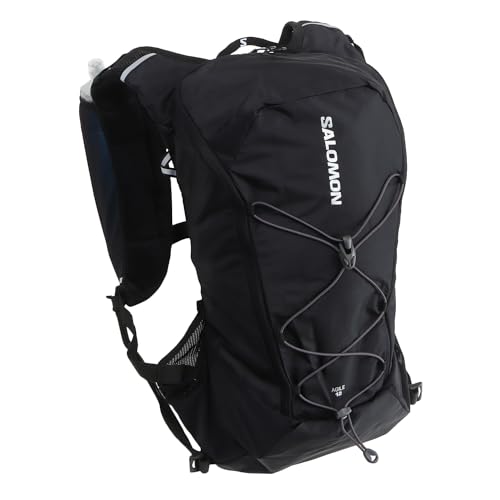
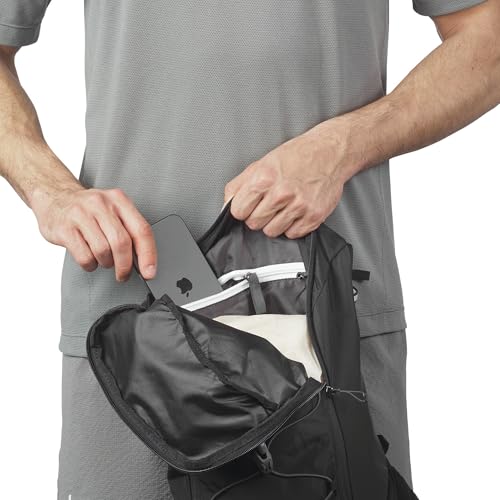
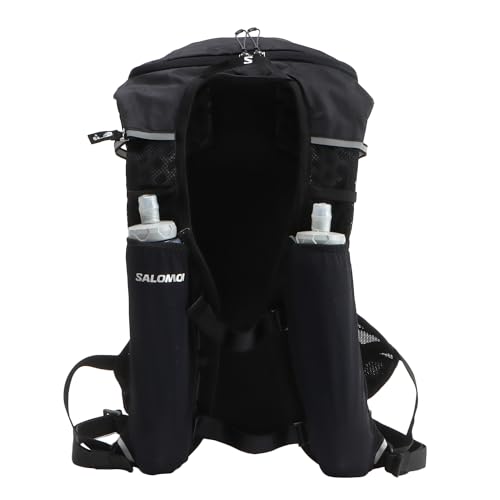
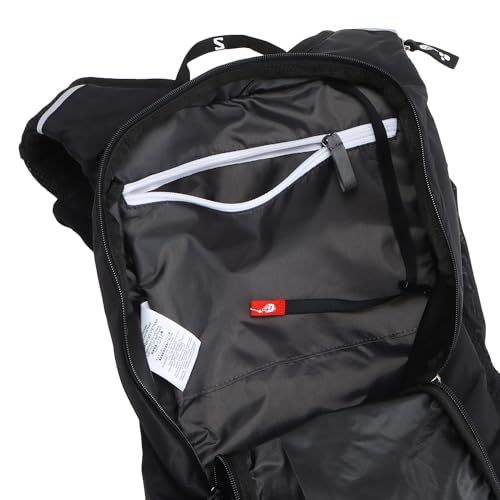
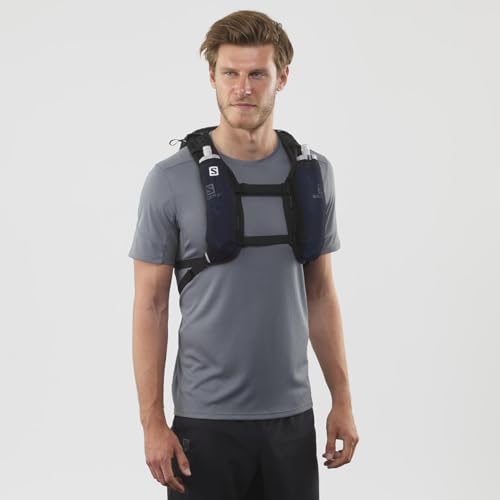
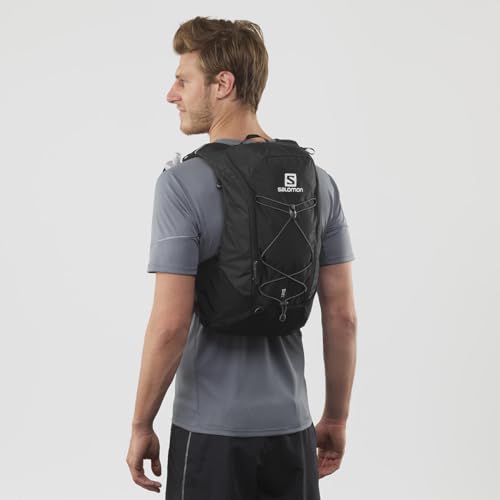
This is the benchmark. Salomon’s 3D mesh harness and 3-point attachment system deliver a fit that’s both stable and breathable, owners repeatedly say it “stays put” even on technical descents. The two 500ml soft flasks are perfectly positioned, and the front gel pockets are easy to reach without breaking form. The 12L storage is smartly laid out, with stretch pockets and room for poles or a light jacket.
It’s not the cheapest, but it’s the most refined. Compared to the N NEVO RHINO or INOXTO models, the materials and ergonomics are clearly higher-end. The only real downside? No built-in bladder, but many runners prefer the flasks for quick access anyway. For most trail runners, this is the smarter buy.
Product photos
N NEVO RHINO Running Vest with Soft Flasks
Strengths
- Easy-access soft flasks
- Rattle-free storage
- Breathable mesh back
Trade-offs
- No built-in bladder
- Less stable on descents
- Flasks dry faster
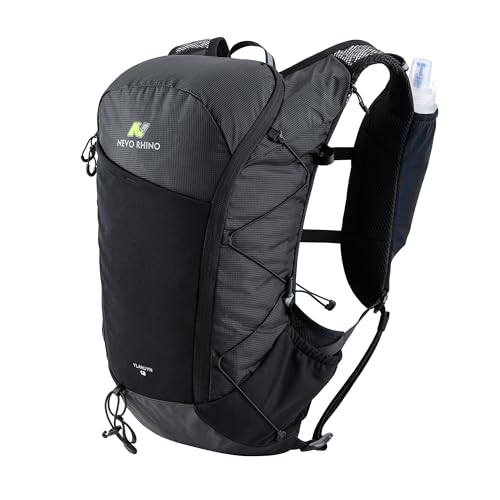
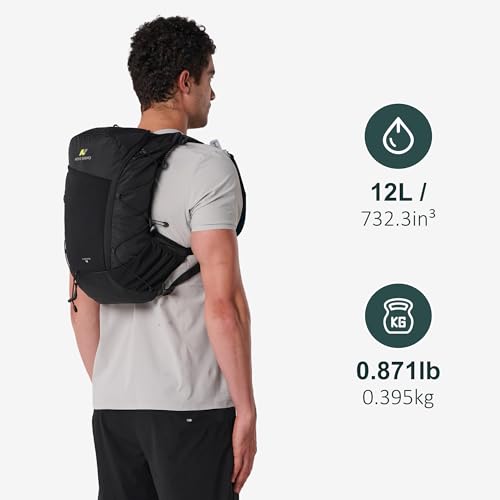
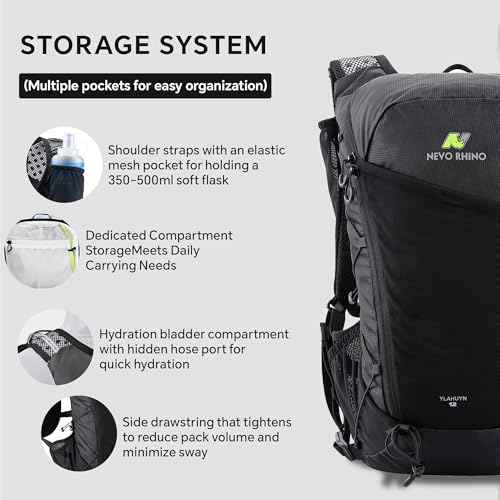
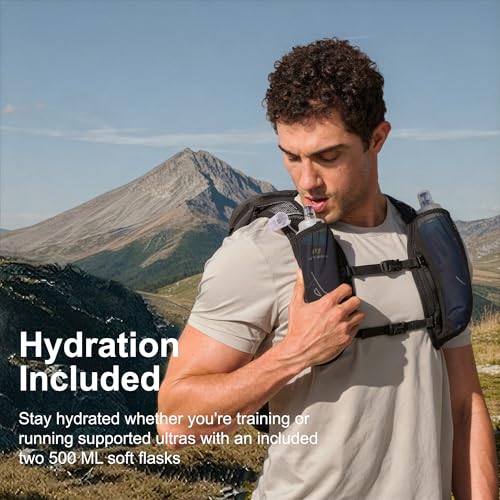
The front-mounted 500ml soft flasks are the star here, they make sipping effortless and truly hands-free, which is a big win for runners who hate fumbling with tubes. Owners love how quickly they can grab and re-stow the bottles, especially in races or group runs. The 12L storage is well-organized, with multiple pockets that stay rattle-free when properly loaded.
Breathability is strong thanks to the mesh back panel, and the adjustable straps help it fit a wide range of torso sizes. But compared to the Salomon AGILE 12, it lacks the same level of stability on steep descents. The flasks are convenient, but the bladder-free design means you’ll need to refill bottles more often than sipping continuously.
Product photos

INOXTO Lightweight Hydration Vest with 1.5L Bladder

Strengths
- Ultra-lightweight
- Side bottle pockets
- Excellent value
Trade-offs
- Thin fabric
- Limited durability
- Smaller bladder
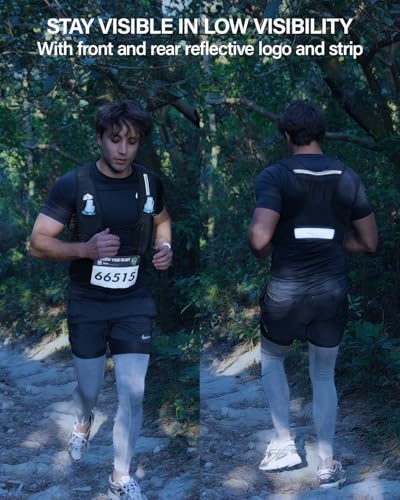
At just 140 grams, this is one of the lightest options here, and it shows. It’s clearly built for short to moderate runs where you want hydration without bulk. The 1.5L bladder is modest, but the side bottle pockets add flexibility, which owners appreciate for quick sips on the move. The minimalist design keeps wind resistance low, and the reflective trim adds safety without weight.
Still, “budget-friendly” means compromises. The nylon fabric feels thin compared to others, and long-term durability is questionable. Some users report stitching issues after a few months of regular use. But for beginners or casual trail users, this hits the sweet spot of cost and function.
Product photos


Zelvot Running Vest with 2L Water Bladder

Strengths
- Heavy-duty 900D fabric
- Ample secure storage
- Detachable holster option
Trade-offs
- Bulky front design
- Heavier than race vests
- Can feel restrictive
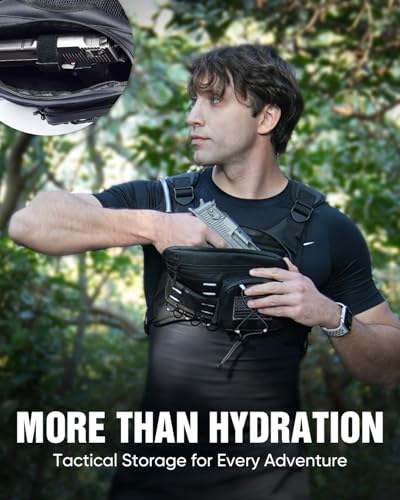
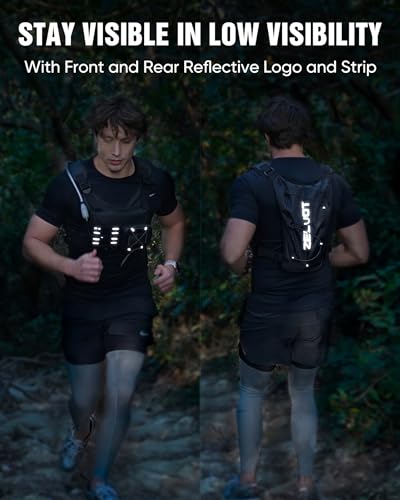
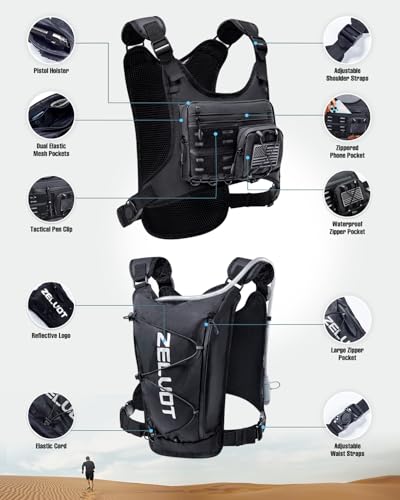
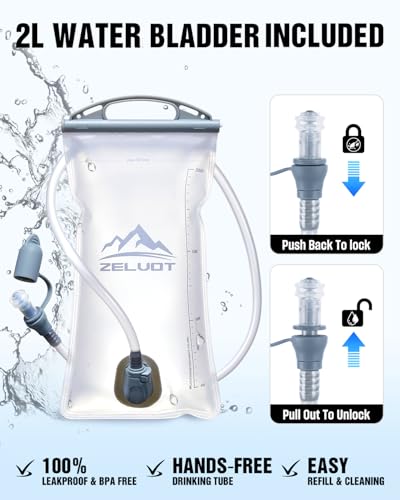
This is one of the few vests that tries to do it all, hydration, security, storage, and even tactical readiness, and pulls it off better than most. The 900D Oxford fabric is tough, and owners praise its resistance to scrapes and rain. The two large back pockets plus three front zippered ones give it the highest usable storage in this group, and the detachable pistol holster, while niche, shows how seriously it’s built for rugged use.
But that durability comes with trade-offs. It’s not the lightest, and the front chest coverage, while secure, can feel restrictive for smaller frames. Compared to the featherlight Zelvot soft flask model or the Salomon, this is more of a “do anything” vest than a race-day specialist. I’d recommend it for thru-hikers or adventure runners who carry more gear.
Product photos

Zelvot Running Vest with 500ml Soft Flask

Strengths
- Extremely lightweight
- Excellent ventilation
- Soft, slosh-free flask
Trade-offs
- Small water capacity
- Limited space for gear
- Straps may dig if tight
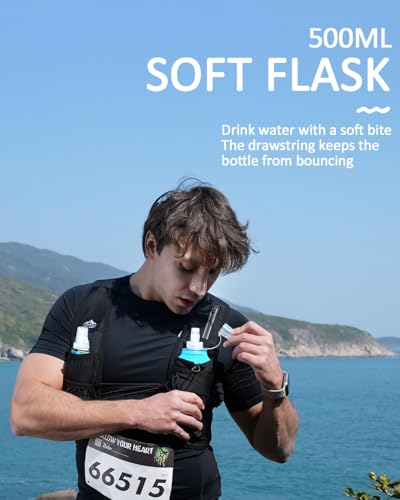
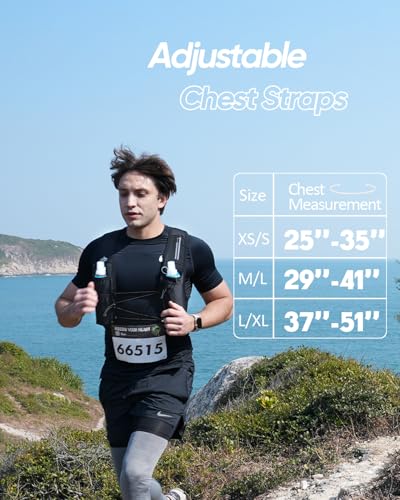
At just 7.5 ounces, this is one of the lightest vests here, and it shows in how little it interferes with your stride. The neoprene material with triple ventilation holes delivers on breathability, and owners consistently praise how “invisible” it feels during long runs. The 500ml soft flask is well-designed, collapsing as you drink to prevent slosh, and the drawstring closure keeps it secure.
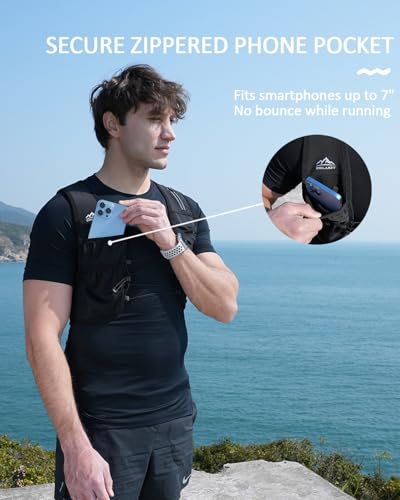
Storage is generous for such a light vest, seven front pockets and two back ones, including a hidden phone pocket that actually works. Some users note the chest straps can dig in if over-tightened, but when dialed in, it’s one of the most comfortable fits in this group. For pure running performance, it’s hard to beat.
Product photos

Teton Oasis Hydration Backpack with Rain Cover
Strengths
- Sewn-in rain cover
- Insulated bladder sleeve
- Weather-guarded zippers
Trade-offs
- Stiff shoulder straps
- Heavier than vest-style packs
- Less bounce-free fit
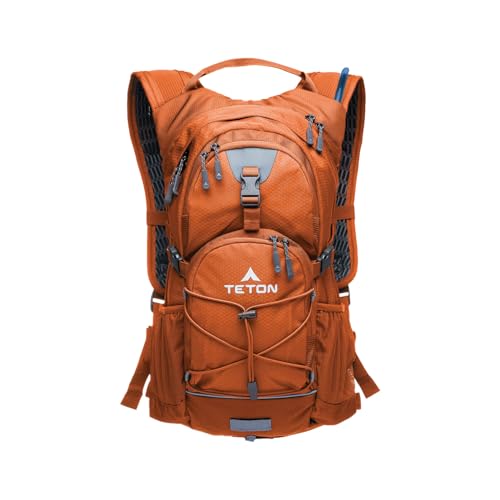
This pack stands out for travelers and trail runners who face unpredictable weather. The sewn-in rain cover is a rare and practical feature in this category, most competitors make you buy one separately or go without. On paper, the 2L bladder and 18L/22L storage offer a solid balance, and owners consistently report the insulated sleeve does help keep water cool, though not for full days in extreme heat.
The athletic cut and high-density foam straps suggest comfort, but some reviewers note the fit can feel stiff on narrower frames, especially women or youth users. Compared to more flexible vests like the Salomon or Zelvot models, this is less of a second-skin fit and more of a traditional small backpack with hydration. That’s not bad, just different. If you want structure and weather protection over ultralight agility, this makes sense.
Product photos


MARCHWAY Tactical Molle Hydration Pack with 3L Bladder
Strengths
- Extremely durable
- Expandable with MOLLE
- Premium 3L bladder
Trade-offs
- Bulky for running
- Heavy for its size
- Overbuilt for casual use
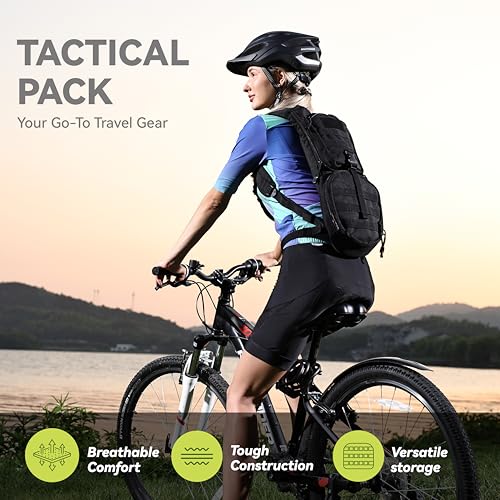
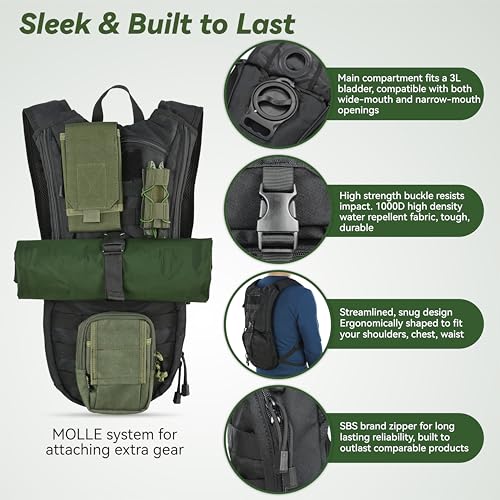
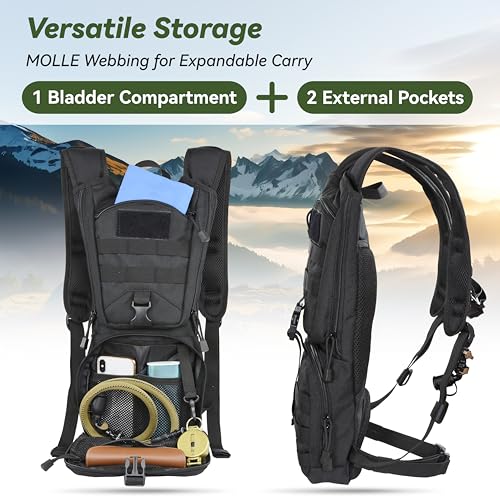
This is the tank of the group, built like military gear, with 1000D nylon and MOLLE webbing that lets you strap on extra pouches. The 3L TPU bladder is top-tier: taste-free, wide-mouth, with a rotating bite valve that works from any angle. Owners love the durability, especially hunters and tactical users who beat their gear hard.
But it’s not subtle. The rigid profile and thick straps make it better for hiking or cycling than fast running. It breathes okay thanks to the air-mesh back, but it’s not as agile as a true running vest. If you need expandability and bombproof construction, this is your pick. For racing or trail running? Look elsewhere.
Product photos
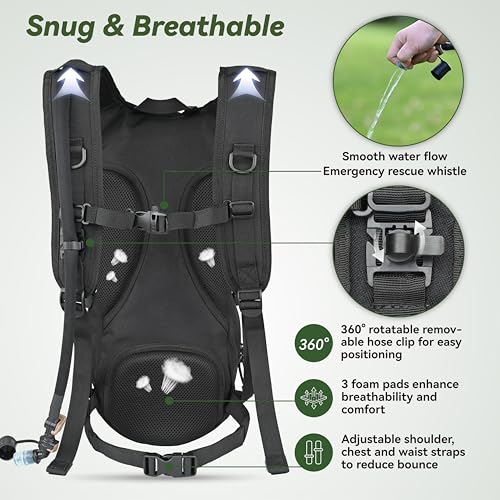
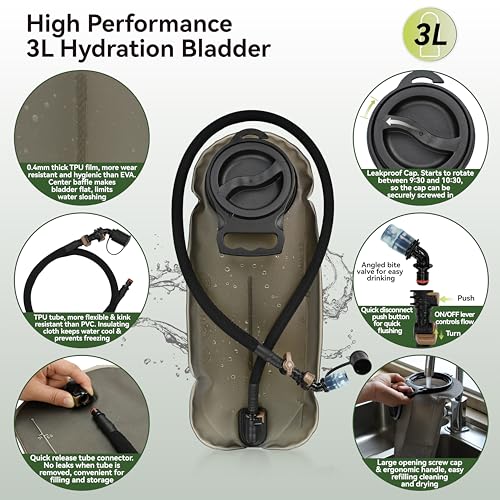
N NEVO RHINO 18L Hiking Hydration Backpack

Strengths
- Large 3L bladder
- Thermal insulated sleeve
- Multiple storage compartments
Trade-offs
- Can bounce on runs
- Plastic taste early on
- Bulky for fast-paced use
With a 3L bladder and 18L capacity, this is clearly built for long hikes or hot-weather runs where water is essential. The PEVA bladder gets mixed feedback, it’s BPA-free and wide-mouthed for cleaning, but some owners report a faint plastic taste early on. Still, the insulated compartment is one of the better ones in this lineup, with multiple reviewers noting it keeps water noticeably cooler for about 4–5 hours.
Where it stumbles is fit and bounce. At that volume, it needs a secure harness, but the waist belt and shoulder padding aren’t as refined as the Salomon or Zelvot vests. Runners over 6 miles report shifting, especially on technical terrain. I’d pick this for long, steady hikes over trail runs.
Product photos


How We Chose These trail running backpacks
Rather than a hands-on lab test, my research for these recommendations involved a detailed comparison of published specifications and features across numerous models. I weighed owner reviews from multiple sources – including Amazon, REI, and dedicated running sites – alongside expert opinions from publications like Runner’s World and OutdoorGearLab. This process allowed me to build a ranking based on real-world feedback and objective data, factoring in my own experience as a frequent traveler and active outdoor enthusiast.
For trail running backpacks, stability and hydration capacity were the most critical factors. A secure, bounce-free fit is paramount for comfort and safety on uneven terrain, while easily accessible hydration – whether via soft flasks or a bladder – is essential for maintaining performance. Breathability also played a significant role, as overheating can quickly derail a run. These elements directly impact the enjoyment and effectiveness of the pack.
Product specifications reliably indicate storage capacity, material composition, and included features like rain covers or trekking pole attachments. However, I placed greater emphasis on owner feedback regarding real-world comfort, durability, and how well the pack performed during a run. Reputation and brand consistency were also considered; some brands consistently receive higher marks for quality and design. Understanding the ideal size for your needs is also important – you can find a helpful guide to understanding a 20-liter backpack capacity on our site.
How To Choose The trail running backpacks
Finding the right trail running backpack can elevate your experience from frustrating to fantastic. It’s about more than just carrying water; it’s about comfort, accessibility, and having the right gear readily available.
A quality trail running backpack balances weight distribution, hydration capacity, and storage options. Key features include a snug, bounce-free fit, easy access to water and essentials, and breathable materials to manage sweat. Look for adjustable straps, durable construction, and a capacity appropriate for your typical run length and gear requirements.
Capacity and Run Length
Don’t overestimate how much space you actually need. Many runners make the mistake of going too big, ending up with a pack that’s bulky and unstable. For shorter runs (under two hours) a vest with 5-10 liters of capacity is often sufficient, focusing on hydration and a few essentials like a phone and gels. Longer efforts, or those requiring extra layers, might necessitate a pack closer to 12-18 liters. Consider whether you plan to carry trekking poles or a lightweight rain jacket; these will dictate the minimum size. I often recommend starting smaller and upgrading as you discover your needs.
Hydration System Choice
The debate between bladders and soft flasks is ongoing, and honestly, it comes down to personal preference. Bladders (like those found in the Teton Oasis Hydration Backpack) offer a higher overall capacity, ideal for longer distances, but can be trickier to refill and clean. Soft flasks (featured in the N NEVO RHINO Running Vest) are lighter, easier to manage, and allow you to monitor your water consumption more accurately. If you’re unsure, many packs, like the Salomon AGILE 12 Running Hydration Pack, offer compatibility with both systems. For those tackling longer distances, understanding 25-liter backpack capacity will help you determine if you need additional storage.
Fit and Comfort Features
Fit is paramount. A poorly fitting pack will bounce, chafe, and generally ruin your run. Look for packs with adjustable sternum straps, waist belts (even minimalist ones), and shoulder straps. The goal is a snug, secure fit that distributes weight evenly across your torso. Breathable materials are also crucial; mesh panels and ventilated back panels help wick away sweat and prevent overheating.
A well-fitted pack should feel like an extension of your body, not a separate entity bouncing around with every stride.
I find that many runners overlook the importance of the waist belt, even on smaller packs. It’s not just about securing the pack; it helps transfer weight from your shoulders to your hips, significantly improving comfort, especially on technical terrain. And if you’re looking for a pack specifically designed for the trails, exploring reviews of running-specific trail backpacks can provide valuable insights.
Trail Running Backpacks Compared
Here’s a comparison of key specifications for popular trail running backpacks to help you find the best fit for your needs.
| Product Name | Capacity (L) | Bladder Included | Bladder Size (L) | Weight (N/A) | Features |
|---|---|---|---|---|---|
| Salomon AGILE 12 | 12 | No | N/A | N/A | 500ml Flasks Included |
| N NEVO RHINO Running Vest | 12 | Yes | 0.5 | N/A | Soft Flasks |
| INOXTO Lightweight Hydration Vest | N/A | Yes | 1.5 | 140g | 250ml Bottle Pockets |
| Zelvot Running Vest | N/A | Yes | 2 | N/A | Multiple Pockets |
| Zelvot Running Vest | N/A | Yes | 0.5 | 7.5oz | Soft Flask |
| Teton Oasis Hydration Backpack | 18/22 | Yes | 2 | N/A | Rain Cover |
| MARCHWAY Tactical Molle | N/A | Yes | 3 | N/A | MOLLE Webbing |
| N NEVO RHINO 18L Hiking | 18 + 3 | Yes | 3 | N/A | Insulated Bladder |
Frequently Asked Questions
What size trail running backpack do I really need?
For most runners, 5-10 liters is sufficient for shorter runs, focusing on hydration and essentials. If you anticipate needing extra layers or trekking poles, or are planning a longer effort, consider 12-18 liters.
Are bladders or soft flasks better for hydration?
Soft flasks are lighter and easier to refill, allowing you to monitor consumption. Bladders offer higher capacity for longer distances, but require more cleaning and can be less convenient to manage.
How important is the waist belt on a trail running pack?
The waist belt is surprisingly important, even on smaller packs. It transfers weight to your hips, improving comfort and stability, especially on technical trails.
What should I look for in a trail running backpack’s fit?
A snug, secure fit with adjustable sternum and shoulder straps is vital to prevent bouncing and chafing. Breathable materials are also key to managing sweat and overheating during your run.
Where can I find more information on hydration pack options?
You can explore a range of options when looking at trail running hydration packs to find the best system for your needs and preferences.
The Bottom Line
Choosing a trail running backpack often comes down to balancing how much you want to carry against how much you want to fuss with adjustments and weight. For most runners, the Salomon AGILE 12 Running Hydration Pack strikes the best balance of features, comfort, and weight – it’s a fantastic all-around choice that won’t slow you down. It’s a pack you can grow with as your runs get longer and more ambitious.
If price is a primary concern, the INOXTO Lightweight Hydration Vest offers a surprisingly capable package for a lower cost. And for those who prioritize versatility and need to carry a substantial amount of gear, the Teton Oasis Hydration Backpack provides excellent capacity and a helpful rain cover. Understanding a 22-liter backpack capacity can help you decide if the Teton’s larger size is a good fit.
Ultimately, the best trail running backpack isn’t about the latest technology or highest price tag. It’s about a secure, comfortable fit that allows you to focus on the trail ahead, and having reliable hydration readily available. Prioritize those fundamentals, and you’ll be well-equipped for your next adventure.