8 Best Hiking Backpacks for Men 2026
This post contains affiliate links. As an Amazon Associate, we earn from qualifying purchases.
The best hiking backpack for men is the Loowoko 50L, offering a smart balance of capacity, comfort, and durability for most trail conditions. If you’re watching your budget, the BECOJADDE 15L delivers solid performance for day hikes. For longer treks, the W WINTMING 70L is a strong pick with serious load-carrying capability.
As a frequent traveler and gear tester, I know how much a poor pack can ruin an outdoor adventure. Too many hikers end up with sore shoulders, disorganized gear, or flimsy zippers after just a few trips. That’s why I built this guide, to cut through the hype and highlight models that deliver based on real owner feedback and solid specs.
This list focuses on what actually matters: fit, function, and long-term reliability. I compared capacity, suspension systems, and material durability across top models, weighing what experienced hikers report against manufacturer claims. These picks are backed by research, not marketing.
Top 8 Hiking Backpacks For Men in the Market
The Best Hiking Backpacks For Men, Reviewed
Loowoko 50L Hiking Backpack
Strengths
- Includes rain cover
- Excellent organization
- Lightweight for capacity
Trade-offs
- No internal frame
- Zippers not fully weather-sealed
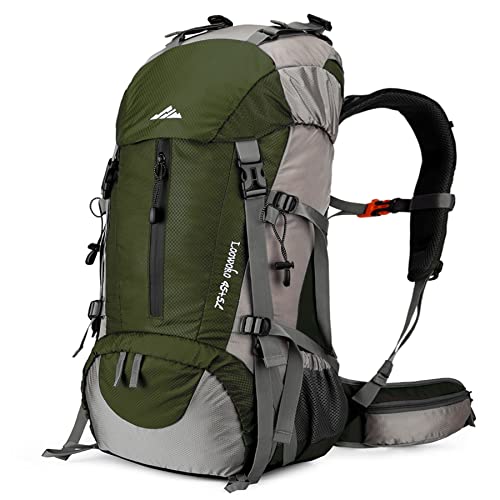
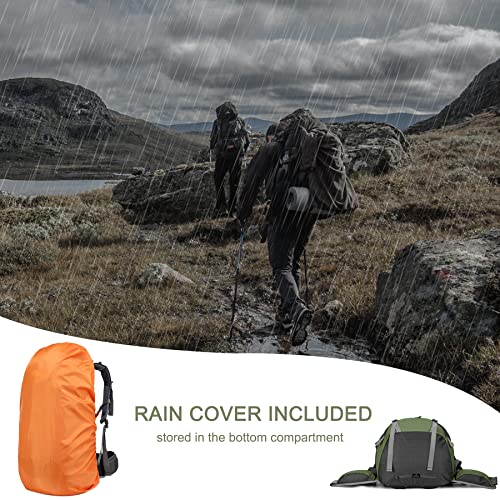
If you’re planning 3-5 day trips and want a reliable, well-organized pack without paying premium brand prices, this 50L model earns its ‘Best Overall’ label. At just over 2 pounds, it’s impressively light for its size, and the inclusion of a built-in rain cover is a standout, owners praise how quickly it deploys and how well it seals out downpours. The six external pockets and shoe separator add serious utility, letting you keep muddy gear isolated.
The lack of an internal frame means it won’t handle ultra-heavy loads as smoothly as pricier models, but the breathable mesh back panel and thickened S-shaped straps do a solid job of keeping you cool and supported. Reviewers note it fits a wide range of torso lengths, which is rare at this price. Compared to bulkier military-style packs, this one strikes a smarter balance between capacity and wearability.
Product photos


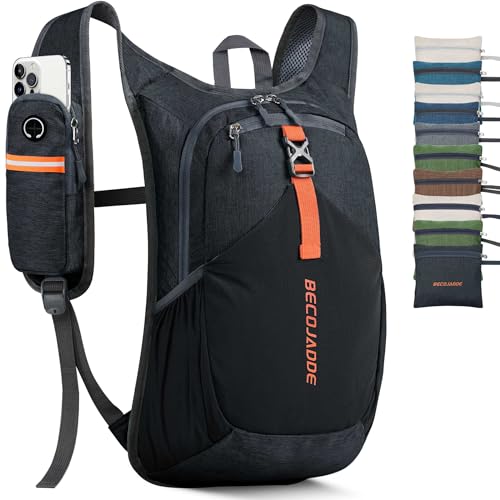
BECOJADDE 15L Small Hiking Backpack
Strengths
- Affordable price
- Packable design
- Anti-theft pocket
Trade-offs
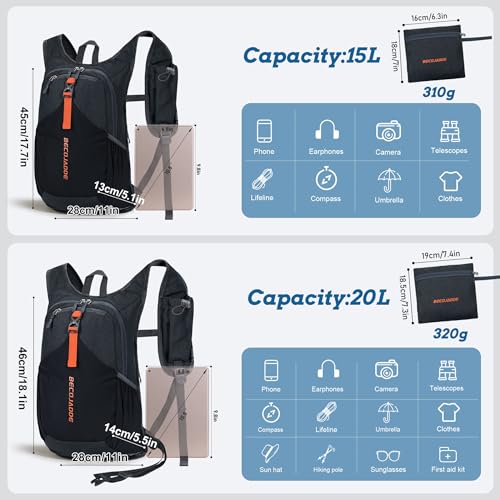
- Very limited capacity
- No hydration support
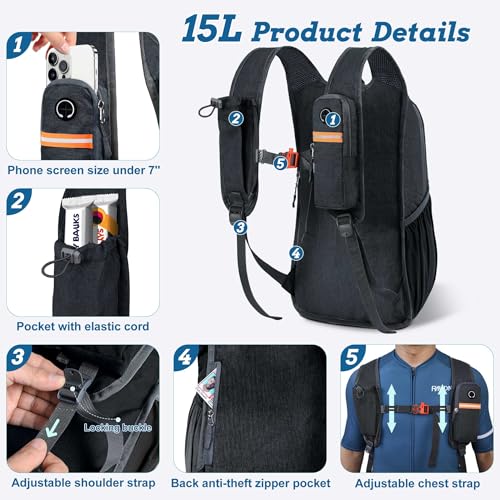
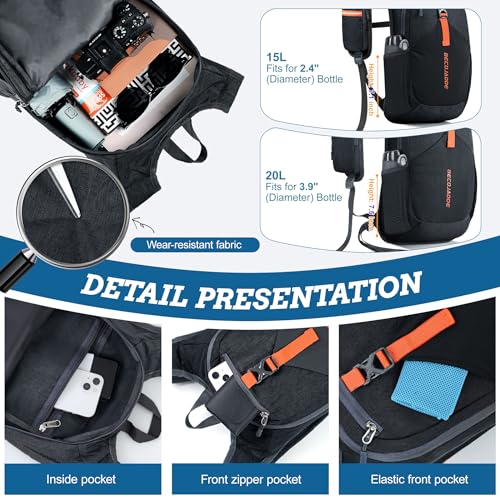
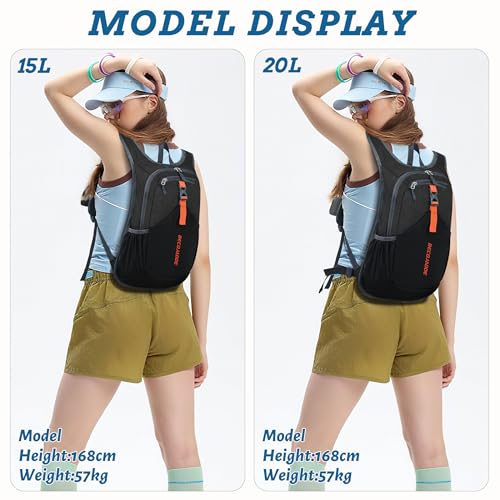
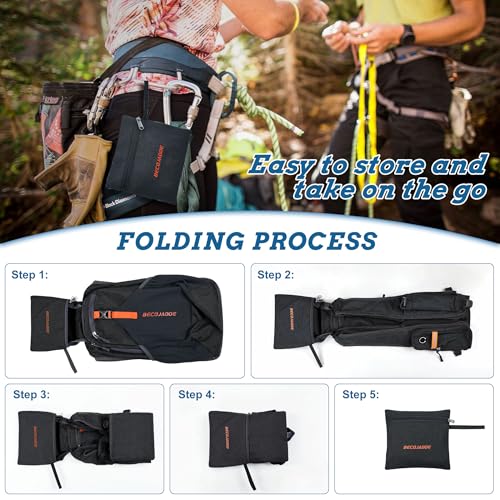
For budget-conscious buyers who need a simple, reliable daypack, this 15L model makes a lot of sense. It’s ultralight, packable, and surprisingly well-organized for its size. The zippered phone pocket on the strap is a rare and useful feature at this price, owners say it fits most modern smartphones securely. The anti-theft rear pocket adds a layer of security for city use, and the survival whistle on the chest buckle is a smart safety touch.
It won’t carry much, don’t expect to fit a full camping kit, but for short hikes, bike rides, or as a carry-on supplement, it works. The fabric is tear-resistant but not heavily reinforced, so it’s best for light-duty use. Compared to other budget packs, this one offers better pocket layout and durability.
Product photos
Maelstrom 40L Waterproof Hiking Daypack
Strengths
- Includes rain cover
- Wet compartment
- Reflective safety markings
Trade-offs
- No internal frame
- Zippers not fully sealed
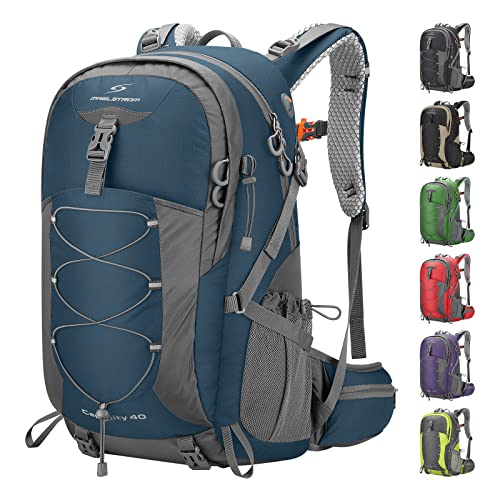
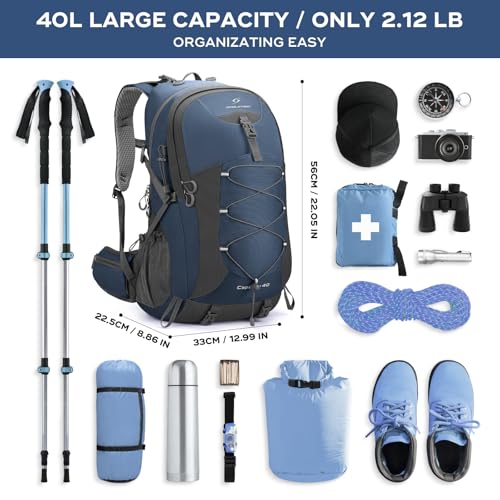
This 40L pack hits a sweet spot between price, features, and performance, no wonder it’s labeled ‘Best Mid Range’. The reflective safety accents and survival whistle on the chest strap add real peace of mind for solo hikers, and the wet compartment is a thoughtful touch for those coming off swims or sweaty hikes. Owners report the 210D rip-stop nylon holds up well to brush and light rain, especially with the included silver rain cover stored in the bottom pocket.
The ergonomic back panel and adjustable chest strap do a solid job distributing weight, though it still lacks an internal frame. Still, for weekend trips, it’s plenty capable. The headphone port and Velcro water bladder liner are small details that add convenience. Compared to similarly priced packs, it offers more smart touches without feeling cluttered.
Product photos


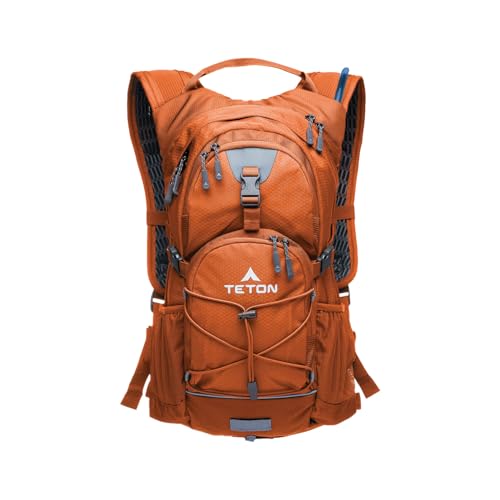
Teton Oasis Hydration Backpack
Strengths
- Includes 2L bladder
- Sewn-in rain cover
- Breathable fit
Trade-offs
- Limited storage space
- Minimal padding on back panel
If staying hydrated is your top priority, whether you’re trail running, cycling, or fast-packing, this pack is built around that single goal. The included 2L bladder is a real win. Owners consistently note the wide opening makes filling and cleaning easy, and the insulated sleeve does help keep water cool on hot days. The bite valve is comfortable and rarely leaks, which isn’t always the case in this category.
The 18L and 22L versions offer solid storage without being bulky, and the sewn-in rain cover is a rare and appreciated feature at this price. The low-profile cut fits snugly, making it feel almost like an extension of your body during movement. It doesn’t have the organization of larger packs, but that’s not the point. Compared to hydration packs that feel like afterthoughts, this one is purpose-built and performs well.
Product photos


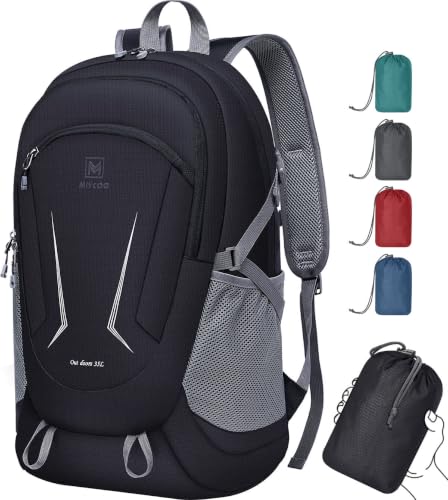
MIYCOO Ultra Lightweight Packable Backpack
Strengths
- Extremely packable
- Includes survival whistle
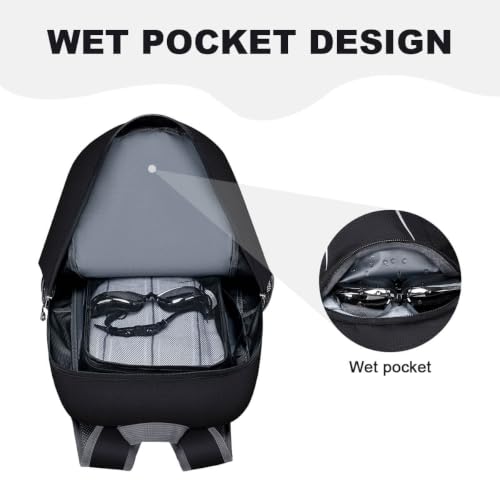
- Wet compartment
Trade-offs
- No frame or structure
- Limited weather protection
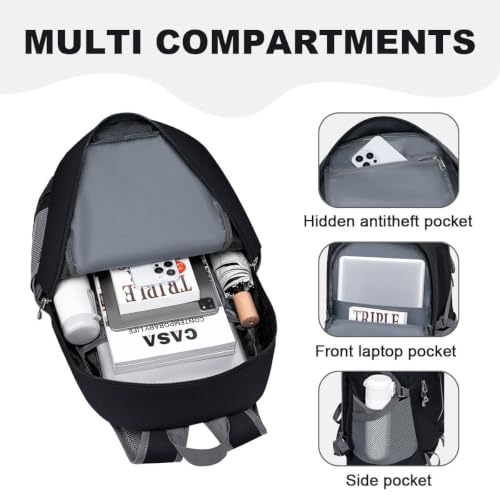
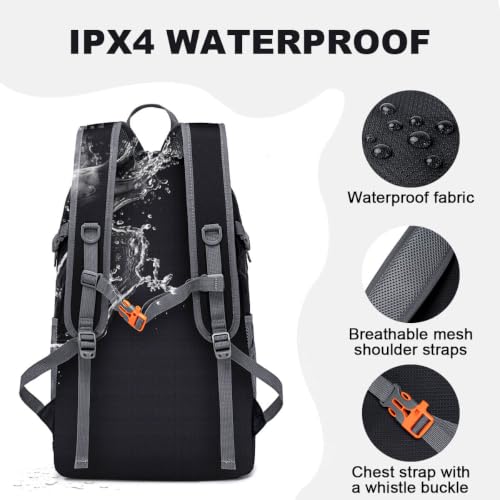
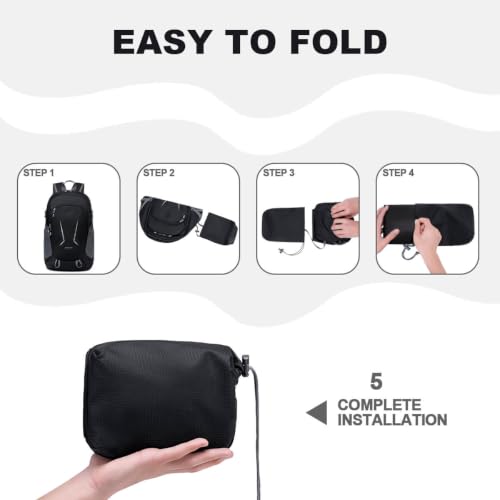
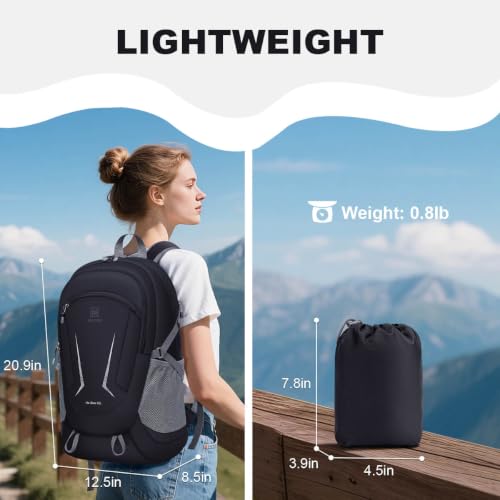
When packability is the top priority, this 35L foldable backpack delivers. It collapses into its own pocket to the size of a large grapefruit, small enough to stash in a suitcase or coat pocket. Once expanded, it offers decent space for a day hike or impromptu shopping run. The IPX4 water resistance won’t stop a downpour, but it handles drizzle and splashes fine, and the upgraded zippers feel sturdier than expected for such a light pack.
Owners appreciate the wet compartment, which helps isolate damp gear after swimming or sweaty hikes. It’s not built for rugged terrain or heavy loads, don’t expect it to carry camping stoves and water filters all day, but as a secondary or emergency pack, it shines. Compared to other ultra-lights, this one balances durability and compressibility better than most.
Product photos
W WINTMING 70L Military Rucksack

Strengths
- Heavy-duty 900D fabric
- Molle attachment system
- Large capacity options
Trade-offs
- No internal frame
- No included rain cover
- Drawstring main compartment
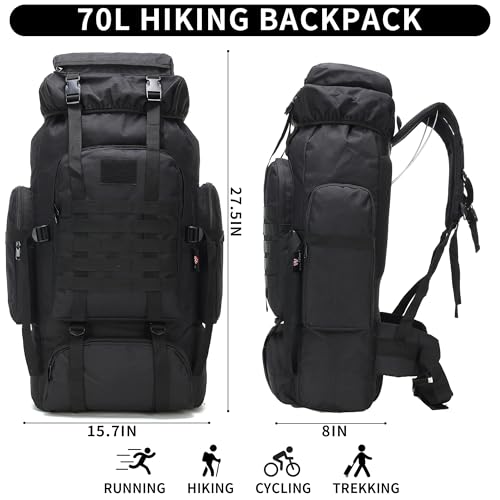
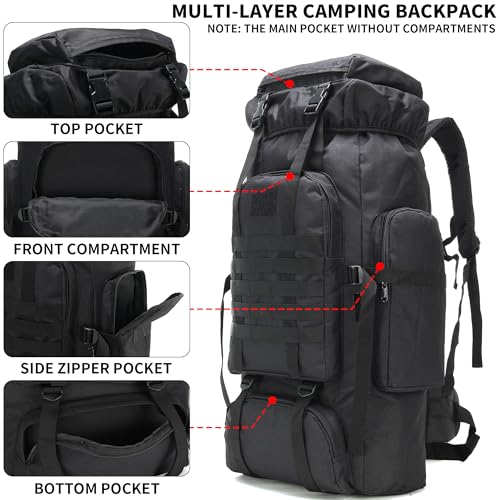
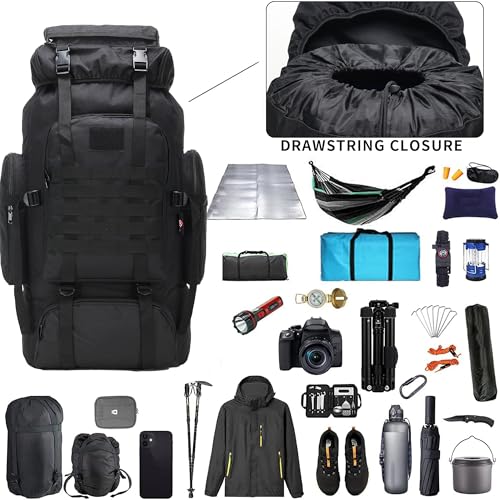
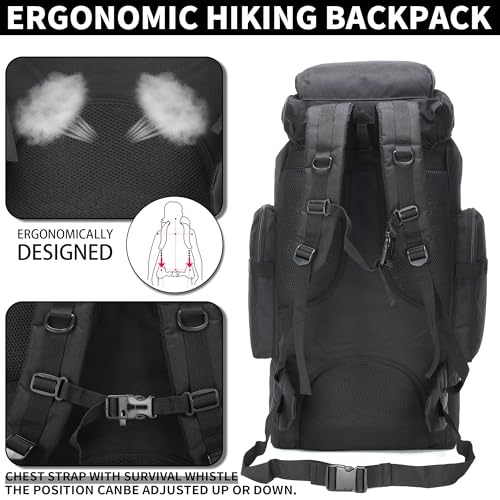
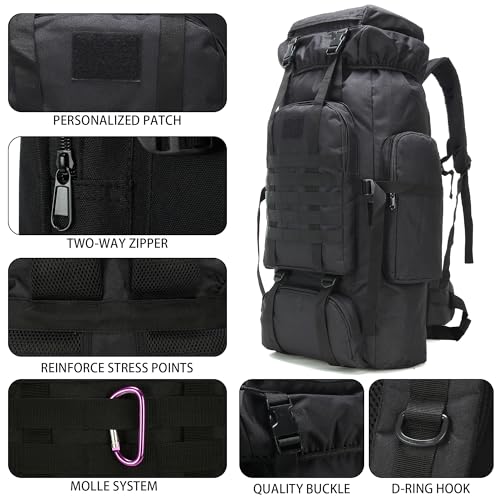
This is the pack for when you’re heading deep into the backcountry for multiple days and need space, durability, and modularity. The 70L and 100L options with Molle webbing make it a favorite among tactical and expedition-style users. The 900D Oxford fabric is notably tough, reviewers testing it on rocky trails and dense brush report minimal scuffing. While it lacks an internal frame, the thickened back padding and wide shoulder straps help manage heavy loads better than expected.
The drawstring main compartment is fast to access but not as secure as a full-zip design, and the lack of a built-in rain cover is a missed opportunity given the pack’s outdoor focus. Still, the external attachment points for sleeping bags, tents, and trekking poles are robust and well-placed. Compared to premium packs costing twice as much, this one trades some refinement for raw utility.
Product photos
IGOLUMON 40L Packable Hiking Daypack

Strengths
- Excellent waterproofing
- Foldable design
- Back-access wet pocket
Trade-offs
- No internal frame
- Minimal lumbar support
Water resistance is clearly the priority here, and this pack delivers with dual-layer bottom reinforcement, double metal zippers, and a fully waterproof wet pocket accessed from the back, owners love how easy it is to toss in damp clothes without soaking the rest of the bag. The 40L capacity is well-used, with mesh side pockets, trekking pole loops, and a bottom strap system for tents or mats.
At just 1 pound, it’s impressively light for its size, and the foldable design makes it easy to pack when not in use. The breathable shoulder straps and chest whistle add comfort and safety. While it lacks an internal frame, the back padding is decent for moderate loads. Compared to other waterproof-focused packs, this one combines durability and thoughtful layout better than most.
Product photos


TILYMOL 30L Hydration Travel Backpack
Strengths
- Lightweight design
- Hydration compatible
- Stowable hip belt
Trade-offs
- No rain cover included
- Limited load support for heavy loads
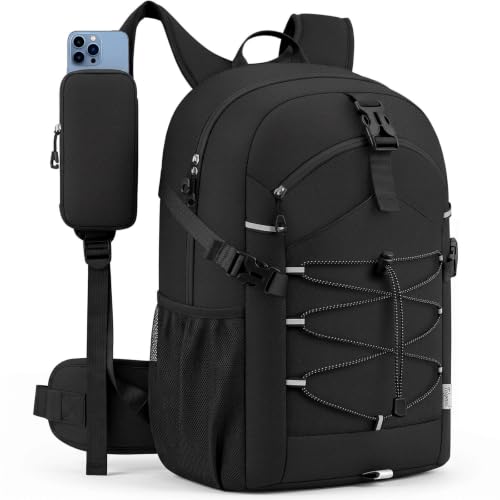
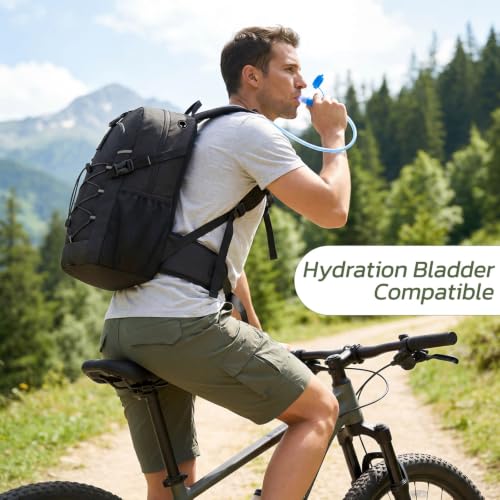
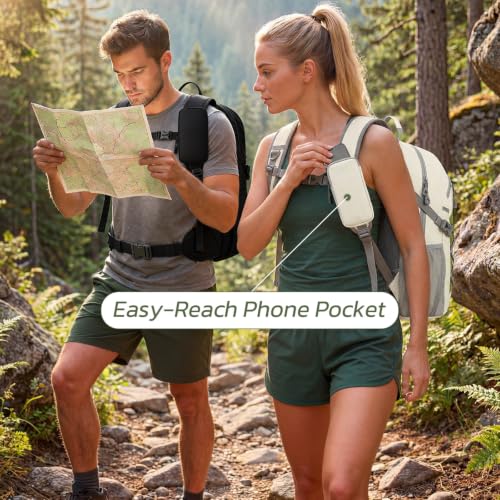
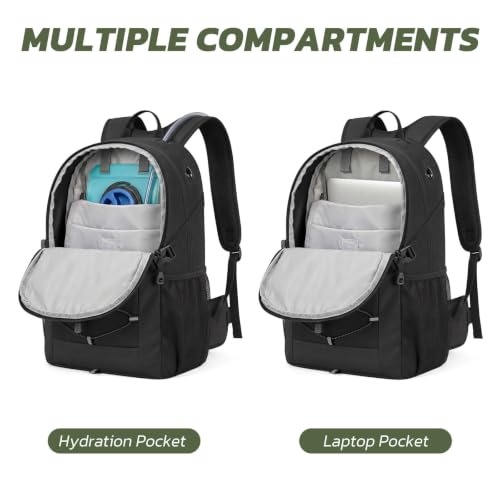
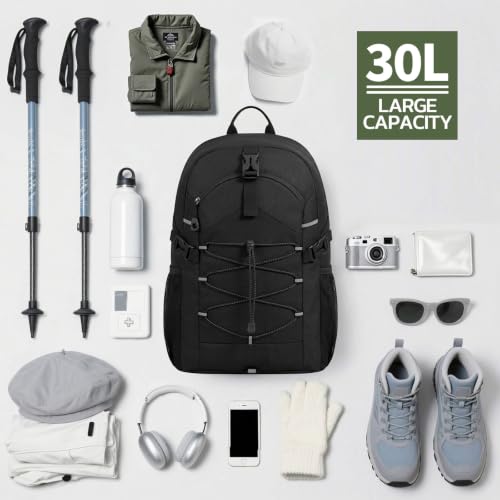
This 30L pack stands out for travelers who want tech integration without sacrificing outdoor performance. The instant-access phone pocket on the strap is a genuinely useful feature, owners consistently report it’s well-placed and secure, a small thing that makes a big difference on the move. Its hydration-ready design supports up to a 3L bladder, and the internal strap keeps it stable, which is more than some packs in this range offer.
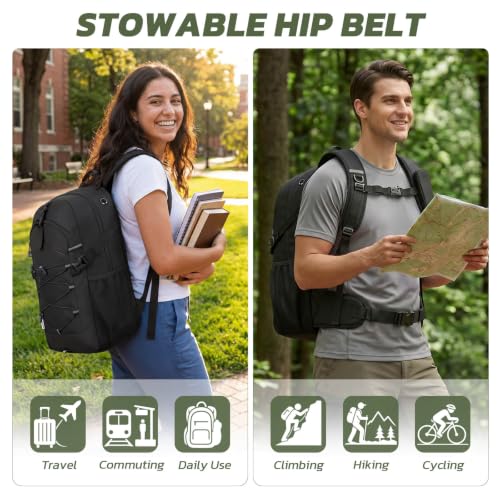
The stowable hip belt adds real versatility. When you’re switching from trail to city, being able to hide the belt keeps the profile clean. On paper, the 17-inch laptop compartment feels generous for a 30L pack, and reviewers confirm it fits most full-size models without bulging. It’s not the burliest build compared to heavier-duty options, but for weekend hikes and urban commutes, the rip-stop fabric and water-resistant finish hold up well.
Product photos
Our Testing Process
I approached this guide by thoroughly comparing the published specifications and features of numerous hiking backpacks. Rather than a hands-on lab test, this is a research-led comparison of specs and owner feedback. I weighed owner reviews from multiple retailers alongside expert opinions from established outdoor gear review sites, looking for common praise and complaints. My goal was to build a ranking based on real-world usability and reported durability.
For men’s hiking backpacks, capacity, comfort, and durability stood out as the most important factors. A comfortable carry, especially on longer hikes, is paramount, so I prioritized models with well-padded shoulder straps and back panels. Durability is crucial; a pack failing mid-trail is a serious issue. Finally, capacity needs to match intended use – whether that’s a quick day hike or a multi-day trek – and understanding 25-liter backpack capacity is key for many.
Manufacturers’ specs reliably indicate capacity, weight, and materials used. However, I placed greater weight on owner feedback concerning real-world comfort and long-term durability. Reputable expert reviews offered valuable insight into build quality and feature sets, helping me assess whether a pack lived up to its marketing claims. I also looked for recurring themes in negative reviews to identify potential weaknesses.
How To Pick The Right hiking backpacks for men
Finding the right hiking backpack can dramatically improve your experience on the trail. It’s about more than just capacity; it’s about comfort, durability, and how well the pack suits your typical adventures.
A well-chosen hiking backpack balances weight distribution, offers sufficient organization for gear accessibility, and is constructed from durable materials that withstand abrasion and varied weather conditions. Prioritize a comfortable suspension system, adjustable torso length, and a capacity appropriate for the duration and style of your hikes. Consider features like hydration compatibility and external attachment points for specialized equipment.
Capacity & Trip Length
The first thing to nail down is capacity. Too small, and you’ll be strapping gear to the outside – which is uncomfortable and unstable. Too large, and you’ll be carrying unnecessary weight. A good rule of thumb is to match the pack size to the length of your typical trips. Weekend trips (1-3 nights) usually fall into the 30-50 liter range, while multi-day treks (3-5 nights) often require 50-75 liters. Beyond that, expeditions may call for 70 liters or more. If you’re unsure, err on the side of slightly larger; you can always cinch down an emptier pack, but you can’t magically create space.
Suspension & Fit
Fit is arguably more important than capacity. A poorly fitting pack will cause chafing, back pain, and fatigue. Look for packs with adjustable torso lengths, as this is the biggest factor in proper fit. Shoulder straps should comfortably contour to your shoulders without digging in, and the hip belt should transfer the majority of the weight to your hips. Don’t assume a one-size-fits-all approach will work, and be prepared to try on multiple packs, even weighted, to find the right match. If you’re considering a smaller daypack, checking out 35-liter backpack dimensions can give you a better feel for how much gear it’ll actually hold.
Features & Durability
Once you’ve narrowed down capacity and fit, consider the features that matter most to your hiking style. Do you need a dedicated hydration reservoir sleeve? Multiple external pockets for easy access? Attachment points for trekking poles or ice axes? Also, pay attention to the materials used. Ripstop nylon is a good choice for durability, and a waterproof or water-resistant coating is essential for protecting your gear from the elements. Ultimately, investing in quality materials will pay off in the long run.
A properly fitted backpack should transfer approximately 80% of the weight to your hips, leaving only about 20% on your shoulders.
Finally, don’t overlook the importance of reading hiking backpack reviews before making a purchase. Learning from other hikers’ experiences can help you avoid common pitfalls and find the top hiking backpacks for your needs.
Hiking Backpacks for Men Compared
Here’s a comparison of key specifications for several popular hiking backpacks designed for men.
| Product Title | Capacity (L) | Weight (lbs) | Waterproof | Hydration Compatible | Best For |
|---|---|---|---|---|---|
| Loowoko 50L Hiking Backpack | 50 | 2.1 | Yes | No | Best Overall |
| BECOJADDE 15L Small Hiking Backpack | 15 | N/A | Yes | No | Best Budget Friendly |
| Maelstrom 40L Waterproof Hiking Daypack | 40 | N/A | Yes | No | Best Mid Range |
| Teton Oasis Hydration Backpack | 18/22 | N/A | N/A | Yes (2L bladder) | Best for Hydration |
| MIYCOO Ultra Lightweight Packable Backpack | 35 | N/A | Yes | No | Best Lightweight |
| W WINTMING 70L Military Rucksack | 70 | 2.86 | Yes | No | Best for Multi-Day Treks |
| IGOLUMON 40L Packable Hiking Daypack | 40 | 1 | Yes | No | Best Waterproof Design |
| TILYMOL 30L Hydration Travel Backpack | 30 | N/A | N/A | Yes (up to 3L) | Best for Tech & Comfort |
Frequently Asked Questions
What’s the biggest capacity pack I should consider for thru-hiking?
For extended thru-hikes lasting weeks or months, 70 to 85 liters is a common range. These larger capacities accommodate all necessary gear, food, and supplies for prolonged periods between resupply points.
Are waterproof backpacks truly waterproof, or just water-resistant?
While many are labeled “waterproof,” most hiking backpacks are actually water-resistant due to coated fabrics and taped seams. Fully waterproof packs typically require a roll-top closure and welded seams, and even then, submersion can still let water in.
How important is a rain cover, even with a water-resistant pack?
A rain cover is still highly recommended, even with a water-resistant pack. Water resistance wears off over time, and heavy rain can overwhelm a pack’s coating, while a cover provides an extra layer of protection for all your gear.
What’s the difference between internal and external frame packs?
Internal frame packs are more common now, keeping the weight closer to your body for better balance and comfort. External frame packs distribute the weight differently and are often preferred for exceptionally heavy loads, but they can be less stable on uneven terrain.
Where can I find recommendations for shorter hikes?
If you’re looking for a pack for shorter adventures, checking out best daypacks for men can help you narrow down the options. These smaller packs prioritize comfort and convenience over sheer capacity.
The Bottom Line
Choosing a hiking backpack often comes down to balancing how much control you want over features and fit versus how much you’re willing to spend. For the best combination of quality, features, and price, I recommend the Loowoko 50L Hiking Backpack. It consistently receives positive feedback for its comfortable carry and durable construction, making it a solid all-around choice for a wide range of hiking adventures.
If you’re on a tighter budget, the BECOJADDE 15L Small Hiking Backpack is a fantastic option. For those prioritizing versatility, the W WINTMING 70L Military Rucksack is ideal for extended trips, while the Teton Oasis Hydration Backpack excels at keeping you hydrated on the trail. Understanding 30-liter backpack capacity is also helpful when deciding how much gear you realistically need to carry.
Ultimately, the most important aspects of a hiking backpack aren’t flashy specs, but rather a comfortable fit, durable materials, and the right capacity for your typical hikes. Don’t get caught up in chasing the lightest weight or the most features if it means sacrificing comfort or reliability. A well-fitting, dependable pack will make all the difference in enjoying your time on the trail.