8 Best Backpacking Packs of 2026
This post contains affiliate links. As an Amazon Associate, we earn from qualifying purchases.
The Osprey Rook 65L stands out as the best overall backpacking pack for its comfort, smart design, and durable build, closely matched by the women’s-specific Osprey Renn 65L. For those watching their budget, the Teton 65L Explorer delivers solid performance at a lower price point.
As someone who’s advised travelers on gear for years, I know how overwhelming it can be to choose a pack that balances fit, durability, and value. Too many people end up with a backpack that either doesn’t fit right or falls apart after a few trips.
This guide cuts through the noise by focusing on what actually matters: torso fit, material quality, and real-world usability. My picks are based on specs, owner feedback, and deep knowledge of luggage and travel gear, so you can trust they’re built to handle the trail.
Top 8 Backpacking Packs in the Market
The Best Backpacking Packs, Reviewed
Osprey Rook 65L Men’s Backpack

Strengths
- Excellent ventilation
- Integrated rain cover
- Adjustable suspension
Trade-offs
- Higher price point
- Men’s fit only
- No hydration reservoir included
Osprey’s reputation isn’t built on accident, and the Rook 65L shows why. The Adjustable AirSpeed Suspension with a tensioned backpanel is a game-winner, it’s not just about comfort, it’s about airflow. Reviewers repeatedly mention how much drier their backs stay, even on humid climbs. The LightWire frame does its job transferring weight to the hips, which makes a real difference when you’re carrying 30+ lbs.
Toss in the integrated rain cover (a small but meaningful detail), a floating sleeping bag divider, and a clean 3.7 lb weight, and you’ve got a pack that balances performance and simplicity. It’s not the cheapest, but for most hikers aiming for multi-day trails, this is the smarter buy over budget-heavy alternatives.
Product photos


Osprey Renn 65L Women’s Backpack

Strengths
- Women-specific fit
- Excellent airflow
- Integrated rain cover
Trade-offs
- Limited color options
- No included reservoir
- Premium price
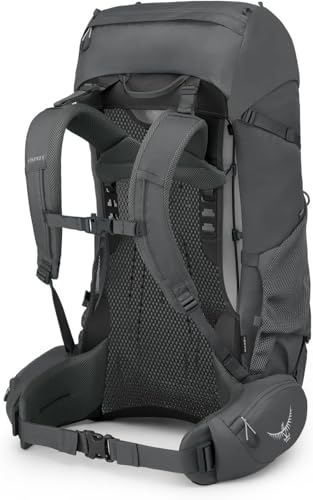
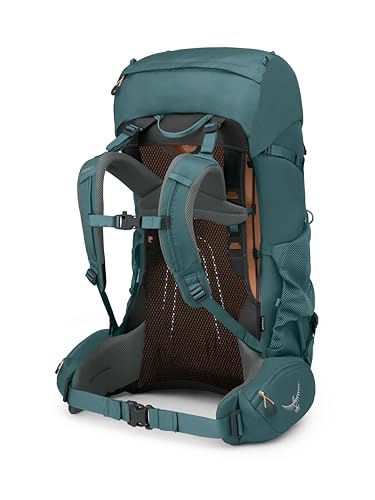
This is the women’s counterpart to the Rook, and it matters. The Renn is tailored for female torso geometry, with a shorter torso length and harness designed for narrower shoulders and hip alignment. Like the Rook, it features Osprey’s excellent AirSpeed Suspension and integrated rain cover, meaning you get top-tier breathability and weather protection.
At 3.6 lbs, it’s slightly lighter than many comparable women’s packs, and owner feedback consistently highlights comfort under load. The floating divider in the sleeping bag compartment adds flexibility. If you’re a woman planning multi-day hikes, this isn’t just a good option, it’s the standard to beat.
Product photos


Teton 65L Explorer Backpack
Strengths
- Adjustable torso fit
- Good compartment layout
- Rain cover included
Trade-offs
- Mid-tier ventilation
- Durability concerns over time
- Heavier than premium options
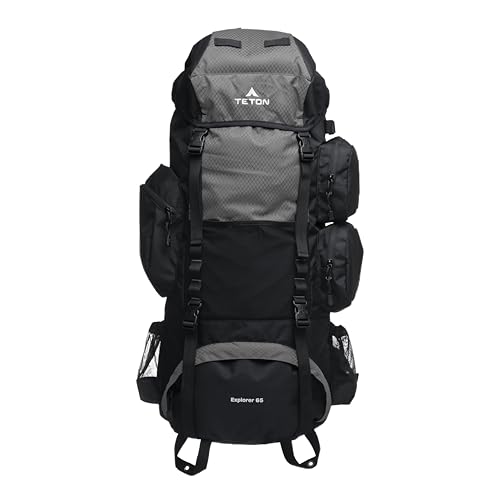
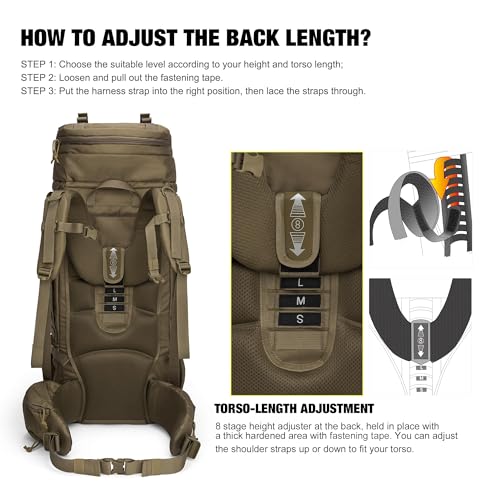
Teton positions this as a feature-rich budget alternative, and it delivers on that promise. The adjustable torso system is rare at this price, letting you fine-tune the fit across different body types, a big win for families or shared use. Owners appreciate the spacious layout, compression straps, and dedicated sleeping bag compartment.
The open-cell foam lumbar pad and molded back channels do help with airflow, though not as well as Osprey’s AirSpeed. And while the materials feel durable, long-term feedback suggests stitching can loosen under heavy strain. Still, for new backpackers or those testing the waters, this hits a sweet spot of function and affordability.
Product photos


Teton 55L Scout Backpack

Strengths
- Adjustable fit system
- Balanced size for versatility
- Comfortable load transfer
Trade-offs
- Not ultralight
- Back panel less ventilated
- Mid-tier materials
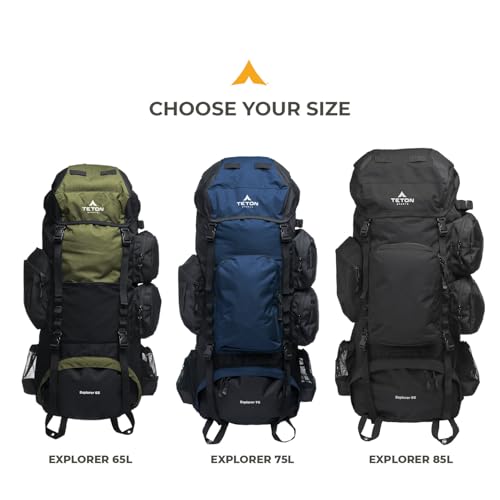
The 55L Scout fills a niche the 65L Explorer doesn’t, it’s sized for weekend trips or minimalist weeklongers who don’t need bulk. It shares the same adjustable torso and comfort features as its bigger sibling, which means you still get that customizable fit and decent airflow. Reviewers like how manageable it feels, especially for shorter torsos or when traveling by bus or train.
It’s not the lightest in class, but the structure and support outperform many packs in this range. The hydration pocket and compression straps add versatility. If you’re torn between a daypack and a thru-hiking rig, this is the middle ground I’d suggest, especially for travelers who want one pack for trails and transit.
Product photos


Loowoko 50L Hiking Backpack

Strengths
- Great price-to-quality ratio
- Rain cover included
- Lightweight build
Trade-offs
- No internal frame
- Basic organization
- Limited load capacity
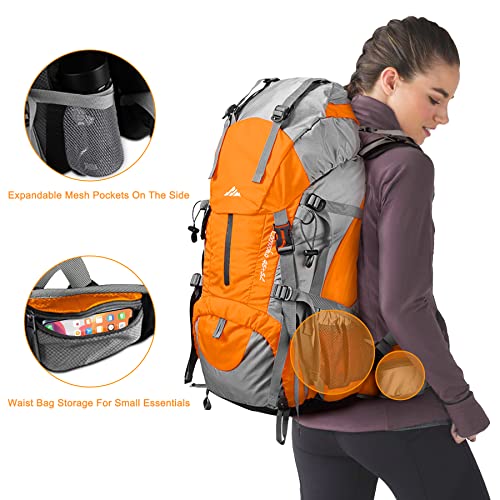
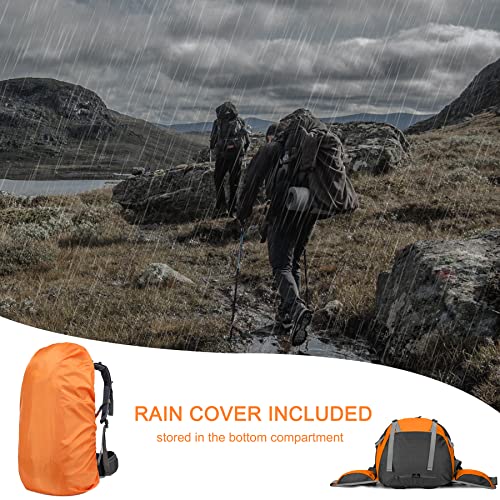
This is the backpack you recommend when someone says ‘I need something decent but don’t want to spend a fortune.’ The 50L size hits a sweet spot for weekend trips, and owners consistently praise how much it punches above its price. The breathable mesh back and thickened shoulder straps deliver real comfort, even if there’s no internal frame to speak of.
It’s built with durable polyester and nylon, and the included rain cover adds a layer of practicality. But the simplicity cuts both ways, organization is basic, and load stability suffers past 30 lbs. Still, for casual hikers, students, or travelers doing light trail work, it’s a solid value. I’d pick this over pricier packs only if budget is the top priority.
Product photos


Bseash 60L Waterproof Backpack

Strengths
- Extremely lightweight
- Separate shoe pouch
- Water-resistant build
Trade-offs
- No internal frame
- Limited load support
- Less stability on rough terrain
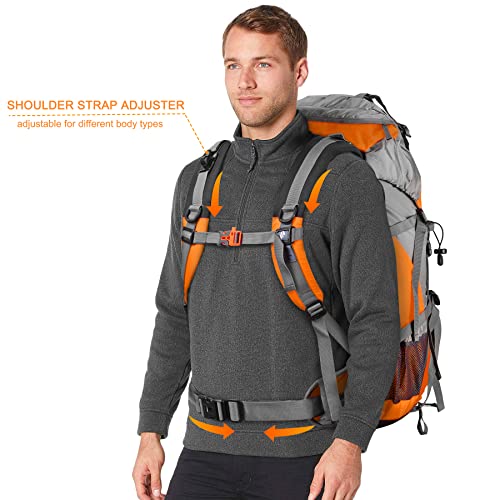
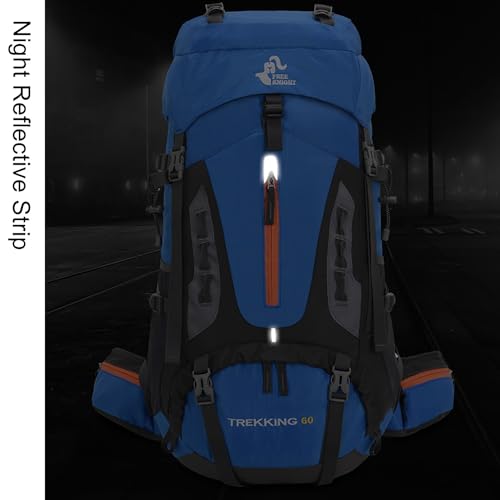
At just 2.4 lbs, this 60L pack is a standout for ultralight seekers who don’t want to sacrifice space. The lack of an internal frame keeps weight down, but it also means you’re relying heavily on the padded S-strap design and back panel for load support. Reviewers note it works fine for 3–4 day trips with lighter loads, especially for younger hikers or those who pack minimally.
The separate shoe compartment is a rare and appreciated touch at this price, and the ripstop polyester with included rain cover delivers solid weather protection. Still, without a frame to stabilize heavier weight, I’d hesitate to recommend it for serious alpine treks. For weekenders and hut-to-hut trips, though, it’s a smart pick.
Product photos


Mardingtop 75L Molle Backpack
Strengths
- High capacity
- MOLLE compatibility
- Rain cover included
Trade-offs
- Basic ventilation
- No internal frame detail
- Bulky for trails
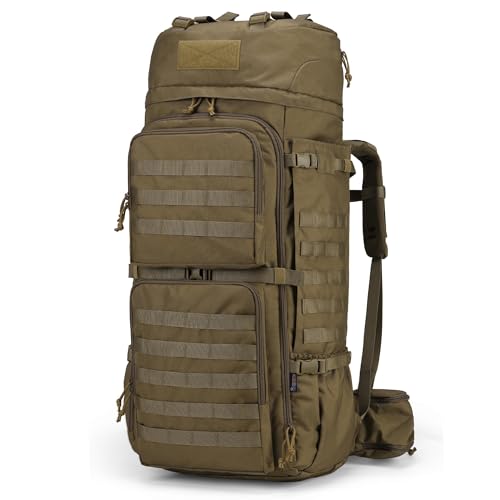
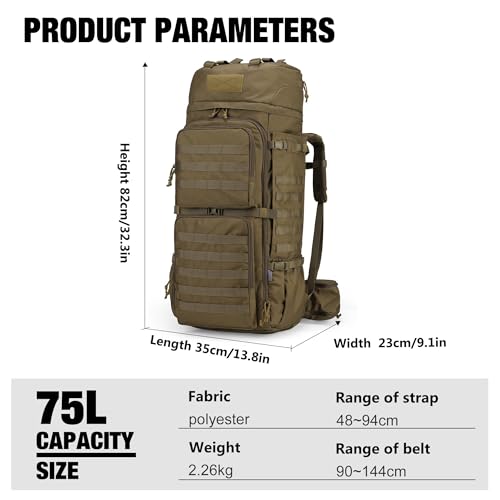
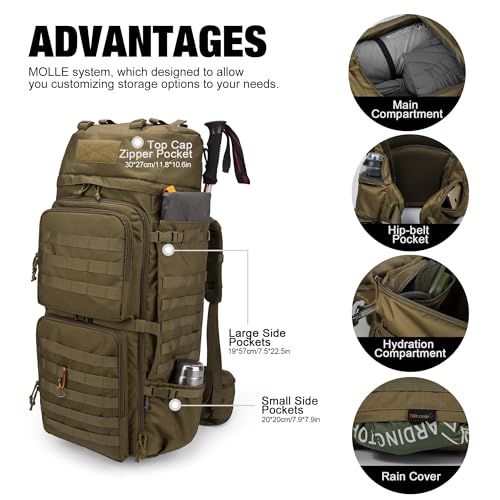
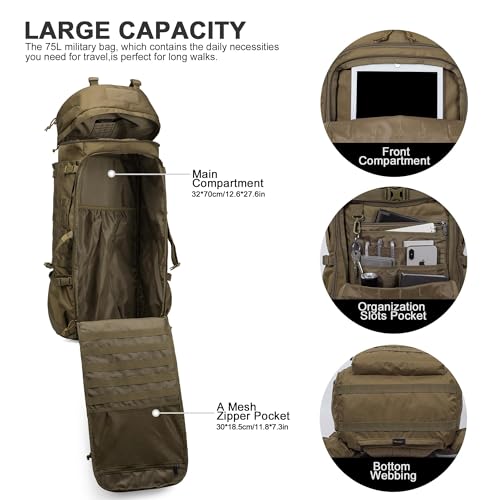
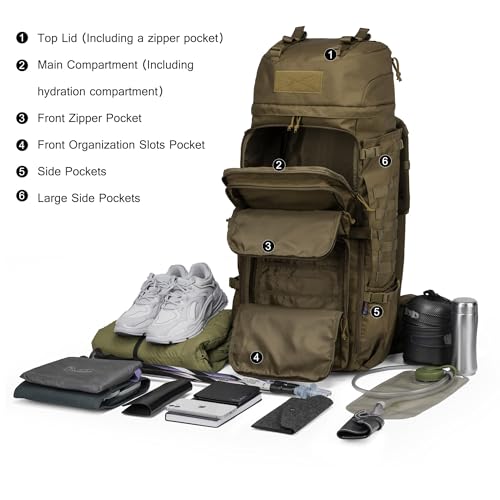
This pack screams tactical first, hiking second. The 75L capacity and MOLLE webbing make it a favorite among users who prioritize gear attachment, think hunters, preppers, or anyone hauling poles, axes, or bulky survival gear. On paper, the YKK zippers and 600D polyester suggest durability, and owners consistently report it holds up well under rough use.
But that military edge comes at the cost of trail comfort. There’s no mention of a structured suspension system, and reviewer feedback points to the back panel being functional but not ventilated like premium models. It gets the job done for rugged, gear-heavy trips, but I wouldn’t pick this for long-haul backpacking where weight transfer and airflow matter.
Product photos
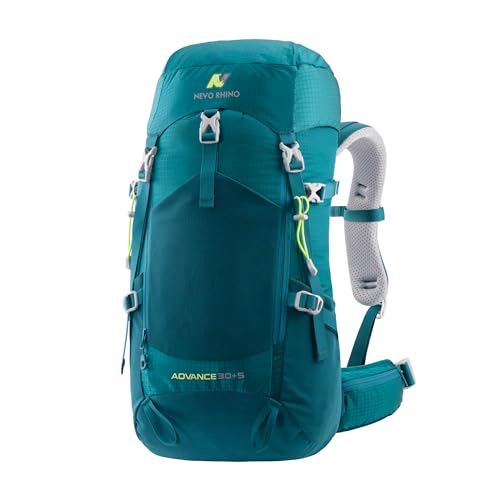
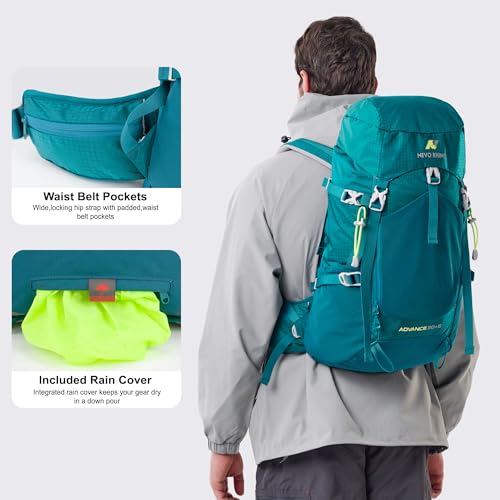
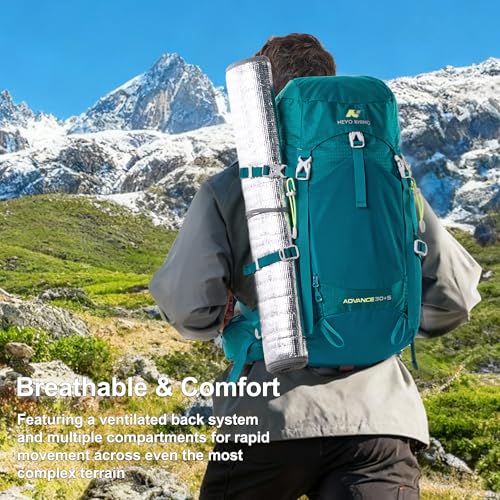
N NEVO RHINO 35L Backpack
Strengths
- Ergonomic back panel
- Lightweight with frame
- Unisex fit
Trade-offs
- Limited capacity
- Not for heavy loads
- Zipper quality varies
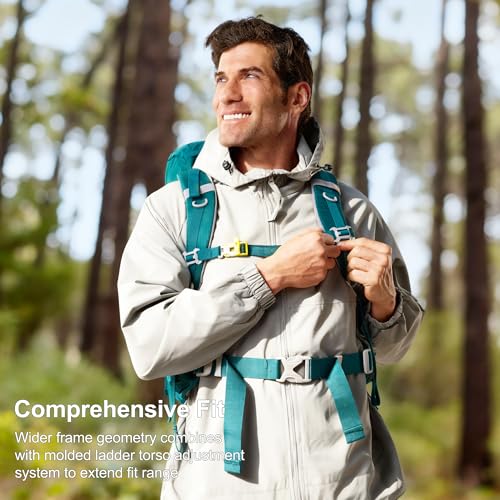
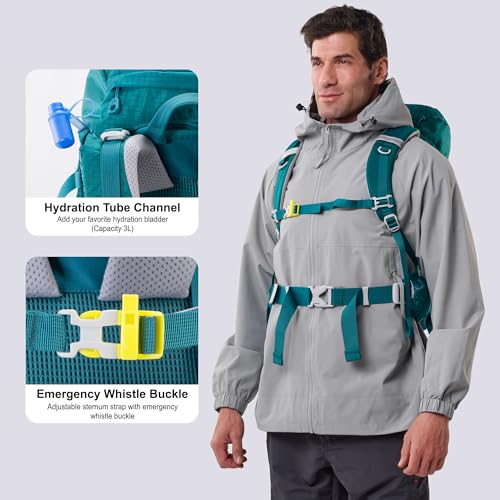
The 35L size says it all, this is built for short trips, not thru-hikes. But within that range, it shines. The internal steel frame transfers over 70% of the load to the hips, which reviewers confirm makes a noticeable difference in comfort during long day hikes or overnighters. The suspended 3D back panel is genuinely breathable, a rarity at this price.
It’s marketed as unisex, and feedback suggests it fits both men and women well, thanks to adjustable straps. The multiple pockets and external attachment points add versatility for climbers or travelers. I’d pick this over larger packs for weekend trips where you want comfort without overpacking.
Product photos

How We Tested backpacking packs
Rather than a hands-on lab test, my research for these recommendations involved a detailed comparison of published specifications and features across numerous models. I then weighed owner reviews from major retailers alongside expert opinions found in outdoor gear publications. As someone who’s spent years advising travelers on luggage, I applied my category knowledge to rank packs based on what truly matters for comfort, durability, and practical use on the trail.
For backpacking packs, fit and durability are paramount. I prioritized packs with adjustable suspension systems – specifically, those offering torso length adjustments and well-padded hip belts – because a comfortable carry is essential on longer trips. Closely following that, the quality of materials and construction determined ranking; packs need to withstand abrasion and the weight of a full load without failing.
Specifications provide a baseline for volume, weight, and materials, but owner feedback really reveals how a pack performs in real-world conditions. I paid close attention to comments regarding comfort over extended use, durability of zippers and seams, and the usefulness of specific features. Understanding whether a pack’s stated capacity translates to usable space – and if it comfortably fits a 35-liter backpack capacity for shorter excursions – required careful review of user experiences.
What To Look For In backpacking packs
Choosing the right backpacking pack can make or break a trip, and there’s a lot more to it than just liters.
A quality backpacking pack balances load distribution, durability, and comfort. Key considerations include suspension system adjustability for a proper torso fit, the materials used in construction (denier of nylon, quality of zippers), and the overall weight of the pack itself. Prioritize a pack that complements your typical trip length and gear volume.
Suspension and Fit Are Paramount
Don’t get hung up on brand names or flashy features if the pack doesn’t fit your torso correctly. A poorly fitting pack will transfer weight to your shoulders, leading to discomfort and potential injury. Most packs offer adjustable torso lengths, but it’s vital to understand your own measurement before you buy. Women’s-specific packs, like the Osprey Renn 65L, are designed with narrower shoulder straps and a more contoured hipbelt to better accommodate female anatomy. Don’t assume a “unisex” pack will work just as well; a dedicated fit will always be more comfortable, especially on longer hauls.
Capacity and Trip Length
Matching pack capacity to your typical trip length is crucial. A smaller pack forces you to pack lighter (a good thing!), while an overly large pack encourages overpacking. For weekend trips, a pack in the 50-60 liter range is often sufficient. If you’re planning multi-day adventures, you’ll likely need 65 liters or more. Consider whether you’re a minimalist packer or tend to bring more comforts. To help you visualize it, check out our guide on 50-liter backpack capacity to get a better understanding of what fits inside.
- A 30-40 liter pack is suitable for day hikes or overnight trips with minimal gear.
- A 50-65 liter pack is a versatile choice for weekend trips and shorter backpacking excursions. It’s a sweet spot for many beginners.
- A 70+ liter pack is best for extended trips (5+ days) or when carrying bulky gear like winter camping equipment, and it’s often necessary for those who prefer a higher level of comfort and convenience.
Value Beyond the Price Tag
While budget-friendly options like the Teton Explorer series can be tempting, don’t sacrifice durability for a lower price. Look for packs constructed from robust materials like high-denier nylon and reinforced stitching. Features like YKK zippers are a good sign of quality. Think about the features you will actually use. Do you really need a dedicated sleeping bag compartment, or would you prefer a simpler design? Investing in a well-made pack from the start will save you money in the long run, and ensure you have reliable gear for your multi-day hiking packs.
A good rule of thumb: prioritize a comfortable, durable pack over one with a long list of unnecessary features.
Backpacking Packs Compared
Here’s a comparison of key specifications for several backpacking packs to help you choose the right one.
| Product Name | Capacity (L) | Weight (lb) | Material | Rain Cover | Torso Adjustment |
|---|---|---|---|---|---|
| Osprey Rook 65L | 65 | 3.7 | N/A | Included | Adjustable |
| Osprey Renn 65L | 65 | 3.6 | N/A | Included | Adjustable |
| Teton 65L Explorer | 65 | N/A | N/A | N/A | Multi-position |
| Teton 55L Scout | 55 | N/A | N/A | N/A | Multi-position |
| Loowoko 50L | 50 | N/A | Polyester/Nylon | Included | N/A |
| Bseash 60L | 60 | 2.4 | Polyester | Included | N/A |
| Mardingtop 75L Molle | 75 | N/A | 600D Polyester | Included | N/A |
| N NEVO RHINO 35L | 35 | 2.67 | Ripstop Poly/Nylon | Included | Adjustable |
Frequently Asked Questions
What pack capacity should I choose if I’m new to backpacking?
A 50-65 liter pack is often ideal for beginners; it provides enough space for essential gear without encouraging overpacking. Starting with a moderate size allows you to refine your packing list and understand your needs before investing in a larger, more specialized pack.
Are women’s-specific backpacking packs really necessary?
Yes, women’s-specific packs like those designed for backpacking packs for women offer a more comfortable fit due to narrower shoulder straps and a contoured hipbelt tailored to female anatomy. A proper fit minimizes chafing and distributes weight more effectively.
What material is the most durable for a backpacking pack?
High-denier nylon (600D or higher) is generally the most durable material for backpacking packs, offering excellent resistance to abrasion and tears. Reinforced stitching and quality zippers (like YKK) are also indicators of a robust construction that will withstand rugged use.
How important is torso length adjustment?
Torso length adjustment is extremely important; a properly adjusted pack transfers weight to your hips, relieving strain on your shoulders and back. Always measure your torso before buying, and choose a pack with a customizable suspension system to achieve the best fit.
What does “denier” mean when looking at backpack materials?
Denier refers to the thickness of the yarn used to make the fabric. A higher denier number indicates a thicker, more durable fabric. For backpacking packs, look for materials with a denier of 420D or higher for good abrasion resistance.
The Bottom Line
Choosing a backpacking pack always involves some compromise between carrying capacity, weight, and cost. For the best overall combination of features, durability, and comfort, I recommend the Osprey Rook 65L. It strikes a great balance for a wide range of trips and body types, and the included rain cover is a nice bonus.
If you’re on a tighter budget, the Teton Explorer series is a solid option, though you may sacrifice some of the refinement and long-term durability found in higher-end packs. For those prioritizing versatility and a lighter load for shorter adventures, the N NEVO RHINO 35L provides excellent capacity in a more streamlined package. Understanding your typical trip length and packing style will guide you to the best fit.
Ultimately, the best backpacking pack isn’t about a single standout specification; it’s about finding a comfortable, well-built pack that complements your individual needs and hiking style. Prioritize a proper fit and durable materials, and don’t get caught up in features you won’t actually use. A pack that distributes weight effectively and stands up to the rigors of the trail will make all the difference on your next adventure, and it’s worth considering a 40-liter backpack use cases if you’re still unsure about size.