8 Best Hiking Backpacks for Day Hikes 2026
This post contains affiliate links. As an Amazon Associate, we earn from qualifying purchases.
The Osprey Hikelite 28L is the best overall day hiking backpack, offering smart design, reliable comfort, and durable build. For budget-focused hikers, the Osprey Sportlite 20L delivers core features at a lower weight and price. If you need a pack that doubles for work, the TILYMOL 30L stands out with laptop support and hydration readiness.
As someone who’s evaluated hundreds of travel and outdoor bags, I know how easy it is to end up with a pack that looks great online but fails on the trail. Too often, hikers sacrifice comfort for capacity or end up with flimsy zippers and poor airflow.
This guide cuts through the noise. I compared specs, analyzed owner feedback, and weighed real-world usability to find daypacks that actually work. These picks balance fit, function, and durability, so you can focus on the hike, not your gear.
Top 8 Hiking Backpacks For Day Hikes in the Market
The Best Hiking Backpacks For Day Hikes, Reviewed
Osprey Hikelite 28L Hiking Backpack
Strengths
- Adjustable torso fit
- Hipbelt pockets
- Raincover included
Trade-offs
- Heavier than smaller packs
- Larger than needed for short hikes
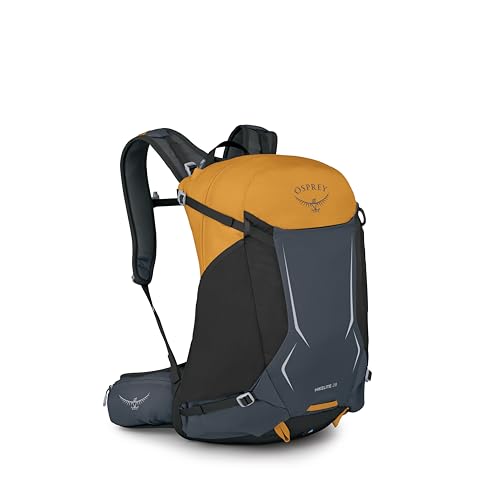
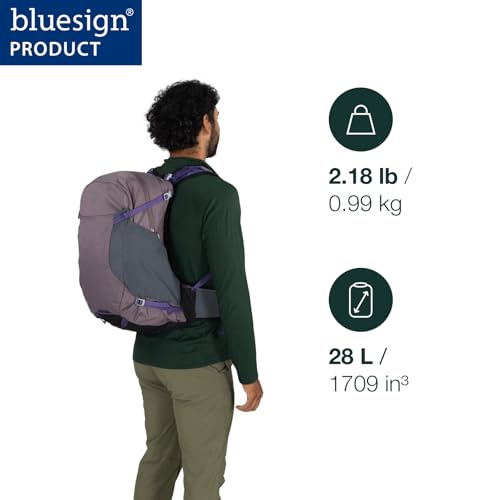
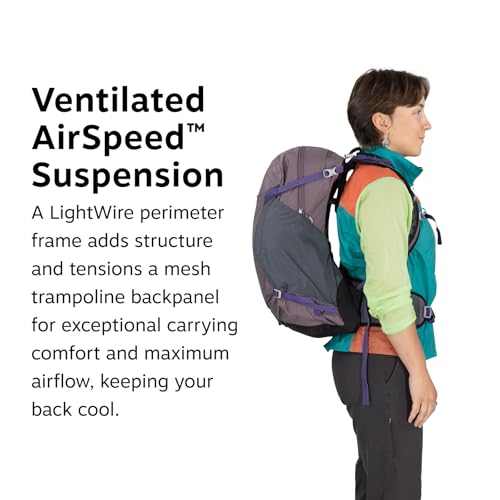
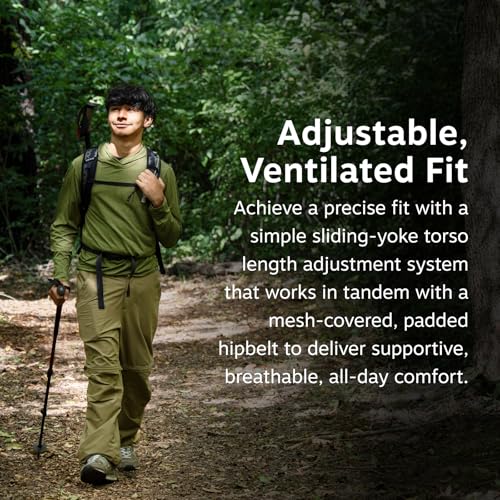
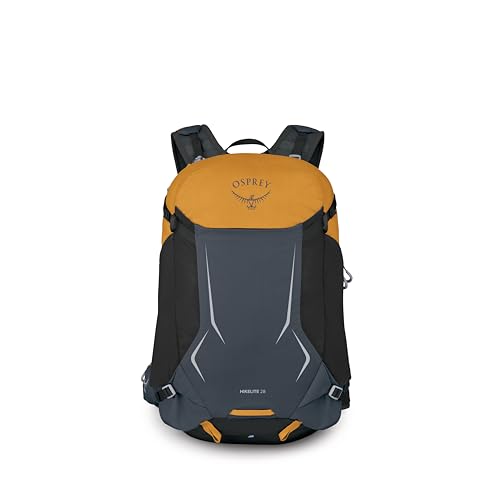
This is the most complete daypack here, the best overall for serious hikers. The 28L capacity gives room for longer trips, extra layers, and gear, while the AirSpeed suspension and padded hipbelt with pockets make carrying comfortable even when full. Owners love the load lifters and adjustable torso, which let you dial in the fit across body types.
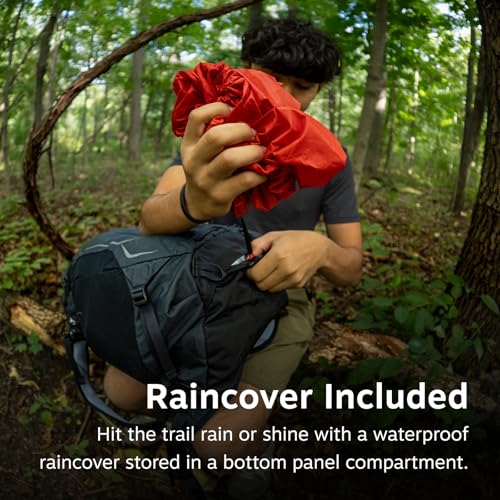
It includes everything that makes Osprey reliable: raincover, hydration sleeve, trekking pole loops, and excellent ventilation. Compared to the 18L version, it’s more versatile and better organized, especially with the hipbelt pockets for snacks or sunscreen. The only downside? It’s heavier. But for the features, that’s a fair trade. If you want one pack that does it all, this is the smarter buy.
Product photos
Osprey Hikelite 18L Daypack
Strengths
- AirSpeed suspension
- Raincover included
- Lightweight build
Trade-offs
- No hipbelt pockets
- Smaller capacity than some
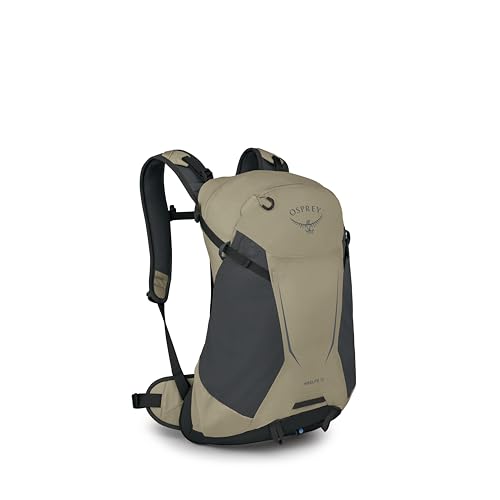
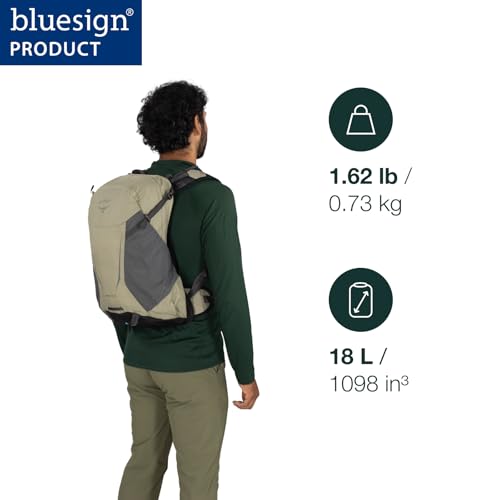
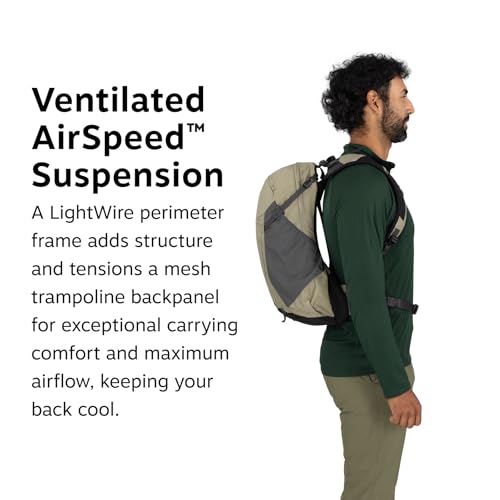
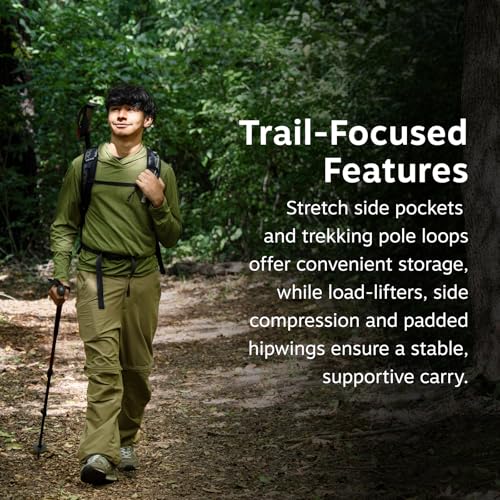
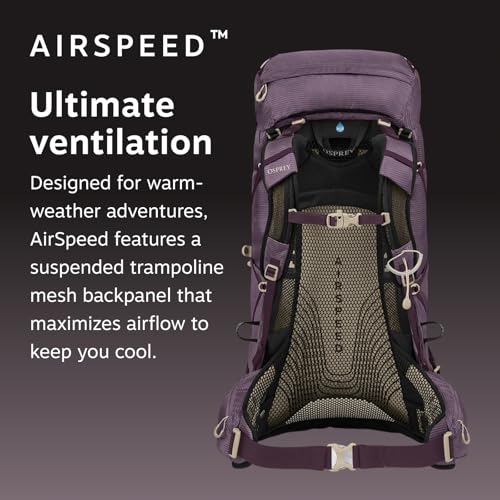
The Osprey Hikelite 18L is a standout for hikers who want serious comfort in a lightweight frame. On paper, it’s built like a proper trail pack, AirSpeed suspension and a LightWire frame aren’t just marketing fluff, they’re proven tech that owners consistently praise for reducing shoulder strain and improving airflow. At under 1.7 lbs, it’s easy on the back without sacrificing structure, and the included raincover is a thoughtful touch you don’t always get at this level.
It’s not the largest capacity, but for most day hikes, 18L is plenty. Reviewers note it fits a light jacket, snacks, water, and a small first-aid kit without feeling overstuffed. Compared to the Sportlite 20L, it lacks a shove-it pocket and a bit of ventilation, but the load transfer to the hips is better thanks to the padded hipwings. If you’re doing longer or steeper trails, this one moves with you more confidently.
Product photos
N NEVO RHINO Hydration Backpack

Strengths
- 3L bladder included
- Insulated compartment
- Waist storage
Trade-offs
- Basic back support
- Lower durability
- Limited space
This pack is built around one thing: hydration. With a 3L insulated bladder included, it’s a complete system out of the box, something many competitors charge extra for. The insulated compartment keeps water cool for hours, and owners say the bite valve works smoothly without leaks. The dual waist pouches are a nice touch for quick-access items like keys or gels.
But the pack itself isn’t as refined. The material and suspension feel budget-tier compared to Osprey, and the 18L main capacity is tight for anything beyond essentials. Still, for runners, cyclists, or hikers who hate buying bladders separately, this is a convenient all-in-one. It’s a better value than paying extra for hydration add-ons in higher-end packs, if you’re okay with some trade-offs in fit and durability.
Product photos


TILYMOL 30L Hydration Daypack
Strengths
- Fits 17-inch laptop
- Hydration compatible
- Stowable hip belt
Trade-offs
- Heavier than ultralight packs
- Less airflow
- Bulky when full
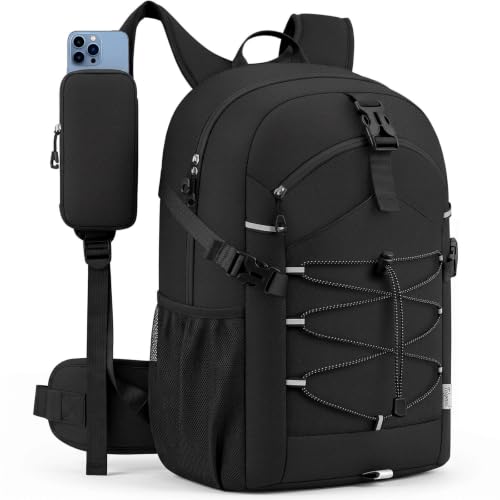
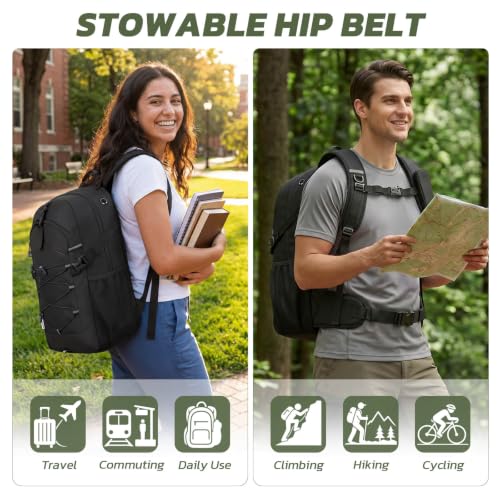
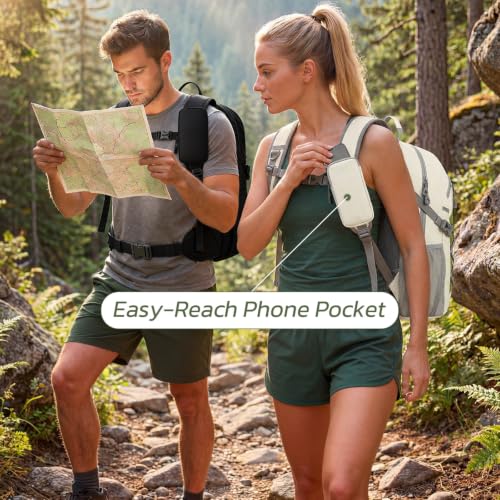
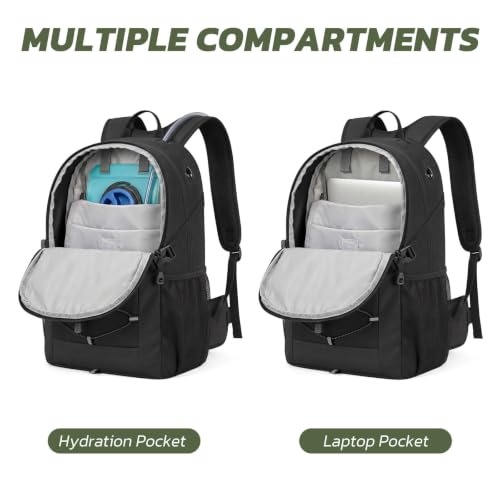
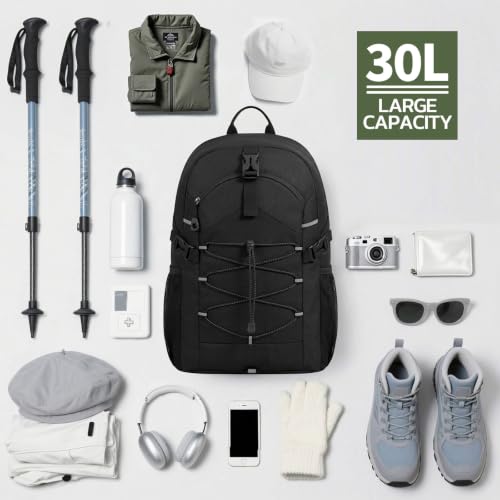
If you need a backpack that doubles as a commuter bag and a hiking pack, the TILYMOL 30L is worth considering. Its 17-inch padded laptop compartment and hydration-ready design make it unusually versatile. Owners like that it handles a full workday setup and still performs on the trail. The stowable hip belt is a clever feature, use it on rugged hikes, tuck it away in the city.
But that extra capacity and utility come with weight and bulk. At 30L, it’s larger than most daypacks, and the ventilation isn’t as effective as Osprey’s AirSpeed system. Still, for travelers or urban hikers who want one bag for everything, this is a solid compromise. It’s more functional than the N NEVO RHINO, especially if you care about tech storage.
Product photos
Osprey Sportlite 20L Daypack
Strengths
- Best-in-class ventilation
- Extremely lightweight
- Eco-friendly materials
Trade-offs
- No raincover included
- Minimal storage options
- Less load support
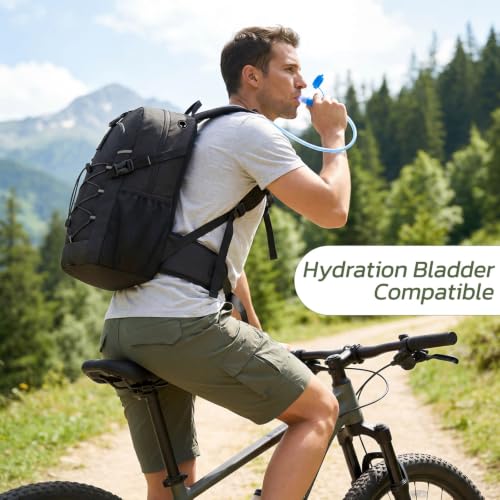
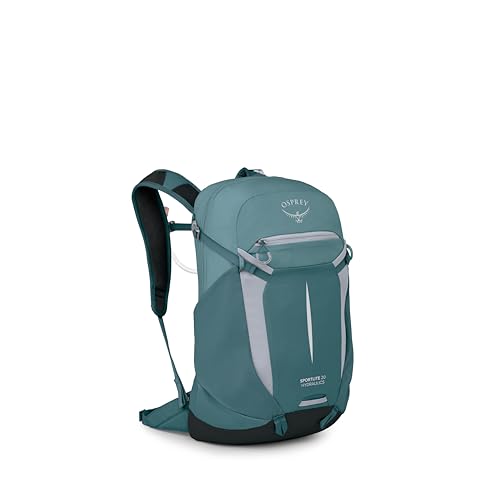
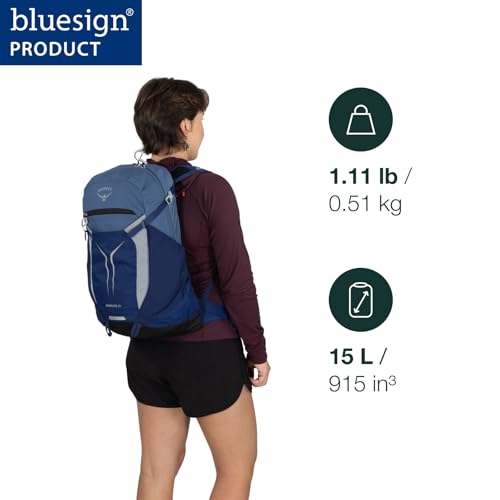
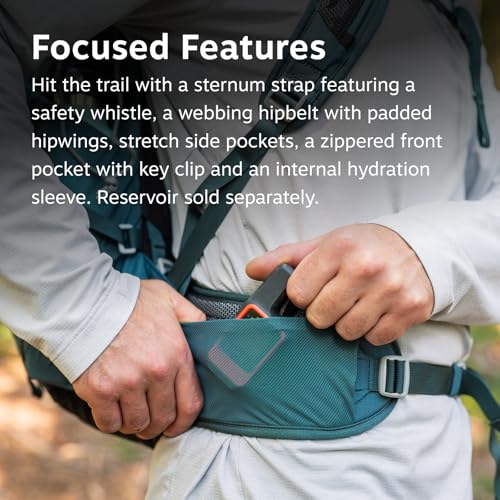
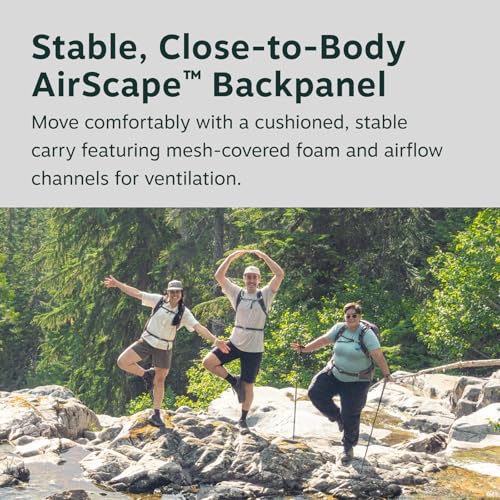
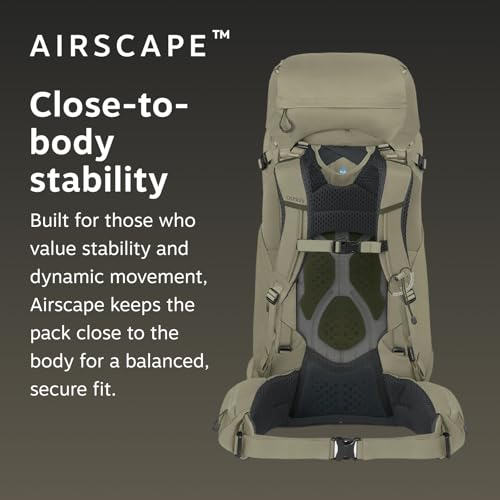
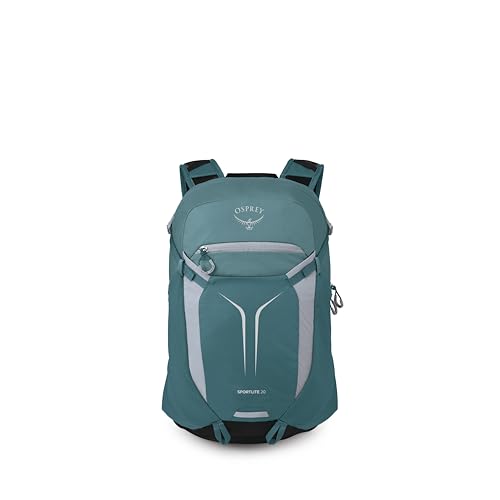
The Sportlite 20L is the lightest Osprey daypack here, and it shows in the refined details. The AirScape backpanel is a standout, owners consistently report excellent airflow, making it a top pick for hot-weather hikes. At just 1.3 lbs, it’s featherlight, and the bluesign-certified recycled fabric adds eco-cred without sacrificing durability.
It trades some features for minimalism: no hipbelt pockets, no included raincover, and a less structured suspension than the Hikelite. But if you’re doing shorter, less technical hikes and want maximum breathability, this is hard to beat. Compared to the Hikelite 18L, it’s lighter and cooler, but less supportive on uneven terrain. My recommendation? Pick this for summer trails, the Hikelite for longer, load-heavy days.
Product photos
ROYAL MOUNTAIN 20L Daypack

Strengths
- Includes raincover
- Water-resistant fabric
- Good capacity
Trade-offs
- Basic suspension
- Zipper quality varies
- Less breathable than premium packs
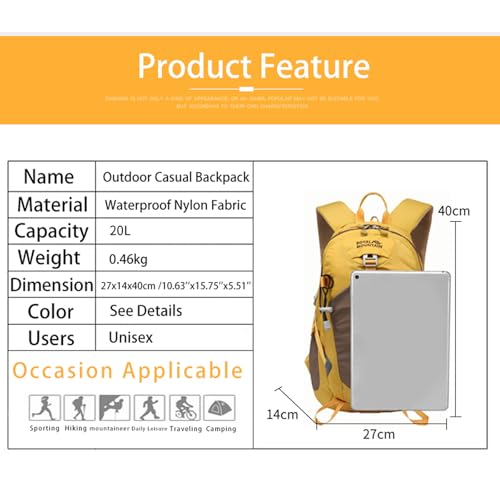
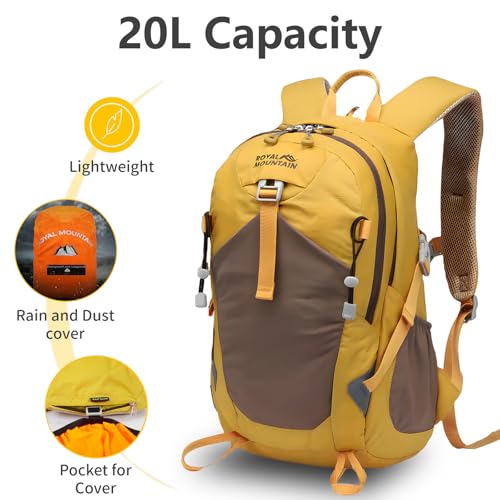
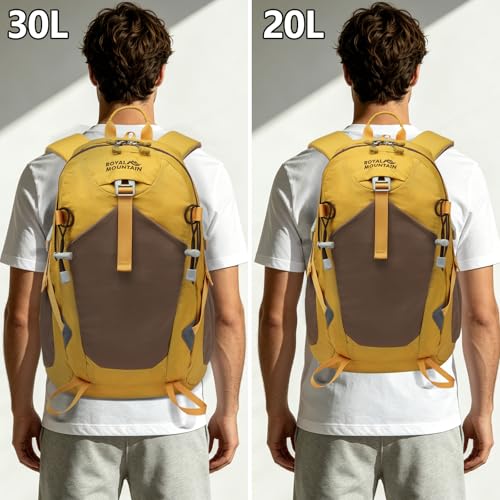
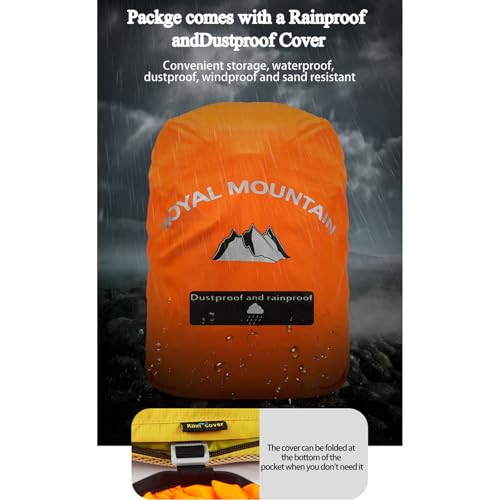
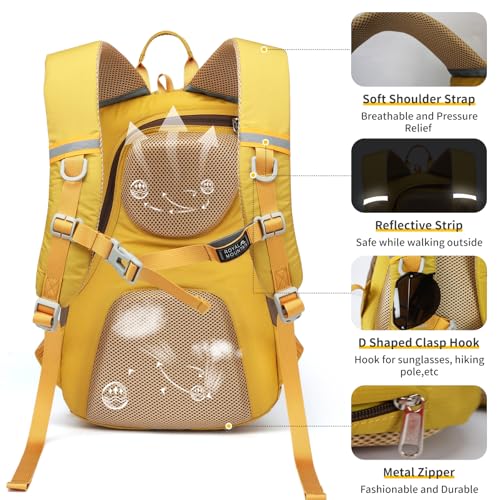
For budget-conscious buyers, the ROYAL MOUNTAIN 20L delivers more than expected. It includes a water-resistant build and a raincover, which is rare at this price point. The shoulder straps are well-padded with breathable mesh, and owners say it stays comfortable on moderate hikes. The 20L capacity gives room for a jacket, lunch, and a 13-inch laptop, making it decent for hybrid use.
That said, the zippers and stitching don’t match Osprey-level durability. Some reviewers note the chest strap feels flimsy, and the fit isn’t as adjustable. But if you’re new to hiking or want a no-frills bag for weekend walks and light trails, this one gets the job done without breaking the bank. It’s a smarter pick than the WATERFLY if you actually plan to hike regularly.
Product photos
WATERFLY 20L Foldable Backpack

Strengths
- Ultra lightweight
- Folds small
- Budget friendly
Trade-offs
- Minimal padding
- No hydration support
- Thin material
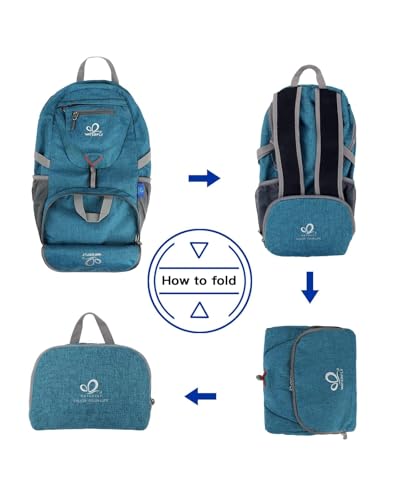
This backpack wins on one thing: packability. At just over 10 ounces and folding down to the size of a large apple, it’s an ideal emergency backup or travel add-on. The recycled nylon feels thin but holds up for light loads, and owners report using it for city walks, short hikes, and even as a plane carry-on. It’s not built for rugged terrain, though, don’t expect load support or durability under heavy use.
Compared to the BECOJADDE 15L, it has similar folding convenience but fewer organizational features. No hydration sleeve, no sternum adjustments, and minimal padding mean it’s best for casual outings. Still, for the price, it’s hard to beat as a second pack you can stash in your main luggage. Just don’t rely on it for anything technical.
Product photos



BECOJADDE 15L Hiking Daypack

Strengths
- Phone pocket on strap
- Anti-theft pocket
- Packable design
Trade-offs
- No hydration sleeve
- Limited padding
- Small capacity
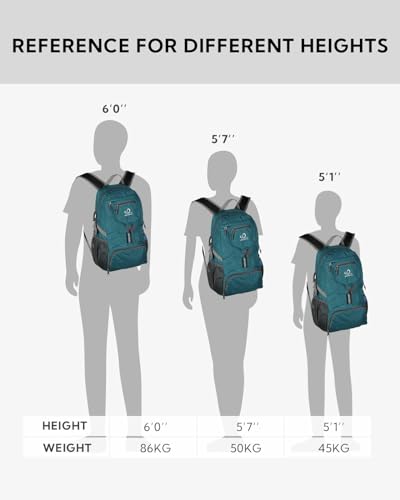
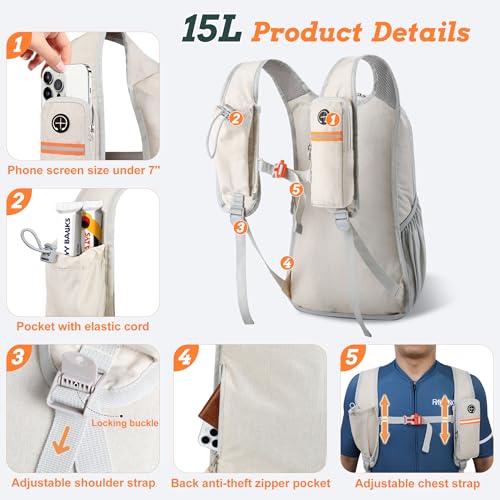
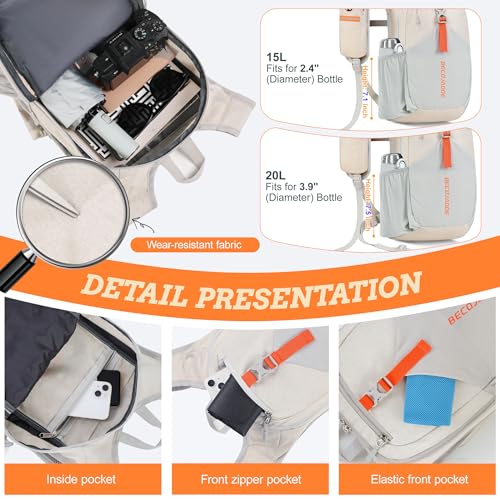
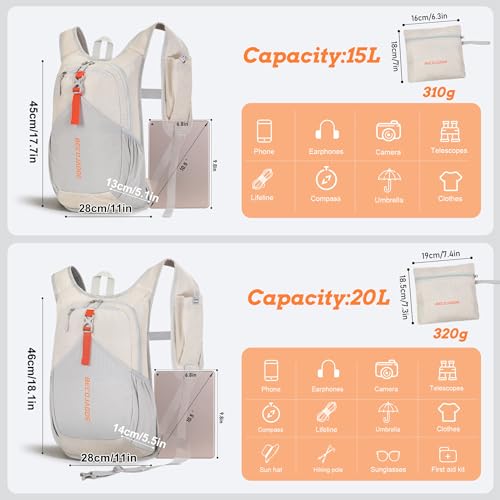
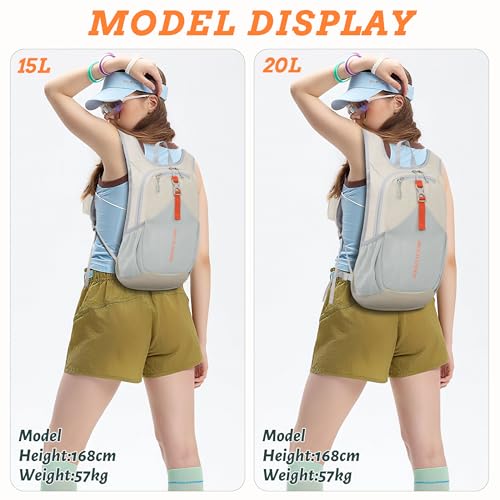
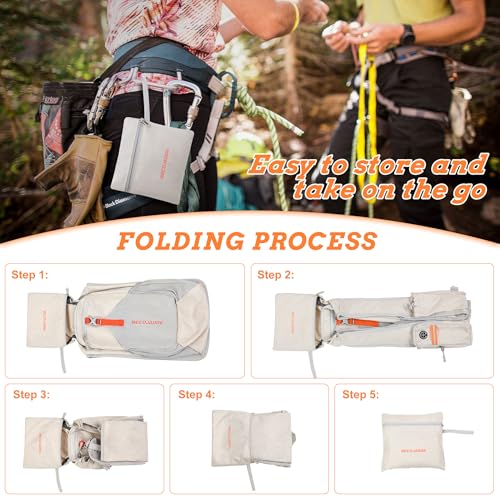
The BECOJADDE 15L is a solid minimalist choice for short hikes and urban outings. Its zippered phone pocket on the strap is a small but smart feature, easy access without stopping. The pack folds into itself, making it handy as a spare, and the anti-theft rear pocket adds security for city use. At 15L, it’s compact, but owners say it fits the basics: water, snacks, phone, and a light layer.
It doesn’t have advanced suspension or ventilation, so it’s not a match for longer hikes. But for a quick trail loop or a walk around town, it’s comfortable and thoughtfully laid out. Compared to the WATERFLY, it offers better organization and slightly more durability. If you value simplicity and security, this one’s a quiet winner.
Product photos
How We Chose These hiking backpacks for day hikes
Rather than a hands-on lab test, my research for these recommendations centered on a detailed comparison of published specifications and features across numerous models. I weighed owner reviews from sites like Amazon and REI against expert opinions from outdoor gear review sites. As someone who’s spent years evaluating travel gear, I applied my understanding of what features truly matter for comfortable and practical day hiking, ranking options against a set of pre-defined criteria.
For day hiking backpacks, fit and comfort are paramount, and I heavily weighted those factors. A well-designed suspension system – including the back panel and shoulder straps – is essential for distributing weight and preventing fatigue. Closely tied to that is ventilation; hikers need packs that breathe to avoid overheating. Finally, practical features like hydration compatibility and accessible storage played a significant role in the rankings.
Specifications reliably indicate capacity (in liters) and materials used, giving a baseline for size and durability. However, owner feedback proved crucial for assessing real-world comfort and long-term reliability. I paid close attention to comments regarding strap design, build quality, and how well the pack performed on actual trails. Understanding 20-liter backpack size helps put capacity into perspective, too. Reputation and brand history also factored in, as established brands often have a track record of quality.
How To Choose The hiking backpacks for day hikes
Choosing the right daypack can make or break your enjoyment on the trail. It’s about more than just throwing some water and snacks into a bag; it’s about comfort, accessibility, and having the right features for your typical hike.
A quality hiking backpack balances lightweight construction with durable materials. Key considerations include suspension system comfort (look for adjustable torso lengths and ventilated back panels), appropriate capacity for expected trip duration and gear, and thoughtful organization with easily accessible pockets and hydration compatibility. Prioritize a secure and comfortable fit over simply the lowest price.
Capacity & Trip Length
Don’t overestimate how much space you need. Many hikers fall into the trap of buying a pack that’s far larger than necessary, adding unnecessary weight. For most day hikes, a pack between 18 and 25 liters is ideal. Consider what you regularly carry: extra layers, first-aid kit, lunch, water, and potentially a small camera or binoculars. If you frequently carry a laptop for work or study and also want to use the pack for hikes, you might find a 25-liter backpack size offers the best versatility.
Suspension & Fit
A poorly fitting pack will ruin your day. Don’t assume a “unisex fit” will work for everyone. Look for adjustable torso lengths, as these are critical for transferring the weight properly to your hips. The hip belt should wrap snugly around your hip bones, not sit above them. Shoulder straps should contour comfortably without digging in. Many brands, like Osprey, offer different fits within their lines to accommodate varying body shapes, so research is key.
- Torso Length: This is the most important measurement; an incorrect length negates any other feature.
- Hip Belt: A properly fitted hip belt carries 80% of the pack’s weight, so don’t skimp on adjustability.
- Ventilation: A suspended mesh back panel (like Osprey’s AirSpeed) significantly improves airflow, reducing sweat and discomfort, especially in warmer weather.
A good rule of thumb: always try on a loaded pack before buying. Even if ordering online, purchase from a retailer with a generous return policy.
Organization & Features
Beyond capacity and fit, the details matter. Think about how you access your gear. Do you prefer a large main compartment with minimal organization, or multiple pockets for specific items? Hydration compatibility – a sleeve for a water reservoir and a port for the drinking tube – is essential for longer hikes. Consider features like trekking pole attachments, rain covers (often included with higher-end packs), and easily accessible pockets for essentials like snacks and your phone. If you’re seeking a detailed look at the current options, check out our expert-recommended daypacks.
Hiking Backpacks for Day Hikes Compared
Here’s a comparison of specs for several hiking backpacks designed for day hikes to help you choose the right pack.
| Product Name | Capacity (L) | Weight (lb) | Hydration Compatible | Rain Cover Included | Laptop Compartment |
|---|---|---|---|---|---|
| Osprey Hikelite 28L | 28 | 2.18 | Yes | Yes | No |
| Osprey Hikelite 18L | 18 | 1.62 | Yes | Yes | No |
| N NEVO RHINO Hydration | 18+3 | N/A | Yes | Yes | No |
| TILYMOL 30L Hydration | 30 | N/A | Yes | No | Up to 17″ |
| Osprey Sportlite 20L | 20 | 1.31 | Yes | No | No |
| ROYAL MOUNTAIN 20L | 20 | N/A | No | Yes | Up to 13″ |
| WATERFLY 20L Foldable | 20 | 10.2oz | No | No | No |
| BECOJADDE 15L Hiking | 15 | N/A | No | No | No |
Frequently Asked Questions
What backpack capacity is truly sufficient for a typical day hike?
A capacity of 20 to 25 liters is generally ideal for day hiking, providing enough space for essentials like water, snacks, extra layers, and a first-aid kit without being overly bulky. Many hikers overestimate their needs, so starting with a smaller size is often best.
Are “unisex” hiking backpacks really suitable for all body types?
While marketed as unisex, fit varies significantly between individuals. Look for packs with adjustable torso lengths and hip belts to dial in a comfortable and secure fit, as a proper fit is crucial for weight distribution and preventing discomfort.
How important is a rain cover for a daypack, and are they usually included?
A rain cover is highly recommended, especially if you hike in areas prone to unpredictable weather. Some higher-end packs, like the Osprey Hikelite series, include integrated rain covers, while others require purchasing one separately.
What’s the benefit of hydration compatibility in a day hiking backpack?
Hydration compatibility (a reservoir sleeve and drinking tube port) allows you to drink water hands-free while hiking, which is far more convenient and encourages consistent hydration. Staying properly hydrated significantly improves performance and reduces fatigue.
Where can I find a more detailed comparison of current daypack options?
For a more in-depth look at available daypacks and expert opinions, check out our best backpacks for hiking days. This resource provides a broader overview of the market and can help refine your search.
The Bottom Line
Choosing a hiking backpack often comes down to balancing how much control you want over features and fit versus how much you’re willing to spend. For the best overall combination of comfort, durability, and features, I recommend the Osprey Hikelite 28L. It provides a great balance for a wide range of hikers and trail conditions, and Osprey’s reputation for quality is well-deserved.
If you’re on a tighter budget, the WATERFLY 20L Foldable is a surprisingly capable option. For those who also need to carry a laptop, the TILYMOL 30L Hydration pack offers excellent versatility, allowing you to transition from the trail to the coffee shop. Understanding 22l daypack capacity can help further refine your choice if you are on the fence.
Ultimately, the most important factors are a comfortable fit and a pack that suits your typical hiking style. Don’t get too caught up in specific specs or fancy features; prioritize a pack that feels good on your back and allows you to enjoy your time on the trail. A well-fitting, appropriately sized pack will always outperform a more “technical” pack that doesn’t fit properly.