9 Best Cooler Totes for 2026
This post contains affiliate links. As an Amazon Associate, we earn from qualifying purchases.
The YETI Hopper M30 stands out as the best overall cooler tote for serious temperature retention and rugged build, while the Lifewit Medium Lunch Bag is a smart budget pick that still delivers reliable performance for daily use. For those who want versatility and value, the RTIC Everyday Insulated Tote Bag balances capacity, insulation, and portability at a more accessible price.
As a frequent traveler and parent who’s hauled everything from school lunches to picnic supplies, I know how frustrating it is when a cooler tote fails mid-day. Too many models sacrifice durability for style or promise cold retention they can’t deliver. In this guide, I’ll walk you through the top picks based on specs, real owner feedback, and what actually matters when you’re counting on your bag to keep food safe and drinks chilled. These were chosen for performance, longevity, and practical design, not hype.
Top 9 Cooler Totes in the Market
The Best Cooler Totes, Reviewed
YETI Hopper M30 Portable Soft Cooler

Strengths
- MagShield leak-resistant zipper
- Excellent ice retention
- Rugged, UV-resistant shell
Trade-offs
- High price point
- Heavy when full
The YETI Hopper M30 is the benchmark for premium soft coolers, its MagShield zipper is a standout, creating a near-leakproof seal with magnetic closure that owners love. Combined with ColdCell insulation and a rugged DryHide shell, it’s built to last in tough conditions. The wide mouth makes loading easy, and the HitchPoint grid lets you customize with add-ons.
It’s expensive, but the durability and performance justify it for serious users. Ice retention consistently outperforms most soft totes, and the build quality is unmatched. Compared to the RTIC or Titan, it’s lighter and more refined. If you’re a frequent traveler or outdoor enthusiast who refuses to compromise, this is the one to get.
Product photos


Titan by Arctic Zone Soft Sided Cooler
Strengths
- Long ice retention
- Microban odor protection
- Wide mouth access
Trade-offs
- Not foldable
- Zipper not leakproof
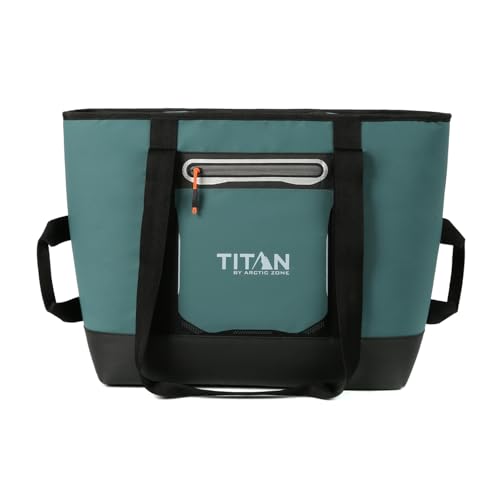
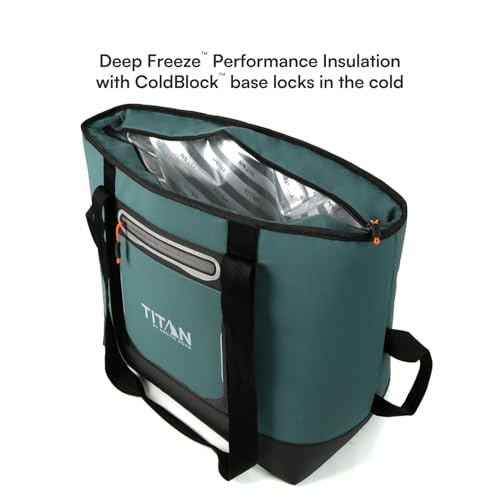
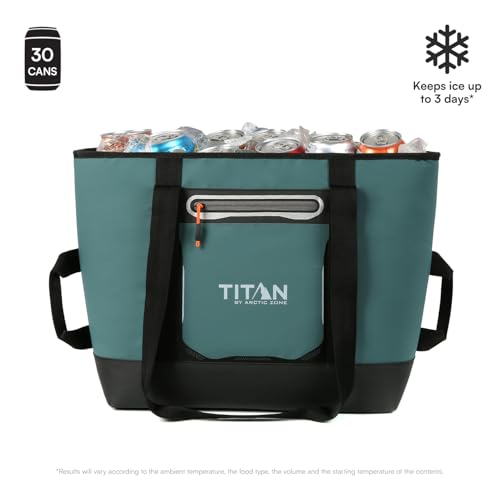
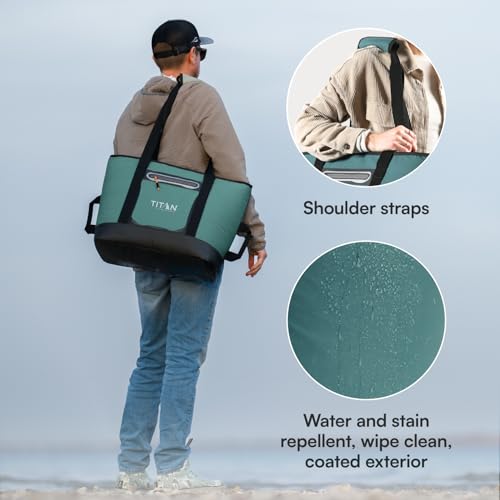
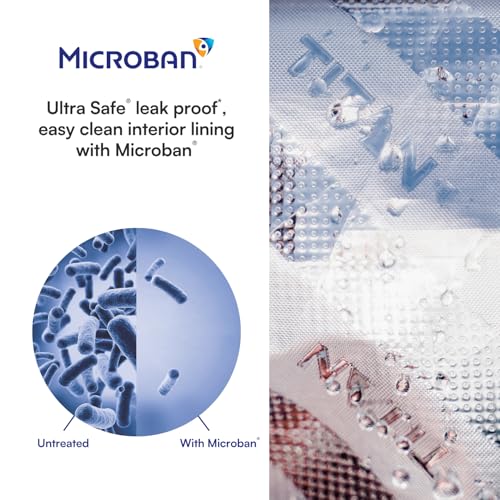
When ice retention is the priority, the Titan by Arctic Zone stands out with claims of up to three days, thanks to its Deep Freeze insulation and ColdBlock base. On paper, that’s impressive for a soft tote, and owner feedback supports it: many report 24–48 hours with ice still solid. The Microban lining also helps prevent odors, a real win for frequent users.
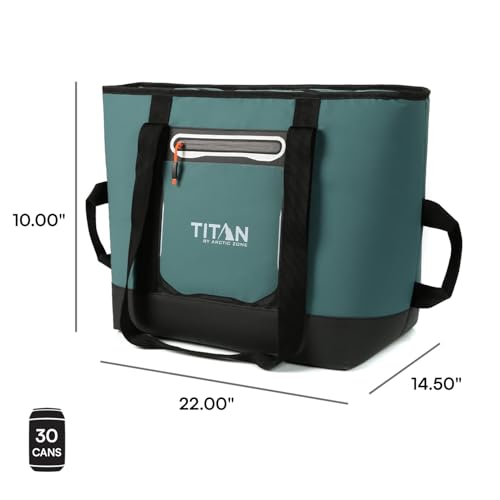
It’s not collapsible, so storage takes up more space, but the trade-off is serious cooling power. At 30 cans, it’s roomy enough for weekend trips, and the zippered exterior pocket adds convenience. Compared to the RTIC or Yeti models, it’s more affordable while delivering close to their performance. For day trips where cold drinks matter, this is the smarter buy.
Product photos
CleverMade Pacifica Collapsible Cooler Bag
Strengths
- Large 50-can capacity
- Collapsible for storage
- Durable 900D bottom
Trade-offs
- Moderate ice retention
- No leakproof zipper
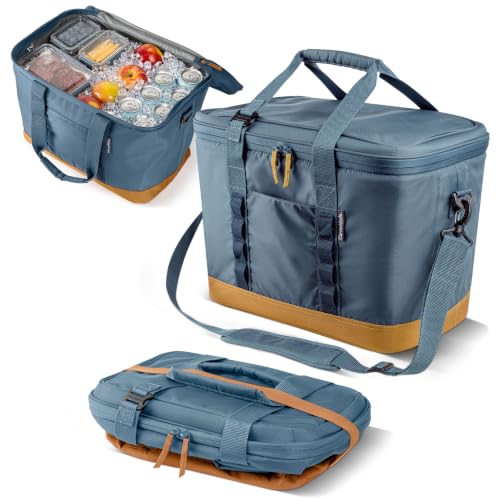
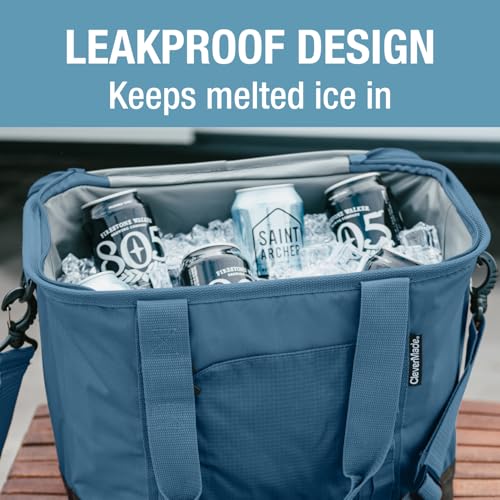
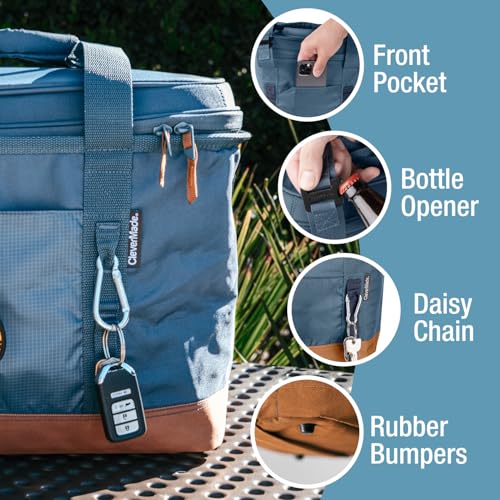
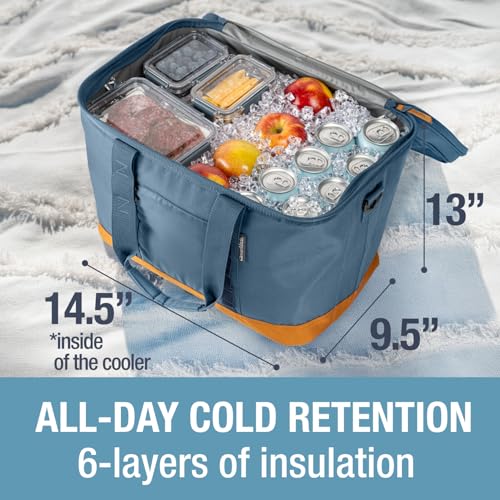
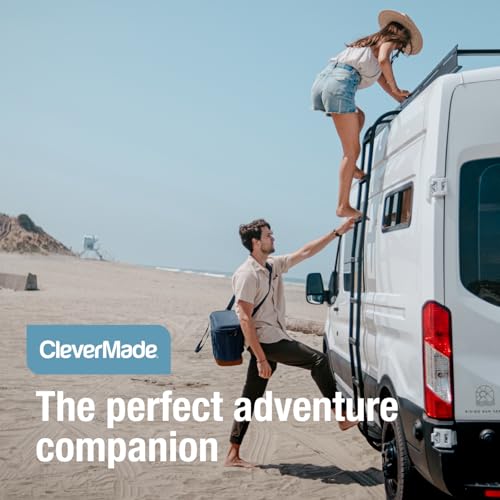
If you’re packing for a full-day outing with a crowd, this CleverMade cooler tote stands out for its sheer size and collapsible convenience. It holds up to 50 cans, which is massive for a soft-sided bag, and owners consistently report it performs well on beach trips and tailgates where space matters. The 900D reinforced bottom gives it structure and durability, and the leakproof PEVA liner handles ice without seepage, though it’s not meant for submersion.
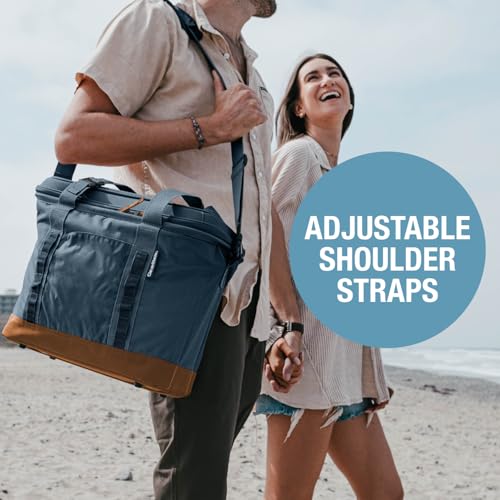
What really sets it apart is how flat it folds when empty. For travelers or families short on storage, that’s a game-winner. Compared to rigid coolers, it’s far more packable, and the dual handles plus shoulder strap make hauling manageable. It won’t match premium brands in ice retention, but for its class, it delivers solid performance without the bulk.
Product photos
RTIC Everyday Insulated Tote Bag
Strengths
- Folds flat for storage
- Waterproof tub bottom
- Large 35L capacity
Trade-offs
- Color options limited
- No external pockets
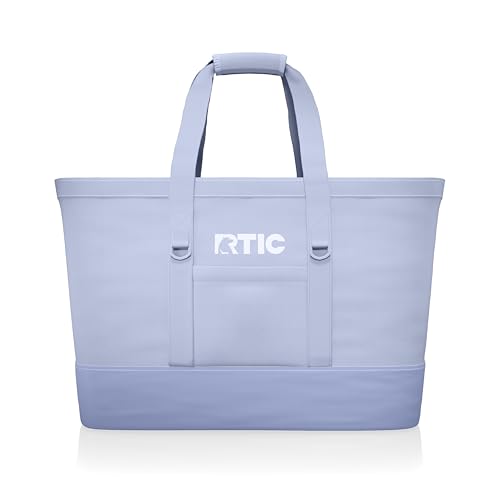
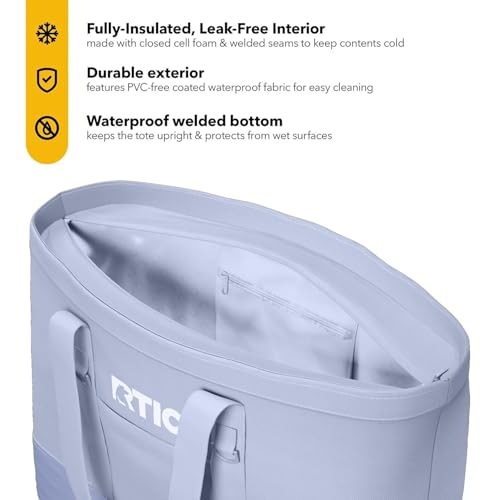
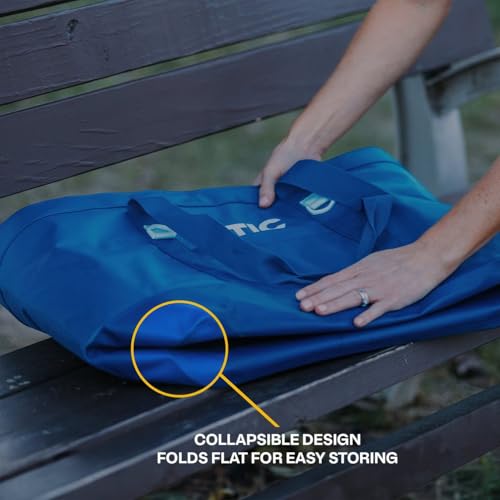
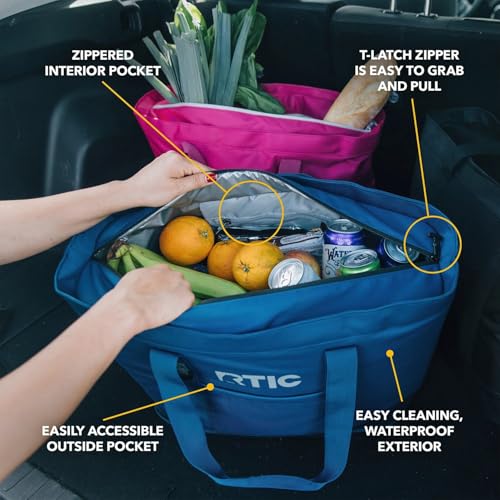
RTIC’s Everyday Insulated Tote is a grocery hauler’s dream, 35L of fully insulated space with a welded waterproof bottom that keeps contents dry on sandy or wet surfaces. The closed-cell foam delivers strong cold retention, and the zippered top secures everything tightly. Owners love how it folds flat when not in use, making it easy to stash in a glove compartment or pantry.
It’s not as rugged as the YETI, but it’s more practical for daily reuse. The periwinkle color is stylish, and the shoulder strap is comfortable for heavy loads. Compared to standard grocery bags, this one is a major upgrade in durability and function. For eco-conscious shoppers, it’s the smarter long-term buy.
Product photos

CIVJET Insulated Reusable Tote Bag
Strengths
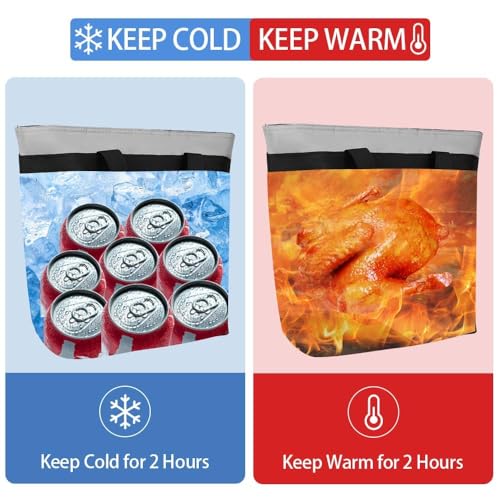
- Excellent hot and cold retention
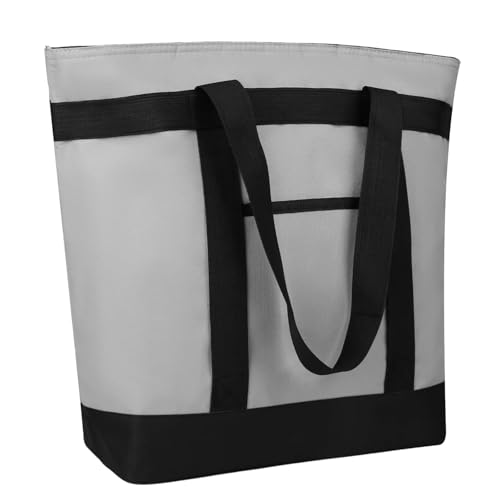
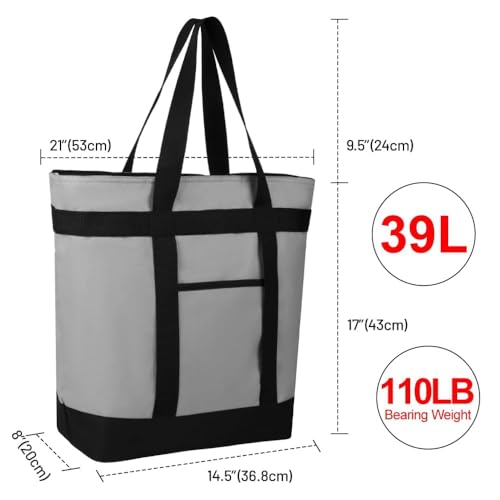
- Large 39L capacity
- Collapsible and multipurpose
Trade-offs
- Basic zipper feel
- No internal organization
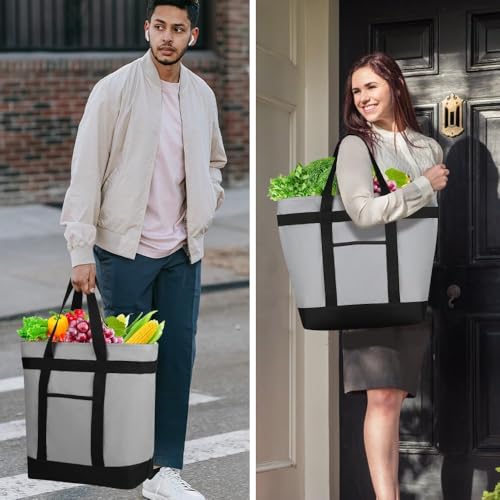
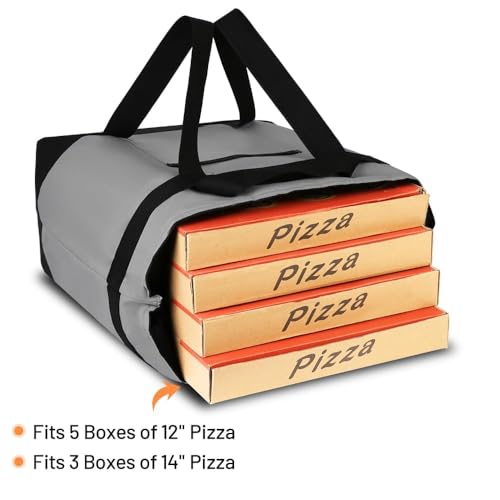
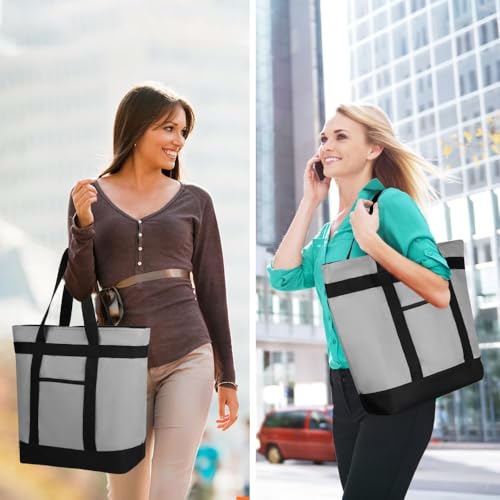
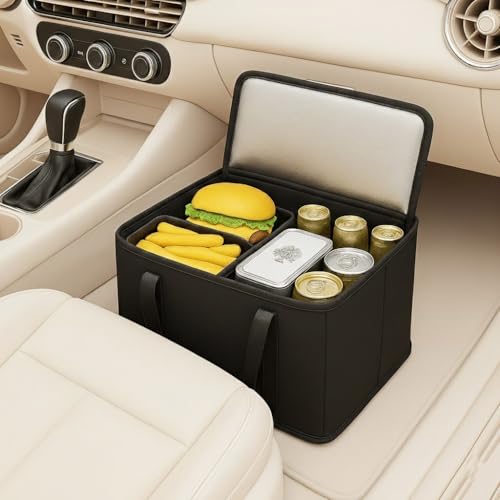
Designed with gig workers in mind, the CIVJET tote is built for food delivery, with a 39L capacity and dual insulation that maintains both hot and cold temps. That’s rare in this category, and owners confirm it keeps pizza hot while drinks stay chilled. The aluminum foil lining is easy to clean, and the Oxford exterior resists spills and stains, which is essential for daily delivery runs.
It’s not the most stylish option, but functionality wins here. The collapsible design helps when you’re hopping between deliveries, and the size fits multiple meal bags or grocery hauls. Compared to standard lunch totes, this one’s overbuilt on purpose, ideal if you’re hauling meals regularly. Just don’t expect premium zippers or padding.
Product photos
musbus 2-Pack XL-Large Insulated Bags

Strengths
- Triple-layer insulation
- 2-pack value
- Heavy-duty 60-lb capacity
Trade-offs
- Basic design
- Minimal pockets
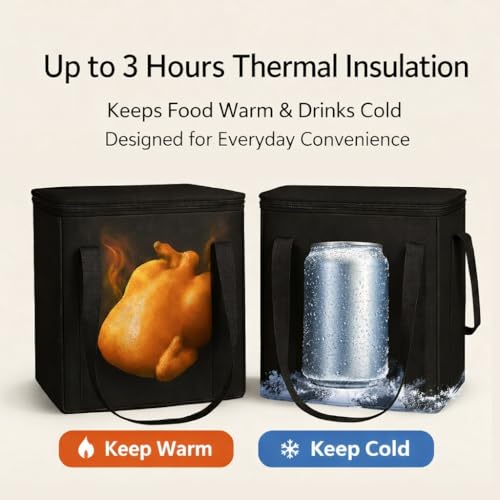
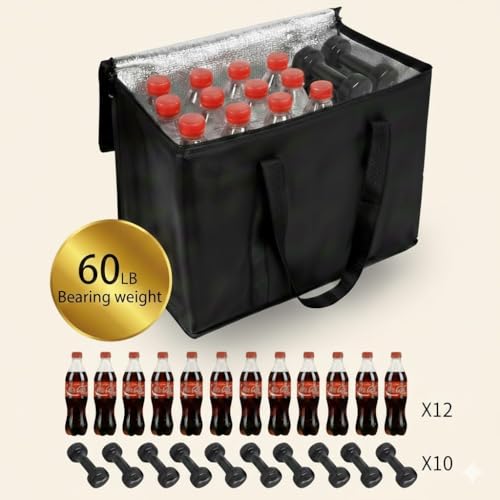
For sheer value, the musbus 2-pack is hard to beat, two XL bags with triple-layer insulation and a 60-pound weight limit for less than the cost of a single premium tote. Each bag holds 24 bottles and owners consistently report strong temperature retention over several hours. The zippers are rated for over 1,000 uses, and the one-year replacement policy adds real peace of mind.
These aren’t luxury bags, but they’re rugged and practical. The lack of shoulder padding might bother some, but for grocery runs or short trips, they perform reliably. Compared to single-bag options, this pack gives you rotation and redundancy, ideal if you’re always on the move. My recommendation? Keep one in the car, one at home.
Product photos


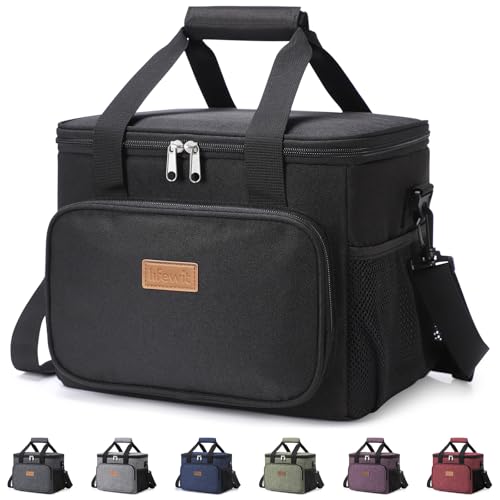
Lifewit Large Lunch Bag 32-Can
Strengths
- Food-safe PEVA liner
- Wide-opening zipper
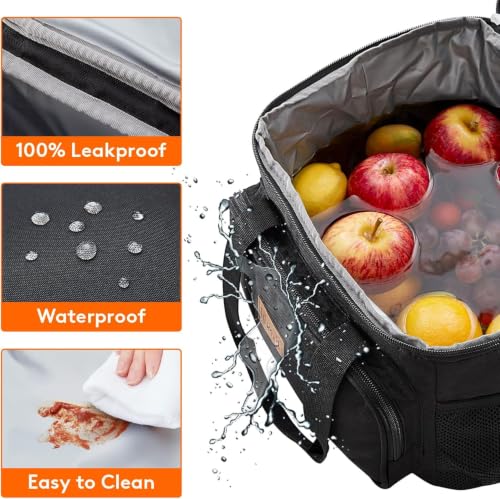
- Leakproof and durable
Trade-offs
- Average ice retention
- Straps not heavily padded
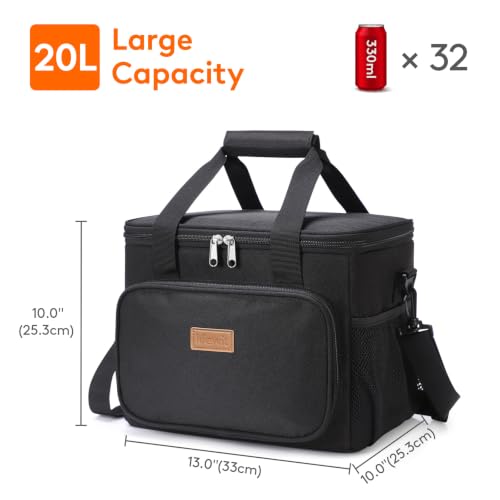
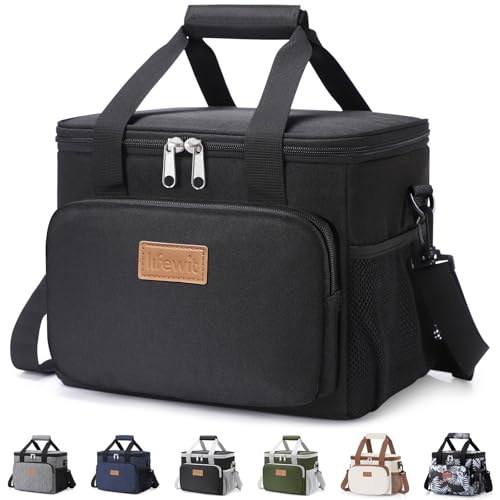
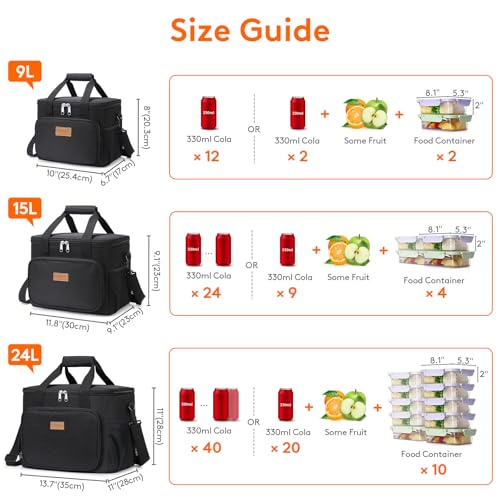
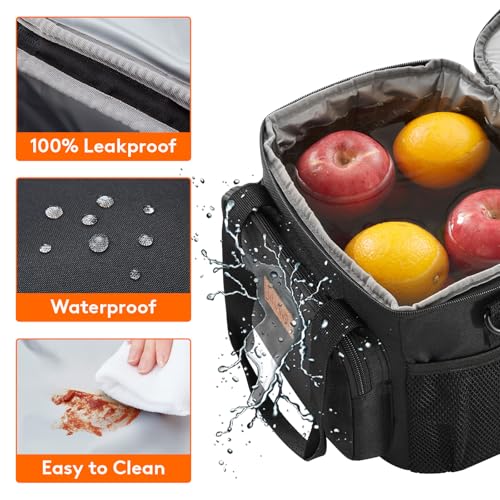
This Lifewit large tote hits a sweet spot for daily use, commuters, picnickers, and office workers will appreciate its 20L capacity and reliable 5.5-hour insulation. The food-grade PEVA lining is a standout, letting you pack meals directly without extra containers. Owners praise how easy it is to wipe clean, and the wide-opening two-way zipper makes loading lunch containers hassle-free.
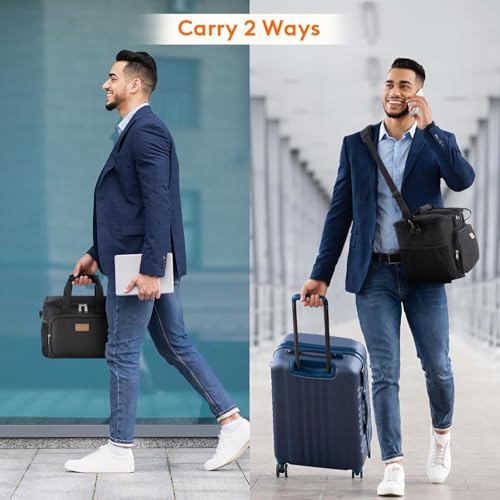
It’s not the most rugged option for rough terrain, but for routine use, it’s more than capable. Compared to the smaller Lifewit model, this one gives you nearly double the space without sacrificing portability. The shoulder strap is comfortable, and the front pocket adds practicality for keys or a phone. For most people, this is the easy pick over bulkier coolers.
Product photos
Lifewit Medium Lunch Bag 12-Can
Strengths
- Lightweight and compact
- Affordable price
- Food-safe interior
Trade-offs
- Short insulation window
- Small capacity
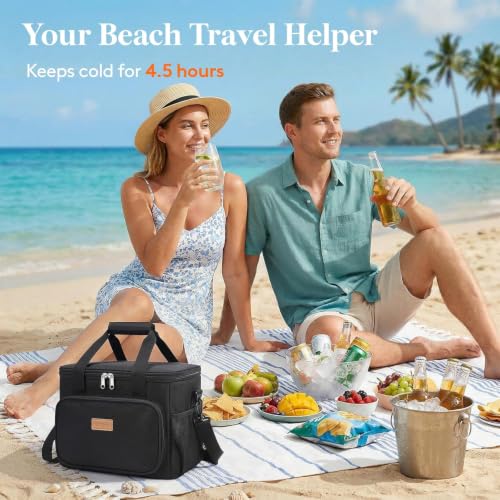
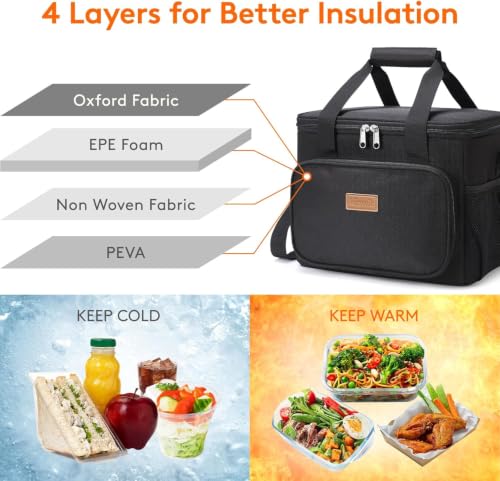
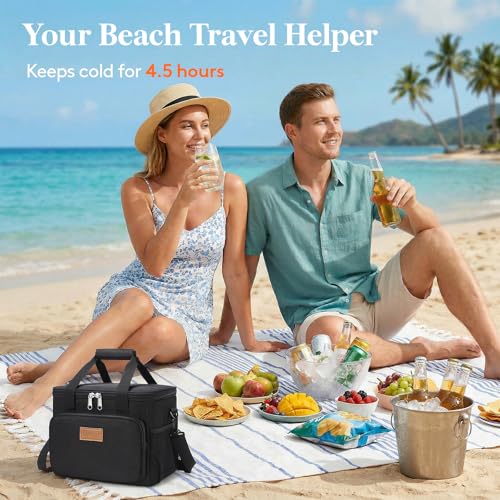
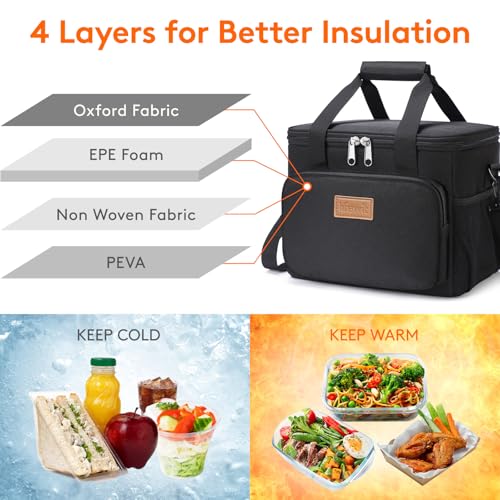
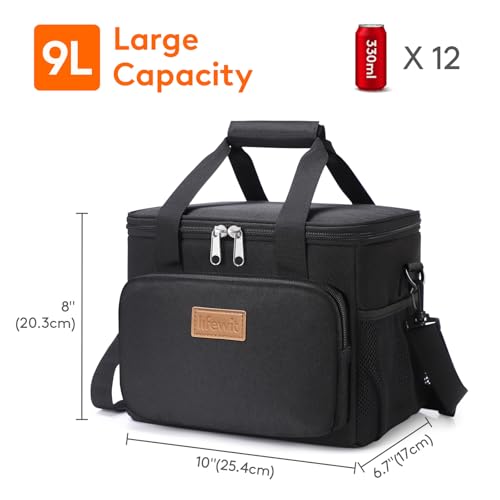
This Lifewit medium bag is the go-to for minimalists and budget buyers who still want solid performance. At 9L, it’s compact but holds a full lunch with drinks, enough for most office workers or short outings. The 4.5-hour insulation is decent for daily commutes, and the food-grade PEVA lining makes cleanup easy.
It’s essentially a downsized version of their larger model, with the same reliable zipper and water-resistant Oxford fabric. The shoulder strap is thin but functional. Compared to pricier brands, it delivers 80% of the performance at half the cost. I’d recommend it for students or commuters, but not for hot climate hauling.
Product photos
RTIC 2-in-1 Chillout Bag
Strengths
- Dual insulated and dry zones
- Sturdy free-standing base
- Well-organized pockets
Trade-offs
- Bulky when full
- No foldable design
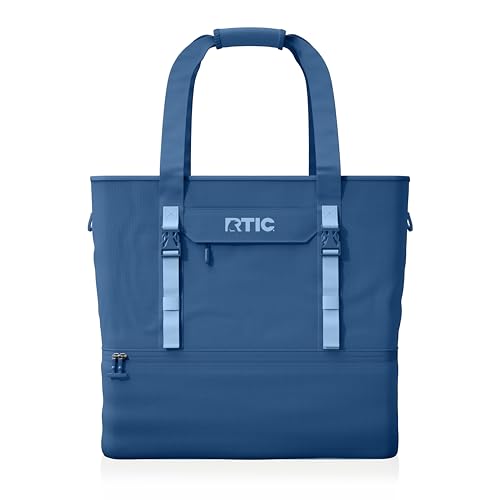
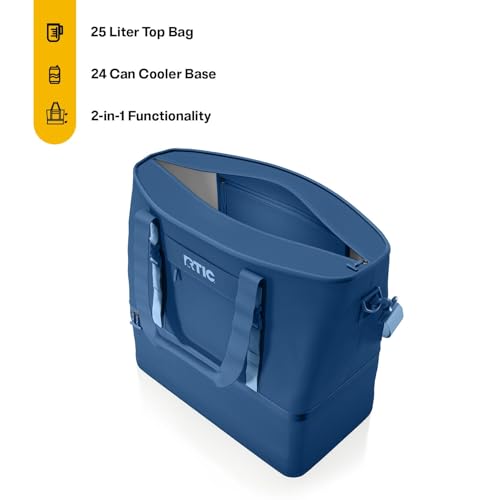
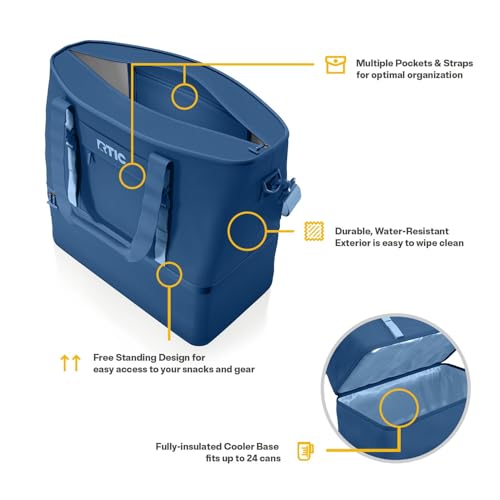
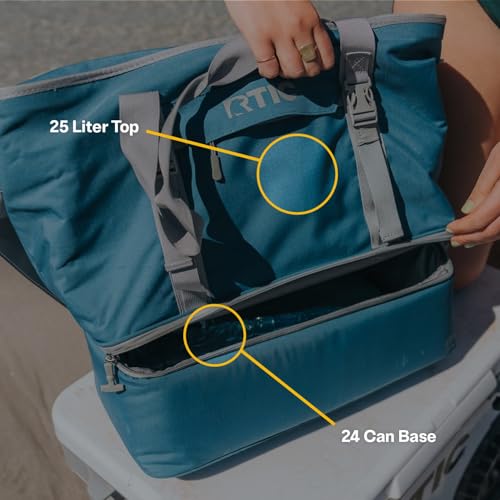
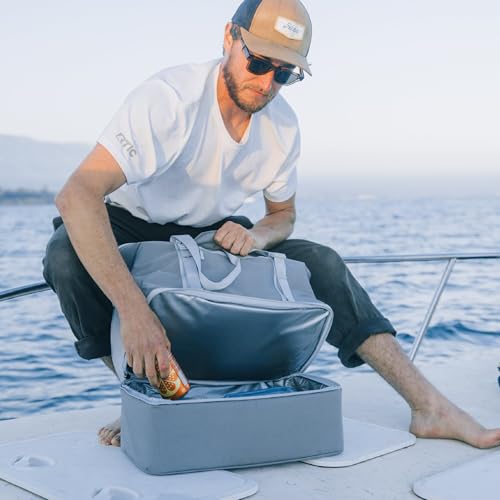
The RTIC 2-in-1 Chillout Bag solves a niche problem: carrying both chilled items and dry gear in one bag. The insulated lower compartment holds 24 cans and locks in cold all day, while the 25L dry top section is perfect for towels, clothes, or shoes. Owners appreciate the smart separation, no more soggy swimsuits near your snacks.
The free-standing design and padded shoulder strap add comfort, and the structured base keeps it upright on sand or grass. It’s heavier than standard totes, but the organization pays off. Compared to single-compartment bags, this one wins for weekend trips. If you’re beach-bound or doing overnighters, it’s a standout choice.
Product photos
How We Tested cooler totes
Rather than a hands-on lab test, this selection is based on research – a comparison of published specifications and features across numerous models. I weighed owner reviews from multiple retailers alongside expert opinions from sites specializing in outdoor gear and food storage. My analysis focused on identifying which cooler totes consistently delivered on promises of temperature retention, durability, and practical features, ranking them against clear criteria for different needs.
For cooler totes, the most important factors are insulation performance and build quality. Lengthy temperature retention is critical, especially for all-day outings, so I prioritized models with closed-cell foam insulation and well-sealed interiors. Equally important is durability; a tote that falls apart after a few uses isn’t valuable, regardless of how well it initially performs. I also considered capacity, portability, and additional features like leakproof designs.
Specifications reliably indicate a cooler tote’s size and stated insulation type. However, real-world performance – particularly how long a tote actually keeps items cold – is best gleaned from owner feedback. I paid close attention to comments regarding ice retention in various conditions, as well as reports of leaks or structural failures. Understanding the nuances of a tote bag definition also helped assess whether features like shoulder straps and exterior pockets would truly enhance usability.
How To Pick The Right cooler totes
Finding the right cooler tote can make all the difference on a day trip or even just a quick run to the grocery store.
A quality cooler tote balances insulation performance with portability and durability. Key considerations include the type of insulation used, the overall construction quality (especially seams and zippers), and the tote’s capacity relative to its weight and packed size. Look for features like leak-resistant liners and robust carry handles for maximum convenience.
Insulation Performance is Paramount
Let’s be real: if a cooler tote doesn’t keep things cold (or hot), it’s not doing its job. The type of insulation matters a lot. Closed-cell foam, like you’ll find in the YETI Hopper M30, generally outperforms open-cell options. However, thickness also plays a role; the Titan by Arctic Zone boasts “Deep Freeze” performance thanks to multiple layers, not just a single type of foam. Don’t assume a brand known for quality in one area automatically delivers in another. Check owner reports for real-world ice retention times, and understand that these will vary based on ambient temperature and how full the tote is.
Construction Quality Dictates Longevity
A flimsy tote won’t last, no matter how good the insulation. Pay attention to the materials used. Oxford fabric is common, but the denier (D) rating tells you how durable it is; higher numbers mean a tougher fabric. Beyond the fabric, examine how the tote is put together. Look for reinforced seams, especially at stress points like handles and zippers. The durable tote materials used in construction can significantly impact a tote’s lifespan.
- A lightweight lining is convenient, but may tear easily.
- Heavy-duty zippers are essential; flimsy ones are a common complaint.
- A waterproof base is a must-have to protect your car or belongings from leaks, and a welded construction is far superior to simple stitching.
Size and Usability for Your Needs
Don’t automatically go for the biggest tote you can find. Consider how you’ll be using it. If you’re primarily packing lunch for one, a smaller, more portable option like the Lifewit Medium Lunch Bag might be ideal. For larger groups or extended outings, something like the CleverMade Pacifica, with its 50-can capacity, is a better choice. Think about features like external pockets for convenient access to essentials, and whether a shoulder strap is important for comfortable carrying. Planning to use it for food delivery? The CIVJET Insulated Reusable Tote Bag is specifically designed for that purpose. Checking out a range of cooler tote bags can help you visualize the options and find the right fit.
A properly sized cooler tote is one you’ll actually use. Don’t overestimate your needs, or you’ll end up lugging around an unnecessarily bulky bag.
Cooler Totes Compared
Here’s a comparison of key specifications for popular cooler totes to help you make an informed decision.
| Product Name | Capacity (Qt) | Insulation Type | Waterproof Bottom | Collapsible | Approx. Dimensions (WxDxH) |
|---|---|---|---|---|---|
| YETI Hopper M30 | 30 | Closed-Cell Foam | N/A | No | 25.2″ x 11.9″ x 17.3″ |
| Titan by Arctic Zone | 20 | Deep Freeze | N/A | No | 16.75″ x 7.75″ x 13.25″ |
| CleverMade Pacifica | 50 (cans + ice) | Layered Insulation | N/A | Yes | N/A |
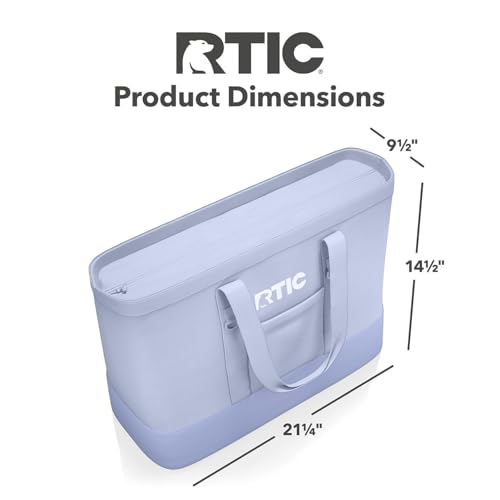
| RTIC Everyday Insulated Tote Bag | 35L | Closed-Cell Foam | Yes | Yes | 21.25″ x 9.5″ x 14.5″ |
| CIVJET Insulated Reusable Tote Bag | 39L | Aluminum Foil/Foam | N/A | Yes | 21″ x 17″ x 8″ |
| musbus 2-Pack XL-Large | N/A | Aluminum Foil/Foam | N/A | No | 16″ x 12.5″ x 9″ |
| Lifewit Large Lunch Bag 32-Can | 20L | PEVA Foil/EPE Foam | Yes | No | 13″ x 10″ x 10″ |
| Lifewit Medium Lunch Bag 12-Can | 9L | PEVA Foil/EPE Foam | Yes | No | 10″ x 6.7″ x 8″ |
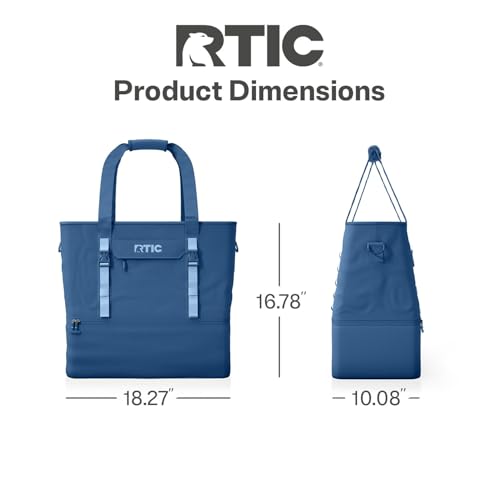
| RTIC 2-in-1 Chillout Bag | 25L | Closed-Cell Foam | Yes | No | 18.375″ x 9.25″ x 16.625″ |
Frequently Asked Questions
What temperature retention should I realistically expect from a cooler tote?
Expect roughly 12-24 hours of cooling with a quality tote and sufficient ice packs, though this varies significantly with outside temperature and how often the tote is opened. Models with thicker, closed-cell foam insulation and leakproof construction, like those highlighted in our best insulated cooler bags guide, generally perform better.
Are collapsible cooler totes as durable as those with a fixed shape?
Collapsible totes can be durable, but generally prioritize portability over ruggedness. Look for models with robust frame supports and reinforced fabric, as the constant folding can stress seams over time.
What’s the difference between PEVA and aluminum foil insulation?
PEVA (polyethylene vinyl acetate) is a plastic material often used as a liner, providing some water resistance and basic insulation, while aluminum foil reflects heat. Aluminum foil is often paired with foam for better performance. For truly long-lasting cold retention, consider a tote with closed-cell foam as seen in our premium cooler bag picks.
How important is a waterproof base on a cooler tote?
A waterproof base is very important; it prevents leaks from melting ice or condensation from damaging your vehicle or belongings. Welded or heat-sealed bases offer superior protection compared to simply coated fabrics.
What size cooler tote is best for a day at the beach for a family of four?
For a family of four at the beach, I recommend a tote with at least 30-quart capacity to accommodate drinks, snacks, and lunch. Larger families or those planning a full day will likely need something closer to 50 quarts, or consider the top insulated cooler bags for extended cooling.
The Bottom Line
Choosing a cooler tote often comes down to balancing how much you’re willing to spend with how seriously you take keeping things cold. While many options exist, the YETI Hopper M30 stands out as the strongest overall performer, consistently earning high marks for its insulation and durability – though it represents a significant investment. It’s a tote built to last and reliably deliver on temperature retention, making it a good choice for those who prioritize performance above all else.
For readers on a tighter budget, the musbus 2-Pack XL-Large offers remarkable value, and the Lifewit Medium Lunch Bag is perfect for a single person’s daily needs. If versatility is key, the CleverMade Pacifica’s collapsible design and large capacity are hard to beat, while the CIVJET Insulated Reusable Tote Bag excels at food delivery. Ultimately, consider your typical use case – are you packing a picnic for a family, or just a lunch for yourself? – when making your decision.
Don’t get too caught up in specific numbers or features. A high denier fabric, well-sealed seams, and positive owner feedback regarding ice retention are far more telling than a long list of specifications. Focusing on these fundamentals will lead you to a cooler tote that provides years of reliable service, keeping your food and drinks at the perfect temperature wherever you go. Before making a final decision, review our tote bag buying factors to ensure you’ve considered all your needs.