Can You Bring a Backpack Into MSG? The Official Bag Policy
This post contains affiliate links. As an Amazon Associate, we earn from qualifying purchases.
You can bring a backpack into Madison Square Garden only if it is smaller than 22 inches long, 14 inches wide, and 9 inches deep and fits completely under your seat. However, security teams frequently turn away any bag with two shoulder straps regardless of size. The official policy is dimensional, but the on-the-ground rule is a near-total backpack ban.
That dimensional limit is printed on the official MSG and New York Rangers websites. The “under your seat” clause is the real test, your bag isn’t just measured; it has to tuck away without blocking the aisle for anyone. Most backpacks fail this simple physical check because their shape and bulk prevent a clean slide under the chair.
What follows is the full breakdown: the official specs, the security reality that overrules them, and the bag types that actually get you through the door without a trip to a storage locker ten blocks away.
Key Takeaways
- The published maximum bag size is 22″ x 14″ x 9″, but a de facto backpack ban is enforced by most security personnel.
- Every bag must fit completely under your seat; this physical requirement disqualifies most structured backpacks.
- MSG provides no on-site bag check or lockers. If your bag is rejected, you must leave the venue and find third-party storage.
- Clear bags are not required but speed up X-ray screening, while small crossbody bags or clutches are the safest choice.
- Exceptions are made for medical bags and diaper bags accompanied by an infant, subject to thorough manual inspection.
The Official MSG Bag Policy (22″ x 14″ x 9″)
The Madison Square Garden FAQs page and the New York Rangers arena guide state the rule in identical terms. It’s a three-part test: dimension, fit, and screening.
First, the hard numbers. Your bag cannot exceed 22 inches in length, 14 inches in width, or 9 inches in depth. This isn’t a sum of dimensions; it’s a ceiling for each. A duffel that’s 24 inches long is out, even if it’s only 10 inches wide. A tote that’s 15 inches deep is out, even if it’s short.
Second, the bag must “fit comfortably under your seat.” This is the clause that does the heavy lifting. An arena seat doesn’t offer a uniform cavity. There’s legroom, a metal support, and often wiring or ventilation ducts. A bag that meets the tape measure can still fail because it won’t slide all the way under without you forcing it, which security will not allow.
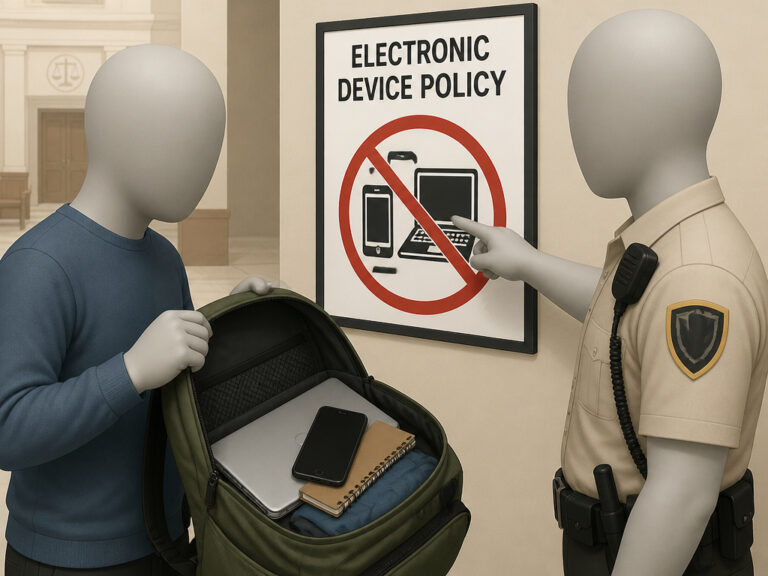
All bags are subject to X-ray and manual security screening. Bags do not have to be clear, but they must fit comfortably under your seat. Oversized bags larger than 22” x 14” x 9” are prohibited.
Third, every bag goes through the X-ray machine. Non-clear bags mean the operator spends more time verifying contents, which slows the line for everyone behind you. This is why venues like Disney World and Six Flags have moved to clear-bag mandates, it cuts screening time per guest by about half.
The Backpack Dilemma: Official Policy vs. Security Reality
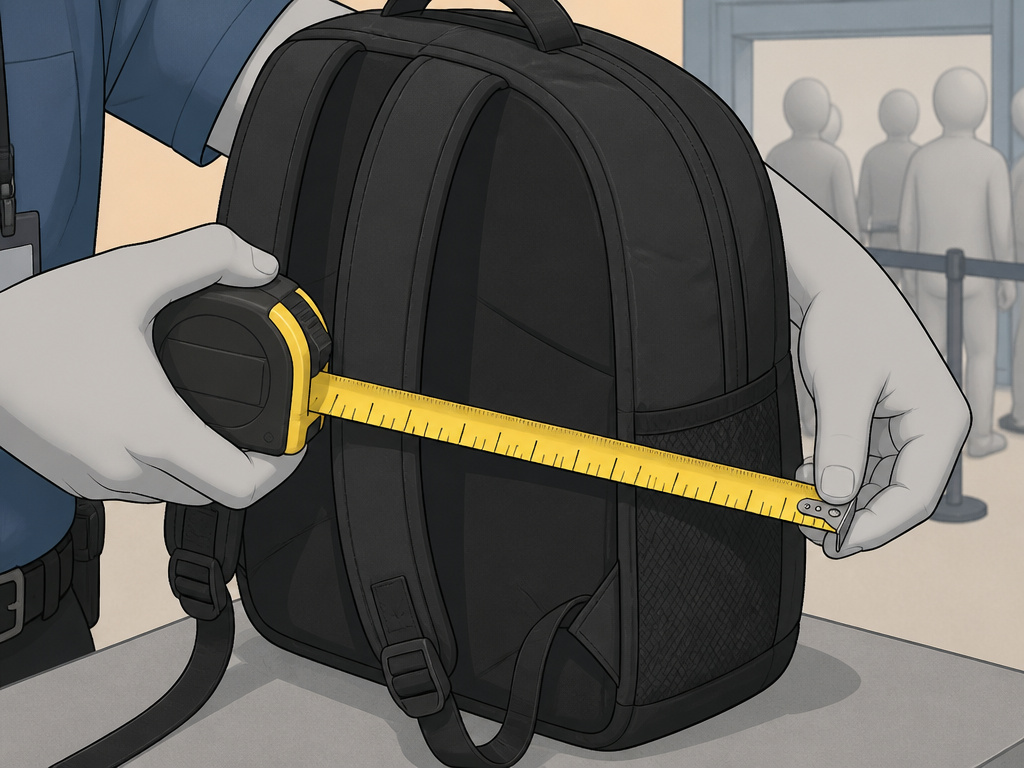
Here is where the commodity advice stops and the non-commodity reality starts. The official policy does not explicitly say “no backpacks.” It says bags must meet the size limit. However, multiple first-hand reports and guide sites like BagPolicyGuide.com state that security consistently turns away backpacks.
The reason is operational, not bureaucratic. A backpack, by design, has structure and bulk that a flat tote or soft clutch does not. Even a small 20L daypack often exceeds 9 inches in depth when packed. More importantly, the dual-strap design is a visual cue for screeners. It signals a bag meant for carrying weight, which often means more pockets, more compartments, and a longer X-ray inspection.
| Bag Type | Official Allowance | Likely Security Outcome |
|---|---|---|
| Standard Backpack | Allowed if under 22″x14″x9″ | Frequently denied regardless of measured size |
| Crossbody/Messenger | Allowed if under 22″x14″x9″ | Usually allowed, subject to depth check |
| Clear Tote | Allowed if under 22″x14″x9″ | Fastest entry, visual inspection is immediate |
| Small Clutch | Allowed (often under size) | Almost always allowed, may bypass X-ray |
| Large Tote/Duffel | Prohibited if over 22″x14″x9″ | Denied at first visual check |
The safest assumption is that any bag with two shoulder straps is a non-starter. This aligns with policies at other major venues where the rule is clearer, like the bag policy at Citi Field or Yankee Stadium‘s rules. They explicitly ban backpacks to avoid the gray area MSG’s wording creates.
What Happens If Your Bag Is Too Big?
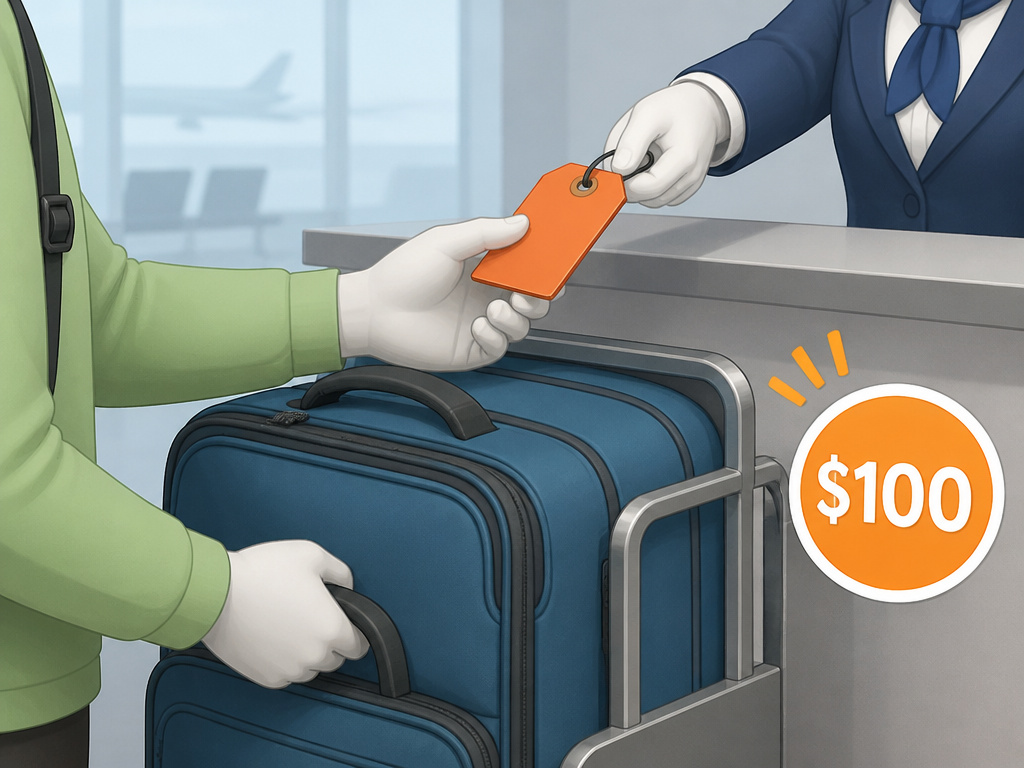
MSG offers no on-site storage. The FAQ is clear: “Madison Square Garden does not provide an area to check bags, coats or any other personal belongings.” You have two choices if you’re turned away.
First, you can return the bag to your car or hotel. This is only feasible if you drove in or are staying nearby. The second, and more common, option is to use a third-party luggage storage service. Networks like Bounce or LuggageHero operate out of local businesses, bodegas, hotels, pharmacies, within a few blocks. Schwartz Luggage & Storage is a known, dedicated spot a short walk away.
Where this goes sideways: Assuming you can check a banned bag at the venue. You’ll be sent back out into the Penn Station crowds, now racing against the event start time to find storage you didn’t research beforehand.
The process eats at least 30 minutes, often more during peak entry times for a Knicks game or concert. You miss the opening acts, the pre-game buzz, and you start the event stressed. This is why “travel light” is the first line in the Rangers’ arena guide.
The Bag That Actually Works for MSG
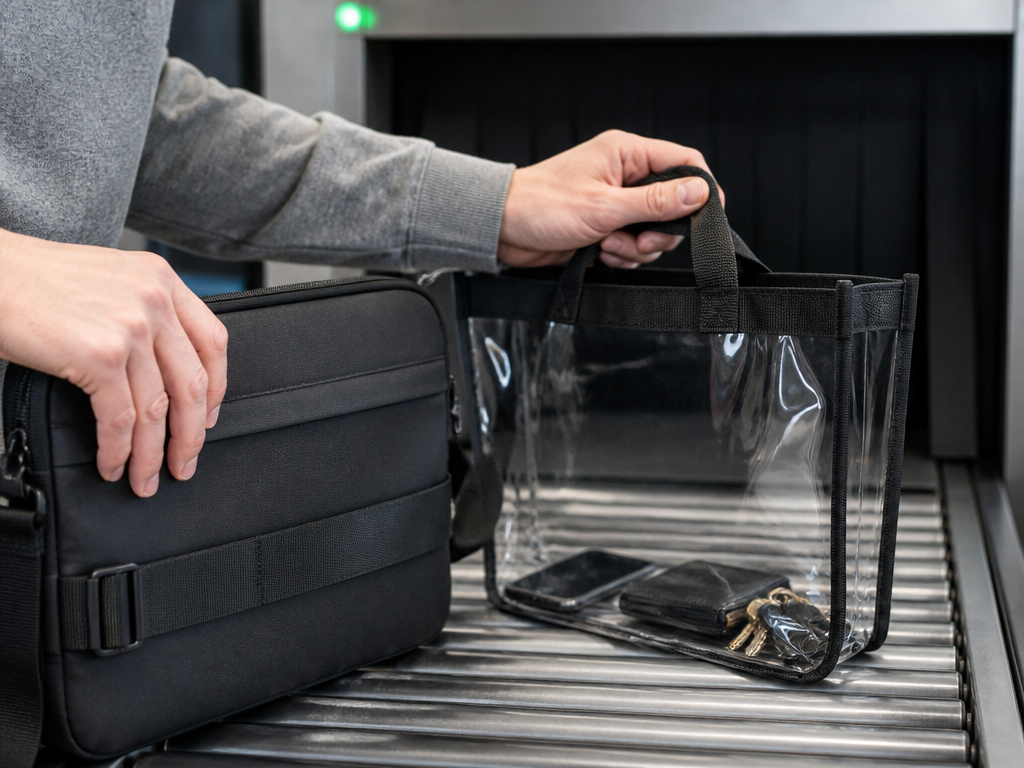
So what should you bring? Your goal is the smallest, flattest, simplest bag that carries your essentials. The design priorities are low depth, minimal structure, and easy visual inspection.
A small crossbody bag or a slim messenger bag is the best middle ground. It holds a phone, wallet, keys, and maybe a compact camera. It lays flat against your body, presenting a low profile for the “under seat” test. Brands like Travelon or Pacsafe make styles designed for this exact scenario, urban, secure, and venue-friendly.
A clear 12″ x 6″ x 12″ tote is the strategic choice. It meets almost any venue’s clear bag policy, so it’s reusable for events at Radio City Music Hall or Oracle Park‘s policy. Security can see everything inside instantly, which often moves you through the X-ray line faster. It’s also more spacious than a clutch while remaining within bounds.
Finally, a small wristlet or clutch (under 4.5″ x 6.5″) is the ultimate safe play. Many venues, including MSG, often permit these to be carried in your hand without submitting them to the X-ray belt at all, treating them like a wallet.
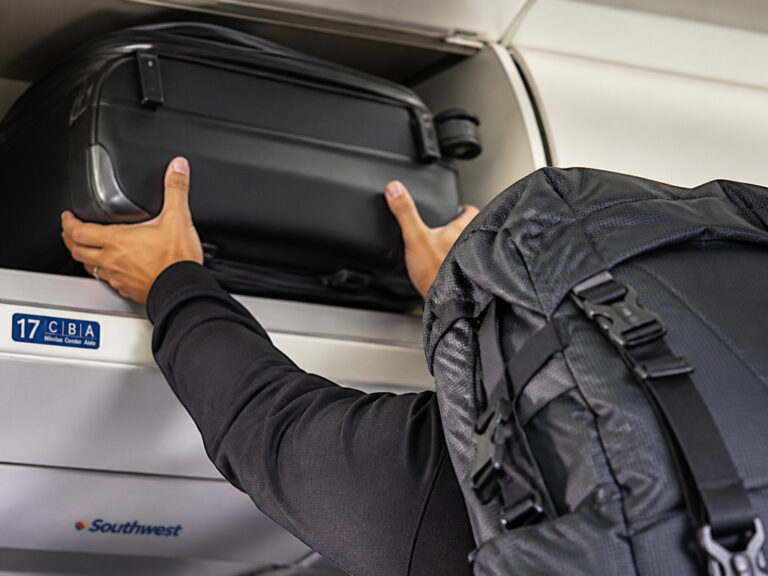
Bottom line: If you wouldn’t feel comfortable sliding it under an airplane seat, don’t bring it to The Garden.
Exceptions and Special Circumstances
The policy has built-in flexibility for real needs. These exceptions are not loopholes; they are necessary accommodations handled through manual screening.
Medical bags for essential equipment like insulin pumps or epinephrine injectors are allowed even if they exceed size limits. You must declare them at security. They will undergo a thorough manual search, and you may be escorted through a dedicated lane. Contacting Guest Relations (guestrelations@msg.com) ahead of time smooths this process.
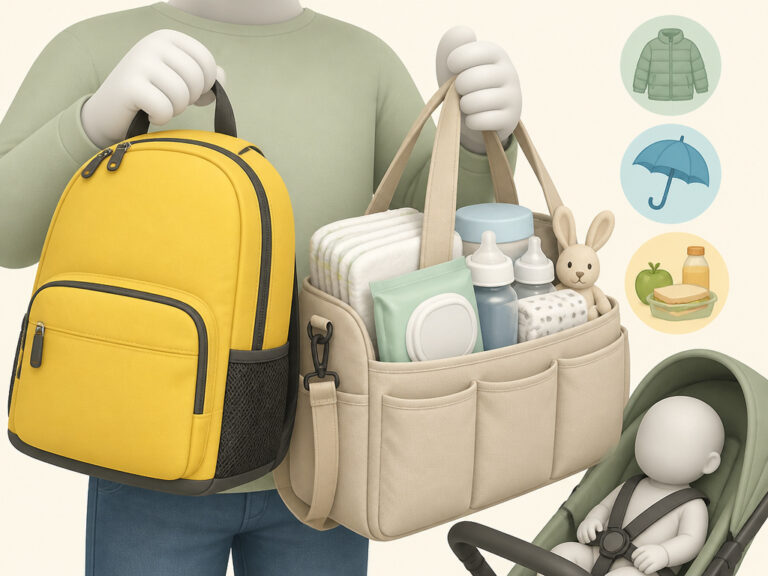
Diaper bags for guests with infants are also permitted. Like medical bags, they don’t have to be clear but will be searched meticulously. The “one bag per person” rule is typically relaxed here, the diaper bag is in addition to a parent’s personal bag.
For other special needs, the venue advises contacting Guest Relations at 212-465-6225. This is for accessibility requirements, not for negotiating a backpack ban. Security is trained for these scenarios, but they do not extend to convenience items like laptops in large bags.
Navigating Security and the “No Bag” Line
All entrances, primarily the 7th and 8th Avenue towers, funnel you into security screening. The process is standard for a major venue: bag on X-ray belt, walk through metal detector, collect bag. The difference is the volume of people coming directly from Penn Station.
There is a “No Bag Express Line.” If you can manage with just your phone, wallet, and keys in your pockets, use it. You’ll bypass the longest queue. This is the single best way to guarantee entry speed.
Remember, MSG is a cashless venue. All concessions and merchandise stands accept only credit/debit cards or mobile pay. If you only carry cash, you’ll need to use a reverse ATM to get a prepaid card. That’s one more reason your bag should hold a card holder, not a wallet full of bills.
Your entry strategy mirrors planning for airplane backpack rules or flying with a backpack, minimize complexity to maximize speed. The less you give security to look at, the faster you get to your seat.
Frequently Asked Questions
Are clear bags required at Madison Square Garden?
No, MSG does not mandate clear bags for most events. However, using a clear tote significantly speeds up the X-ray screening process. Some high-profile concert tours impose their own stricter clear bag rules, so always check your ticket email 24-48 hours before the event.
Can I bring a laptop into MSG?
Yes, laptops are allowed but are subject to the same bag size limits and screening as everything else. If your laptop bag is a backpack, it will likely be denied. A slim sleeve inside a crossbody or tote is the better method.
What is the best bag to bring to a Knicks or Rangers game?
Small crossbody bag or a clear tote no larger than 12″x6″x12″. It will meet the size rule, avoid the backpack ban, and expedite your security check. This is more permissive than some ballparks, like Wrigley Field‘s policy, but the principle is the same.
Does MSG have a coat check?
No. MSG does not provide bag check, coat check, or locker storage of any kind. You must keep your coat with you at your seat, which is another reason to pack lightly.
What if I’m coming straight from the airport or train?
Plan for third-party storage. Services like LuggageHero have locations near Penn Station. Do not assume you can bring your roller bag or travel backpack into the venue; you will be turned away. This is a common point of failure for out-of-town fans.
Are the bag rules the same for concerts and games?
The venue’s base policy (22″x14″x9″, no backpacks) applies to all events. However, as noted, some concert artists or tours enforce additional restrictions, including clear-bag mandates. Always verify via your ticket provider before you go.
Before You Go
The official Madison Square Garden bag policy is a set of dimensions. The enforced policy is a judgment call by security focused on speed and safety. Your backpack’s measurements are less important than its profile and strap configuration.
Pack for the seat, not for the day. Choose a bag that vanishes under a chair, lets an X-ray operator see its contents in two seconds, and leaves your hands free. That’s a crossbody, a clear tote, or a clutch.
Check your event details one last time the day before. Then walk past the long bag-check line, through the express lane, and into your event. That’s the win.