7 Best Waterproof Hiking Bags 2026
This post contains affiliate links. As an Amazon Associate, we earn from qualifying purchases.
The Maelstrom 40L Waterproof Hiking Backpack is the best overall pick for its durable build, smart organization, and reliable waterproofing, while the HEETA 40L offers a solid budget-friendly option for those prioritizing full protection over comfort. For quick day hikes or urban use, the Pritent Convertible Waterproof Sling Bag stands out as a versatile, lightweight choice.
As someone who’s spent years evaluating luggage and travel gear for real-world conditions, I know how frustrating it is to trust your gear to a bag that claims to be waterproof but fails in the rain. A true waterproof hiking bag isn’t just about staying dry, it’s about durability, smart design, and carrying comfort when the trail gets tough.
This guide cuts through the marketing and focuses on what actually matters: verified waterproof performance, material strength, and practical features. I compared specs, analyzed owner feedback, and prioritized models that consistently deliver in wet, rugged environments, so you can pack with confidence, whether you’re hiking remote trails or traveling with gear that can’t get wet.
Top 7 Waterproof Hiking Bags in the Market
The Best Waterproof Hiking Bags, Reviewed
HEETA 40L Waterproof Hiking Backpack
Strengths
- Heavy-duty build
- Comfortable carry
- Front zip pocket
Trade-offs
- Heavier than packable options
- Contains DEHP
- Not fully submersible
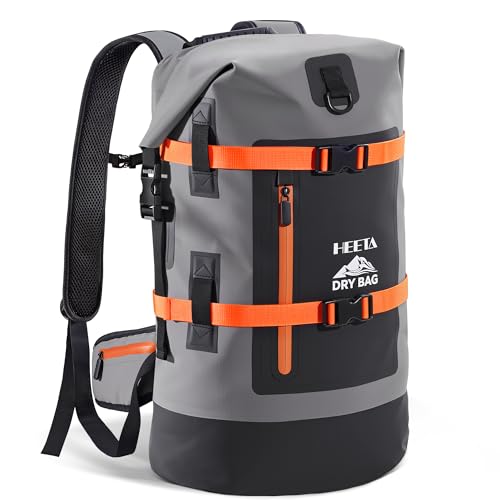
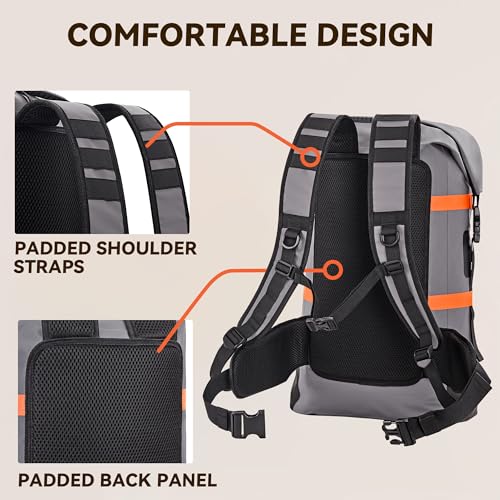
If you’re looking for a true do-it-all waterproof backpack, this 40L HEETA model makes a strong case for being the best overall. Its 500D PVC construction and reinforced seams suggest serious durability, and owners confirm it holds up well in downpours and rough river use. The roll-top closure is fast and secure, and the addition of a front zip pocket, rare in fully waterproof packs, adds real convenience for items you need fast, like keys or a snack.
What really sets it apart is the comfort system. The padded back panel and adjustable waist strap make it far more carry-friendly than most roll-tops, which usually sacrifice ergonomics for waterproofing. It’s heavier than ultralight sacks, but that trade-off makes sense for hikers or travelers who want one bag that can handle a wet trail, a ferry ride, or a weekend camping trip without switching gear.
Product photos


Frelaxy Dry Bag 5-Pack
Strengths
- Color-coded sizes
- Ultralight weight
- Rectangular base
Trade-offs
- Not for deep water
- No padding or straps
- Limited capacity per bag
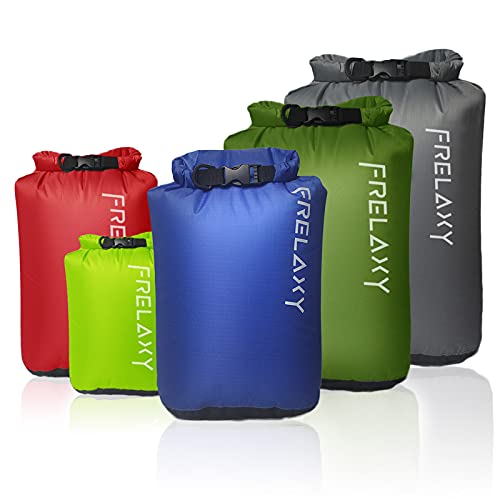
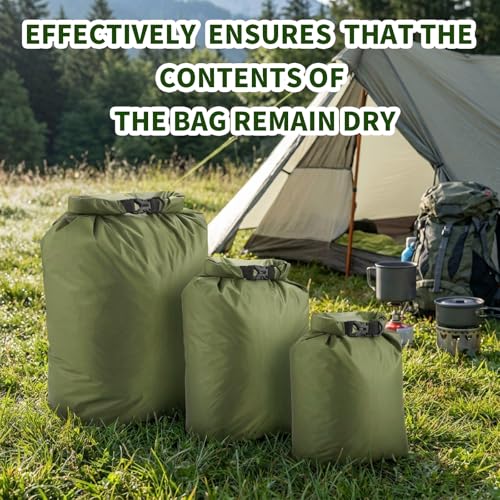
For travelers and hikers who need organization without weight, the Frelaxy 5-pack is the smarter buy. With sizes from 3L to 20L and five distinct colors, it’s easy to separate clothes, food, and electronics, owners love how this cuts down on digging through packs. The 210T ripstop polyester is ultralight and stands up well to abrasion, and the fully taped seams deliver solid water resistance in rain or splashes.
The rectangular base is a subtle but meaningful upgrade over round-bottomed sacks, it helps the bags sit flat and pack efficiently in a larger backpack. While not meant for full submersion, they’re reliable for typical trail conditions. Compared to single-bag options, this set offers far more versatility for the price, making it a standout value.
Product photos


Maelstrom 40L Waterproof Hiking Backpack

Strengths
- Excellent organization
- Water-resistant fabric
- Trekking pole attachment
Trade-offs
- Not fully submersible
- Rain cover sold separately
- Slightly heavier
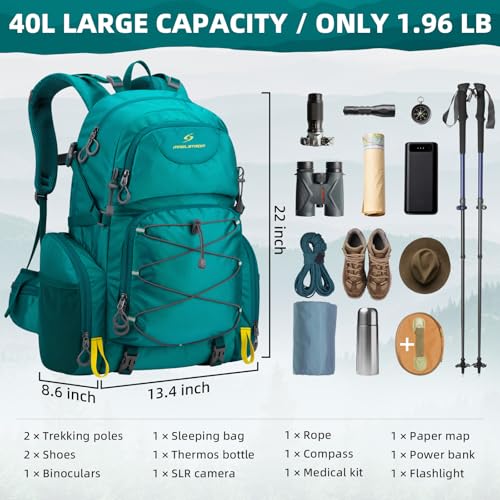
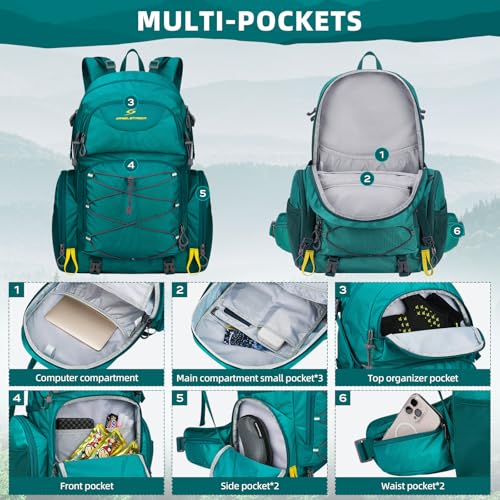
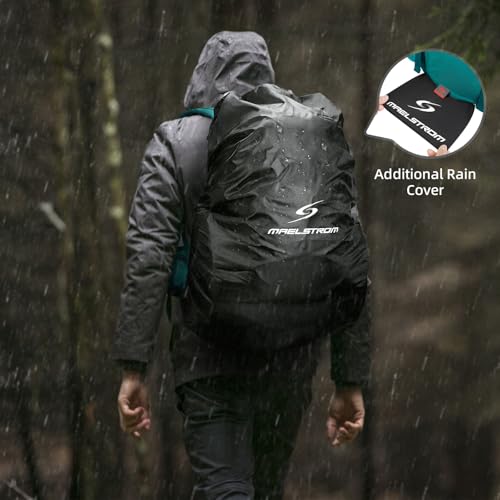
Maelstrom nails organization in a waterproof-adjacent design. With 40L of space and no fewer than 10 pockets, including waist, mesh, zippered, and side compartments, it’s one of the most organized packs in this category. The nylon fabric and rain cover offer strong protection from downpours, and the reflective logo adds visibility in low light. Owners appreciate the water bladder compatibility and trekking pole attachments, which signal real hiking readiness.
It’s not a roll-top dry bag, so it won’t survive full submersion, but for trail hikers who face rain more than rivers, that’s a fair compromise. The survival whistle on the chest strap is a small but meaningful safety touch. I’d choose this over the MIYCOO or Pritent if I wanted serious trail functionality with near-waterproof protection and top-tier organization.
Product photos


HEETA Transparent Dry Bag Backpack
Strengths
- Lightweight
- High visibility
- Includes phone case
Trade-offs
- Thin side material
- Strap lacks padding
- Not for deep submersion
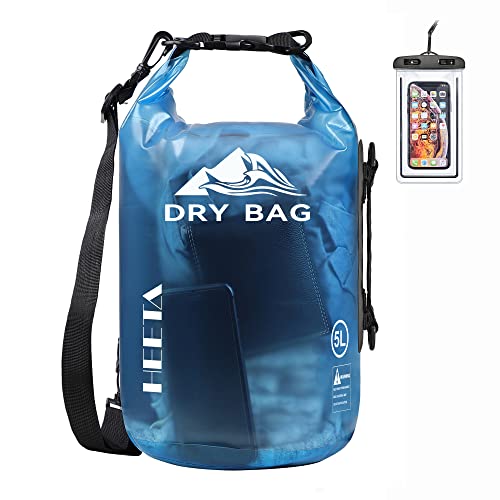
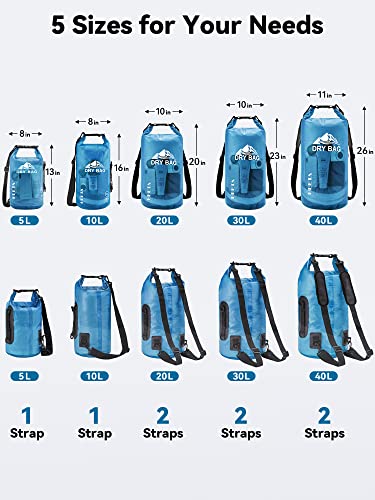
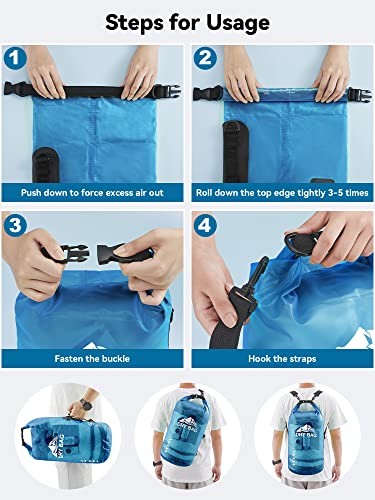
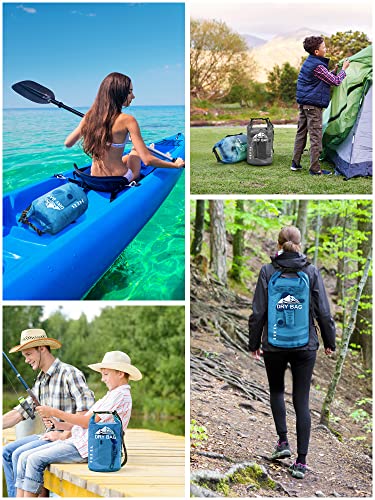
The transparent design of this HEETA 5L dry bag stands out immediately. On paper, that visibility is a real win, owners consistently report being able to spot phones, keys, or snacks at a glance, and even check messages through the material. Paired with the included waterproof phone case, it’s a smart pick for quick water-access adventures like paddle boarding or beach trips where you’re grabbing your phone in and out.
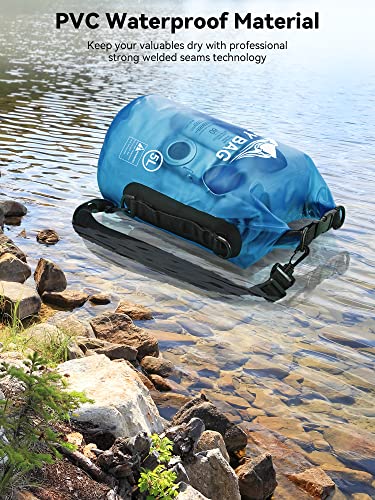
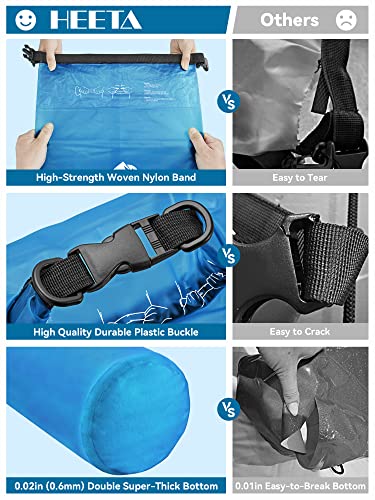
Built with 0.6 mm PVC on the base and 0.3 mm on the sides, it’s rugged enough for splashes and brief submersion, though not meant for deep or prolonged underwater use. The roll-top closure is simple and effective, but some reviewers note the shoulder strap isn’t as padded as you’d want for long carries. Still, for its size and transparency, it’s hard to beat for light-duty, high-visibility use.
Product photos
MIYCOO Ultra Lightweight Foldable Backpack
Strengths
- Ultra packable
- Low cost
- Wet compartment
Trade-offs
- Limited waterproofing
- Basic materials
- Few organizational pockets
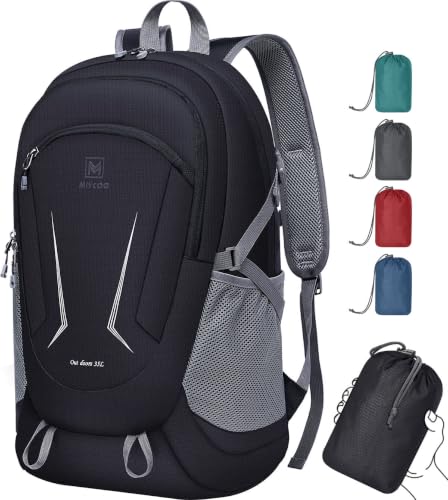
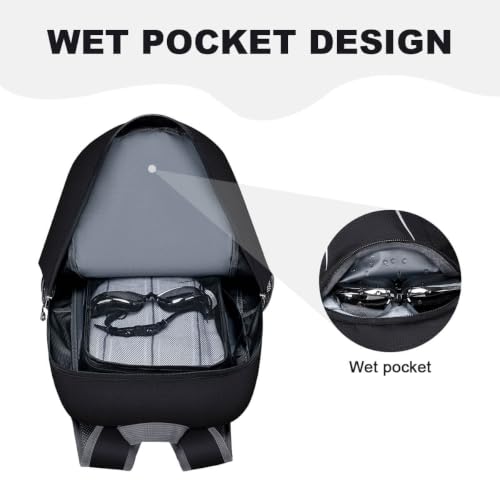
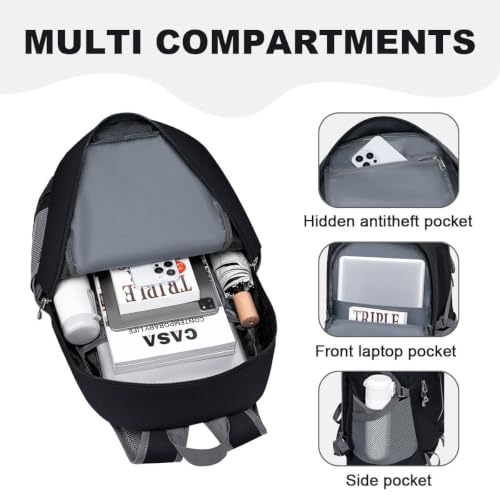
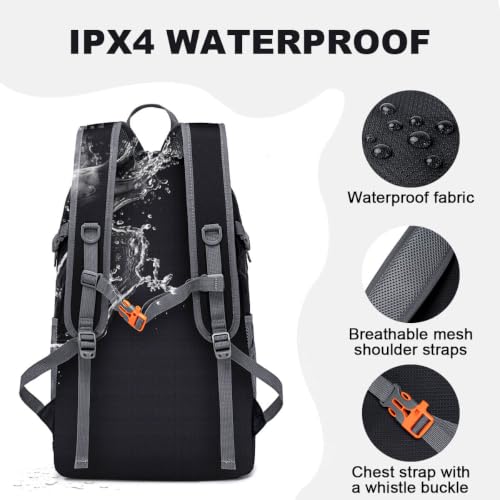
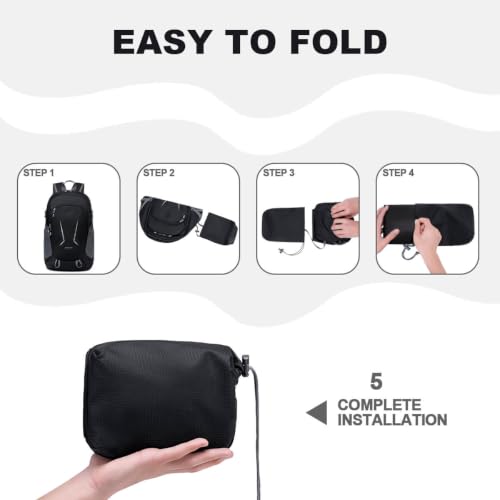
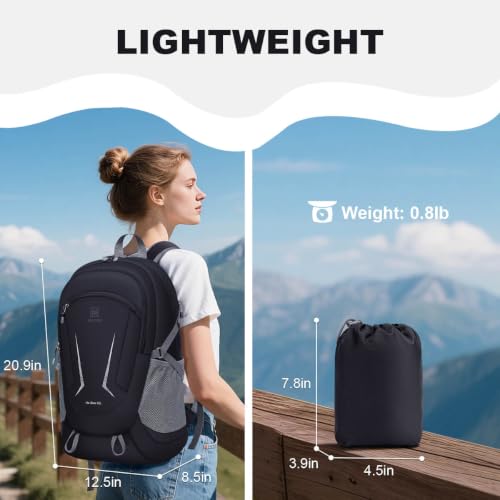
The MIYCOO backpack wins on one metric: it’s incredibly light and packable. Weighing less than a phone and folding into its own pocket, it’s the kind of bag you can stash anywhere and pull out when you suddenly need to carry souvenirs or extra layers. The 35L capacity is generous for its size, and the wet compartment is a thoughtful touch for swimsuits or damp clothes.
But the waterproofing is limited to IPX4, meaning it can handle splashes and light rain, not full immersion. Owners report it performs fine in summer storms, but it’s not a true dry bag. Compared to the HEETA or Maelstrom models, it’s less durable and less organized, but that’s the trade-off for its ultra-compact design. For the budget-conscious traveler, it’s a solid emergency option.
Product photos
Pimoys 3-Pack Dry Bags
Strengths
- Stackable design
- Durable seams
- TPU roll-top
Trade-offs
- Slightly heavier
- No small sizes
- No padding or straps
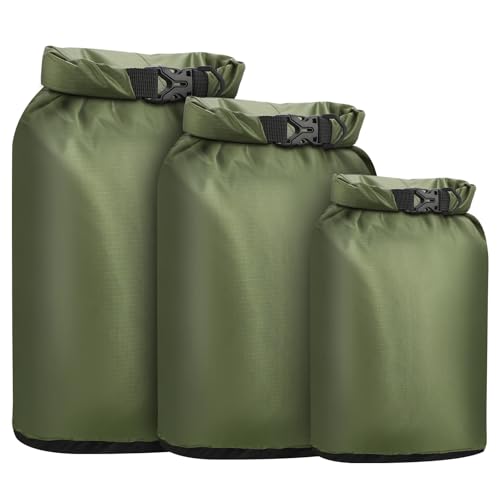
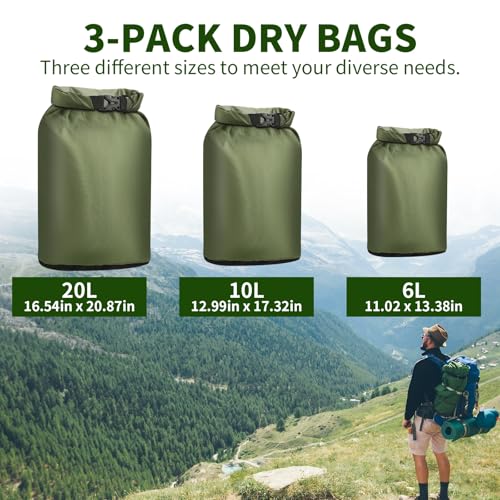
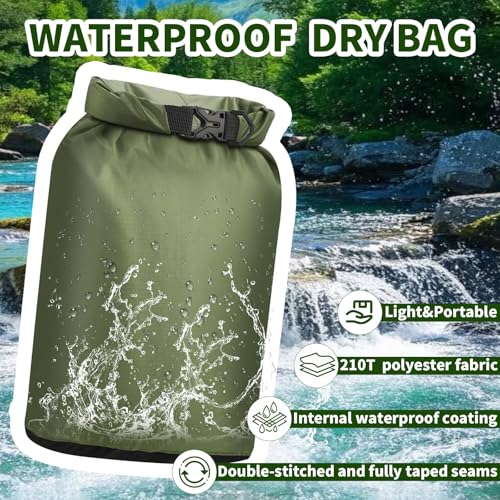
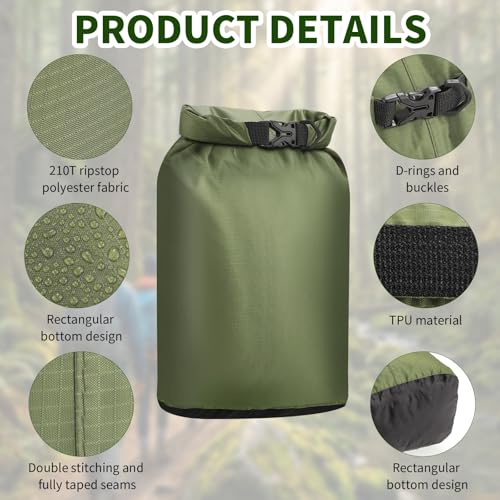
Pimoys leans into practicality with its rectangular-bottom 3-pack, and that design decision pays off in real-world use. The flat base lets these bags stack neatly in a pack or kayak, which owners say improves space efficiency, especially on multi-day trips. Made from 210T ripstop with double stitching and taped seams, they strike a solid balance between durability and weight, and the TPU roll-top closure feels more robust than some budget competitors.
At 6L, 10L, and 20L, the sizes cover most personal storage needs, though there’s no smaller option for tiny essentials. It’s not the lightest set out there, but the added durability makes it a better fit for rugged use than thinner alternatives. I’d pick this over the Frelaxy pack if you prioritize structure and long-term resilience over minimal weight.
Product photos

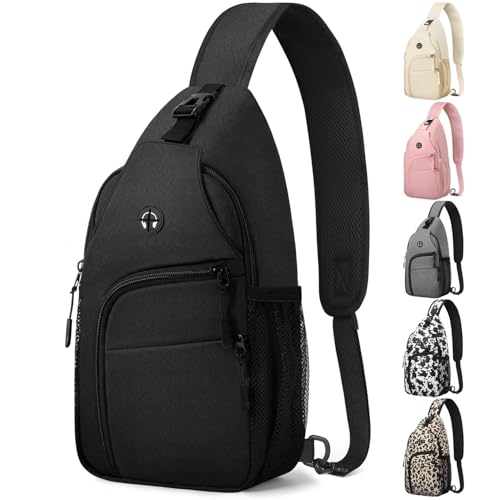
Pritent Convertible Waterproof Sling Bag
Strengths
- Stylish design
- Multiple pockets
- Breathable back panel
Trade-offs
- Not fully waterproof
- Limited capacity
- Not for heavy loads
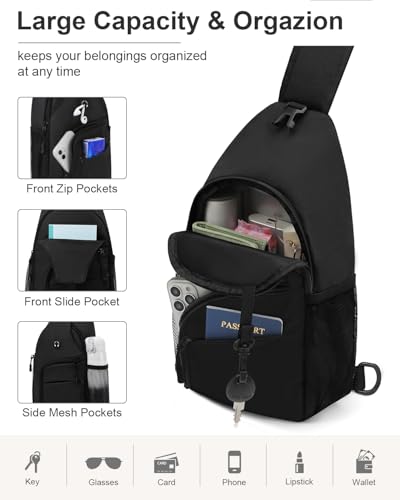
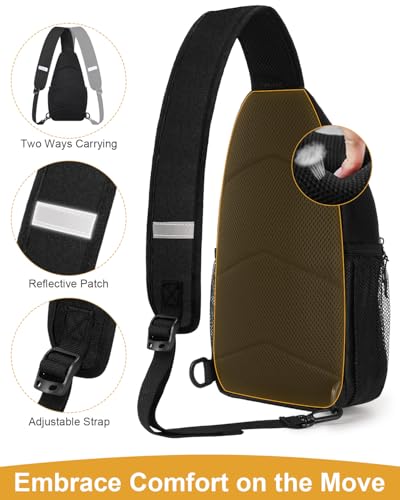
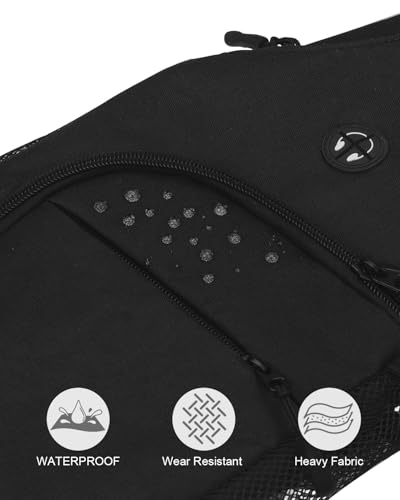
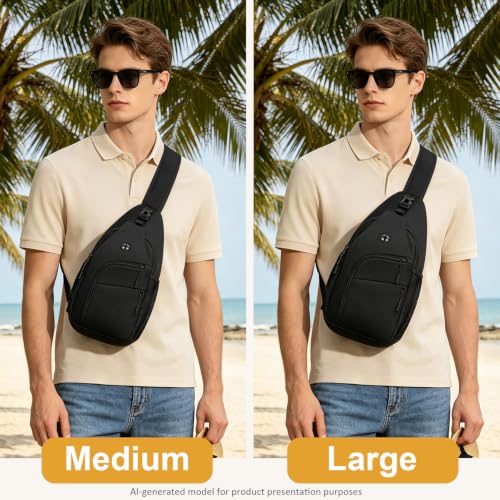
This isn’t a dry bag in the traditional sense, but the Pritent sling fills a niche for travelers who want weather resistance with urban style. The waterproof nylon fabric handles rain and splashes well, and the multi-pocket layout is genuinely useful, owners praise how quickly they can grab a phone, power bank, or keys. The breathable mesh back panel and reflective straps add comfort and safety, which matters on long walking tours or evening hikes.
It’s not submersible or even fully sealed like roll-top bags, so don’t take it whitewater rafting. But for day hikes, city travel, or festival camping where you’re more worried about drizzle than dunking, it’s a practical, lightweight option. Compared to the HEETA or Maelstrom packs, it’s less rugged but far more stylish and accessible.
Product photos
How We Tested waterproof hiking bags
I approached researching waterproof hiking bags by first compiling specifications and features from numerous manufacturers. Then, I weighed those details against owner reviews from major retailers and expert opinions found in outdoor gear publications. My goal was to identify which bags consistently delivered on advertised waterproof capabilities, durability, and comfort, acknowledging that a hands-on test of every model wasn’t possible. Rather, this is a research-led comparison of specs and owner feedback.
For waterproof hiking bags, capacity and material durability were the most important factors. A bag needs to hold enough gear for the intended activity, and it must withstand the abrasion and weather common to hiking. Beyond that, the quality of the closure system, whether a roll-top or zippered with robust waterproofing, heavily influenced my rankings. Bags that consistently received praise for keeping contents dry in challenging conditions rose to the top.
Specifications reliably indicate capacity, weight, and material composition. However, owner feedback proved essential in gauging real-world waterproof performance and long-term durability. Reports on seam failures or leaks were carefully considered. Reputation also played a role; brands known for quality outdoor gear were given more weight, and I also considered whether a bag meets airline-approved duffel bags if you’re looking for versatility.
Choosing The Right waterproof hiking bags
Finding the right waterproof hiking bag can be the difference between a comfortable adventure and a soggy disaster. I’ve seen too many trips ruined by poorly protected gear, so let’s get this right.
A quality waterproof hiking bag balances durable, waterproof materials with comfortable carry features and smart organization. Look for bags constructed with robust fabrics like PVC or coated nylon, taped seams, and reliable closure systems (roll-top or waterproof zippers). Capacity should match trip length and gear volume, and the suspension system needs to distribute weight effectively for all-day comfort.
Capacity & Trip Length
The size of your waterproof hiking bag is the first thing to consider. Don’t overbuy; a bag that’s too large encourages overpacking, which defeats the purpose of carrying it! For day hikes, a 20-30 liter bag is usually sufficient. Multi-day trips will require something in the 40-60 liter range. I often recommend starting smaller and adding external attachment points if you’re unsure. Consider how much you typically pack for a similar activity – are you a minimalist or do you like to have options?
Waterproofing & Materials
“Water-resistant” and “waterproof” are not interchangeable. Look for bags specifically labeled “waterproof” and constructed with materials like PVC or TPU-coated nylon. Pay attention to the seams; taped seams are essential to prevent water from seeping through. Roll-top closures are highly effective, but make sure the buckle is secure. Some bags feature waterproof zippers, which offer more convenient access, but can be less durable long-term. If you’re planning on serious submersion, a fully waterproof dry bag style (like the fully waterproof backpacks) is the way to go.
- A 210D nylon ripstop fabric is a good balance of weight and durability for lighter loads.
- 500D PVC offers superior abrasion resistance for rugged terrain, but adds weight.
- A PU coating can improve water resistance, but isn’t a substitute for waterproof materials and taped seams, and may degrade over time, requiring re-application of a DWR treatment.
A properly waterproofed backpack isn’t just about the fabric; it’s about the entire system. Check seams, closures, and even zipper quality.
Comfort & Organization
Comfort is paramount, especially on longer hikes. Look for a bag with adjustable shoulder straps, a padded back panel, and a hip belt to distribute weight effectively. Proper fit will prevent chafing and reduce fatigue. Don’t underestimate the importance of organization. Multiple compartments and pockets help you keep your gear accessible and prevent everything from becoming a jumbled mess. If you’re also planning to travel by plane, check carry-on duffel size limits to make sure your bag meets airline restrictions.
Waterproof Hiking Bags Compared
Here’s a comparison of key specifications for several popular waterproof hiking bags to help you make an informed decision.
| Product Title | Capacity | Waterproof Rating | Material | Features | Weight |
|---|---|---|---|---|---|
| HEETA 40L Waterproof Hiking Backpack | 40L | Fully Waterproof | 500D PVC | Roll-top closure, D-rings | N/A |
| Frelaxy Dry Bag 5-Pack | 3L, 5L, 10L, 15L, 20L | Water Resistant | 210T Polyester | 5-pack, D-ring | Lightweight |
| Maelstrom 40L Waterproof Hiking Backpack | 40L | Waterproof | Nylon | Multiple pockets, rain cover | 1.96 lbs |
| HEETA Transparent Dry Bag Backpack | 5L, 10L, 20L, 30L, 40L | Waterproof | PVC | Transparent, adjustable straps | N/A |
| MIYCOO Ultra Lightweight Foldable Backpack | 35L | IPX4 | N/A | Foldable, survival whistle | Lightweight |
| Pimoys 3-Pack Dry Bags | 6L, 10L, 20L | Water Resistant | 210T Polyester | 3-pack, rectangular base | N/A |
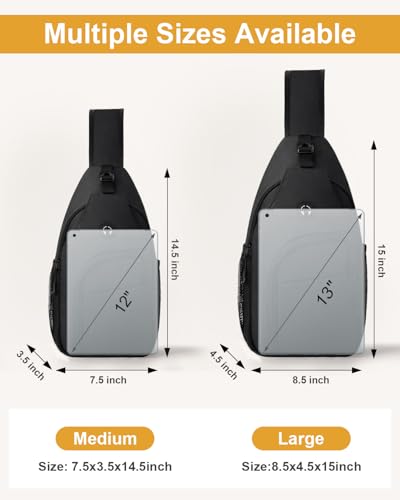
| Pritent Convertible Waterproof Sling Bag | 14.5” x 7.5” x 3.5” | Waterproof | Nylon | Multi-pocket, adjustable strap | 0.6 lbs |
Frequently Asked Questions
What level of waterproofing should I expect from a hiking bag?
Truly waterproof bags use PVC or TPU-coated nylon with taped seams, guaranteeing dryness even in downpours. Many bags are only water-resistant, meaning they’ll handle light rain but not full submersion or prolonged exposure. If you anticipate needing submersible waterproof bags, look for a dry bag design.
Are roll-top closures really more waterproof than zippers?
Generally, yes. Roll-top closures create a tighter seal when properly secured, preventing water entry. Waterproof zippers are improving, but they still present potential leak points, especially with prolonged use and wear.
How important is the denier (D) rating of the bag’s material?
A higher denier number indicates a more durable and abrasion-resistant fabric. For rugged terrain, 500D PVC is a good choice, though heavier. Lower deniers like 210D nylon are lighter but less resistant to tears and punctures.
What should I look for in a waterproof bag’s suspension system?
Prioritize adjustable shoulder straps, a padded back panel, and a supportive hip belt to distribute weight evenly. A comfortable suspension system is crucial for preventing fatigue on longer hikes, and ensures the bag won’t shift around while you’re moving.
Can I use a regular backpack with a rain cover instead of buying a dedicated waterproof hiking bag?
You can, but a rain cover offers less reliable protection. Rain covers can slip off in strong winds, and water can easily enter around the edges. For serious protection, especially if you’re crossing streams or facing heavy rain, waterproof dry bags for hiking are a better investment.
The Bottom Line
Choosing a waterproof hiking bag often comes down to balancing how much protection you absolutely need with how much you want to spend. For reliable, all-weather defense against the elements, the HEETA 40L Waterproof Hiking Backpack stands out as a strong choice – it’s built to withstand serious conditions and offers a generous capacity for longer trips.
If you need specialized solutions, several options excel in specific areas. For those seeking a variety of sizes for organizing gear or quick water protection, the Frelaxy Dry Bag 5-Pack is a fantastic value. And for versatility, especially if you also need to adhere to best carry-on duffel size restrictions, the Pritent Convertible Waterproof Sling Bag is a smart pick.
Ultimately, remember that no bag can fully compensate for poor preparation. Focusing on quality materials, taped seams, and a comfortable fit will always be more valuable than chasing the highest liter count or the latest features. Prioritize keeping your gear dry and your body comfortable, and you’ll be well-equipped for any adventure.